|
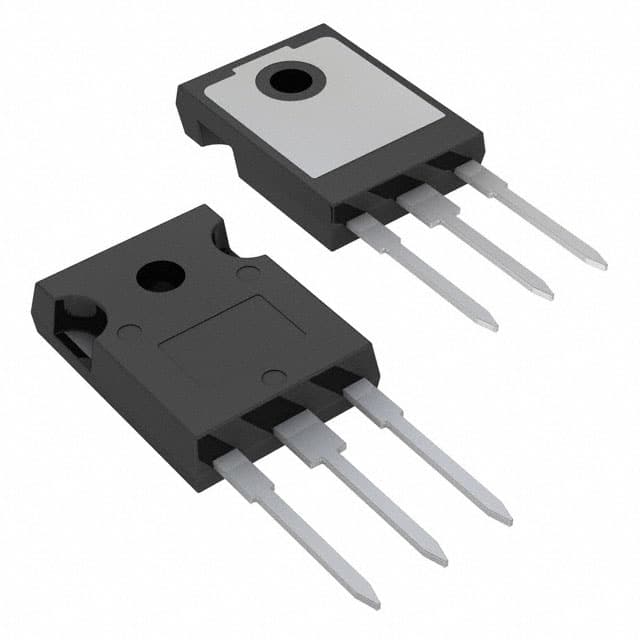
IRFP260MPBFInfineon Technologies
|
x 1 | |
|
|
Rotary potentiometer |
x 1 | |
|
|
Variable capacitor 300pF/4kV |
x 1 | |
|
|
12v/1W Zener Diode |
x 1 | |
|
|
Coils (values in description) |
x 1 |

|
Soldering Iron Kit |
Building a Plasma Flame Generator, HFSSTC Class-E Tesla Coil
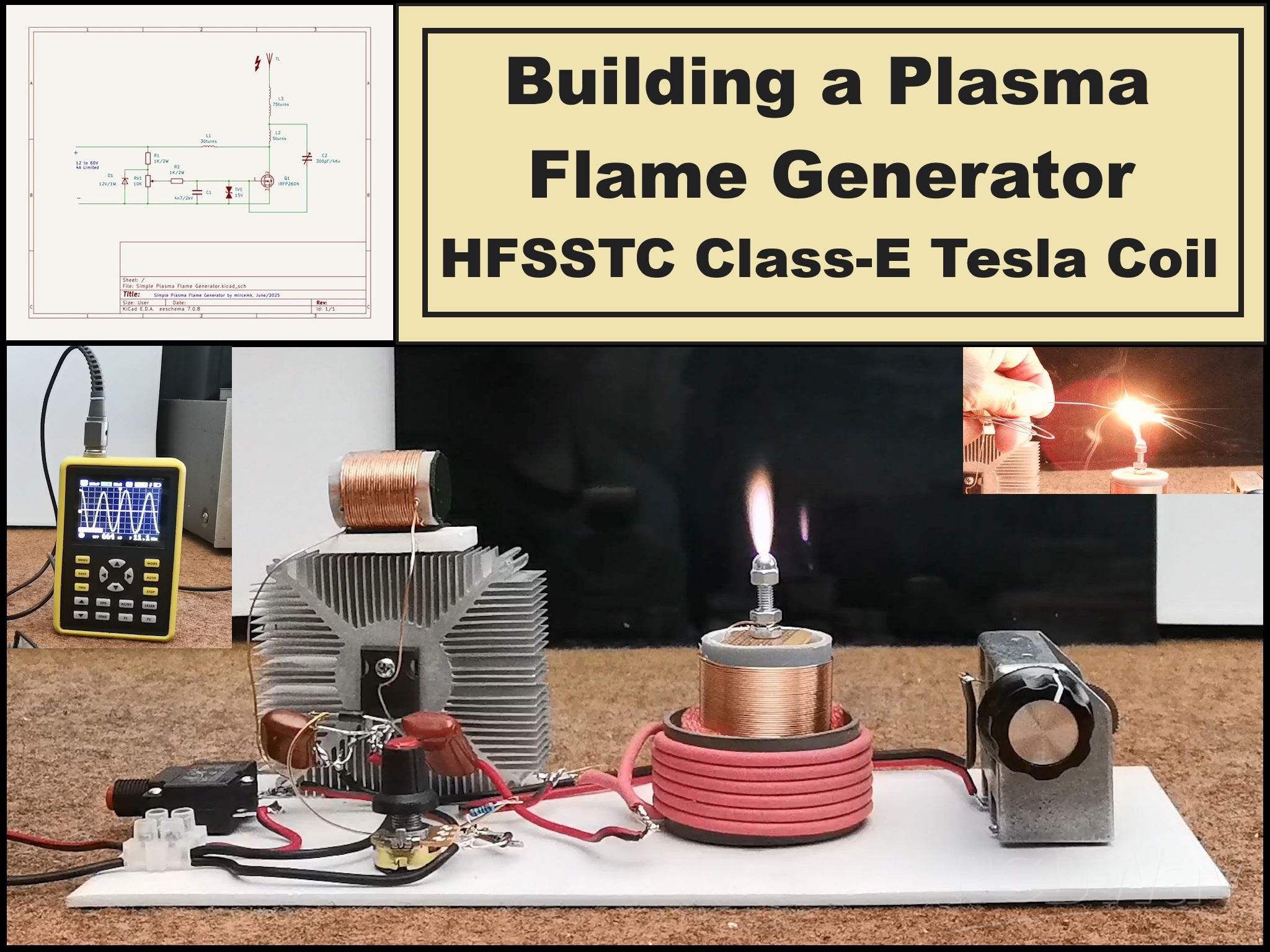
Plasma flame generator is a device that utilizes the high-frequency, high-voltage output of a Tesla coil to create a continuous plasma discharge that resembles a flame. These "plasma flames" are formed by ionizing the air around the Tesla coil's discharge point. This Tesla Coil is based on a Class-E RF power amplifier that’s tuned to oscillate at around 11MHz, and generates about 150kV output voltage. The main advantages of this types of HFSSTC are that it can be powered from a low-voltage DC supply, it doesn’t make much noise and you don’t need to deal with high-voltage primary power supplies. An interesting property of high-frequency, high-voltage output is its ability to produce a flame discharge, in which the ionised air (plasma) takes on the appearance of a candle flame.
However, producing a stable flame is tricky and requires a fair bit of tuning. Now let me briefly explain how the device works.
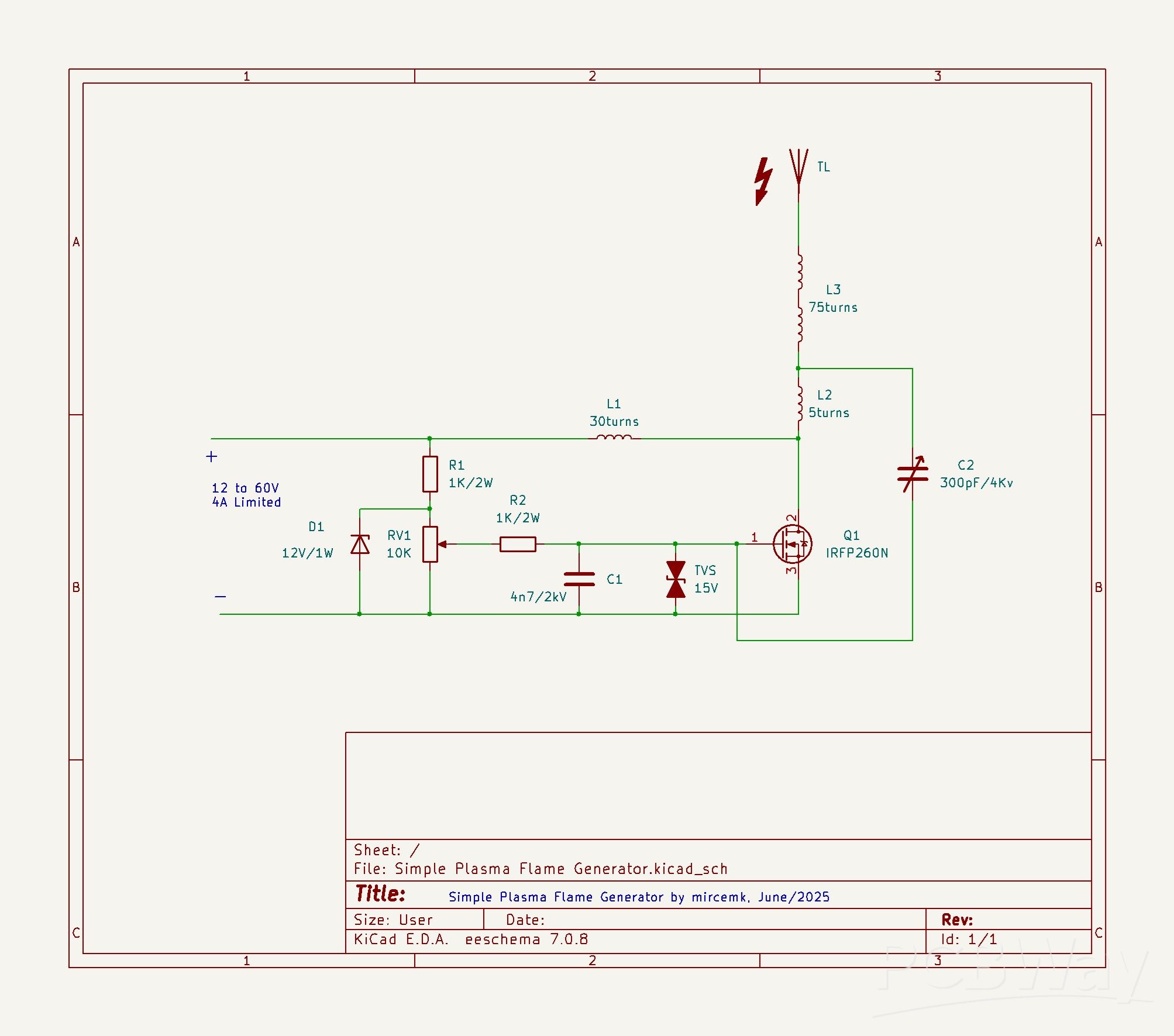
The heart of the circuit is the LC oscillator formed by L2 (2.4μH) and C2 (150pF). The values of these components determine the oscillator’s frequency. In this case, around 11MHz. The voltage divider formed by VR1 and its 1kohm series resistor generates a 5-10V signal at the gate of IRFP260N Mosfet to start the circuit oscillating. The MOSFET should be mounted on a relatively massive heat sink for efficient dissipation of the generated heat. Feedback via capacitor C2 triggers and sustains the oscillation.

This year, PCBWay celebrates its 11th anniversary of continuous progress and is organizing several activities. On that occasion you can get exclusive coupons, or you can Start Your PCB Order for Just $5, and get Up to 50% off for 3D Printing & CNC Machining. You also get a special discount on selected items and share your projects with the Community and get the sponsorship amount up to 20 US dollars per project. PCBWay not only counts years but also builds a legacy of quality, reliability and partnership. Together let's shape the innovations of tomorrow!
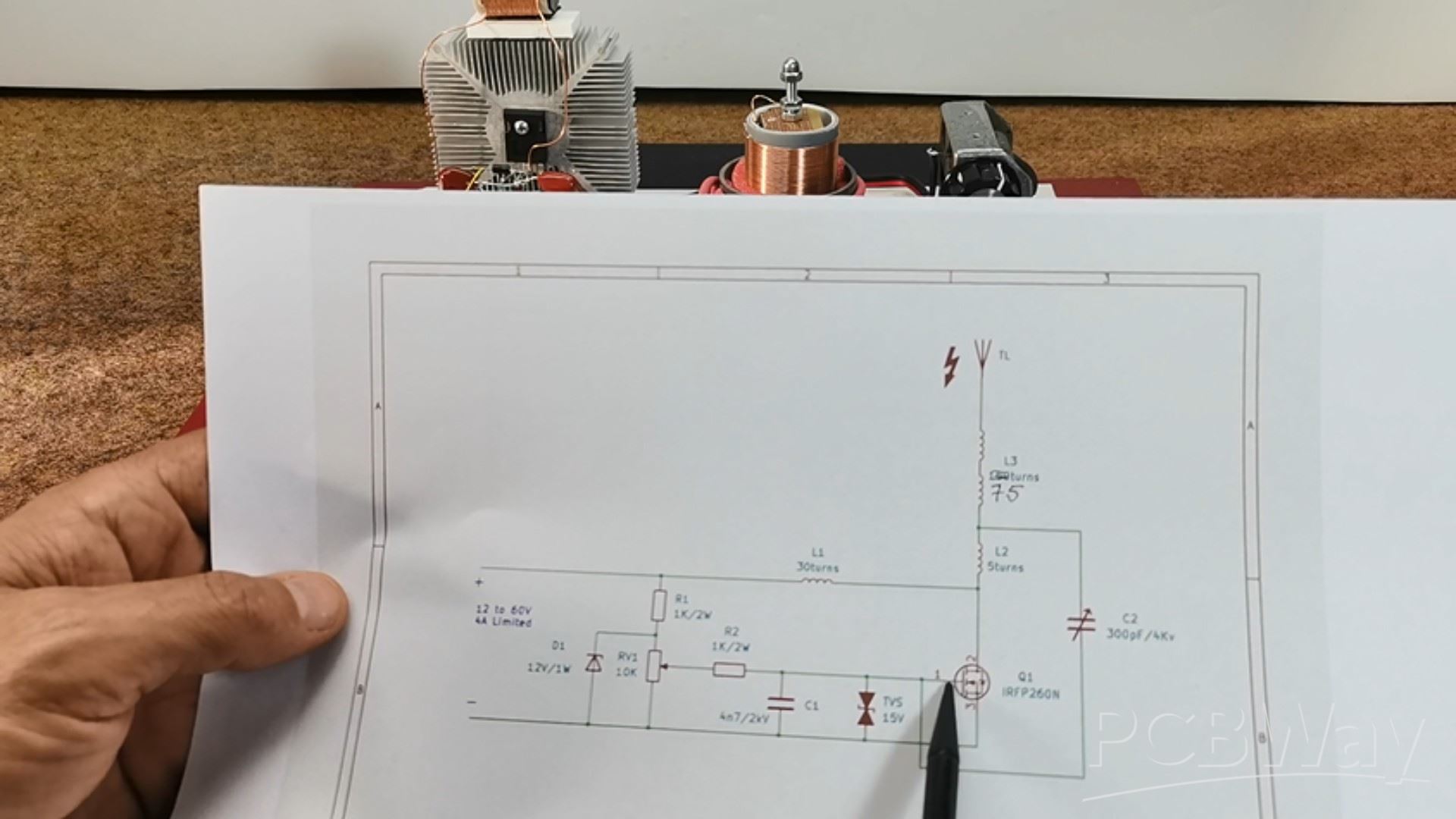
ZD and TVS both aim to prevent the voltage at the gate from exceeding the gate-source voltage specification of the device. L1 have 30 turns of 0.5mm diameter enamelled copper wire on a cylindrical former with diameter of 2.5cm. The primary coil (L2) consists of five to six turns of 1.5mm diameter enamelled copper wire wound on a 5cm diameter former. Instead of a 150pF/4kV capacitor, I used a variable capacitor from an old tube radio, so I can make fine adjustments very easily. For the value of the variable capacitor of 150pF and the primary inductance of 2.4μH gives a frequency of approximately 11MHz. The secondary contains approximately 75 turns of 0.5mm diameter enamelled copper wire wound on a 30mm PVC pipe. An M4 x 12mm stainless steel bolt and a brass acorn nut is used as the breakout point or “top load”.
During the testing of the device I experimented with several types of secondary coils, with the oscillation frequency of the circuit ranging from 6.5 to 8 MHz. I got the best results with this small coil with 75 turns and I use it in the final version.
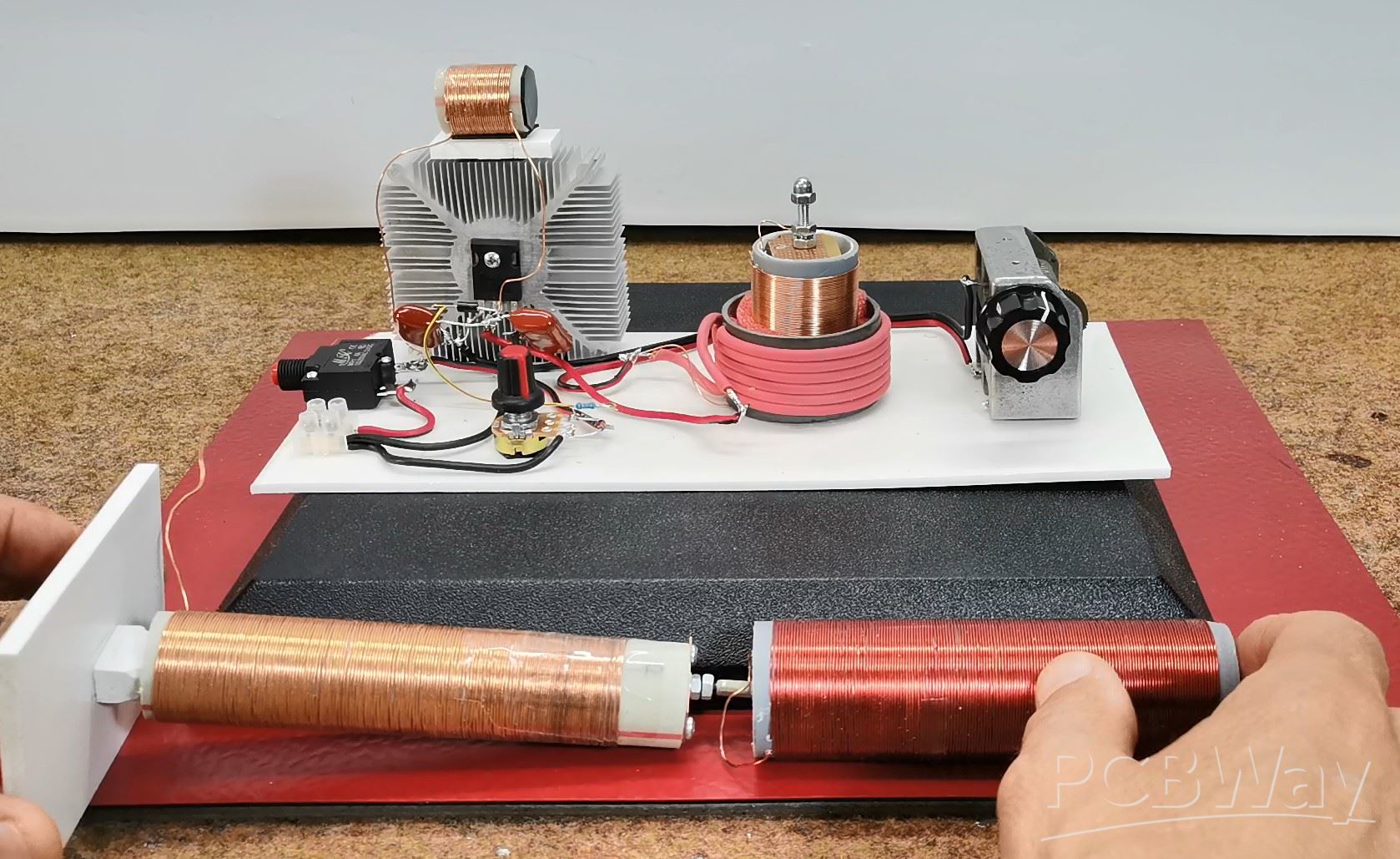
It is interesting to mention that with this setup I managed to generate a plasma flame with relatively low power, specifically less than 70 Watts. In this case the maximum flame length is about 3.5 to 4 cm. As I mentioned earlier, although the circuit is very simple to make, the adjustment should be done very carefully, since we are dealing with relatively high currents and frequencies. If you have the conditions, it is best to use a laboratory constant current source with a variable output voltage.
The method of initial testing and adjustment is as follows:
We set the voltage of the power supply to about 10-12V, and the current is limited to 1A. We set the potentiometer in the far left position and if the circuit has no errors, the current should be approximately 0. We place a CFL bulb close to the secondary coil and gradually turn the potentiometer.
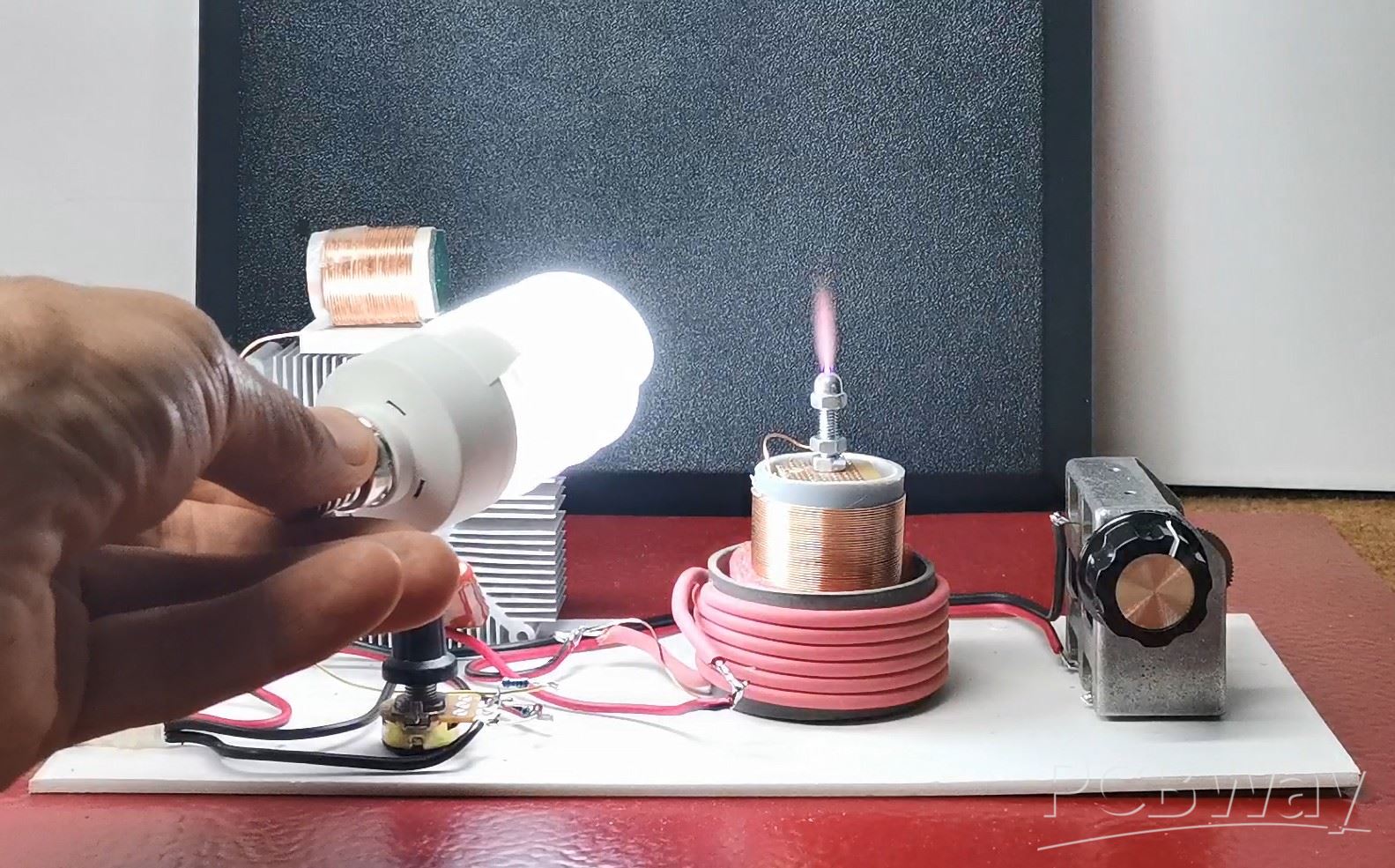
At a certain point, the bulb should light up, which is a sign that the circuit is oscillating and we can continue with further tuning. Also, if the bulb does not light up at half turn of the potentiometer, we should try to set the variable capacitor in the desired position to oscillate the circuit. To avoid unwanted damage by burning the Mosfet, we should continue testing by gradually increasing the voltage, limiting the current to around 2A. We try to get a stable plasma flame by tapping the topload tip with an insulated screwdriver. In this particular case, the lowest voltage at which the plasma flame was formed is 36V and it works quite stably at 40V and a current of about 1.8 Ampere.
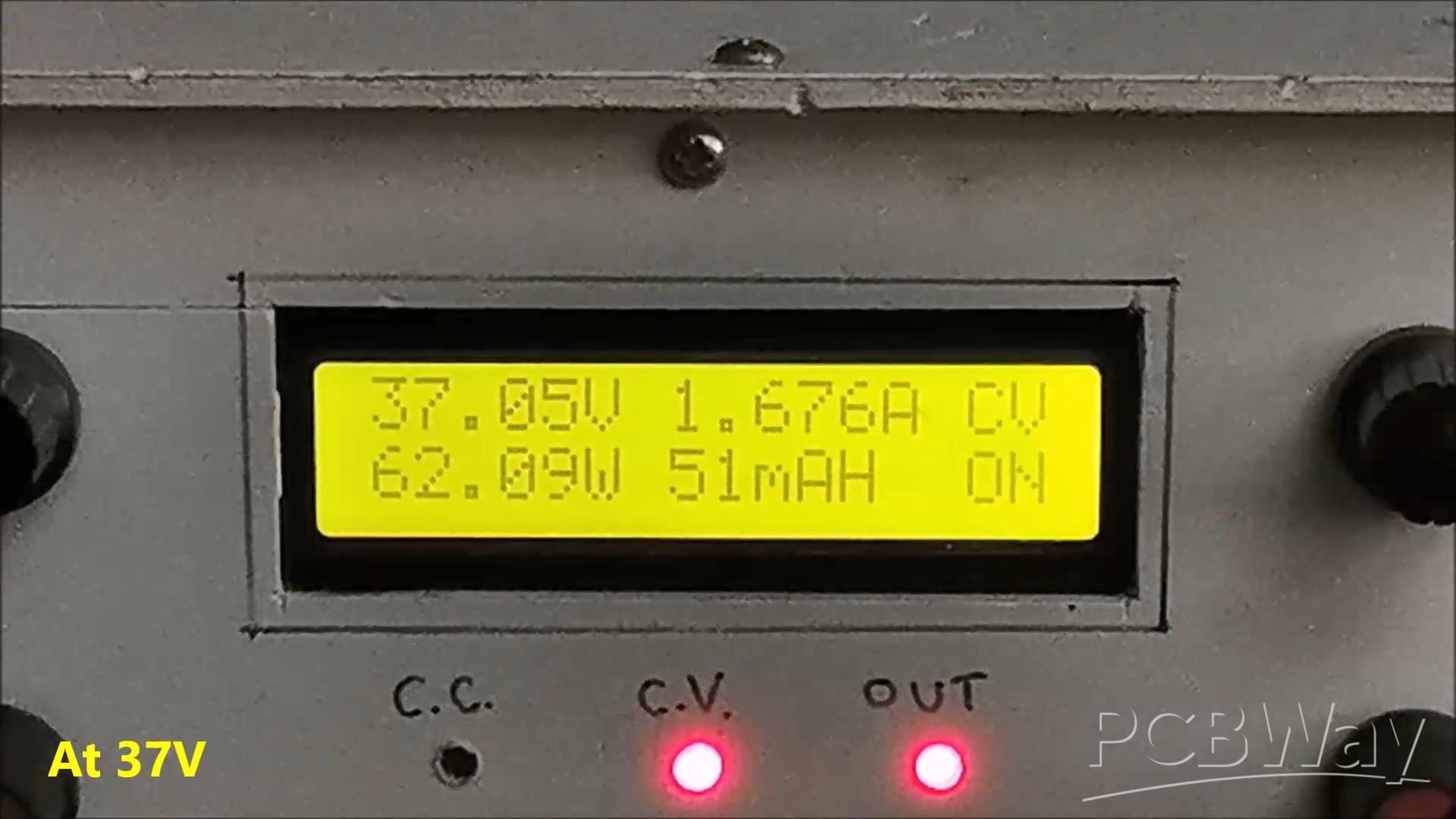
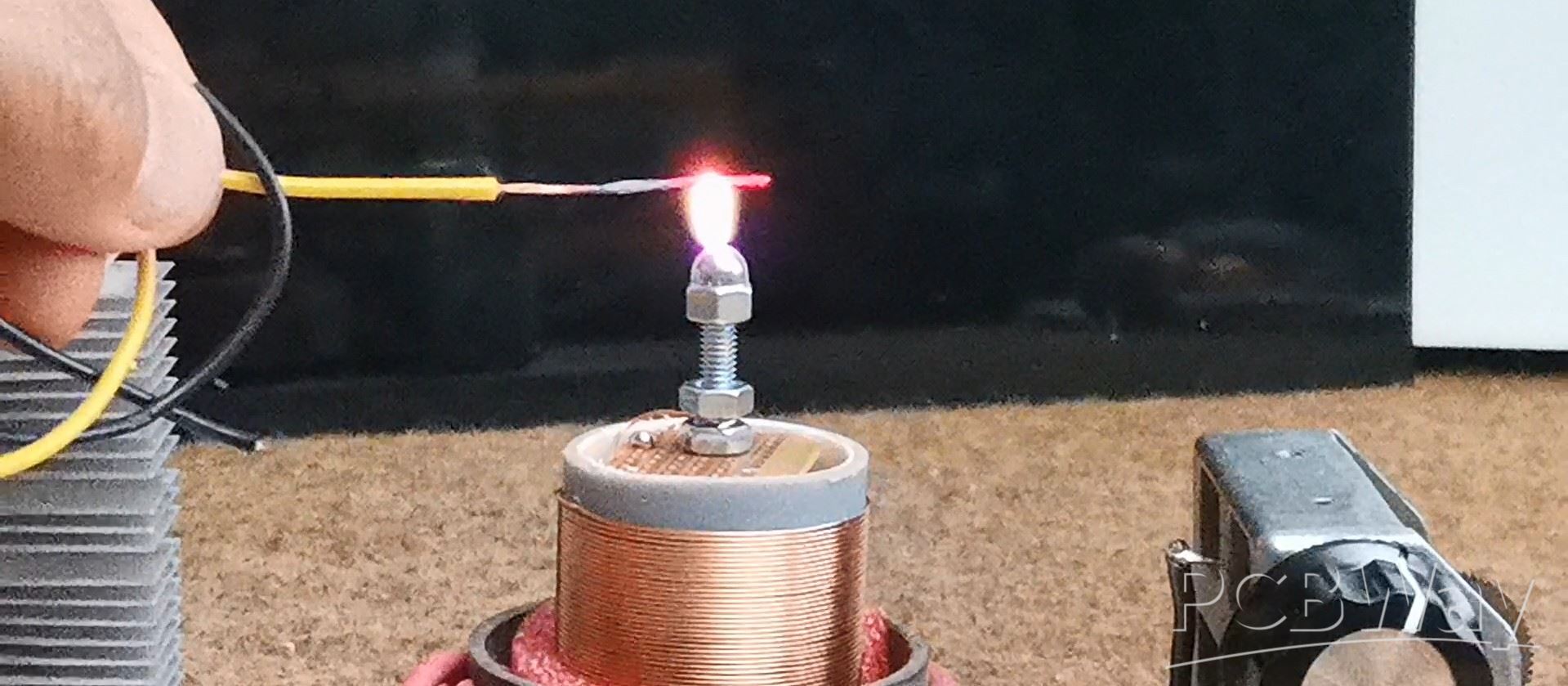
With these parameters, the device can work for a long time without the risk of damage to any of the elements (most often the mosfet). In the following, I will demonstrate the generation process and the functioning of the Plasma Flame Generator, as well as evidence of the extremely high temperature of the plasma which almost instantly melts metals, such as solder wire and copper.
The simplest way to test the oscillation frequency of the circuit is with an oscilloscope by placing a short wire on the telescope probe to act as an antenna that receives the electromagnetic radiation generated by the secondary.
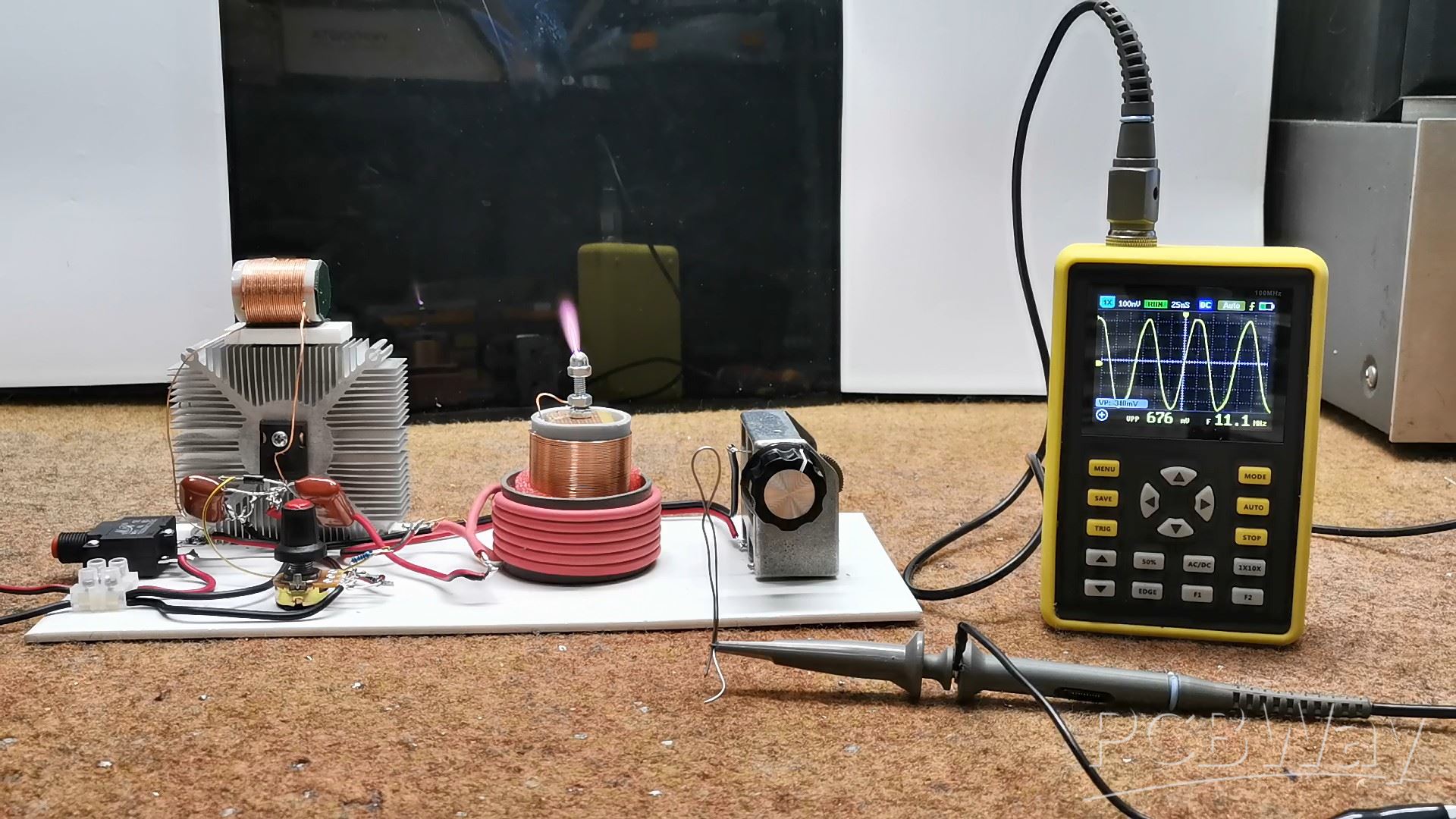
And finally, a short conclusion. This is the plasma flame generator, based on a Class-E RF power amplifier Tesla coil, offers a fascinating and relatively safe way to create a continuous plasma discharge. With careful tuning, this device can produce a stable plasma flame with interesting properties, demonstrating the powerful effects of high-frequency, high-voltage electricity.
SAFETY NOTE: Please do not attempt to recreate the experiments shown on this video unless you are familiar with High Voltage Safety Techniques! Direct Current even above 60V maybe lethal, even when the AC supply voltage has been disconnected due to the stored energy in the capacitors. I have no responsibility on any hazards caused by the circuit. Be very careful. This is a humble request.
Building a Plasma Flame Generator, HFSSTC Class-E Tesla Coil








Raspberry Pi 5 7 Inch Touch Screen IPS 1024x600 HD LCD HDMI-compatible Display for RPI 4B 3B+ OPI 5 AIDA64 PC Secondary Screen(Without Speaker)
BUY NOW


- Comments(0)
- Likes(0)
More by Mirko Pavleski
-
 Arduino 3D Printed self Balancing Cube
Self-balancing devices are electronic devices that use sensors and motors to keep themselves balanc...
Arduino 3D Printed self Balancing Cube
Self-balancing devices are electronic devices that use sensors and motors to keep themselves balanc...
-
 Building a Mini Fostex Horn Speaker with a 2-Inch Full-Range Driver
A back-loaded horn speaker is a loudspeaker design that channels the rear sound wave of a driver th...
Building a Mini Fostex Horn Speaker with a 2-Inch Full-Range Driver
A back-loaded horn speaker is a loudspeaker design that channels the rear sound wave of a driver th...
-
 ESP32 Moon Lamp That Shows the Real Moon Phase on Crowpanel Round Dispaly
Recently on the Hackaday portal I came across a very interesting project called Moon Display by aut...
ESP32 Moon Lamp That Shows the Real Moon Phase on Crowpanel Round Dispaly
Recently on the Hackaday portal I came across a very interesting project called Moon Display by aut...
-
 40-Year-Old DIY Power Amplifiers – Do They Still Work - 500W MOSFET & Transistor Amps
This time I want to describe my two DIY super powerful audio amplifiers that I made about 40 years ...
40-Year-Old DIY Power Amplifiers – Do They Still Work - 500W MOSFET & Transistor Amps
This time I want to describe my two DIY super powerful audio amplifiers that I made about 40 years ...
-
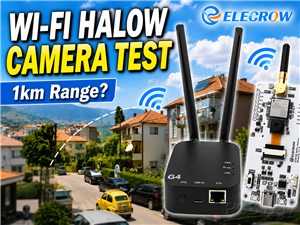 Wi-Fi HaLow Explained! Long-Range Camera Test up to 300m (ESP32 + ThinkNode G4 from ELECROW)
I recently needed to install a security camera at a relatively large distance from my home, more pre...
Wi-Fi HaLow Explained! Long-Range Camera Test up to 300m (ESP32 + ThinkNode G4 from ELECROW)
I recently needed to install a security camera at a relatively large distance from my home, more pre...
-
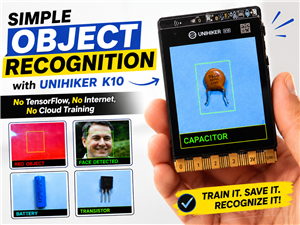 Simple Object Recognition with the UNIHIKER K10 – No TensorFlow, No Internet, No Cloud AI
Object recognition has become one of the most popular applications of artificial intelligence and em...
Simple Object Recognition with the UNIHIKER K10 – No TensorFlow, No Internet, No Cloud AI
Object recognition has become one of the most popular applications of artificial intelligence and em...
-
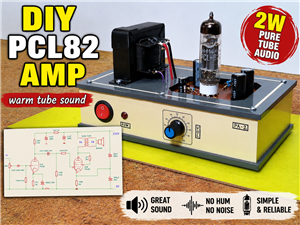 DIY PCL82 Tube Amplifier, Single-Ended Amp with Amazing Sound
The idea for this project came from a local electronics magazine called EMITER, issue 12/13 from 20...
DIY PCL82 Tube Amplifier, Single-Ended Amp with Amazing Sound
The idea for this project came from a local electronics magazine called EMITER, issue 12/13 from 20...
-
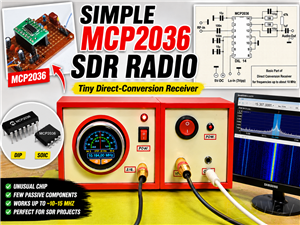 Simple MCP2036 SDR Radio - The Most Unusual Software Defined Radio
SDR (Software Defined Radio) is a radio communication system where many of the key electronic compo...
Simple MCP2036 SDR Radio - The Most Unusual Software Defined Radio
SDR (Software Defined Radio) is a radio communication system where many of the key electronic compo...
-
 Elecrow All-in-One Arduino Starter Kit Review - 20 Projects & 16 Modules
This time I will describe a simple and practical way to enter the world of microcontrollers, specif...
Elecrow All-in-One Arduino Starter Kit Review - 20 Projects & 16 Modules
This time I will describe a simple and practical way to enter the world of microcontrollers, specif...
-
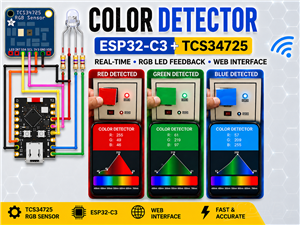 ESP32-C3 Color Detector with TCS34725, Real-Time RGB Detection & Web Interface
Color detection is a fundamental task in many embedded systems – from industrial sorting machines t...
ESP32-C3 Color Detector with TCS34725, Real-Time RGB Detection & Web Interface
Color detection is a fundamental task in many embedded systems – from industrial sorting machines t...
-
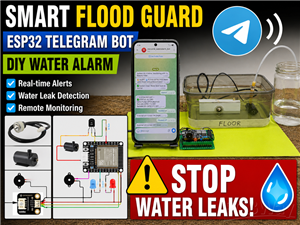 DIY ESP32 Telegram Flood Protection System - Smart Home Automation
Recently I had an unpleasant experience in my home, specifically my ground floor was flooded as a r...
DIY ESP32 Telegram Flood Protection System - Smart Home Automation
Recently I had an unpleasant experience in my home, specifically my ground floor was flooded as a r...
-
 Real-Time Air Traffic Radar using ESP32 + ADS-B Data
ADS-B, which stands for Automatic Dependent Surveillance-Broadcast, is the modern standard for trac...
Real-Time Air Traffic Radar using ESP32 + ADS-B Data
ADS-B, which stands for Automatic Dependent Surveillance-Broadcast, is the modern standard for trac...
-
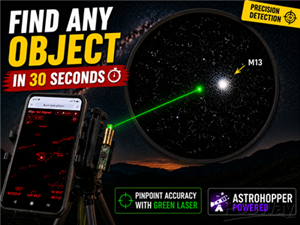 DIY Green Laser Night Sky Object Finder - Find Stars & Galaxies Instantly with great accuracy
As an amateur astronomer, especially at the beginning, the most difficult part of observing the nig...
DIY Green Laser Night Sky Object Finder - Find Stars & Galaxies Instantly with great accuracy
As an amateur astronomer, especially at the beginning, the most difficult part of observing the nig...
-
 DIY Avionics Simulator with ESP32 - Artificial Horizon, Compass & Altimeter
The inspiration for this project comes from classical aircraft cockpit instruments used for navigat...
DIY Avionics Simulator with ESP32 - Artificial Horizon, Compass & Altimeter
The inspiration for this project comes from classical aircraft cockpit instruments used for navigat...
-
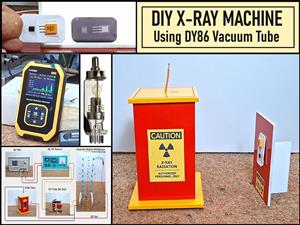 DIY Miniature X-Ray Machine using a TV Vacuum Tube DY86
An X-ray machine (or radiograph) is a quick, painless medical test that produces images of the struc...
DIY Miniature X-Ray Machine using a TV Vacuum Tube DY86
An X-ray machine (or radiograph) is a quick, painless medical test that produces images of the struc...
-
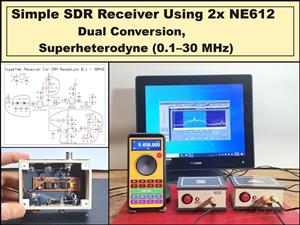 Simple SDR Receiver Using 2x NE612 - Dual Conversion, Superheterodyne (0.1–30 MHz)
SDR (Software Defined Radio) is a radio system in which most of the functions of a classic radio (f...
Simple SDR Receiver Using 2x NE612 - Dual Conversion, Superheterodyne (0.1–30 MHz)
SDR (Software Defined Radio) is a radio system in which most of the functions of a classic radio (f...
-
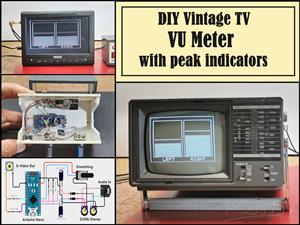 DIY Vintage TV VU Meter with peak indicators
Some time ago in one of my projects I presented you a way to turn a black and white old mini TV int...
DIY Vintage TV VU Meter with peak indicators
Some time ago in one of my projects I presented you a way to turn a black and white old mini TV int...
-
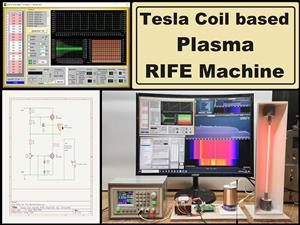 DIY Tesla Coil based Plasma Rife Machine
In several of my previous videos, I presented you with different ways to make a Rife Machine, from ...
DIY Tesla Coil based Plasma Rife Machine
In several of my previous videos, I presented you with different ways to make a Rife Machine, from ...
-
Programmable Mist Maker - XIAO / QT PY Extension
2183 2 2 -
RadioHAT - Raspberry Pi radio development platform
1871 0 4 -
-
-
-
ARPS-2 – Arduino-Compatible Robot Project Shield for Arduino UNO
4063 0 6 -
A Compact Charging Breakout Board For Waveshare ESP32-C3
4815 3 8 -
AI-driven LoRa & LLM-enabled Kiosk & Food Delivery System
5621 2 2 -