
 Mila
Sep 16,2025
7663
Mila
Sep 16,2025
7663
PCB Layout Design Process from Schematic to Manufacturing
PCB layout design is the process of transforming an electrical schematic into a complete, manufacturable printed circuit board (PCB). A well-designed PCB layout must do more than simply connect compon...
Mila
Oct 26,2026
273
PCB Copper Thickness Guide for Current, Impedance, and Heat Dissipation
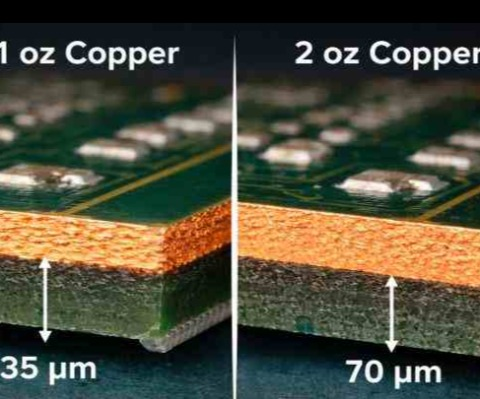
PCB copper thickness affects current-carrying capacity, trace impedance, heat dissipation, and manufacturing complexity. Thicker copper is not always better, and thinner copper is not always the right...
Mila
Oct 22,2026
120
PCB Routing Guidelines for Ground, Power, and Signal Traces
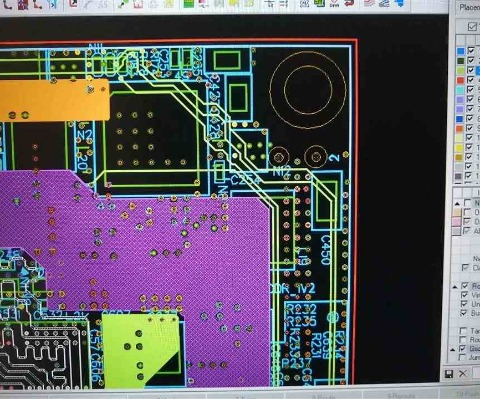
Poor PCB routing can lead to signal integrity issues, EMC failures, and power instability, even when component selection and schematic design are correct. These problems often stem from discontinuous ...
Mila
Oct 20,2026
94
How to Design a Ground Guard Trace in PCB Design
In PCB design, a ground guard trace is a copper trace connected to ground and placed alongside a signal trace or around a sensitive circuit area. It can help reduce unwanted capacitive coupling and el...
Mila
Oct 19,2026
553
Power Supply Pinout Explained: VIN, VOUT, SW, PH, and BAT
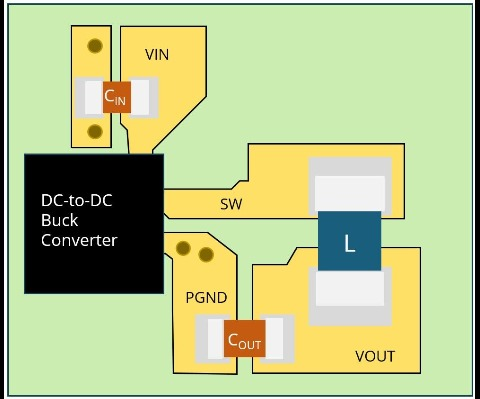
Isn’t VIN the power input and VOUT the output? Many beginner hardware engineers have this question in PCB layout when they first look at power ICs and power module schematics. If a power supply essent...
Mila
Oct 16,2026
338
Reflow Soldering vs. Wave Soldering: Key Differences and PCB Design Tips
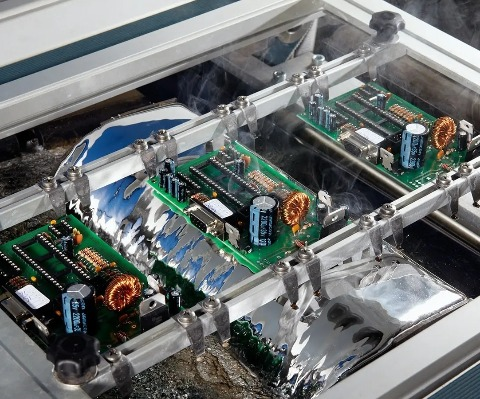
As hardware engineers, we design the PCB, select the components, and send the Gerber files to the manufacturer. But have you ever wondered why some components go through reflow soldering while others ...
Mila
Oct 15,2026
222
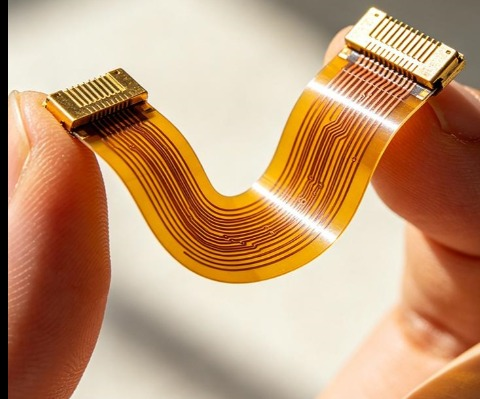
Flex PCB Design Guidelines for Reliable Bending
Unlike rigid PCBs, flexible PCBs (FPCs) can bend and fold to fit into compact electronic devices. They are widely used in smartphones, laptops, printers, and other products where space is limited or c...
Mila
Oct 13,2026
356
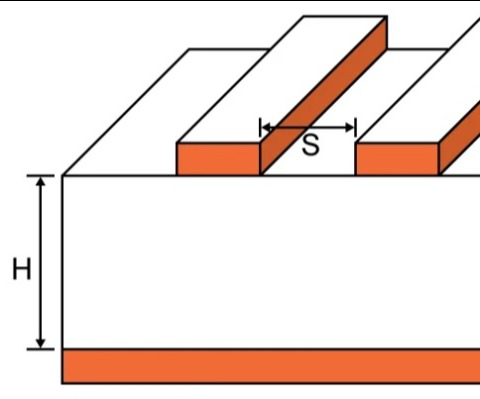
How to Reduce Crosstalk in PCB Routing: Spacing, 3W Rule, and More
Many hardware and PCB layout engineers rely heavily on experience when dealing with crosstalk. Routes that are too close may cause interference, while increasing spacing can make routing difficult. So...
Mila
Oct 12,2026
472
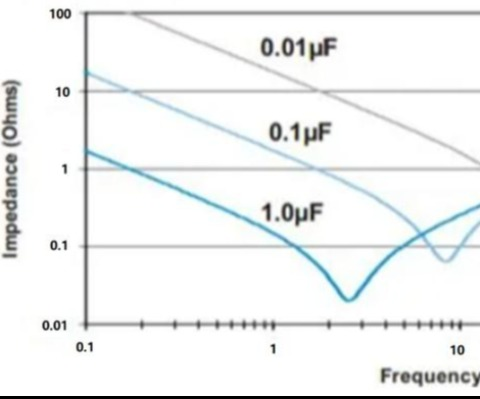
Are More PCB Decoupling Capacitors Always Better?
If you have ever designed a PCB schematic, you have probably placed a familiar trio of capacitors near a chip’s power pins: 0.1 µF, 1 µF, and 10 µF.It seems like a safe bet. Different capacitance valu...
Mila
Oct 07,2026
660
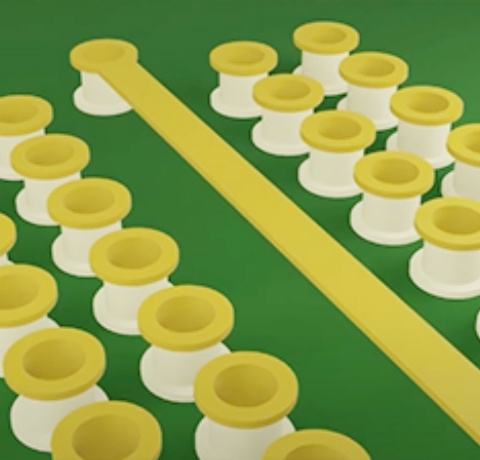
Why Do PCBs Need Stitching Vias Along the Board Edge?
Anyone who has worked on PCB layout has probably experienced this: after finishing the layout, you hand the board over to a senior engineer for review. They take a quick look around the board and ask,...
Mila
Sep 30,2026
393
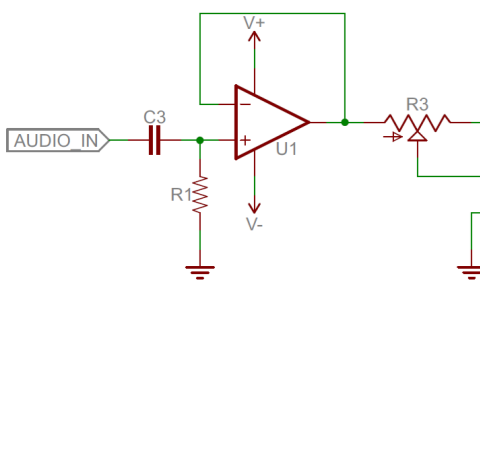
Analog vs Digital Circuits: Understanding Digital, Analog, and Mixed-Signal Chips
We often say that the world of chips consists of only 0s and 1s. But more accurately, digital circuits use defined voltage ranges to represent discrete logic states, while the real world is clearly no...
Mila
Sep 29,2026
732
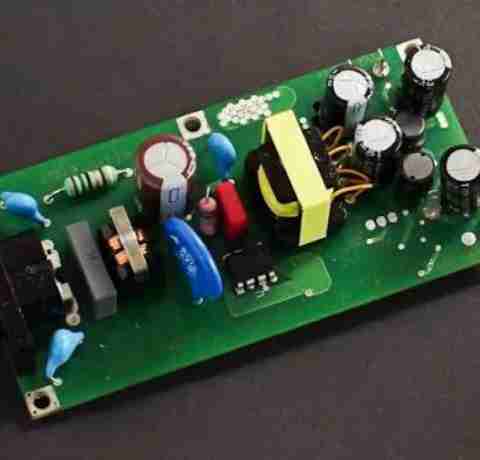
Power Supply Design and Layout Guidelines for LDO and DCDC
Power supply design is not simply about choosing the right regulator and adding enough copper. The PCB layout directly affects thermal performance, noise, EMI, stability, and overall power integrity.L...
Mila
Sep 28,2026
484
How Vias Affect Signal Integrity in High-Speed PCB Design
Anyone involved in high-speed PCB design has probably heard this rule of thumb: minimize vias in high-speed routing whenever possible.But many engineers know they should do this without fully understa...
Mila
Sep 28,2026
573
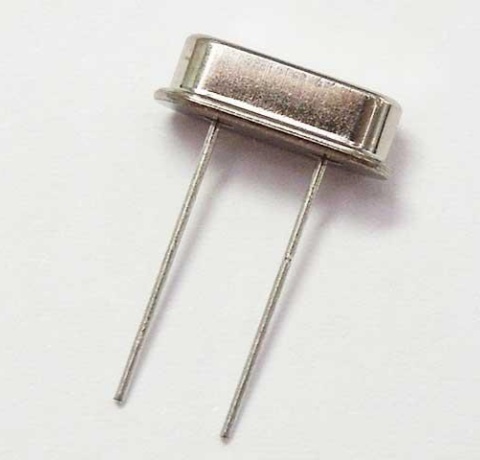
Why No Traces Under a Crystal Oscillator in PCB Layout?
When designing a PCB, many engineers have heard the rule: no traces should run under a crystal oscillator. But why? Can a low-speed signal trace really affect a crystal oscillator? And can a guard rin...
Mila
Sep 24,2026
585
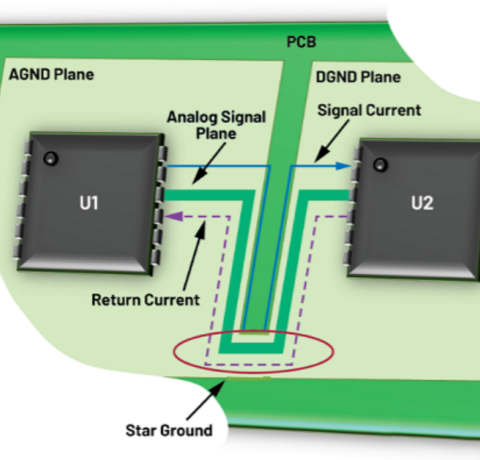
Can AGND and DGND Be Connected Directly in ADC PCB layout?
When designing an ADC or DAC, one of the most common questions in PCB layout is how to handle the AGND and DGND pins. If a device has separate analog and digital ground pins, should they be connected ...
Mila
Sep 23,2026
683
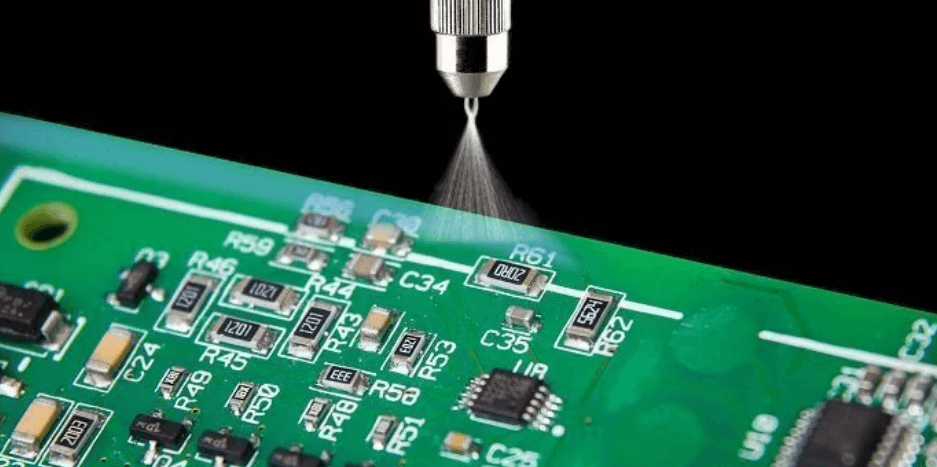
PCB Conformal Coating: Which Components Need Masking?
Applying a conformal coating to the PCB during PCB assembly process can enhance the PCB's resistance to moisture, salt spray, dust, and corrosive environments. However, it is essentially an insul...
Mila
Sep 21,2026
524
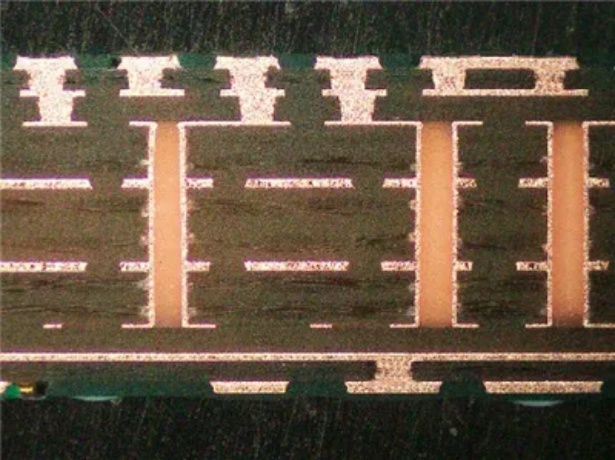
Why Antipads Matter for Signal Integrity in High-Speed PCB Design
In high-speed PCB design, via antipads are often treated as simple clearance features. In fact, the size of a PCB antipad directly affects the parasitic capacitance and local impedance around a via, m...
Mila
Sep 16,2026
893
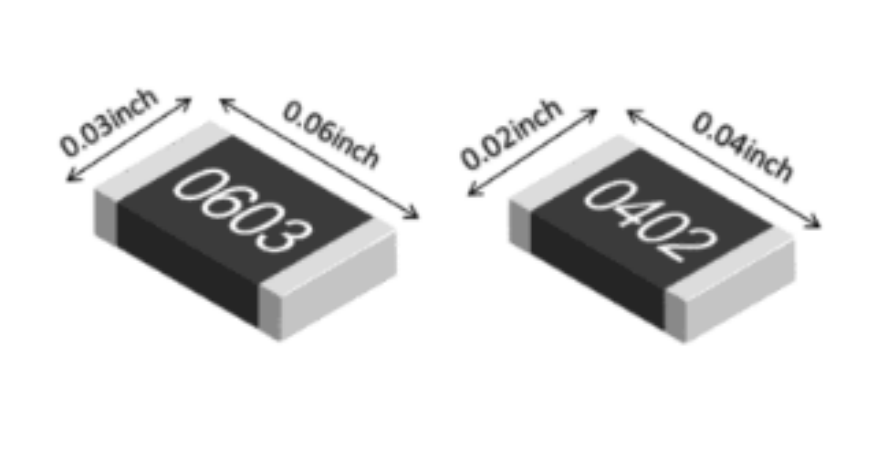
0402 vs 0603 Capacitor for High-Speed PCB Decoupling
A common misconception is that a larger capacitor package stores more energy and therefore provides better filtering performance. However, in high-speed PCB designs such as FPGA, SoC, and DDR applicat...
Mila
Sep 14,2026
577
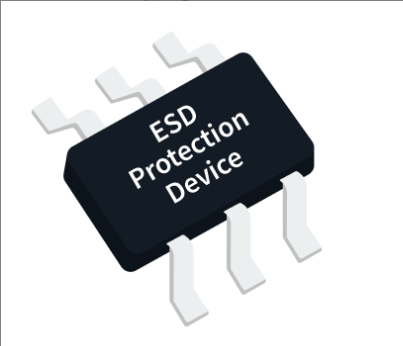
Why ICs Fail After Passing ESD Tests and How ESD Differs from EOS
Previous articles have covered key technologies related to chip ESD, including ESD diodes, power clamps, CDM mechanisms, and ESD testing procedures, with a focus on chip-level electrostatic discharge ...
Mila
Sep 11,2026
558
PCB Layout Guide to Interface Driver and Connector Placement
People who design PCBs for embedded, industrial control, and communication hardware have probably heard a common PCB layout rule: interface drivers should be placed as close as possible to board-edge ...
| Ranking | Name | Answers |
|---|---|---|
| 1 | PCBWay Team | 5 |
| 2 | Kieu Vu | 1 |
| 3 | SAAD ZAFAR | 1 |


