A Look at Capacitive Water Overflow Sensor
Detection of Water overflow in a tank is one of the main topics when it comes to energy saving applications and all. There are a lot of already available solutions which contain water level indicators, usually some copper wires are dipped into the tank. When water touches the wire end it completes the circuit and the signal propagates throughout. Although it is widely used and safe, installing this type of thing in a water tank is tedious work. Overall we need a solution which is like plug and play. After going through some of the online available options, I got my hands on one of the Non-contact Capacitive Liquid Level Sensor for Containers. This is provided by DF ROBOT.
Capacitive Water Sensor:
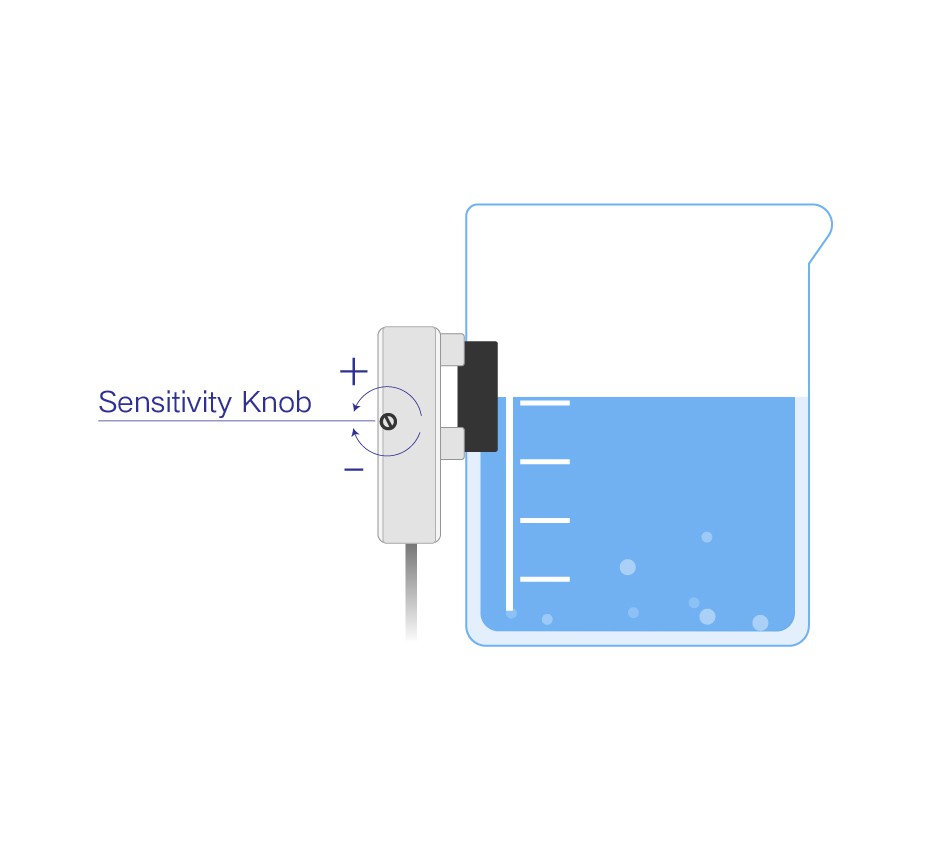
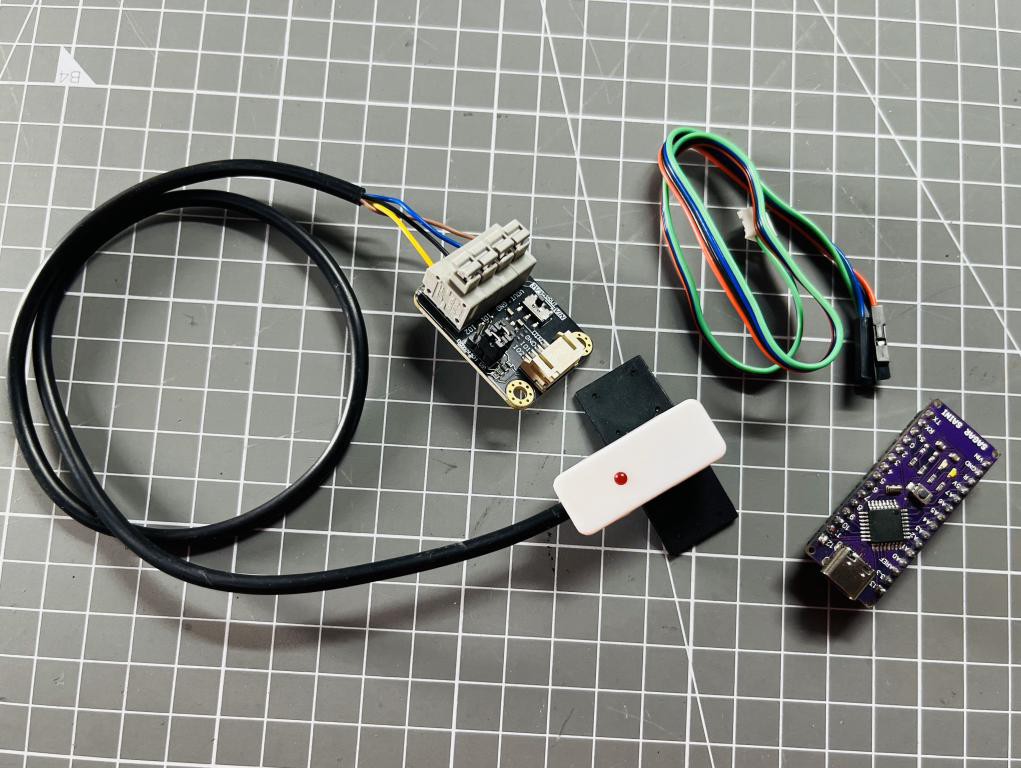
This is a non-contact liquid level sensor with status indicator and adjustable sensitivity. It can be used in liquid detection of non-metallic container or pipe(outer diameter>11mm), suitable for all types of detection of curved or flat surfaces, arcs, cylindrical containers, or piping fluids. The status feedback of the sensor can be given in real-time. Besides that, the sensor comes with a 4 pin sensor adaptor that can directly collect digital signal, convenient for connecting with Arduino or other main-controllers. This liquid level sensor can be widely used in liquid detection of a tank, water dispenser, etc.
Power Supply: 5~12V
Output Mode: switch quantity (high-level output)
Response Time: 500ms
Operating Temperature: -5~105°C
Liquid Level Error: ±1.5mm
Thickness Range(TR): ≤20mm
Suitable Container OD: ≥11mm
Response Time: 500ms
Waterproof Performance: IP65
This non-contact liquid level sensor is developed on advanced signal process technology by high-speed signal processing chip. It can measure the liquid level of a closed container without the influence of corrosive liquids like strong acid and alkali, or other impurities. Do we really need an Arduino with this, the answer is NO. This sensor outputs a digital output means:
Water Detected: 1
Water Not Detected: 0
Features:
High stability and sensitivity
Adjustable sensitivity
With status indicator
Accurate detection can detect the liquid level of boiling water
Working Principle:
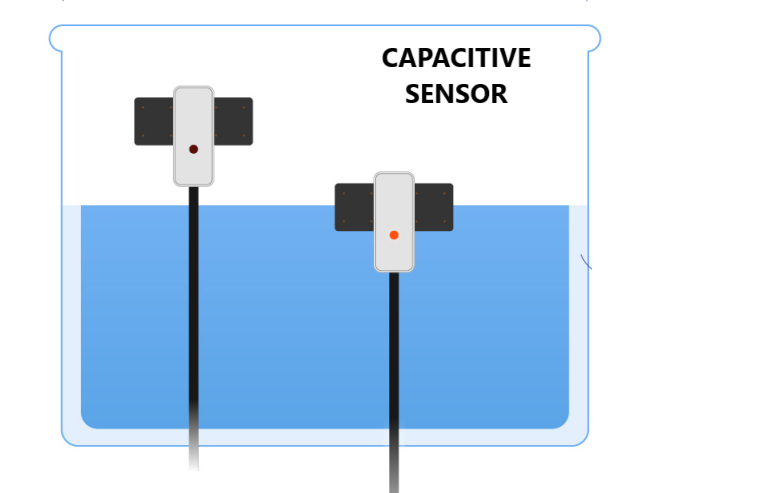
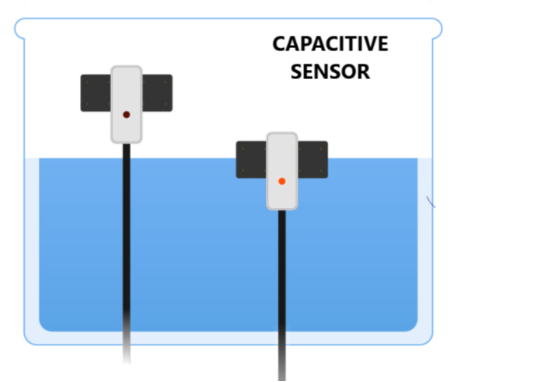
A Non-contact liquid level sensor is used for detecting whether there is liquid by water induction capacitor. When there is no liquid approaching the sensor, there will be some static capacitance to ground on the sensor due to the presence of distributed capacitance. When the liquid level rises slowly to approach the sensor, the liquid parasitic capacitor will be coupled to the static capacitance so that the final capacitance value will increase.
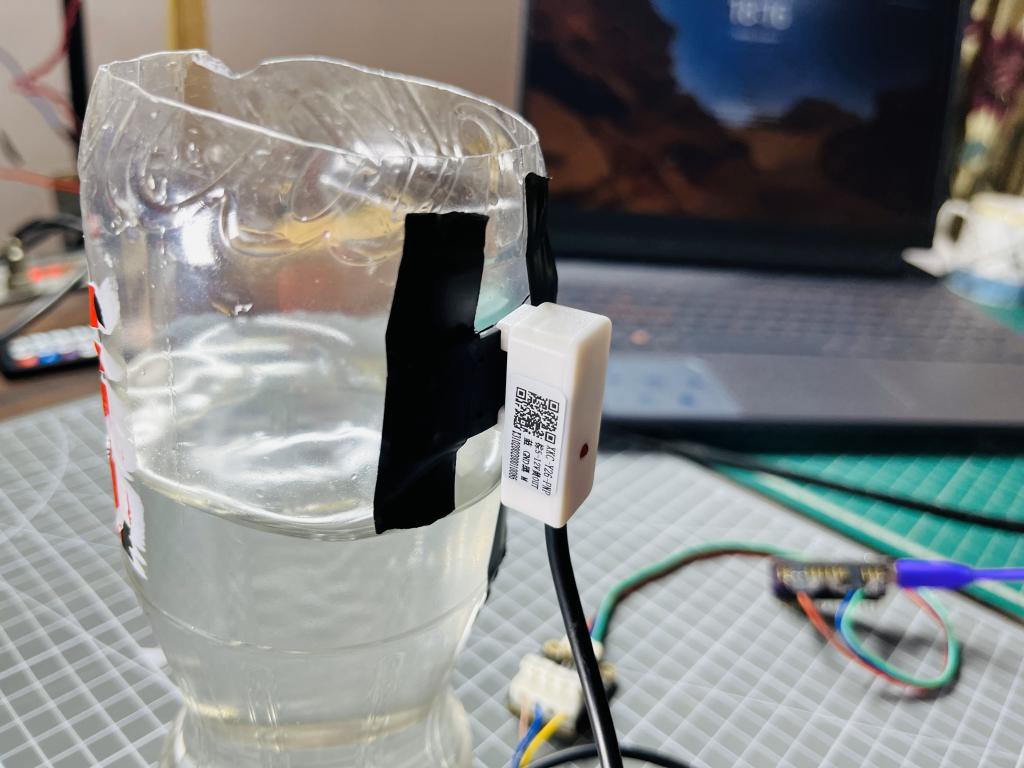
The changed capacitance signal will be input to the control IC for signal conversion, by which to transform the changed capacitance value into the variation of a certain electric signal. Then the degree of the variation can be detected and determined through specific algorithms. When the variation exceeds a threshold value, it means the liquid level reaches the sensing point.
Connection with Arduino:
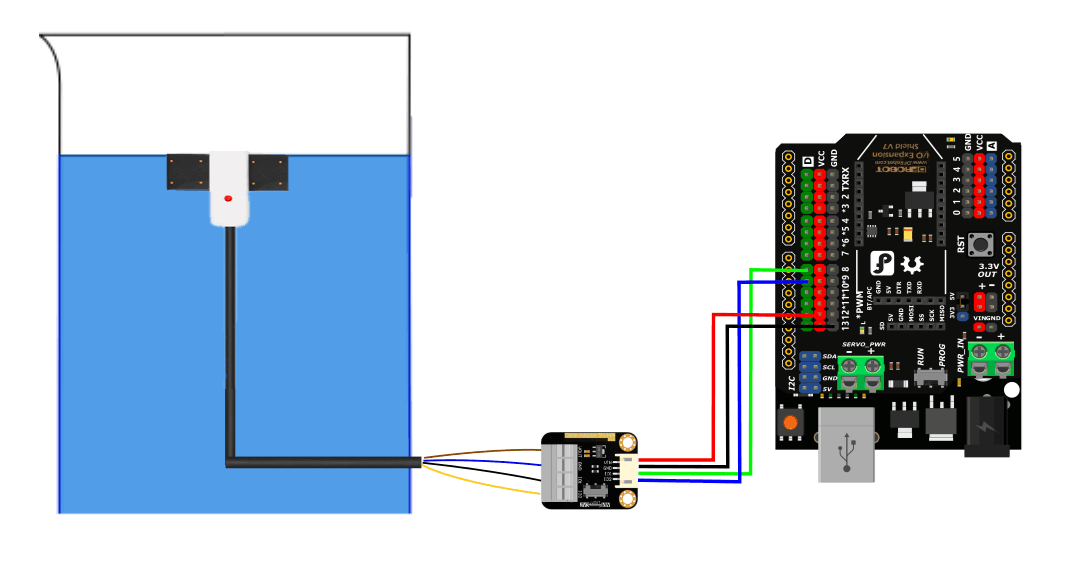
The connections to Arduino are rather simple, if it detects some output the serial will plot the working 1 otherwise zero. At the circuit end, the change in capacitance is an analog phenomenon. But a comparator inside it will convert the signal into digital having some inbuilt reference. The connection diagram is given above, usually it requires a single output wire but comes with a module which makes it easy to plug into any microcontroller board. Or the data may be directly sent to the water tank motor controlled through a wireless radio connection which turns off the motor after filling the tank, that’s the topic for some other day. See how I made this Arduino board using PCBWAY PCB manufacturing services.
Code:
int inPin = 8;
boolean running = 0;//when running=1, the liquid is detected, print out 1, otherwise, print out 0; running=0, the liquid is detected, print out 0, otherwise, print out 1.
int modePin = 9;
void setup()
{
Serial.begin(9600);
pinMode(inPin, INPUT);
pinMode(modePin, OUTPUT);
digitalWrite(modePin, running);
}
void loop()
{
Serial.println(digitalRead(inPin));
delay(1000);
}
Working and Testing:
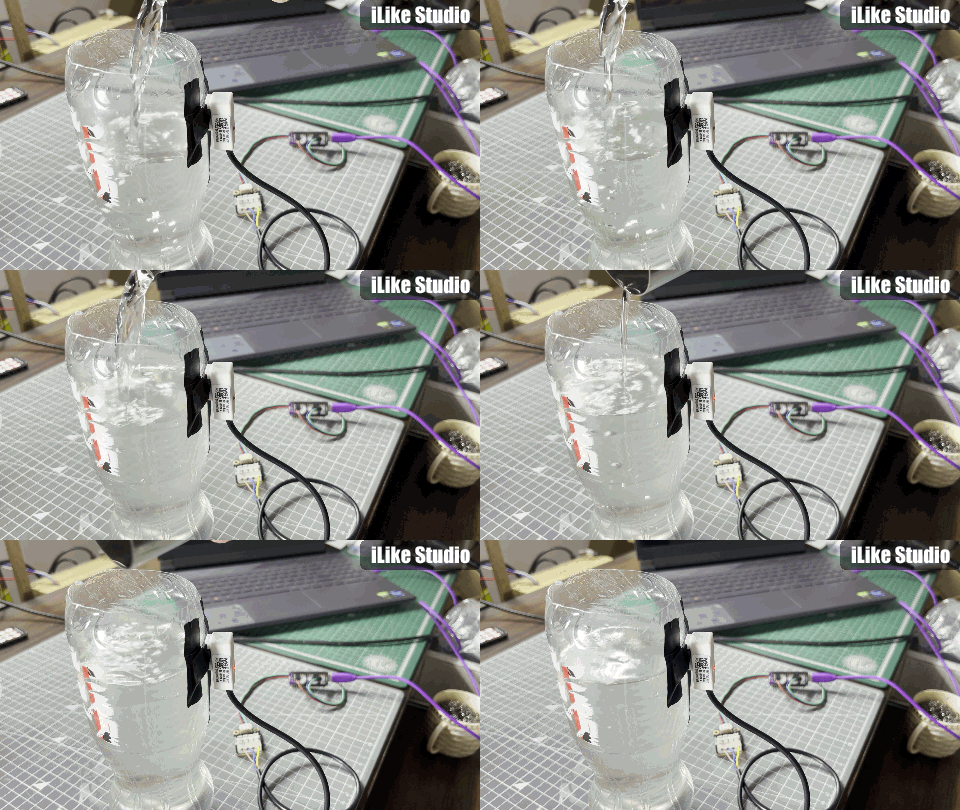
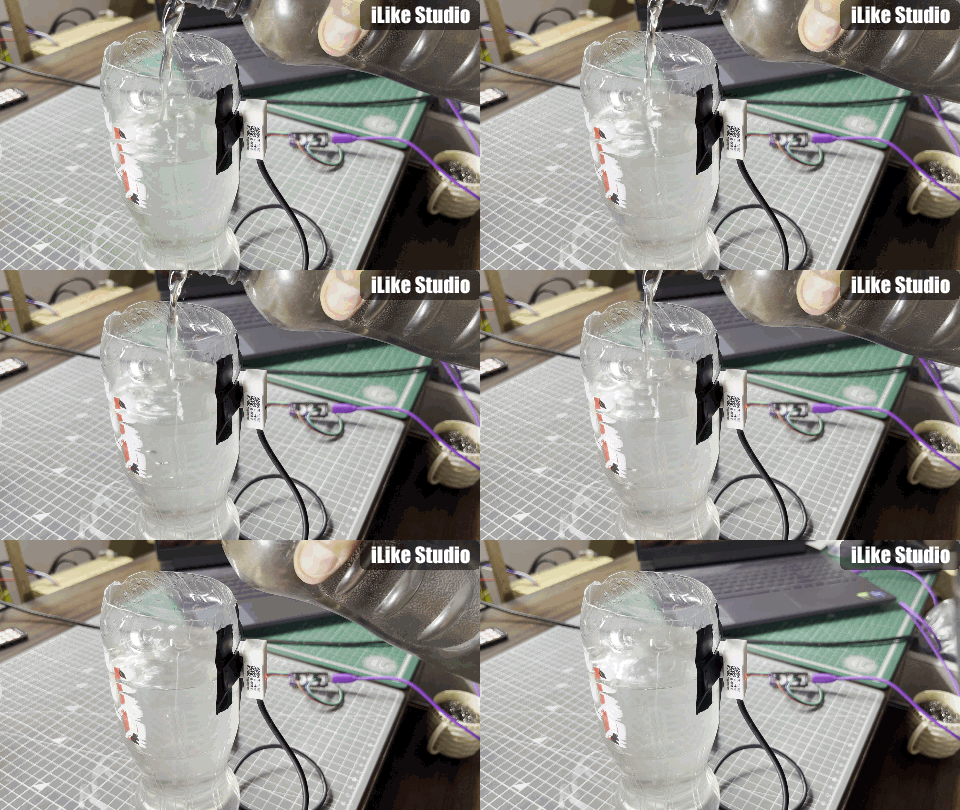
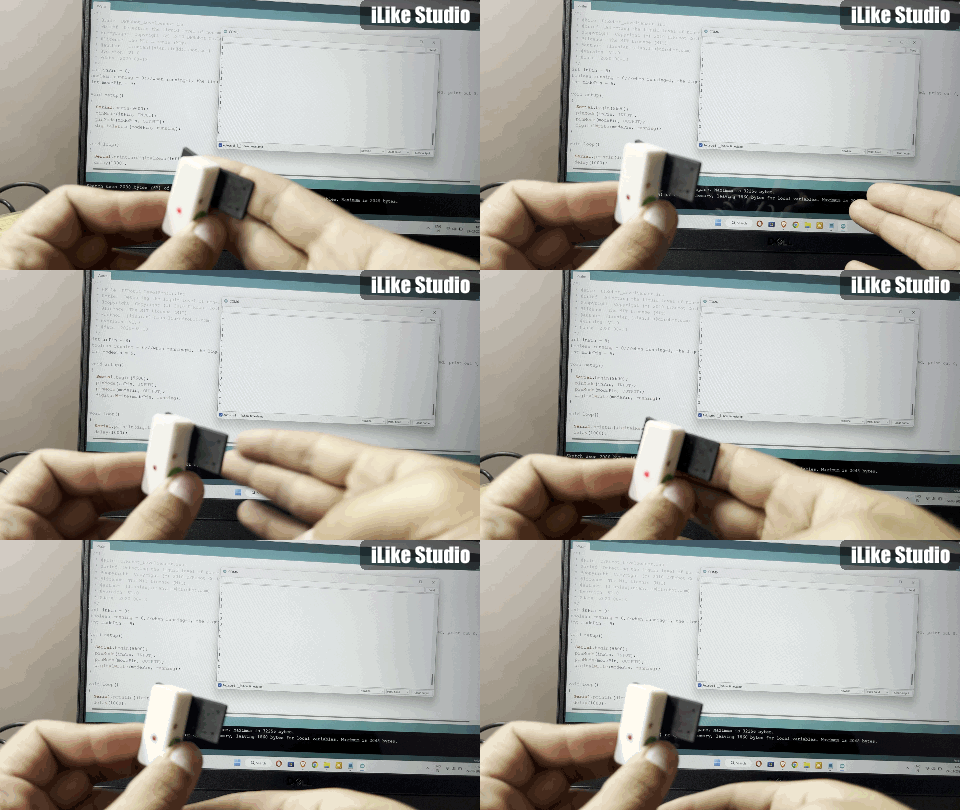
I have tested the sensor in many scenarios, and I found it reacts to every change in capacitance, not only the water. And that’s why the sensor is prohibited to use with metal containers, as the change in capacitance can not be interpreted there, as metal offers a maximum parallel plate capacitance so the proper detection of water can not be done in that case. It reacts to very little volume of water as I am using a simple bottle for displaying purposes. And the sensor also reacts to the hand, as there it forms a parasitic capacitor with the body.
Looking for a truly flexible PCB solution? PCBWay offers industry-leading flexible PCB manufacturing with fast turnaround, low minimum order quantities, and precision quality.

Whether it's single-layer or multi-layer flex, their advanced capabilities and expert support ensure your designs come to life exactly as you envision. Try PCBWay's flexible PCB service today reliable, affordable, and tailor-made for innovation!
A Look at Capacitive Water Overflow Sensor


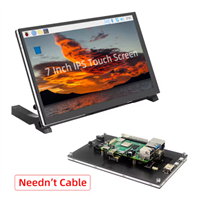
Raspberry Pi 5 7 Inch Touch Screen IPS 1024x600 HD LCD HDMI-compatible Display for RPI 4B 3B+ OPI 5 AIDA64 PC Secondary Screen(Without Speaker)
BUY NOW


- Comments(1)
- Likes(0)
 More by Engineer
-
 DIY a Smart NiMH/NiCd Battery Charger
When talking about standalone single cell battery chargers only one popular name came into my mind t...
DIY a Smart NiMH/NiCd Battery Charger
When talking about standalone single cell battery chargers only one popular name came into my mind t...
-
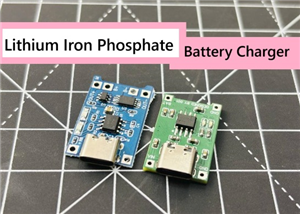 LiFePO4 Battery Charger With Protection
In the previous few months I tried to cover almost all types of battery charging integrated circuits...
LiFePO4 Battery Charger With Protection
In the previous few months I tried to cover almost all types of battery charging integrated circuits...
-
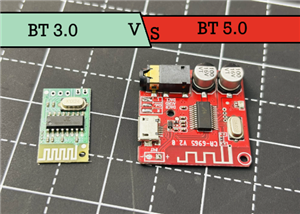 Comparison of Audio Bluetooth 3.0 and 5.0
Coming to bluetooth in audio applications, we have versions from 3.0 to 5.4. In the practical audio ...
Comparison of Audio Bluetooth 3.0 and 5.0
Coming to bluetooth in audio applications, we have versions from 3.0 to 5.4. In the practical audio ...
-
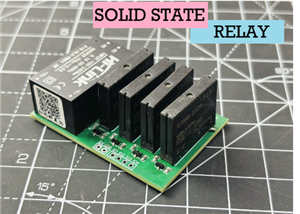 4 Channel SOLID STATE RELAY Module
I have designed a triac and optocoupler based project in the past, in which triac act as a relay and...
4 Channel SOLID STATE RELAY Module
I have designed a triac and optocoupler based project in the past, in which triac act as a relay and...
-
 A Look at Capacitive Water Overflow Sensor
Detection of Water overflow in a tank is one of the main topics when it comes to energy saving appli...
A Look at Capacitive Water Overflow Sensor
Detection of Water overflow in a tank is one of the main topics when it comes to energy saving appli...
-
 Offline Voice Recognition Hub Based on ESPNOW
An offline voice recognition hub, no internet connection, no wifi router. Just a pair of ESP8266 wit...
Offline Voice Recognition Hub Based on ESPNOW
An offline voice recognition hub, no internet connection, no wifi router. Just a pair of ESP8266 wit...
-
 DIY a 200W Precise Electronic Load
Whenever I want to test some USB power supplies, drawing I-V characters of a power supply and workin...
DIY a 200W Precise Electronic Load
Whenever I want to test some USB power supplies, drawing I-V characters of a power supply and workin...
-
 Smallest 220V to 5V Supply for IOT applications
The requirement of stable DC power supplies in the IOT applications and in electronics designed prod...
Smallest 220V to 5V Supply for IOT applications
The requirement of stable DC power supplies in the IOT applications and in electronics designed prod...
-
 I made 200Watt Class D amplifier
I have designed this 200W Class D amplifier board, which is separated into 100+100 Watt stereo chann...
I made 200Watt Class D amplifier
I have designed this 200W Class D amplifier board, which is separated into 100+100 Watt stereo chann...
-
 iPAD Pencil Backup Pocket Charger
I have a clone iPAD pencil which works in the similar way of Apple pencil, but this one comes with C...
iPAD Pencil Backup Pocket Charger
I have a clone iPAD pencil which works in the similar way of Apple pencil, but this one comes with C...
-
 Digital Radio Transmitter and Receiver 433Mhz
Radio technology is the best monitoring and control solution for small and long range wireless hobby...
Digital Radio Transmitter and Receiver 433Mhz
Radio technology is the best monitoring and control solution for small and long range wireless hobby...
-
Programmable Mist Maker - XIAO / QT PY Extension
2335 2 2 -
RadioHAT - Raspberry Pi radio development platform
2022 0 4 -
-
-
-
ARPS-2 – Arduino-Compatible Robot Project Shield for Arduino UNO
4181 0 6 -
A Compact Charging Breakout Board For Waveshare ESP32-C3
4946 3 8 -
AI-driven LoRa & LLM-enabled Kiosk & Food Delivery System
5723 2 2 -