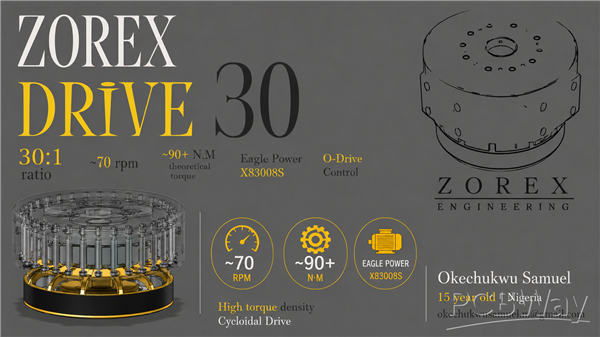
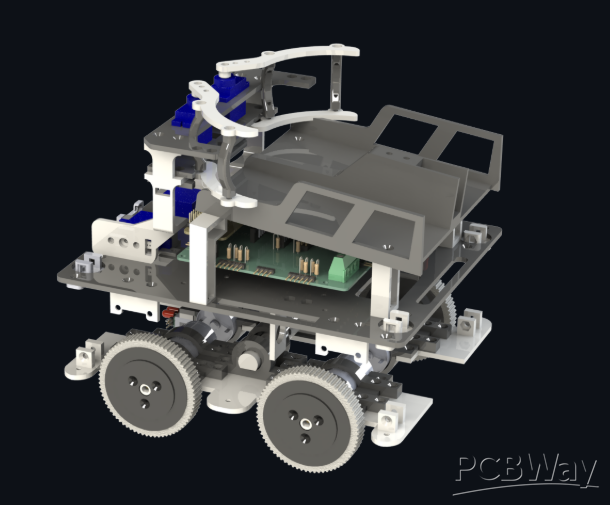
ZOREX DRIVE 30
Hi PCBWay Team,
My name is Okechukwu Samuel, a 15-year-old independent hardware developer from Nigeria, and I am developing my first major robotics project, Zorex Drive 30.
Zorex Drive 30 is my attempt to design and eventually manufacture a 30:1 high-torque cycloidal actuator from the ground up. Rather than starting by designing an entire robotic arm that exists only in CAD, I decided to begin with one of its most important components: the actuator. My goal is to design, manufacture, assemble, and test a capable robotic joint before using what I learn to develop a larger system.
I began working on the project in June 2026 as a challenge to push my mechanical and electronics skills beyond typical student projects. My long-term goal is to use multiple versions of this actuator in a 7-axis robotic arm with approximately 800 mm of reach and a 2 kg target payload.
The Project
I am currently designing the 30:1 cycloidal gearbox in Autodesk Fusion, working from the geometry and calculations upward.
I chose a cycloidal mechanism because it can distribute load across multiple contact points, potentially allowing for high torque density, shock resistance, and a compact design. My goal is to achieve this while keeping the actuator affordable and practical to manufacture.
At this stage, I am working through the mechanical design, torque and power calculations, tolerances, bearing and bushing selection, manufacturing requirements, and motor integration. The next step is turning the CAD design into physical components and testing how closely the real actuator performs against my calculations.
The goal is not just to make something that looks good in CAD. I actually want to manufacture the important parts, put the actuator together, and see what it can really do. I want to compare the real results with my calculations and find out where my design works, where it falls short, and what I can improve.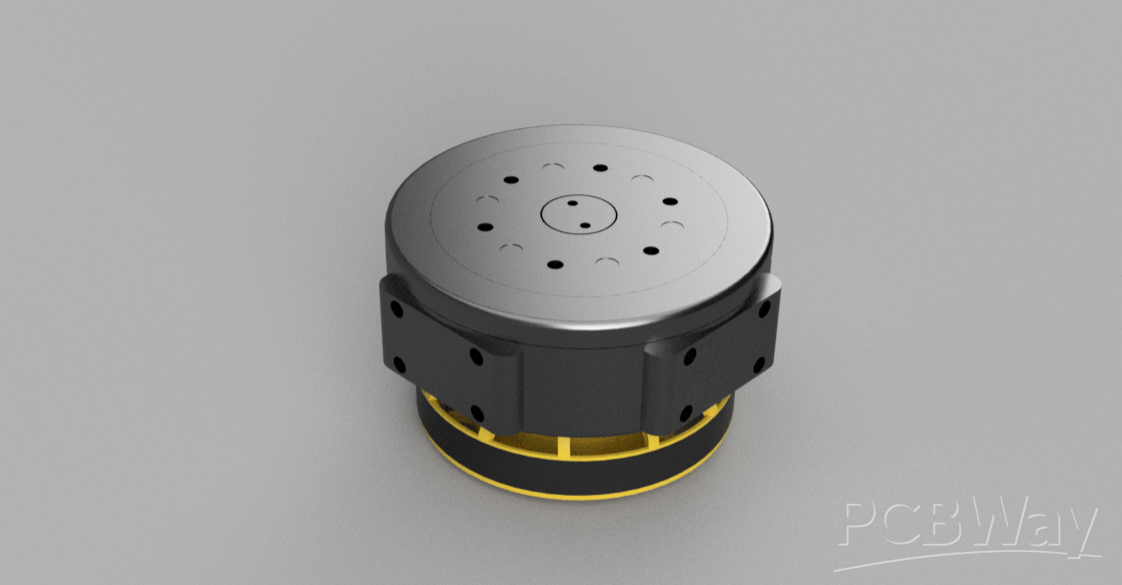
Current Powertrain Concept
The current design is based around:
Motor: Eagle Power X83008S brushless motor
Controller: ODrive
Gear reduction: 30:1
Target motor speed: approximately 2,100 RPM
Target gearbox output: approximately 70 RPM
Target peak motor torque: approximately 3 Nm
Theoretical peak gearbox output: approximately 90 Nm before efficiency losses.
The 90 Nm figure is only a theoretical value based on the 30:1 reduction and my 3 Nm peak motor torque target. I don't know yet how close the real gearbox will get to that number. Friction, bearings, manufacturing accuracy, materials, and other losses will all affect the final result.
For the future robotic arm, I am currently designing around an 800 mm reach and a 2 kg target payload. The actuator is being designed around peak performance, while the actual continuous torque and thermal limits will be determined once I can physically test it.
One of the things I am most interested in finding out is how closely the real actuator will match the calculations I have made during the design process.
What I Need From PCBWay
This is where PCBWay could make a major difference to the project.
I am now at the point where I need to turn the CAD designs into actual parts. I would be interested in support with CNC machining, 3D printing, PCB manufacturing, and potentially other hardware needed to build and test the actuator.
CNC Machining
The cycloidal discs and some of the other important mechanical parts need more accuracy than I can reliably get from a basic 3D printer.
Having these critical parts CNC machined would allow me to properly test things like engagement, backlash, friction, torque capacity, and durability instead of relying only on what the CAD model tells me.
3D Printing
I would also benefit from engineering-grade 3D printing for parts such as the gearbox housing, covers, fixtures, mounts, and prototypes.
Carbon-fiber-reinforced materials would be especially useful for parts where I need a good balance between stiffness and low weight.
Custom PCBs
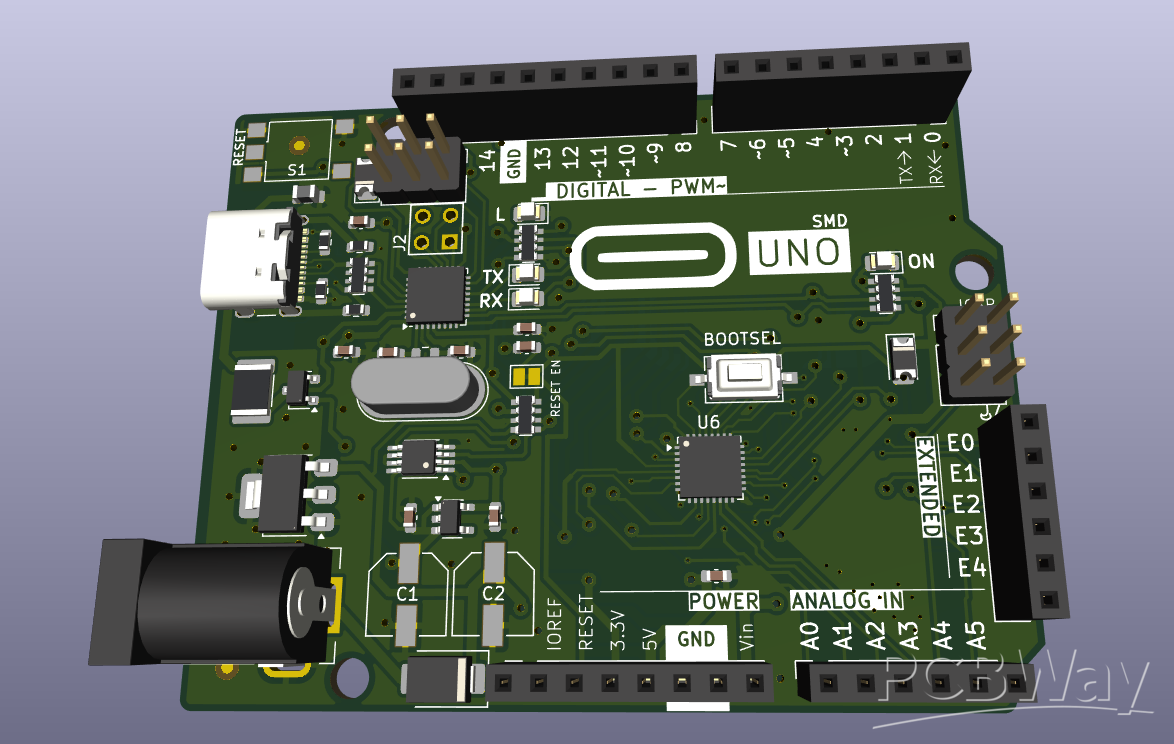
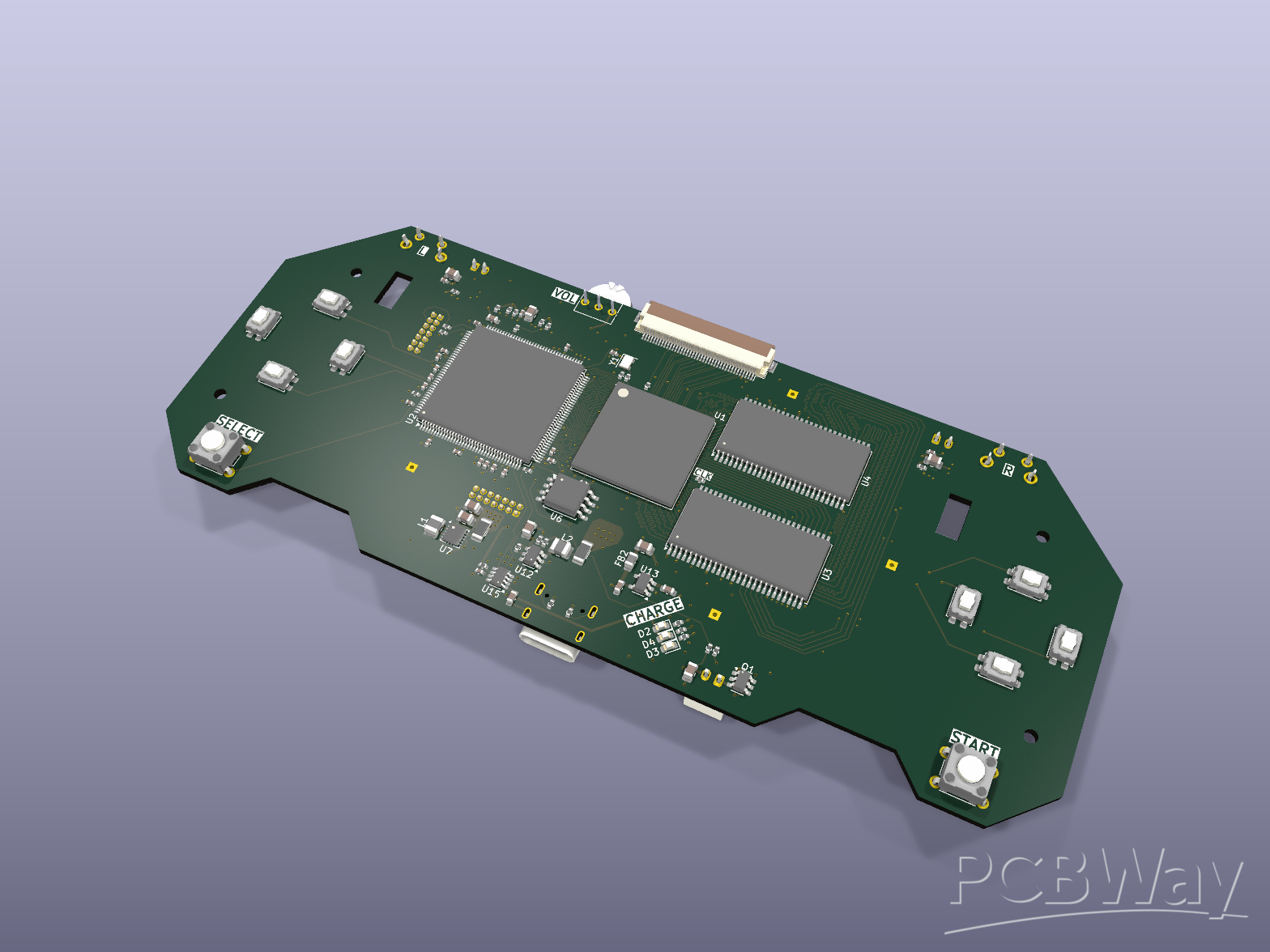
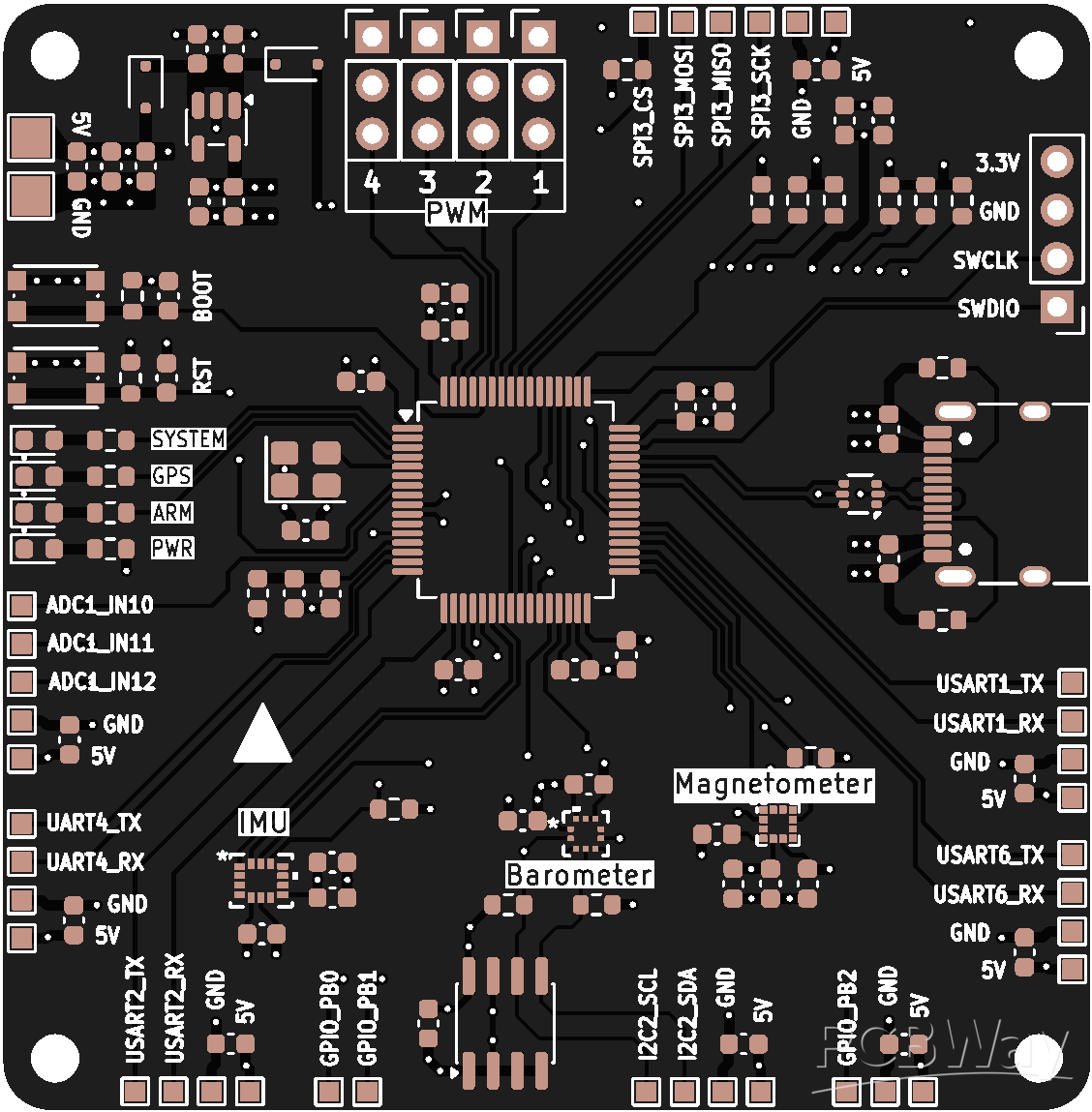
I am also starting to work on the electronics around the actuator. I eventually want to design custom PCBs for things like encoder connections, CAN communication, sensor interfaces, and motor-control wiring.
Instead of relying on breadboards and loose wires, I want the electronics to develop alongside the mechanical system into something much closer to a real robotic actuator.
Other Hardware
Depending on what is possible through the sponsorship, help with other parts such as bearings, bushings, shafts, fasteners, and other mechanical components would also help me turn the design into a complete working prototype.
Why I Am Starting With the Actuator
My ultimate goal is to build a 7-axis robotic arm, but I don't want to start by designing an entire robot that only exists in CAD.
I want to build the most important part first.
If I can successfully design, manufacture, assemble, and test one actuator, I will have real measurements and experience that I can use when I eventually design the full robotic arm. I will be able to learn from the failures, improve the design, and make better decisions based on real data instead of assumptions.
This project is also giving me the opportunity to develop practical skills in mechanical engineering, CAD and parametric design, gearbox design, torque and power calculations, manufacturing, bearings and tolerances, brushless motor systems, encoders, PCB and electronics design, and testing.
For me, Zorex Drive 30 is more than just a gearbox. It is my first serious attempt to take an engineering idea from calculations and CAD, manufacture the parts, put everything together, and find out if it actually works.
Documentation and Promotion.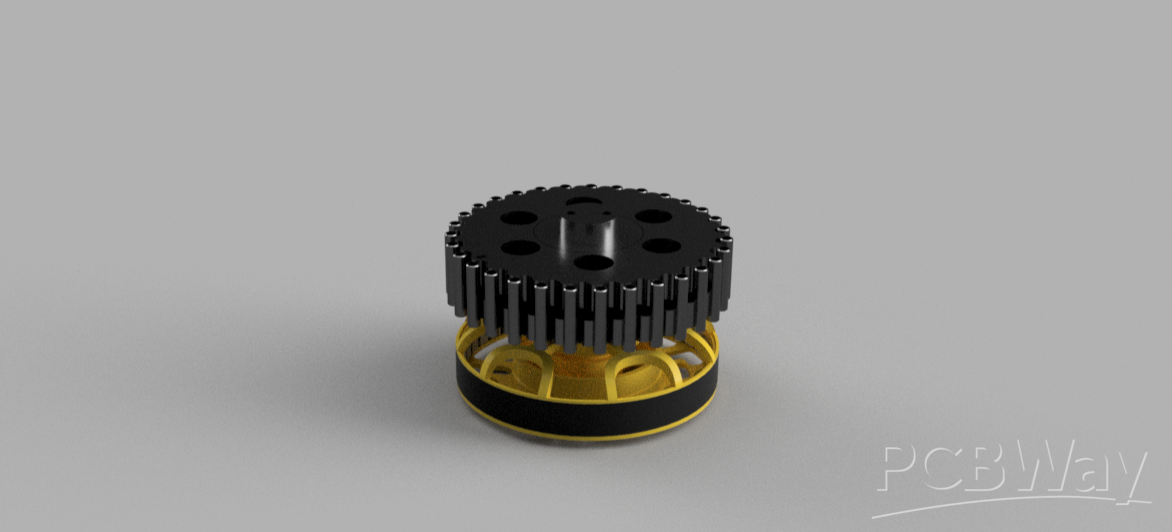
I currently have a YouTube channel, but I have not started publishing yet. I want Zorex Drive 30 to be the project that starts my robotics journey and gives me something real to document.
I plan to document the project from the beginning, including the calculations, CAD design, manufacturing, assembly, mistakes, failures, testing, improvements, and final results. I want people to see not only the finished product, but also the engineering process behind it.
If PCBWay supports the project, I would feature PCBWay throughout the manufacturing process by:
- Showing the arrival and unboxing of PCBWay-manufactured parts.
- Showing the CNC-machined and 3D-printed components being assembled.
- Documenting the manufacturing quality and tolerances where I am able to measure them.
- Testing the manufactured parts as part of the actual actuator.
- Mentioning and featuring PCBWay in relevant videos and video descriptions.
- Sharing appropriate CAD and project files so other makers can learn from the design.
- Crediting PCBWay as a manufacturing partner in relevant competitions, applications, and project presentations.
I also plan to use the project when applying to opportunities such as the NASENI InnovateNaija program, iDICE Startup Bridge, and the NSIA Prize for Innovation (NPI).
I understand that I am still at the beginning. I don't have a large audience, a finished robot, or an established robotics company.
What I do have is a project I genuinely want to build from the ground up, the willingness to document both the successes and failures, and the ambition to use what I learn from this actuator to eventually build much more advanced robotic systems.
The question I want Zorex Drive 30 to answer is:
Can a 15-year-old engineer working independently in Nigeria design, manufacture, and test an affordable high-torque robotic actuator from scratch?
I would be grateful for the opportunity to work with PCBWay and find out.
Thank you for your time and consideration.
Best regards,
Okechukwu Samuel
Founder, Zorex
Nigeria
YouTube: https://www.youtube.com/channel/UClK1OyeY8PXlFtrjTSfwJVQ
Email: samuelokechukwu.m@gmail.com
Phone: +234 7065052828
Apply for sponsorship >>
- Comments(0)
- Likes(0)