NoBrake in KSAE (e-Mobility competition)
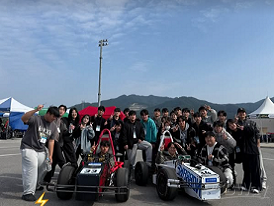
NoBrake is a student-built vehicle club at Incheon National University that began its activities in 2016. The team designs and manufactures electric vehicles with the goal of participating in the University Student e-Mobility Competition. Every year, NoBrake develops key vehicle components and verifies the performance and stability of its vehicles through actual driving tests and competition participation.
NoBrake has achieved various awards, including the Grand Prize at the 2023 Fuel Efficiency Competition and the Encouragement Award at the 2023 e-Mobility Competition. Based on these experiences, the team continues to participate in competitions by designing major vehicle components such as knuckles, wheel hubs, powertrain parts, steering components, and suspension parts. In an electric vehicle, the precision and durability of powertrain, suspension, and steering components directly affect driving performance, making high-quality manufacturing essential.
In this project, NoBrake aims to precisely manufacture major mechanical components such as knuckles, wheel hubs, and powertrain mounts to improve the driving stability and durability of its electric vehicle. Each component is designed using 3D CAD, reviewed for assembly interference and structural stability, and then installed on the actual vehicle. After assembly, the manufactured parts will be tested through driving trials and ultimately evaluated at the University Student e-Mobility Competition.
PCBWay’s CNC machining and manufacturing support would greatly contribute to NoBrake’s vehicle development process. Manual fabrication or simple machining methods have limitations in dimensional accuracy and repeatability, and assembly errors can affect the vehicle’s driving stability and component durability. In contrast, PCBWay’s precision CNC machining would allow the team to manufacture components accurately according to the design intent, improving the assembly quality and overall completeness of the vehicle.
NoBrake is not simply a team that builds vehicles; it is an engineering team where students experience the entire development process, including CAD design, analysis, manufacturing, assembly, and testing. With PCBWay’s sponsorship, NoBrake would be able to manufacture higher-quality components while giving students the opportunity to experience a production process closer to real industrial practice.
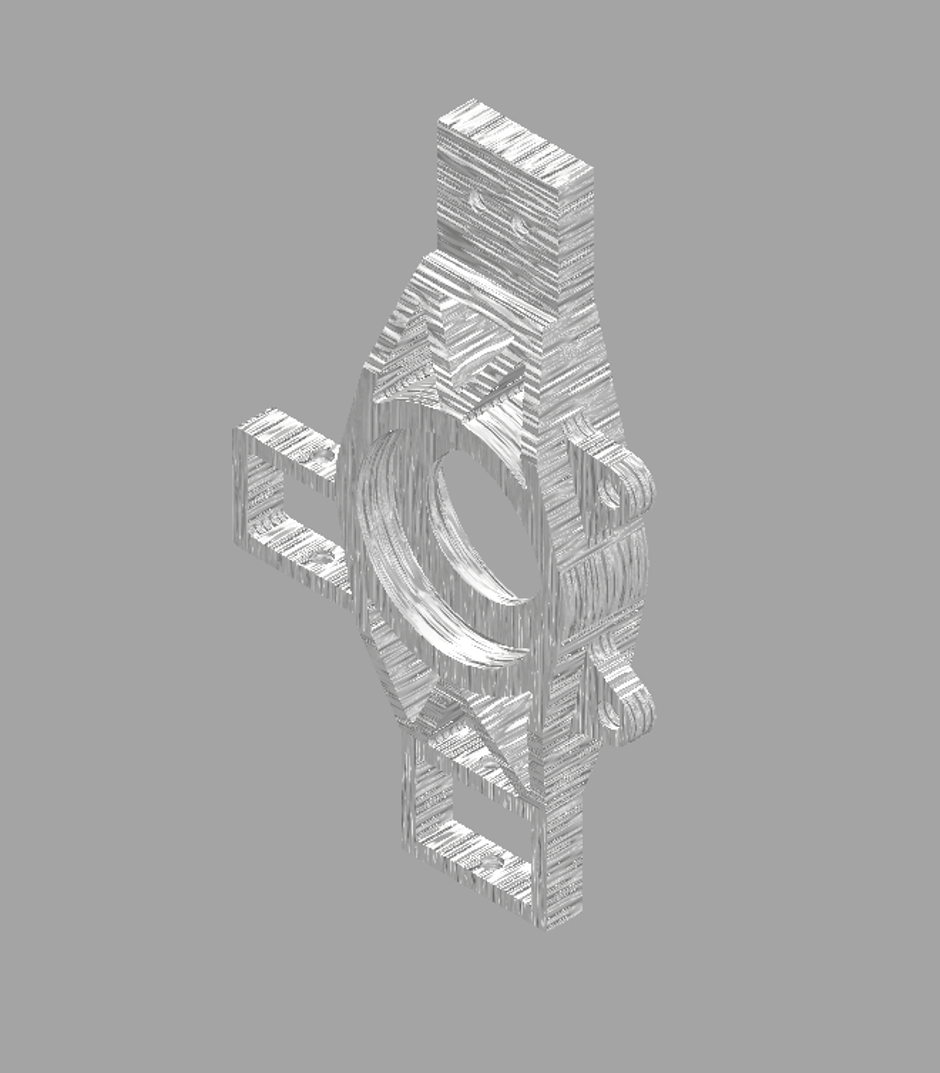
This is the 3D model of the rear knuckle designed for this year’s vehicle. The rear knuckle is one of the key chassis components, connecting the wheel hub, toe adjustment link, upper arm, lower arm, and brake caliper. Because it directly affects wheel alignment, load transfer, braking stability, and driving stability, high dimensional accuracy and sufficient structural strength are required.
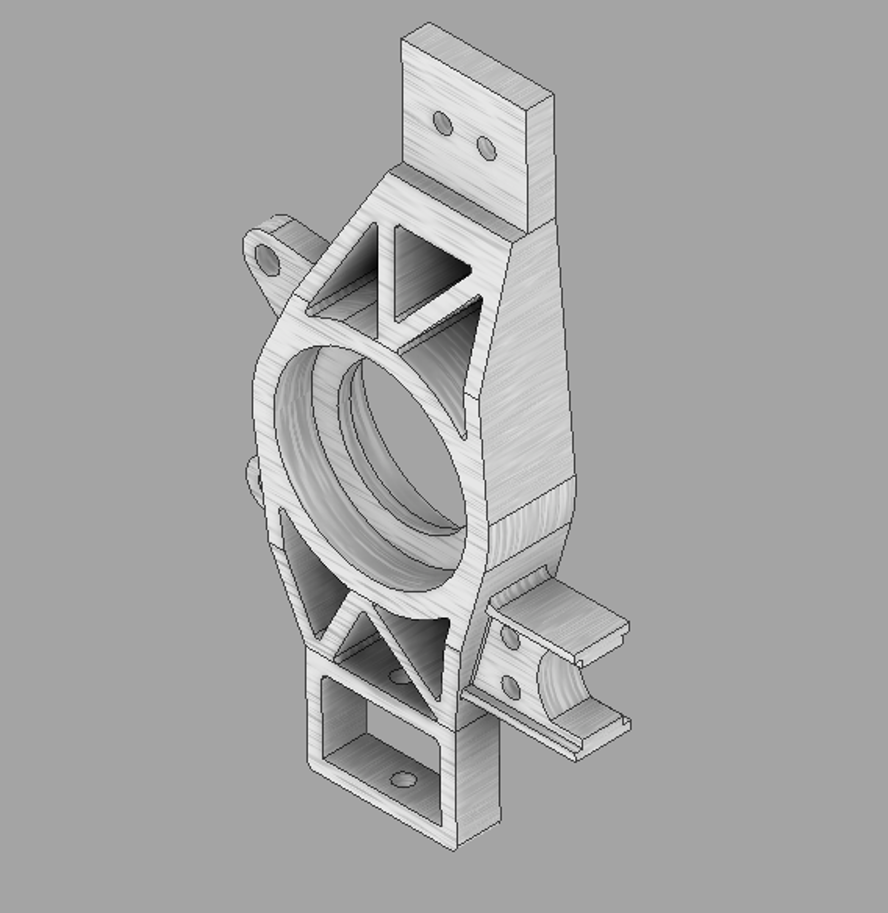
This is the 3D model of the front knuckle designed for this year’s vehicle. The front knuckle is one of the key chassis components, connecting the wheel hub, upper arm, lower arm, tie rod, and brake caliper. Because it directly affects wheel alignment, steering response, braking stability, load transfer, and overall driving stability, high dimensional accuracy and sufficient structural strength are required.
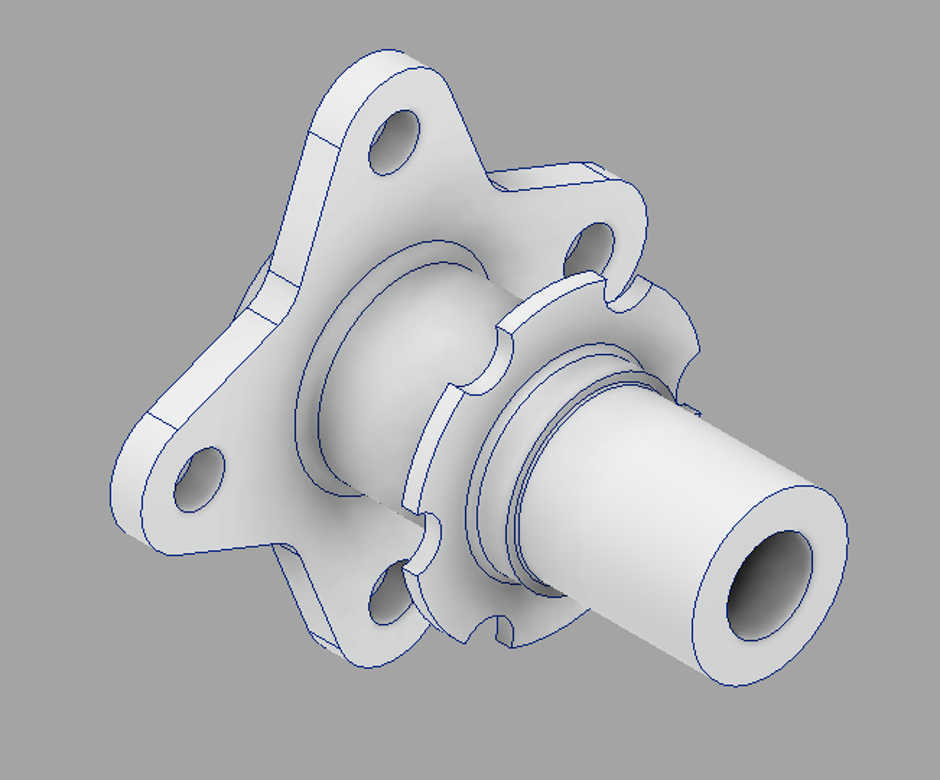
This is the 3D model of the wheel hub designed for this year’s vehicle. Although the threads are not shown in the image, threaded holes are included in the actual design to securely fasten the wheel and related components. The wheel hub connects the wheel, bearing, and knuckle, and supports stable wheel rotation. In the rear assembly, it also works with the drive shaft to transmit driving force to the wheel. Because the hub directly affects wheel alignment, rotation, braking stability, fastening reliability, and power transmission, high dimensional accuracy, sufficient strength, and reliable durability are required.
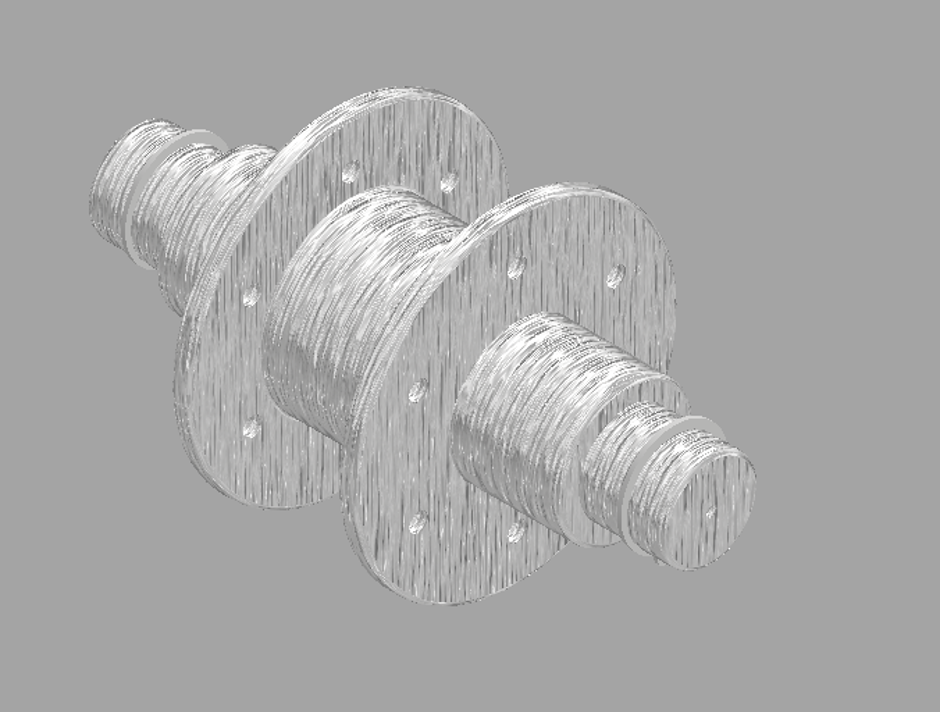
This is the 3D model of the journal designed for this year’s vehicle. The journal is a key drivetrain component connected to the driven sprocket, chain system, and drive shaft. It transmits power from the chain-driven sprocket to the drive shaft, allowing the driving force to be delivered to the wheels. In addition, since this vehicle adopts a dual-motor configuration, the journal also plays a role in efficiently integrating and distributing the power delivered from the two motors. Because it is directly involved in power transmission and rotational motion, high dimensional accuracy, sufficient strength, and reliable durability are required.
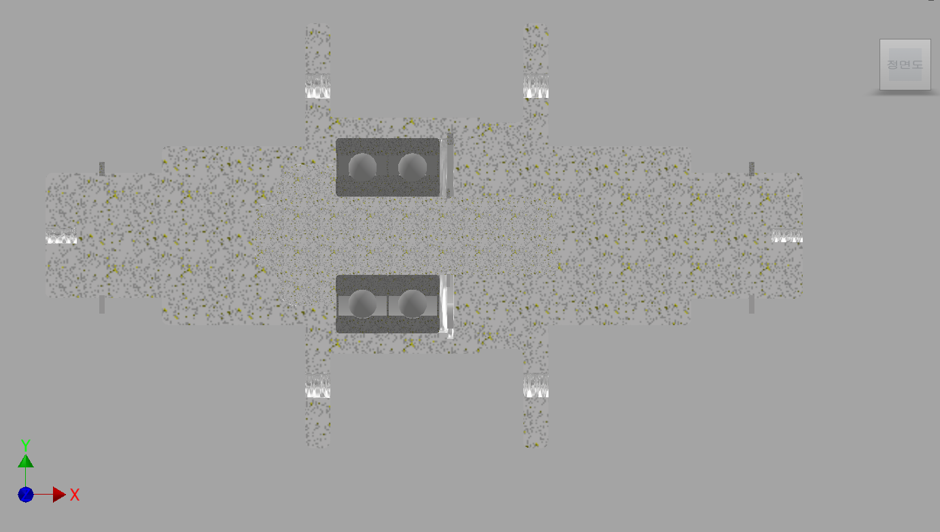
This is the internal structure of the journal. The bearings and the center component inside the journal allow the two shafts to rotate at different speeds. This structure enables relative rotational motion between the shafts while maintaining stable support and power transmission.
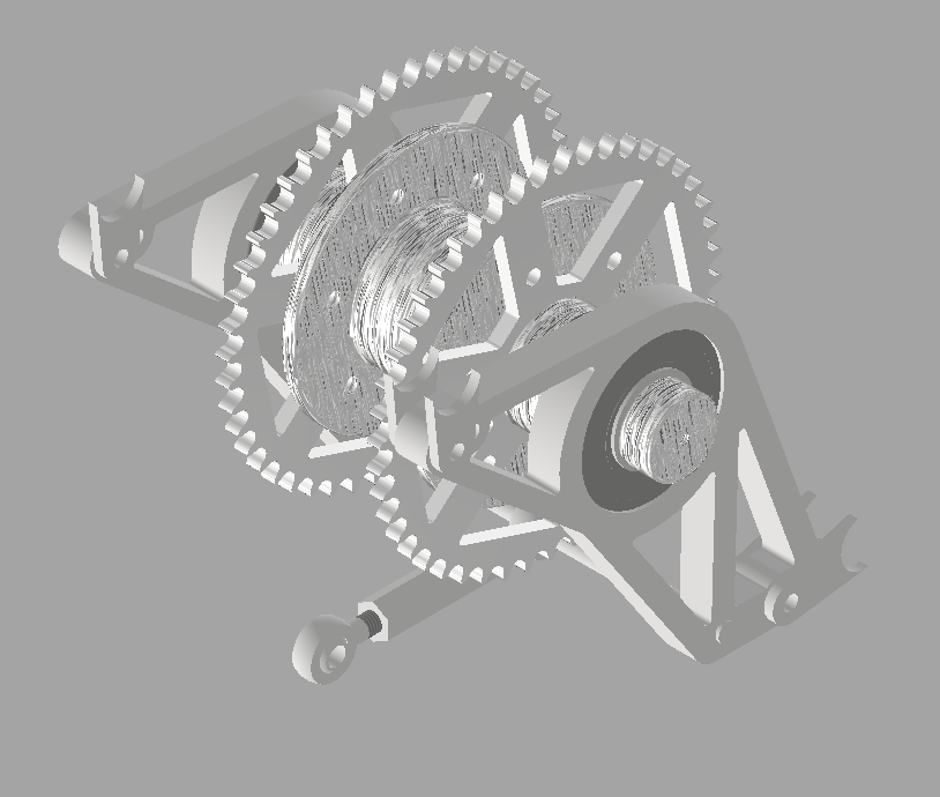
This image shows part of the powertrain assembly that includes the journal. The journal is connected to the driven sprockets, chain system, and drive shafts, allowing power from the motors to be transmitted to the wheels. Since this assembly is directly involved in power transmission and rotational motion, precise manufacturing is required to ensure smooth operation, proper alignment, and reliable durability.
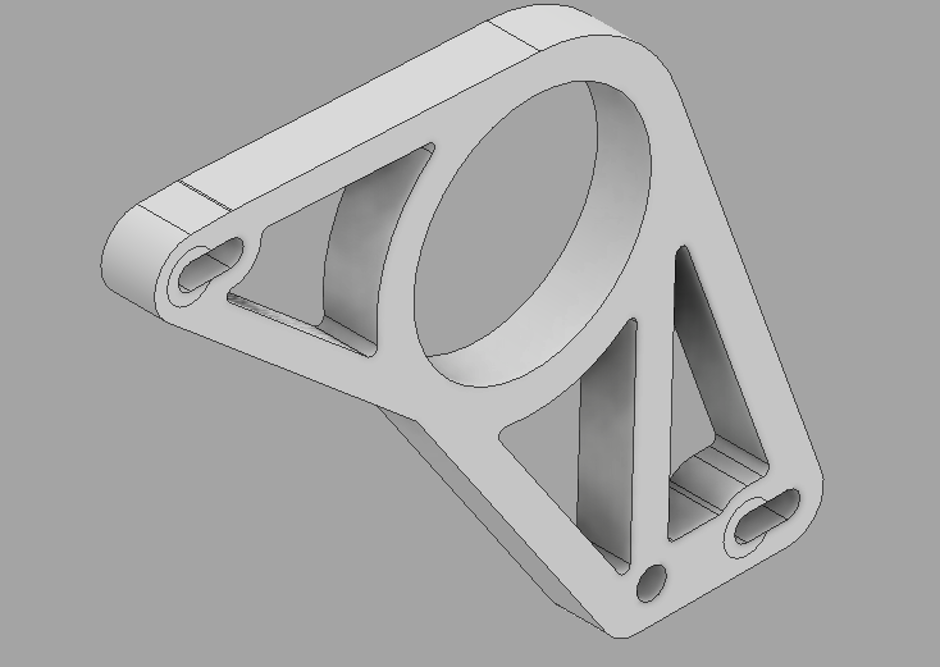
This is the 3D model of the gear mount designed for this year’s vehicle. The gear mount supports the gear and journal, and its bracket structure allows chain tension to be adjusted. Since it directly affects the alignment of the drivetrain components and the stability of power transmission, high dimensional accuracy and sufficient structural strength are required.
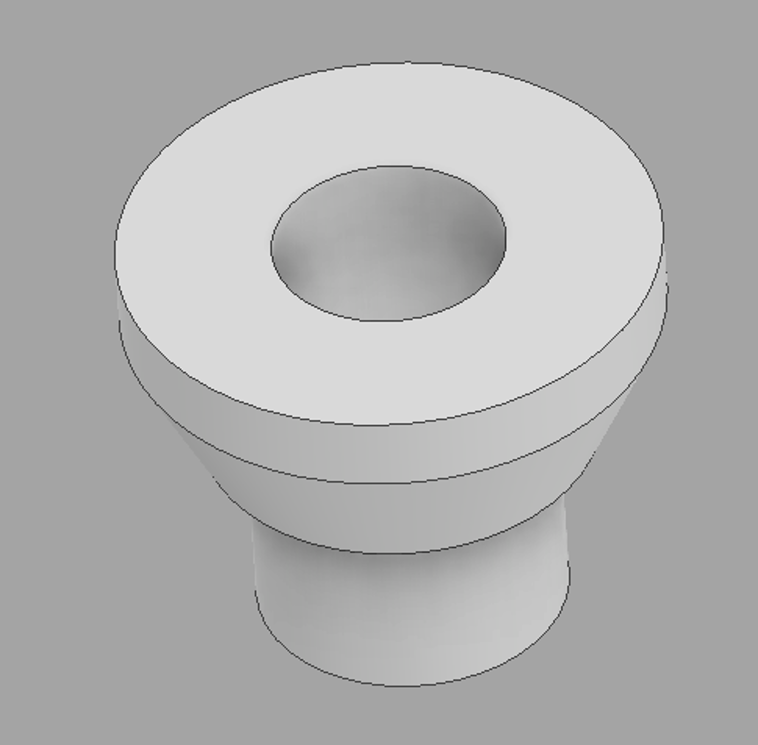
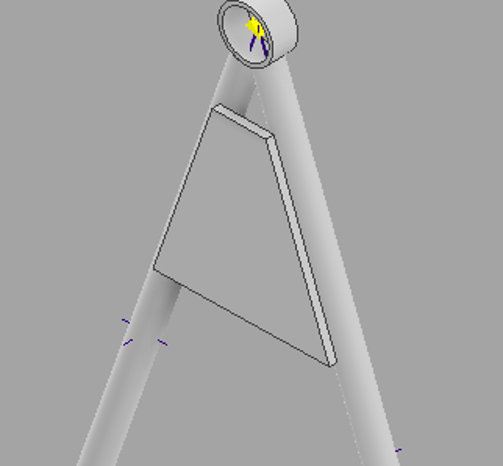
This is a spherical bearing housing used in this year’s vehicle. It is connected to the knuckle and allows the suspension geometry, such as the kingpin angle and caster angle, to be properly implemented. By allowing angular misalignment and smooth rotational movement, the spherical bearing helps maintain stable suspension motion and precise wheel alignment.
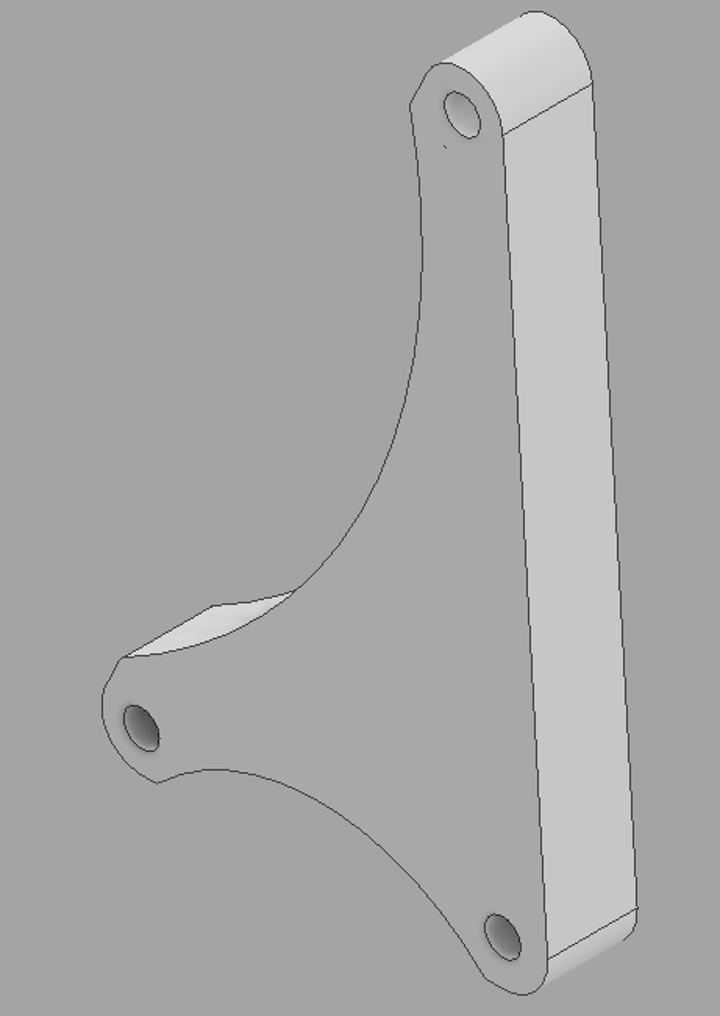
This is the motor mount designed for this year’s vehicle. The design is not yet finalized, and additional weight reduction will be carried out later through material removal. Since the motor mount supports the motor and affects the alignment of the drivetrain, sufficient strength and precise manufacturing are required.
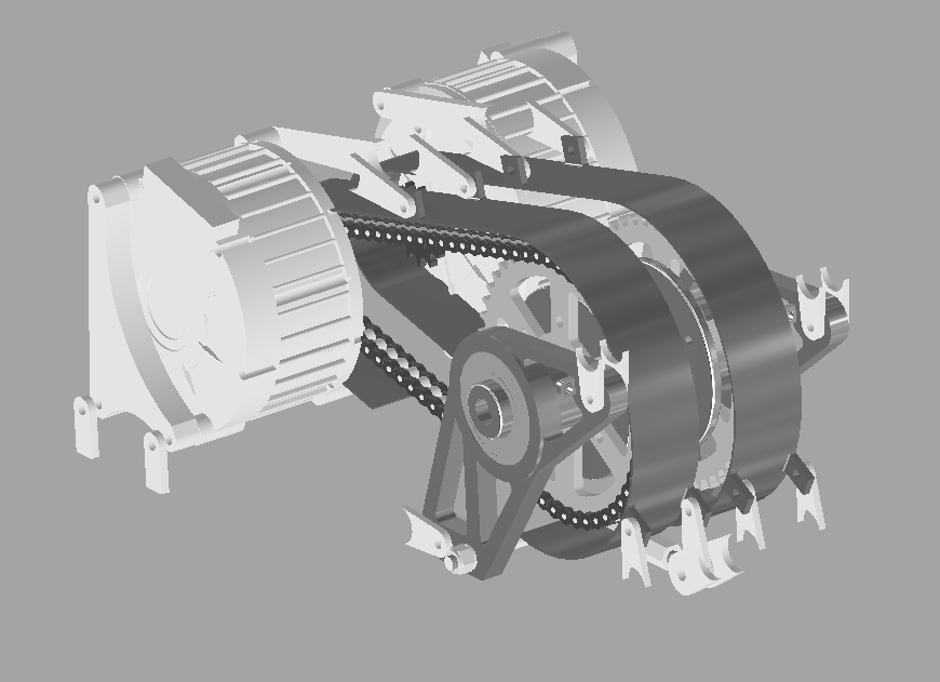
This image shows the completed powertrain assembly for this year’s vehicle. The assembly includes the motors, chains, driven sprockets, journals, drive shafts, and supporting mounts. It is designed to transmit power from the dual motors to the wheels efficiently and reliably. Since the powertrain directly affects acceleration, driving stability, and overall vehicle performance, precise alignment, sufficient strength, and reliable durability are required.
With PCBWay’s CNC machining sponsorship, we will dedicate ourselves to every stage of the vehicle development process, from design and manufacturing to assembly and testing. This support would greatly help us improve the quality of our parts, enhance the performance of our vehicle, and challenge ourselves to achieve better results in the competition. We sincerely appreciate your consideration and hope to create meaningful results with PCBWay’s support.
Apply for sponsorship >>- Comments(0)
- Likes(0)