

Perseus: Building a Lunar Rover with QUT ROAR
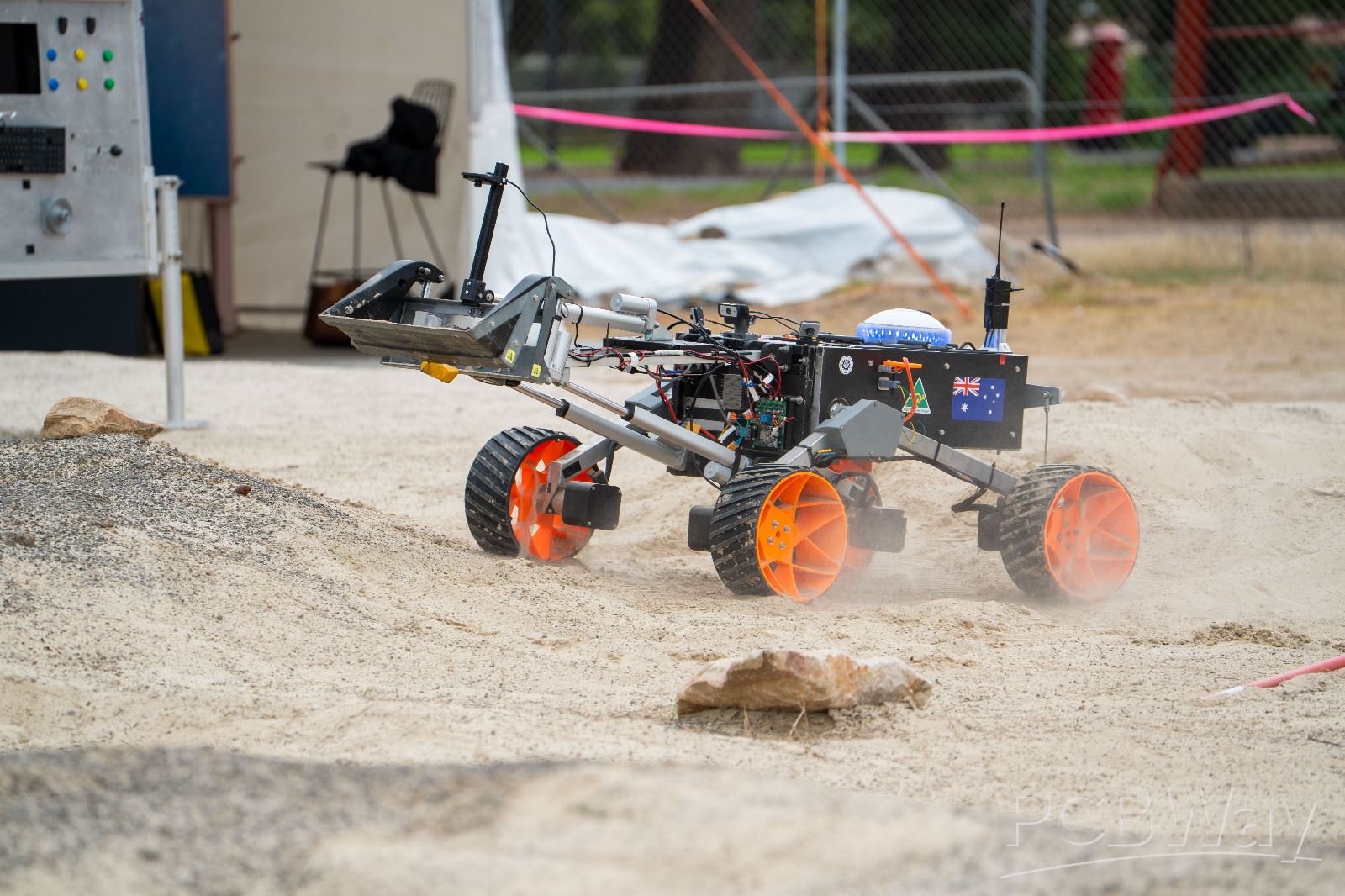
Last year we were the first international team invited to demonstrate at NASA’s Lunabotics Challenge, unofficially placing 4th out of 36 teams. Nine months later we took Perseus back to the Australian Rover Challenge (ARCh) 2026 at Adelaide University’s Roseworthy campus, where we finished 7th overall against 17 university teams from around the world, placed 2nd in the EXTERRES Crater Lab Challenge, and posted the highest national score in Space Resources (2nd in the competition).
Our performance in the EXTERRES Crater Lab Challenge has recently been invited as one of two Australian teams to compete in NASA’s first-ever International Lunabotics Challenge, held at the University of Central Florida in the US.
Perseus exists because a group of students wanted to try things most undergraduate teams don’t get the budget, time, or permission to try themselves. This post is about what we built, how it’s put together, and what it takes to get Perseus onto a simulated lunar surface twice in one year.
Who We Are
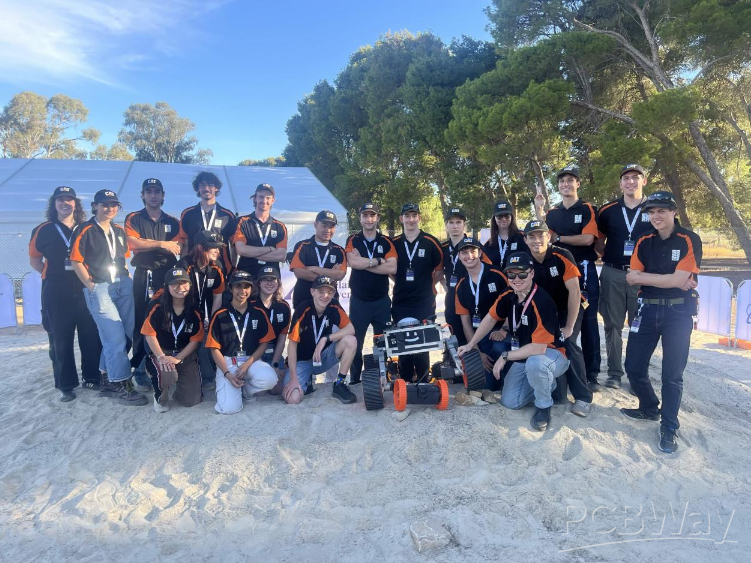
We’re QUT ROAR (Remote Offworld Autonomous Robotics), one of the project teams under the QUT Robotics Club at Queensland University of Technology in Brisbane, Australia. We compete in the Australian Rover Challenge every year, and in 2025 became the first international team invited to demonstrate at NASA’s Lunabotics Challenge.
We’re a multidisciplinary team of around 40-50 students at QUT studying mechatronics, mechanical, electrical and software engineering, as well as a growing cohort of both industrial and screen media design students.
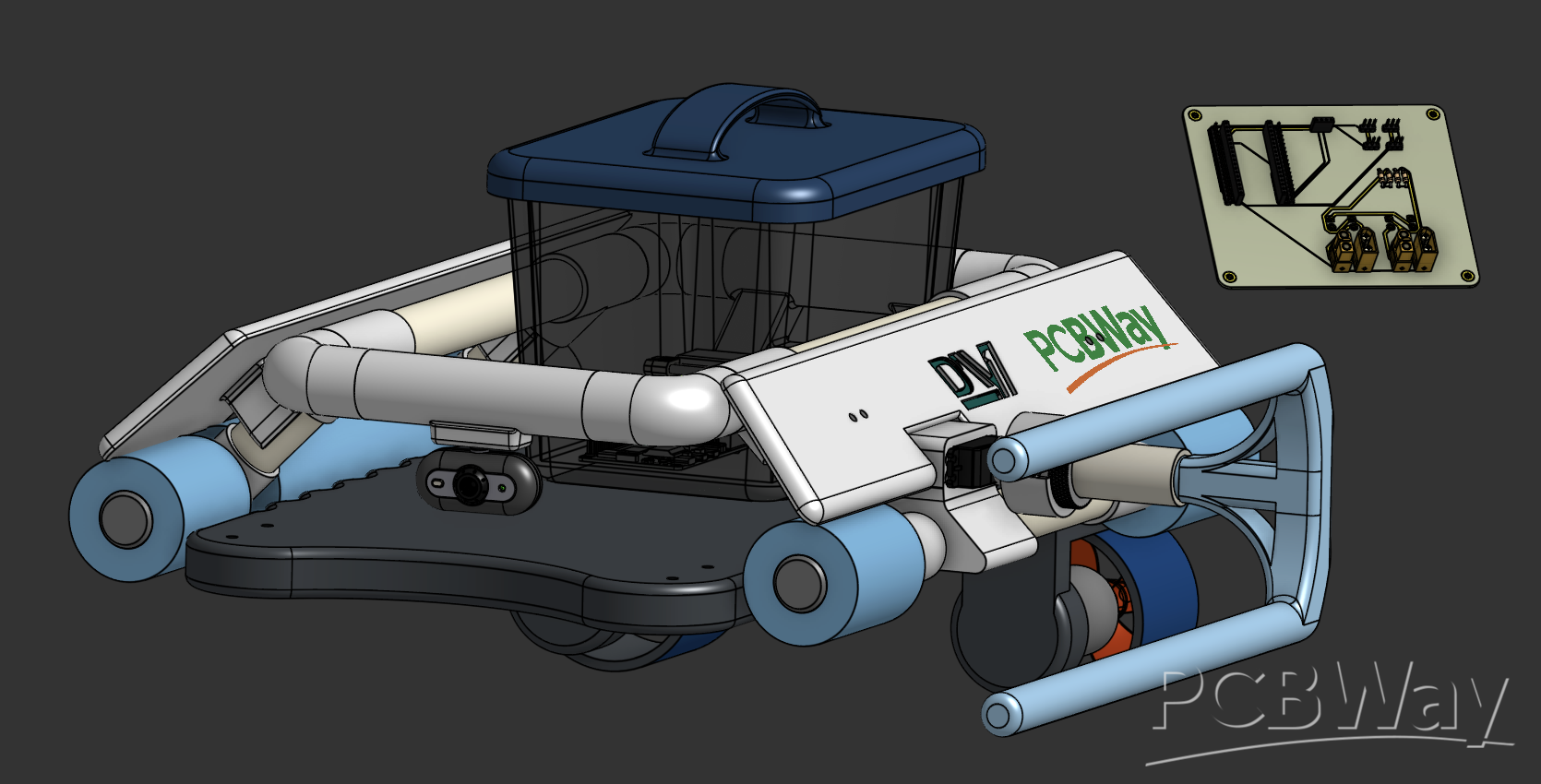
Winning matters to us, but it isn’t the only thing we’re designing for. A lot of what we build goes beyond the competition brief. We aim to develop something new and unseen and explore ideas that students may not get to develop on their own. One such example is our marsupial rovers or deployables (baby rovers that are deployed from Perseus at the start of a task). We were the first team in ARCh to bring a deployable onto the field, with Talaria in 2024. We then returned in 2026 with Kibisis, a two-wheeled cyclops-like deployable.
The Australian Rover Challenge
Hosted by Adelaide University, the Australian Rover Challenge simulates a lunar environment where teams compete across four days. Each day involves a separate task, and to that effect, a completely different payload for Perseus to make use of. The team teleoperates the rover from a sealed base station and can only see through the onboard cameras and sensors.
In 2026, our first day was the Space Resources task, which revolves around in-situ resource utilisation (ISRU). In this task, Perseus must extract and process samples of icy-regolith and ilmenite. The icy-regolith must be excavated from the sample site and processed by the rover to extract the highest-purity water possible, of which we use a centrifuge to achieve this. Ilmenite processing requires Perseus to identify the concentration of ilmenite within a sample, which we accomplish through spectroscopy. We use a custom-built end-effector for our robotic arm that first warms the sample, then breaks it up to form a slurry-like mixture, after which it can be scooped up into the centrifuge for processing.
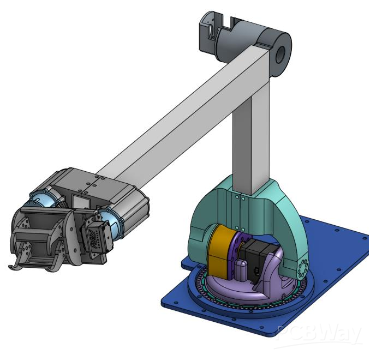
We then move to the Post Landing task, which is centred around Perseus’ robotic arm and interacting with the environment right after Perseus has “landed” on the moon. This requires the arm to pick up and connect hoses, press keys, buttons, switches, and traverse the lunar craters and berms on the lunar surface. The arm is constructed in-house out of aluminium linkages and 3D-printed joints and gearboxes. We have a second end-effector for the Post Landing task which is purpose-built for picking up for the fine movements that Post Landing requires.
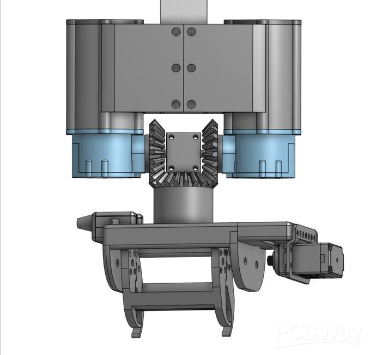
The Excavation & Construction task is our flagship payload. Our 4-in-1 clamshell bucket makes light work of this task, constructing large berms of regolith (our record is 30kg in six minutes), clearing rocks up to 10kg, and constructing pavers to form a lunar-highway. Finally, we have the Mapping & Autonomous task, where Perseus is let loose on the lunar surface to explore all by himself. Perseus must autonomously navigate to a series of waypoints and identify them, while also searching for and identifying several coloured cubes along the way.
The Architecture
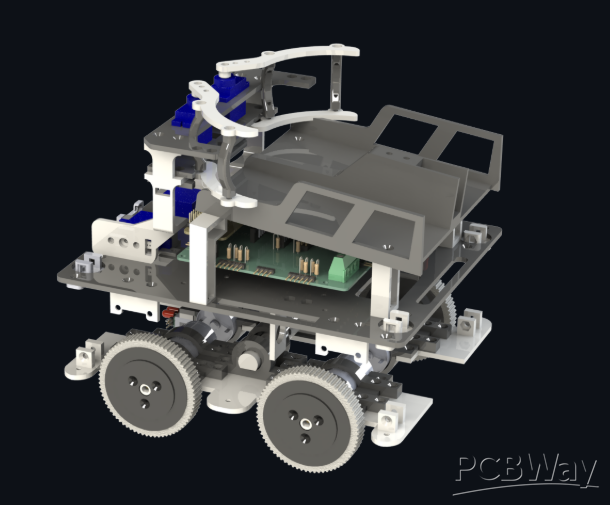
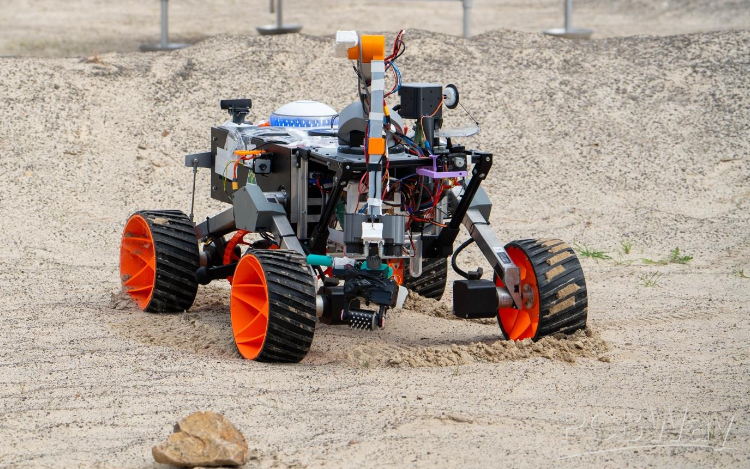
This is Perseus’ fourth year in service. The team is now developing Perseus V3, carrying forward the lessons learned from NASA Lunabotics in 2025 and ARCh 2026. Perseus is a differential drive rover with a rocker suspension. The rocker geometry lets each side of the rover articulate independently over uneven terrain, while ensuring the body stays level and all wheels remain in contact with the ground.
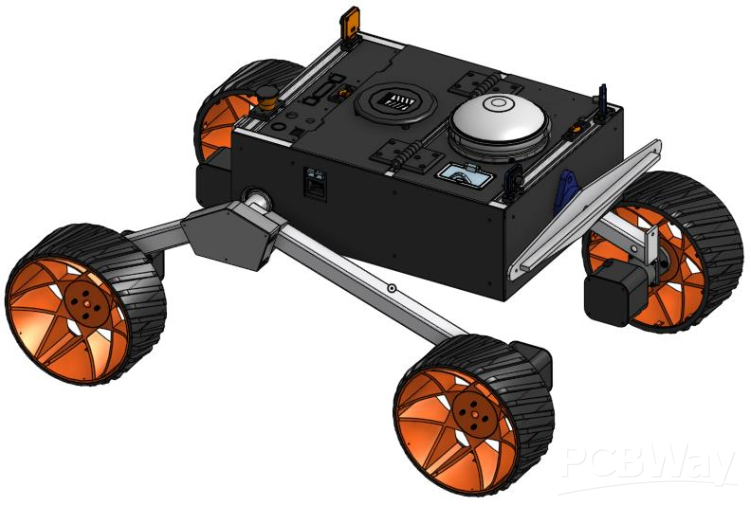
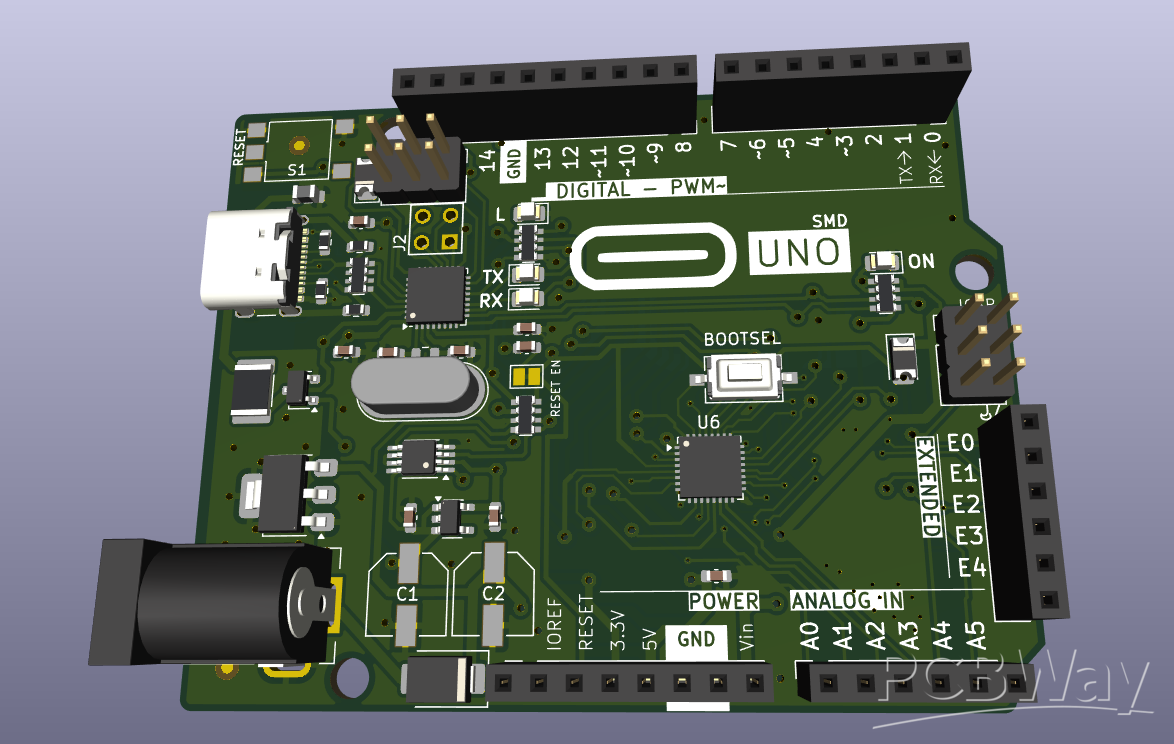
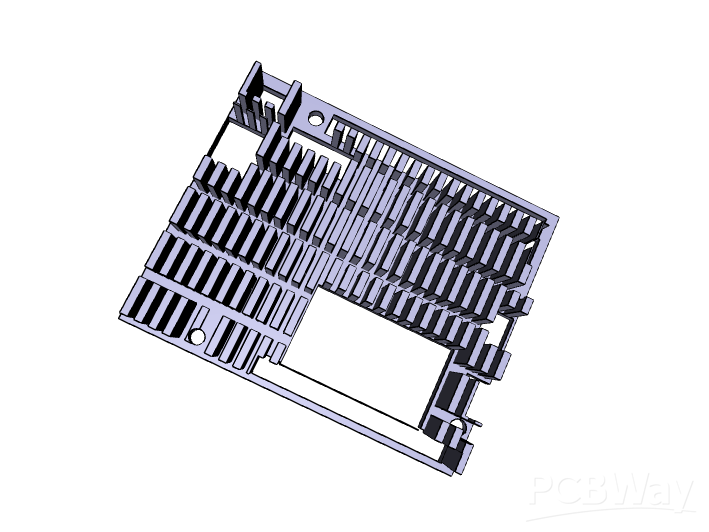
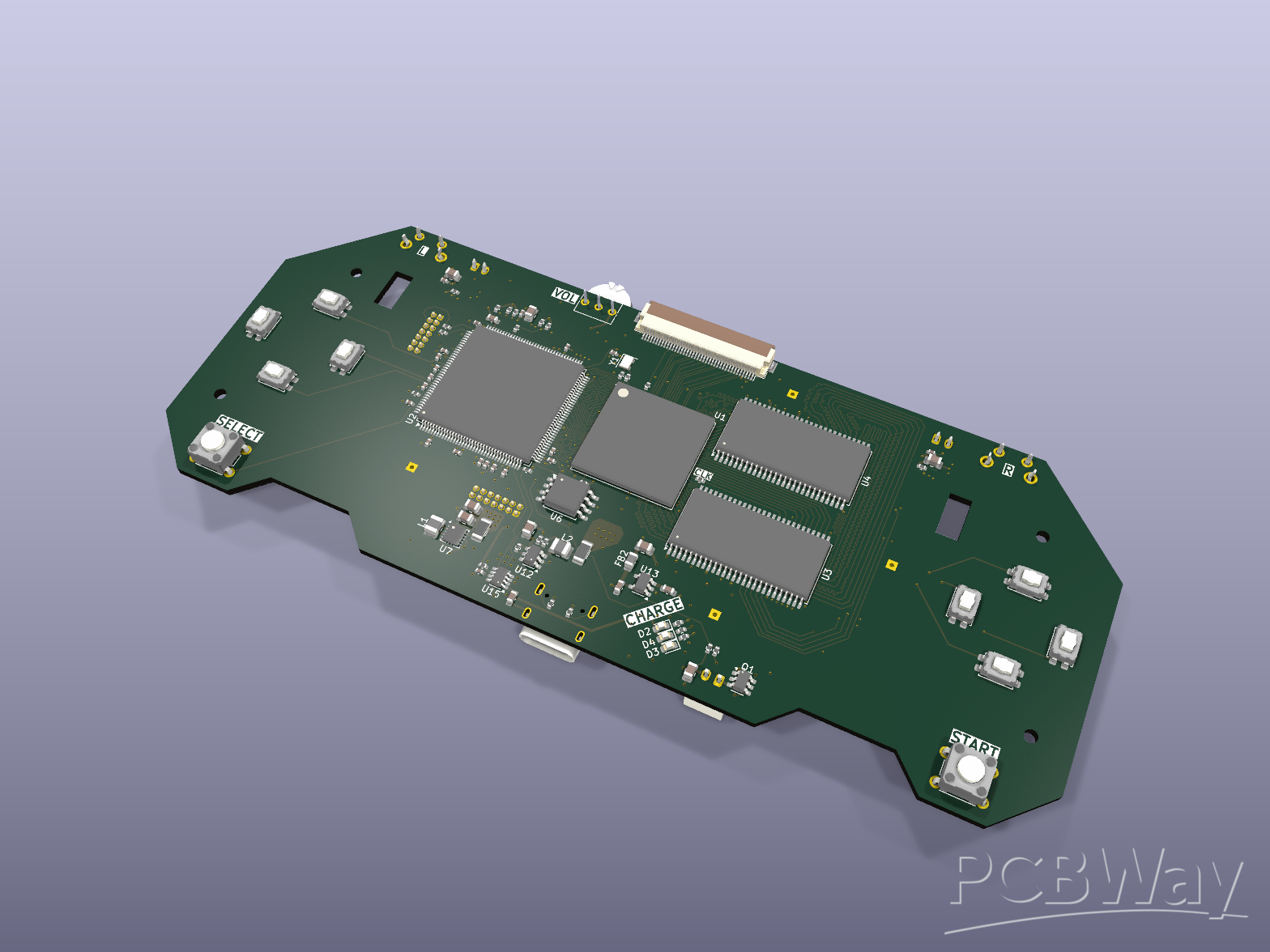
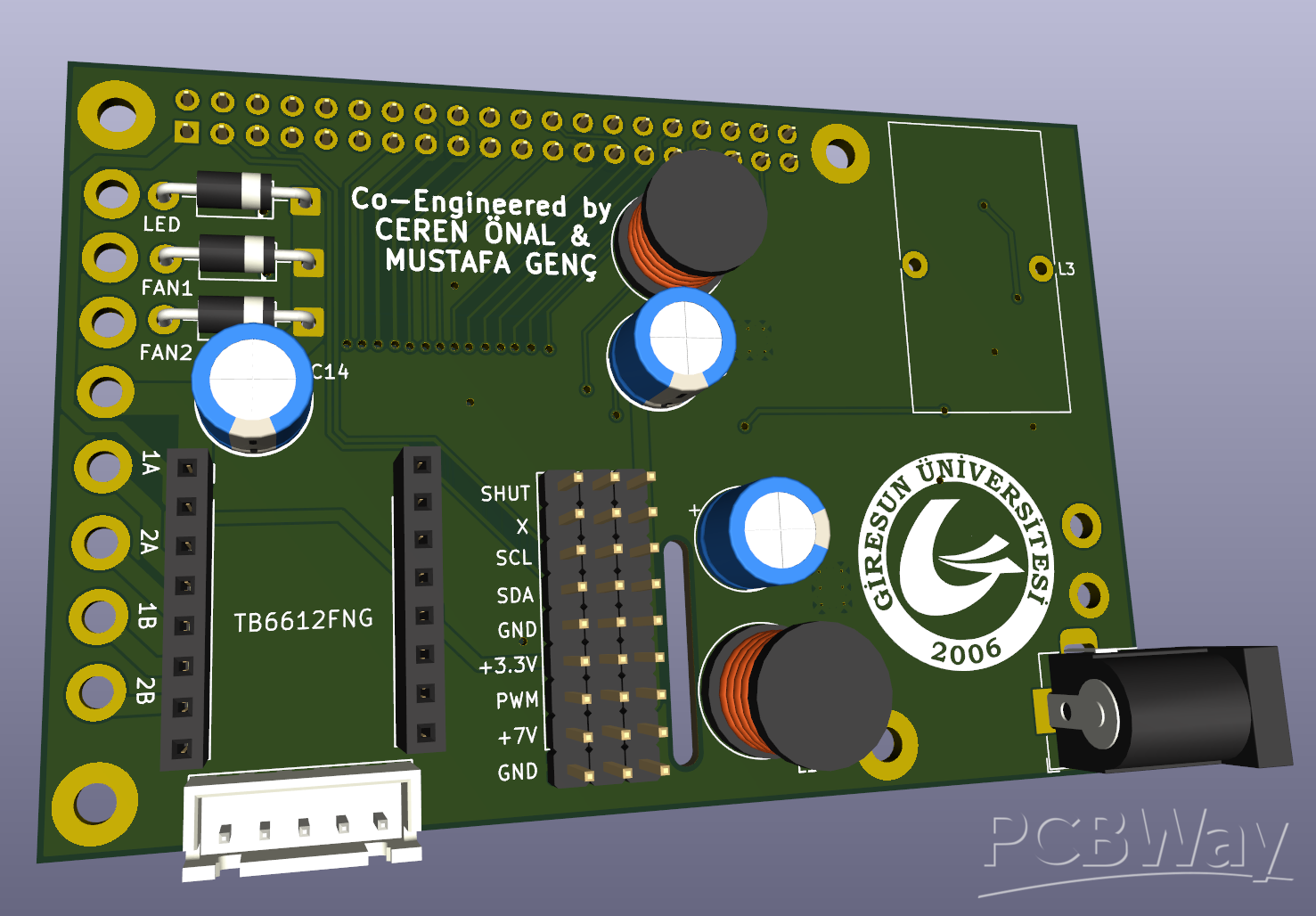
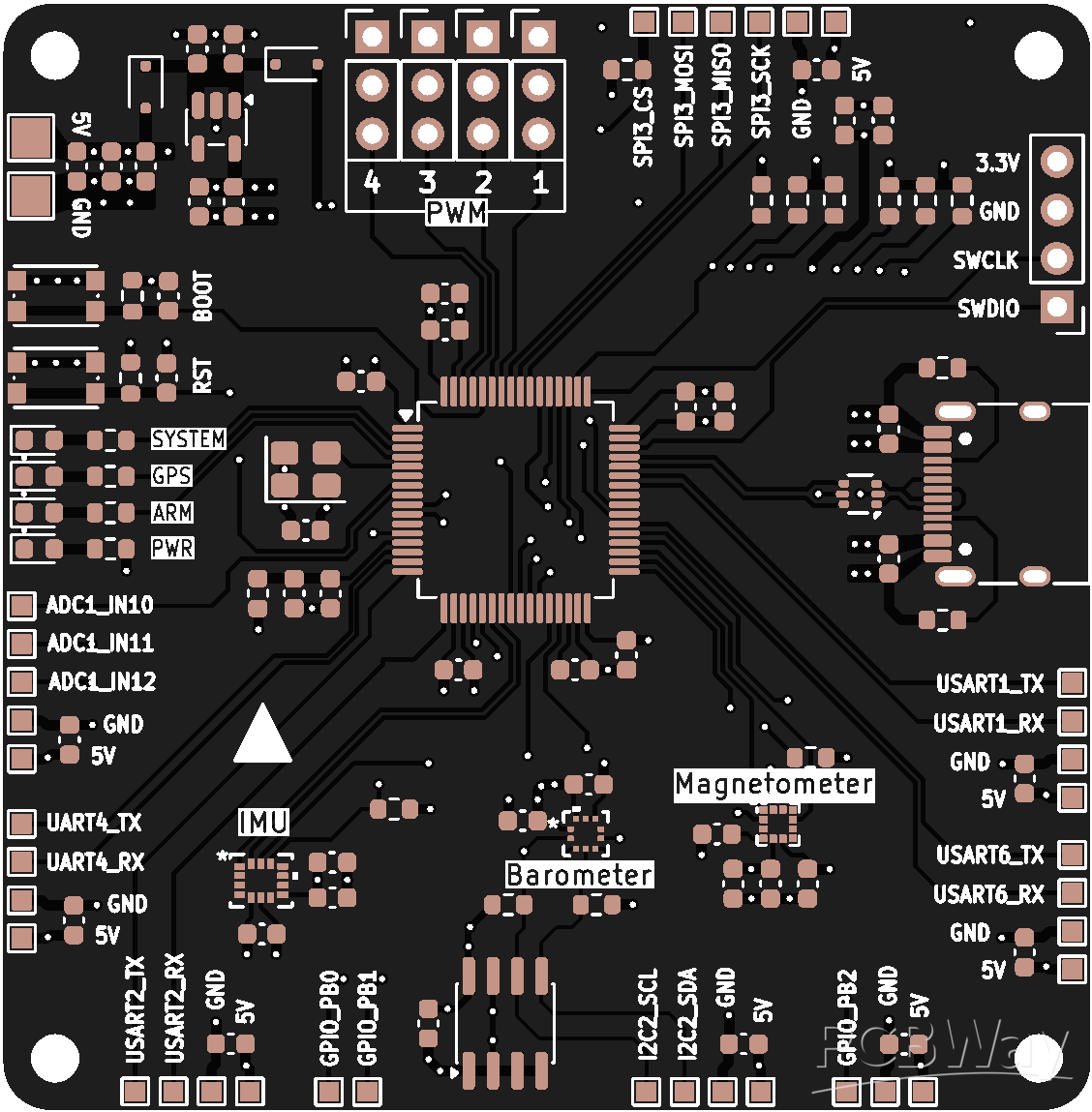
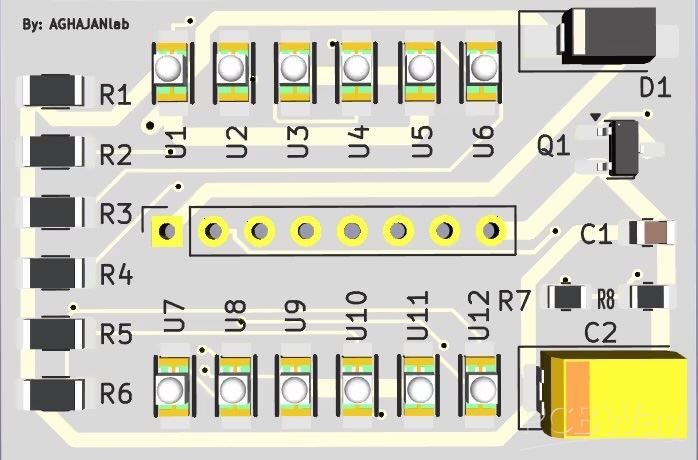
Almost every PCB on Perseus is custom designed in-house by our team and fabricated by PCBWay. This ranges from our custom battery management system (BMS) to the Rover Control Board (RCB) which distributes power throughout to four separate power buses – compute, drive, auxiliary (our payloads), and spare – all the way to our custom ESP32 carrier boards which we’ve dubbed the Smol Brain. The Smol Brains communicate with our compute stack – two NVIDIA Jetson Orin Nanos dubbed Big Brain and Medium Brain – as well as the drive system, payloads, and each other using the CAN protocol.
The rover runs a ROS2 (Robot Operating System) stack and is teleoperated entirely from the base station during the task. Like on the moon, we can only see through the rover’s onboard cameras and sensors which are streamed over the network to the base station. Our cameras are streamed through our custom Web-UI, which also provides telemetry data, and acts as a secondary control interface for the rover and some payloads including the bucket and arm.
Conclusion
Four years in, Perseus is still the same idea: a rover built and rebuilt by students who mostly won't be here forever, handed down with enough documentation and enough R&D margin that each version can do more than the last. V2 got us a top 4 unofficial finish at Lunabotics and category wins at ARCh 2026, including a run that should have been ruined by a dead CAN cable. V3 is being built now, and a podium finish is in sight for ARCh 2027.
None of the electronics on Perseus would survive a competition, let alone a task like Excavation and Construction, without boards we can trust to work when they arrive. Thanks to PCBWay for enabling that part of the build.
Follow along with QUT ROAR on LinkedIn and Instagram or dig into how Perseus works in our documentation.
- Comments(0)
- Likes(0)