

Team ThriveForce
Team ThriveForce – Engineering the Next Generation of Combat Robots
Who Are We?
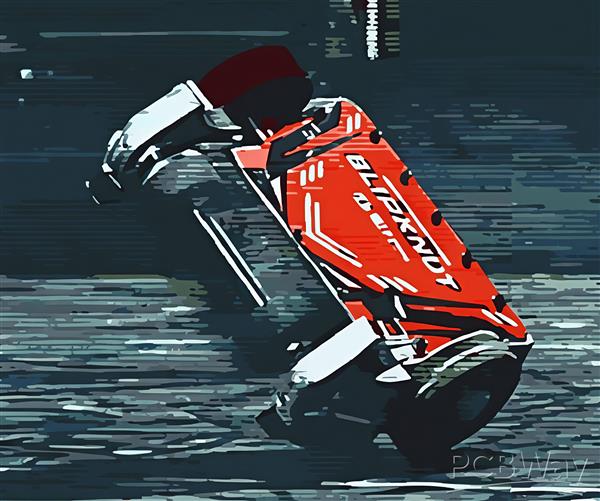
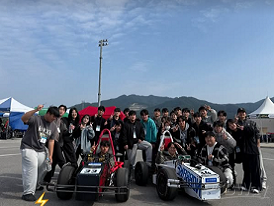
BITS Pilani, Hyderabad Campus's official combat robotics team is the ThriveForce. Starting as merely a small student initiative in a hostel room, now has become an enthusiastic group of engineers designing, making, and competing with custom-built combat robots that compete in different weight classes, including beetleweight - 1.36kg, 8kg and 15kg.
ThriveForce builds everything from scratch, including chassis, weapon systems, drive systems and electronics integration. Beyond fabrication, ThriveForce continues to develop and optimise motor-ESC combinations, power systems, materials and methodologies to enhance performance and reliability. In our view, experimentation leads to innovation, and thus every robot is another chance for us to try something new, learn from failures and continue to advance the state of combat robotics.
Our Story
Combat robotics is one of the few engineering disciplines where every design decision is tested under real-world extreme conditions.
Our robots routinely experience:
- Violent impacts
- High rotational energies
- Heavy vibration
- Continuous mechanical shocks
- Repeated structural loading
Success isn't determined by simulations alone—it is determined inside the arena.
Every failure becomes valuable engineering data, allowing us to improve our robots generation after generation.
This iterative approach has helped Team ThriveForce achieve multiple podium finishes at national-level competitions, validating both our engineering methodology and manufacturing practices.
Our Achievements
Over the past two seasons, our engineering efforts have translated into consistent success at national-level combat robotics competitions.
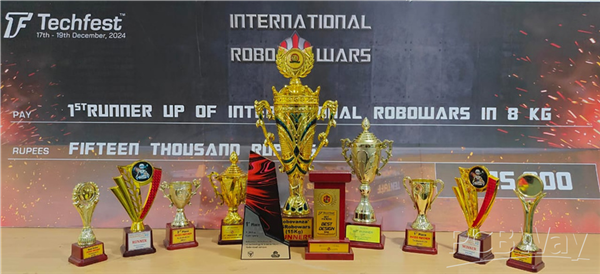
- VIT GraVITas – 15 kg – 2nd Place
- VJTI – 8 kg – 1st Place
- VJTI – 15 kg – 2nd Place
- BITS Goa QUARK – 8 kg – 1st Place
- BITS Goa QUARK – 15 kg – 2nd Place
- BITS Goa QUARK – 1.36 kg – 3rd Place
- IIT Bombay Techfest International Robowars – 8 kg – 2nd Place
- CBIT – 15 kg – 2nd Place
- ATMOS – 1.36 kg – 1st Place
- ATMOS – 1.36 kg – 2nd Place
Our Vision & Direction
BITS Pilani, Hyderabad Campus's official combat robotics team is the ThriveForce. Starting as merely a small student initiative in a hostel room, now has become an enthusiastic group of engineers designing, making, and competing with custom-built combat robots that compete in different weight classes, including beetleweight - 1.36kg, 8kg and 15kg.
ThriveForce builds everything from scratch, including chassis, weapon systems, drive systems and electronics integration. Beyond fabrication, ThriveForce continues to develop and optimise motor-ESC combinations, power systems, materials and methodologies to enhance performance and reliability. In our view, experimentation leads to innovation, and thus every robot is another chance for us to try something new, learn from failures and continue to advance the state of combat robotics.
Our Bots
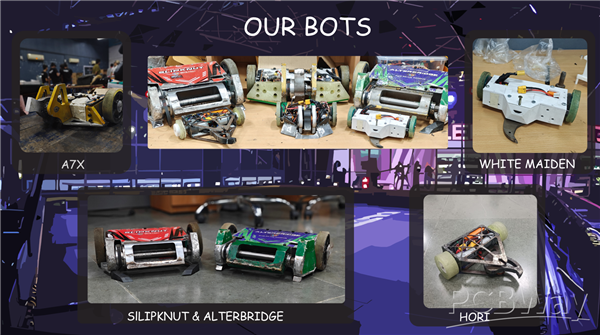
What are we building?
For the upcoming competition season, we are developing the next generation of our combat robotics platforms.
Current development includes:
Velociraptor
Our new generation of horizontal spinner, which is designed for delivering high kinetic impact while being reliable and safe in operation, is
Velociraptor
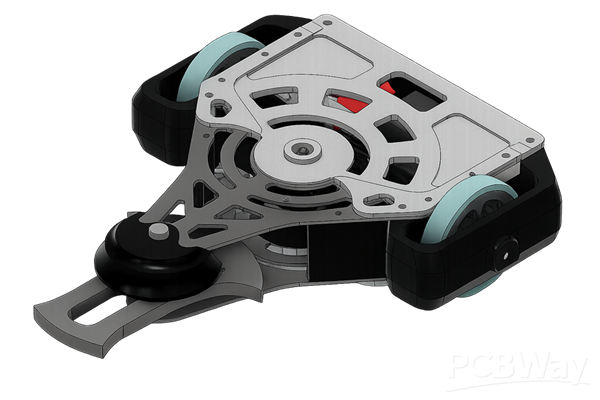
The composite of steel-ABS is used for the top plate in order to make the robot resistant to severe vertical impacts. In order to increase the survivability, the robot chassis is equipped with side guards and additional attachments, which protect the most important elements of the drivetrain, including the pulley, belt, and drive system from damage.
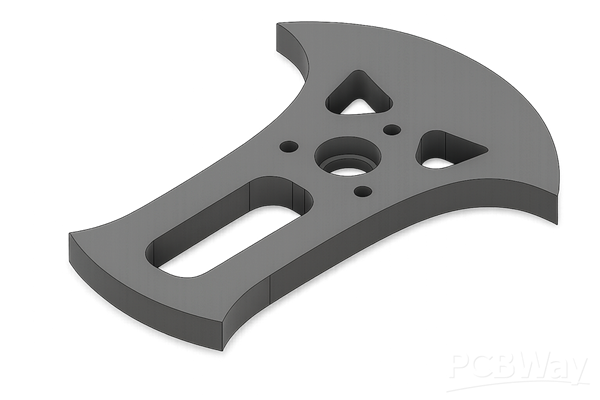
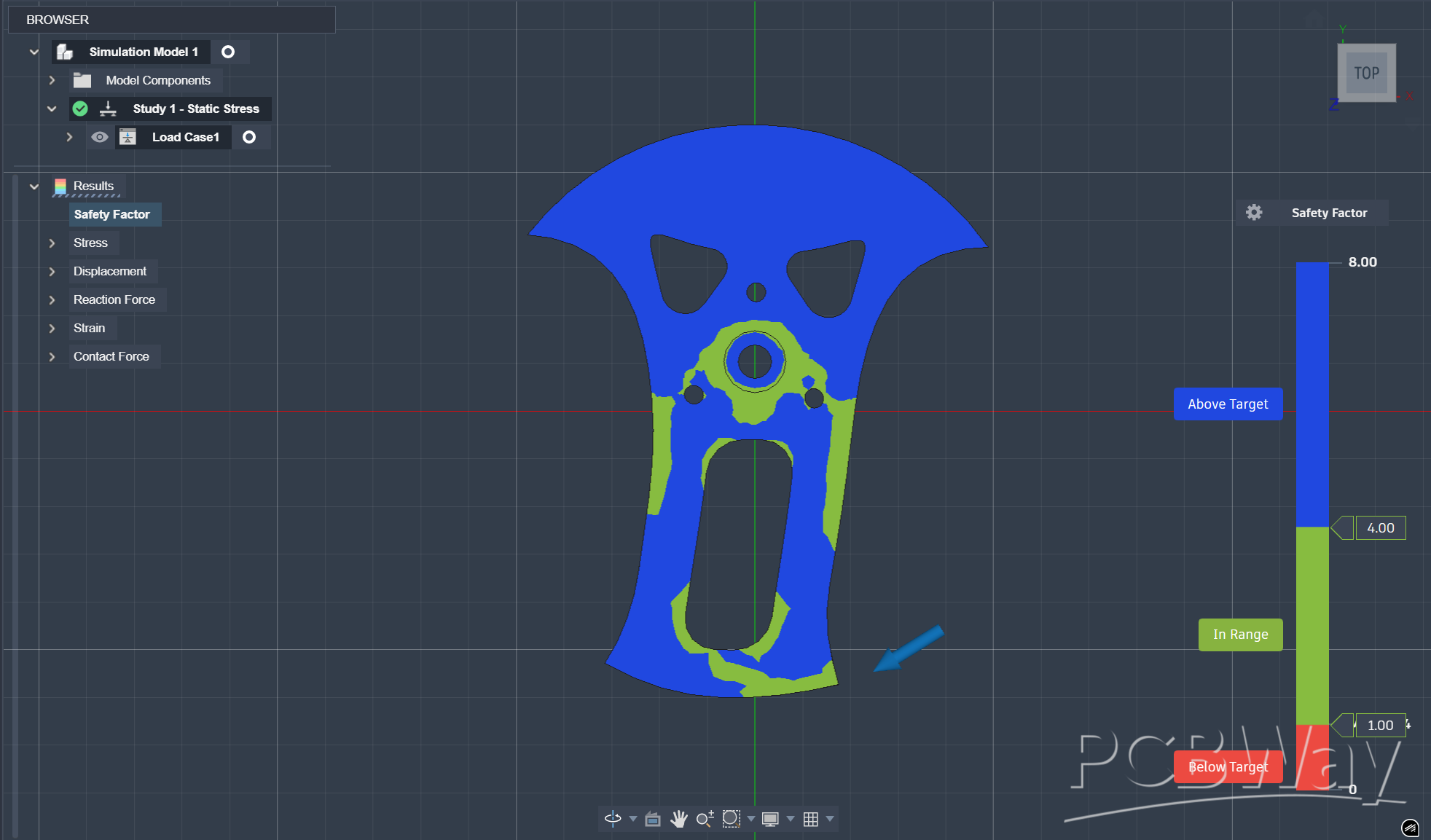
The weapon is a asymmetric 300 g disc with a high moment of inertia (4.637 × 10⁵ mm⁴) and a diameter of 140 mm. The bite of the weapon is 20 mm, which allows us to provide maximum energy release in case of impacts. The FEA analysis and dynamic simulations have been performed in order to ensure the structural strength, distribution of stresses, and integrity of the weapon under high loads.
Ladybug
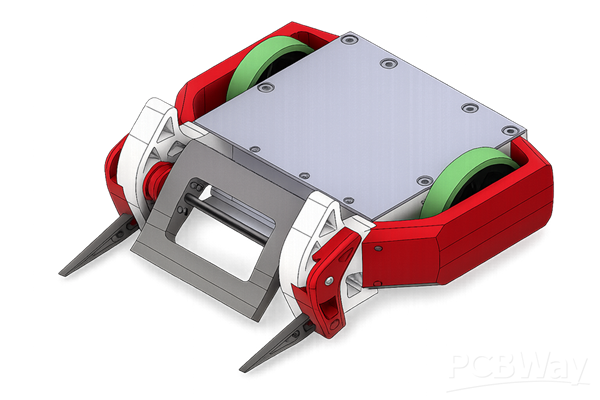
Ladybug is a small, highly aggressive eggbeater that is engineered to achieve maximum offensive potential while ensuring strength and control. It carries in excess of 550 joules of kinetic energy – more than the energy released from a 9mm Luger round – thus capable of delivering extremely powerful, fight-ending hits. Its UHMW plastic side rails make it highly resistant to impact, yet very light so that its total mass can be utilized for the weapon system. The design of its low profile wedge and fork helps ensure maximum ground control and efficient opponent feed into the spinning weapon system. The optimized chassis structure offers balance between its offensive capability, strength and maneuverability.
Krait
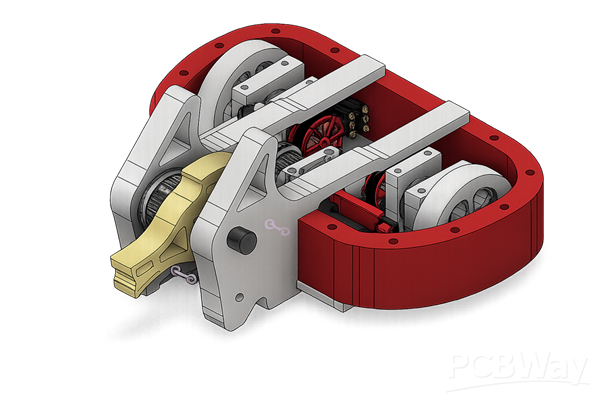
Krait is our vertical spinning bot optimized for maximum weapon efficiency, durability, and control. Its short stature and double fork design allows it to perform well in ground fighting, ensuring effective feeding of the enemy into the weapon system. It uses a protected internal design that will help it survive extreme impacts and protect its drivetrain and electronics. With the perfect weight balance and modular design, Krait provides maximum attack capabilities while staying reliable and quickly serviced.
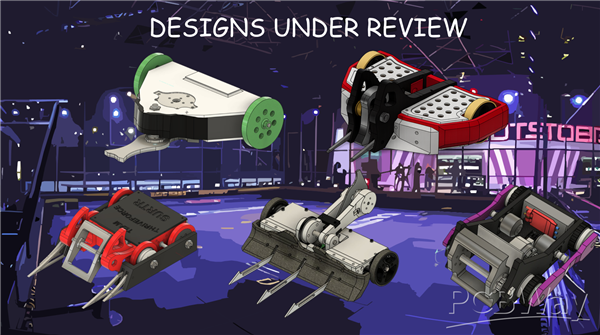
We do have multiple designs under development and we realize no design is perfect and perfection is a continuous process. We keep designing new bots to keep up with the current standards.
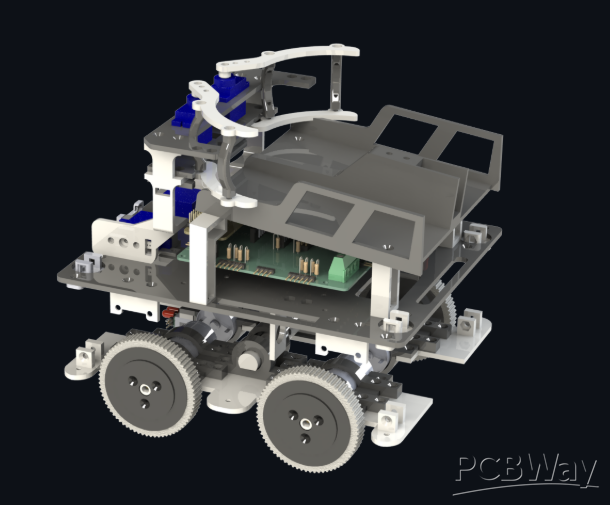
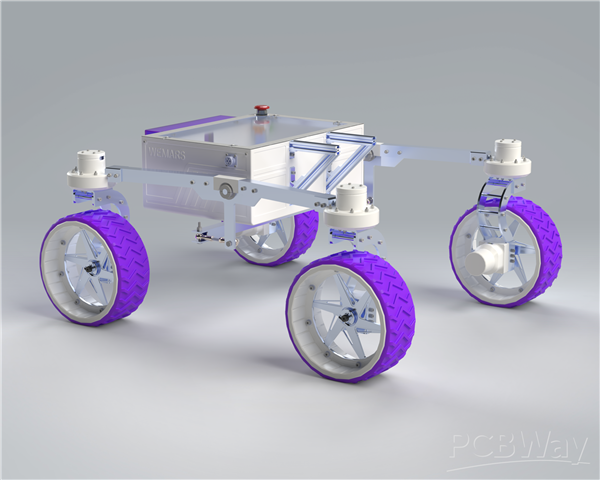
Here are some of the designs under progress!!
Drivetrain Research & Development
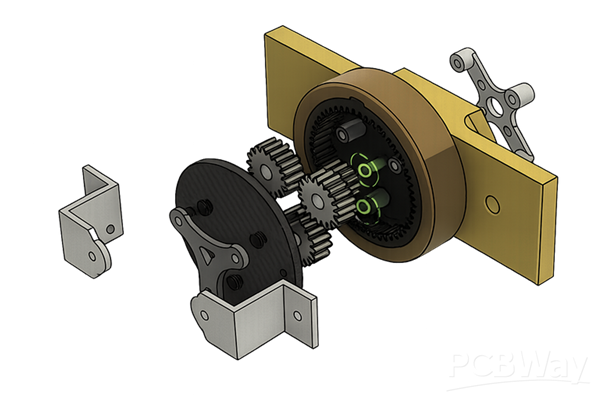
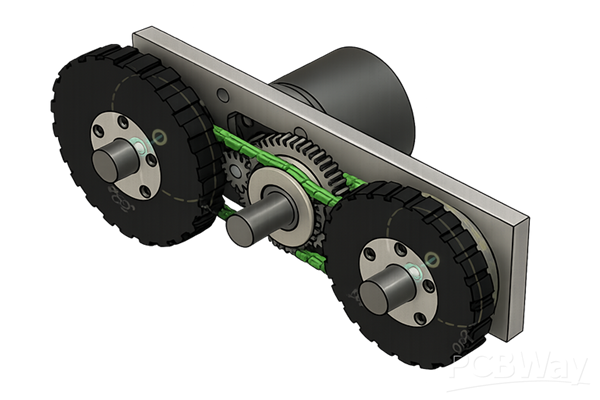
We believe research is the backbone of success, instead of using readymade components we are researching and developing parts ourselves to remove dependency and get tailor made components according to our needs.
As part of our drive-train development process, one of our concepts was using a ring gear hub drive train, where the insides of a planetary gearbox were used as both the housing and drive of the wheel hub. Such a design will greatly help in improving the efficiency of space use and weight distribution.
In order to overcome issues related to strength and durability, we worked on the use of a hybrid design of the car body and wheels, which included parts made from carbon fibre reinforced with steel plates. Moreover, side-guards for chassis protection were designed to provide additional safety for drivetrain parts.
Another design that was suggested is a four-wheel drivetrain design featuring several mechanical transmissions. It uses composite gears and O-ring tension pulley system to make the power transmission smoother. Despite the strength and efficiency of the design, the weight of the drive train is extremely small – about 200 grams per side due to aluminum rails and optimized design.
How do we build our robots?
Every robot follows a complete engineering workflow.
- Concept Design
- CAD Modelling
- Structural Analysis (FEA)
- Dynamic Simulation
- Component Optimisation
- Precision Manufacturing
- Assembly
- Electronics Integration
- Testing
- Competition
- Continuous Improvement
Rather than purchasing ready-made solutions, we engineer nearly every critical subsystem ourselves—including chassis, drivetrain, weapon systems, electronics layouts, and protective structures.
Why PCBWay?
One of the biggest limitations faced by student engineering teams is access to high-quality manufacturing.
Modern combat robots demand components that are:
- Lightweight
- Extremely strong
- Dimensionally accurate
- Repeatable
- Manufactured within tight tolerances
This is exactly where PCBWay becomes an invaluable partner!!
PCBWay's manufacturing capabilities would allow us to produce:
CNC Machining
- Aluminium chassis rails
- Weapon hubs
- Steel & Titanium weapons
- Motor mounts
- Bearing housings
- Structural brackets
Laser Cutting
Designing the top, bottom plate, siderails etc often requires precision laser cutting along with good quality material.
3D Printing
Rapid prototyping enables us to validate designs before machining expensive components, reducing both development time and cost.
Carbon Fibre & Sheet Metal Manufacturing
Lightweight protective panels and structural components can be manufactured with greater precision and consistency.
What will we share?
Throughout the project we will regularly update this page with:
- Design progress
- CAD renders
- Manufacturing process
- CNC machined components
- 3D printed prototypes
- Assembly updates
- Testing videos
- Competition preparation
- Battle footage
- Engineering improvements
- Final competition results
We hope this journey inspires more students to explore robotics, manufacturing, and engineering through hands-on learning.
Looking forward to work with PCBWay to level up the standards of combat robotics!!
- Comments(0)
- Likes(3)