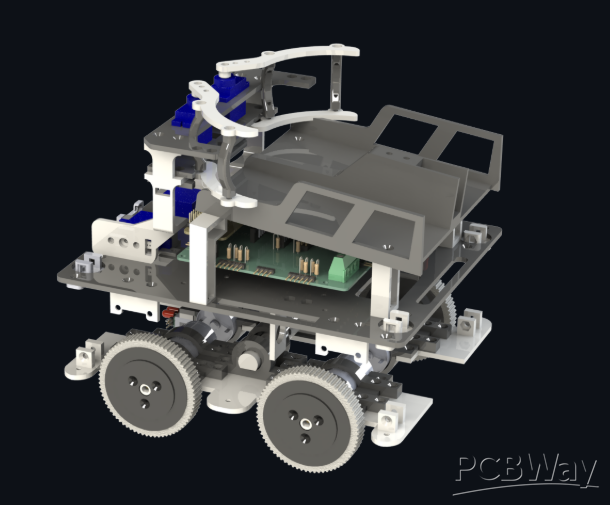


Team Robocon IITR - Perfboards to PCBs
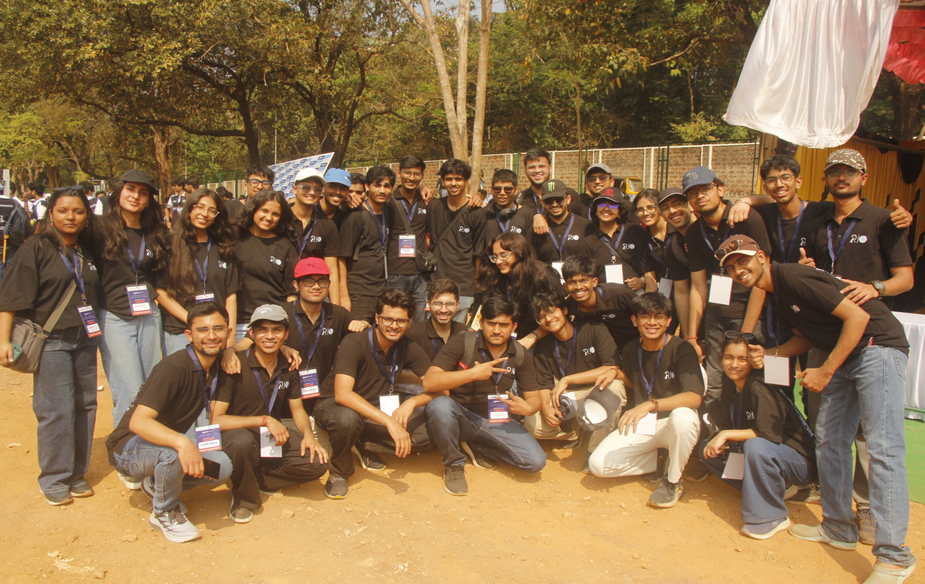
Team Robocon IITR is a team of 40+ students from IIT Roorkee, united by a shared interest in space robotics and innovation. Established in 2009, we specialize in designing and building advanced Mars rover prototypes. We compete on the global stage at prestigious events including the International Rover Challenge, European Rover Challenge, and University Rover Challenge, consistently demonstrating our engineering capability and teamwork in solving complex robotics challenges. Spanning multiple disciplines, our team thrives on collaboration and a shared commitment to innovation and continuous learning. We remain focused on pushing the boundaries of robotics technology while inspiring the next generation of engineers.
We have consistently demonstrated exceptional technical prowess across multiple prestigious competitions over the years. Recent highlights include a stellar performance at the Inter IIT Tech Meets, where we secured Gold in Robotics at the 13.0 edition (2024) and Gold in CAD Designing at the 12.0 edition (2023). On the global stage, we achieved the 13th overall rank—along with an impressive 5th place in the Autonomous Mission—out of over 50 teams at the International Rover Challenge 2024, building upon a strong 9th place finish at the International Rover Design Challenge (IRDC) in 2022. These milestones are further supported by earlier successes, including winning the Progambot Competition for the control and navigation of a Self-Balancing Bike, as well as emerging as the Winner in the Hardware Edition of an Underwater ROV at the Smart India Hackathon (2020).
Our Rover- Sisyphus
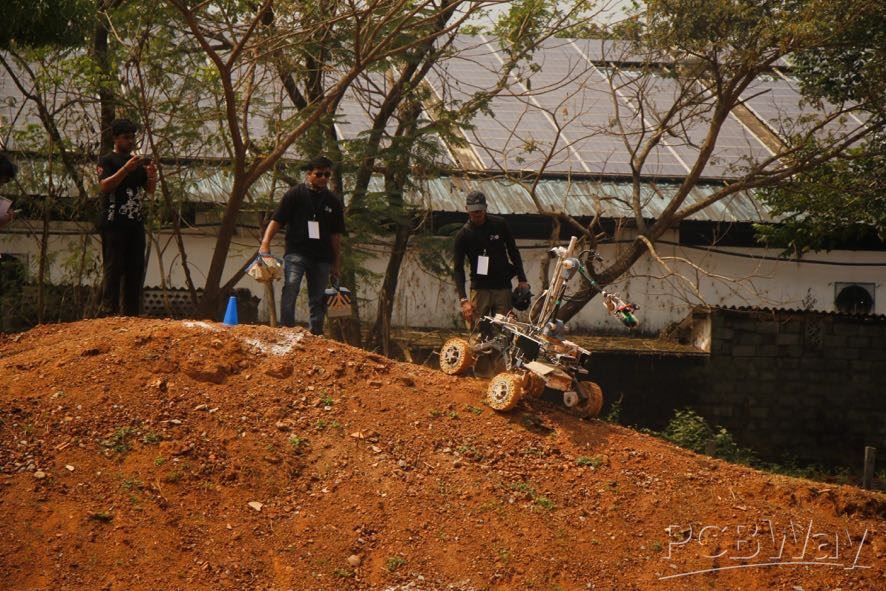
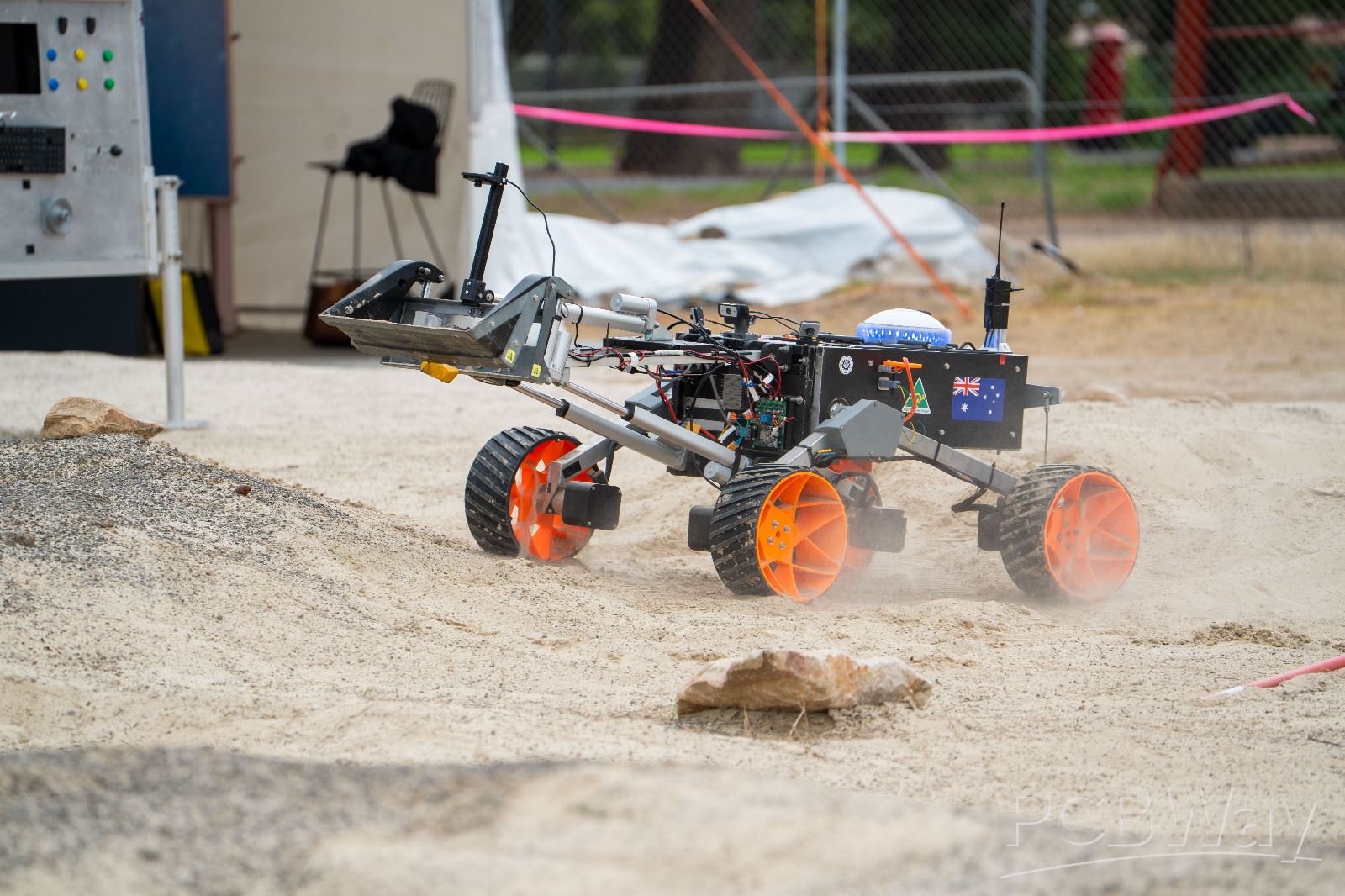
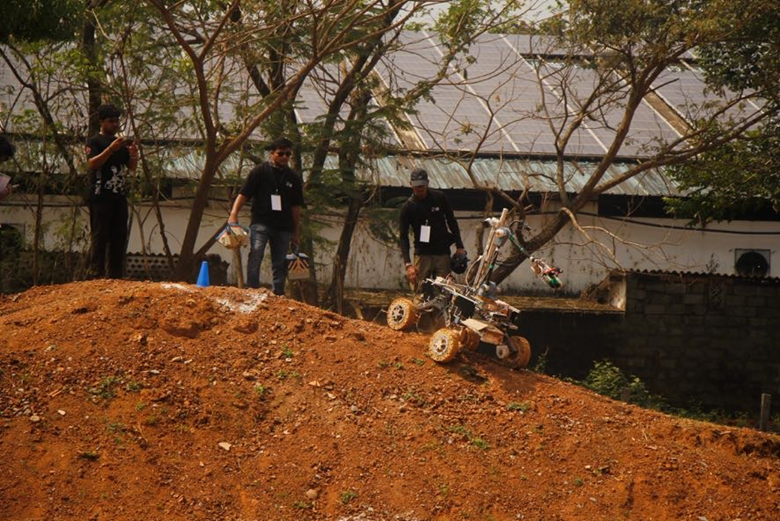
SISYPHUS is our all-terrain exploration rover, engineered to navigate rugged, unpredictable landscapes with a smart adaptive suspension and rugged flexible wheels for maximum stability. It features a robotic arm capable of lifting up to 7 kg and a precision soil-sampling system to collect and analyze samples autonomously. Powered by AI-driven navigation and a live camera network, the rover can map its surroundings, avoid obstacles, and operate independently, bringing us one step closer to real planetary exploration.
National / International Rover Challenges
We take part in many rover challenges including, the International Rover Challenge, European Rover Challenge, and University Rover Challenge. These challenge us to execute complex autonomous delivery, instrument deployment, and astrobiology missions in a simulated landscape. Together, these competitions push us to tackle real-world interdisciplinary challenges in a competitive setting.
This video is the overview of our rover and the different verticals involved in bringing it to life for SDDR 2026 Edition.
The Switch to PCBs
In the high-stakes, electrically chaotic environment of a competition, hardware reliability is the absolute barrier between victory and a devastating mid-match reset. For our earlier versions of our rover, our team relied on perfboards and messy jumper wires to connect power distribution boards, microcontrollers to sensor arrays and everything else was hand wired. However, as our robot's logic, communication, and power requirements scaled up, the standard "rat's nest" approach became a massive liability. To guarantee performance, we recently made the leap to designing our own custom-designed printed circuit boards (PCBs), fundamentally transforming our robot's reliability.
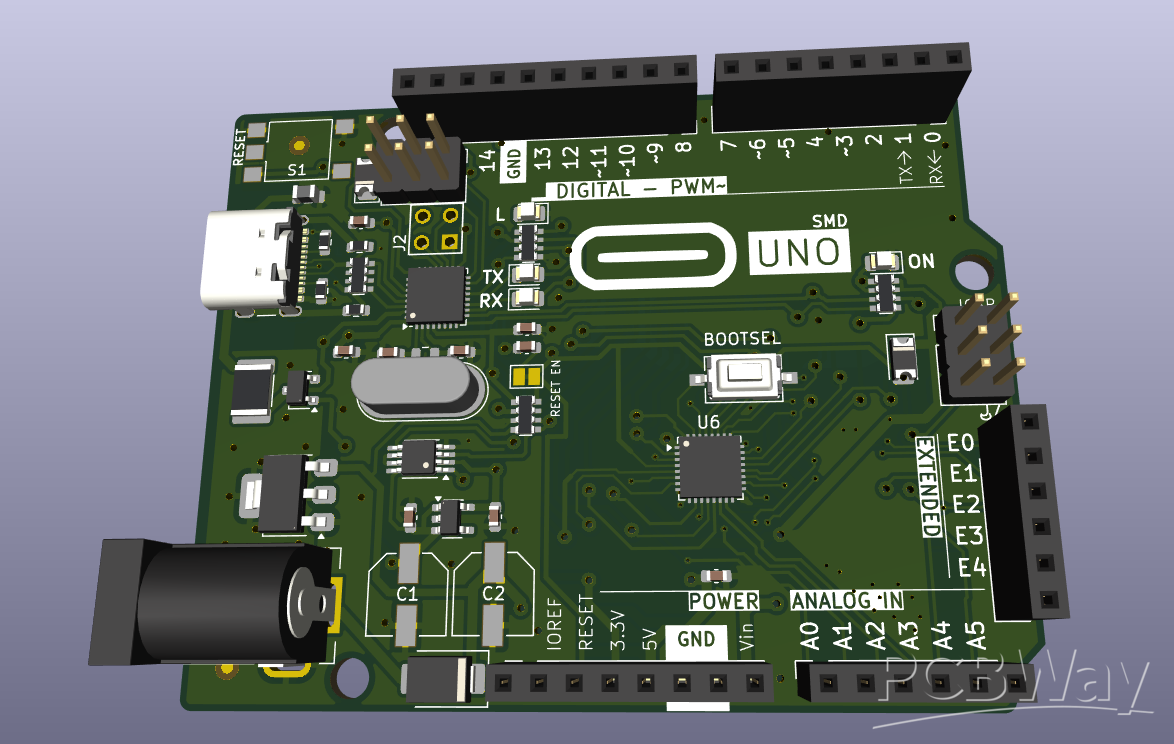
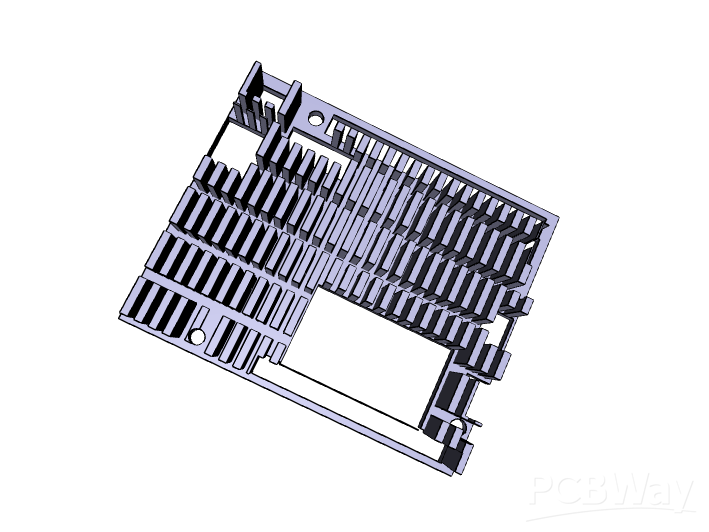
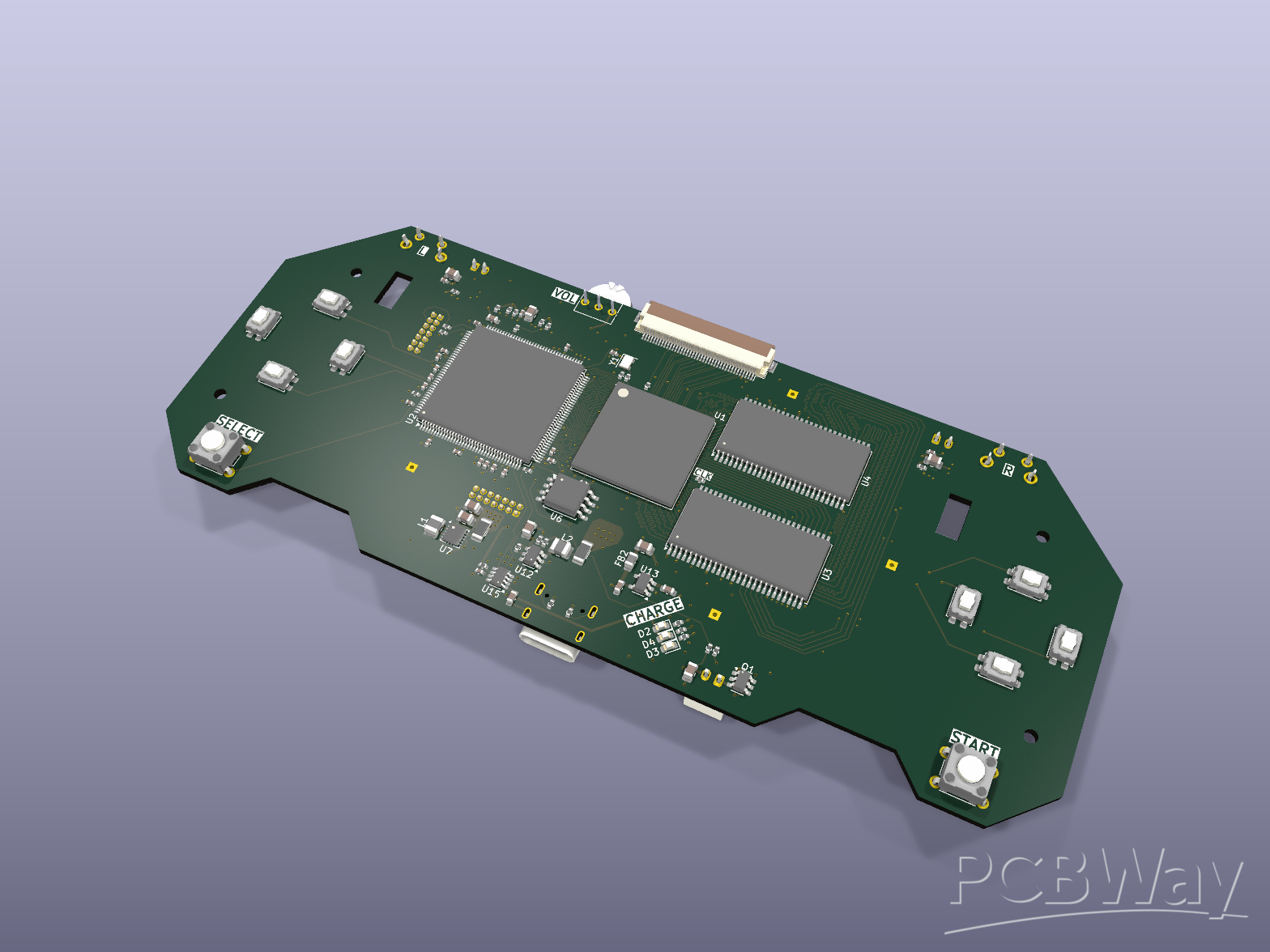
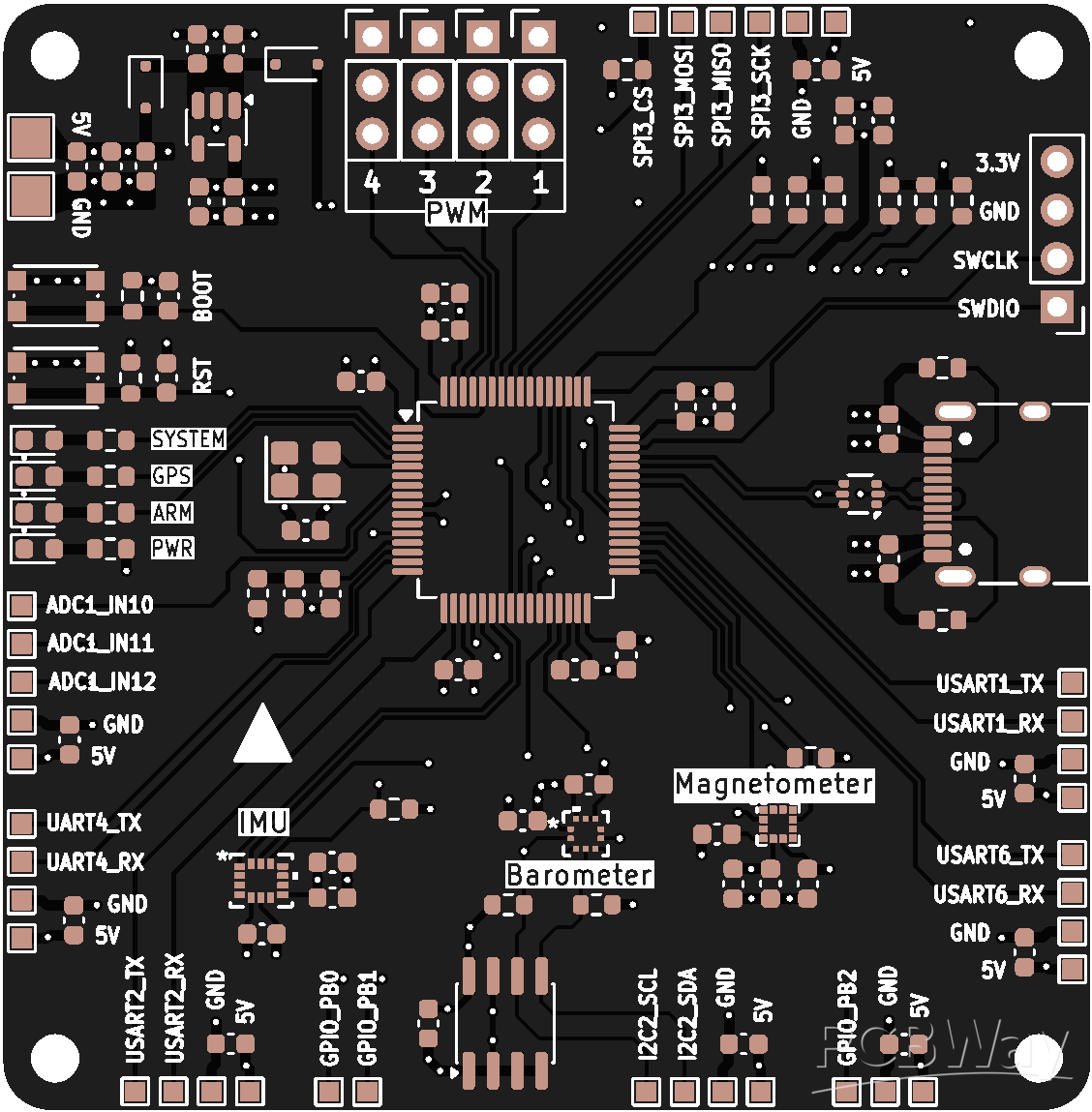
Our Rover relies on 3 major boards, The Power Distribution Board (PDB), The Battery Management System 12V and 24V (BMS), The STM32 Breakout Board (Logic circuit). These are the PCBs we have designed and are hoping to get printed by PCB way.
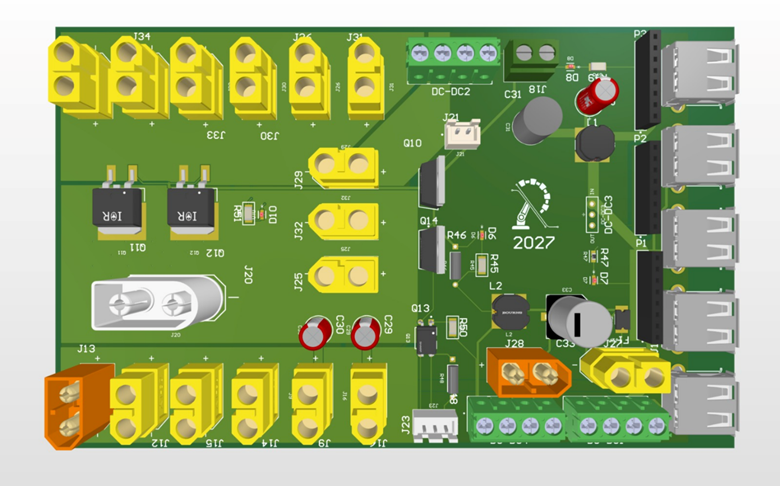
The PDB
A Power Distribution Board with isolated stable power supply for antenna eliminating the use of previously used 220V AC powered PoE injector along with the huge space and power consuming inverter, separate power rails for actuators and solid state electronics, MOSFET based switching logic with integrated Kill switch which also supports e-Kill.
The BMS 12v/24v
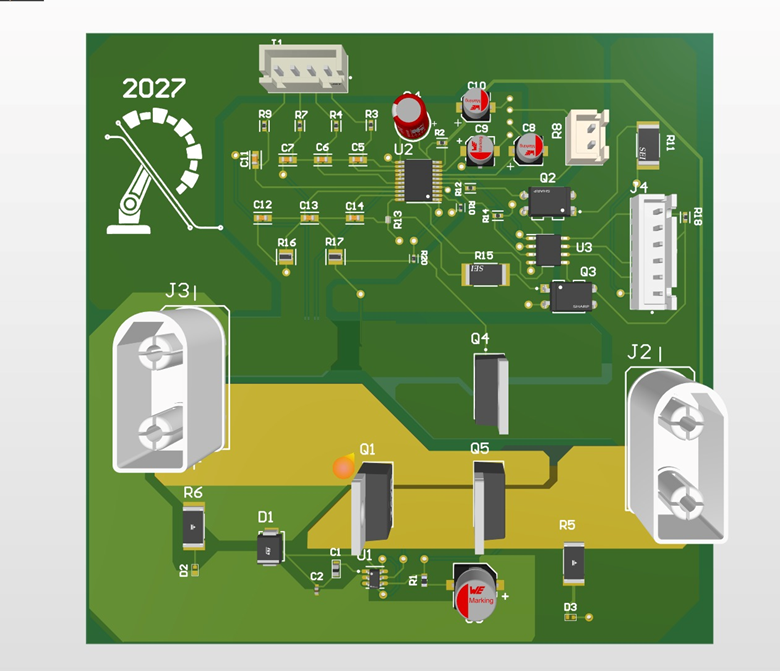
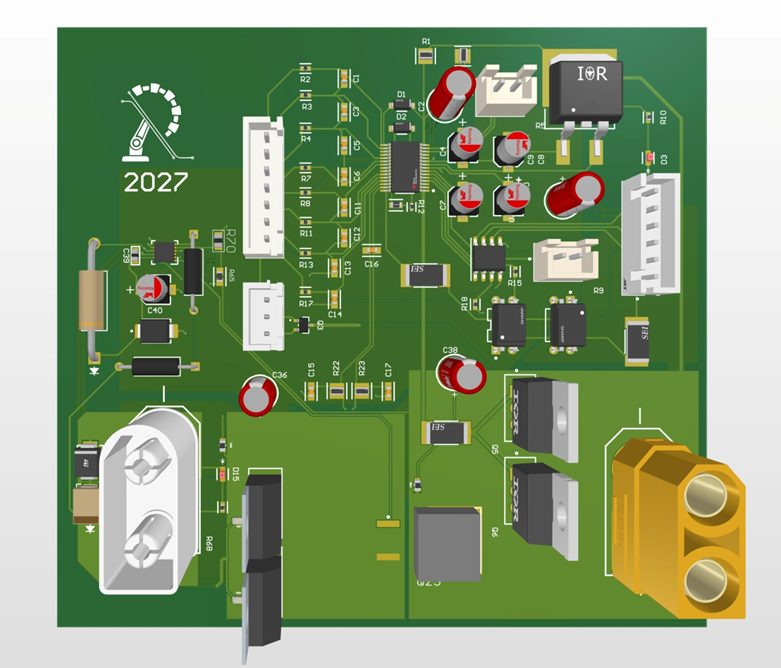
A separate Battery Management System for 24V and 12V batteries which supports: Undervoltage protection, Cell voltage balancing, Overcurrent protection, Short circuit protection, Thermal monitoring and Complete digital interface Control via microcontroller through i2c.
The Logic Circuit
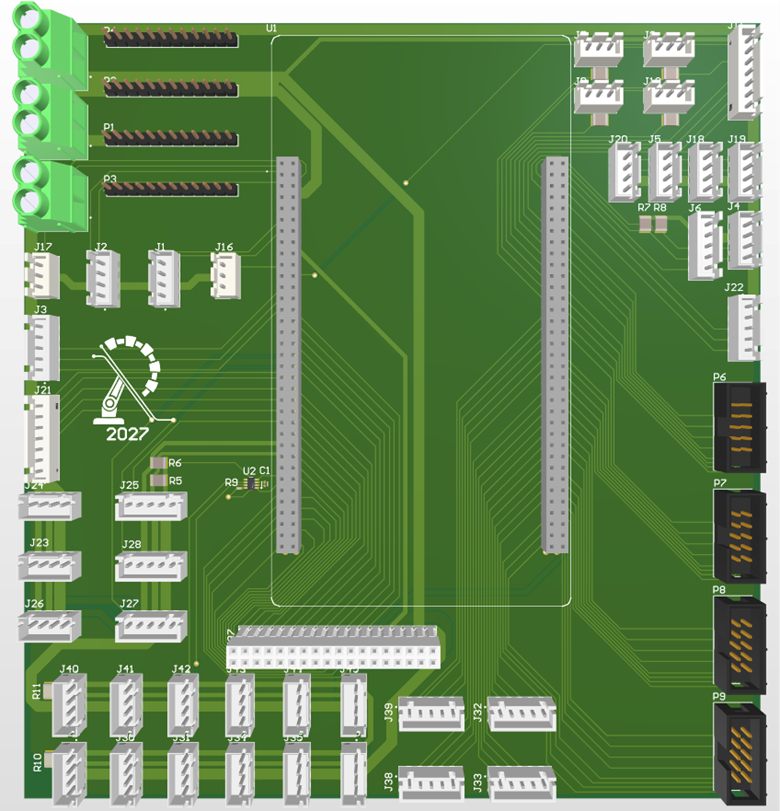
Breakout Board/ Logic circuit for STM32H7, The board integrates mixed-signal systems, including high-power communication, multiple CAN buses, I2C displays/sensors, and battery monitoring within a high-current, electrically noisy environment.
Conclusion
PCBWay's support would enable us to develop more robust, highly responsive control hardware and inspire the next generation of engineering enthusiasts. We are excited about the opportunity to partner with PCBWay and push our rover to a Rover challenge podium finish through their support.
- Comments(0)
- Likes(0)