

Scream Frightening Robot
What is your project about?
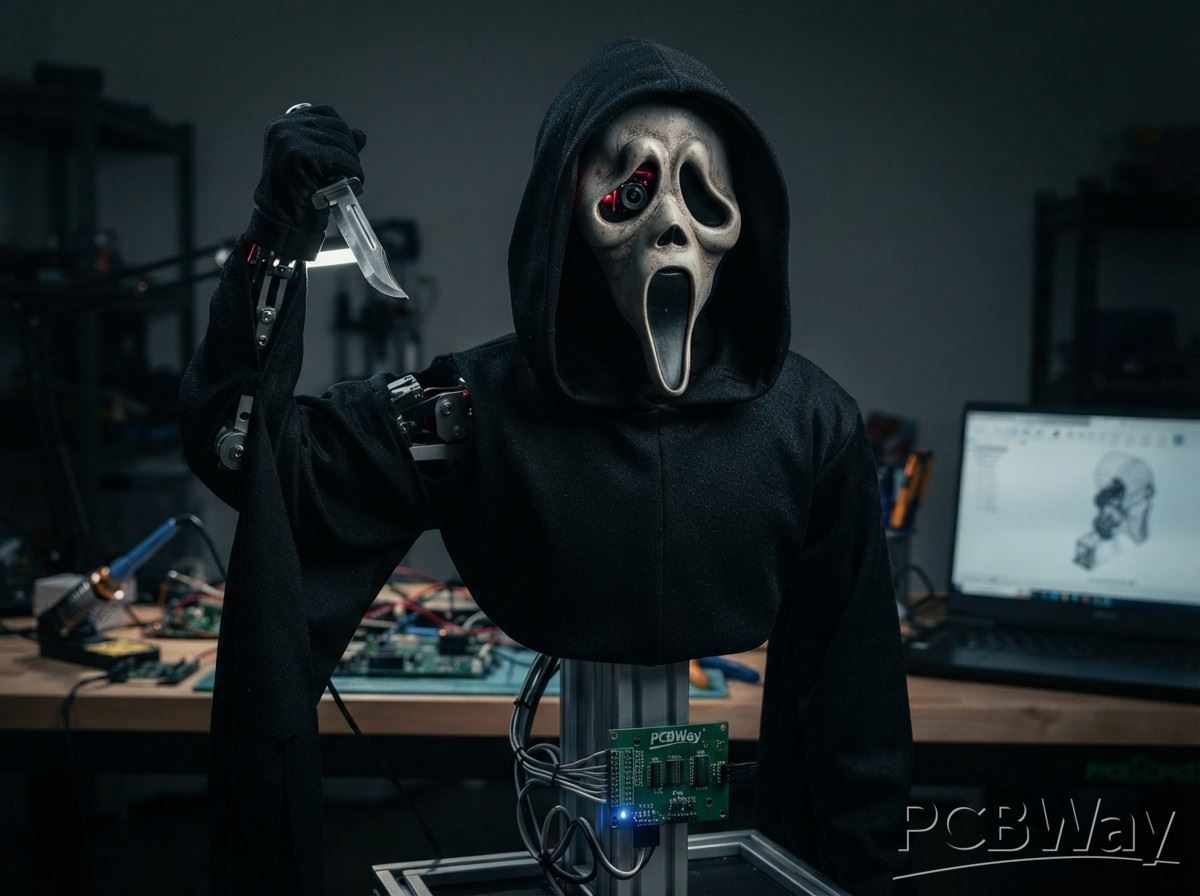
This project brings cinematic terror directly into the physical world by building an interactive, life-sized Ghostface animatronic prop inspired by a striking scene in Scream 7.
Clad in the iconic shroud and mask, this autonomous robotic prop delivers a startling, theatrical experience:
Dynamic Face-Tracking Head: Utilizing a discreetly integrated camera feed, the animatronic smoothly tracks a visitor's movements in real time, locking onto targets as they approach.
Proximity-Triggered Scare Mechanism: When a person steps within close range, a precision actuation system raises a prop knife with sudden, dramatic motion to deliver an unforgettable jump scare.
By merging embedded systems engineering, computer vision, and custom mechanical design, this project bridges the gap between horror cinema and interactive hardware engineering.
Why did you decide to make it?
While my core engineering background is rooted in industrial IoT, automation, and functional electronics, I wanted to push into the rapidly growing niche of entertainment technology and immersive gaming props.
Too often, hardware development is strictly utilitarian. I decided to build this project to challenge myself creatively—blending strict technical discipline (real-time motor control, custom PCB design, and vision processing) with theatrical design. Winning support from PCBWay will allow me to fabricate custom, professional-grade control boards that bring stability and sleek integration to an otherwise complex mechanical assembly, serving as a springboard for future interactive entertainment projects.



How does it work?
The system is built around a modular architecture combining high-level vision processing and low-level embedded motion control:
Vision & Tracking Layer: A compact single-board computer (such as a Raspberry Pi or ESP32-CAM setup) processes live video streams using lightweight computer vision libraries to calculate target coordinates in real time.
Kinematic Control Layer: The tracking coordinates are translated into smooth angular movements via micro-steppers or servo motors housed inside the neck mechanism, ensuring fluid, human-like head tracking.
Proximity & Scare Action: Distance sensors (ultrasonic or infrared) detect when a user breaches the personal safety threshold, triggering a high-torque actuator or servo mechanism to rapidly raise the prop knife.
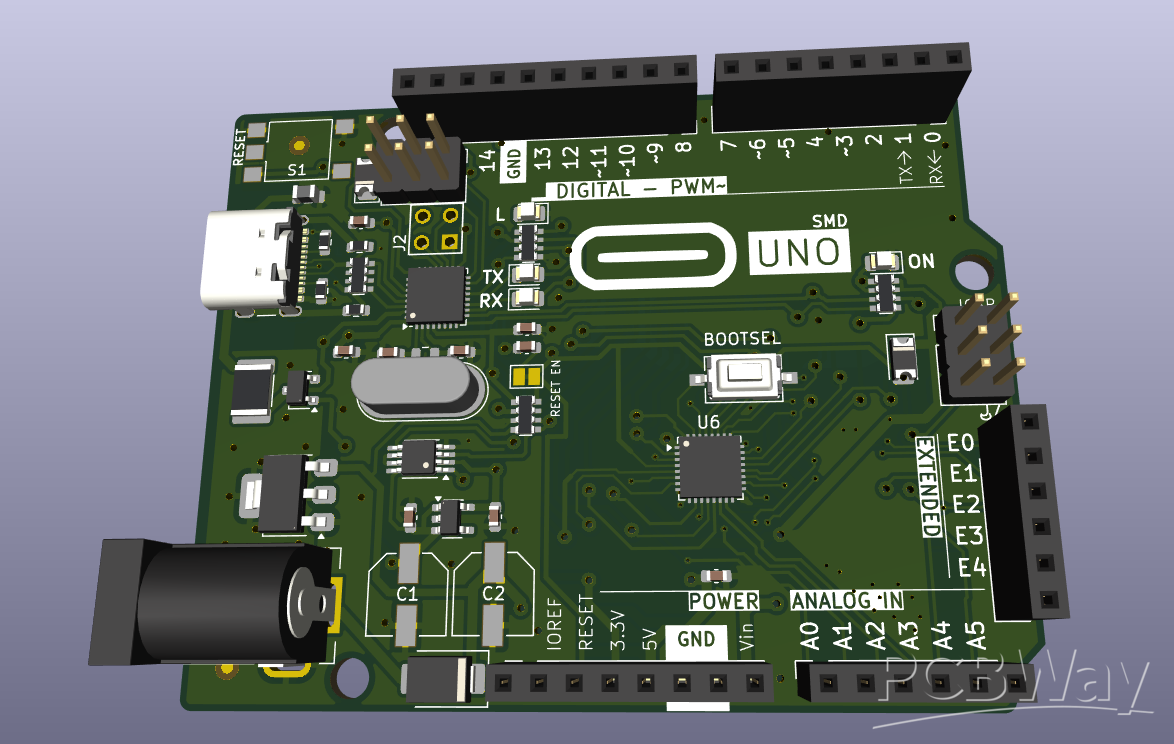
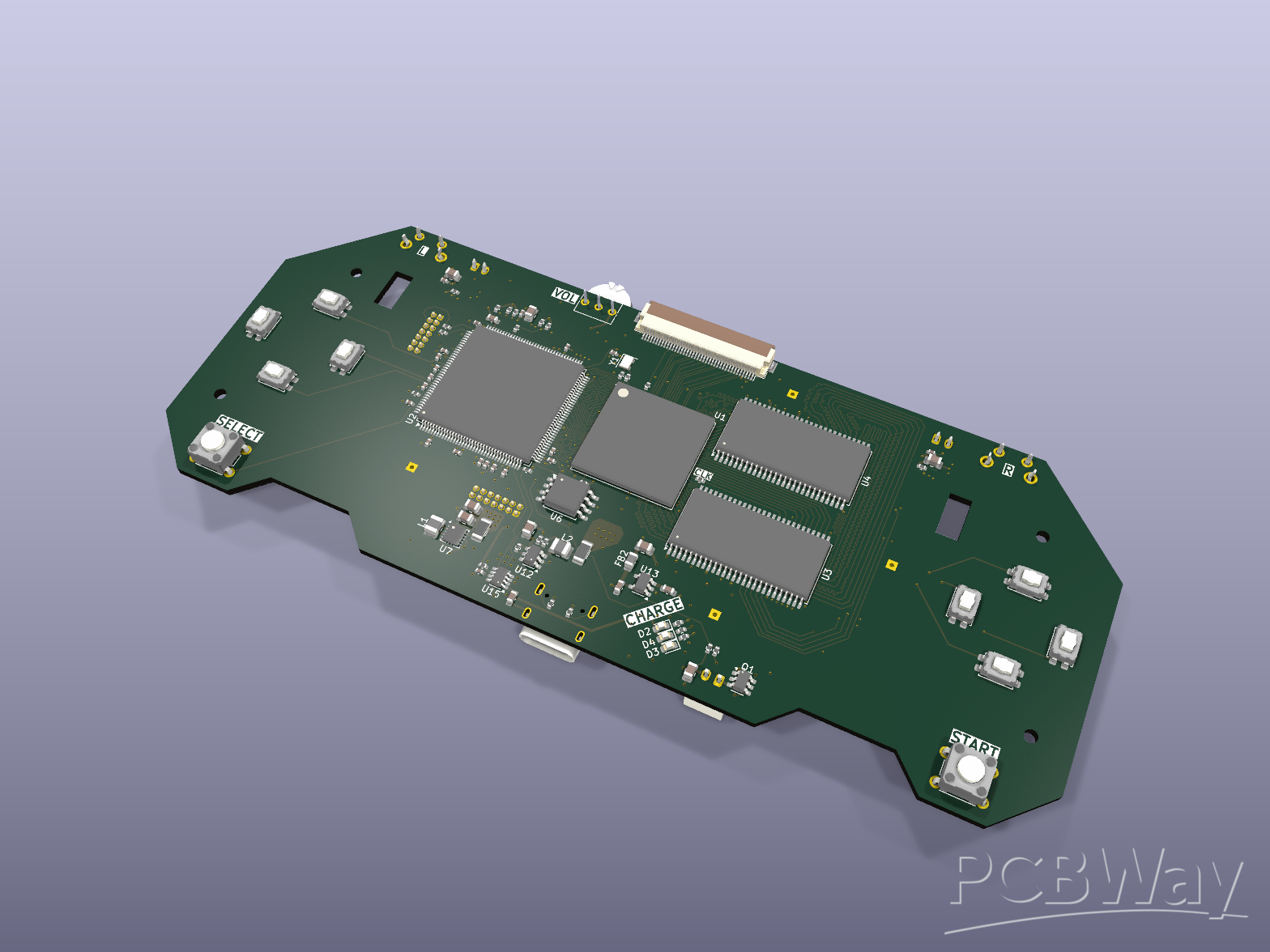
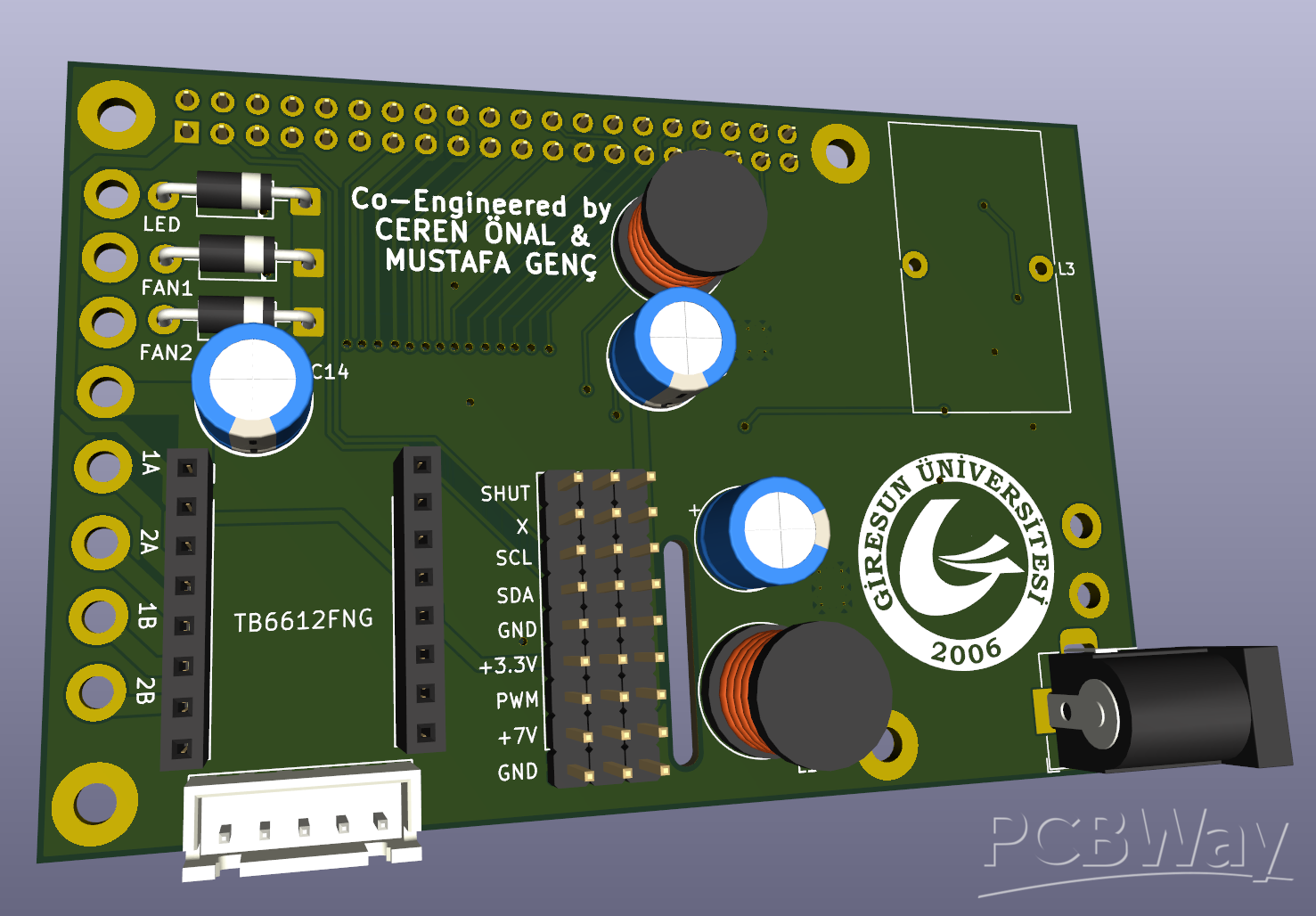
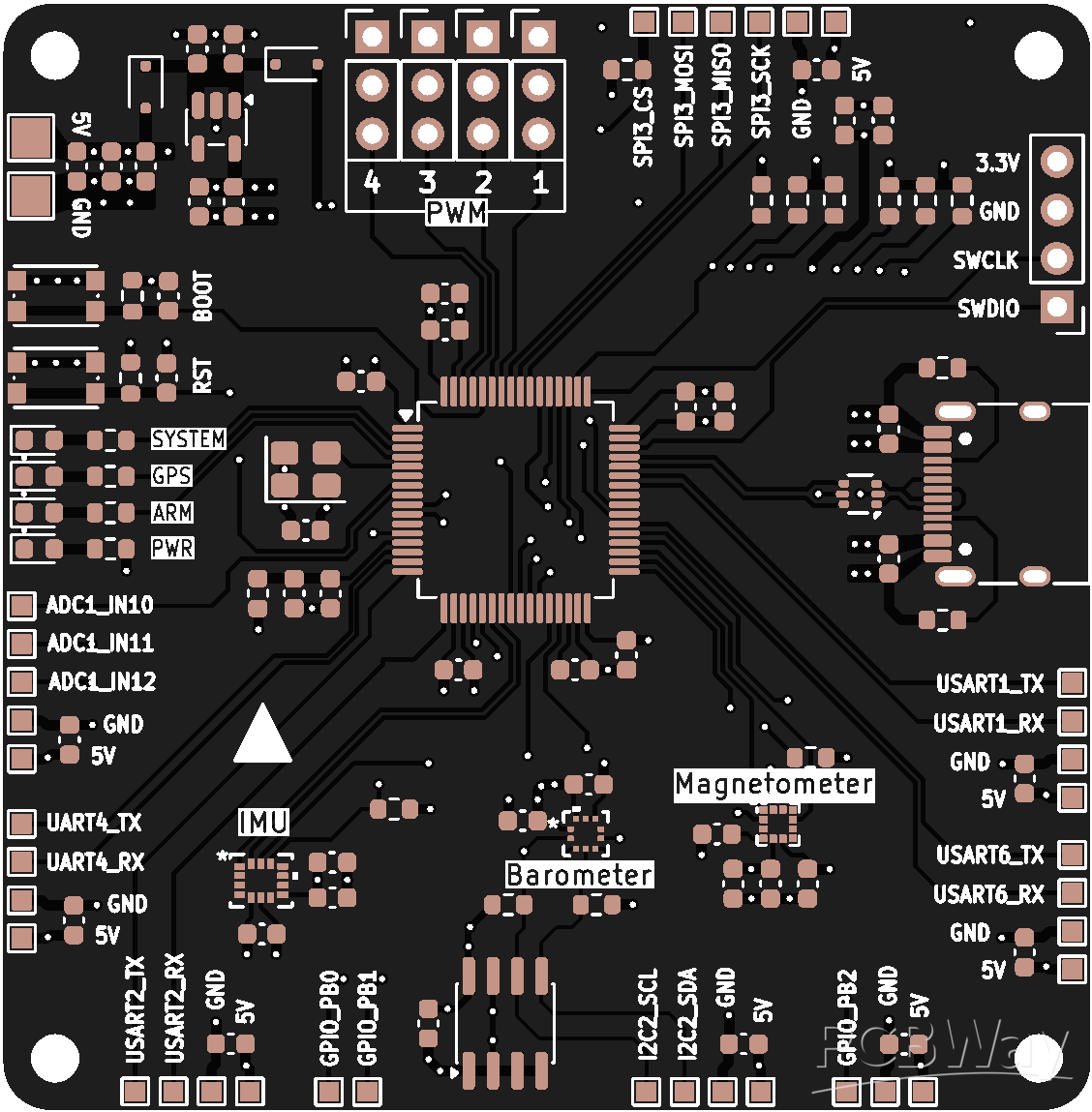
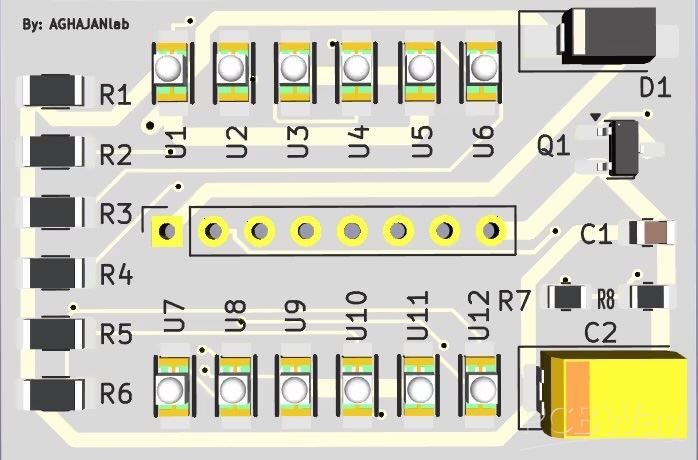
Custom Power & Logic Routing: A custom-designed printed circuit board (PCB) unifies the power distribution, motor drivers, and microcontroller into a compact, reliable hub hidden securely beneath the costume enclosure.
Apply for sponsorship >>- Comments(0)
- Likes(0)