

PROJECT EKLAVYA
1. About the Institution
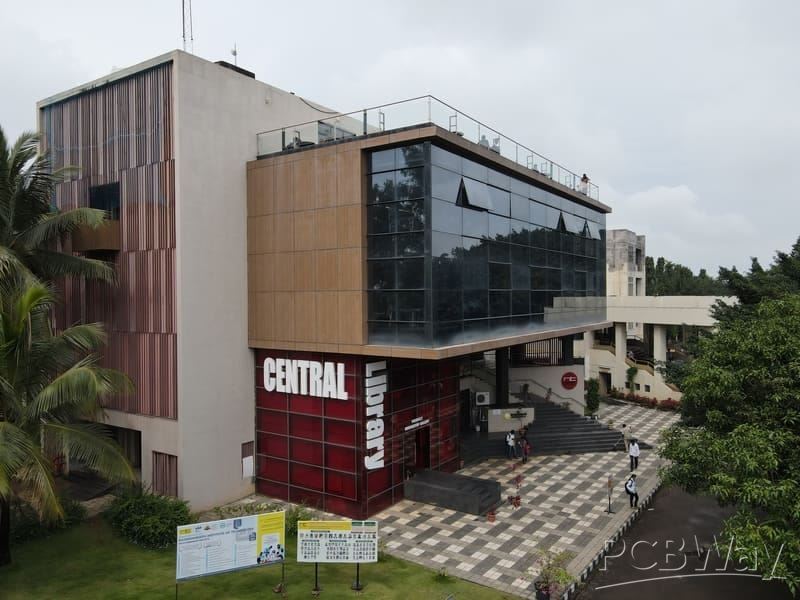
Rajarambapu Institute of Technology (RIT), Rajaramnagar, Established in 1983. It is an Empowered Autonomous Institute affiliated with Shivaji University, Kolhapur. RIT is accredited by NAAC with an A+ Grade, with multiple undergraduate and postgraduate programs accredited by the National Board of Accreditation (NBA). The institute has also secured a position in the NIRF Innovation Ranking Band 101-150. The institute is recognized for its strong emphasis on innovation, industry-oriented education, and student-led research initiatives.
2. About Our Team & Projects
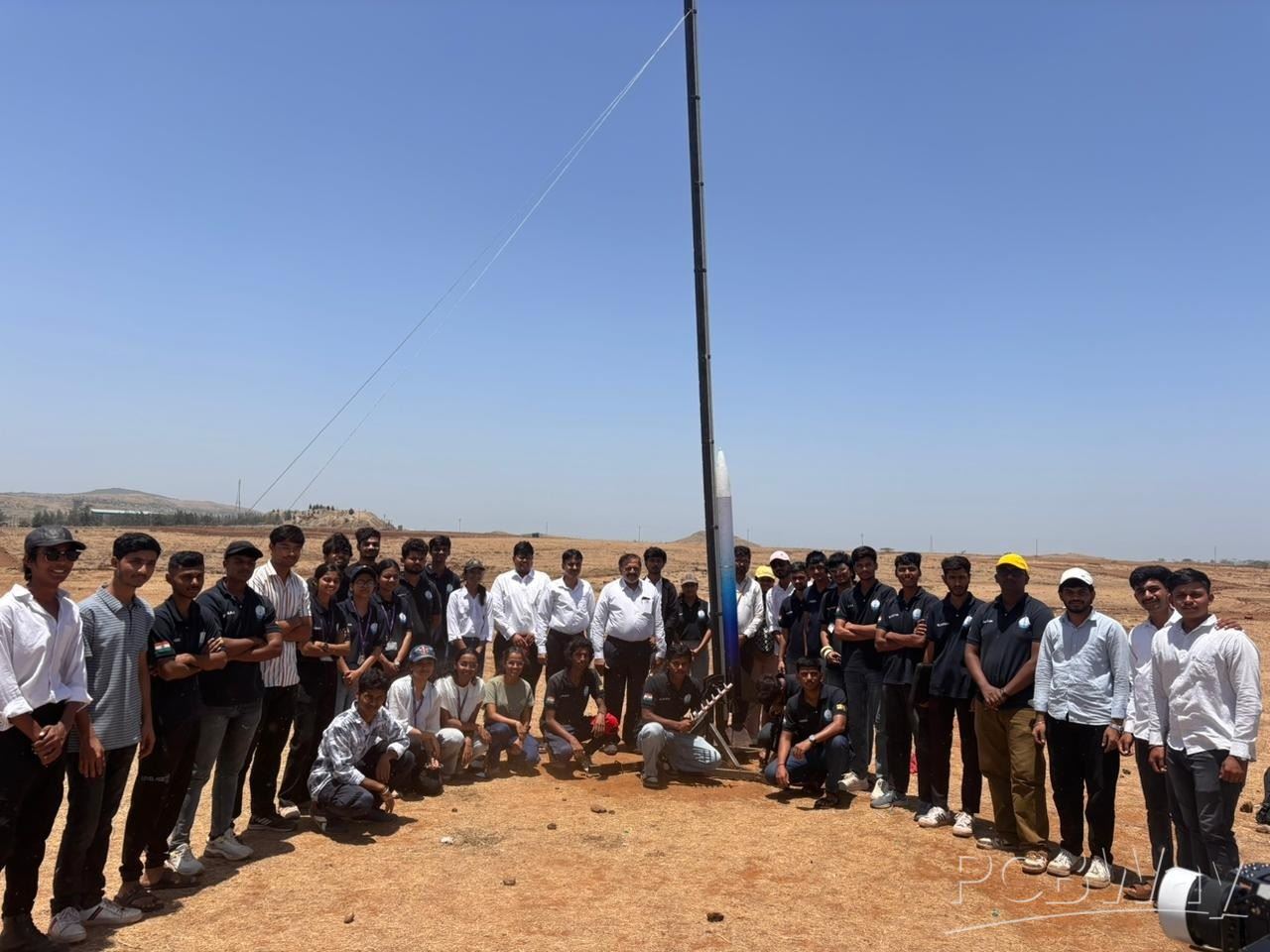
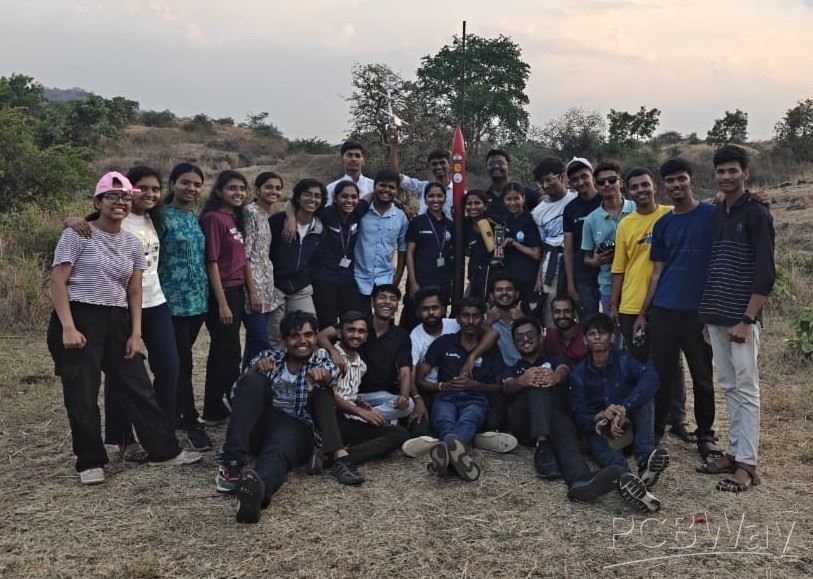
SPACE CLUB RIT is a student-led aerospace and rocketry team currently in its 11th generation. Since its establishment in 2017, the club has continuously worked toward advancing rocketry and space technology.
Our projects have included the Phoenix, EPLV, Vaibhav, Dhruva, Vyom, and Eklavya rocket series, along with balloon satellite, lighter-than-air system, radio communication, and satellite-related projects.
The club works across multiple technical areas, including:
- Structures: Rocket airframes, fin cans, structural components, and material development.
- Propulsion: Experimental motor development, assembly, and static testing.
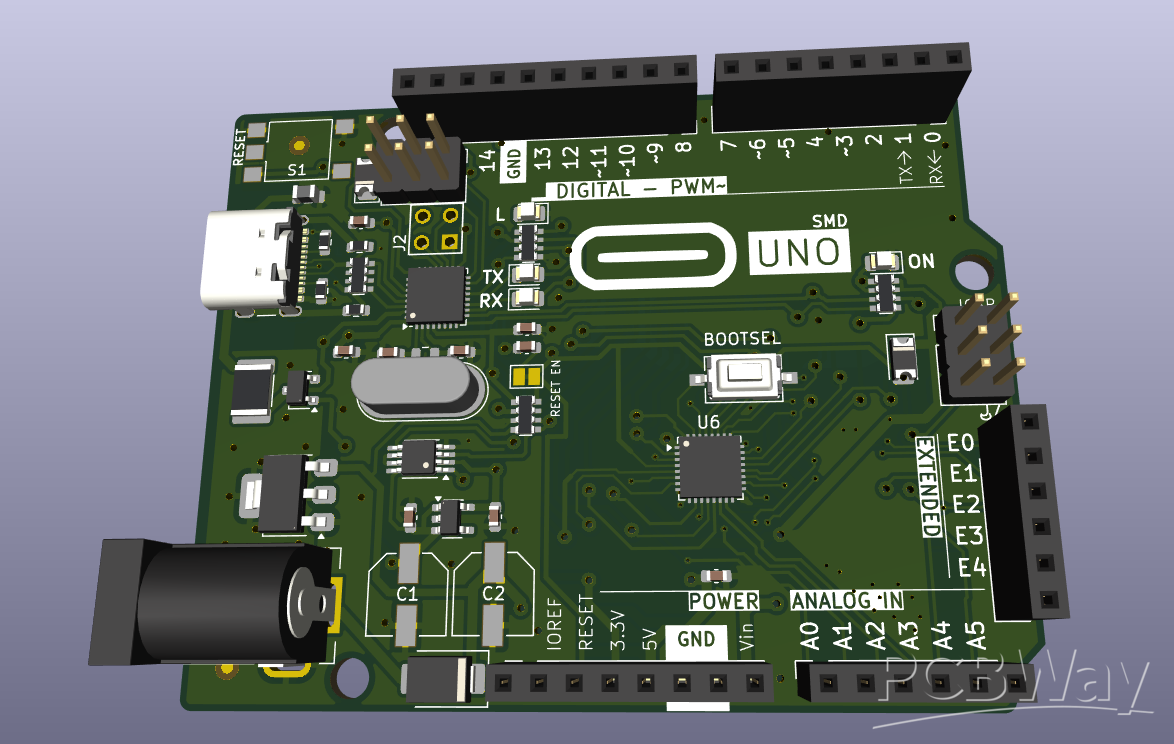
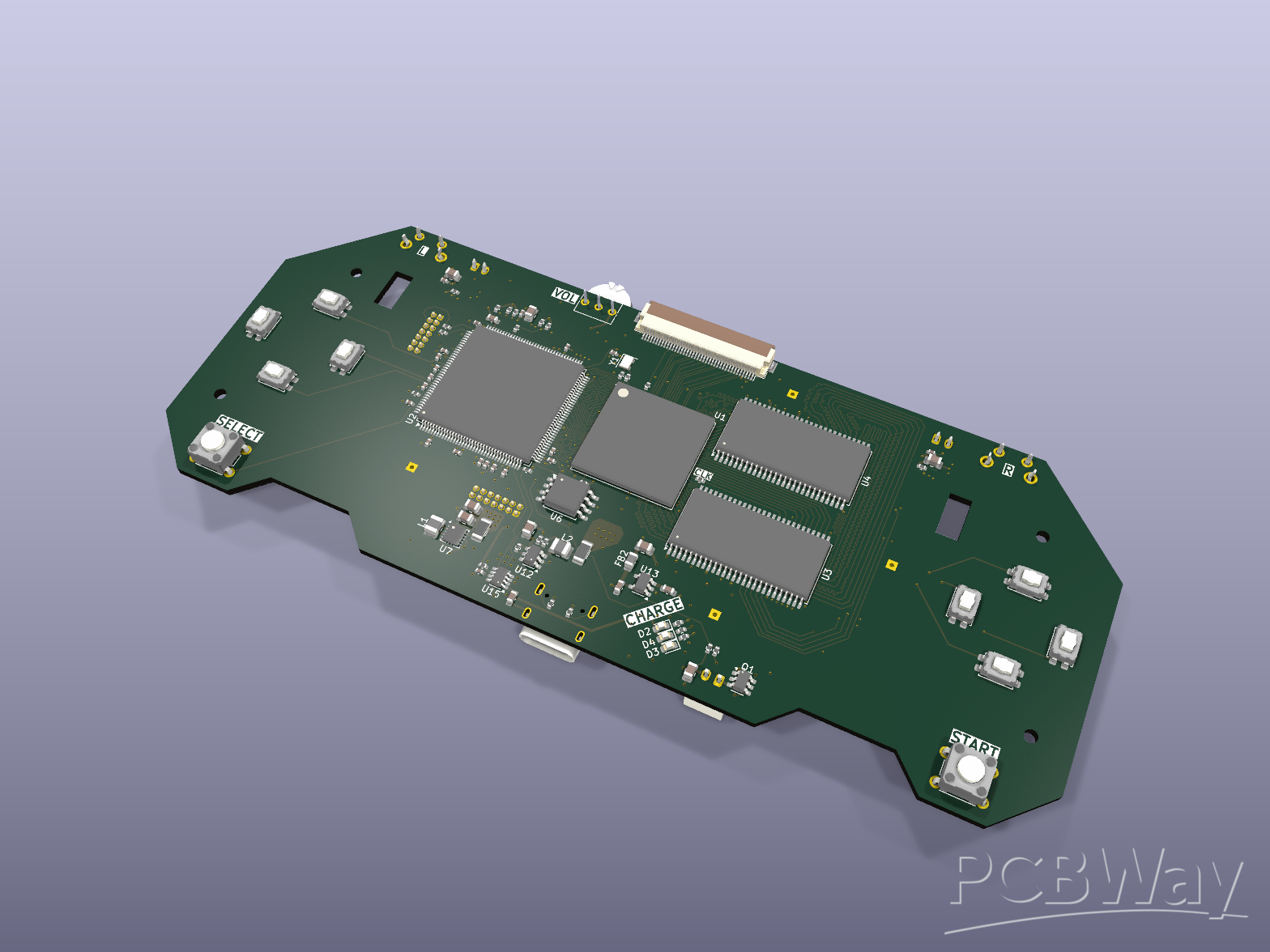
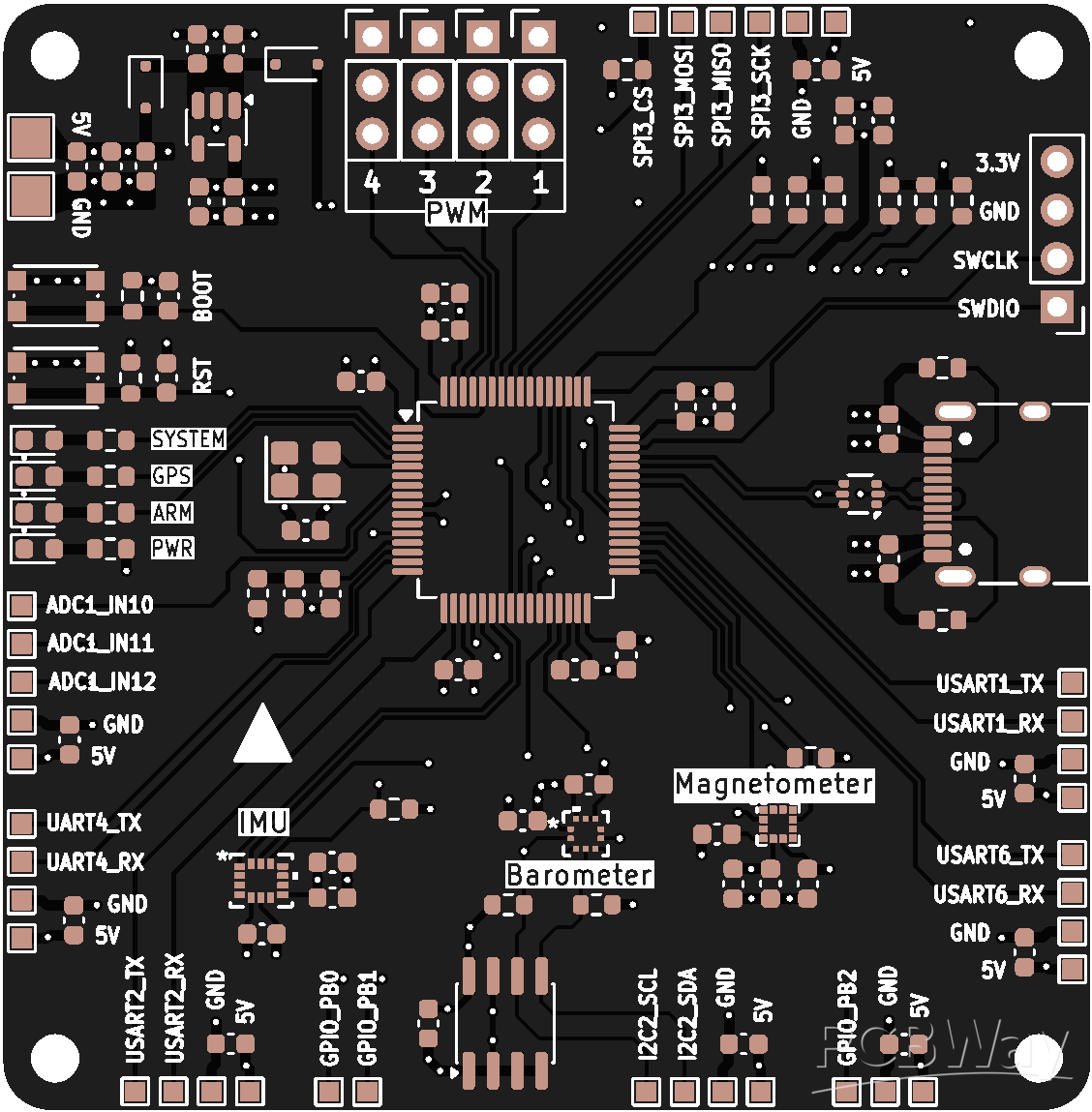
- Avionics: Flight computers, onboard data processing, safety actuation, IMU-based monitoring, and autonomous control.
- Communication: LoRa-based wireless communication, telemetry, antenna development, and ground-station systems.
- Payloads: Environmental monitoring, atmospheric sampling, imaging, and other experimental payload systems.
- Research & Development: Simulation, manufacturing, testing, machine learning, rover systems, satellite systems, and advanced
propulsion research.
Our development philosophy emphasizes detailed design, rigorous testing, structural integrity, and learning from every experimental mission.
3. Project Overview
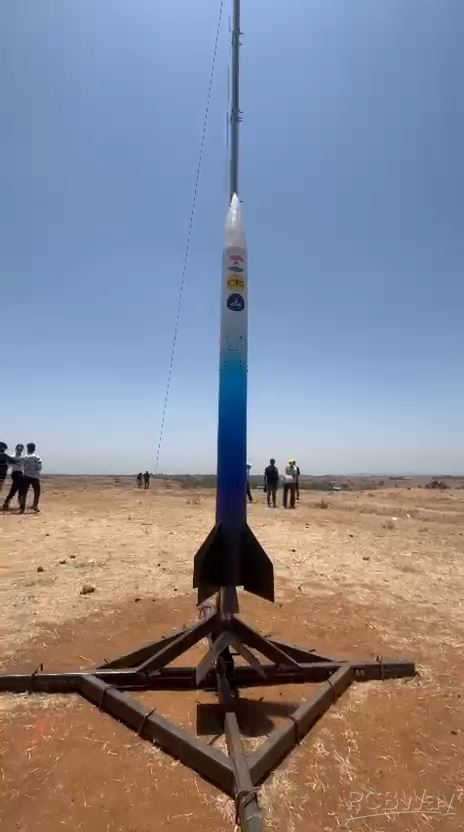
For the current season, SPACE CLUB RIT's flagship project is the Eklavya Experimental Rocket, developed with a target apogee of 3,000 m. Eklavya represents a significant step up in scale and complexity from our earlier rocket series, pushing the team's capabilities in high-altitude flight, propulsion, structural design, and avionics.
The mission integrates an in-house flight computer for onboard data processing and autonomous control, a sensor-driven safety actuation system for reliable parachute deployment, and a LoRa-based telemetry and communication system for real-time tracking of altitude, pressure, temperature, and gyration data throughout the flight. The rocket's structural systems, including its airframe and fin can, are being developed and tested to withstand the higher aerodynamic and thermal loads associated with a 3,000 m apogee target
.
Eklavya serves as a proving ground for several subsystems the team intends to carry forward into future missions, including improved recovery logic, more robust telemetry hardware, and refined propulsion testing, making reliable and professionally manufactured electronics critical to the project's success.
4. Mission & Engineering Objectives
Our mission is to understand, design, and develop advanced aerospace systems through practical experimentation.
The club focuses on:
- Developing in-house flight computers for onboard data processing, telemetry, and autonomous control.
- Developing communication systems for point-to-point communication, networking, and telemetry.
- Improving antenna development and communication efficiency.
- Researching hybrid rocket motors with improved thrust control, safety, and environmentally friendly propellants.
- Developing satellite systems capable of supporting low-Earth-orbit operations.
- Developing safety actuation systems for reliable rocket recovery and in-flight protection.
- Developing air-braking systems for controlled rocket descent.
5. Technical Requirements
To support the development of our current and upcoming aerospace systems, we require reliable and high-quality PCB manufacturing for critical electronic subsystems.
These include:
Flight Computer & Avionics Systems
Our flight computers are responsible for onboard data processing, sensor monitoring, telemetry, and autonomous control. Previous systems have incorporated IMUs, GNSS, wireless communication, and safety actuation systems.
Safety Actuation Systems
Safety actuation is a critical part of our rocket recovery architecture. Our development work includes logic-based, sensor-driven deployment systems that use real-time physical parameters to control parachute deployment rather than relying solely on timer-based actuation.
Telemetry & Communication Systems
Our aerospace missions use wireless communication technologies, including LoRa-based systems, for transmitting mission data and establishing communication between onboard systems and ground stations.
Sensor & Data Acquisition Systems
Our avionics systems monitor parameters such as altitude, pressure, temperature, gyration, and other flight parameters. Reliable electronics are therefore essential for accurate data acquisition and mission analysis.
For these applications, we require PCBs capable of providing reliable electrical connections, compact integration, mechanical robustness, and consistent performance under demanding experimental conditions.
6. Why PCBWay
Our flight computers, telemetry systems, safety actuation systems, and sensor interfaces are essential to the successful operation of our rockets and aerospace experiments.
High-quality PCB manufacturing would allow us to move from prototype-level electronics toward more reliable and professionally manufactured electronic systems.
A collaboration with PCBWay would be particularly valuable for:
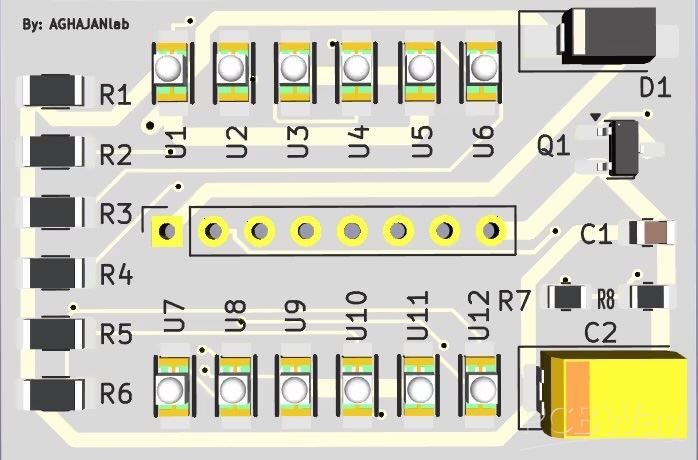
- Manufacturing custom PCBs for flight computers and avionics systems.
- Developing compact and reliable telemetry and communication boards.
- Manufacturing safety-critical actuation and control boards.
- Improving the reliability and repeatability of our electronic prototypes.
- Supporting rapid prototyping and iterative development across multiple experimental missions.
- Helping students gain practical exposure to professional PCB design and manufacturing processes.
As a student-led research and development team, sponsorship support would significantly help us develop and test these systems while allowing our members to work with industry-grade manufacturing.
7. Benefits to PCBWay
Through a collaboration with SPACE CLUB RIT, PCBWay would receive meaningful exposure through our aerospace projects, technical activities, and student community.
Brand Visibility:
PCBWay branding can be showcased through our team and project-related promotional materials, subject to mutually agreed sponsorship terms.
Digital Exposure:
PCBWay -supported electronic systems can be featured through our social media, project documentation, technical presentations, and other digital outreach activities.
Technical Showcase:
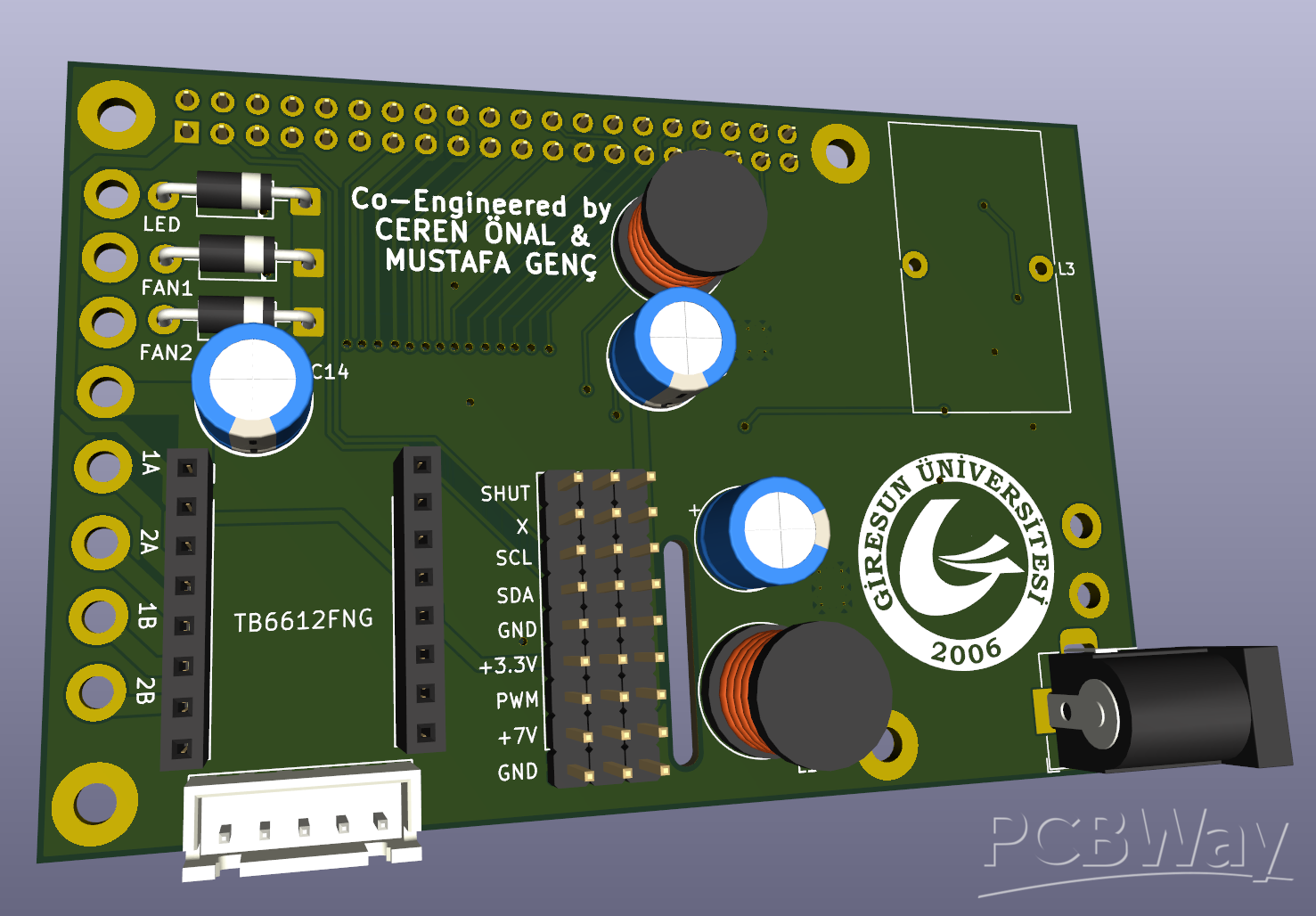
PCBWay -manufactured PCBs can be demonstrated as part of real-world aerospace applications including flight computers, telemetry systems, sensor interfaces, and safety actuation systems.
Student & Campus Outreach:
The collaboration can provide an opportunity to introduce PCB design and manufacturing technologies to engineering students through technical demonstrations, workshops, and project activities.
Association with Aerospace Innovation:
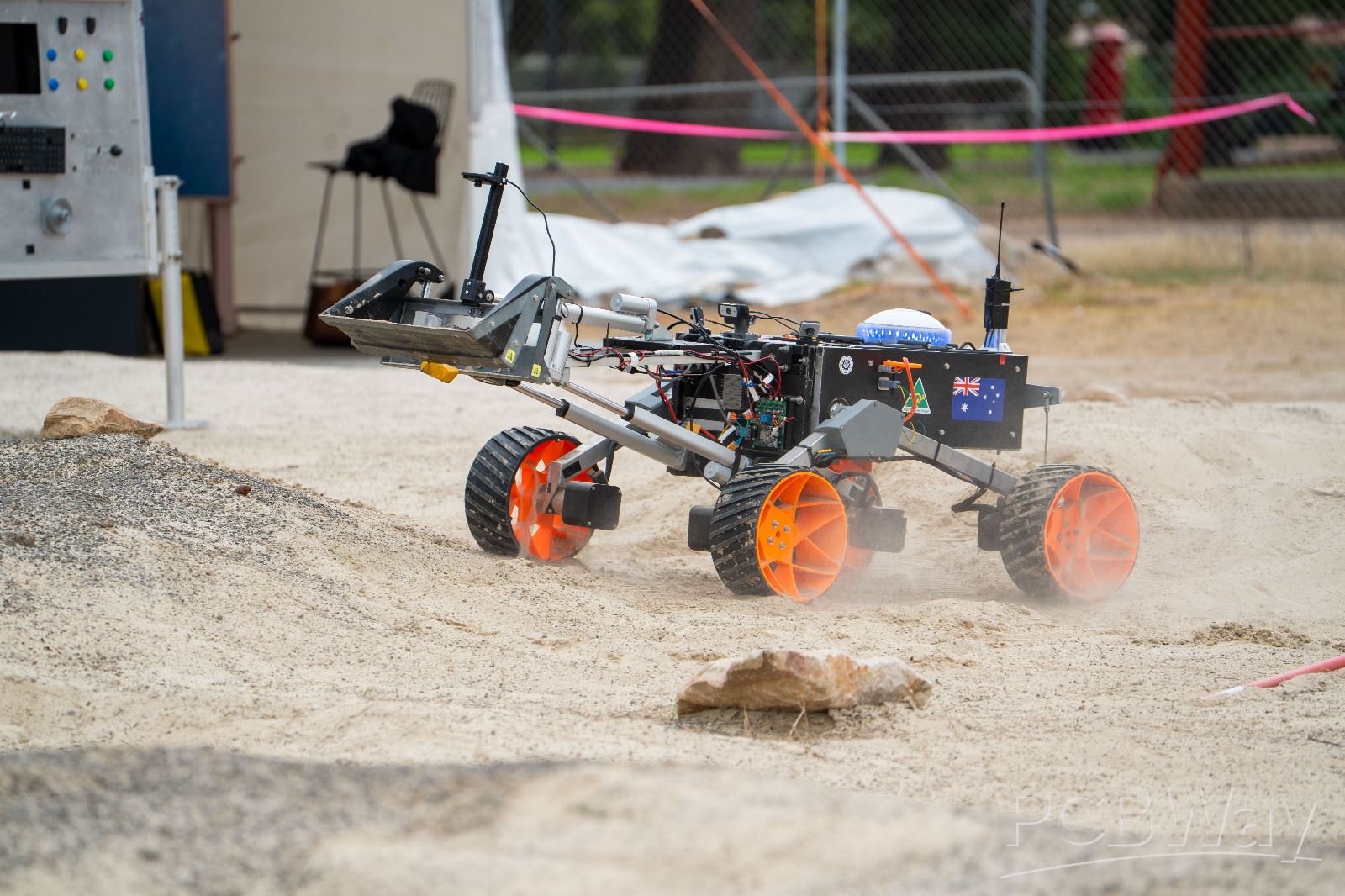
PCBWay would be associated with a student-led aerospace team actively working on experimental rockets, satellite systems, communication systems, rover technology, and advanced aerospace research.
This collaboration would demonstrate the application of PCB manufacturing technology in demanding student-developed aerospace systems.
8. Conclusion
SPACE CLUB RIT is committed to advancing rocketry and space technology through hands-on engineering, experimentation, and continuous innovation.
From our early balloon satellite and Phoenix rocket projects to the successful Vaibhav and Dhruva missions and our ongoing Eklavya, rover, communication, propulsion, and satellite research, each project has strengthened our technical capabilities and engineering experience.
A collaboration with PCBWay would help us develop more reliable and professionally manufactured electronic systems for our upcoming aerospace projects, particularly in avionics, flight computers, telemetry, sensor systems, and safety actuation.
At the same time, the partnership would provide PCBWay with an opportunity to showcase its PCB manufacturing capabilities through real-world student aerospace applications and engage with the next generation of engineers.
We would be grateful for the opportunity to collaborate with PCBWay and believe that this partnership can contribute meaningfully to both our technical development and PCBWay's outreach within the student engineering and aerospace com
- Comments(0)
- Likes(0)