

OpenBikeComputer: an open-source bikepacking GPS you actually own
Who I am
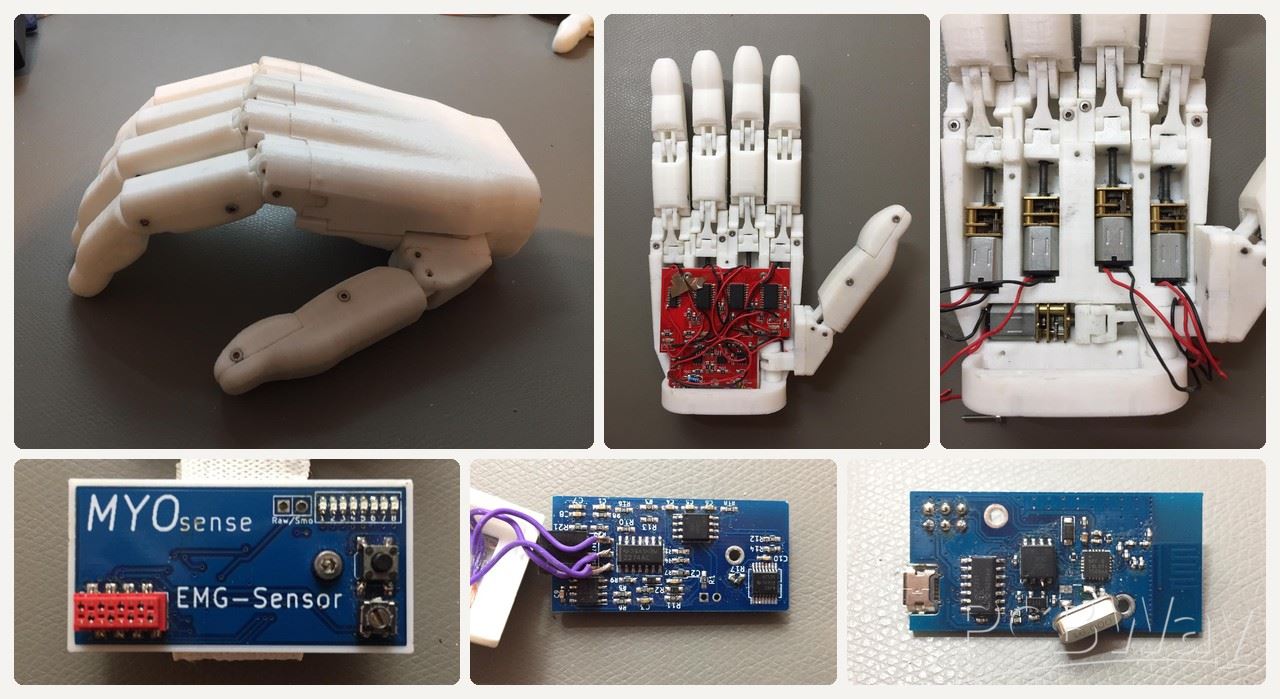
Hi, I'm Timo. I studied physics, but I spent most of my free time at uni building electronics. The biggest of those projects was a 3D-printed prosthetic hand with a custom PCB and EMG sensors that pick up the muscle signals in your forearm.
These days I work as a software developer, and I keep doing hardware projects on evenings and weekends. When I'm not at a desk I'm usually out in the mountains riding my bike. OpenBikeComputer is where those two things meet.
Project description
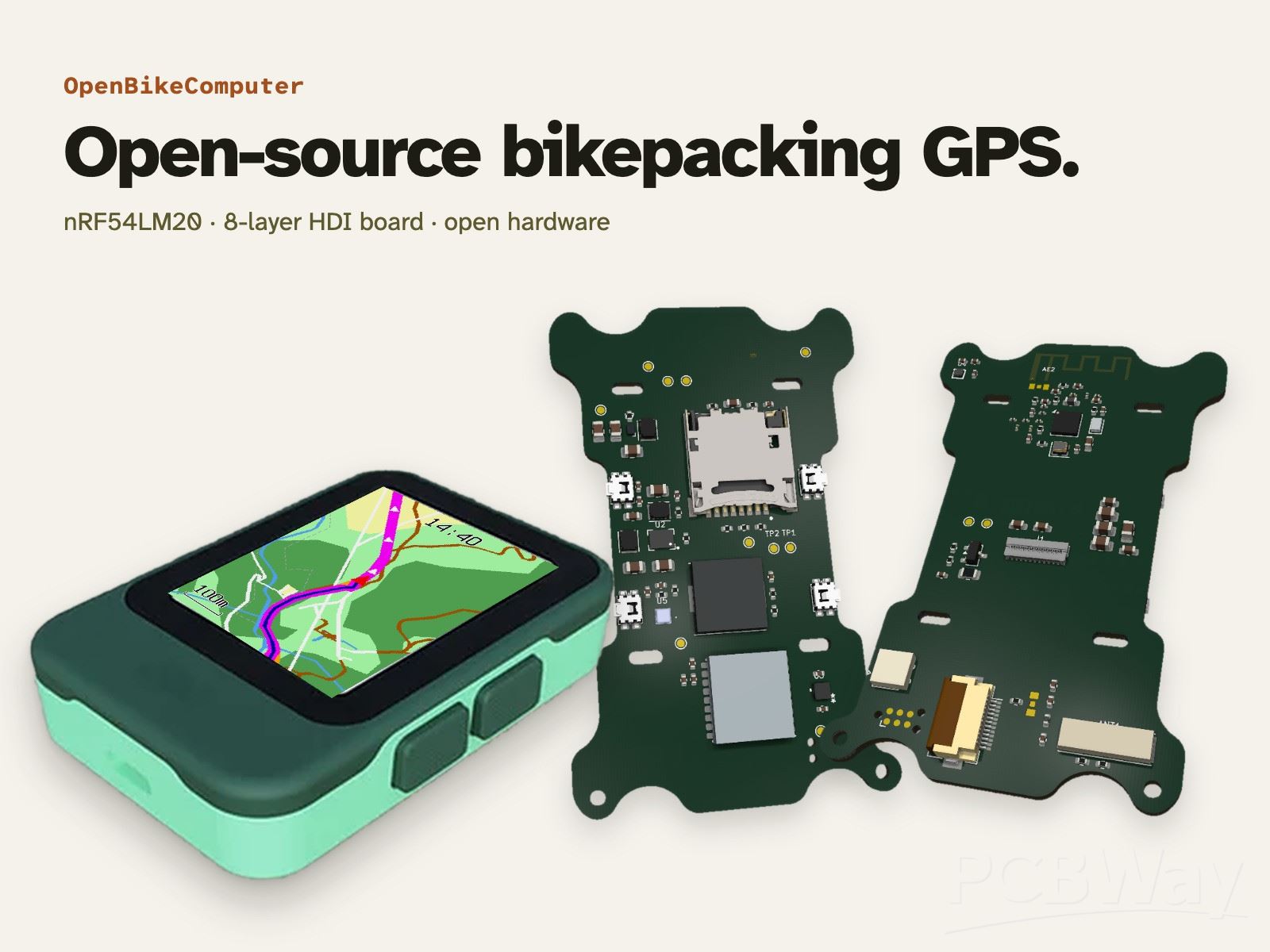
OpenBikeComputer (OBC) is a GPS bike computer built with a focus on bikepacking and exploring the outdoors. These are the goals, roughly in order:
- Map navigation that's simple and reliable
- No accounts, no subscriptions, and your ride data stays yours
- 4+ days of battery, and it charges reliably from a 5V dynamo hub
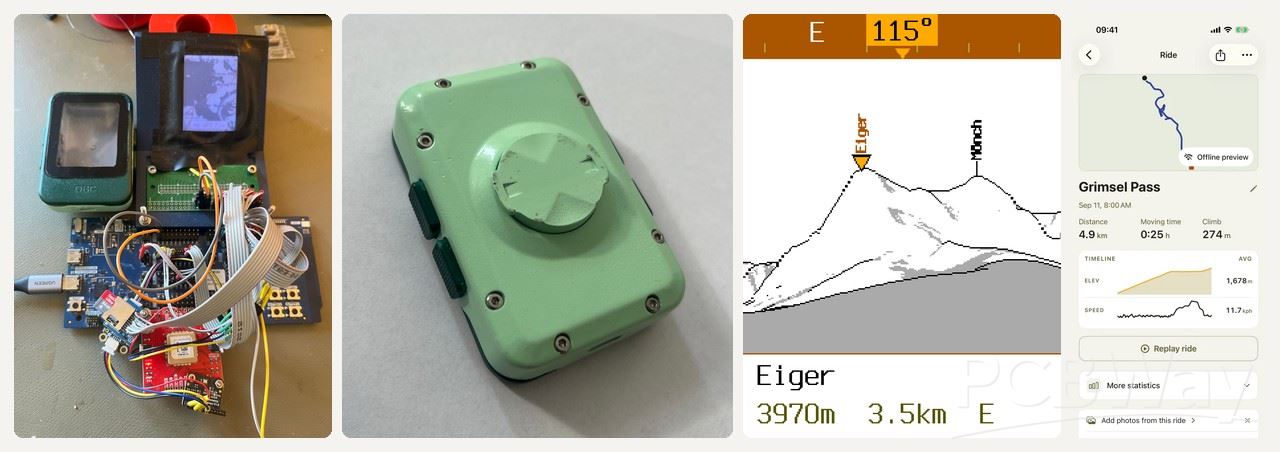
- Everything you'd normally pull out your phone for is accessible on the device: shops, water, campsites, opening hours, and the names of the peaks around you
The hardware
- MCU: Nordic nRF54LM20 (BLE, 512 KB RAM)
- Display: Sharp LS021B7DD02, a 2.1" 64-colour reflective memory LCD
- GNSS: u-blox MAX-F11 with a patch antenna
- Sensors: BMP581 barometer, BMM350 magnetometer, BMA400 accelerometer
- microSD for the offline maps, USB-C
Where it stands
The firmware (written in Rust) runs on the nRF54LM20 dev kit with breakout boards for the sensors and the display. The iOS companion app sends routes and gets recorded rides back. The map pipeline turns OpenStreetMap data into compact offline maps for the SD card. The custom board is in KiCad in the repo (schematic and rough layout is done already). The next step is to get real boards made, assembled and onto my bike for testing.
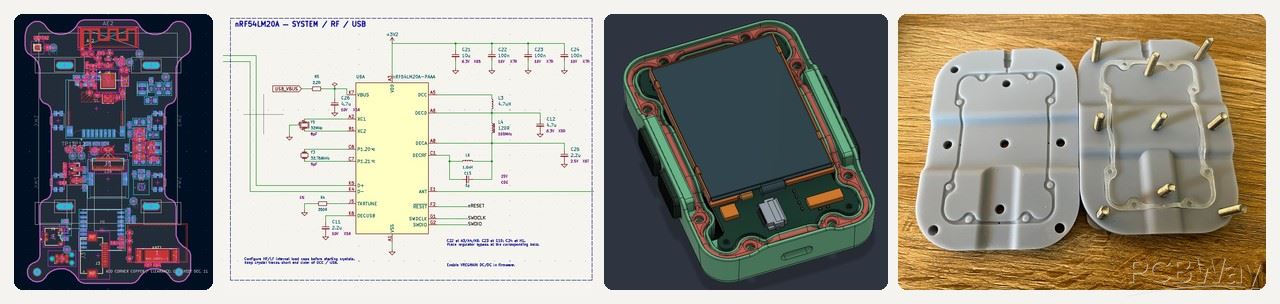
Why an 8-layer HDI board
The nRF54LM20 comes in a 0.35 mm pitch chip-scale package. The pads are 0.2 mm, so there's no room for a trace between them. Only the outer ring can escape on top, and every ball inside needs a laser microvia in the pad. All of it has to fit behind a 2.1" screen, with a GNSS antenna right next to a Bluetooth radio, so I want solid ground planes and short, clean routing too.
A small batch of the 8-layer board, ideally assembled would take this project a huge step forward. Those would be the first prototypes I can take on real multi-day rides. I'll write about the board bring-up on the project blog, share the build on the PCBWay community, and credit PCBWay in the repo.
License and links
Software is GPL-3.0 and hardware is CERN-OHL-S-2.0. The long-term plan is kits that people can build themselves.
- Source: https://github.com/timohueser/OpenBikeComputer
- Docs: https://openbikecomputer.com/docs/
- Browser demo: https://openbikecomputer.com/#demo
Words to PCBWay
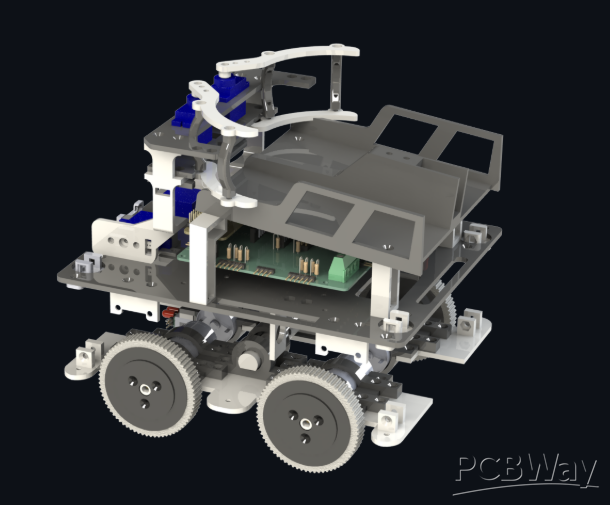
This is the prosthetic hand with it's EMG sensor I talked about earlier. This was my first real hardware/electronics project I started almost 10 years ago. The first PCBs I ever designed went into it. Back when I was a broke student with no money being able to order PCBs for just a few dollars that arrived at my doorstep within a few weeks from PCBWay was the only way I could make these projects happen. I honestly think that this is what made these projects possible, and probably played a huge role in getting me to where I am today. The OBC board will be by far the most complex PCB I ever designed and I'm excited to tackle this new challenge and share it with the world, with PCBWay on my side as a sponsor!
- Comments(0)
- Likes(1)