

KESTREL – Agricultural Survey Drone
What is our project about?
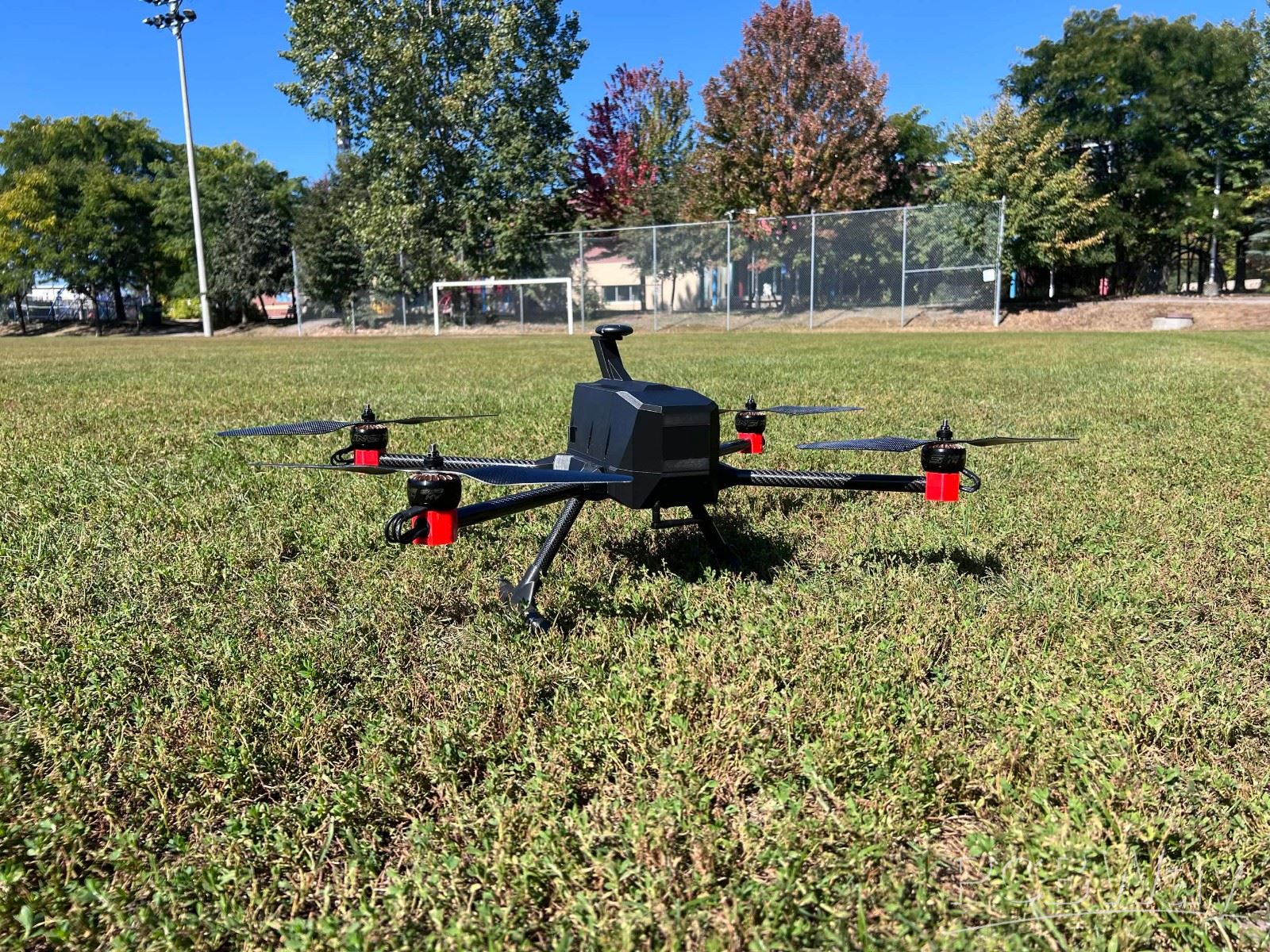
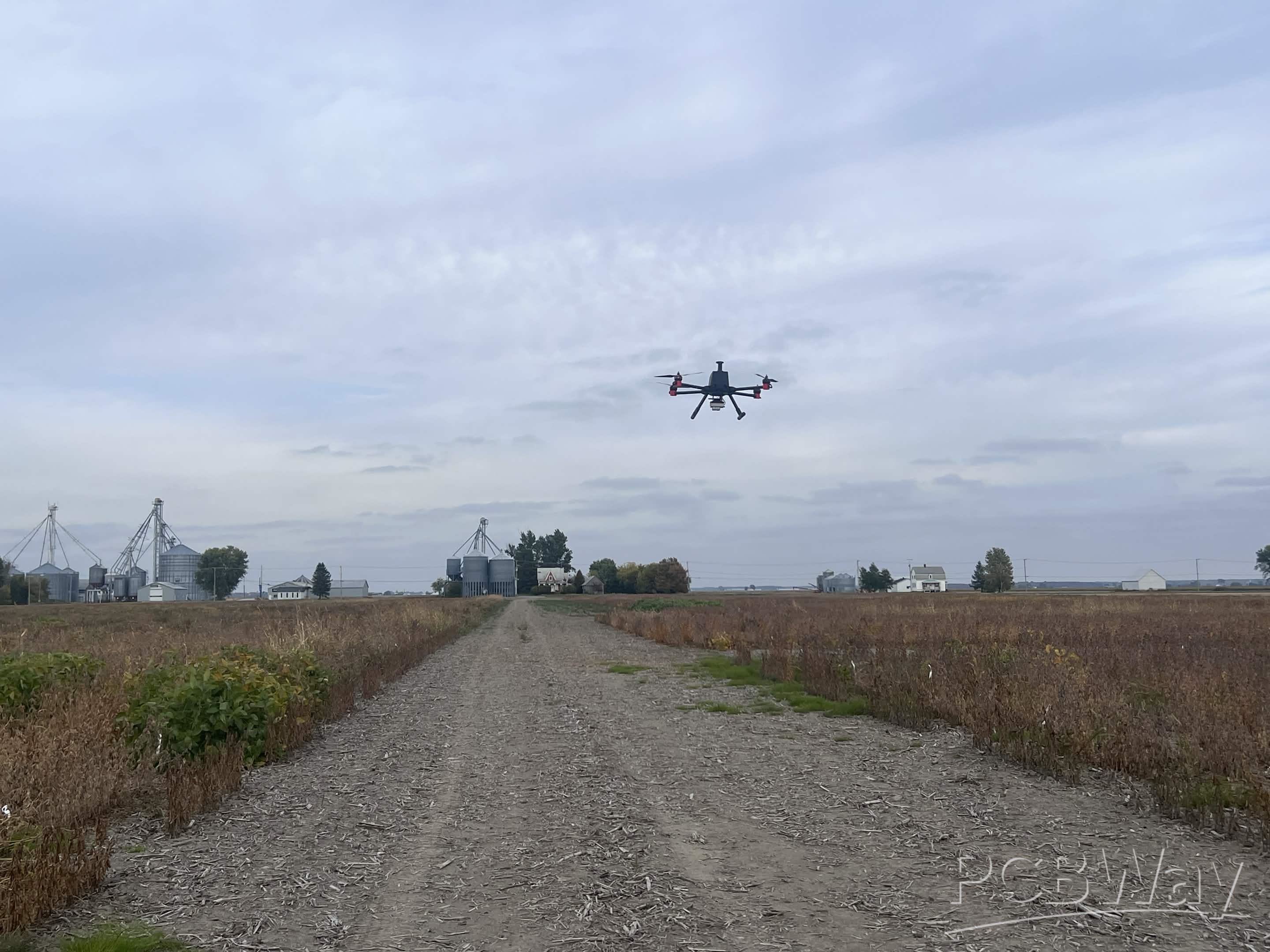
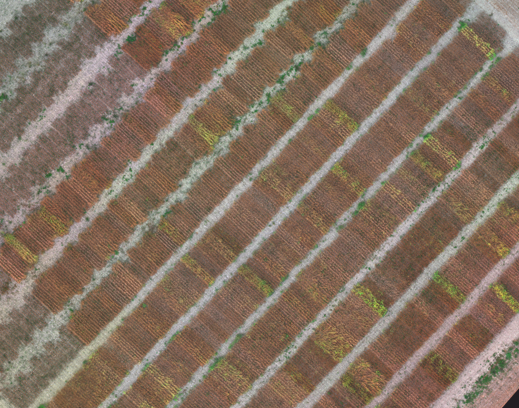
Kestrel is a survey drone we're building as our fourth-year capstone project in computer engineering at the University of Ottawa. It flies over crop research fields with a multispectral camera, and our software turns the photos into a plant-health map of the field. We're also teaching the software to find each test plot and its label post.
We're building it for a plant research centre in Quebec. Right now their researchers score hundreds of small test plots by walking the rows with a measuring stick and typing results into a phone. Once the crop gets tall, the label posts disappear and finding a plot becomes a hunt. Kestrel is meant to do that survey from the air in one flight.
Why did we decide to make it?
We wanted a capstone that solved a real problem for real people, and this one does. It also lets us build everything ourselves: frame, electronics, radio, flight software and the analysis app. When an off-the-shelf part didn't do what we needed, we designed our own board, and that's where we've learned the most.
How does it work?
The drone has a 3D-printed hub, carbon-fibre arms and legs, four 660 KV motors on 15" props, and a 6S 20 Ah battery. A Pixhawk running ArduPilot flies it. It takes off on its own, flies a grid over the field while triggering the camera, then returns home. We pull the SD card, and our desktop app stitches the images together and calculates the plant-health data.
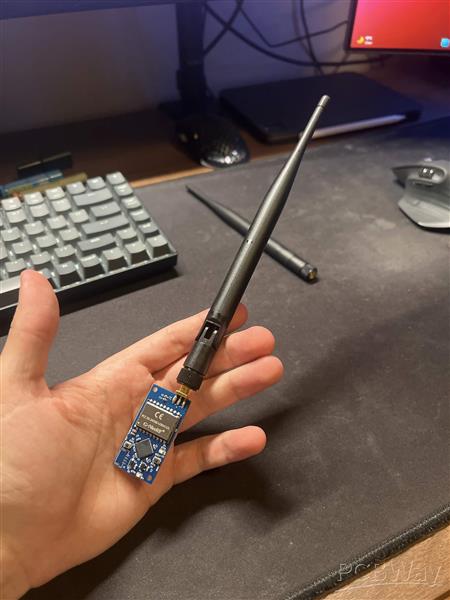
We've designed and built one custom board so far: a long-range radio module using an ESP32 and a 915 MHz LoRa chip. It replaced a hobby transmitter we'd been using as a workaround. It now runs the control link between our handheld controller and the drone.
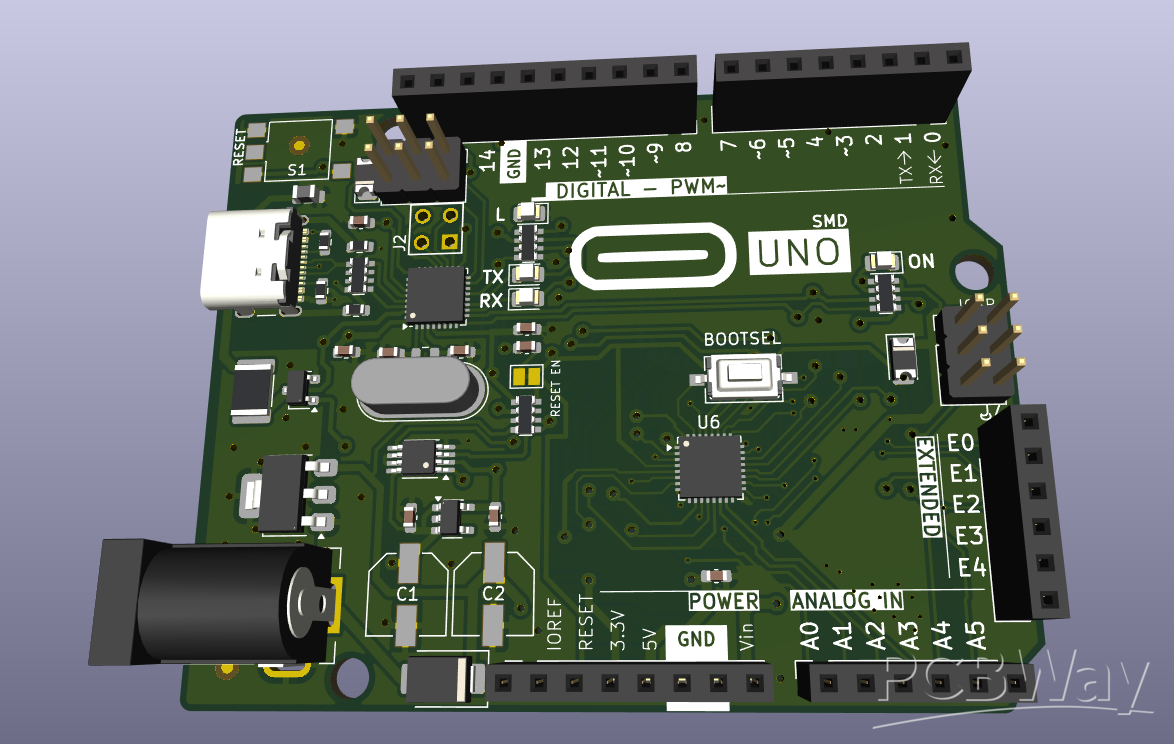
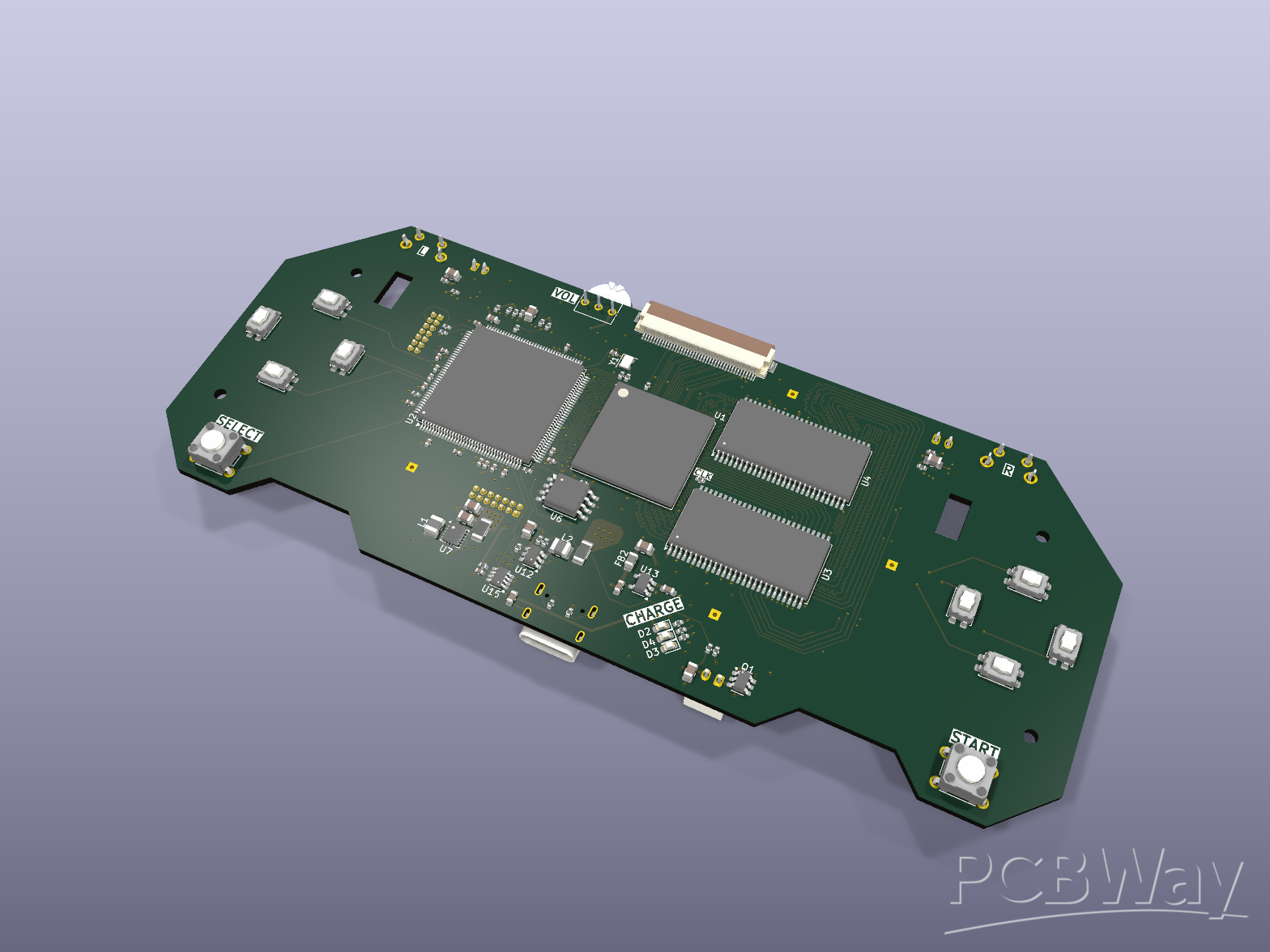
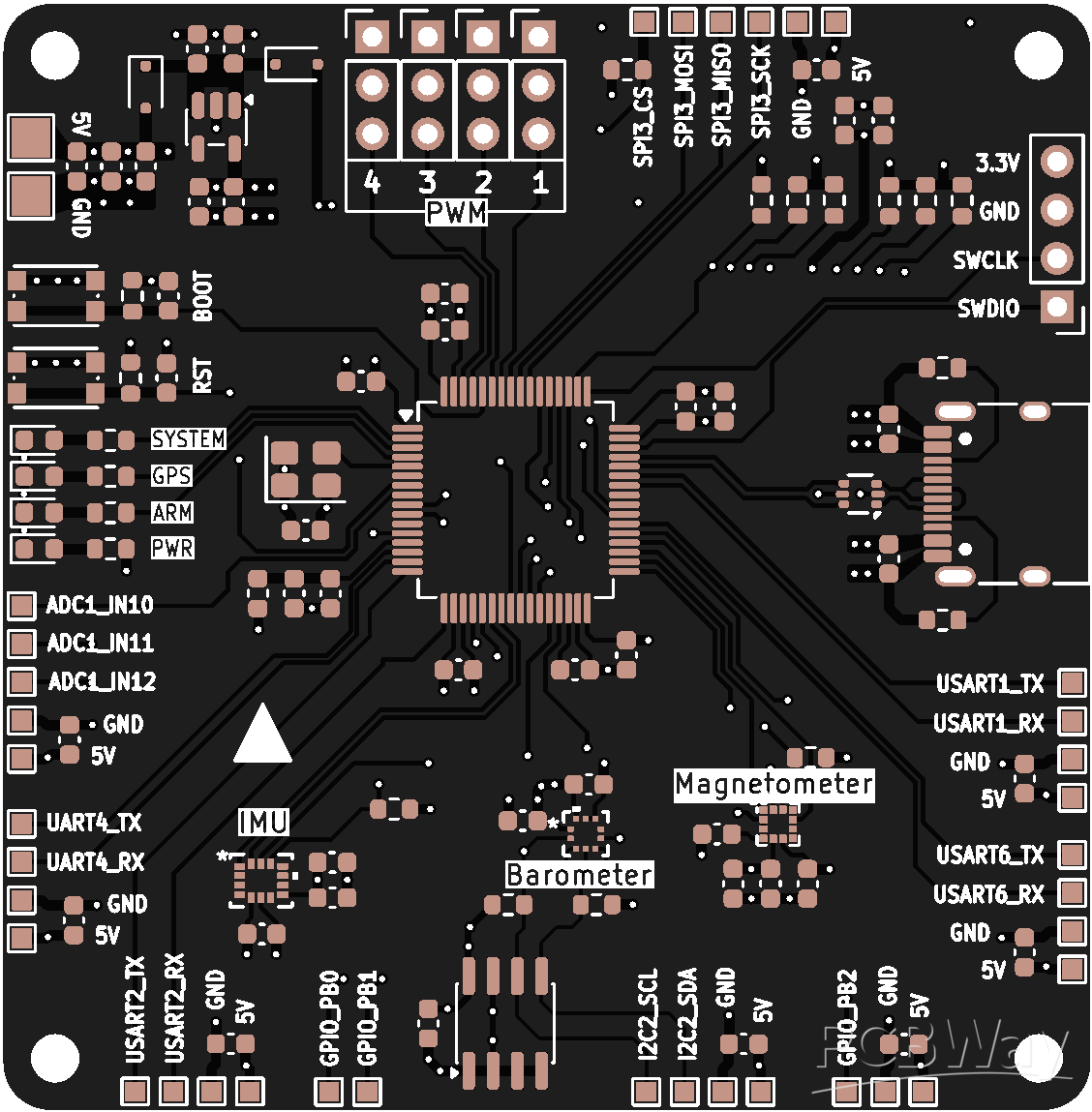
With PCBWay's support, we can replace the dev boards and loose wiring in our controller and drone with proper boards, making Kestrel lighter, tidier and more reliable in the field. We're excited about the chance to work with PCBWay and finish Kestrel with their help.
Apply for sponsorship >>- Comments(0)
- Likes(0)