Handheld Plastic detector using NIR/SWIR Spectroscopy
Handheld Plastic Detector using NIR/SWIR Spectroscopy
A portable solution for plastic identification and compostability verification using Near-Infrared sensing and Machine Learning.
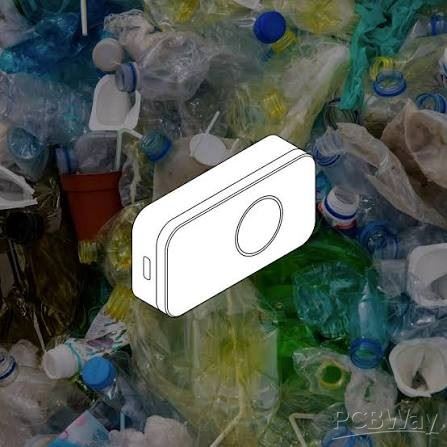
Plastic waste has become one of the most pressing environmental challenges of our time. Every day, large quantities of plastic are discarded, but a significant portion fails to enter the recycling stream due to improper segregation and identification.
While studying the recycling process and existing waste management practices, we observed several critical challenges faced by industries and recycling facilities.
Plastic Sorting Challenges
Different types of plastics often appear visually similar, making manual identification difficult and error-prone. Incorrect sorting reduces recycling efficiency and increases processing costs.
Fake Compostable Plastics
The growing market of compostable plastics has introduced another challenge. Many products are marketed as compostable but fail to meet actual compostability requirements. Distinguishing genuine compostable plastics from fake alternatives remains a major concern.
Expensive Identification Equipment
Existing plastic identification systems and laboratory-grade spectrometers are expensive, bulky, and unsuitable for widespread deployment in recycling facilities, educational institutions, and field environments.
It was these challenges that inspired the development of the Handheld Plastic Detector using NIR/SWIR Spectroscopy.
The project combines:
● Multi-Wavelength NIR Illumination
● Photodiode-Based Optical Sensing
● Precision Analog Signal Processing
● High-Resolution Data Acquisition
● Machine Learning Classification
● Compostability Verification
into a compact handheld device capable of identifying plastics quickly and efficiently.
The objective is to provide an affordable and portable solution that can support recycling facilities, educational institutions, researchers, and environmental organizations in improving plastic waste management.
Product Overview

The Handheld Plastic Detector Using NIR Spectroscopy is a portable and intelligent device designed to identify different types of plastics and verify their compostability. The system utilizes multi-wavelength Near-Infrared (NIR) sensing, advanced signal processing, and Machine Learning algorithms to analyze the optical characteristics of plastic materials and classify them accurately.
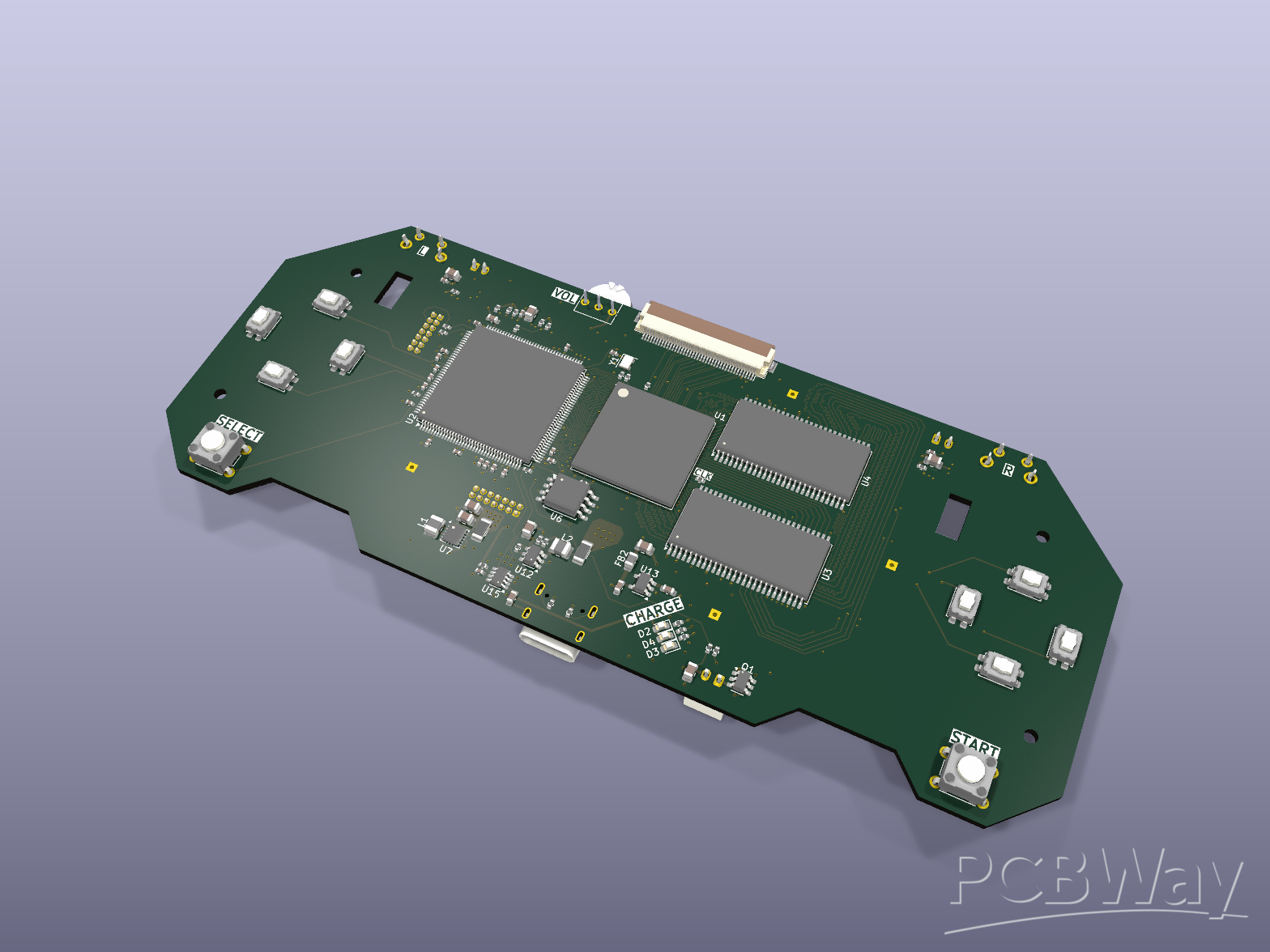
The device consists of a detection unit, analog front-end, high-resolution data acquisition system, processing unit, and display interface integrated into a compact handheld form factor. By illuminating a plastic sample with multiple NIR wavelengths and analyzing the reflected light, the system generates a unique material signature that enables reliable identification.
This project aims to provide an affordable and user-friendly alternative to conventional laboratory-grade plastic identification equipment, supporting efficient waste segregation, improved recycling processes, and the detection of fake compostable plastics. The solution contributes to sustainable waste management and environmental conservation by promoting accurate plastic classification in real-world applications.
PROJECT DESCRIPTION
POWER SECTION
The device is powered by a 3.7V 500mAh Li-Po battery. A TP4056 charging IC and USB-C connector provide battery charging. The TPS61023 boost converter generates 5V, while the LP5907 low-noise LDO provides a clean 3.3V rail for the analog and digital circuits. Ferrite beads and filtering capacitors reduce noise and improve measurement accuracy.
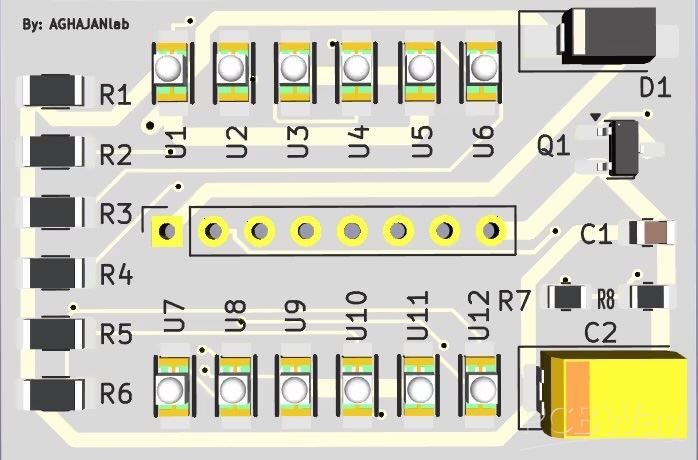
MULTI-WAVELENGTH NIR ILLUMINATION SECTION
This section consists of multiple Near-Infrared LEDs operating at different wavelengths ranging from 860 nm to 1900 nm.
Each LED illuminates the plastic sample individually. Different plastic materials absorb and reflect NIR light differently due to their unique molecular structures.
The reflected light captured at these wavelengths forms a unique optical signature
that can be used for identification.
PHOTODIODE SENSING SECTION
The reflected NIR light is detected using a photodiode sensor.
Instead of using expensive optical spectrometers, the system measures reflected light intensity at selected wavelengths using a photodiode. This approach
significantly reduces system complexity and cost while maintaining effective
plastic classification capability.
The photodiode converts the reflected optical energy into a small electrical
current proportional to the detected light intensity.

Detection Unit
SIGNAL CONDITIONING SECTION
The output current generated by the photodiode is extremely small and requires
amplification before processing.
A precision Transimpedance Amplifier (TIA) based on the OPA2380 operational amplifier converts the photodiode current into a measurable voltage signal.
This stage ensures accurate measurement of reflected light while minimizing noise and signal distortion.

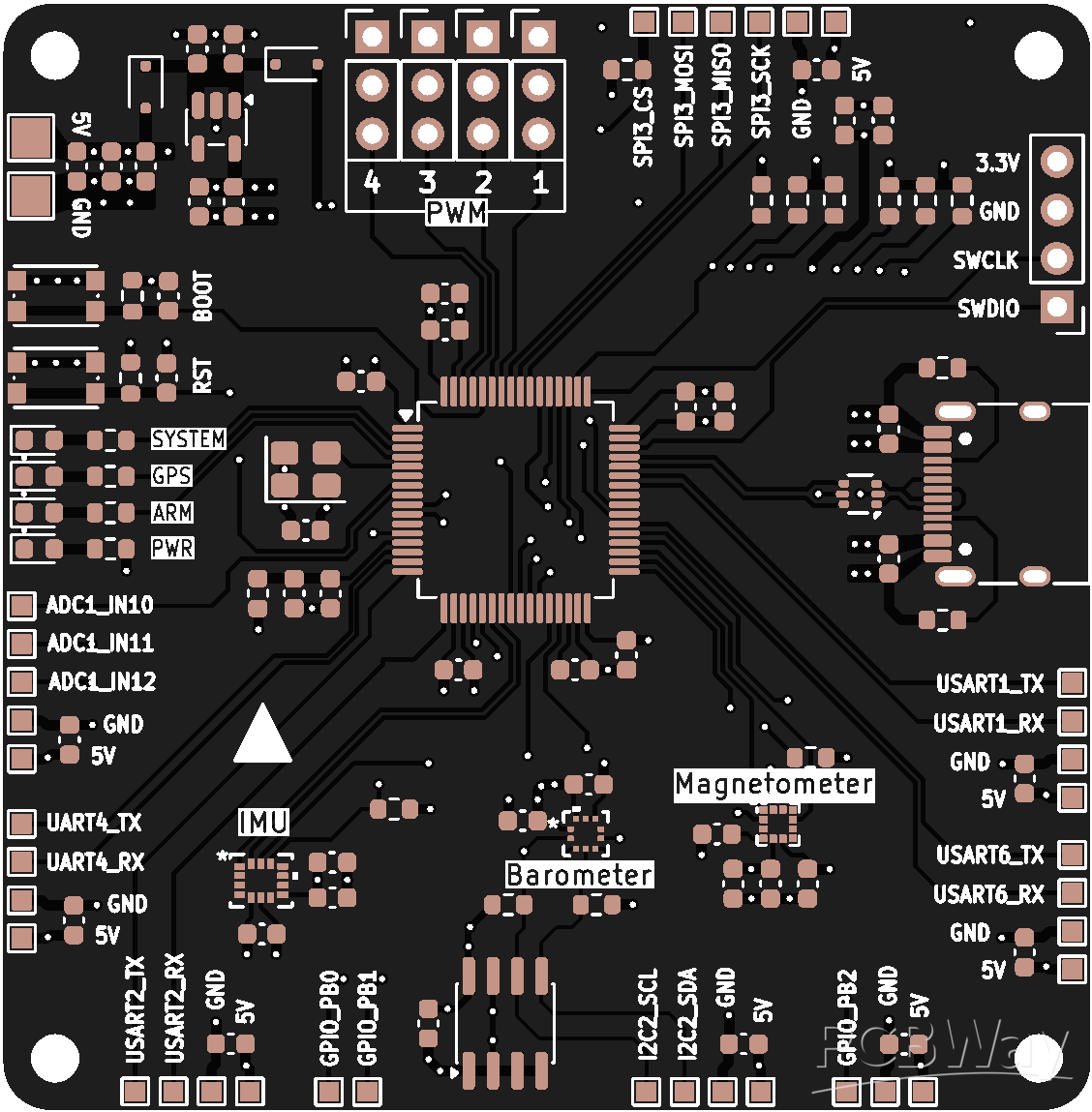
Analog Frontend
HIGH-RESOLUTION DATA ACQUISITION SECTION
The conditioned signal is digitized using the ADS1262 32-bit Analog-to-Digital
Converter.
The high resolution of the ADC enables detection of very small variations in reflected light intensity, allowing the system to capture detailed optical information
from different plastic samples.
The digitized data is then transmitted to the microcontroller for processing.

ADC-Unit
LED CONTROL SECTION
The PCA9955B LED driver is responsible for controlling the NIR LED array.
The driver enables precise current control and sequential activation of individual LEDs. Activating one wavelength at a time ensures accurate reflectance measurements without interference from other light sources.
PROCESSING SECTION
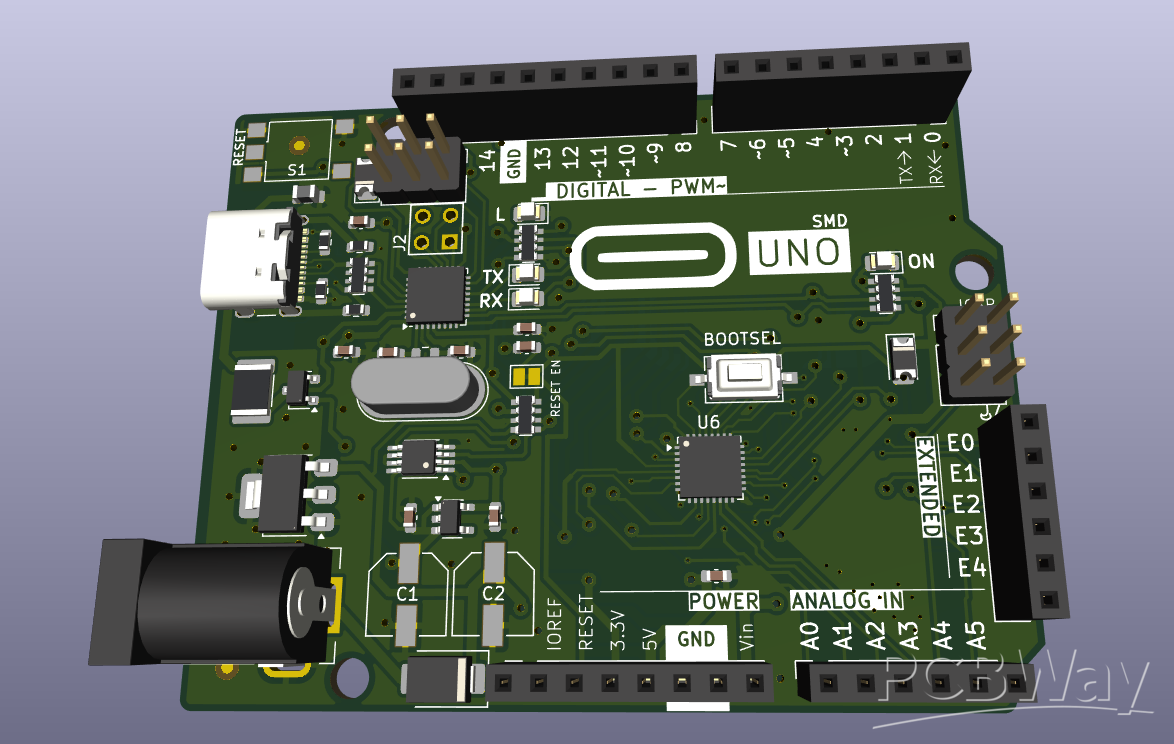
The Teensy 4.0 microcontroller serves as the central processing unit of the device.
Its primary functions include:
● LED control
● Data acquisition
● Signal processing
● Feature extraction
● Communication with the machine
learning model
The high-speed processing capability of the Teensy allows rapid collection and
analysis of sensor data.

MCU
COMPOSTABILITY
VERIFICATION SECTION
One of the unique aspects of the project is the ability to identify fake compostable
plastics.
An additional sensing and decision-making mechanism is incorporated to improve
detection reliability, particularly for challenging materials such as black
plastics and compostable alternatives.
This feature helps support more accurate waste segregation and environmentally responsible disposal practices.
RESULT DISPLAY SECTION
After analysis is completed, the device displays:
● Plastic Type
● Compostability Status
● Detection Confidence
The results are presented in a simple and user-friendly format, making the system suitable for both technical and non-technical users.
Personal information:-
WHO I AM Hello! My name is Harshad Patil. I am an Electronics and Telecommunication Engineering student at Rajarambapu Institute of Technology (RIT) in Maharashtra, India. I currently lead the Satellite Department of the Space Club at RIT. In this role, I guide the design and development of satellite payloads and avionics systems for high-powered model rockets. I am passionate about embedded systems, PCB design, aerospace electronics, IoT, and product prototyping. I enjoy turning innovative ideas into real-world hardware solutions by combining electronics, programming, and mechanical design. My goal is to create technologies that help with environmental monitoring, space research, and smart industrial applications while sharing my work with the maker community.
THINGS I HAVE DONE Rocketry and Space Projects Built and successfully launched "Dhruva," a high-powered experimental model rocket that can deploy small payloads at about 1 km altitude.
Led the development of an Environmental Monitoring Satellite Payload for gas detection and atmospheric data collection using sensors and real-time communication systems. Designed and developed a Flight Control Computer (FCC), which is the avionics system responsible for monitoring the rocket, integrating sensors, and controlling the recovery system. Conducted research on Ferrofluid Behavior in Low Atmospheric Pressure Conditions. Embedded Systems and PCB Development Designed and developed several custom PCBs for embedded and aerospace applications. Worked extensively with ESP32, ESP8266, sensors, LoRa communication, GPS modules, and IoT platforms. Created multiple embedded systems that involved sensor fusion, wireless communication, data logging, and environmental monitoring. Experienced in PCB design, circuit simulation, schematic development, and hardware debugging. Major Engineering Projects Developed an IoT-Based Smart Door Lock System using ESP32, keypad authentication, motion detection, and relay-controlled locking. Designed a Handheld Spectroscopy-Based Plastic Detector that can identify degradable and non-degradable polymers. Worked on industrial automation solutions that included PID controllers, VFDs, and control panels at TGP Bioplastic Pvt. Ltd. Designed smart monitoring systems that integrate gas sensors, altitude sensors, IMUs, and cloud connectivity. Achievements Second Runner-Up – National-Level Satellite Hackathon organized by KLE University. Second Runner-Up – National-Level Startup Hackathon organized by T.I.C. Participated in more than 6 national-level hackathons and engineering competitions. Took part in the REGATTA 2.0 Model Airship Competition at IIT Bombay. Completed Embedded Systems Training in partnership with IIT Roorkee. Finished the Google AI-ML Virtual Internship and earned multiple certifications in embedded systems and microcontrollers.
WORDS TO PCBWay Dear PCBWay Team, Thank you for providing an amazing platform that supports students, makers, and engineers worldwide. PCBWay has become a reliable partner for hardware creators by making professional PCB manufacturing easy and affordable. As a student researcher and rocketry enthusiast, I am always working on challenging projects involving satellite payloads, rocket avionics, embedded systems, and IoT devices. Your sponsorship would greatly assist me in turning these ideas into working prototypes and help me learn and innovate faster. In return, I will document my projects, highlight PCBWay's manufacturing quality, share build logs, and promote PCBWay within engineering groups, workshops, and project demonstrations. I truly appreciate your support for young engineers and look forward to creating impactful projects together with PCBWay. Thank you for supporting innovation and the global maker community. Best Regards, Harshad Patil Electronics & Telecommunication Engineering Student Embedded Systems & PCB Design Enthusiast
- Comments(0)
- Likes(0)