Development of CanSat for the IN-SPACe Competition
Project Title
Development of an Autonomous CanSat for the IN-SPACe National Model Rocketry Competition 2026
About Team Vyomx
Team Vyomx is the official Student Rocketry Team of St. Vincent Pallotti College of Engineering and Technology, Nagpur. Our team consists of undergraduate students from various engineering disciplines who share a common passion for aerospace technology, embedded systems, avionics, and space research.
We believe that the best way to learn engineering is by designing, building, testing, and improving real systems. The IN-SPACe Model Rocketry Competition provides an excellent opportunity to apply classroom knowledge to a challenging aerospace mission.
Our Project
Our project focuses on the design and development of a CanSat—a fully functional miniature satellite that fits inside the volume of a standard beverage can. Although compact in size, the CanSat incorporates many of the core subsystems found in real satellites, including sensing, communication, onboard computing, and power management.
The CanSat will be integrated into a model rocket and launched during the IN-SPACe Model Rocketry Competition. After reaching the target altitude, it will separate from the rocket and autonomously execute its mission while descending safely under a parachute.
During descent, the CanSat will continuously collect environmental and flight data and transmit it in real time to the ground station.
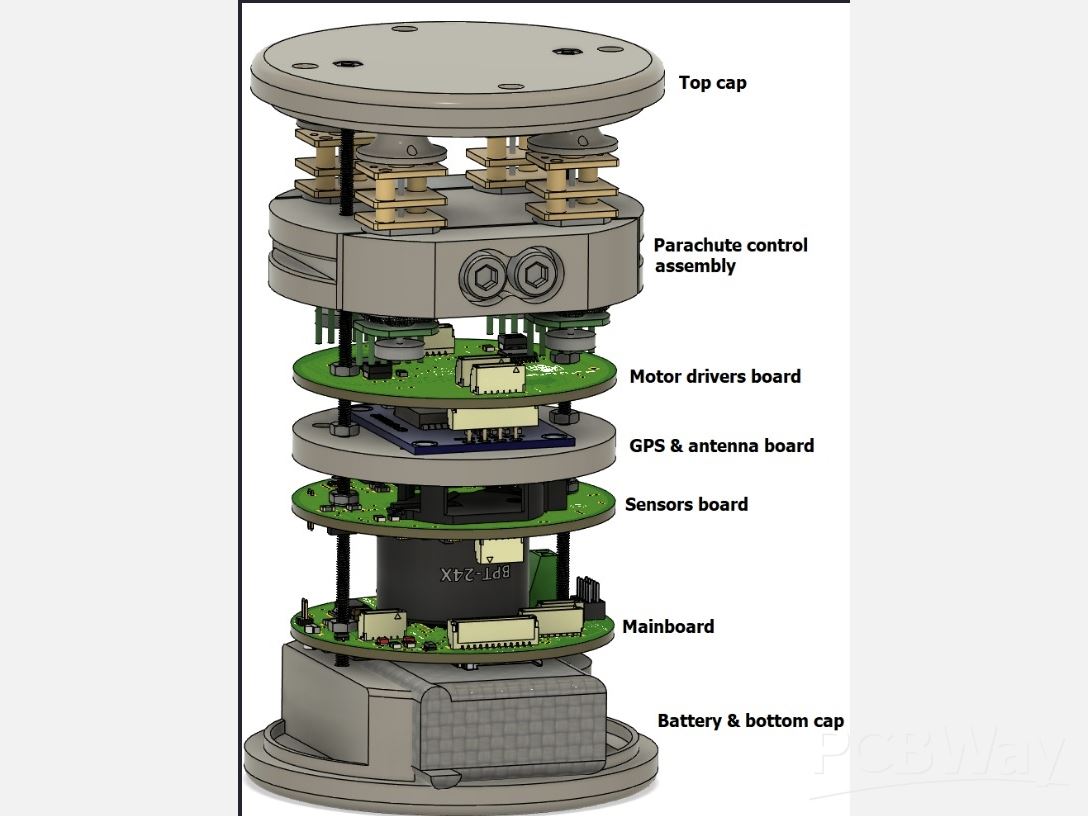
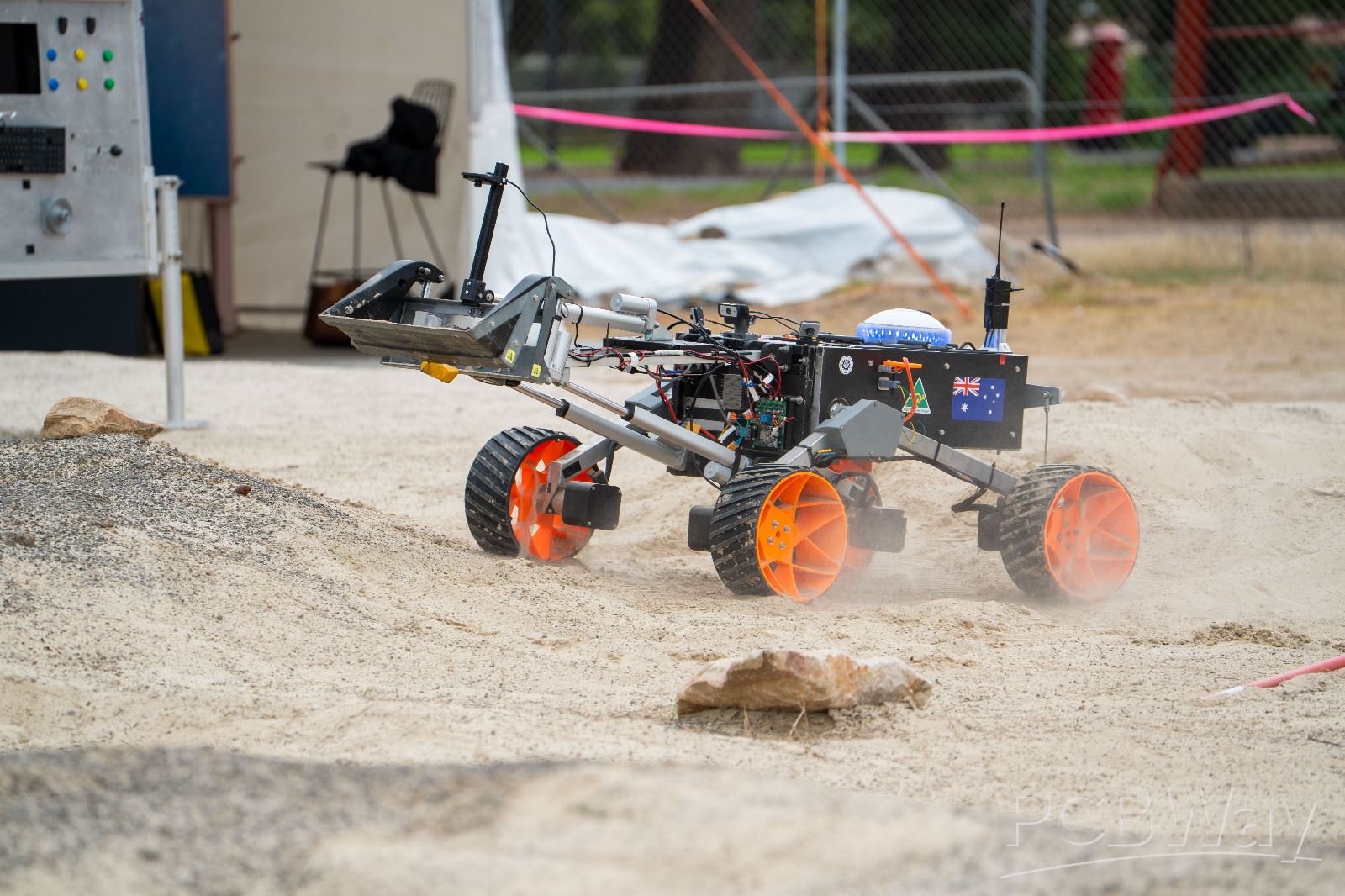
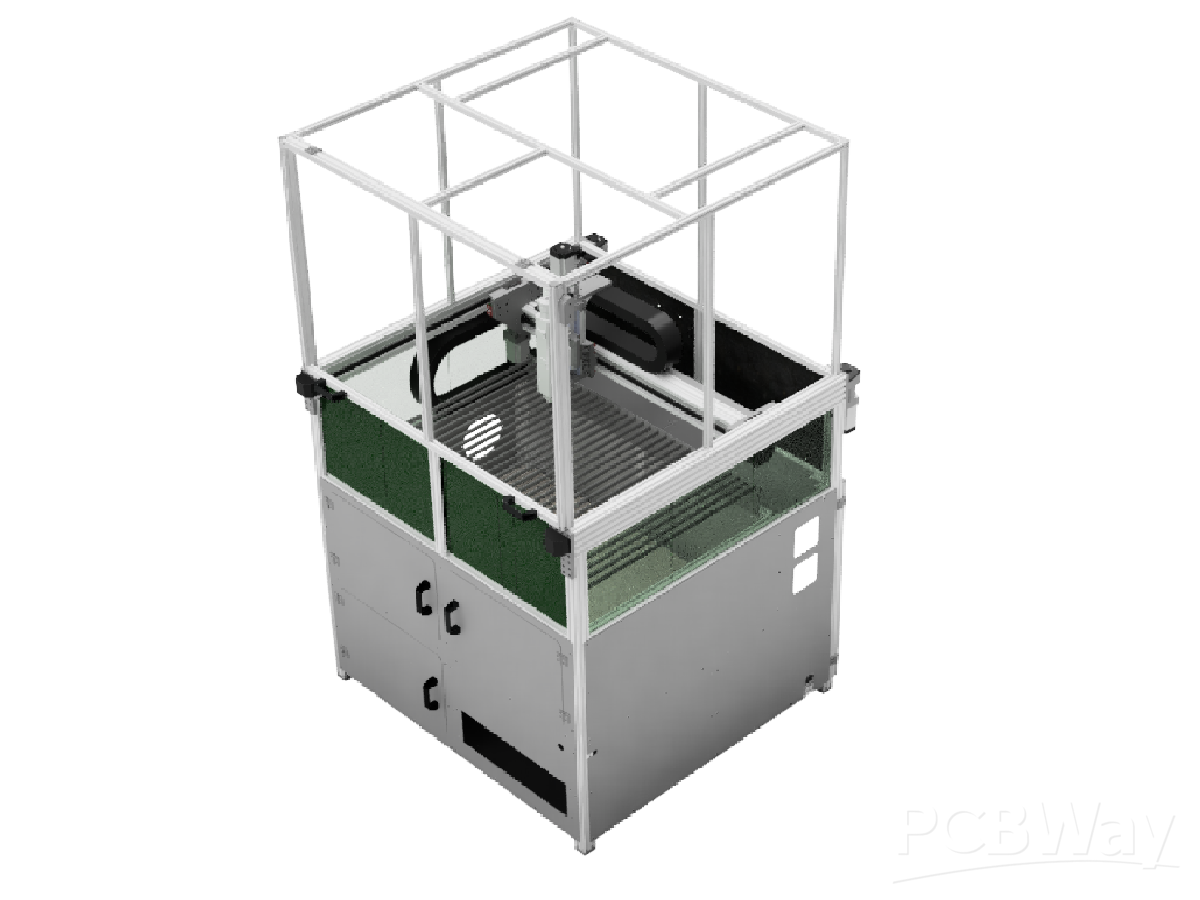
IMAGE: 1
Ex :Can Sat Model Image
Why We ChoseThis Project
India's rapidly growing space sector is creating opportunities for young engineers to contribute to advanced aerospace technologies. We wanted to build a project that closely resembles the challenges faced by real satellite missions while remaining accessible to students.
The CanSat project allows us to gain practical experience in:
- Aerospace engineering
- Embedded systems design
- Sensor integration
- Wireless communication
- Flight software development
- PCB design
- Power electronics
- Data acquisition and analysis
- Systems engineering and testing
Rather than learning these concepts individually, this project combines them into one complete engineering system.
Mission Objectives
Our CanSat is designed to successfully perform the following mission objectives:
• Measure altitude throughout the flight
• Record atmospheric pressure and temperature
• Measure acceleration and orientation using an IMU
• Acquire GPS position during descent
• Transmit telemetry data to the ground station using LoRa communication
• Monitor battery voltage and power consumption
• Ensure autonomous operation from launch to landing
• Store mission data onboard for post-flight analysis
How the CanSat Works ?
The CanSat consists of several integrated subsystems working together.
Avionics
A high-performance microcontroller serves as the onboard flight computer. It reads sensor data, processes telemetry packets, controls mission logic, and manages communication.
Sensor System
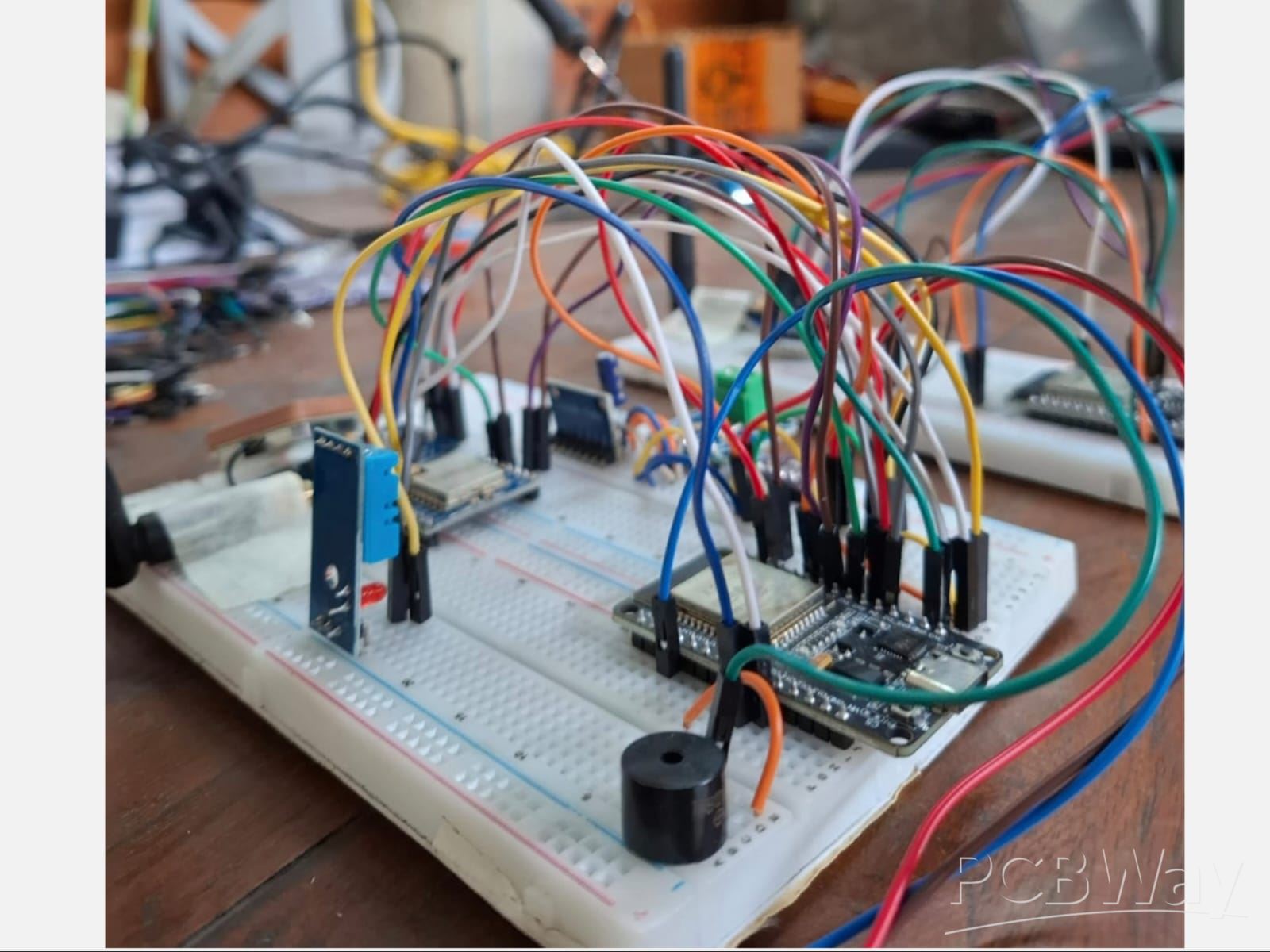
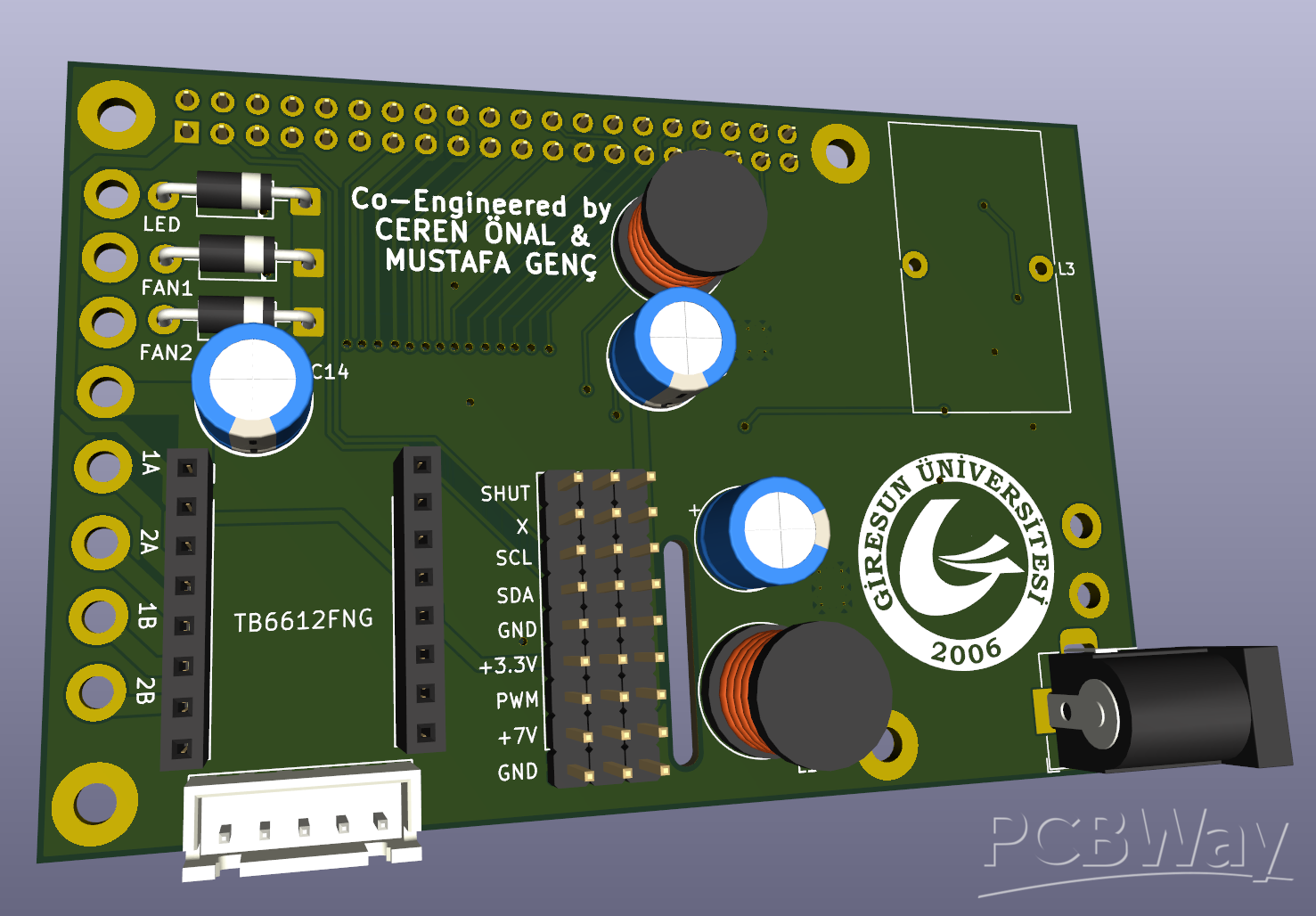
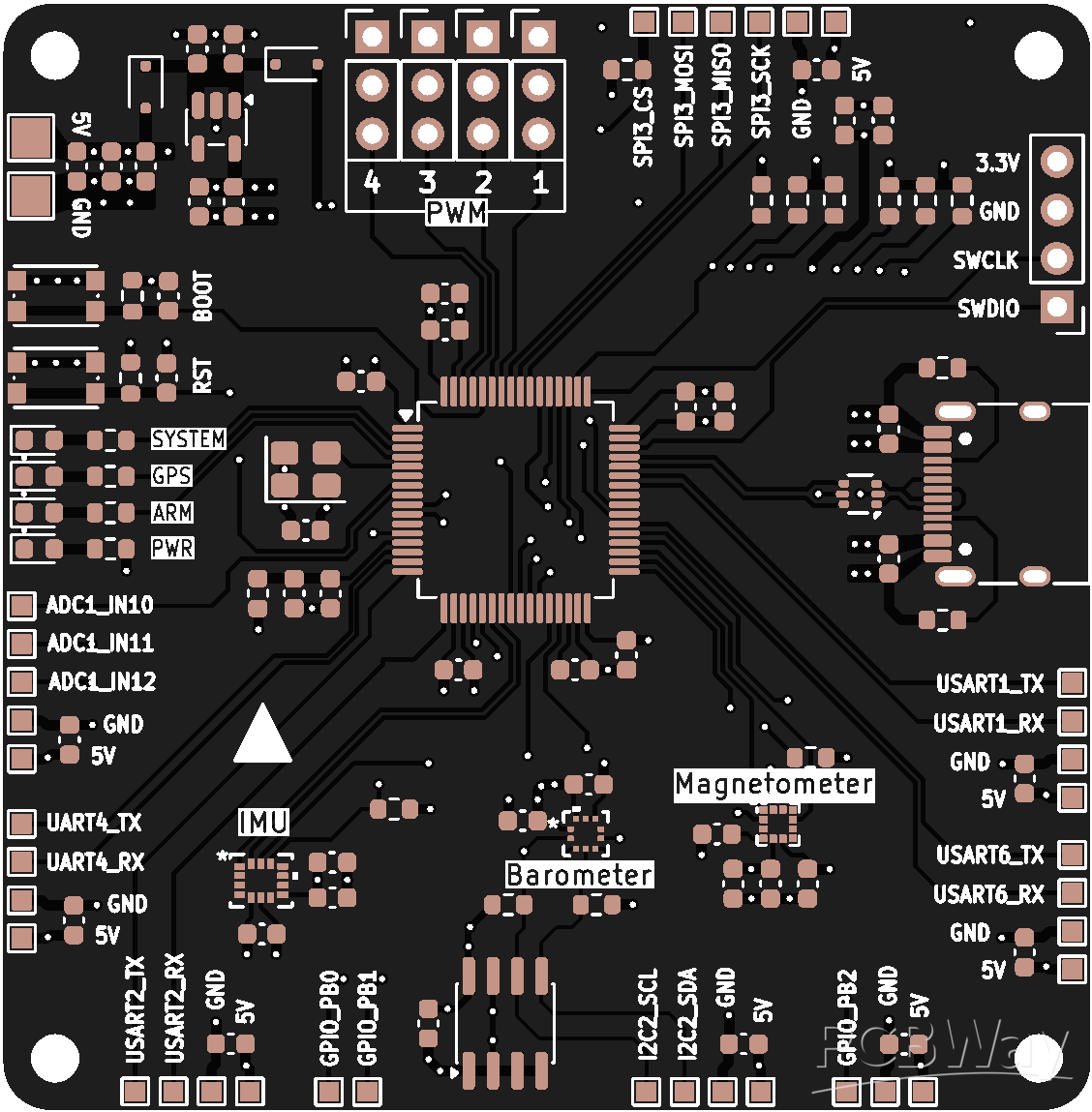
IMAGE : 2
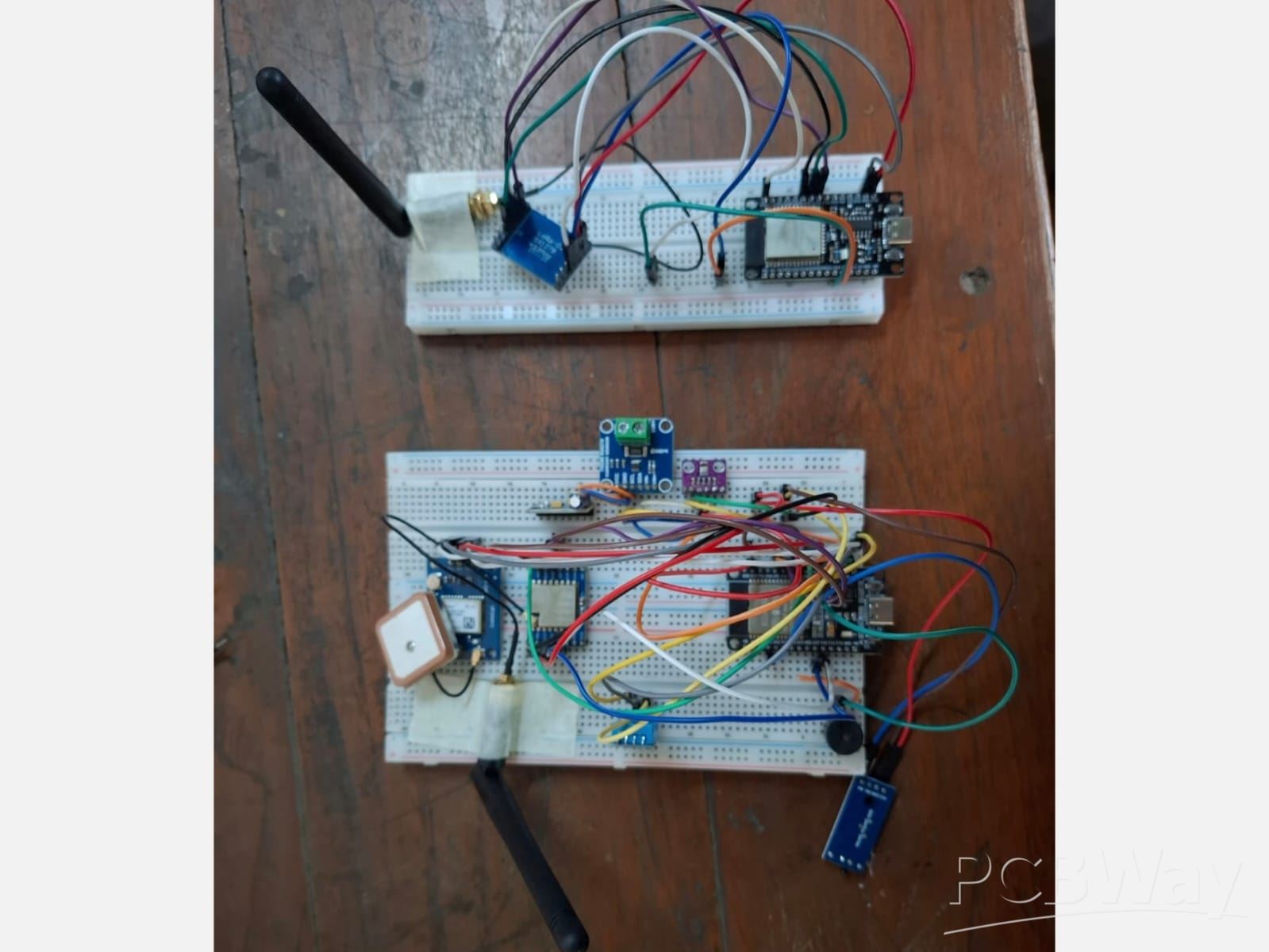
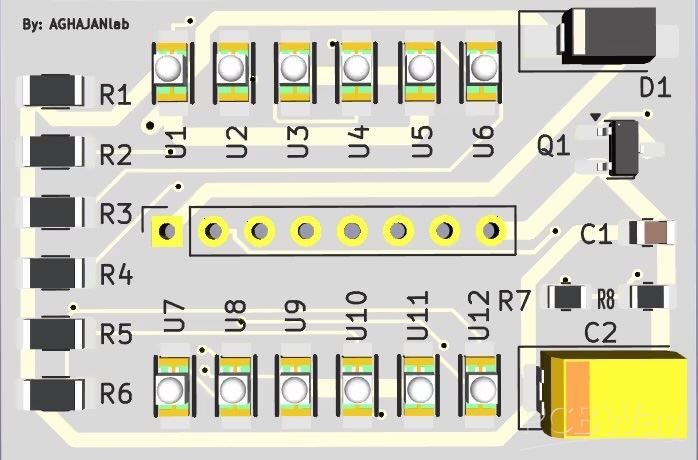
IMAGE: 3
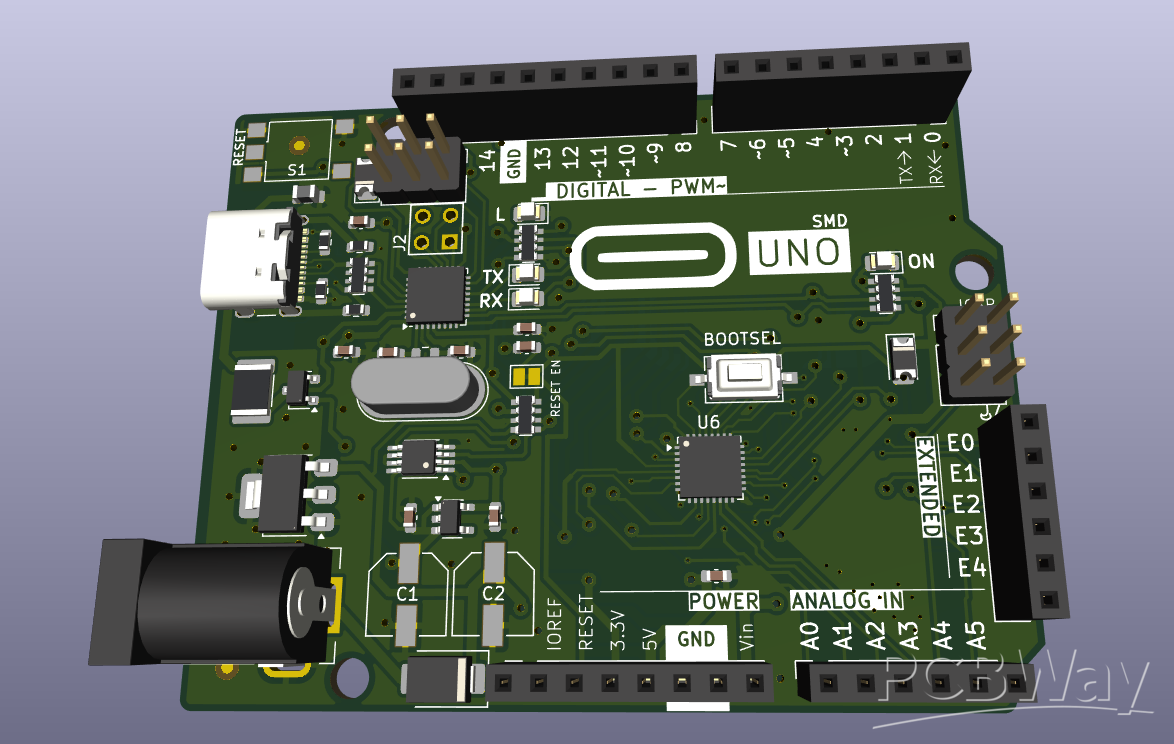
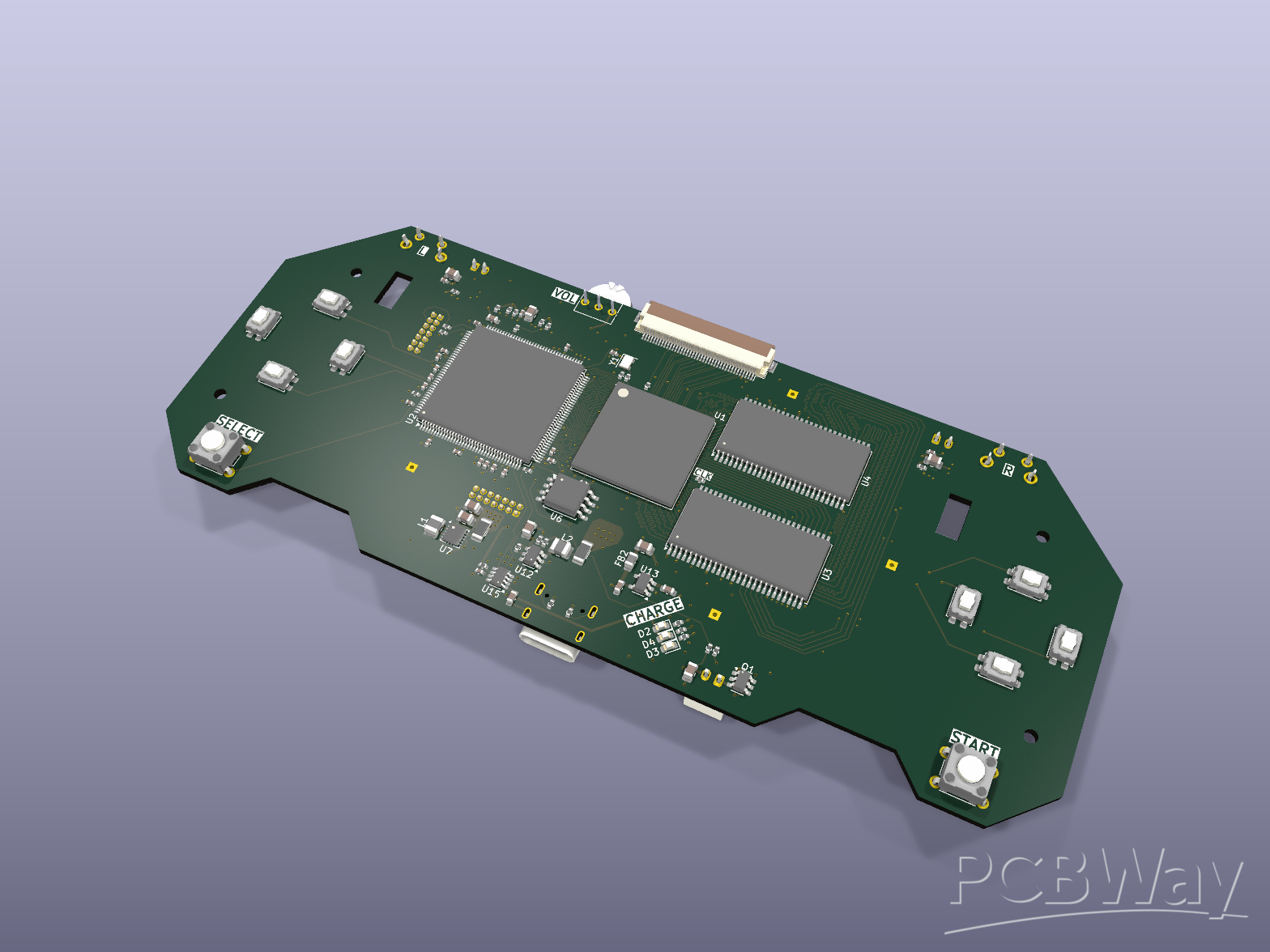
IMAGE 2 & 3 are PCB Circuits Made By Us
Multiple sensors continuously monitor flight parameters, including:
- Atmospheric pressure
- Temperature
- Humidity (if applicable)
- Three-axis acceleration
- Angular velocity
- Orientation
- GPS location
These measurements help determine flight performance throughout the mission.
Communication System
The CanSat communicates with the ground station using long-range LoRa radio modules. Telemetry data is transmitted live, allowing the team to monitor the mission in real time.
Power System
A rechargeable lithium battery powers the entire CanSat through a regulated power management circuit, ensuring stable operation during launch, flight, and recovery.
Recovery System
After deployment from the rocket, a parachute slows the descent, allowing sufficient time for data collection while ensuring safe recovery of the payload.
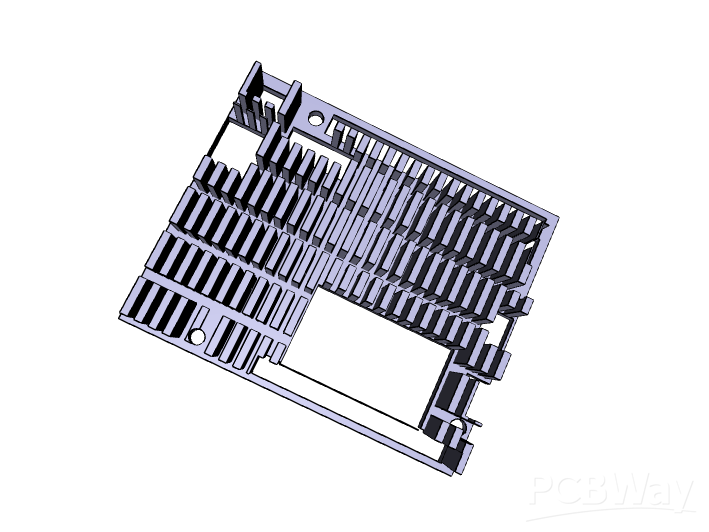
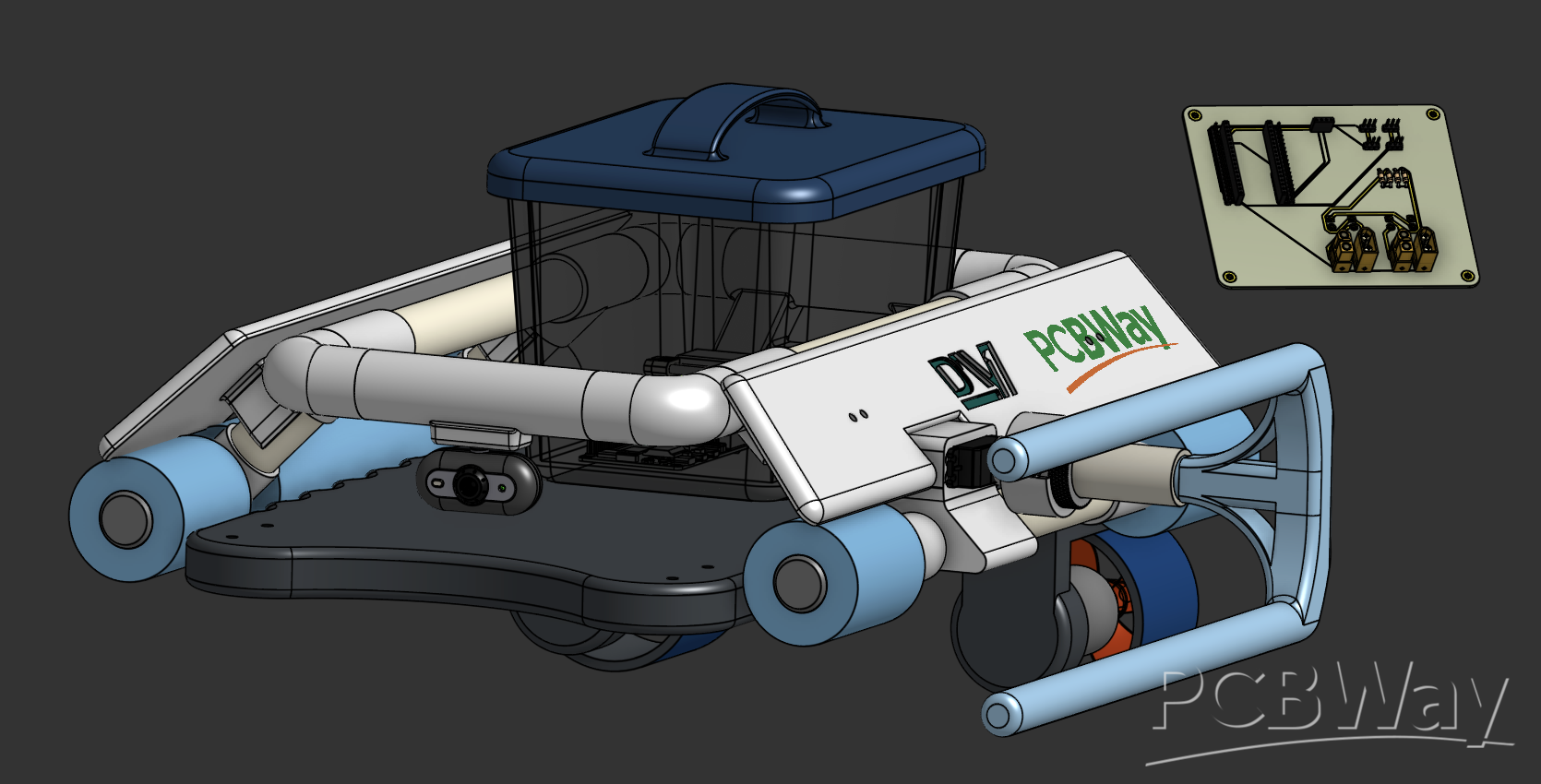
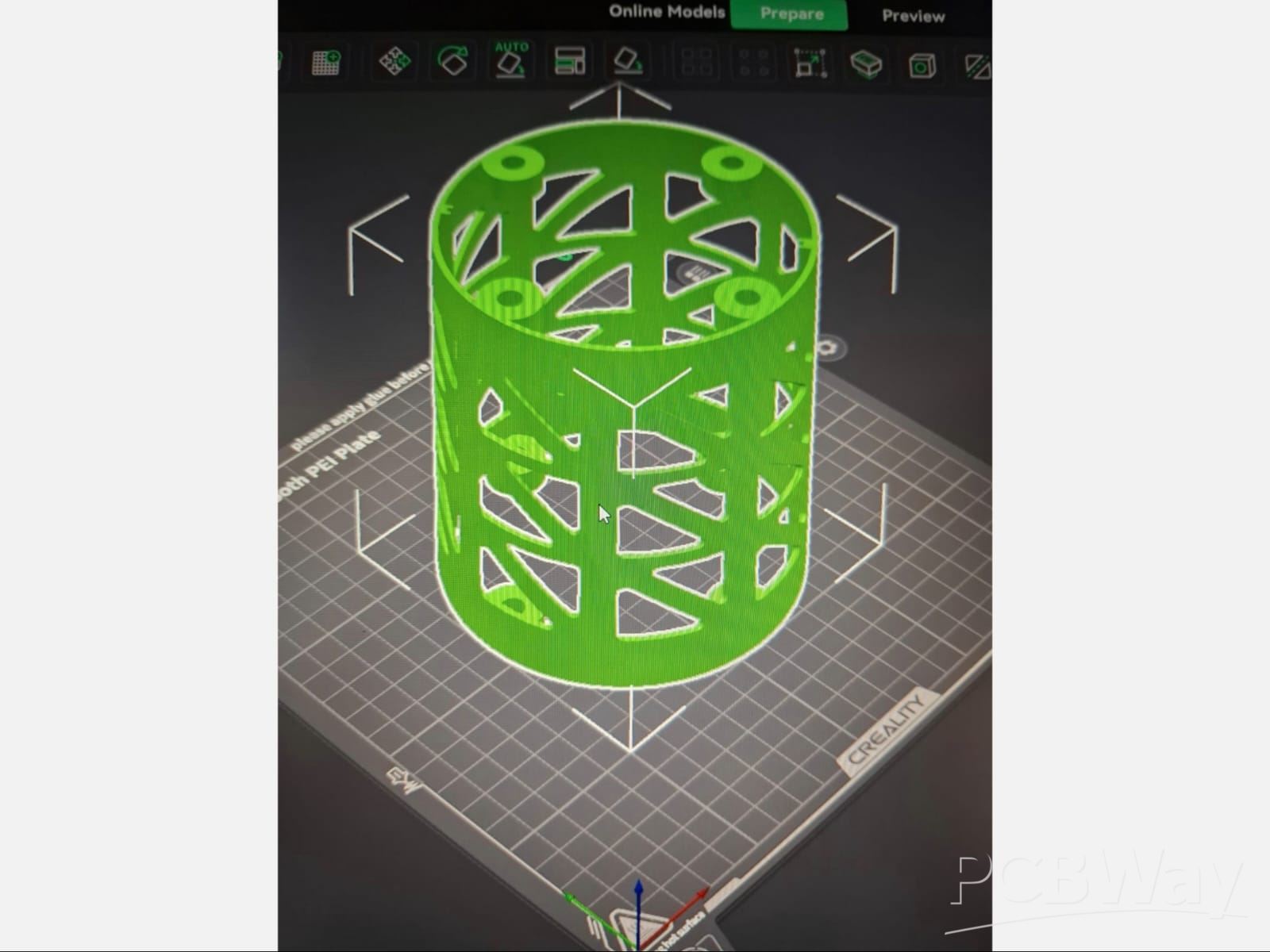
CAD Model We Designed
Expected Outcome
By the end of the competition, we aim to demonstrate a reliable miniature satellite capable of:
- Stable autonomous operation
- Accurate sensor measurements
- Reliable long-range telemetry
- Safe payload recovery
- Complete mission data logging
The project will also serve as a foundation for future high-power rocketry and CubeSat development within our institution.
Educational Impact
This project is entirely student-designed and student-built.
Every subsystem—including electronics, embedded software, telemetry, mechanical integration, testing, and ground station development—is being developed by Team Vyomx.
The experience gained through this project extends beyond the competition, preparing students for careers in aerospace engineering, robotics, avionics, embedded systems, and the rapidly expanding Indian space industry.
Why We Need Sponsorship?
Developing a flight-ready CanSat requires specialized electronic components, sensors, communication modules, PCB fabrication, power systems, and testing equipment.
Support from industry partners such as DigiKey enables us to build a reliable system using professional-grade components while giving students hands-on experience with technologies used in modern aerospace engineering.
Your sponsorship directly contributes to empowering future engineers and advancing practical STEM education through real-world aerospace innovation.
Overview of the IN-SPACe competition.
- Comments(0)
- Likes(1)