High-Temperature PCB Solutions: Achieving Reliability in Demanding Applications
High-performance electronic systems increasingly operate in environments where thermal stress is unavoidable. Power electronics, automotive assemblies, industrial controllers, and communication hardware all experience elevated temperatures that can degrade materials, weaken connections, and reduce long-term stability. To address these challenges effectively, selecting the right substrate, fabrication process, and thermal management strategy becomes essential. Platforms like PCBAIR have specialized manufacturing capabilities that support these requirements, including advanced laminate selections designed for elevated thermal thresholds.
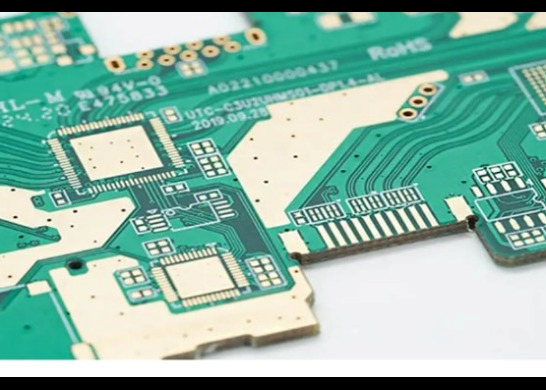
One of the most effective approaches for ensuring durability in thermal-intensive environments is choosing a reliable high temperature PCB solution built with stable materials, predictable thermal expansion, and consistent electrical characteristics under heat exposure.
Understanding the Importance of Thermal Stability in PCB Design
Thermal performance is one of the key parameters that dictates how a circuit behaves in real-world applications. When temperatures rise, materials expand, dielectric constants shift, and conductive layers experience stress. If these variations exceed tolerance levels, failures such as delamination, cracking, or signal distortion may occur.
Heat-Induced Stress and Its Impact on PCB Structure
When internal components generate significant heat—such as MOSFETs, voltage regulators, high-speed processors, or RF modules—thermal pathways become crucial. Boards that lack suitable thermal capacity can experience:
Increased Z-axis expansion
Material softening near the glass transition temperature (Tg)
Weakening of plated through holes
Variations in impedance on controlled-impedance traces
Maintaining predictable behavior requires materials with high Tg ratings and low coefficients of thermal expansion (CTE). These features help ensure that both mechanical integrity and electrical consistency are preserved even during prolonged exposure to elevated temperatures.
Why High-Tg Materials Are Becoming Essential
Modern power electronics and compact assemblies generate more heat per square centimeter than older systems. As densities increase, the need for materials capable of tolerating 170°C, 180°C, or higher becomes standard in many sectors. High-Tg laminates offer improved:
Thermal endurance
Chemical stability
Mechanical stiffness
Resistance to thermal cycling
These benefits directly contribute to better long-term reliability and reduced maintenance intervals.
Material Choices for High-Temperature PCB Construction
The choice of substrate defines the thermal threshold and structural behavior of a printed circuit board. PCBAIR offers several laminate categories suited for elevated temperature operation.
FR-4 High-Tg Laminates
High-Tg FR-4 remains a widely preferred option when cost and performance need to be balanced. These materials typically offer Tg values from 170°C to 200°C while maintaining good electrical insulation and decent mechanical rigidity. They are suitable for:
Industrial controllers
Power converters
Consumer appliances exposed to high heat
While FR-4 is versatile, it may not be ideal for extreme environments requiring continuous high-temperature operation.
Polyimide-Based PCBs
Polyimide materials provide superior thermal resilience, often withstanding temperatures beyond 250°C. They also offer excellent chemical and mechanical resistance. These substrates are often used in:
Aerospace instrumentation
Automotive under-hood electronics
High-end communication hardware
Their inherent stability under thermal stress makes them a reliable choice for demanding circuits.
Design Considerations for Long-Term Thermal Reliability
Selecting high-temperature materials alone is not sufficient. Ensuring durability requires attention to key design factors that influence heat dissipation and structural stability.
Copper Weight and Current Distribution
Choosing the right copper weight is essential in applications where current flow generates heat. Thicker copper layers help distribute current more effectively, minimizing hot spots and preventing localized material fatigue.
Via Structures and Thermal Paths
Thermal vias, microvias, and stacked vias play a major role in controlling heat transfer. Boards intended for high-temperature applications often employ:
Via-in-pad designs to conduct heat directly beneath power components
Filled or plated vias for better structural integrity
Optimized via density for efficient heat dissipation
These techniques reduce thermal bottlenecks and maintain consistent operating conditions.
Surface Finish Selection
Surface finishes such as ENIG, ENEPIG, or OSP must be selected based on the operating environment. At higher temperatures, finishes that offer strong adhesion and oxidation resistance are typically preferred.
Applications That Require High-Temperature PCB Solutions
Several industries rely heavily on high-temperature PCBs to maintain operational stability.
Automotive Electronics
Electronic control units, ignition systems, inverters, and battery management circuits operate in environments where temperatures frequently exceed 125°C. Using stable materials ensures safe and predictable performance.
Industrial Power Systems
Motor drives, automation controllers, and high-current switching circuits generate substantial heat. High-Tg boards prevent delamination, tracking, and conductor migration under these conditions.
Telecommunications and RF Systems
High-frequency signals are sensitive to variations in dielectric properties. Temperature-stable substrates help maintain consistent impedance and low signal loss even during thermal shifts.
Why PCBAIR Stands Out in High-Temperature PCB Manufacturing
PCBAIR integrates material expertise, precision fabrication, and rigorous quality control to meet the demands of thermally intense applications. Their production capabilities support high-Tg laminates, advanced via structures, and multi-layer designs built to withstand temperature cycling.
Quality Control and Testing
Boards intended for high-temperature use undergo specialized evaluations:
Thermal shock testing
T260/T288 time-to-delamination analysis
CTE measurement
Solder float testing
These processes ensure that finished PCBs meet the reliability requirements necessary for industrial and high-power systems.
Material Availability and Custom Manufacturing
PCBAIR supports a wide range of high-temperature materials, enabling custom stack-ups for specialized applications. This flexibility allows designers to fine-tune thermal performance, impedance characteristics, and structural rigidity based on project requirements.
Final Thoughts
As electronic systems continue to push thermal boundaries, selecting a reliable high temperature PCB solution becomes essential for achieving predictable, long-term performance. High-Tg substrates, optimized thermal pathways, and robust manufacturing practices form the foundation of durable high-temperature electronics. With its specialized capabilities, PCBAIR remains a strong option for projects requiring stable operation in demanding thermal environments.
High-Temperature PCB Solutions: Achieving Reliability in Demanding Applications



Raspberry Pi 5 7 Inch Touch Screen IPS 1024x600 HD LCD HDMI-compatible Display for RPI 4B 3B+ OPI 5 AIDA64 PC Secondary Screen(Without Speaker)
BUY NOW

- Comments(1)
- Likes(0)
 More by Engineer
-
Programmable Mist Maker - XIAO / QT PY Extension
2220 2 2 -
RadioHAT - Raspberry Pi radio development platform
1909 0 4 -
-
-
-
ARPS-2 – Arduino-Compatible Robot Project Shield for Arduino UNO
4088 0 6 -
A Compact Charging Breakout Board For Waveshare ESP32-C3
4849 3 8 -
AI-driven LoRa & LLM-enabled Kiosk & Food Delivery System
5643 2 2 -