
|
arduino IDEArduino
|
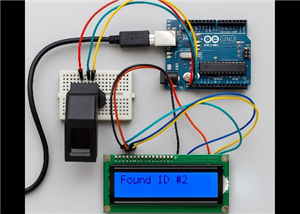
Global Human Detection Using Fingerprint
Fingerprint-based smart human recognition system.Mission:Global Human Detection Using Fingerprint
یعنی ایک ایسی ڈیوائس جو دنیا میں کہیں بھی صرف فنگر پرنٹ سے انسان کو شناخت کرے۔
Project Title:
Tarjuman ID – Fingerprint-Based Global Human Detection System
✅ 2. Components (Parts Required):
| 1 | Fingerprint Sensor (R305)| فنگر پرنٹ ڈیٹیکشن کے لیے
| 2 | Raspberry Pi / Arduino | سسٹم کو کنٹرول کرنے کے لیے
| 3 | WiFi/Bluetooth Module | ڈیٹا دنیا بھر میں بھیجنے کے لیے (ESP8266)
| 4 | Cloud Database (e.g. Firebase) | فنگر پرنٹ ڈیٹا محفوظ کرنے کے لیے
| 5 | LCD Display (16x2) | اسکرین پر نام یا شناخت ظاہر کرنے کے لیے
| 6 | Power Supply / Battery | پورٹیبل پاور کے لیے
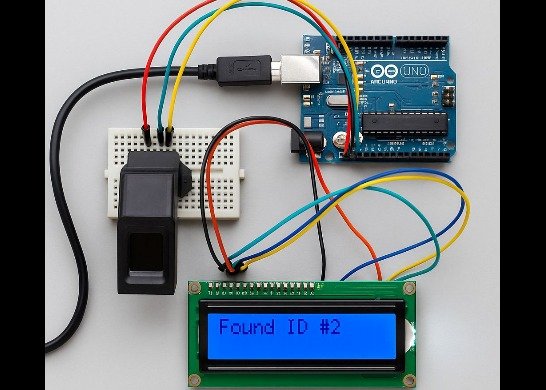
4. Diagram (Text Format)
[Fingerprint Sensor]
|
[Microcontroller (Arduino)]
|
[WiFi Module] ---> Internet ---> [Cloud Database]
|
[LCD Display]
✅ 5. Features:
- دنیا بھر میں کسی بھی جگہ سے انسان کی شناخت
- صرف فنگر پرنٹ سے لاگ ان
- Cloud سے connected
- High Security
- Expandable for Governments, Airports, Borders
---
✅ 6. Future Scope:
- AI-Based Facial + Finger Detection
- Voice Integration
- Full Biometric Security System
Phase 1: Hardware Setup (Finger Detection System)
✅ Required Components:
1. Arduino UNO / Nano
2. Fingerprint Sensor (R305)
3. ESP8266 WiFi Module
4. Jumper Wires
5. LCD 16x2 Display (optional)
6. Power Source
🧠 Step-by-Step Plan:
🔹 Step 1: Connect Fingerprint Sensor with Arduino
- VCC → 5V
- GND → GND
- TX → Pin 2 (via SoftwareSerial)
- RX → Pin 3
🔹 Step 2: Upload Fingerprint Code
cpp
#include <Adafruit_Fingerprint.h>
#include <SoftwareSerial.h>
SoftwareSerial mySerial(2, 3);
Adafruit_Fingerprint finger = Adafruit_Fingerprint(&mySerial);
void setup() {
Serial.begin(9600);
finger.begin(57600);
if (finger.verifyPassword()) {
Serial.println("Sensor Connected");
} else {
Serial.println("Sensor Not Found");
while (1);
}
}
void loop() {
getFingerprintID();
delay(1000);
}
uint8_t getFingerprintID() {
uint8_t p = finger.getImage();
if (p != FINGERPRINT_OK) return p;
p = finger.image2Tz();
if (p != FINGERPRINT_OK) return p;
p = finger.fingerSearch();
if (p == FINGERPRINT_OK) {
Serial.print("ID Found: "); Serial.println(finger.fingerID);
} else {
Serial.println("Not Found");
}
return p;
}
🔗 Phase 2: Send Data to Cloud (Firebase)
اگر آپ کو Firebase setup کا طریقہ چاہیے، تو میں وہ بھی آسان steps میں سمجھا دیتا ہوں:
- Firebase پر project create کرنا
- Arduino سے data send کرنے کے لیے Firebase Arduino library استعمال کرنا
- WiFi سے ESP8266 module connect کرنا
---
کیا میں Firebase Cloud Setup اور WiFi connection code بھی بھیج دوں؟
اچھا! اب ہم Phase 2: Cloud Integration with Firebase شروع کرتے ہیں۔
---
🌐 Firebase Setup Steps:
✅ 1. Create Firebase Project
- Go to: https://console.firebase.google.com/
- Create a new project → Name it e.g. TarjumanAI
- Go to Realtime Database → Create database → Set rules to:
json
{
"rules": {
".read": true,
".write": true
}
}
✅ 2. Get Project Credentials
- Go to Project Settings → Service Accounts → Database URL
- Example: https://your-project-id.firebaseio.com/
🔌 Connect ESP8266 with Firebase
✅ Required Libraries:
- FirebaseESP8266.h
- ESP8266WiFi.h
> (Install these in Arduino IDE using Library Manager)
---
✅ Code to Send Fingerprint ID to Firebase
```cpp
#include <ESP8266WiFi.h>
#include <FirebaseESP8266.h>
#define FIREBASE_HOST "your-project.firebaseio.com"
#define FIREBASE_AUTH "your_firebase_database_secret"
const char* ssid = "Your_WiFi_Name";
const char* password = "Your_WiFi_Password";
FirebaseData firebaseData;
void setup() {
Serial.begin(115200);
WiFi.begin(ssid, password);
Serial.print("Connecting");
while (WiFi.status() != WL_CONNECTED) {
delay(500);
Serial.print(".");
}
Serial.println("\nConnected to WiFi");
Firebase.begin(FIREBASE_HOST, FIREBASE_AUTH);
}
void loop()
}
// Suppose fingerprint ID = 5
int fingerprintID = 5;
if (Firebase.setInt(firebaseData, "/Fingerprints/LatestID", fingerprintID)) {
Serial.println("Data sent to Firebase");
} else {
Serial.print("Firebase Error: ");
Serial.println(firebaseData.errorReason());
}
delay(10000); // Every 10 seconds
}
---
✅ Firebase Data Structure:
{
"Fingerprints": {
"LatestID": 5
}
}
```
Phase 3: Website or App Display
اب ہم Phase 3: Web/App Display Interface پر کام کرتے ہیں — جو Firebase سے ڈیٹا لے کر Fingerprint ID کو Live ویب پیج پر دکھائے گا۔
---
🌐 Live Web Dashboard using Firebase (HTML + JavaScript)
یہ کوڈ ایک سادہ ویب صفحہ ہے جو Firebase Realtime Database سے Fingerprint ID read کرتا ہے۔
✅ HTML + JavaScript (Single File)
```html
<!DOCTYPE html>
<html>
<head>
<title>Tarjuman AI - Fingerprint Monitor</title>
<style>
body { font-family: Arial; text-align: center; padding-top: 50px; background-color: #f0f0f0; }
h1 { color: #333; }
#fingerprint { font-size: 48px; color: green; }
</style>
</head>
<body>
<h1>Tarjuman AI: Fingerprint Scan Monitor</h1>
<p>Latest Fingerprint ID:</p>
<div id="fingerprint">Loading...</div>
<script src="https://www.gstatic.com/firebasejs/8.10.1/firebase-app.js"></script>
<script src="https://www.gstatic.com/firebasejs/8.10.1/firebase-database.js"></script>
<script>
// Your Firebase config here
const firebaseConfig = {
apiKey: "YOUR_API_KEY",
authDomain: "YOUR_PROJECT.firebaseapp.com",
databaseURL: "https://YOUR_PROJECT.firebaseio.com",
projectId: "YOUR_PROJECT",
storageBucket: "YOUR_PROJECT.appspot.com",
messagingSenderId: "SENDER_ID",
appId: "APP_ID"
}
firebase.initializeApp(firebaseConfig);
const db = firebase.database();
db.ref('Fingerprints/LatestID').on('value', snapshot => {
document.getElementById("fingerprint").innerText = snapshot.val();
});
</script>
</body>
</html>
🔧 Replace this part:
js
const firebaseConfig = {
apiKey: "YOUR_API_KEY",
authDomain: "YOUR_PROJECT.firebaseapp.com",
databaseURL: "https://YOUR_PROJECT.firebaseio.com",
...
};
```
اپنے Firebase Project Settings سے اصل keys لگا دیں۔
---
✅ Ready!
اب جب بھی ESP8266 کوئی نیا fingerprint ID Firebase میں بھیجے گا، یہ ویب سائٹ auto-update ہو جائے گی۔
کیا اب ہم آگے Phase 4: Voice Feedback System using DFPlayer Mini chala aga
الکل، یہ رہا Phase 4: Voice Feedback System کا مکمل overview + code + components:
---
✅ Phase 4: Tarjuman AI – Voice Feedback System
مقصد:
جب فنگر پرنٹ شناخت ہو جائے تو ایک مخصوص آواز (Voice Message) play ہو، جو کسی مخصوص زبان میں ہو، مثلاً:
"Welcome, User 01" یا "خوش آمدید، صارف نمبر 1"
---
🔧 Required Components:
1. DFPlayer Mini MP3 Module
2. MicroSD Card (Formatted as FAT32)
3. Speaker (8Ω 1W recommended)
4. Arduino Nano / Uno
5. Audio Files (e.g. user1.mp3, user2.mp3)
6. Jumper Wires + Breadboard
📂 MicroSD Card Setup:
- MicroSD card میں voice files ڈالیں:
Example:
- 0001.mp3 → "Welcome, User 1"
- 0002.mp3 → "User not recognized"
---
🔌 DFPlayer Mini Wiring with Arduino:
| DFPlayer Pin | Ard
| VCC | 5V |
| GND | GND |
| TX | Pin 10 |
| RX | Pin 9 |
| SPK_1 & SPK_2| Speaker
📜 Arduino Code Example:
cpp
#include <SoftwareSerial.h>
#include <DFRobotDFPlayerMi
SoftwareSerial mySerial(10, 9); // RX, TX
DFRobotDFPlayerMini myDFPlayer;
void setup() {
mySerial.begin(9600);
Serial.begin(9600);
if (!myDFPlayer.begin(mySerial)) {
Serial.println("Unable to begin DFPlayer Mini")
while (true);
}
myDFPlayer.volume(25); // Volume: 0 to 30
myDFPlayer.play(1); // Play 0001.mp3
}
void loop() {
// Fingerprint detect hone par
// myDFPlayer.play(fileNumber);
}
🧠 Logic:
- جب Fingerprint match ہو:
- Arduino کو file number بتاؤ
- DFPlayer وہ mp3 file play کرے گا
---
🧪 Example:
- User ID = 3
- 0003.mp3 plays → "Welcome User 3" (in selected language)
---
Phase 5 میں ہم AI Language Translation Output کو discuss کریں گے۔
Phase 5: AI-Based Language Translation Output – Tarjuman AI کا اہم حصہ
---
🎯 مقصد:
جب کسی شخص کو شناخت کر لیا جائے (via fingerprint)، تب وہ اپنی زبان میں بات کرے، اور Tarjuman AI اس کو دوسری زبان میں ترجمہ (translate) کرکے screen پر دکھائے یا بول کر سنائے۔
---
🧠 How It Works:
1. User بولے گا (Mic کے ذریعے)
2. Speech-to-Text ہوگا (Python / Google API)
3. Language Detection + Translation (Google Translate API)
4. Text-to-Speech (TTS) in target language
5. Display + Voice Output
---
🔧 Required Components:
1. Microphone Module
2. Arduino Nano (for control)
3. Raspberry Pi / PC (Python + Internet required)
4. Speaker
5. Display (LCD or OLED)
---
⚙ Software Tools:
- Python
- Google Cloud Speech API
- Google Translate API
- gTTS (Google Text-to-Speech)
- PyAudio or SpeechRecognition library
---
💻 Python Workflow (Simplified):
```python
import speech_recognition as sr
from googletrans import Translator
from gtts import gTTS
import os
r = sr.Recognizer()
translator = Translator()
with sr.Microphone() as source:
print("Speak now...")
audio = r.listen(source)
text = r.recognize_google(audio, language="ur") # User spoke in Urdu
print("You said:", text)
translated = translator.translate(text, dest='en') # Translate to English
print("Translated:", translated.text)
tts = gTTS(translated.text, lang='en')
tts.save("output.mp3")
os.system("start output.mp3")
```
---
🖥 Output:
- User: "مجھے کہاں جانا ہے؟"
- Display: "Where do I need to go?"
- Speaker: Speaks translated sentence in English
---
🔄 Supported Languages:
- Urdu → English, Arabic, Chinese, etc.
- Multilingual support via Google API
---
Next: Final Integration + System Flow Diagram
Phase 6: Final Integration & System Flow Diagram – Tarjuman AI
---
✅ Purpose:
تمام phases کو آپس میں connect کرنا تاکہ Tarjuman AI مکمل طور پر functional ہو۔
---
🧩 Integrated Components:
1. Fingerprint Sensor:
- User کو identify کرتا ہے
2. Language Preference Database:
- ہر user کی ترجیحی زبان محفوظ ہوتی ہے
3. Microphone + Speech Recognition:
- User کی زبان میں آواز کو text میں بدلتا ہے
4. Translation Module:
- Text کو دوسری زبان میں ترجمہ کرتا ہے
5. Text-to-Speech + Speaker:
- ترجمہ شدہ text کو آواز میں بدلتا ہے
6. Display:
- Original + Translated text show کرتا ہے
---
📊 System Flow Diagram:
[Fingerprint Sensor]
↓
[User Language Detection]
↓
[Microphone Input]
↓
[Speech-to-Text Conversion]
↓
[Translation Engine]
↓
[Text-to-Speech + Display]
↓
[Output in Target Language]
---
🧠 Example Scenario:
1. User fingerprint scan کرتا ہے
2. System جانتا ہے کہ وہ Urdu بولتا ہے
3. وہ Urdu میں بات کرتا ہے → "مجھے کہاں جانا ہے؟"
4. System English میں translate کرتا ہے → "Where do I need to go?"
5. یہ sentence speaker سے سنائی دیتا ہے اور screen پر نظر آتا ہے
---
💻 Required Technologies:
- Python
- Arduino
- Raspberry Pi
- Google APIs (Speech, Translate, TTS)
OLED Display
- Audio Modules
---
Project now complete in structure.
کیا آپ اس کا presentation یا final slides بھی بنوانا چاہیں گی؟
Final Presentation Slides Structure دے رہا ہوں، جسے آپ PowerPoint یا Google Slides میں use کر سکتی ہیں:
Slide 1: Title Slide
Title: Global Human Detection Using Fingerprint
Slogan: One Touch, Worldwide Identity
Presented by: Mahnoor Jamil
Visual: World map with fingerprint scanner icon
---
Slide 2: Introduction
This project aims to create a global identity verification system using a single fingerprint.
It can detect and verify individuals from any location across the world using fingerprint data.
---
Slide 3: Problem Statement
There is no single, unified system for global human identification.
Multiple IDs, passports, and cards create confusion and duplication.
Goal: Build a smart system that verifies a person using just a fingerprint.
---Slide 4: Objectives
- Develop a device that uses fingerprint for global detection.
- Ensure quick access to verified identity.
- Secure and accurate personal data.
- Help governments and institutions with digital verification.
---
Slide 5: Required Components
- Fingerprint Sensor
- Microcontroller (e.g., Raspberry Pi or Arduino)
- WiFi Module (for internet access)
- Cloud Storage (for data)
- Power Source (Battery or Adapter)
- Display/LED (optional)
---
Slide 6: Working
1. User scans fingerprint.
2. Device sends data to cloud server.
3. Server checks global fingerprint database.
4. Response is sent back – Match Found / Not Found.
5. Identity is verified instantly.
---
Slide 7: Block Diagram
Input: Fingerprint Sensor
→ Processing Unit: Microcontroller
→ Internet: WiFi Module
→ Cloud Database
→ Output: Verification Message (LED/Buzzer/Display)
(Visual diagram can be added here.)
Slide 8: Project Phases
Phase 1: Idea, Research, and Feasibility
Phase 2: Hardware Selection & Design
Phase 3: Software Development (Database, UI)
Phase 4: Testing, Deployment, and Feedback
---
Slide 9: Advantages
- Fast and secure identity verification
- Useful in airports, borders, and security agencies
- Reduces fake identity usage
- Supports digital governance and e-passports
---
Slide 10: Future Scope
- Face & Retina scan integration
- AI-based behavioral detection
- Multi-language voice assistant
- Global government collaboration
Slide 11: Conclusion
A smart system like this can revolutionize global identity detection.
Fingerprint-based global access can save time, prevent fraud, and increase security.
Created by: Mahnoor Jamil
---
Slide 12: Thank You
Thank you for your attention.
Presented by: Mahnoor Jamil
Dear PCB,
My name is Mahnoor Jamil, a passionate learner from Pakistan with a keen interest in technology and innovation. I am currently working on a unique project titled "Global Human Detection using Fingerprint", aimed at enhancing global identity verification and security through advanced biometric systems.
As a student, I am highly motivated but limited by financial resources. I am reaching out to request your kind support in the form of electronic components and development tools, such as:
- Arduino Nano / ESP32
- Fingerprint Sensor Module
- Battery & Power Supply
- WiFi/Bluetooth Module
- Basic LEDs and Resistors
- Breadboard, Wires, etc.
This project holds the potential to contribute to digital security and global identification systems. I believe with the right tools, I can develop a working prototype and present it in national tech fairs or innovation challengesI would be extremely grateful if you could support my journey as a student innovator. Your sponsorship would not only help build this project but also inspire young girls in STEM fields.
Looking forward to your positive response.
Warm regards,
Mahnoor Jamil
Email: mahnoorjamil884@gmail.com
Phone: 03464951164
City: sargodha, Pakistan]
chak 64sb tehsil sillanwali ,sargodha
---
Mission:Global Human Detection Using Fingerprint
یعنی ایک ایسی ڈیوائس جو دنیا میں کہیں بھی صرف فنگر پرنٹ سے انسان کو شناخت کرے۔
Project Title:
Tarjuman ID – Fingerprint-Based Global Human Detection System
✅ 2. Components (Parts Required):
| 1 | Fingerprint Sensor (R305)| فنگر پرنٹ ڈیٹیکشن کے لیے
| 2 | Raspberry Pi / Arduino | سسٹم کو کنٹرول کرنے کے لیے
| 3 | WiFi/Bluetooth Module | ڈیٹا دنیا بھر میں بھیجنے کے لیے (ESP8266)
| 4 | Cloud Database (e.g. Firebase) | فنگر پرنٹ ڈیٹا محفوظ کرنے کے لیے
| 5 | LCD Display (16x2) | اسکرین پر نام یا شناخت ظاہر کرنے کے لیے
| 6 | Power Supply / Battery | پورٹیبل پاور کے لیے
4. Diagram (Text Format)
[Fingerprint Sensor]
|
[Microcontroller (Arduino)]
|
[WiFi Module] ---> Internet ---> [Cloud Database]
|
[LCD Display]
✅ 5. Features:
- دنیا بھر میں کسی بھی جگہ سے انسان کی شناخت
- صرف فنگر پرنٹ سے لاگ ان
- Cloud سے connected
- High Security
- Expandable for Governments, Airports, Borders
---
✅ 6. Future Scope:
- AI-Based Facial + Finger Detection
- Voice Integration
- Full Biometric Security System
Phase 1: Hardware Setup (Finger Detection System)
✅ Required Components:
1. Arduino UNO / Nano
2. Fingerprint Sensor (R305)
3. ESP8266 WiFi Module
4. Jumper Wires
5. LCD 16x2 Display (optional)
6. Power Source
🧠 Step-by-Step Plan:
🔹 Step 1: Connect Fingerprint Sensor with Arduino
- VCC → 5V
- GND → GND
- TX → Pin 2 (via SoftwareSerial)
- RX → Pin 3
🔹 Step 2: Upload Fingerprint Code
cpp
#include <Adafruit_Fingerprint.h>
#include <SoftwareSerial.h>
SoftwareSerial mySerial(2, 3);
Adafruit_Fingerprint finger = Adafruit_Fingerprint(&mySerial);
void setup() {
Serial.begin(9600);
finger.begin(57600);
if (finger.verifyPassword()) {
Serial.println("Sensor Connected");
} else {
Serial.println("Sensor Not Found");
while (1);
}
}
void loop() {
getFingerprintID();
delay(1000);
}
uint8_t getFingerprintID() {
uint8_t p = finger.getImage();
if (p != FINGERPRINT_OK) return p;
p = finger.image2Tz();
if (p != FINGERPRINT_OK) return p;
p = finger.fingerSearch();
if (p == FINGERPRINT_OK) {
Serial.print("ID Found: "); Serial.println(finger.fingerID);
} else {
Serial.println("Not Found");
}
return p;
}
🔗 Phase 2: Send Data to Cloud (Firebase)
اگر آپ کو Firebase setup کا طریقہ چاہیے، تو میں وہ بھی آسان steps میں سمجھا دیتا ہوں:
- Firebase پر project create کرنا
- Arduino سے data send کرنے کے لیے Firebase Arduino library استعمال کرنا
- WiFi سے ESP8266 module connect کرنا
---
کیا میں Firebase Cloud Setup اور WiFi connection code بھی بھیج دوں؟
اچھا! اب ہم Phase 2: Cloud Integration with Firebase شروع کرتے ہیں۔
---
🌐 Firebase Setup Steps:
✅ 1. Create Firebase Project
- Go to: https://console.firebase.google.com/
- Create a new project → Name it e.g. TarjumanAI
- Go to Realtime Database → Create database → Set rules to:
json
{
"rules": {
".read": true,
".write": true
}
}
✅ 2. Get Project Credentials
- Go to Project Settings → Service Accounts → Database URL
- Example: https://your-project-id.firebaseio.com/
🔌 Connect ESP8266 with Firebase
✅ Required Libraries:
- FirebaseESP8266.h
- ESP8266WiFi.h
> (Install these in Arduino IDE using Library Manager)
---
✅ Code to Send Fingerprint ID to Firebase
```cpp
#include <ESP8266WiFi.h>
#include <FirebaseESP8266.h>
#define FIREBASE_HOST "your-project.firebaseio.com"
#define FIREBASE_AUTH "your_firebase_database_secret"
const char* ssid = "Your_WiFi_Name";
const char* password = "Your_WiFi_Password";
FirebaseData firebaseData;
void setup() {
Serial.begin(115200);
WiFi.begin(ssid, password);
Serial.print("Connecting");
while (WiFi.status() != WL_CONNECTED) {
delay(500);
Serial.print(".");
}
Serial.println("\nConnected to WiFi");
Firebase.begin(FIREBASE_HOST, FIREBASE_AUTH);
}
void loop()
}
// Suppose fingerprint ID = 5
int fingerprintID = 5;
if (Firebase.setInt(firebaseData, "/Fingerprints/LatestID", fingerprintID)) {
Serial.println("Data sent to Firebase");
} else {
Serial.print("Firebase Error: ");
Serial.println(firebaseData.errorReason());
}
delay(10000); // Every 10 seconds
}
---
✅ Firebase Data Structure:
{
"Fingerprints": {
"LatestID": 5
}
}
```
Phase 3: Website or App Display
اب ہم Phase 3: Web/App Display Interface پر کام کرتے ہیں — جو Firebase سے ڈیٹا لے کر Fingerprint ID کو Live ویب پیج پر دکھائے گا۔
---
🌐 Live Web Dashboard using Firebase (HTML + JavaScript)
یہ کوڈ ایک سادہ ویب صفحہ ہے جو Firebase Realtime Database سے Fingerprint ID read کرتا ہے۔
✅ HTML + JavaScript (Single File)
```html
<!DOCTYPE html>
<html>
<head>
<title>Tarjuman AI - Fingerprint Monitor</title>
<style>
body { font-family: Arial; text-align: center; padding-top: 50px; background-color: #f0f0f0; }
h1 { color: #333; }
#fingerprint { font-size: 48px; color: green; }
</style>
</head>
<body>
<h1>Tarjuman AI: Fingerprint Scan Monitor</h1>
<p>Latest Fingerprint ID:</p>
<div id="fingerprint">Loading...</div>
<script src="https://www.gstatic.com/firebasejs/8.10.1/firebase-app.js"></script>
<script src="https://www.gstatic.com/firebasejs/8.10.1/firebase-database.js"></script>
<script>
// Your Firebase config here
const firebaseConfig = {
apiKey: "YOUR_API_KEY",
authDomain: "YOUR_PROJECT.firebaseapp.com",
databaseURL: "https://YOUR_PROJECT.firebaseio.com",
projectId: "YOUR_PROJECT",
storageBucket: "YOUR_PROJECT.appspot.com",
messagingSenderId: "SENDER_ID",
appId: "APP_ID"
}
firebase.initializeApp(firebaseConfig);
const db = firebase.database();
db.ref('Fingerprints/LatestID').on('value', snapshot => {
document.getElementById("fingerprint").innerText = snapshot.val();
});
</script>
</body>
</html>
🔧 Replace this part:
js
const firebaseConfig = {
apiKey: "YOUR_API_KEY",
authDomain: "YOUR_PROJECT.firebaseapp.com",
databaseURL: "https://YOUR_PROJECT.firebaseio.com",
...
};
```
اپنے Firebase Project Settings سے اصل keys لگا دیں۔
---
✅ Ready!
اب جب بھی ESP8266 کوئی نیا fingerprint ID Firebase میں بھیجے گا، یہ ویب سائٹ auto-update ہو جائے گی۔
کیا اب ہم آگے Phase 4: Voice Feedback System using DFPlayer Mini chala aga
الکل، یہ رہا Phase 4: Voice Feedback System کا مکمل overview + code + components:
---
✅ Phase 4: Tarjuman AI – Voice Feedback System
مقصد:
جب فنگر پرنٹ شناخت ہو جائے تو ایک مخصوص آواز (Voice Message) play ہو، جو کسی مخصوص زبان میں ہو، مثلاً:
"Welcome, User 01" یا "خوش آمدید، صارف نمبر 1"
---
🔧 Required Components:
1. DFPlayer Mini MP3 Module
2. MicroSD Card (Formatted as FAT32)
3. Speaker (8Ω 1W recommended)
4. Arduino Nano / Uno
5. Audio Files (e.g. user1.mp3, user2.mp3)
6. Jumper Wires + Breadboard
📂 MicroSD Card Setup:
- MicroSD card میں voice files ڈالیں:
Example:
- 0001.mp3 → "Welcome, User 1"
- 0002.mp3 → "User not recognized"
---
🔌 DFPlayer Mini Wiring with Arduino:
| DFPlayer Pin | Ard
| VCC | 5V |
| GND | GND |
| TX | Pin 10 |
| RX | Pin 9 |
| SPK_1 & SPK_2| Speaker
📜 Arduino Code Example:
cpp
#include <SoftwareSerial.h>
#include <DFRobotDFPlayerMi
SoftwareSerial mySerial(10, 9); // RX, TX
DFRobotDFPlayerMini myDFPlayer;
void setup() {
mySerial.begin(9600);
Serial.begin(9600);
if (!myDFPlayer.begin(mySerial)) {
Serial.println("Unable to begin DFPlayer Mini")
while (true);
}
myDFPlayer.volume(25); // Volume: 0 to 30
myDFPlayer.play(1); // Play 0001.mp3
}
void loop() {
// Fingerprint detect hone par
// myDFPlayer.play(fileNumber);
}
🧠 Logic:
- جب Fingerprint match ہو:
- Arduino کو file number بتاؤ
- DFPlayer وہ mp3 file play کرے گا
---
🧪 Example:
- User ID = 3
- 0003.mp3 plays → "Welcome User 3" (in selected language)
---
Phase 5 میں ہم AI Language Translation Output کو discuss کریں گے۔
Phase 5: AI-Based Language Translation Output – Tarjuman AI کا اہم حصہ
---
🎯 مقصد:
جب کسی شخص کو شناخت کر لیا جائے (via fingerprint)، تب وہ اپنی زبان میں بات کرے، اور Tarjuman AI اس کو دوسری زبان میں ترجمہ (translate) کرکے screen پر دکھائے یا بول کر سنائے۔
---
🧠 How It Works:
1. User بولے گا (Mic کے ذریعے)
2. Speech-to-Text ہوگا (Python / Google API)
3. Language Detection + Translation (Google Translate API)
4. Text-to-Speech (TTS) in target language
5. Display + Voice Output
---
🔧 Required Components:
1. Microphone Module
2. Arduino Nano (for control)
3. Raspberry Pi / PC (Python + Internet required)
4. Speaker
5. Display (LCD or OLED)
---
⚙ Software Tools:
- Python
- Google Cloud Speech API
- Google Translate API
- gTTS (Google Text-to-Speech)
- PyAudio or SpeechRecognition library
---
💻 Python Workflow (Simplified):
```python
import speech_recognition as sr
from googletrans import Translator
from gtts import gTTS
import os
r = sr.Recognizer()
translator = Translator()
with sr.Microphone() as source:
print("Speak now...")
audio = r.listen(source)
text = r.recognize_google(audio, language="ur") # User spoke in Urdu
print("You said:", text)
translated = translator.translate(text, dest='en') # Translate to English
print("Translated:", translated.text)
tts = gTTS(translated.text, lang='en')
tts.save("output.mp3")
os.system("start output.mp3")
```
---
🖥 Output:
- User: "مجھے کہاں جانا ہے؟"
- Display: "Where do I need to go?"
- Speaker: Speaks translated sentence in English
---
🔄 Supported Languages:
- Urdu → English, Arabic, Chinese, etc.
- Multilingual support via Google API
---
Next: Final Integration + System Flow Diagram
Phase 6: Final Integration & System Flow Diagram – Tarjuman AI
---
✅ Purpose:
تمام phases کو آپس میں connect کرنا تاکہ Tarjuman AI مکمل طور پر functional ہو۔
---
🧩 Integrated Components:
1. Fingerprint Sensor:
- User کو identify کرتا ہے
2. Language Preference Database:
- ہر user کی ترجیحی زبان محفوظ ہوتی ہے
3. Microphone + Speech Recognition:
- User کی زبان میں آواز کو text میں بدلتا ہے
4. Translation Module:
- Text کو دوسری زبان میں ترجمہ کرتا ہے
5. Text-to-Speech + Speaker:
- ترجمہ شدہ text کو آواز میں بدلتا ہے
6. Display:
- Original + Translated text show کرتا ہے
---
📊 System Flow Diagram:
[Fingerprint Sensor]
↓
[User Language Detection]
↓
[Microphone Input]
↓
[Speech-to-Text Conversion]
↓
[Translation Engine]
↓
[Text-to-Speech + Display]
↓
[Output in Target Language]
---
🧠 Example Scenario:
1. User fingerprint scan کرتا ہے
2. System جانتا ہے کہ وہ Urdu بولتا ہے
3. وہ Urdu میں بات کرتا ہے → "مجھے کہاں جانا ہے؟"
4. System English میں translate کرتا ہے → "Where do I need to go?"
5. یہ sentence speaker سے سنائی دیتا ہے اور screen پر نظر آتا ہے
---
💻 Required Technologies:
- Python
- Arduino
- Raspberry Pi
- Google APIs (Speech, Translate, TTS)
OLED Display
- Audio Modules
---
Project now complete in structure.
کیا آپ اس کا presentation یا final slides بھی بنوانا چاہیں گی؟
Final Presentation Slides Structure دے رہا ہوں، جسے آپ PowerPoint یا Google Slides میں use کر سکتی ہیں:
Slide 1: Title Slide
Title: Global Human Detection Using Fingerprint
Slogan: One Touch, Worldwide Identity
Presented by: Mahnoor Jamil
Visual: World map with fingerprint scanner icon
---
Slide 2: Introduction
This project aims to create a global identity verification system using a single fingerprint.
It can detect and verify individuals from any location across the world using fingerprint data.
---
Slide 3: Problem Statement
There is no single, unified system for global human identification.
Multiple IDs, passports, and cards create confusion and duplication.
Goal: Build a smart system that verifies a person using just a fingerprint.
---Slide 4: Objectives
- Develop a device that uses fingerprint for global detection.
- Ensure quick access to verified identity.
- Secure and accurate personal data.
- Help governments and institutions with digital verification.
---
Slide 5: Required Components
- Fingerprint Sensor
- Microcontroller (e.g., Raspberry Pi or Arduino)
- WiFi Module (for internet access)
- Cloud Storage (for data)
- Power Source (Battery or Adapter)
- Display/LED (optional)
---
Slide 6: Working
1. User scans fingerprint.
2. Device sends data to cloud server.
3. Server checks global fingerprint database.
4. Response is sent back – Match Found / Not Found.
5. Identity is verified instantly.
---
Slide 7: Block Diagram
Input: Fingerprint Sensor
→ Processing Unit: Microcontroller
→ Internet: WiFi Module
→ Cloud Database
→ Output: Verification Message (LED/Buzzer/Display)
(Visual diagram can be added here.)
Slide 8: Project Phases
Phase 1: Idea, Research, and Feasibility
Phase 2: Hardware Selection & Design
Phase 3: Software Development (Database, UI)
Phase 4: Testing, Deployment, and Feedback
---
Slide 9: Advantages
- Fast and secure identity verification
- Useful in airports, borders, and security agencies
- Reduces fake identity usage
- Supports digital governance and e-passports
---
Slide 10: Future Scope
- Face & Retina scan integration
- AI-based behavioral detection
- Multi-language voice assistant
- Global government collaboration
Slide 11: Conclusion
A smart system like this can revolutionize global identity detection.
Fingerprint-based global access can save time, prevent fraud, and increase security.
Created by: Mahnoor Jamil
---
Slide 12: Thank You
Thank you for your attention.
Presented by: Mahnoor Jamil
Dear PCB,
My name is Mahnoor Jamil, a passionate learner from Pakistan with a keen interest in technology and innovation. I am currently working on a unique project titled "Global Human Detection using Fingerprint", aimed at enhancing global identity verification and security through advanced biometric systems.
As a student, I am highly motivated but limited by financial resources. I am reaching out to request your kind support in the form of electronic components and development tools, such as:
- Arduino Nano / ESP32
- Fingerprint Sensor Module
- Battery & Power Supply
- WiFi/Bluetooth Module
- Basic LEDs and Resistors
- Breadboard, Wires, etc.
This project holds the potential to contribute to digital security and global identification systems. I believe with the right tools, I can develop a working prototype and present it in national tech fairs or innovation challengesI would be extremely grateful if you could support my journey as a student innovator. Your sponsorship would not only help build this project but also inspire young girls in STEM fields.
Looking forward to your positive response.
Warm regards,
Mahnoor Jamil
Email: mahnoorjamil664@gmail.com
Phone: 03464951164
City: sargodha, Pakistan]
chak 64sb tehsil sillanwali ,sargodha
---
Global Human Detection Using Fingerprint


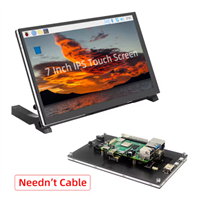
Raspberry Pi 5 7 Inch Touch Screen IPS 1024x600 HD LCD HDMI-compatible Display for RPI 4B 3B+ OPI 5 AIDA64 PC Secondary Screen(Without Speaker)
BUY NOW


- Comments(1)
- Likes(0)
 More by Engineer
-
Émetteur Récepteur Optique Expérimental (communication UART ATtiny + fibre optique)
163 0 1 -
SmallOLED - Live PC Stats, Animated Clocks & Audio Visualizer
1024 0 3 -
"Talking Multimeter": Arduino-Based Speech Add-on for Multimeters with SCPI Protocol
586 0 1 -
Programmable Mist Maker - XIAO / QT PY Extension
3055 2 3 -
RadioHAT - Raspberry Pi radio development platform
2603 0 4 -
-
-