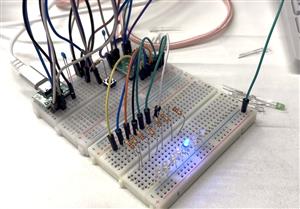
Concept for an Electronics and Programming Starter Kit for Children
A university student in Kyoto, Japan, is leading events focused on developing educational materials for beginners in electronics and hardware programming. The project aims to provide local children and other newcomers with hands-on opportunities to learn the basics of electronic circuits and programming, while also fostering a student mentorship network.
Overview of the Project
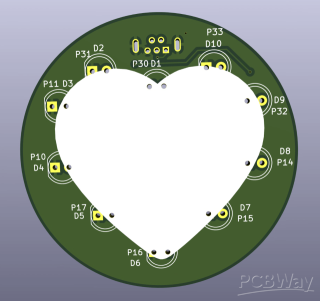
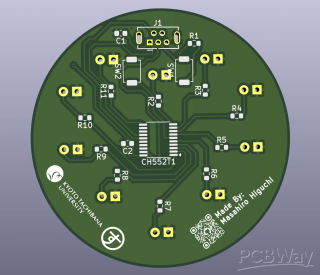
This project, developed by students at Kyoto Tachibana University, focuses on creating educational materials for beginners in electronics and hardware programming. The materials are designed to provide an accessible, hands-on learning experience for local children and other newcomers interested in understanding the basics of electronic circuits and microcontroller programming.
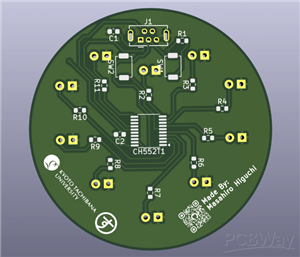
The system uses the CH552T microcontroller, which is extremely low-cost yet offers a wide range of I/O pins. Since it includes built-in clock and USB communication functions, it eliminates the need for complex circuit design, making it very beginner-friendly.

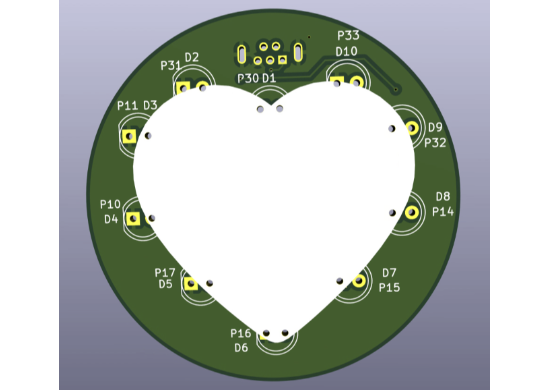
As an experimental educational kit, heart-shaped and star-shaped circuit boards have been developed, each equipped with ten LEDs. Learners can control these LEDs using visual programming tools such as ArduBlock, allowing them to intuitively understand programming concepts while engaging in creative, hands-on activities.
In addition, an original programming library was developed to simplify the coding process and enable easy customization, helping participants explore their own ideas through experimentation.
Features of the Event
During the hands-on workshops, participants assemble electronic components onto a circuit board using soldering techniques under the guidance of university student mentors. The event also includes lectures and practical sessions covering topics such as PCB design and basic programming concepts.
Once assembled, the LED boards can be immediately programmed using visual tools, enabling participants to light up LEDs in various patterns or create simple animations. They are also encouraged to take the device home and continue experimenting, fostering curiosity and creativity beyond the workshop.
Significance of Student Mentorship
A central feature of this project is its student mentorship structure. Experienced students guide beginners throughout the process, fostering an environment of mutual learning. This mentorship not only helps participants gain confidence in electronics but also enables mentors to improve their technical and communication skills. It strengthens collaboration and community growth within the university’s electronics circle.
Conclusion
Through this initiative, students share the joy of electronics and programming while cultivating leadership and teamwork skills. By combining creativity, education, and mentorship, the project contributes to nurturing future innovators and expanding opportunities for hands-on technological learning in the local community.
Concept for an Electronics and Programming Starter Kit for Children
*PCBWay community is a sharing platform. We are not responsible for any design issues and parameter issues (board thickness, surface finish, etc.) you choose.




- Comments(3)
- Likes(0)
More by Masahiro Higuchi
-
-
-
-
Tester for Touch Screen Digitizer without using microcontroller
319 2 2 -
Audio reactive glow LED wristband/bracelet with NFC / RFID-Tags
304 0 1 -
-
-