

|
|
ESP32-WROOM-32Espressif
|
x 1 | |
|
|
CH340GWCH
|
x 1 | |
|
|
MAX3232ESETexas Instruments
|
x 1 | |
|
|
AMS1117-3.3 |
x 1 | |
|
|
NEO-6M GPS ModuleU-blox
|
x 1 | |
|
|
2.4 inch TFT LCD ST7789 320x240 |
x 1 | |
|
|
USB-C Receptacle 16-pin SMD |
x 1 | |
|
|
RJ9 4P4C Modular Jack |
x 1 | |
|
|
Tactile Switch 6x6mm |
x 2 | |
|
|
Blue LED 0805 |
x 1 | |
|
|
470 ohm Resistor 0805 |
x 1 | |
|
|
10k ohm Resistor 0805 |
x 2 | |
|
|
100nF Capacitor 0805 |
x 6 | |
|
|
10uF Capacitor 0805 |
x 2 | |
|
|
12MHz Crystal SMD |
x 1 | |
|
|
M3.5 Screws 8-10mm |
x 4 | |
|
|
MicroSD Card 8GB+ |
x 1 | |
|
|
RJ9 4P4C Cable |
x 1 |

|
PlatformIOPlatformIO Labs
|
|

|
VS Code |
|
|
Fusion 360Autodesk
|
|

|
Python 3.9Python Community
|
|

|
KiKadKiKad
|
AstroLink: Turning a Telescope Mount into an Autonomous Astronomy Robot
General Theory
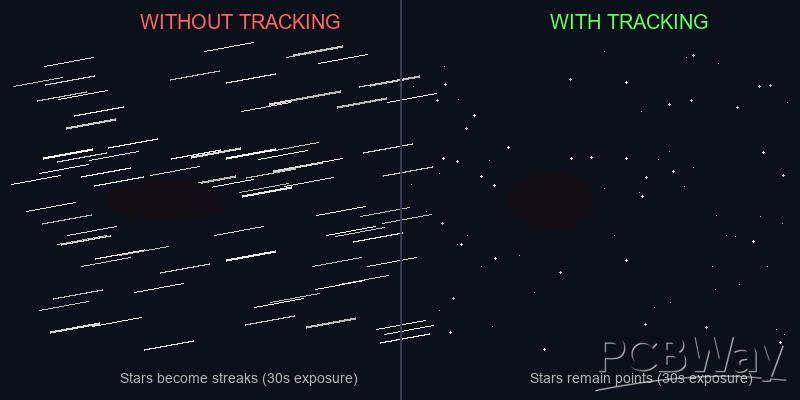
Most people are surprised when they first take a photograph of the night sky. The stars look perfectly still when we watch them with our eyes, yet a camera exposure of only a few seconds starts showing trails instead of sharp stars. The reason is simple: The Earth is rotating.
Our planet completes one full rotation every 23 hours and 56 minutes, causing the entire sky to appear to move from east to west. Astronomers call this the sidereal motion of the sky. To compensate for this movement, astronomers use devices known as equatorial mounts. These mounts slowly rotate a telescope in the opposite direction of Earth's rotation, keeping celestial objects perfectly centered in the field of view.
Without tracking: Stars become streaks, planets drift out of view, and deep-sky imaging becomes impossible. With proper tracking, however, it becomes possible to capture galaxies, nebulae, and star clusters millions of light-years away.
The Evolution of Telescope Mounts
In the early days of astronomy, tracking was entirely manual - astronomers rotated knobs by hand to keep objects centered. Later, motorized mounts appeared and greatly improved the experience. Today, modern mounts can automatically point toward thousands of celestial objects using a feature known as GoTo. You simply select a target and the mount slews there automatically.
Sounds perfect, right? Not quite.
Most affordable amateur telescope mounts still require several manual steps before they can be used: entering the date, entering the time, entering the observing location, configuring timezone, connecting cables to a computer, and running vendor-specific software. Every observing session begins with repeating the same setup process. That's where AstroLink comes in.
The Problem
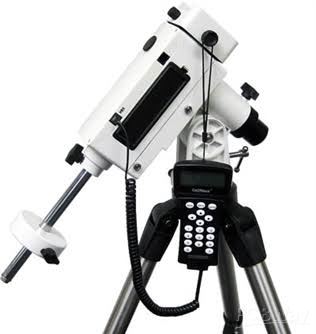
I own an iOptron SmartEQ mount. Mechanically it is a fantastic piece of equipment. However, modern connectivity is surprisingly limited.
The mount requires:
- Manual site configuration
- Manual time synchronization
- Wired serial communication
- Proprietary communication protocols
Although astronomy software such as Stellarium, SkySafari, KStars, INDI, and ASCOM have become extremely sophisticated, many of them cannot directly communicate with older telescope controllers. This creates a strange situation where your smartphone is more powerful than the telescope controller, yet the telescope cannot properly talk to it.
I wanted to solve this problem - not by replacing the mount, but by creating a small intelligent adapter that sits between the telescope and the user.
Introducing AstroLink
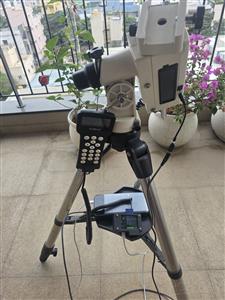
AstroLink is a compact ESP32-based controller that transforms an ordinary equatorial mount into a wireless astronomy platform. Think of it as a universal translator, GPS receiver, sky atlas, and status display packed into a single device.
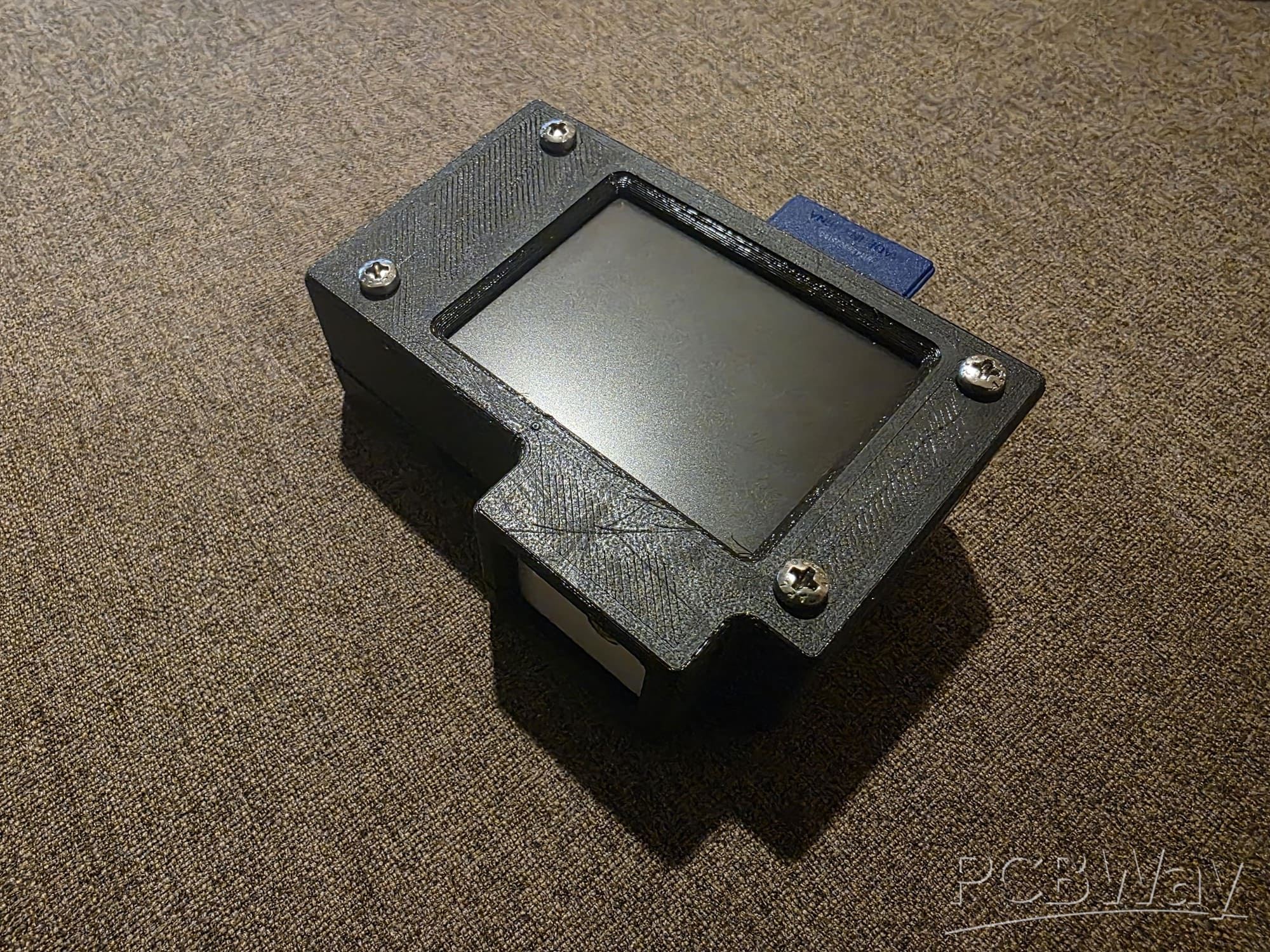
Once connected, AstroLink automatically:
- Retrieves GPS position and accurate time from satellites
- Updates the telescope mount with location and time
- Provides secure Bluetooth connectivity
- Translates protocols for astronomy software
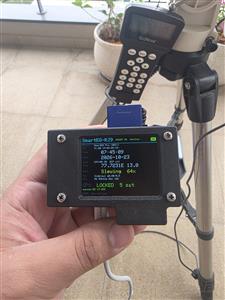
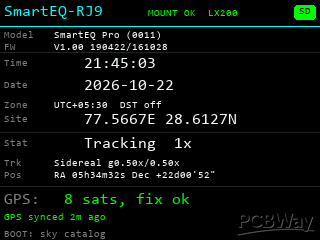
- Displays mount information in real time
- Maintains a sky catalog directly on the device
Instead of configuring your telescope every night, AstroLink performs the setup automatically.
GPS: Why Time and Location Matter
Many beginners assume that telescope mounts only need to know where a star is located. In reality, they must solve a much more complex problem. A telescope mount must determine: where the object is, where you are on Earth, and what the current time is. Even a small error in location or time can result in a GoTo pointing several degrees away from the target.
That is why AstroLink includes a GPS receiver. Once the GPS obtains a satellite lock, AstroLink automatically sends latitude, longitude, date, time, and timezone information directly to the mount.
No keypad entry required. No mistakes. No forgotten daylight savings settings. Just power on and observe.
Speaking Every Telescope Language
One of the most interesting challenges in astronomy is that every manufacturer seems to invent its own communication protocol. Imagine if every smartphone brand required its own version of Wi-Fi - that is essentially the situation in telescope control.
- An iOptron mount speaks one language
- A Meade telescope speaks another
- A Celestron mount speaks yet another
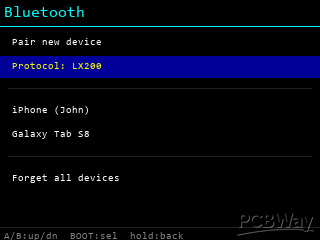
AstroLink acts as a real-time interpreter. It can translate between Native iOptron commands, Meade LX200 protocol, and Celestron NexStar protocol. This allows popular astronomy applications to communicate with the mount as if they were talking directly to their preferred telescope. From the user's perspective, everything simply works.
Bluetooth Astronomy
Astronomers love dark skies. Unfortunately, dark skies are often cold, uncomfortable, and far away from desks and computers. Running long serial cables across an observing field is inconvenient and sometimes dangerous.
AstroLink solves this by adding secure Bluetooth connectivity. A phone, tablet, or laptop can connect wirelessly and control the telescope directly.
Building an On-Device Sky Atlas
One feature I always wished telescope mounts had was context. The hand controller can point to an object, but it rarely tells you why the object is interesting.
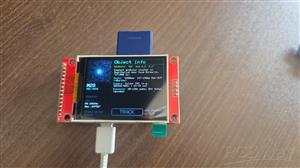
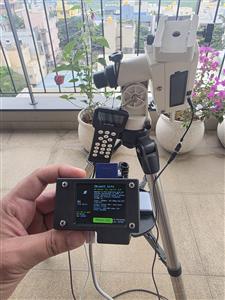
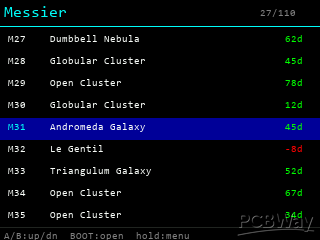
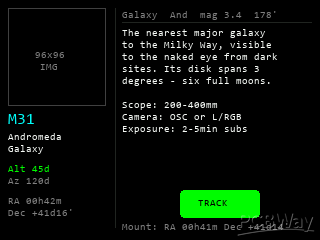
AstroLink stores a catalog on an SD card containing: Messier objects, bright stars, planets, and the Moon - along with images, magnitudes, descriptions, and recommended imaging information.
For example, when selecting M31 (The Andromeda Galaxy), AstroLink can show what the object looks like and provide details before sending the telescope there. The telescope controller becomes a mini astronomy guidebook.
Hardware Design
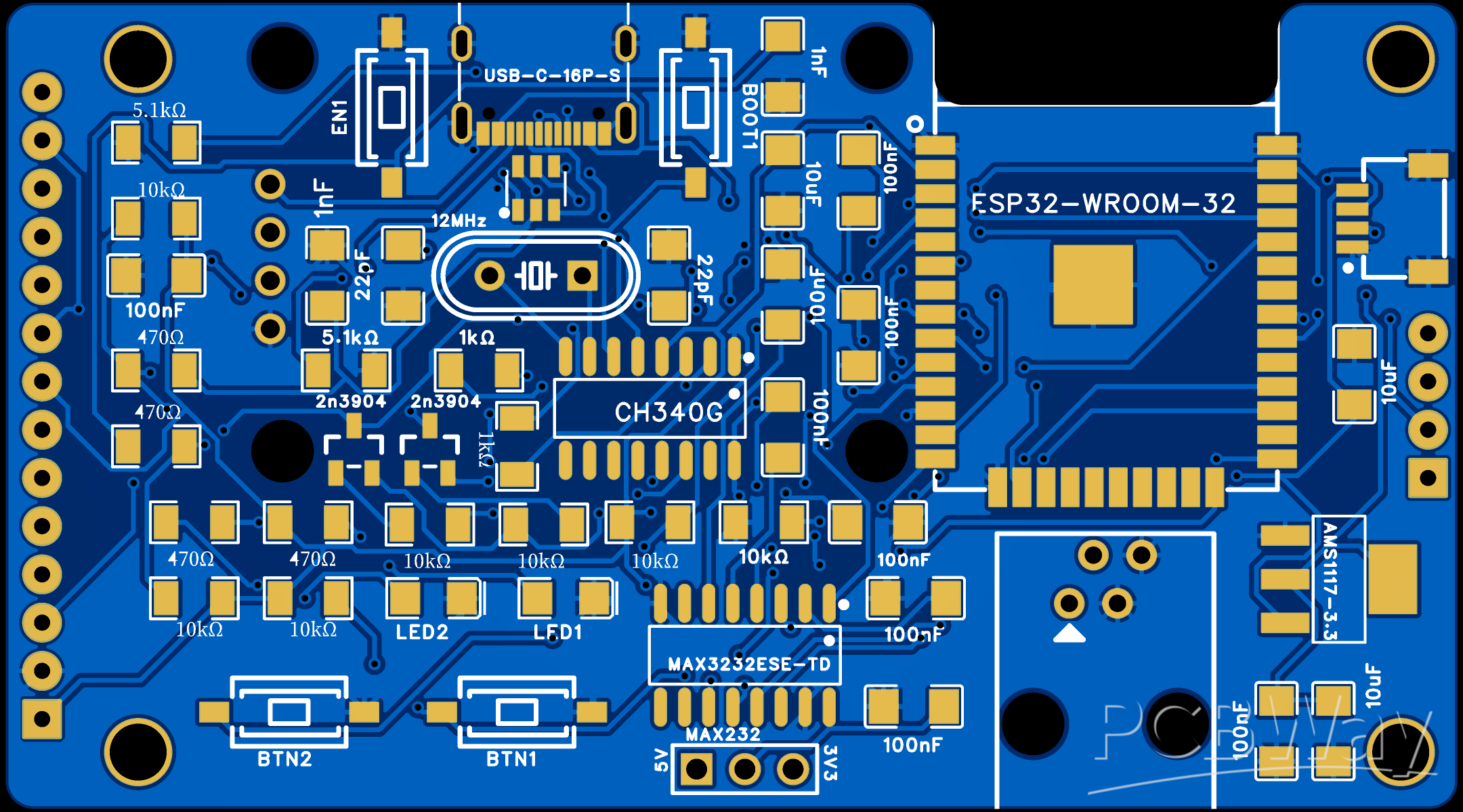
After defining all the required features, the hardware architecture became surprisingly straightforward. The system consists of:
- ESP32 - The brain of the project, responsible for Bluetooth communication, protocol translation, display updates, and astronomical calculations
- GPS Receiver (NEO-6M) - Provides precise time and location
- TFT Display (ST7789) - Presents mount status and the object catalog
- SD Card - Stores images and astronomical databases
- MAX3232 Level Translator - Allows communication with the mount's RS-232 interface
Together these parts form a complete astronomy companion capable of operating independently without a PC.
PCB Top Layer
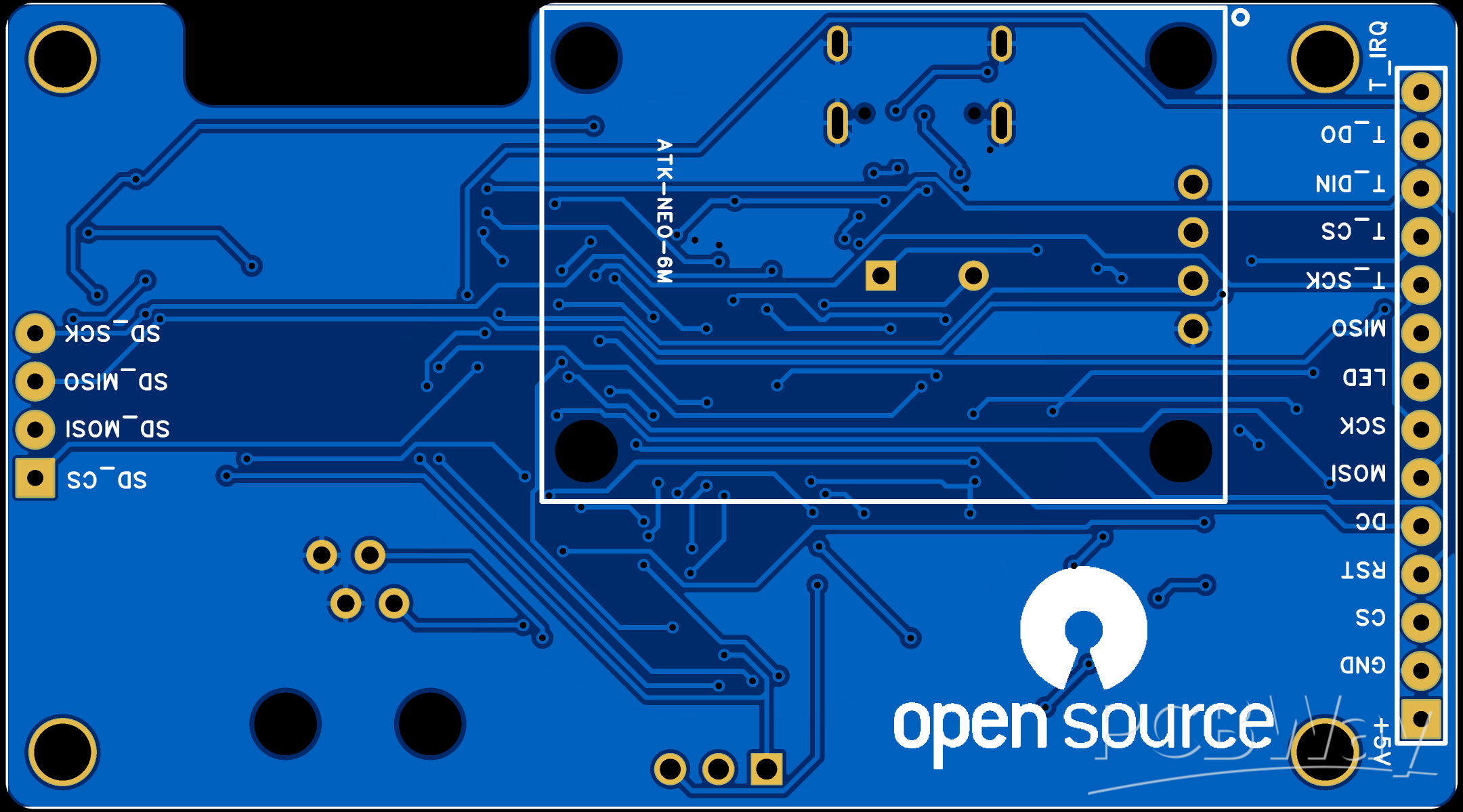
PCB Bottom layer
Firmware Challenges
The hardware was only half the project. The real challenge was the firmware. Several interesting problems had to be solved:
Coordinate Precession: Stars slowly change coordinates over time because Earth's rotational axis wobbles. Astronomers call this phenomenon precession. Objects stored using year-2000 coordinates cannot simply be sent to a modern telescope mount - their positions must first be converted to the current epoch. AstroLink performs this conversion automatically using IAU 1976 precession algorithms.
Planet Positions: Unlike stars, planets move continuously. AstroLink computes the positions of all major planets directly on the ESP32 using JPL orbital elements and Meeus algorithms for the Moon.
Solar Safety: Pointing a telescope at the Sun can permanently damage equipment and eyesight. AstroLink calculates the Sun's position and blocks commands that attempt to slew dangerously close to it.
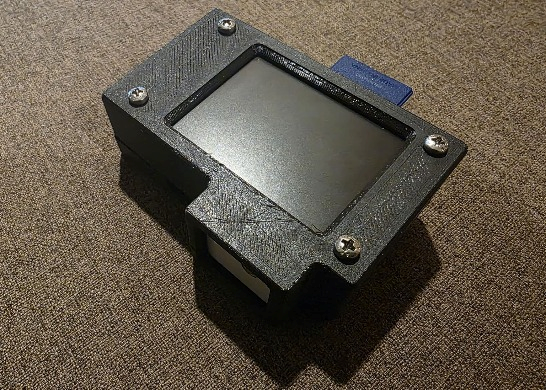
3D Enclosure
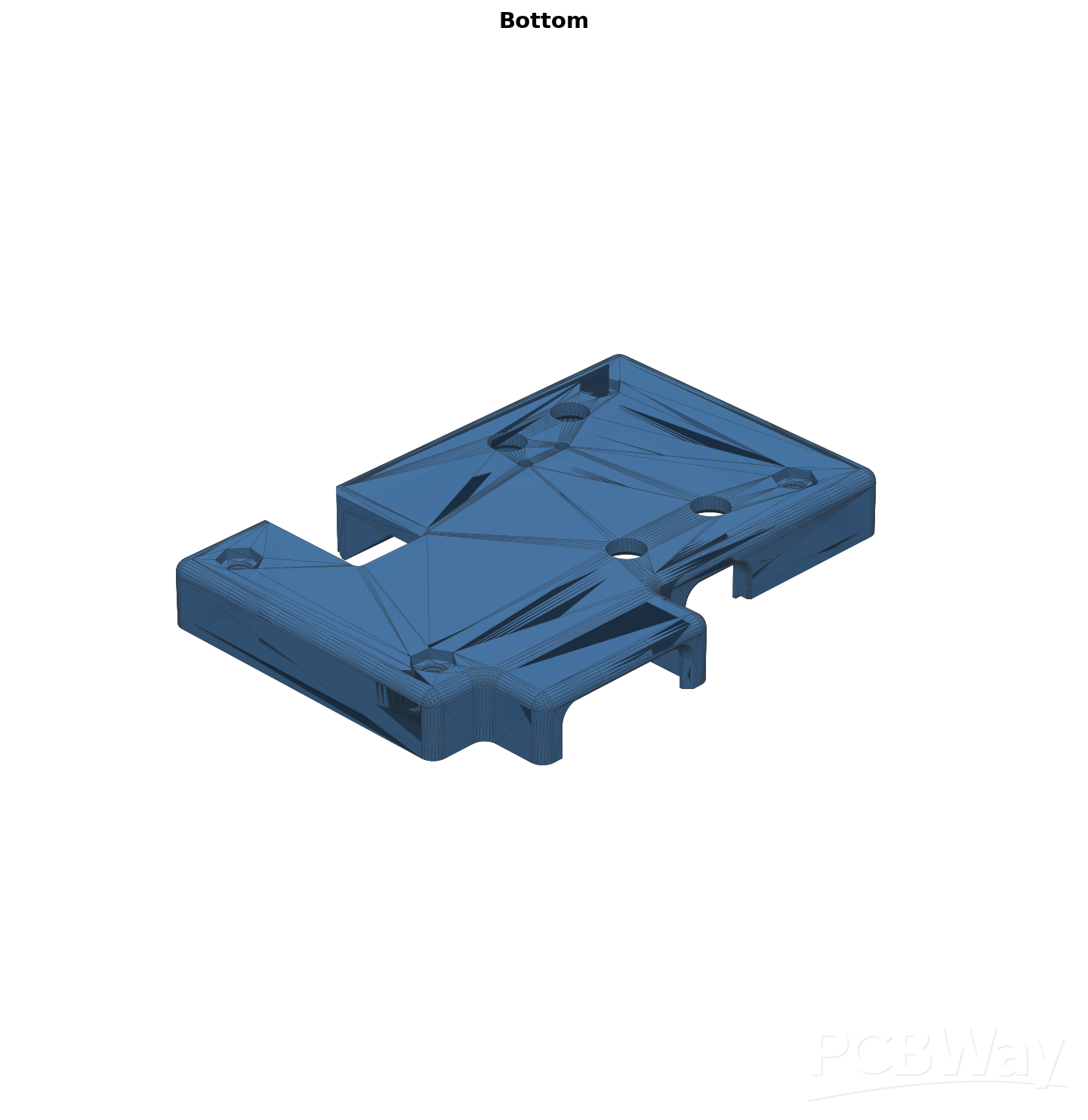
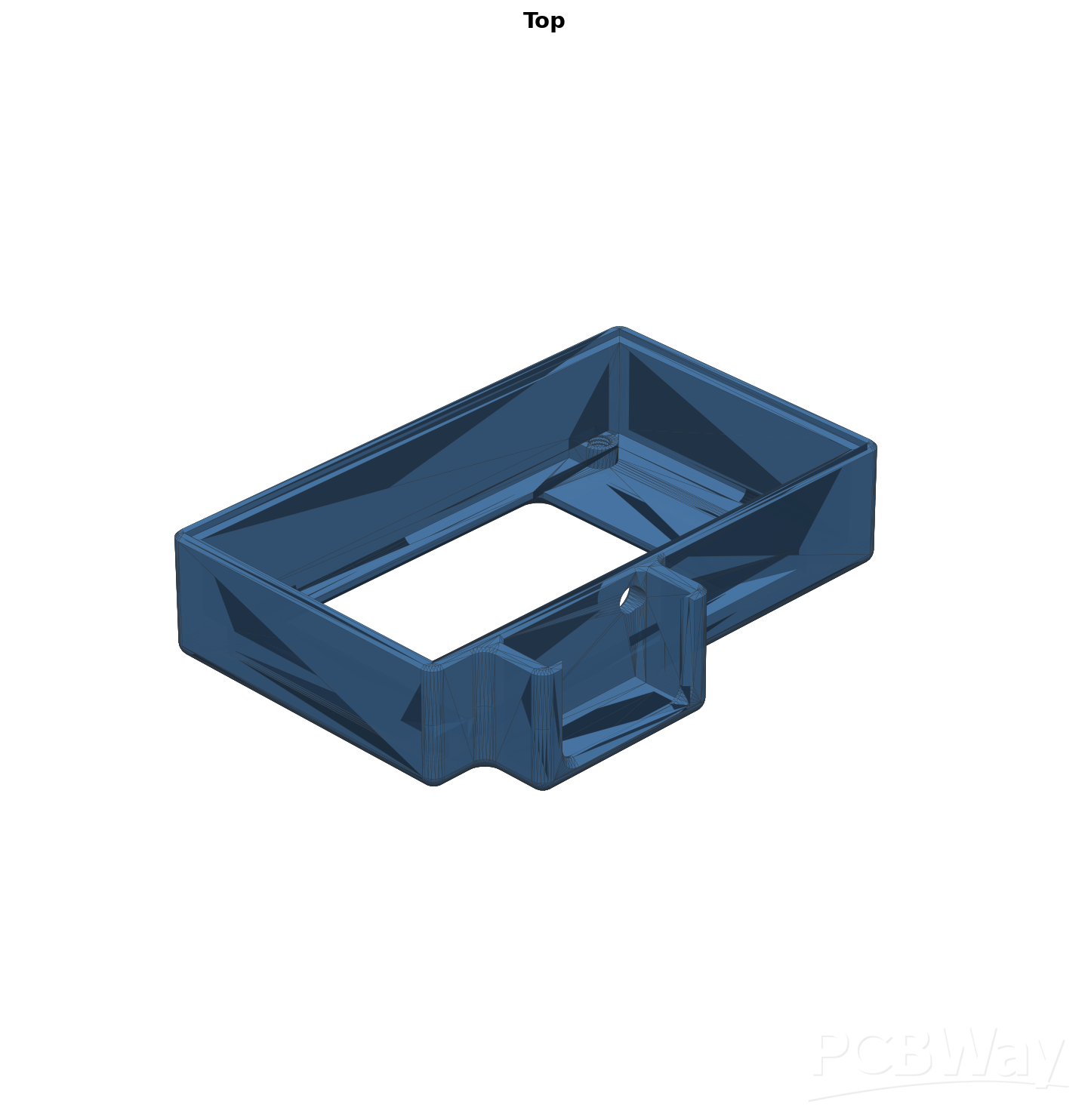
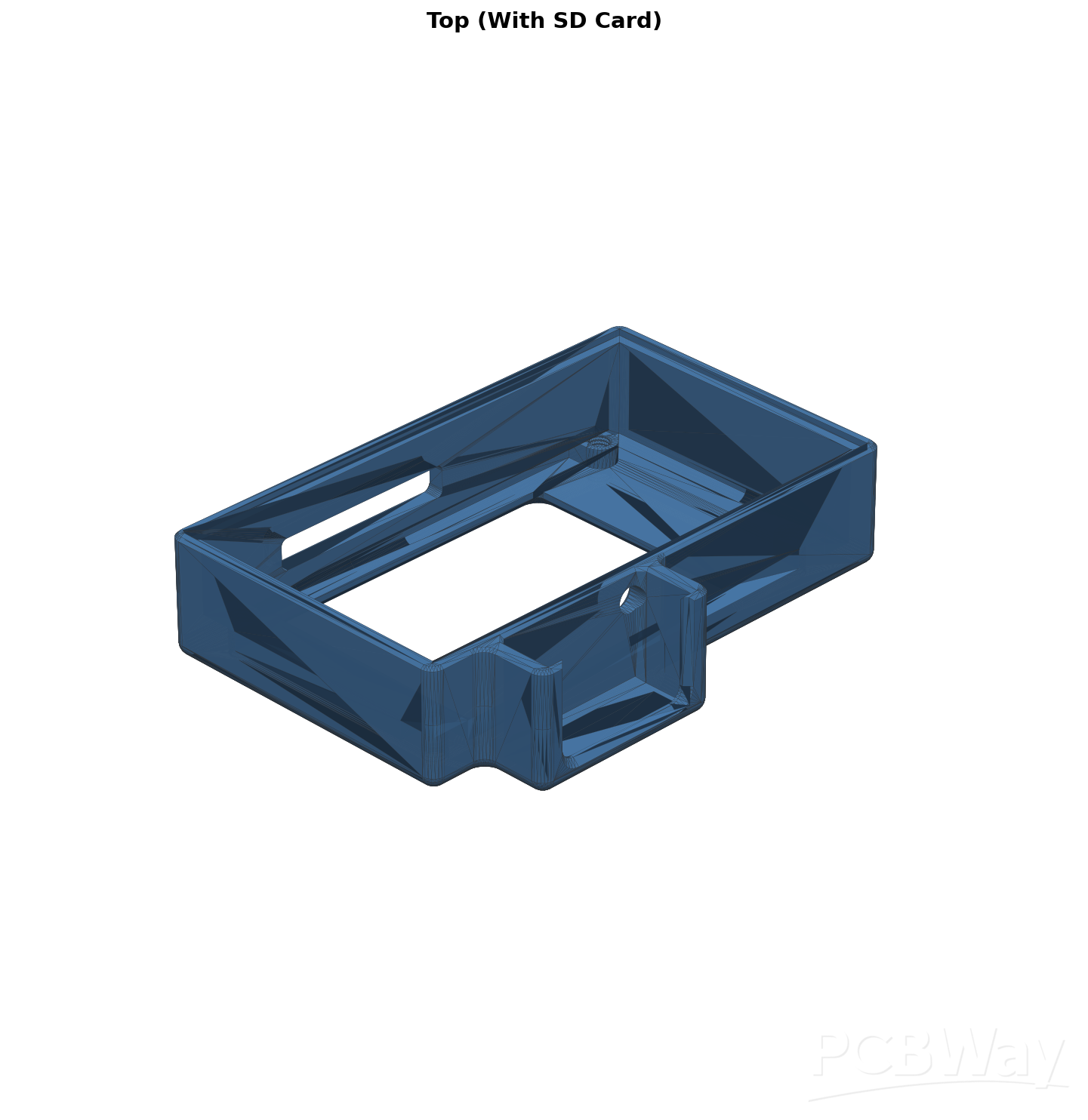
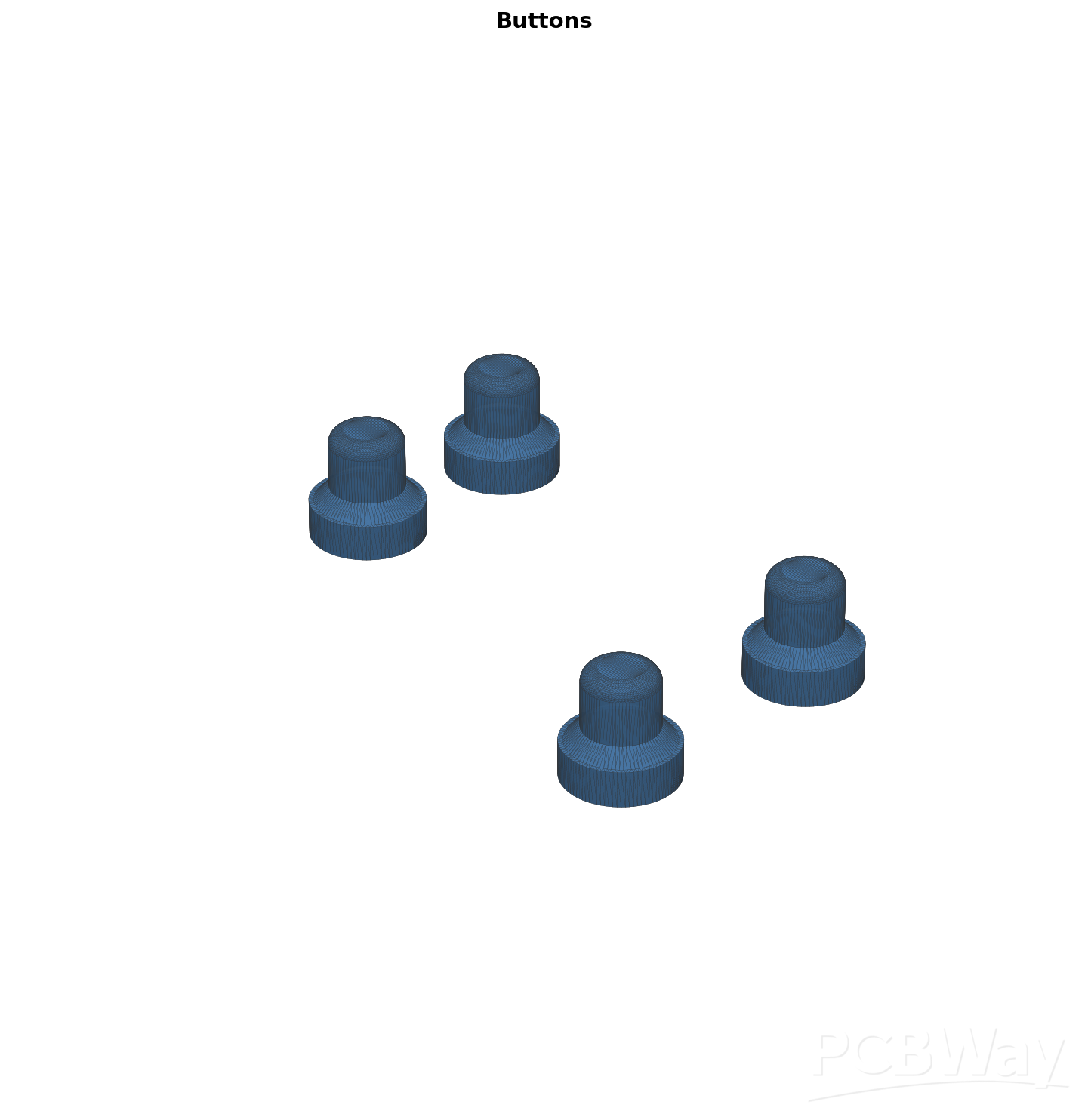
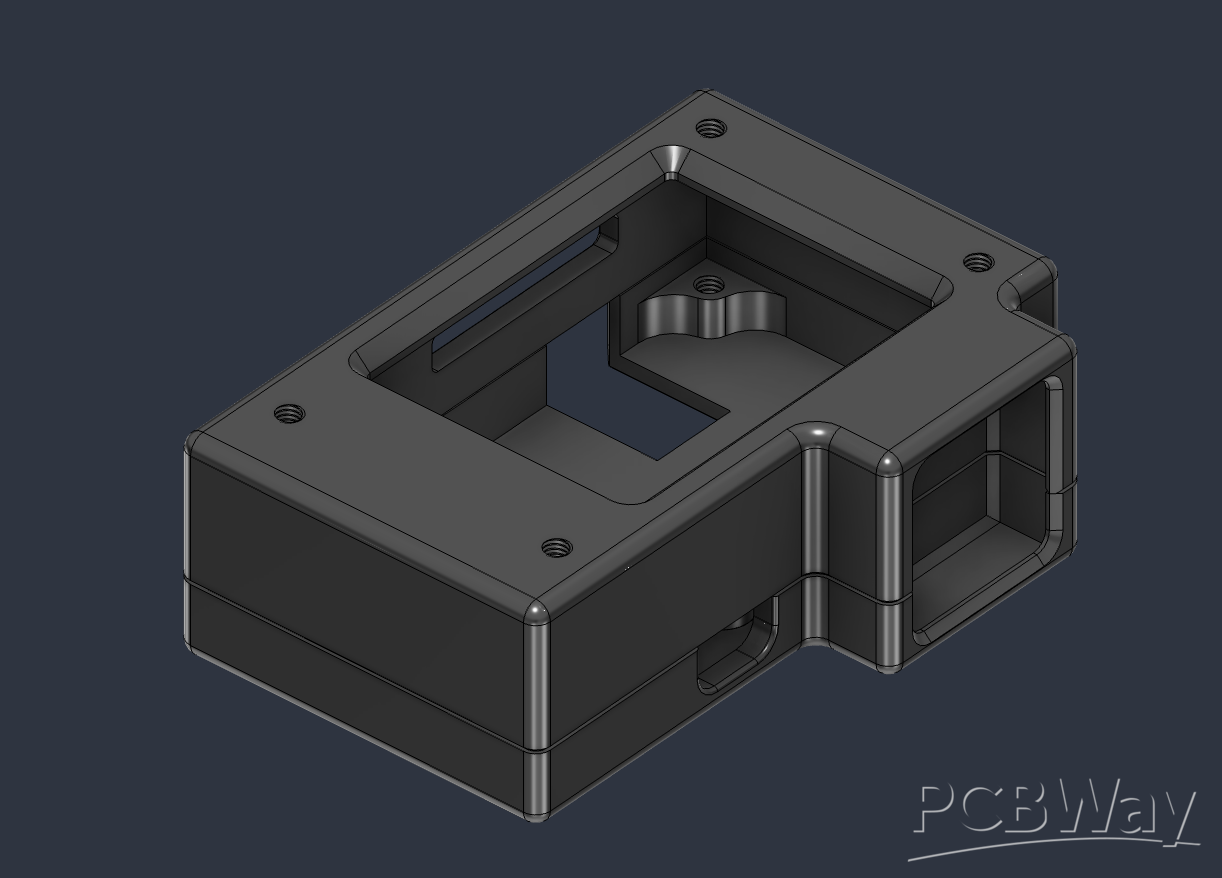
To make the project practical, a custom enclosure was designed in Fusion 360. The enclosure provides: display window, button access, RJ9 connector opening, USB-C opening, SD card access, and secure mounting.
The design can be printed on almost any hobby-grade 3D printer using PLA or PETG. Four STL files are provided: Bottom shell, Top lid (standard), Top lid (with SD card slot), and Button caps.
Real World Testing
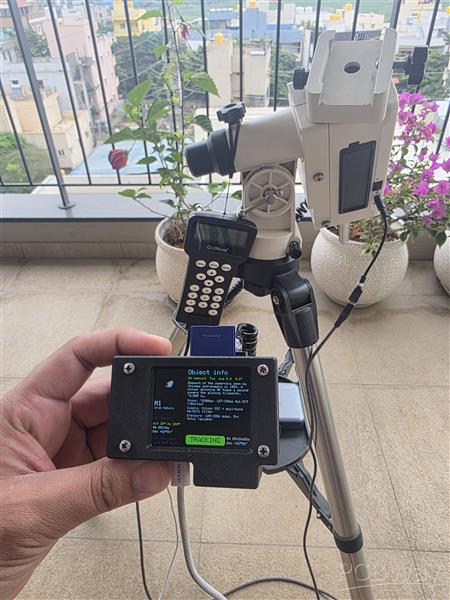
A project like this only becomes useful once tested under actual night skies. AstroLink was validated on a real iOptron SmartEQ Pro mount.
The system was tested with: Stellarium, SkySafari, INDI, ASCOM, and iOptron Commander. GPS synchronization, GoTo operation, protocol translation, and wireless control were verified during real observing sessions.
The result was exactly what I originally wanted:
- Turn on the mount
- Wait for GPS lock
- Open Stellarium
- Start observing
Conclusion
Modern smartphones, tablets, and laptops are incredibly powerful. Yet many telescope mounts still operate like devices from two decades ago. AstroLink bridges that gap.
By combining GPS synchronization, Bluetooth connectivity, protocol translation, onboard astronomy databases, and real-time mount monitoring, AstroLink transforms an ordinary equatorial mount into a smart autonomous astronomy platform.
For astrophotographers, this means spending less time configuring equipment and more time capturing the universe. After all, the goal of astronomy is not to fight menus and cables. It's to explore the night sky.
Links
GitHub Repository: https://github.com/aviralverma-8877/esp32-ioptron_smart_eq_controller
Web Flasher: https://aviralverma-8877.github.io/esp32-ioptron_smart_eq_controller/
This project is not affiliated with iOptron. All product names are trademarks of their respective owners.
AstroLink: Turning a Telescope Mount into an Autonomous Astronomy Robot
Project images are for reference only. Actual production is based on the manufacturing files on the project page.
Please review the designer's notes (e.g., PCB thickness) and select the appropriate options.
PCBWay is not responsible
for issues caused by unsuitable parameter selections.
For more important ordering information, please refer to
Read More


Raspberry Pi 5 7 Inch Touch Screen IPS 1024x600 HD LCD HDMI-compatible Display for RPI 4B 3B+ OPI 5 AIDA64 PC Secondary Screen(Without Speaker)
BUY NOW


- Comments(0)
- Likes(0)
More by Aviral Verma
-
 Helical Antenna for GOES/GK-2A weather satellite reception.
General Theory:Usually when someone thinks about satellite communication first thing that comes to m...
-
 Raspberry Pi Pico Gamepad
Raspberry Pi Pico-based programmable gamepad.Steps to create:1. PCB Designing a. Download the source...
-
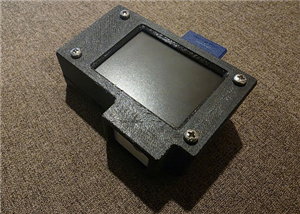 AstroLink: Turning a Telescope Mount into an Autonomous Astronomy Robot
General TheoryMost people are surprised when they first take a photograph of the night sky. The star...
-
 Project Voyager
This board combines an ESP32 microcontroller with an RA-01 LoRa module. It serves as an alternative ...
-
 Nokia 5110 hat for Raspberry Pi
The Raspberry Pi Clock Hat is a versatile accessory that transforms your Raspberry Pi into a powerfu...
-
 Raspberry Pi Pico Radio
Pico radio is a simple raspberry pi pico based FM receiver that uses rda5807m to tune to FM channels...
-
 IoT Connect
 is an open-source IoT platform built on top of esp8266, which allow users to connect an...
-
Émetteur Récepteur Optique Expérimental (communication UART ATtiny + fibre optique)
126 0 1 -
SmallOLED - Live PC Stats, Animated Clocks & Audio Visualizer
961 0 3 -
"Talking Multimeter": Arduino-Based Speech Add-on for Multimeters with SCPI Protocol
552 0 1 -
Programmable Mist Maker - XIAO / QT PY Extension
3021 2 3 -
RadioHAT - Raspberry Pi radio development platform
2573 0 4 -
-
-