|
|
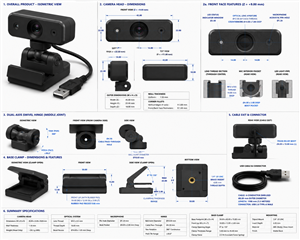
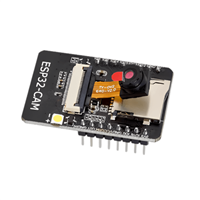
CAMERA-OV2640 |
x 1 |

|
CAD Software |
|

|
NI MultisimNI
|
|

|
Visual StudioMicrosoft
|
Project TCALL
What is Project TCALL?
Project TCALL is a compact, dongle-based intercommunication device and unified hardware system architecture. It turns standard display panels (monitors, TVs, or interactive screens) into low-latency, peer-to-peer (P2P) audio and video communication nodes.
Instead of routing video calls through heavy software applications or centralized cloud servers, TCALL operates at the hardware level. Plugged directly into a display’s HDMI/USB-C interface, it enables real-time, low-delay video, voice, and data exchange between endpoints across local or wide-area networks.
why did you decide to make it?.
I decide to create project TCALL because i see the need to fill the not existing gap in offline video/audio intercommunication in homes, offices and hospitals over a display, such as television sets.
How Does It Work?
The system operates across three interconnected layers: Hardware Interfacing, Signal Processing, and P2P Transport Protocol.
1. Hardware Interface & Direct Display Passthrough
Display Interface: Connects directly via HDMI or USB-C (DisplayPort Alt Mode with Power Delivery), streaming high-definition video output straight to the screen.
Unified Bus: Handles video output, power ingestion, and peripheral data (such as touch overlay signals or external microphone/camera feeds) through a compact connector configuration.
2. Onboard Video/Audio Encoding & Signal Pipeline
Hardware CODEC: Features an onboard low-power processor (or dedicated SoC/FPGA) running hardware-accelerated H.264/H.265/AV1 video encoding and AAC/Opus audio compression.
Frame Buffering & Latency Minimization: Processes incoming video/audio frames directly on the board to bypass operating system overhead, keeping end-to-end latency to a minimum.
3. Peer-to-Peer (P2P) Network Engine
Direct Handshake: When two or more TCALL dongles connect over a network, they execute a lightweight P2P signaling session to establish a direct socket stream.
Stream Synchronization: Video and audio packets are synchronized locally and rendered onto the target display without requiring third-party cloud streaming servers.
4. Compact Thermal & Power Architecture
Power Management (PMIC): Draws power from standard USB ports or display interfaces, using low-noise synchronous buck regulators for clean power delivery to high-speed ICs.
Thermal Design: Encased in a custom, low-profile parametric housing engineered with thermal relief fins to dissipate heat efficiently in tight spaces behind display panels.
Project TCALL
Project images are for reference only. Actual production is based on the manufacturing files on the project page.
Please review the designer's notes (e.g., PCB thickness) and select the appropriate options.
PCBWay is not responsible
for issues caused by unsuitable parameter selections.
For more important ordering information, please refer to
Read More


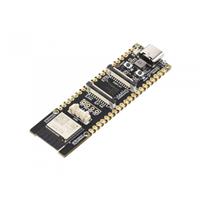
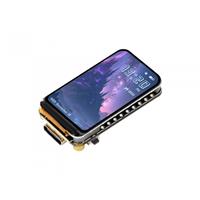
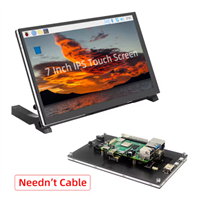
Raspberry Pi 5 7 Inch Touch Screen IPS 1024x600 HD LCD HDMI-compatible Display for RPI 4B 3B+ OPI 5 AIDA64 PC Secondary Screen(Without Speaker)
BUY NOW


- Comments(0)
- Likes(0)
 More by Engineer
-
Programmable Mist Maker - XIAO / QT PY Extension
2100 2 2 -
RadioHAT - Raspberry Pi radio development platform
1787 0 4 -
-
-
-
ARPS-2 – Arduino-Compatible Robot Project Shield for Arduino UNO
4007 0 6 -
A Compact Charging Breakout Board For Waveshare ESP32-C3
4740 3 8 -
AI-driven LoRa & LLM-enabled Kiosk & Food Delivery System
5555 2 2 -