

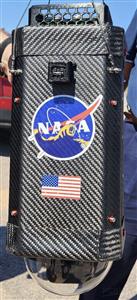
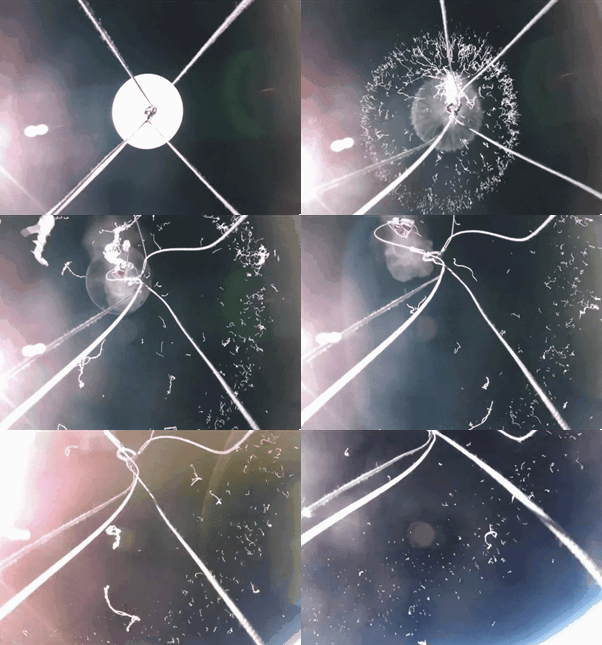
Phoenix College NASA Ascend
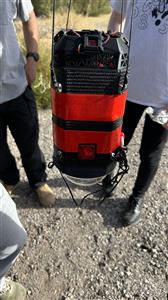
My name is Preston and I am a student at Phoenix College working on the NASA ASCEND program. NASA ASCEND is a student program where college teams design and launch high altitude research balloons to study the atmosphere and test new instrumentation. Our team designs the payload systems that collect environmental data during flight and transmit telemetry back to ground stations for analysis.
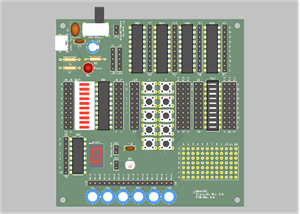
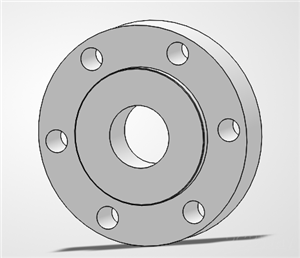
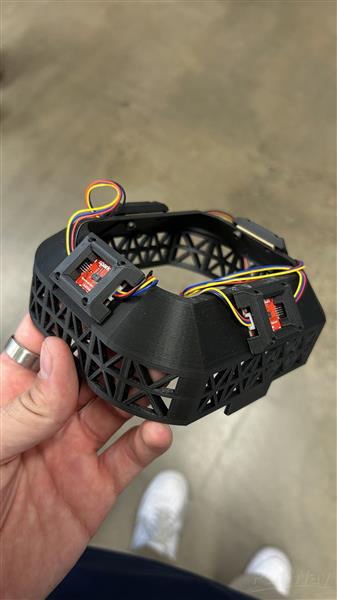
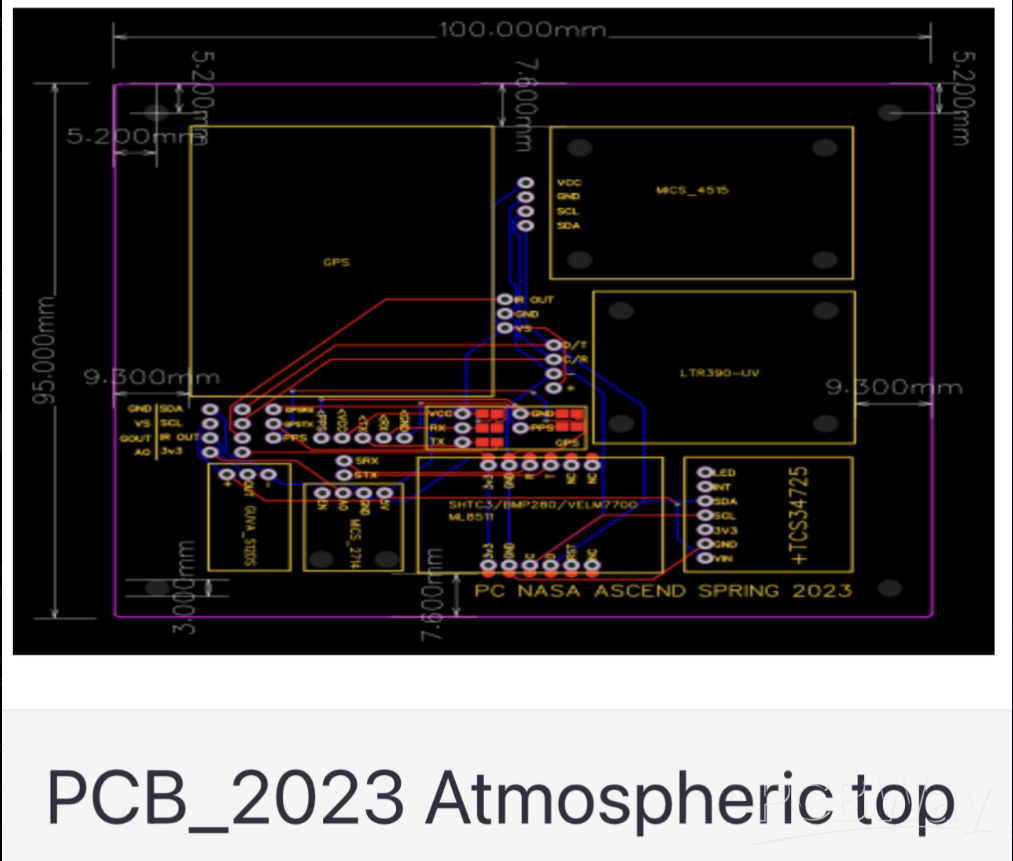
Our current project focuses on building a compact atmospheric science platform that integrates multiple sensors and communication systems into a single modular payload. I designed and developed the hardware and data systems used in the platform. This includes mechanical design in Fusion 360 and SolidWorks, custom printed circuit boards developed in KiCad, and embedded system development using Arduino and Raspberry Pi hardware. The payload collects synchronized telemetry and environmental data using software written in Python and embedded C and C plus plus.
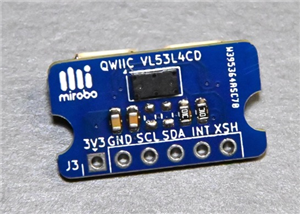
The system measures GPS position, atmospheric pressure, ultraviolet radiation, carbon dioxide concentration, particulate levels, inertial motion, and radiation exposure during high altitude balloon flights. Data is captured through a synchronized sensor pipeline and transmitted to the ground for monitoring during the mission. After recovery of the payload, the full dataset is processed and analyzed to better understand atmospheric conditions and system performance.
This project was created to help students gain real engineering experience in systems design, electronics development, flight instrumentation, and data science. Our work contributes to structured datasets that support NASA Space Grant program reporting and student research presentations. The system is designed using modular engineering principles so that sensors and subsystems can be improved and reused for future missions.
I also developed and maintain the official project website at pcnasaascend.com where we publish technical documentation, mission updates, and archived flight data. The project has been presented at academic research symposiums and continues to expand as new instrumentation is developed.Thank you for supporting student engineering and innovation.
**CUSTOM PARTS AND CODE ARE CONFIDENTIAL**
https://blueprint.am/s/x9CARE3s-6_5WCqMe5TuI6anK4qQULvHXcP0AL4k-o4
Phoenix College NASA Ascend


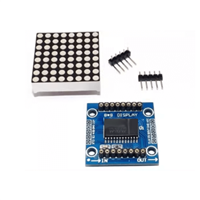
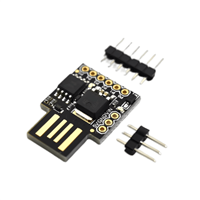
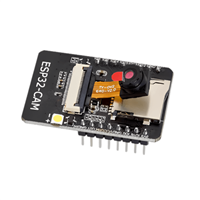
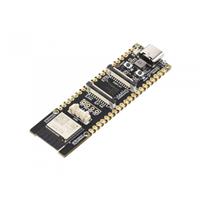
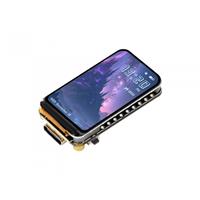
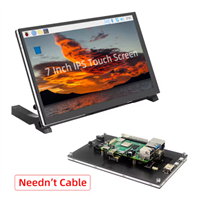
Raspberry Pi 5 7 Inch Touch Screen IPS 1024x600 HD LCD HDMI-compatible Display for RPI 4B 3B+ OPI 5 AIDA64 PC Secondary Screen(Without Speaker)
BUY NOW

- Comments(3)
- Likes(1)
- 1 USER VOTES
- YOUR VOTE 0.00 0.00
-
10design
-
10usability
-
10creativity
-
10content
More by Preston F
-
Émetteur Récepteur Optique Expérimental (communication UART ATtiny + fibre optique)
150 0 1 -
SmallOLED - Live PC Stats, Animated Clocks & Audio Visualizer
1000 0 3 -
"Talking Multimeter": Arduino-Based Speech Add-on for Multimeters with SCPI Protocol
574 0 1 -
Programmable Mist Maker - XIAO / QT PY Extension
3044 2 3 -
RadioHAT - Raspberry Pi radio development platform
2590 0 4 -
-
-