



|
STM32CubeIDESTMicroelectronics
|
|

|
STMicroelectronics STM32CubeMX |
|

|
KiCad 9.0 |
Open Modbus OM-16LED
A compact industrial-grade 16-channel Modbus RTU LED driver module featuring high-current MOSFET outputs, per-bank terminal grouping, wide load voltage range, DIN-rail support, and full configuration via Modbus holding registers. Designed for lighting automation, distributed I/O, and custom control applications.
1. Product Overview
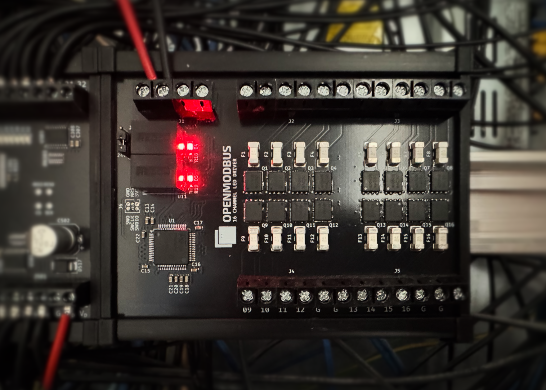
The Open Modbus OM-16LED is a 16-channel low-side LED driver module intended for industrial automation, lighting control, and distributed I/O networks using Modbus RTU over RS-485. It switches DC LED loads such as LED strips, architectural lighting, and indicator arrays up to 60 VDC at up to 8 A per channel.
The module combines an STM32G474 microcontroller, eight 2EDN7534B dual-channel low-side gate drivers, and sixteen NTMFS4D0N08XT1G N-channel power MOSFETs. This architecture enables reliable, high-current, and scalable LED output control with built-in protection and per-channel MOSFET switching.
📦 Hardware Files
The full schematic and BOM are available at:
Schematic → https://github.com/OpenModbus/OM-16LED/blob/main/assets/schematics.pdf
BOM → https://github.com/OpenModbus/OM-16LED/blob/main/assets/bom.csv
Check the latest release for more!
2. Key Features
- 16 low-side MOSFET output channels
- Up to 8 A per channel, 60 VDC maximum load voltage
- 12 VDC direct input or 15–27 VDC via onboard converter (jumper selectable)
- RS-485 Modbus RTU communication (THVD1450 transceiver)
- Fully configurable serial parameters
- DEGSON 2EDGVC pluggable screw terminals or KEFA screw terminals
- DIN-rail mount using UM72S profile
- Compact PCB (100 × 72 mm)
3. Applications
Ideal for:
- LED strip lighting control
- Architectural and mood lighting
- Building automation
- PLC expansion
- Industrial signaling and indicators
- Stage and display lighting
- Custom distributed lighting networks
4. Hardware Architecture
Microcontroller
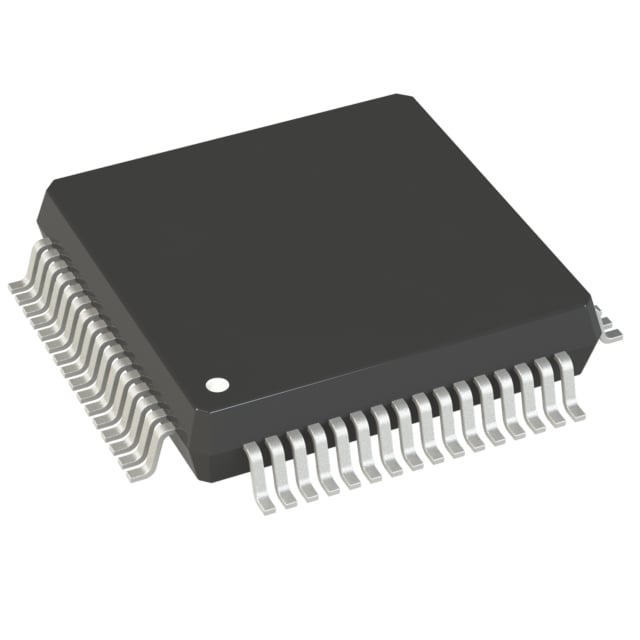
The STM32G474RETx MCU handles Modbus RTU processing, configuration storage, and output control logic. It is an ARM Cortex-M4 running at up to 170 MHz with 512 KB flash and 128 KB RAM, providing ample headroom for advanced output control features.
Gate Drivers
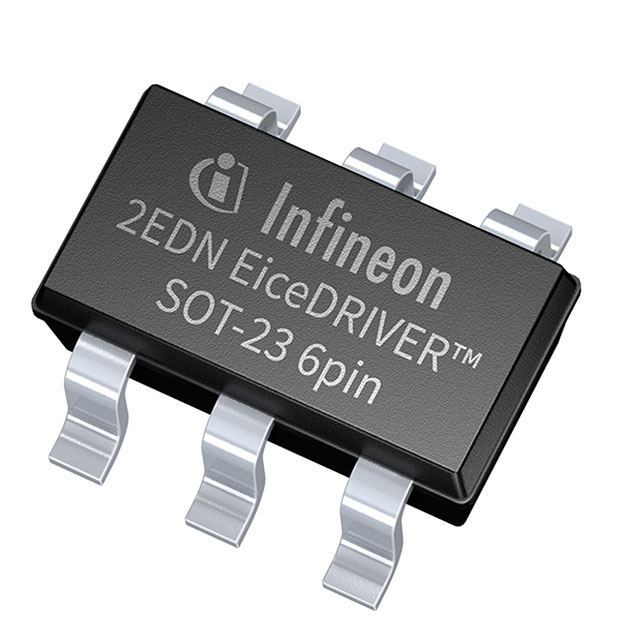
Eight 2EDN7534B (Infineon) dual-channel low-side gate drivers control the power MOSFETs. Their key characteristics include:
- 2 channels per IC (8 ICs → 16 channels total)
- 5 A peak gate drive current
- Precise timing and low output resistance
- Designed for reliable switching of high-current loads
Output MOSFETs
Sixteen NTMFS4D0N08XT1G (onsemi) N-channel MOSFETs perform the actual load switching. Their key characteristics include:
- 80 V drain-source breakdown voltage
- High continuous drain current
- SO8FL package
RS-485 Communication
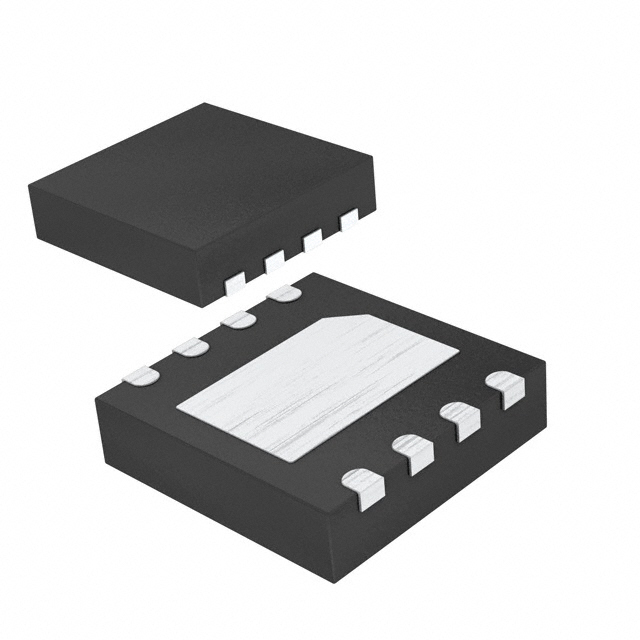
A THVD1450 (Texas Instruments) transceiver provides differential RS-485 communication with:
- ±18 kV IEC ESD protection
- Fail-safe features
- Suitable for long cable runs
Power
The board supports two input modes selected by an onboard jumper:
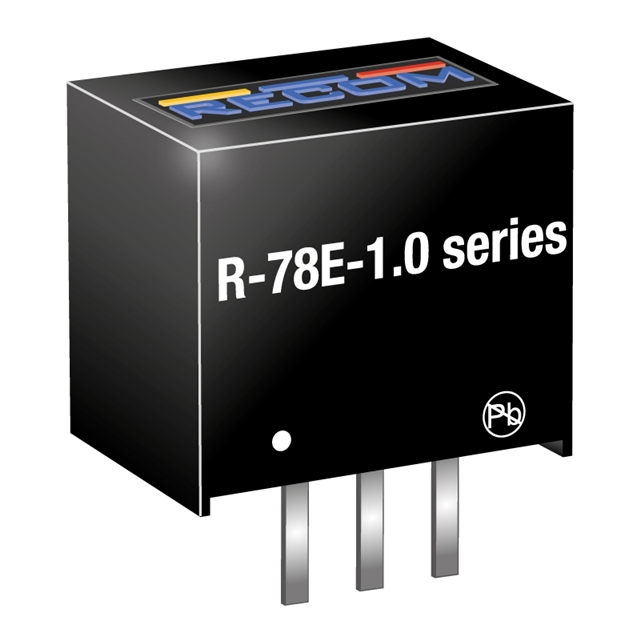
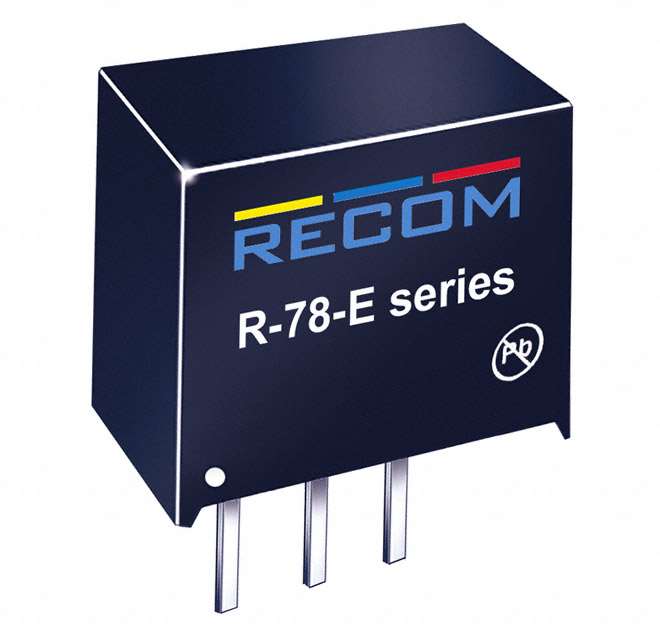
- 15–27 VDC input — passes through the R-78E12-1.0 step-down regulator (RECOM), which generates the 12 V gate driver supply
- 12 VDC direct input — bypasses the 12 V converter; 12 V is fed directly to the gate drivers
In both modes the R-78E3.3-0.5 step-down regulator (RECOM) generates 3.3 V for the MCU and logic from the main input rail.
5. Electrical Specifications
Supply
12 VDC direct input (jumper: bypass mode) or 15–27 VDC input (jumper: converter mode)
Internal regulated 12 V gate drive supply (converter mode only)
Internal regulated 3.3 V logic supply
Outputs
16 low-side MOSFET channels
Up to 60 VDC load voltage
80 VDC absolute maximum
8 A max per channel
Channels grouped into 4 banks of 4
Communication
RS-485, 2-wire
Modbus RTU protocol
Default settings: 9600 baud, 8N1, address 1
All communication parameters can be reconfigured via holding registers
6. Mechanical Information
PCB: 100 × 72 mm
DIN-rail enclosure compatibility: UM72S profile
DEGSON 2EDGVC pluggable screw terminals or KEFA screw terminals
Mounting suitable for industrial control cabinets
7. Functional Overview
Each output channel is controlled by a per-channel duty cycle value stored in a holding register. The MCU generates a PWM signal accordingly, driving the gate driver and MOSFET to regulate LED brightness. A duty cycle of 0 turns the channel fully off; the maximum value drives it fully on.
8. Modbus Interface
More information can be found on GitHub.
9. Wiring
The OM-16LED uses low-side (MOSFET) switching. The module connects the LED load to ground when ON; the load must be powered from your external power supply.
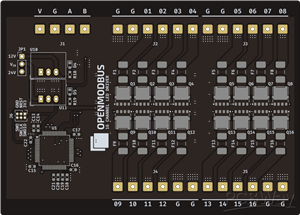
The 16 outputs are grouped into four banks of 4 channels (Bank A–D). This allows one board to drive LED loads powered from different voltages simultaneously.
Examples:
Bank A → 12 V LED strips
Bank B → 24 V LED strips
Bank C → 48 V LED channels
Bank D → 5 V LED indicators
Low-Side Output Principle
Each output contains a power MOSFET that sinks current:
Load +V ─────── LED Load ─────── OUTx (SINK)
│
└── GND (OM-16LED)
Recommended Wiring Steps
Connect the load voltage (up to 60 VDC) to the Vx terminal of the bank.
Connect the output pin (OUTx) to the negative side of the LED load.
Tie power supply GND to OM-16LED GND.
Ensure the supply can support the total current of that bank.
⚠️ Important Grounding Requirement: All load power supplies must share a common ground with the OM-16LED. This is required for the low-side drivers and internal logic to reference the same electrical 0 V.
10. Safety Notes
Do not exceed 60 VDC load voltage
Ensure load currents stay within 8 A per channel
Maintain proper RS-485 termination and shielding
Verify adequate heat dissipation when operating at high currents
11. Contact & Support
For questions, feedback, or technical assistance regarding the Open Modbus OM-16LED, the following support channels are available:
📧 Email Support
For general inquiries, firmware questions, or troubleshooting: contact@sszczep.dev
🛠 GitHub Repository
Issue tracker, source code, hardware design files, and community contributions: https://github.com/OpenModbus/OM-16LED
💬 Open Modbus Discussions
Share projects, ask for help, or suggest features: https://github.com/orgs/OpenModbus/discussions
📝 Bug Reports & Feature Requests
Submit issues directly via GitHub Issues: https://github.com/OpenModbus/OM-16LED/issues
Open Modbus OM-16LED
Project images are for reference only. Actual production is based on the manufacturing files on the project page.
Please review the designer's notes (e.g., PCB thickness) and select the appropriate options.
PCBWay is not responsible
for issues caused by unsuitable parameter selections.
For more important ordering information, please refer to
Read More


Raspberry Pi 5 7 Inch Touch Screen IPS 1024x600 HD LCD HDMI-compatible Display for RPI 4B 3B+ OPI 5 AIDA64 PC Secondary Screen(Without Speaker)
BUY NOW


- Comments(0)
- Likes(1)
More by Sebastian Szczepański
-
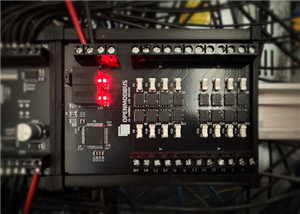 Open Modbus OM-16LED
A compact industrial-grade 16-channel Modbus RTU LED driver module featuring high-current MOSFET out...
Open Modbus OM-16LED
A compact industrial-grade 16-channel Modbus RTU LED driver module featuring high-current MOSFET out...
-
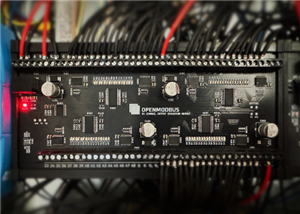 Open Modbus OM-64DO - 64-channel Modbus RTU output module
A compact industrial-grade 64-channel Modbus RTU output module featuring low-side drivers, per-chann...
Open Modbus OM-64DO - 64-channel Modbus RTU output module
A compact industrial-grade 64-channel Modbus RTU output module featuring low-side drivers, per-chann...
-
 Open Modbus OM-64DO - 64-channel Modbus RTU output module
A compact industrial-grade 64-channel Modbus RTU output module featuring low-side drivers, per-chann...
Open Modbus OM-64DO - 64-channel Modbus RTU output module
A compact industrial-grade 64-channel Modbus RTU output module featuring low-side drivers, per-chann...
-
Émetteur Récepteur Optique Expérimental (communication UART ATtiny + fibre optique)
140 0 1 -
SmallOLED - Live PC Stats, Animated Clocks & Audio Visualizer
990 0 3 -
"Talking Multimeter": Arduino-Based Speech Add-on for Multimeters with SCPI Protocol
566 0 1 -
Programmable Mist Maker - XIAO / QT PY Extension
3037 2 3 -
RadioHAT - Raspberry Pi radio development platform
2584 0 4 -
-
-