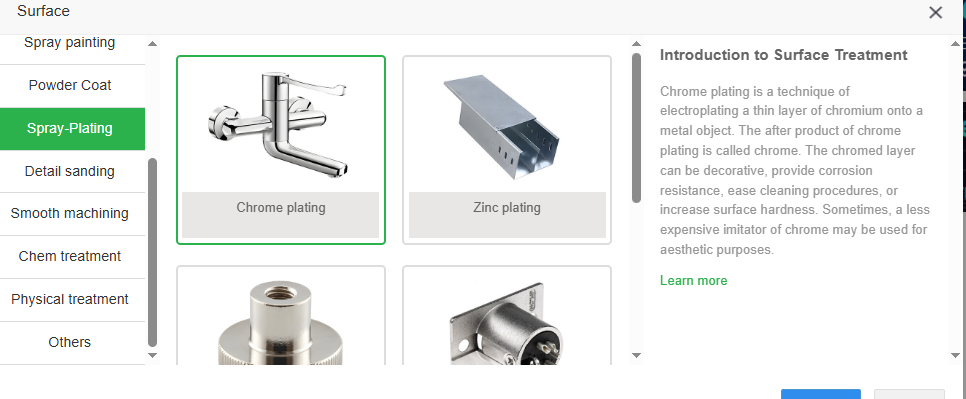
Decorative chrome (protective–decorative chrome plating) and hard chrome (wear-resistant chrome / industrial chrome plating) are the two core categories of chrome plating processes.
The fundamental differences between them lie primarily in application purpose, coating structure, process parameters, and performance requirements. This article provides a detailed comparison between the two and serves as a reference for process selection.
(Chrome plating does not inherently produce a mirror-like finish. A mirror chrome appearance requires a complete process chain, including precision substrate machining, multiple surface pretreatment steps, and multilayer plating. Chrome plating itself is only the final step in achieving the mirror surface finish, rather than the sole determining factor.)
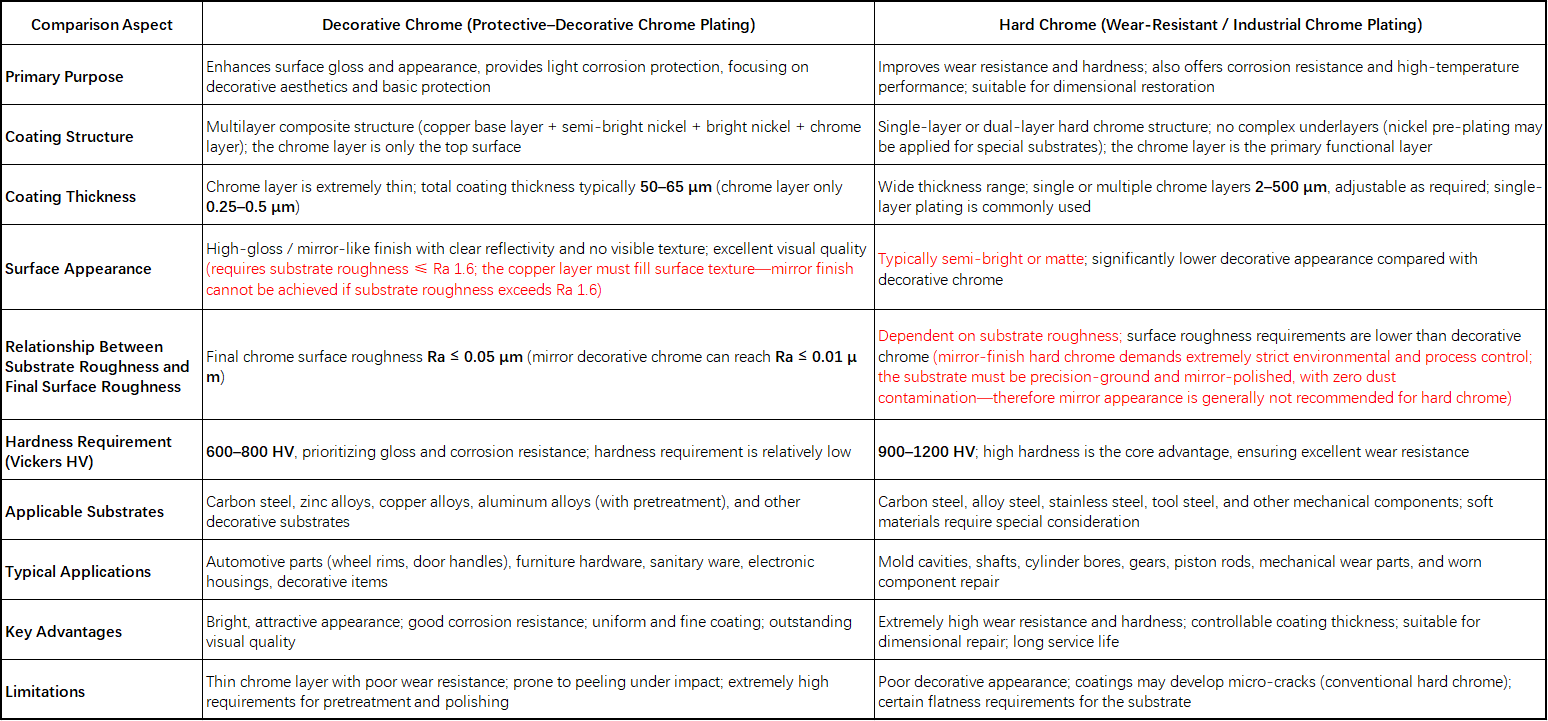
Comparison Between Decorative Chrome Plating and Hard Chrome Plating
The core value of decorative chrome lies in its visual appearance, which relies on a multilayer undercoating system to achieve a smooth and glossy finish. The copper base layer is used to rapidly level surface defects such as scratches and pits on the substrate. The nickel layers enhance coating adhesion, corrosion resistance, and surface brightness. The top chrome layer serves primarily a decorative function while providing limited corrosion protection. Because the chrome layer is extremely thin, it cannot withstand high-intensity mechanical wear.
The key process focus of decorative chrome plating is precise control of crystal grain refinement, ensuring a uniform and defect-free surface. Common appearance defects such as pitting, scratches, cloudiness, or mottling must be strictly avoided to maintain visual quality.
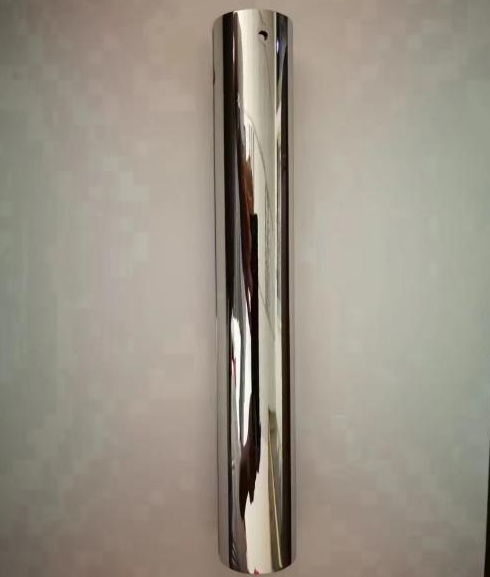
(Roughness within 0.1, mirror polished)
Hard chrome plating does not require complex undercoating systems. A thick chrome layer is deposited directly onto the substrate using high temperature and high current density process parameters. This results in a dense crystal structure with extremely high hardness, providing excellent resistance to mechanical friction and wear. Due to its thick coating characteristics, hard chrome is widely used for restoring worn components such as shafts, molds, and mechanical parts, allowing dimensional recovery and extended service life.
In certain applications, a nickel underlayer combined with hard chrome plating is adopted to improve coating adhesion. This structure is particularly suitable when the substrate is stainless steel, soft materials such as copper or aluminum, or when high surface roughness requires precision grinding and polishing prior to plating.
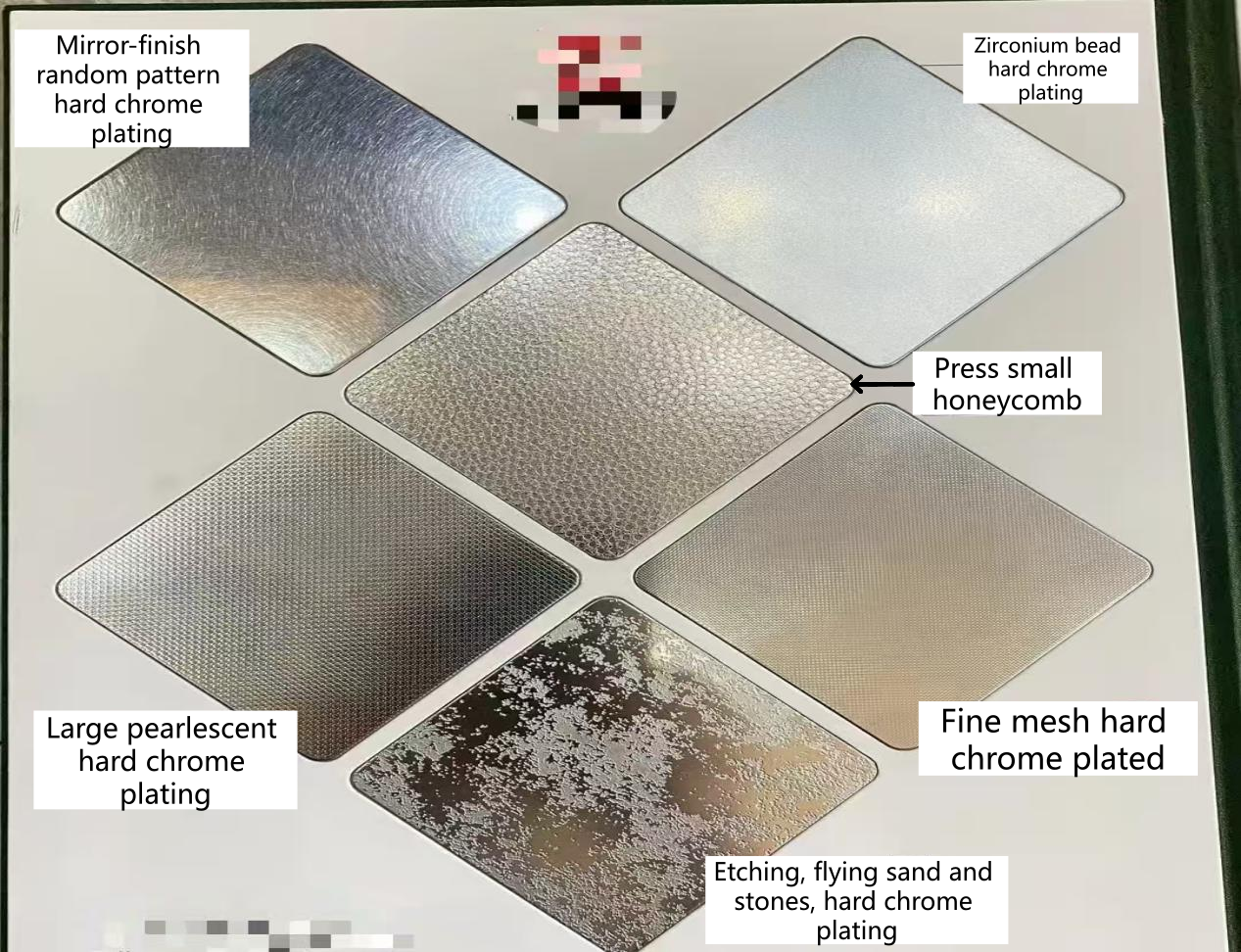
When decorative appearance is the priority
→ Recommended: Decorative Chrome Plating
When wear resistance or dimensional restoration is required
→ Recommended: Hard Chrome Plating
When substrate material requires special consideration
→ Recommended: Substrate-specific pretreatment + appropriate chrome plating
After understanding the differences between them, you can select the surface treatment method you want on the CNC order page and place your order.