TecnoCampus MotorSports
TecnoCampus MotorSports - Formula Student Racing Team
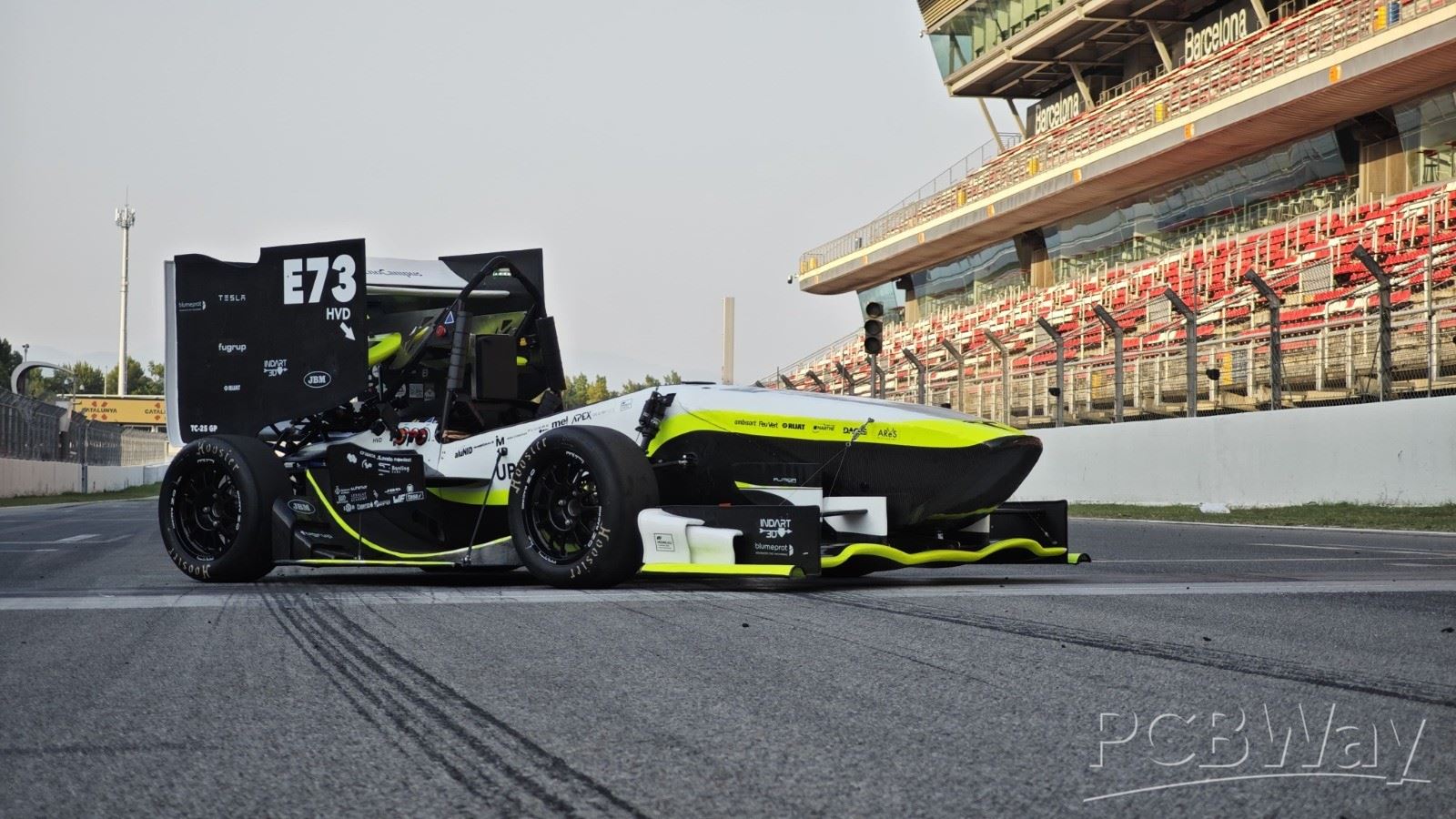
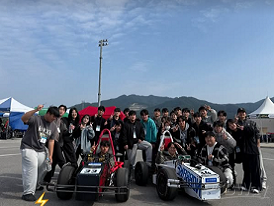
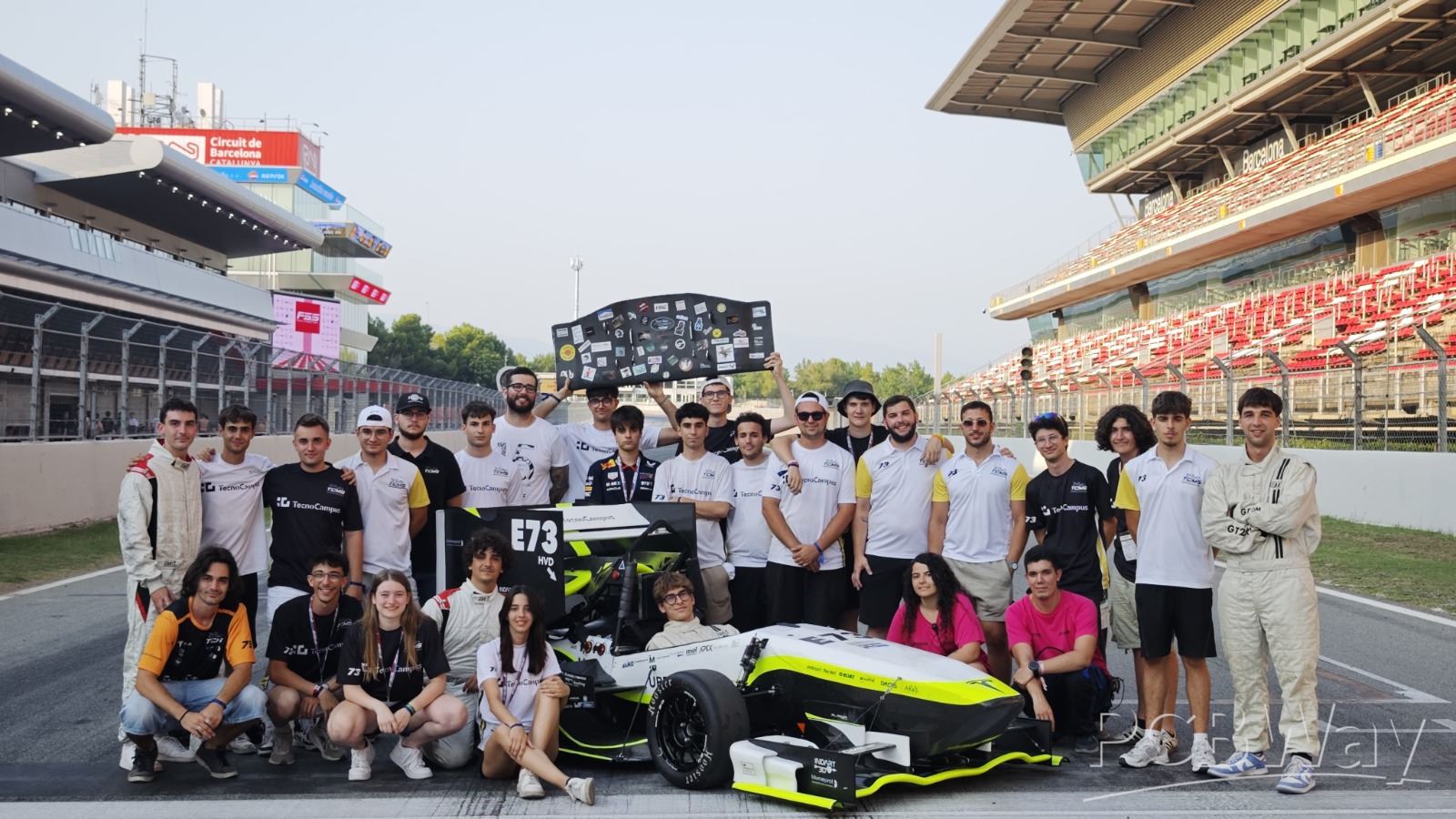
The TecnoCampus Formula Student Team was born in mid-2022 from the initiative of 10 students with a common goal: to design, build, and compete with the university's first Formula Student car. The project quickly captured the interest of the academic community, and the team expanded to 70 members, bringing together talent from various disciplines and all degree programs at TecnoCampus.
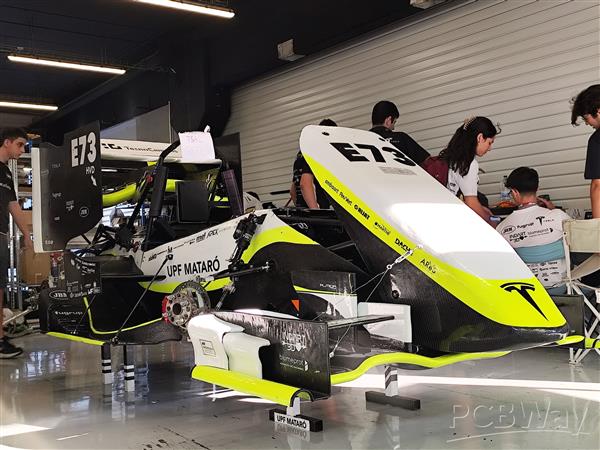
From the beginning, our ambition was clear: not just to build a vehicle, but to do so with a level of technical excellence and innovation that would allow us to compete on equal terms with teams with many more years of experience. This dream materialized in July 2024 when we presented our first car, the VoltCat-24, in competition. Despite being a first-year vehicle, it already featured an electric powertrain and an advanced aerodynamic package - elements uncommon among rookie teams.
However, this first experience also taught us important lessons. Although the car successfully ran on track, we did not pass technical inspection at either FSS or FSPT. This challenge marked a turning point for the next phase of the project: a complete restructuring of both the team and our design approach, with our sights set on the VoltCat-25 - a vehicle that not only meets all regulatory requirements but represents a qualitative leap in performance, reliability, and professionalism.
Our 2026 Vision: Beyond Compliance
This season, our ambitions extend far beyond simply passing technical inspection. Our comprehensive goals include:
- Building a truly competitive car capable of challenging teams with over a decade of experience
- Incorporating cutting-edge technologies to maximize performance
- Reducing vehicle weight below 300 kg through innovative design
- Maximizing power output to the competition's limits
- Developing parallel R&D projects for our 2026 season
- Implementing a complete team rebranding for a more professional image
- Doubling our sponsor network while delivering exceptional value
- Restructuring for greater efficiency and knowledge retention
- Completing over 100 km of track testing to validate all systems
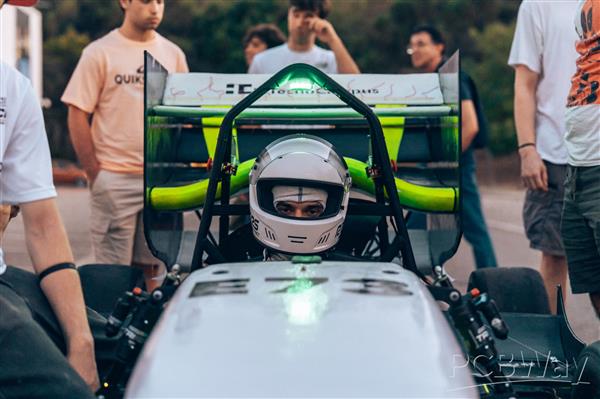
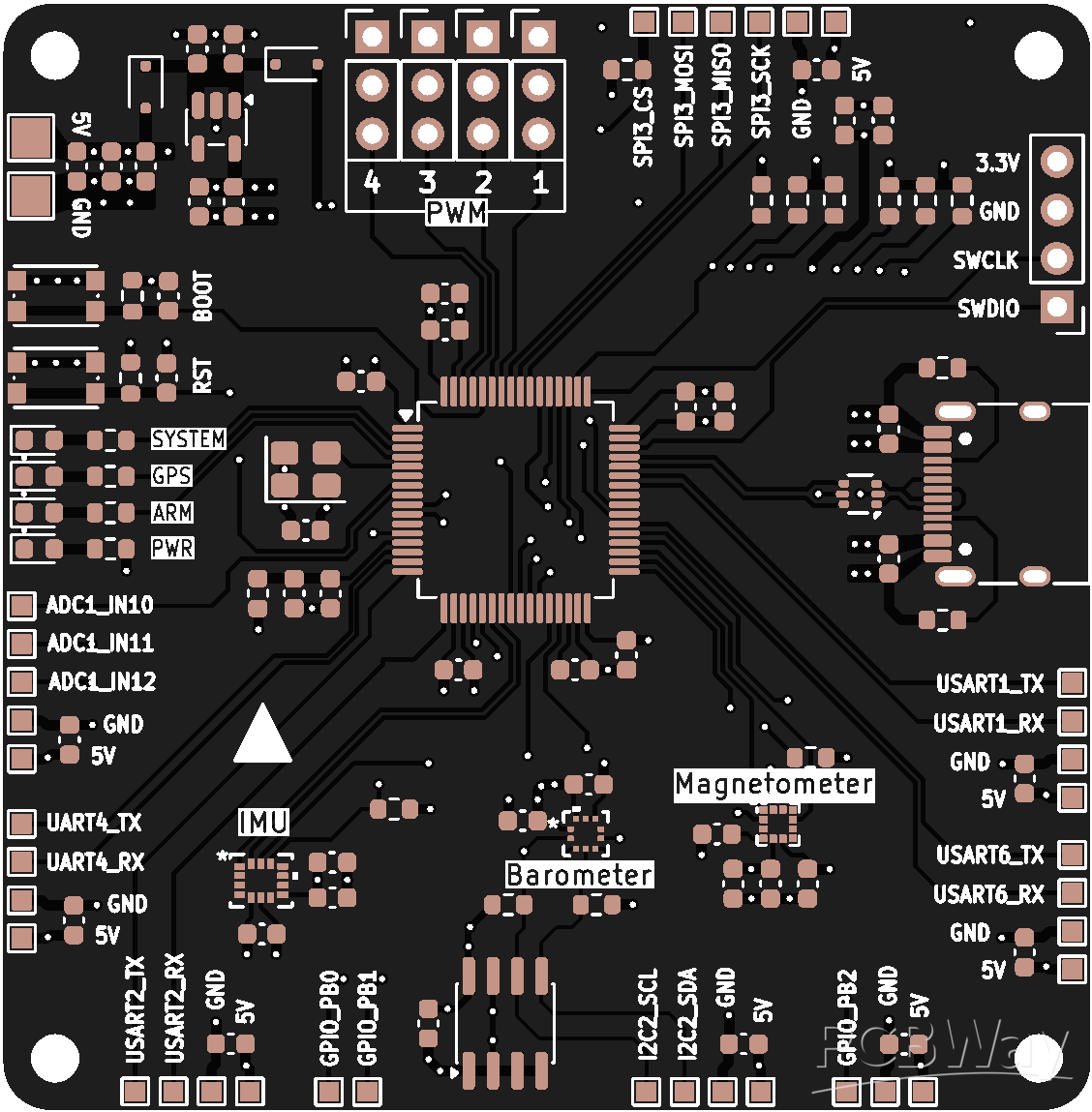
Our project is the core electronic system for our entry into the Formula Student competition: a fully integrated, custom-designed Vehicle Control Unit (VCU) and Battery Management System (BMS) for our electric race car.
Formula Student is a global engineering competition where university teams design, build, and race a formula-style car. It's not just about speed; it's a comprehensive engineering challenge that judges design, cost, and business planning. The heart of our car is its electronics. The VCU acts as the vehicle's brain, processing all driver inputs and sensor data to make real-time decisions. The BMS is the guardian of our high-voltage battery pack, ensuring the safety, balance, and performance of every single cell.
This isn't a generic PCB; it's a high-density, high-performance system engineered from scratch to withstand the extreme demands of motorsport: severe vibrations, high temperatures, and high electrical currents—while maximizing efficiency and reliability.
Our decision to design our own VCU and BMS is a direct response to the core mission of Formula Student: to foster deep, practical engineering innovation. We moved beyond off-the-shelf solutions for three key reasons:
- Technical Sovereignty and Optimization: Formula Student rewards innovation and efficiency. A commercial VCU or BMS is a one-size-fits-all solution that limits our ability to optimize. By creating our own, we achieve perfect integration with our unique chassis and powertrain, reduce weight, improve energy efficiency, and implement custom features that give us a critical competitive edge in the design and endurance events.
- The Educational Imperative: The primary goal of Formula Student is to educate the next generation of engineers. Designing these complex PCBs provides our team with unparalleled experience in embedded systems, high-power electronics, Electromagnetic Compatibility (EMC), and automotive-grade communication protocols (like CAN Bus). This hands-on learning is the real prize.
- Cost-Effectiveness and Reliability for a Student Team: As a student team with a limited budget, developing our own electronics provides long-term control over costs and quality. It allows us to iterate rapidly, troubleshoot effectively, and ensure every component is built to our specific standards of reliability, which is non-negotiable when the car is on the track.
The system functions as a cohesive unit, mirroring the integrated engineering approach demanded by Formula Student. Here’s how it works:
1. Data Acquisition:
- The BMS: Dedicated monitoring integrated circuits (ICs) on the PCB continuously track the voltage and temperature of each of the 200+ cells in our custom battery pack. This data is sent to a master microcontroller through galvanic isolation, a critical safety feature for high-voltage systems.
- The VCU: It gathers real-time signals from the driver (throttle and brake pedals) and a network of sensors across the car (wheel speeds, motor temperature, suspension travel).
2. Processing and Decision-Making:
- The BMS: The microcontroller analyzes the cell data. If it detects any fault—such as over-temperature, over-voltage, or under-voltage—it acts within milliseconds to open the safety relays (pre-charge and main contactors), isolating the battery. It also manages passive balancing circuits to ensure all cells discharge uniformly, maximizing the pack's total capacity and lifespan during the demanding endurance event.
- The VCU: Its powerful microprocessor consolidates all information. It calculates the torque requested by the driver, monitors the vehicle's state, and sends precise commands to the Inverter to control the electric motor's output, directly dictating the car's acceleration and performance on track.
3. Communication and Action:
- All systems (VCU, BMS, Inverter, Dashboard) communicate seamlessly over a robust CAN Bus network, the automotive standard for reliability. This interconnectedness is key to the vehicle's functionality.
- The VCU's commands are executed by the inverter, driving the motor.
- Critical data is displayed to the driver on a custom digital dashboard, and all operational parameters are logged for post-run analysis, which is crucial for refining our vehicle's performance between events.
The system functions as a cohesive unit, mirroring the integrated engineering approach demanded by Formula Student. Here’s how it works:
1. Data Acquisition:
- The BMS: Dedicated monitoring integrated circuits (ICs) on the PCB continuously track the voltage and temperature of each of the 200+ cells in our custom battery pack. This data is sent to a master microcontroller through galvanic isolation, a critical safety feature for high-voltage systems.
- The VCU: It gathers real-time signals from the driver (throttle and brake pedals) and a network of sensors across the car (wheel speeds, motor temperature, suspension travel).
2. Processing and Decision-Making:
- The BMS: The microcontroller analyzes the cell data. If it detects any fault—such as over-temperature, over-voltage, or under-voltage—it acts within milliseconds to open the safety relays (pre-charge and main contactors), isolating the battery. It also manages passive balancing circuits to ensure all cells discharge uniformly, maximizing the pack's total capacity and lifespan during the demanding endurance event.
- The VCU: Its powerful microprocessor consolidates all information. It calculates the torque requested by the driver, monitors the vehicle's state, and sends precise commands to the Inverter to control the electric motor's output, directly dictating the car's acceleration and performance on track.
3. Communication and Action:
- All systems (VCU, BMS, Inverter, Dashboard) communicate seamlessly over a robust CAN Bus network, the automotive standard for reliability. This interconnectedness is key to the vehicle's functionality.
- The VCU's commands are executed by the inverter, driving the motor.
- Critical data is displayed to the driver on a custom digital dashboard, and all operational parameters are logged for post-run analysis, which is crucial for refining our vehicle's performance between events.
Apply for sponsorship >>- Comments(0)
- Likes(1)