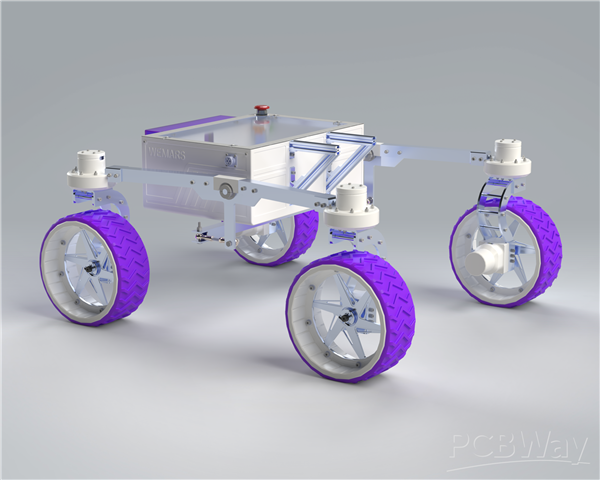
TASC Mars Autonomous Rover Asimov
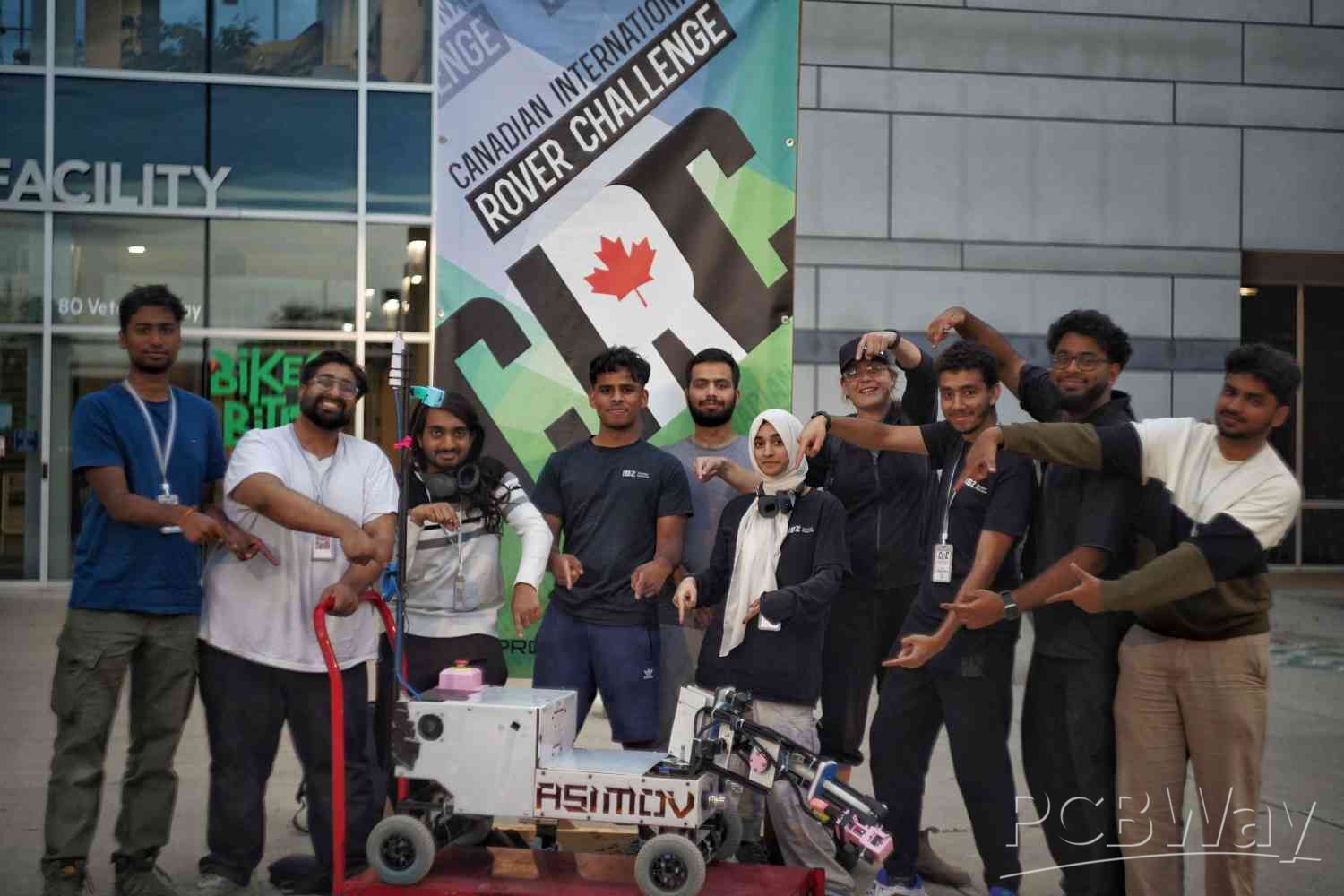
Founded in January 2024, the Toronto Autonomous Systems Collective (TASC) is a multidisciplinary student design and research team at Toronto Metropolitan University (TMU) under the Innovation Boost Zone. The team brings together over 80 students from diverse academic backgrounds including Mechanical, Mechatronics, Electrical, Aerospace, Chemical, Civil, and Computer Engineering, as well as Computer Science, Physics, and Business Management.
TASC was established to provide hands-on, experiential learning opportunities for students interested in robotics and intelligent systems, fostering collaboration, innovation, and, technical excellence through real-world engineering projects.
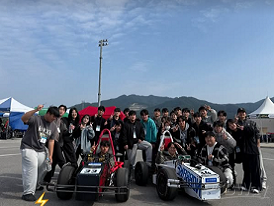
TASC began its journey in combat robotics, designing and building a 30 lb battlebot named Napoleon. The team made its competitive debut at CNE Bot Brawl August 2024, where it was awarded Best Rookie Team. The success inspired members to pursue more complex and purposeful innovation, leading to the team’s pivot toward planetary exploration robotics.
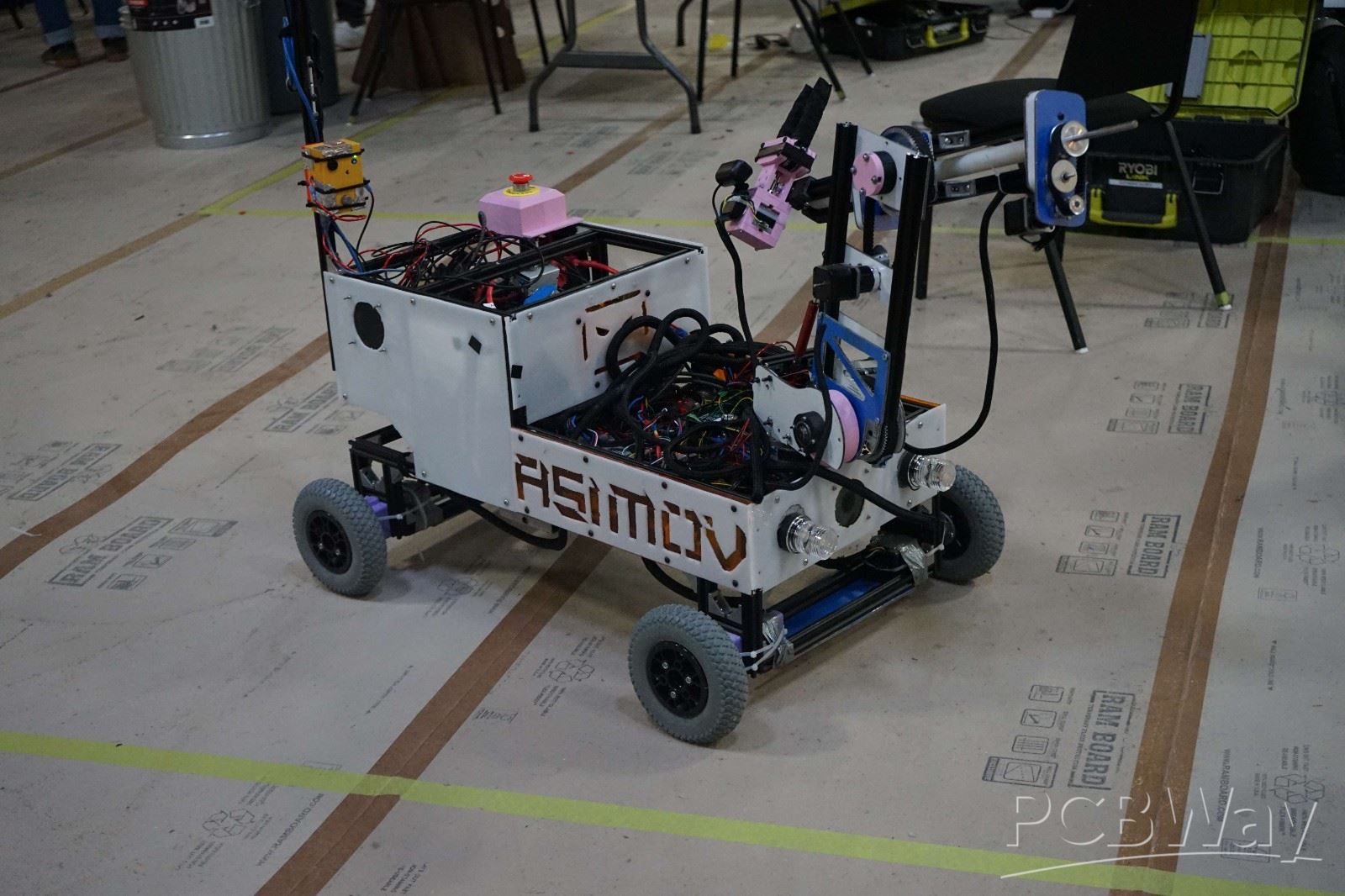
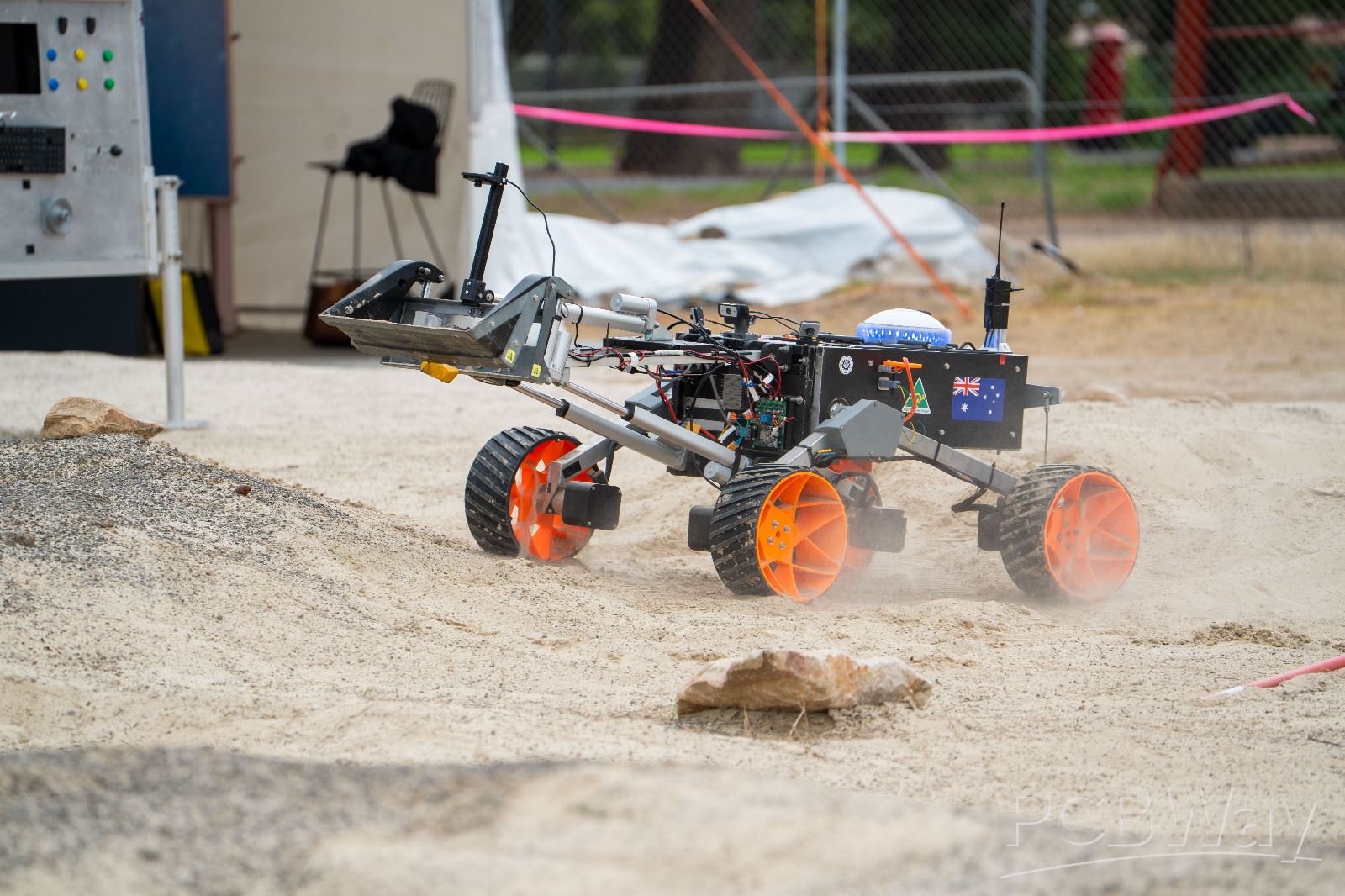
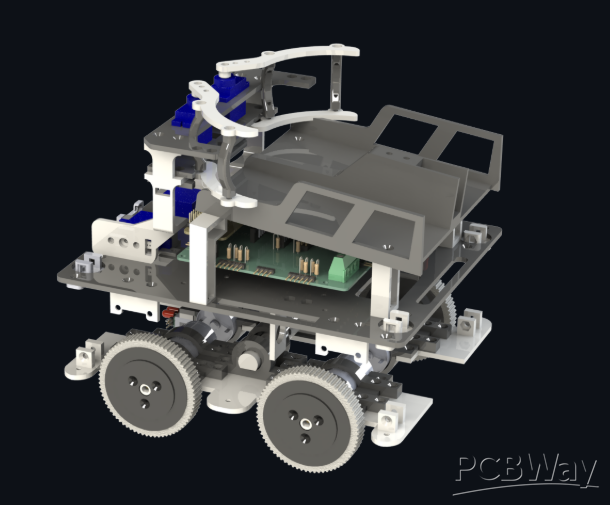
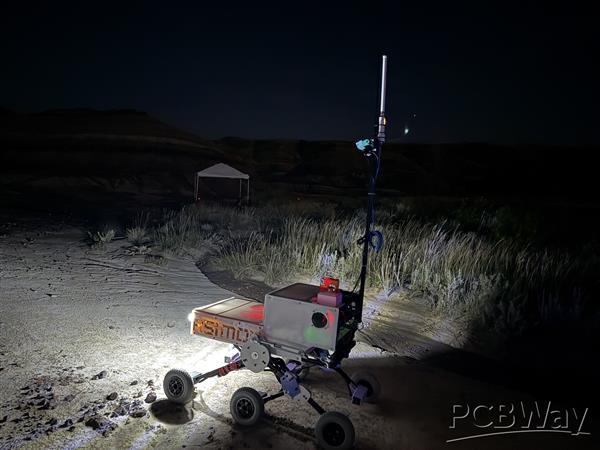
Over the next ten months, the team designed and manufactured its first Mars rover, Asimov, which competed at the Canadian International Rover Challenge (CIRC) in August 2025 in Drumheller, Alberta. The rover featured a six-wheel rocker-bogie suspension system, terrain-optimized drivetrain, multi-camera vision, sensors to detect hydrogen, ozone and radiation levels, and long-range wireless communication. Completing such a system within a year was a major milestone for TASC.
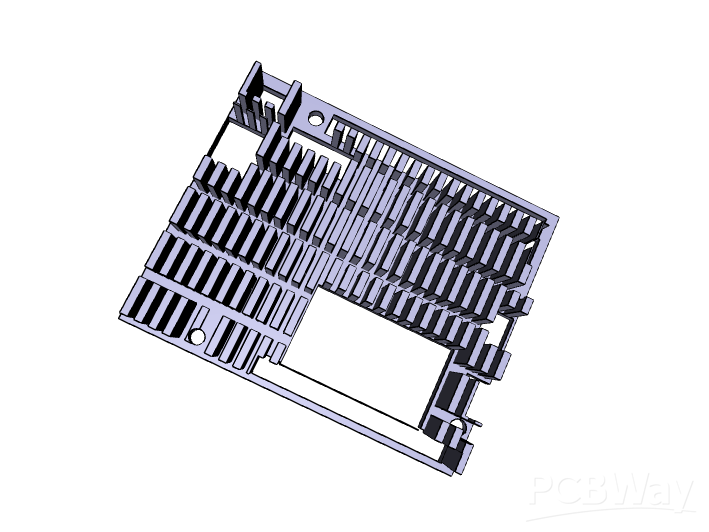
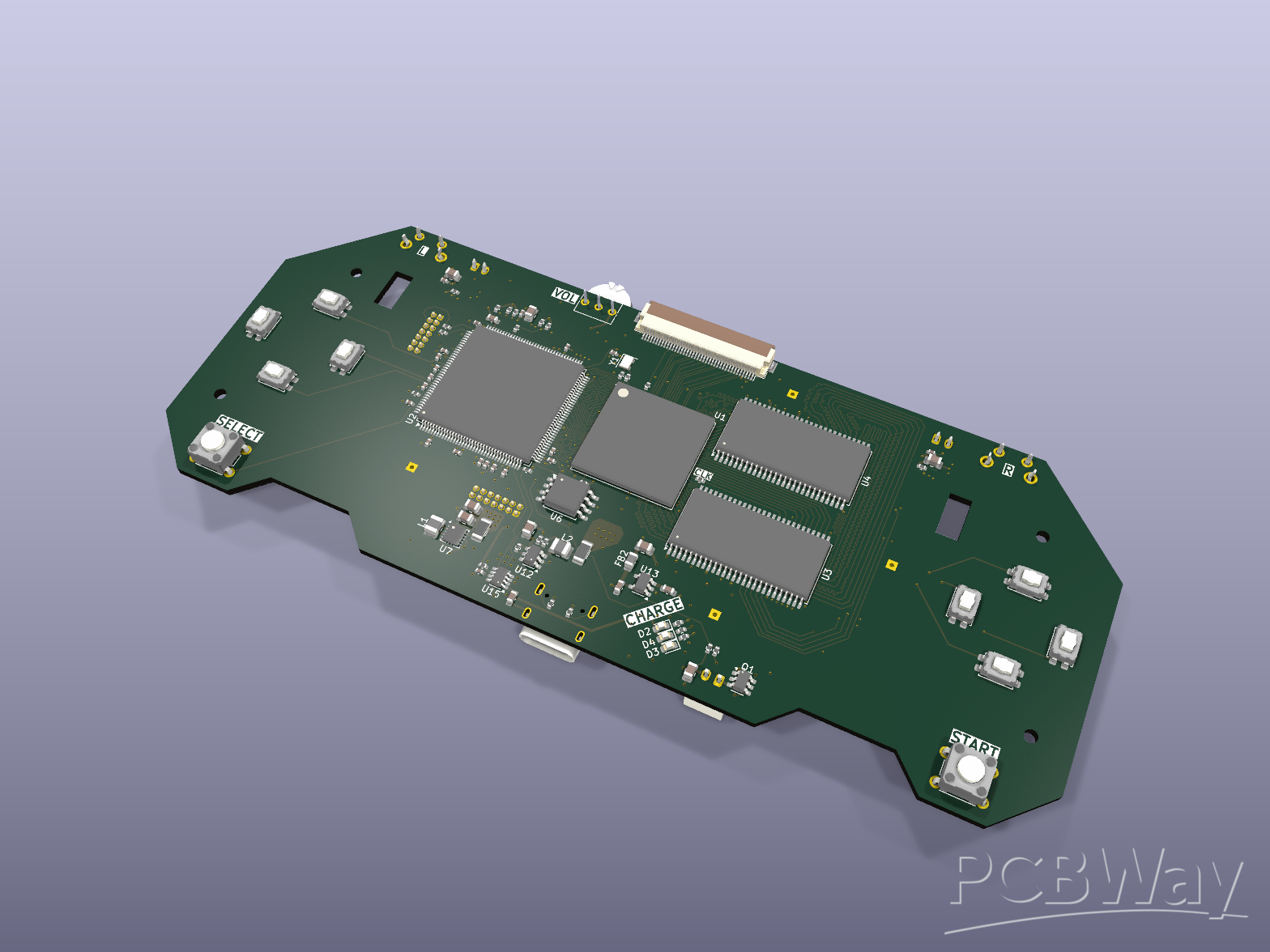
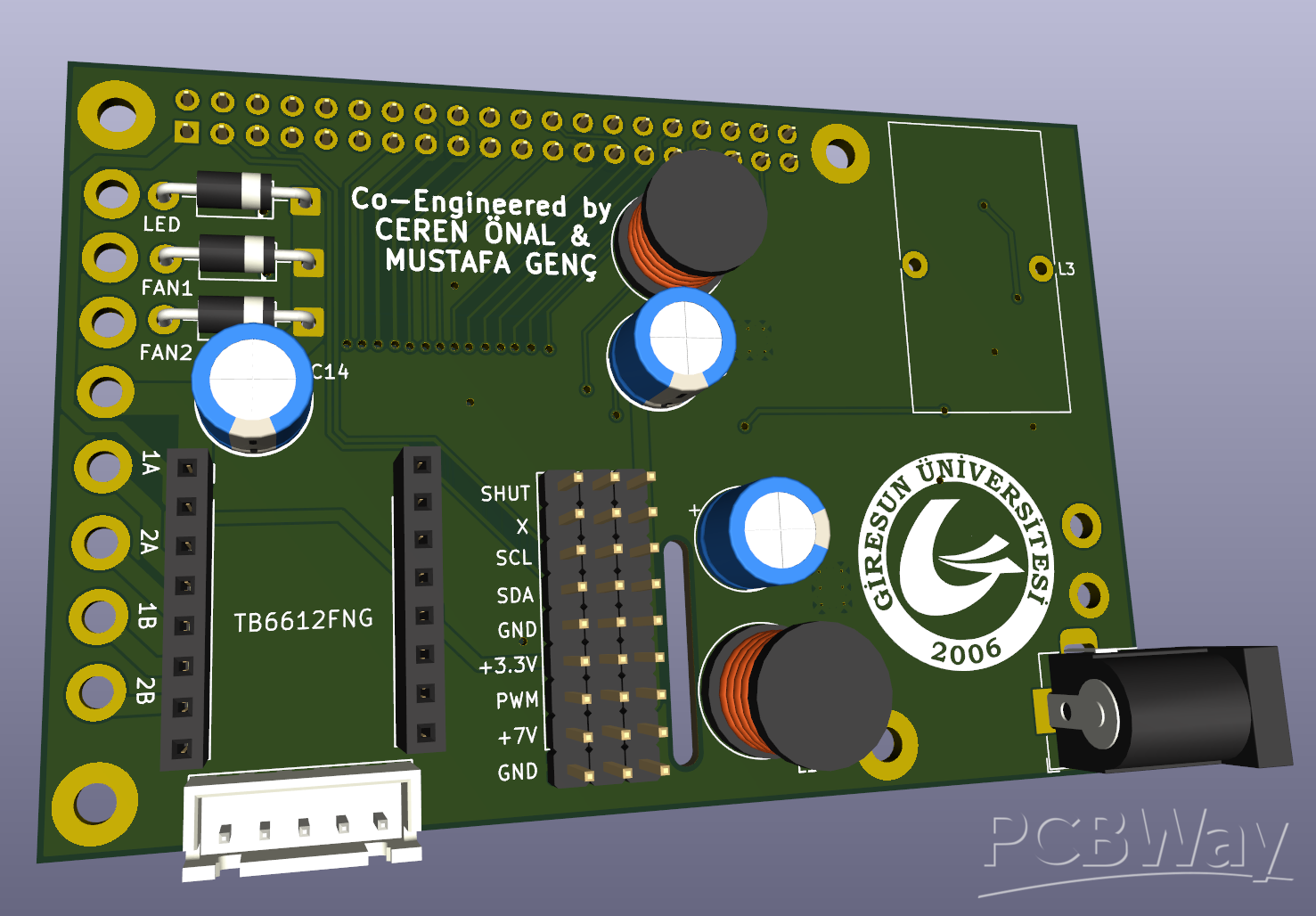
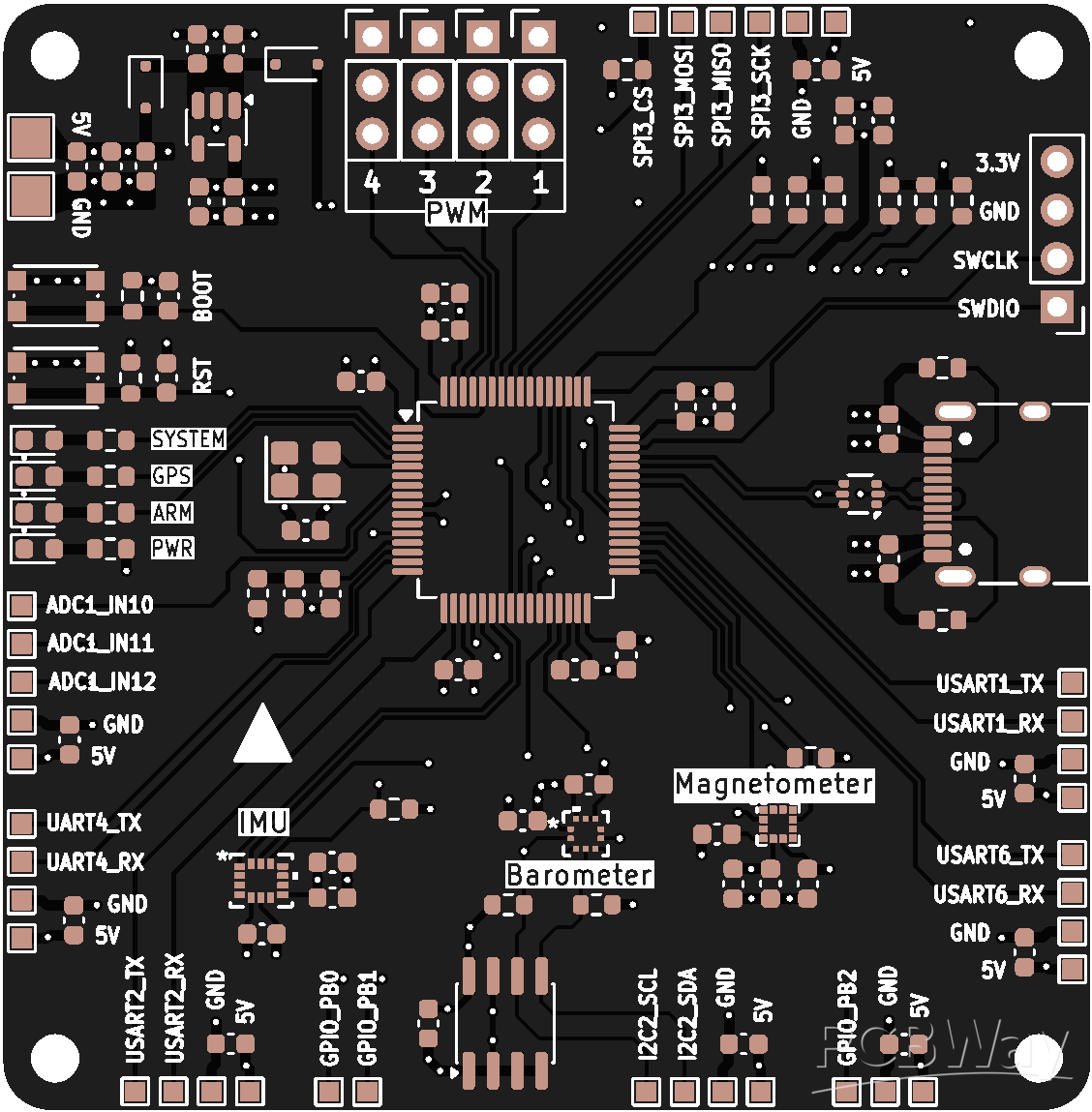
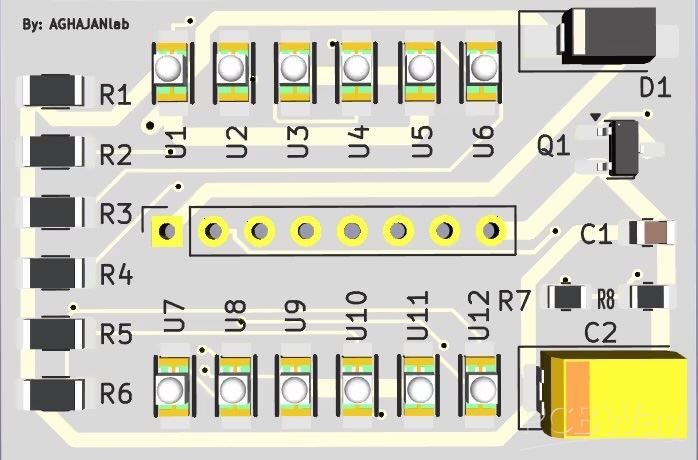
As TASC begins development on the next-generation rover, the team aims to achieve full autonomy; enabling the rover to navigate to pre-set destinations without operator control. A critical step toward this goal is the design and fabrication of custom Power Distribution Boards (PDBs) and breakout boards for sensors and control systems.
These boards will handle dual-voltage distribution (12V and 24V) to efficiently power the rover’s motor controllers, communication modules, and onboard computing system, which includes an NVIDIA Jetson Orin Nano.
All PCB design and testing are conducted through in-house mentorship by team alumni now working in industry, ensuring strong technical guidance and real-world exposure for current students. This is where PCBWay’s support would be monumental. As we move from off-the-shelf components to custom student-designed PCBs, PCBWay’s reliable fabrication and prototyping services would enable our team to design, iterate, and test boards with the precision required for field-ready robotics systems.
Your sponsorship would:
- Accelerate our research and development timeline, allowing us to complete prototypes before field testing.
- Provide students with hands-on experience in PCB design, fabrication, and validation — essential skills for careers in robotics and hardware engineering.
- Enhance the educational value of the project, in line with TMU’s mission of hands-on, project-based learning.
We want to publish our PCB designs on our GitHub repository, CIRC safety reports, and end-of-year publications, allowing others in the community to learn from our work and continue innovating.
TASC aims to become a hub for learning and innovation in robotics at TMU, inspiring students to pursue their own projects and startups to solve real-world engineering challenges. Through continued competition, mentorship, and collaboration, we strive to advance Canada’s student robotics scene and prepare the next generation of engineers, designers, and innovators. With PCBWay’s partnership, we can continue to push boundaries, advance hands-on engineering education, and turn bold ideas into tangible, working systems.
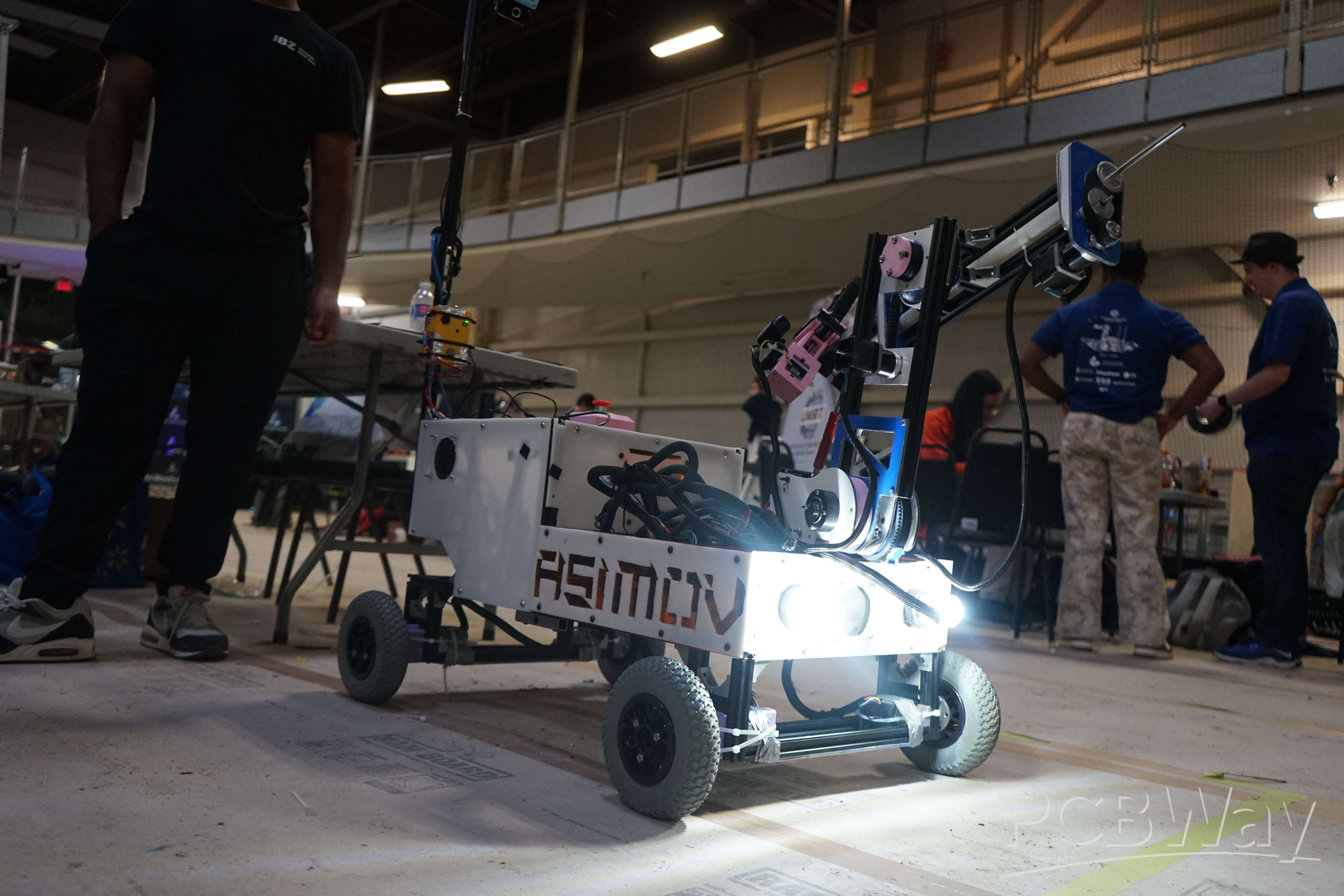
You can find more pictures related to our project and our sponsorship package linked here: https://drive.google.com/drive/folders/1cIXXuleWY4QuzwQE63sPCMbsaeWdkEFJ?usp=sharing
Check our LinkedIn and Instagram: https://linktr.ee/TASC_TMU
Apply for sponsorship >>- Comments(0)
- Likes(1)