

Stanford UAV Division: Quadcopter for GPS-Denied Autonomy
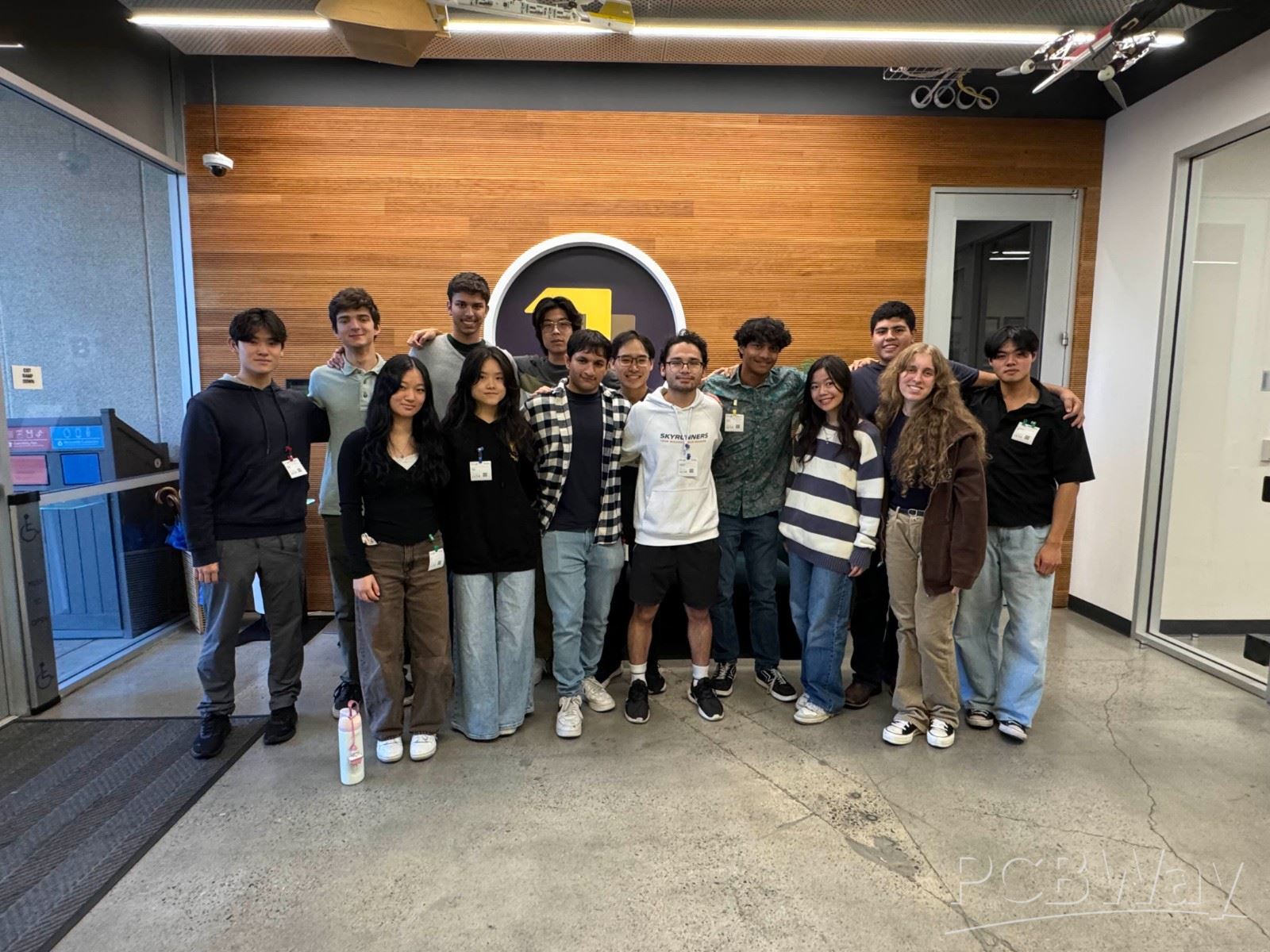
Stanford Student Robotics is a community of over 200 students dedicated to pushing the boundaries of autonomous systems. Our UAV (Unmanned Aerial Vehicle) Division focuses on the intersection of flight dynamics and robotics. We are committed to fostering an environment where students can tackle the most complex challenges in modern aerial autonomy.
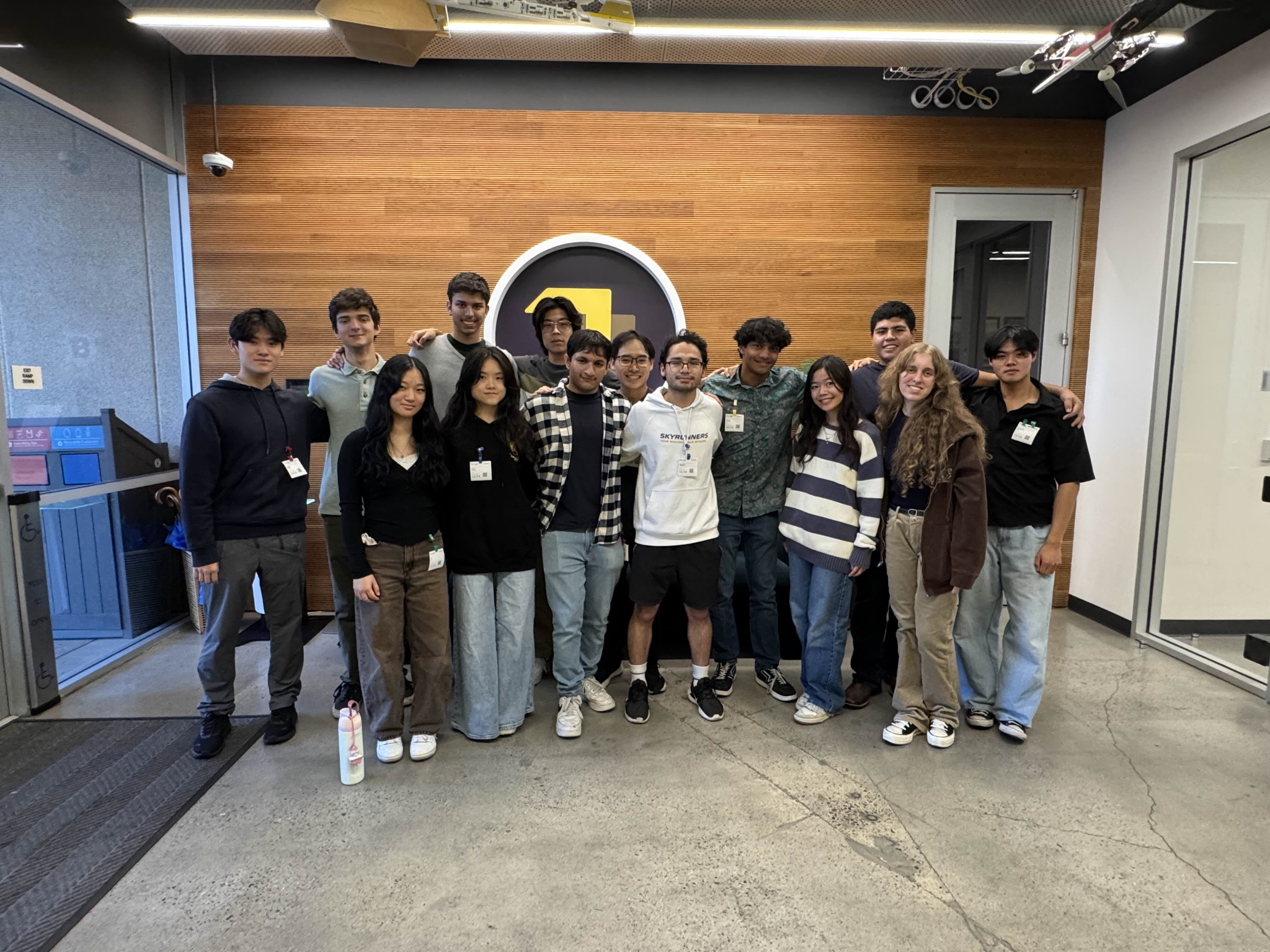
One of the team’s primary initiatives this year is DroneHacks, an intercollegiate hackathon hosted at Stanford. They are bringing together the brightest engineering minds from world-renowned universities, including MIT and Caltech, to compete in a high-stakes autonomous challenge.
The mission requires drones to perform autonomous takeoff, GPS-denied navigation, and real-time mapping within a cluttered indoor flight area to locate a target. To ensure a level playing field, the team is designing and manufacturing a standardized fleet of 30 high-performance quadcopters to be used by all participants.
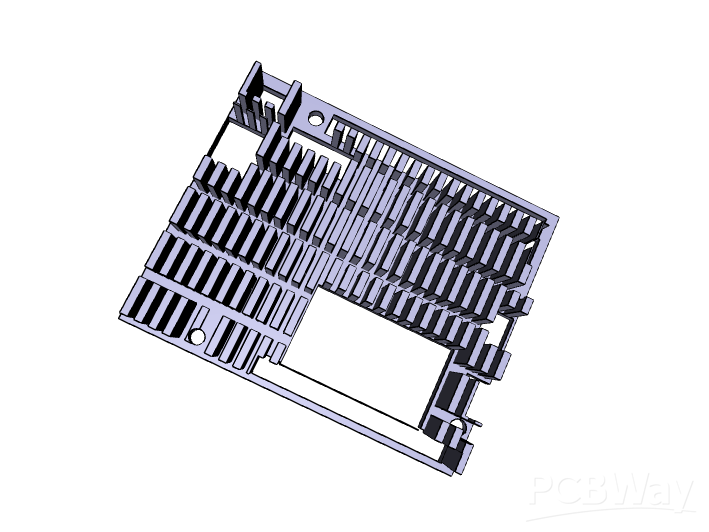
The Drone Frame
Most off-the-shelf frames are too fragile for experimental autonomous testing or lack the mounting geometry for advanced sensors. The team decided to engineer a custom Carbon Fiber (CF) frame:
- 5mm thick carbon fiber arms to provide a vibration-free platform for the sensors and to ensure the frame survives the rigors of a high-intensity hackathon.
- The frame is specifically clearanced to house the NVIDIA Jetson Orin Nano (flight computer) and the Pixhawk 6C (flight controller) in a compact stack.
- The design features dedicated rigid mounts for the Luxonis OAK-D Lite, which is necessary for spatial AI and real-time 3D mapping.
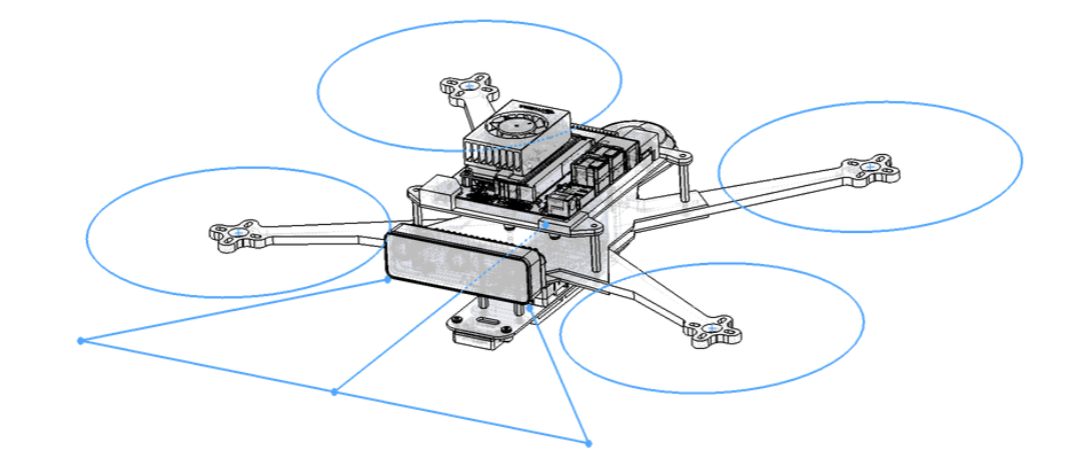
As a student-led organization, we face significant challenges in sourcing high-performance materials within our budget. The carbon fiber chassis is the skeleton of our project; it must be lightweight enough for agility but rigid enough to protect our NVIDIA Jetson Orin Nano and Holybro Pixhawk 6C components.
PCBWay’s support would allow us to:
- Rapidly Prototype: Accelerate our testing phase for the DroneHacks fleet.
- Scale Production: Manufacture 30 identical, high-tolerance carbon fiber frames for the competition.
- Empower Students: Provide hands-on experience in manufacturing and assembly to dozens of Stanford engineers.
We are excited about the opportunity to collaborate with PCBWay. Their support will not only help us realize DroneHacks 2026 but will also inspire the next generation of robotics leaders to dream bigger and fly further.
- Comments(0)
- Likes(2)