Sounding Solid-Propellant Rocket - White Noise NTUA
White Noise is an aerospace and rocketry team operating within the National Technical University of Athens (NTUA). The team, consisting of 35 members, specializes in the design, structural analysis and manufacturing of high-power rockets and competitive CanSat missions. Its members work across mechanical, electrical and computational engineering disciplines, covering aerodynamics, composite structures, electronics, telemetry, recovery and airbrakes systems.
The team’s portfolio includes high-ranking CanSat missions, including Drillsat (1st place in Greece), Icarus (2nd place in Greece) and Daedalus (4th place at the World Finals), as well as CRONOS, the first open-source hybrid rocket motor developed in Greece. 
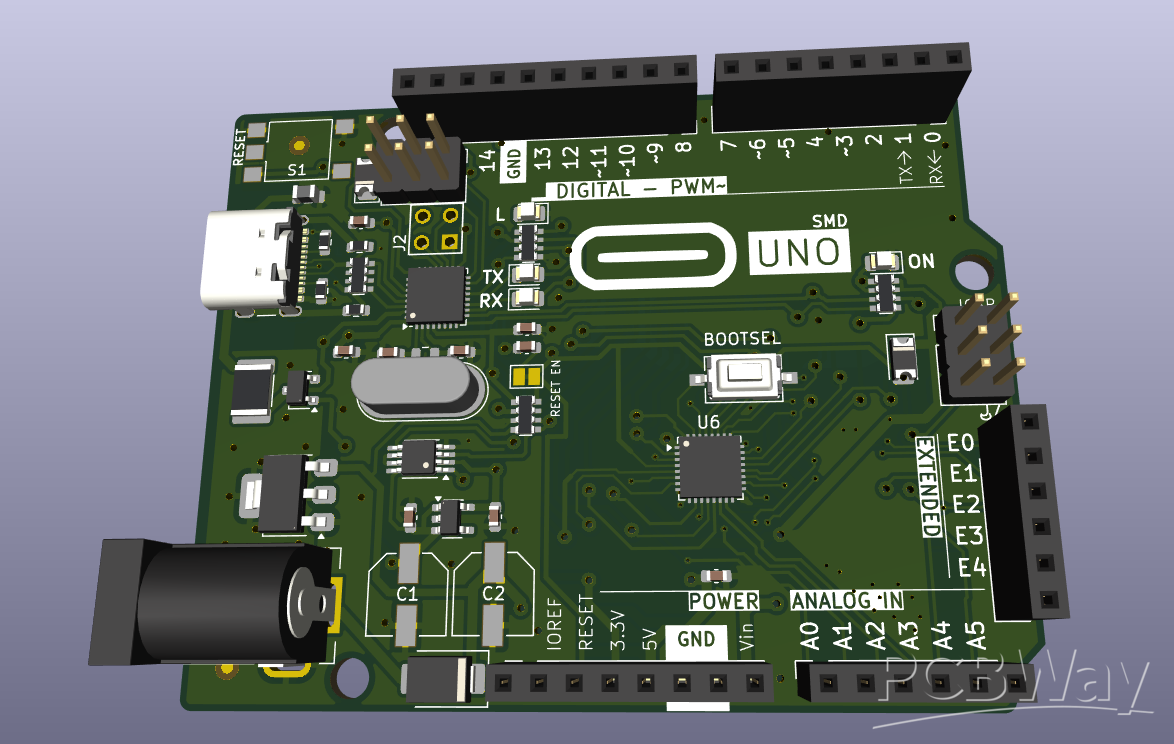
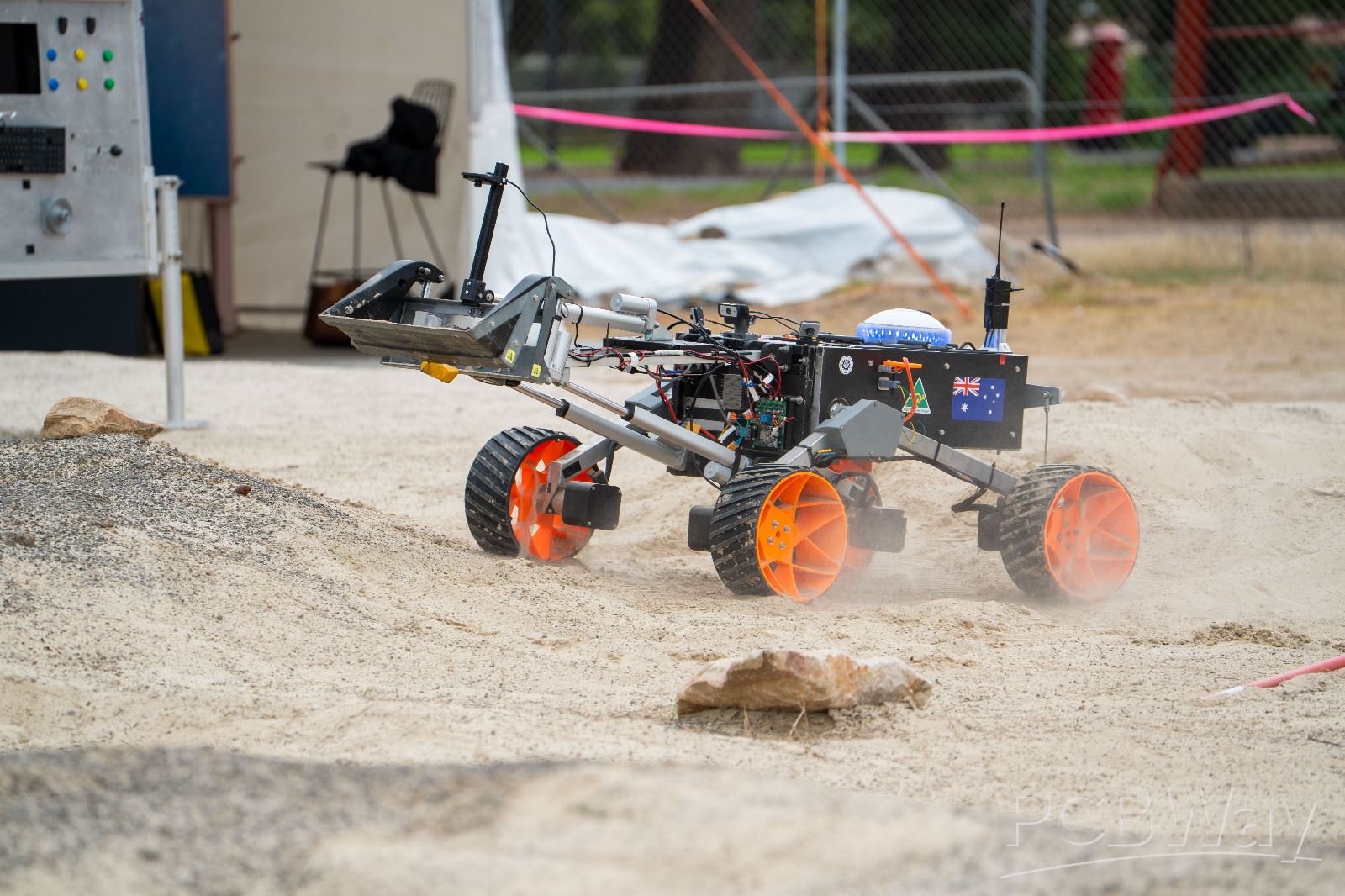
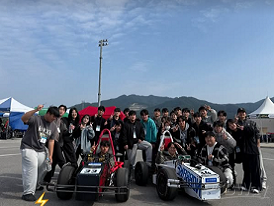
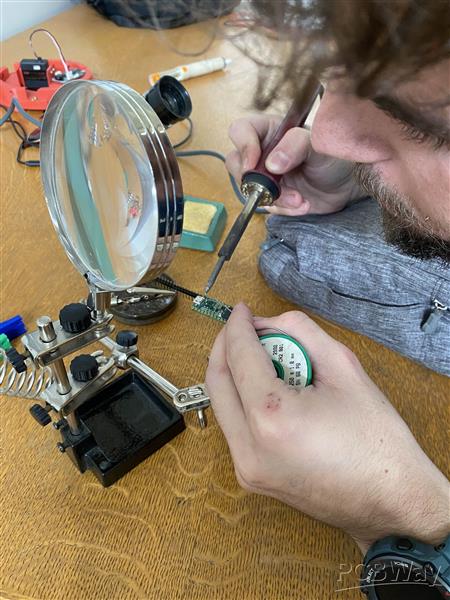
The image above comes from our earlier project, Drillsat, which achieved 1st place in Greece.
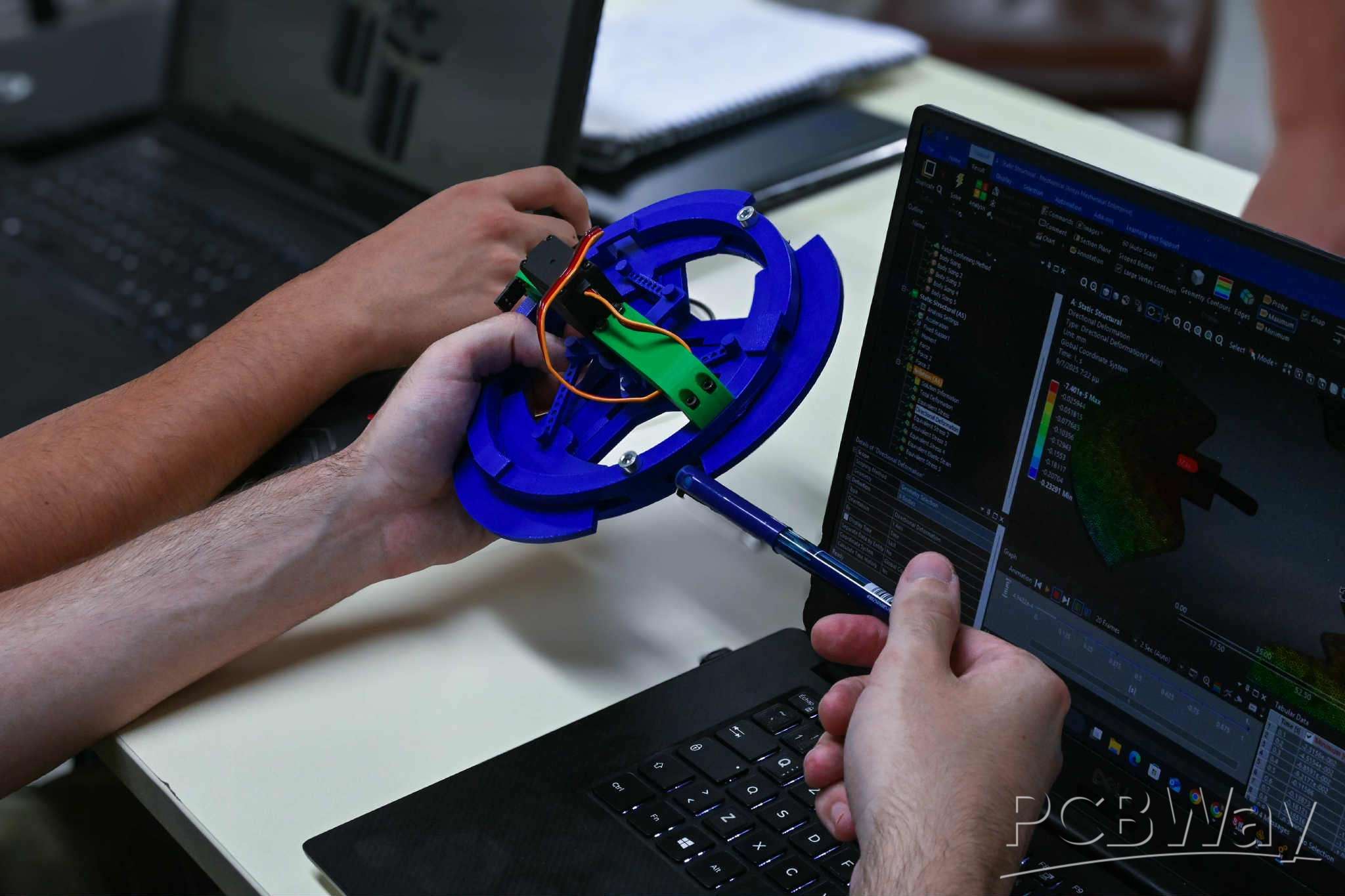
The team’s current initiative, Project Aurora, is focused on preparing for participation in the European Rocketry Challenge (EuRoC) 2026, competing in the S3C category, with a solid propellant rocket engineered to reach an apogee of 3km. The project integrates advanced CAD and simulation workflows, precision machining, custom electronics, as well as an onboard scientific payload.
Looking ahead, the team’s objective is to advance student-level rocketry capabilities in Greece, by implementing industry-aligned engineering methodologies, maintaining rigorous testing standards and delivering reliable flight-ready systems. White Noise is committed to cultivate a space where students can work on real aerospace systems, gaining hands-on experience rarely available at the undergraduate level. Rooted in innovation and teamwork, the group is steadily building a community where young engineers can push boundaries and contribute to the future of aerospace technology.
_____________________________________________________________________________________________________________
The Avionics Department of our team relies heavily on the design and manufacturing of advanced PCB systems. These avionics systems form the backbone of the rocket’s stability, data acquisition, and real-time control capabilities.
1. Airbrakes Control Board (ACB)
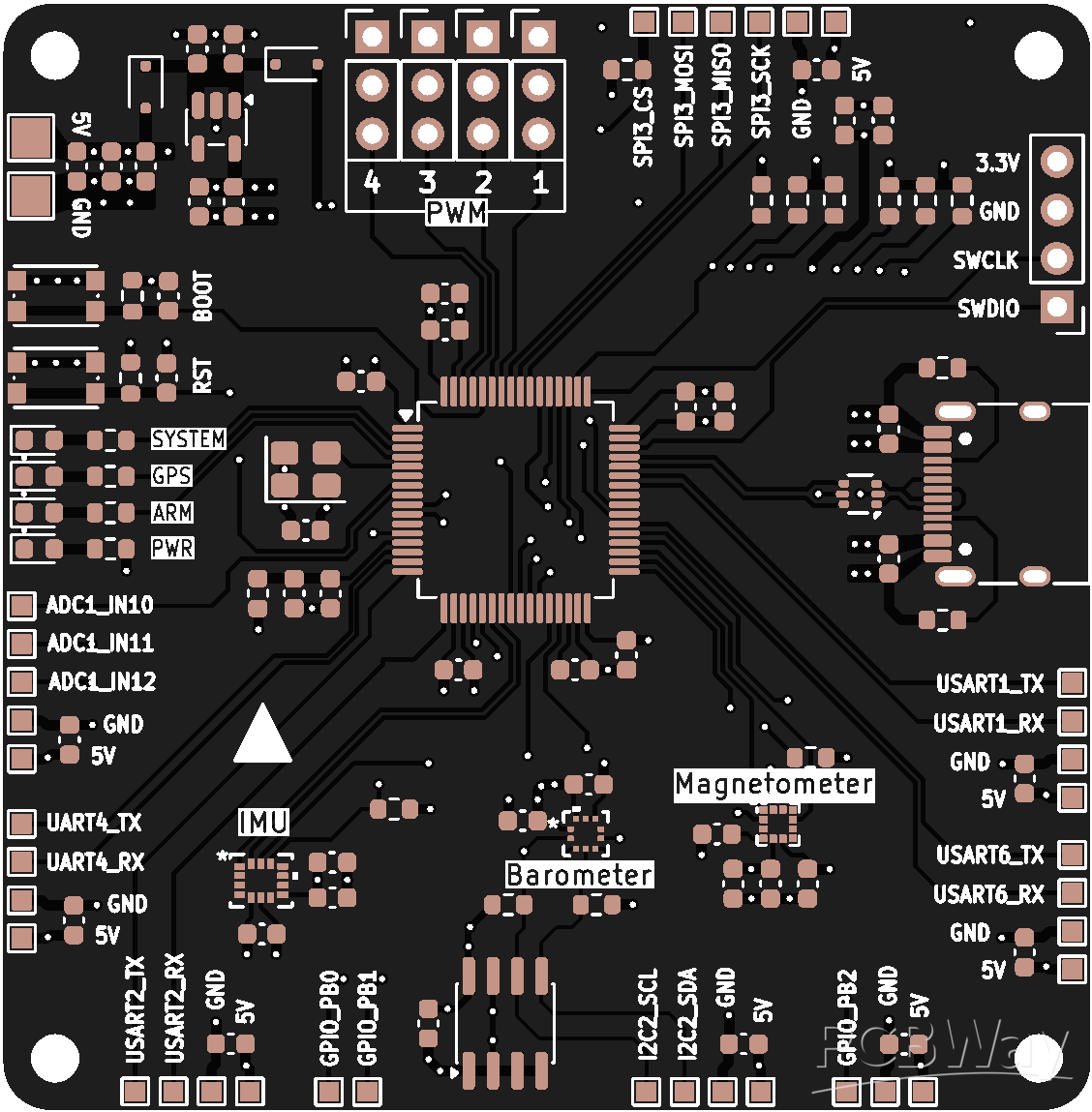
The Airbrakes Control Board executes a real-time control algorithm for the rocket’s active aerodynamic braking system. Fusing data from dual IMUs (LSM6DSO32, BMI088) and dual barometers (BMP581, BME280), the ACB calculates the optimal airbrake deployment throughout ascent in order to achieve the targeted altitude of 3 km.
Powered by a Teensy 4.1 MCU, the board provides:
High-frequency sensor fusion
- Precision PWM driving of the airbrake servo
- Robust 5 V and 3.3 V power domains from a 2S Li-ion battery
- Continuous transmission of flight-critical data to the Data Logger & Telemetry Board
The ACB is one of the most electronics-intensive subsystems of the rocket and requires tight tolerances, low-noise signal routing, and reliable manufacturing for operation under high vibration, acceleration, and temperature gradients during flight.
2. Data Logger & Telemetry Board (DLT)
The DLT serves as the rocket’s communication and data-acquisition hub. Equipped with an ESP32-S3, it manages long-range 433 MHz LoRa telemetry, logs high-rate data to a high-speed MicroSD interface, and receives state updates directly from the ACB for synchronized data recording.
Its integrated sensor suite includes:
- ICM-42670-P IMU
- BME280 barometer
- u-blox MAX-M10M GPS module with active antenna
- Temperature sensors (MCP9902 + external NTCs)
This system allows our ground station to visualize all flight parameters in real time and ensures complete flight reconstruction for post-flight analysis.
- Comments(0)
- Likes(1)