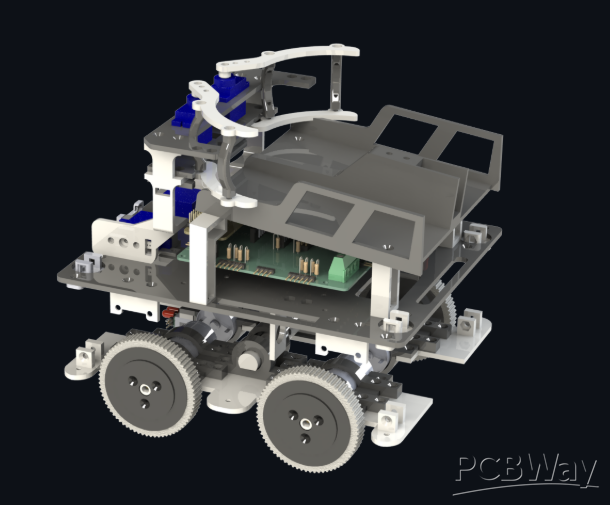


Shell Eco Marathon Pantheta Team Motor Controller
Our team is developing a custom high-efficiency motor controller for the Purdue University Northwest Shell Eco-Marathon electric vehicle. The competition challenges universities worldwide to design ultra-efficient vehicles that can travel the maximum distance using minimal energy. Because efficiency directly determines the competition results, commercially available motor controllers were not suitable for our goals.
Most off-the-shelf controllers prioritize power and robustness. Our objective is different; we must minimize every watt of loss. To achieve this, we are designing a fully custom 48V brushless DC motor controller optimized specifically for low-speed, high-efficiency operation around 400–500 RPM.
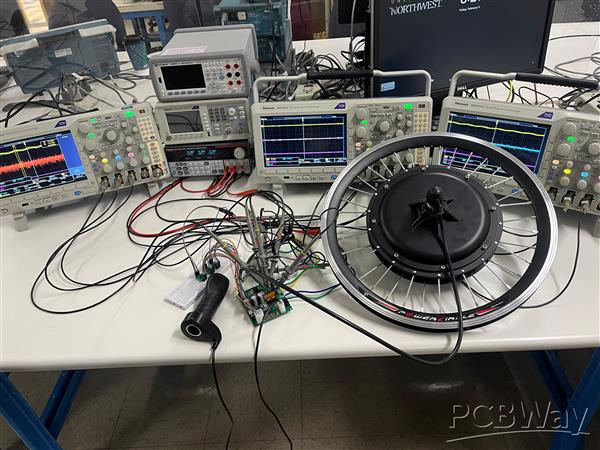
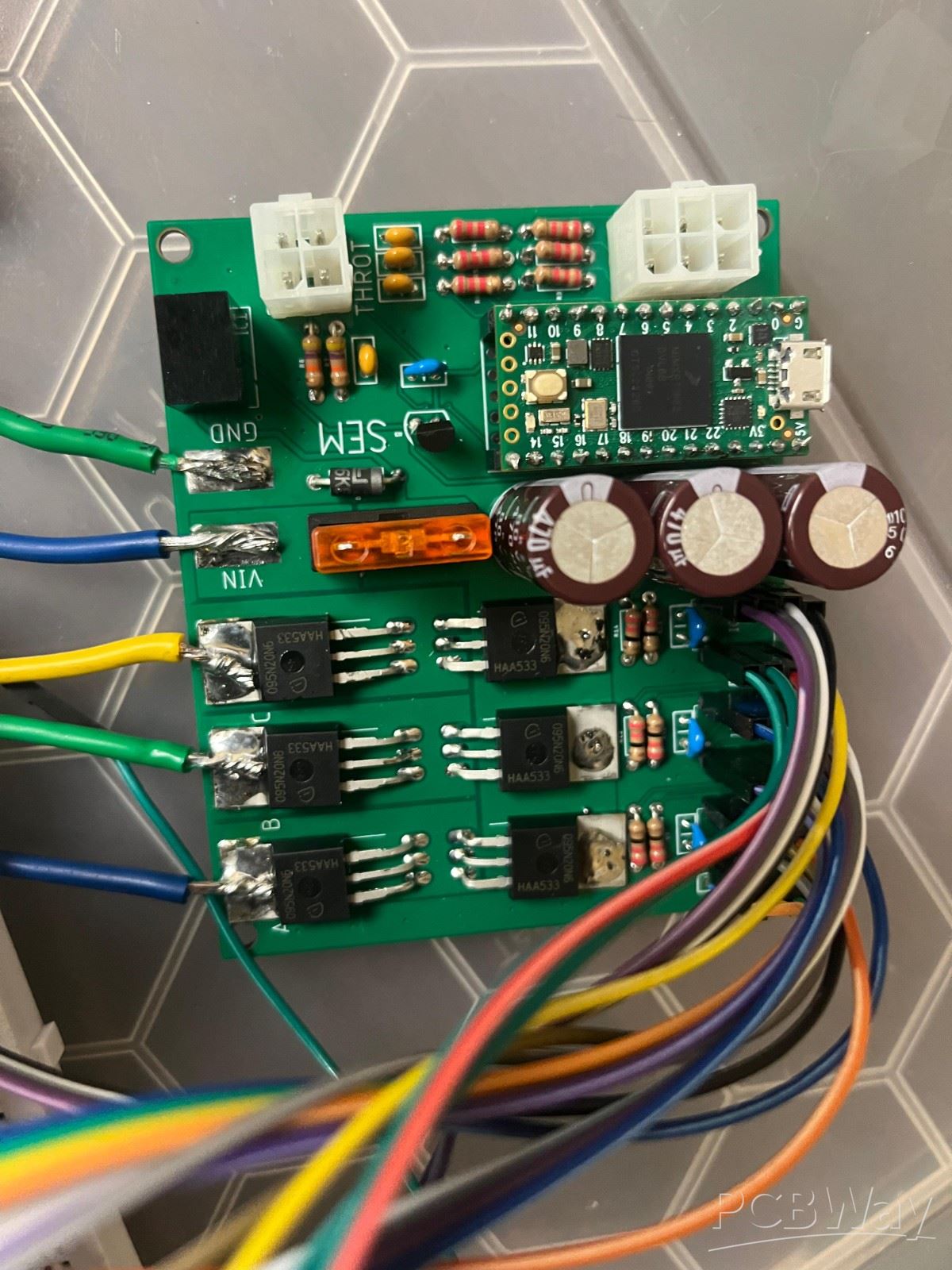
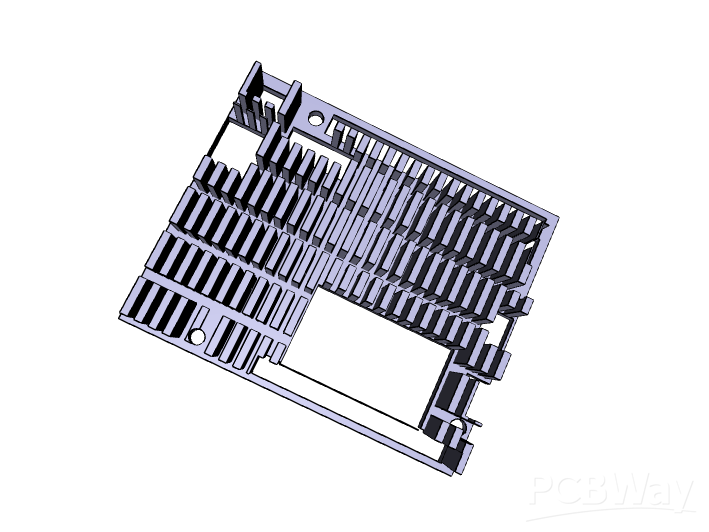
The controller is based on a three-phase inverter architecture using discrete MOSFET half-bridges, dedicated gate drivers, and a microcontroller currently implementing trapezoidal waveform commutation. Right now, we are in the process of redesigning our board to handle 20-30 Amps of current with switching around 10000 Hz, through wider traces, having better power rails and thermal relief sections on top of the board, and also having heatsinks. We are in the phase of testing with more load to see how the current PCB holds up and whether our approach works. The current microcontroller we are using is Teensy 4.0, because of its ease of use and programming with Arduino IDE. The gate drivers are L6387ED, with multiple tests with different gate drivers and MOSFETS, we determined what gate drivers to use, which gives us the least current offshoots, and the current MOSFETS are rated to work upto 200 V with very low rds value, which is much higher than 48V, making it more robust.
In future years, we plan to implement sinusoidal and FOC commutation and test if other commutations can be efficient with an rpm range of 400-500, and compute if more switching losses are worth it if we minimize the D currents.
PCBWay Support Matters to us because, to perform this kind of task, rapid PCB iteration is essential. Each revision must be fabricated, assembled, and tested before improvements can be validated. Access to reliable fabrication would allow us to evaluate layout changes on switching losses, improve thermal performance and efficiency, and publicly document the complete development process.
- Comments(0)
- Likes(1)