

Rocket Motor ( +800 N Thrust )
Founded in 2024, the Neptuno Project is an independent initiative based in Spain, focused on the design, construction, and experimental validation of small-scale liquid rocket engines. The project is led by Martín Jiménez, a student and passionate aerospace enthusiast, who aims to advance practical rocketry while sharing knowledge and inspiring others through detailed documentation.
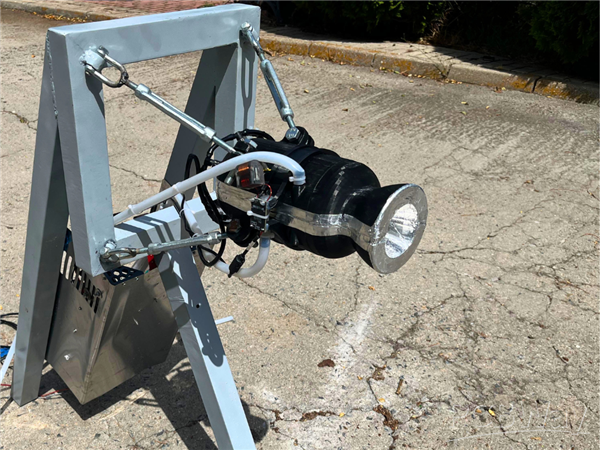
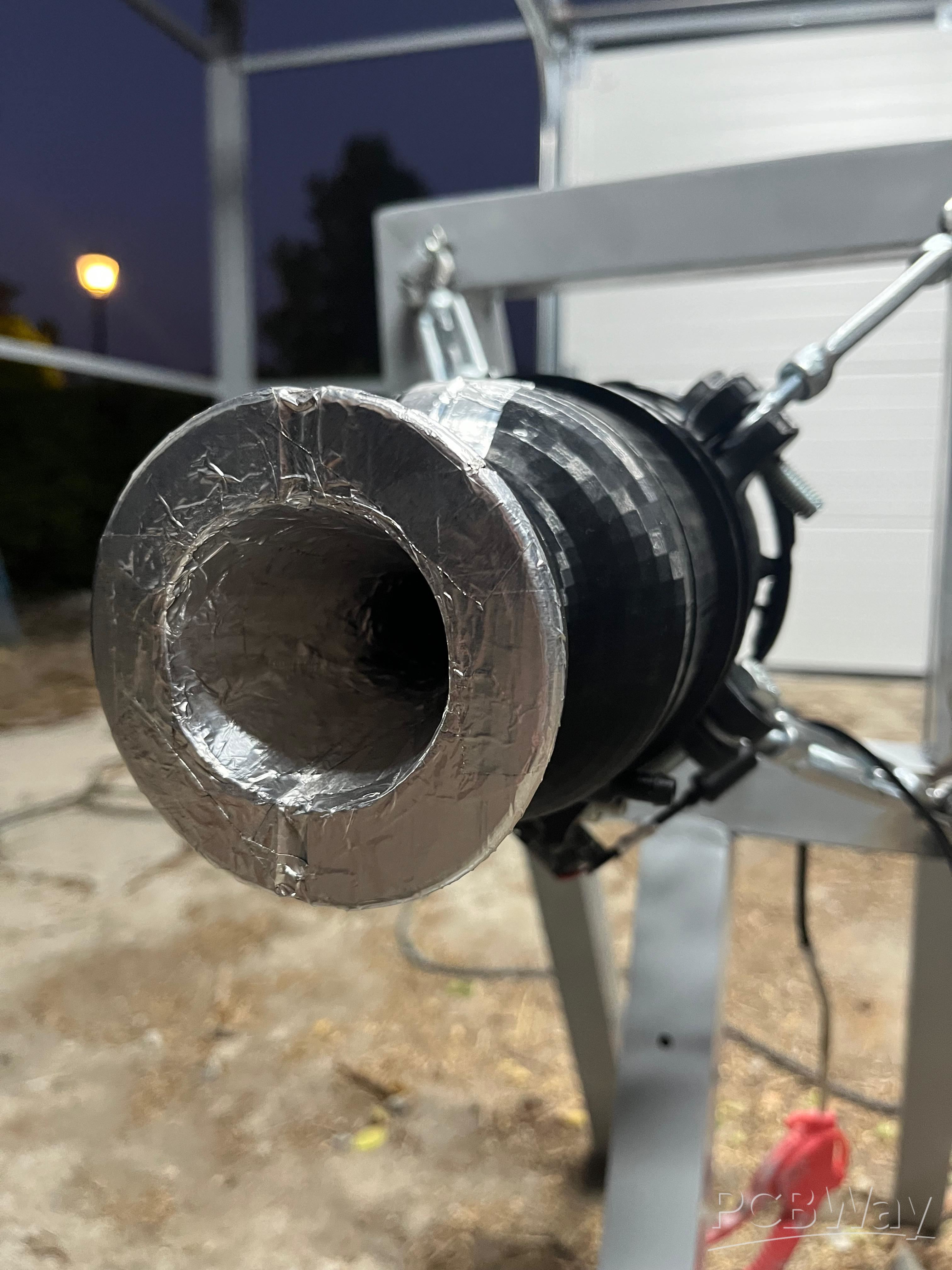
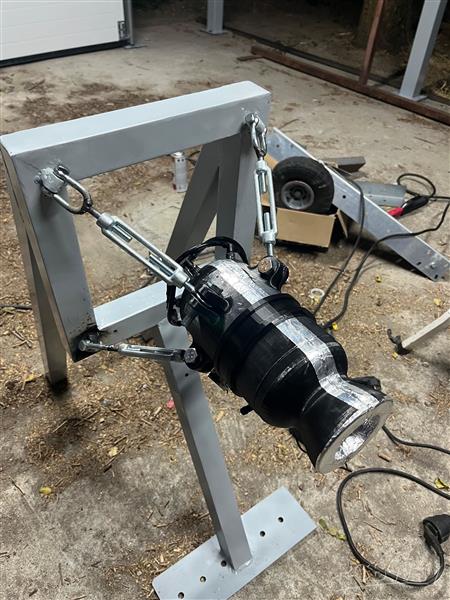
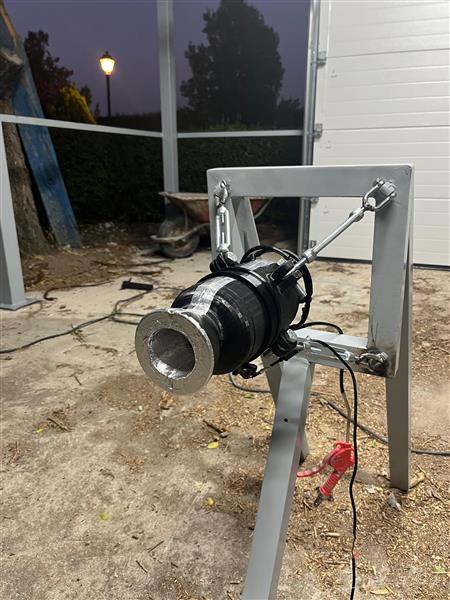
One of the current developments is an experimental rocket engine with a thrust of 800 N, for which a first prototype has already been manufactured in polycarbonate to validate the initial design. The next step is its manufacturing in CNC metal, which is essential to carry out functional tests at a larger scale.
I decided to pursue this project because of my passion for aerospace technology and the desire to gain hands-on experience in rocket propulsion. While theoretical knowledge is essential, I believe that practical experimentation is the most powerful way to truly understand the complexities of engineering. By taking on this challenge independently, I also aim to show that ambitious projects can be realized outside of large institutions, motivating others to explore and innovate in the field of space technology.
The short-term objective is the construction and validation of a liquid rocket propulsion system that allows controlled bench testing, while in the medium term, the goal is to integrate this technology into experimental rockets within the framework of the Neptuno Project, with the future ambition of reaching suborbital flights.
The rocket engine operates by burning liquid propellant, astoichiometric mixture of alcohol and hydrogen peroxide inside a combustion chamber. When ignited, the propellant generates high-pressure gases that are expelled through a carefully designed nozzle, producing thrust according to Newton’s third law of motion. The current polycarbonate prototype has allowed me to validate the internal geometry and assembly, while the CNC metal version, with the support of PCBWay, will enable full-scale testing of its structural integrity, performance, and safety under real conditions.
In addition to the technical side, the project is being extensively documented on social media (Ingeniero X )and communication platforms, generating educational, technical, and outreach content aimed at inspiring students and space enthusiasts. This narrative makes the Neptuno Project an ideal platform for PCBWay’s visibility, showcasing how collaboration with your company enables ideas to move from the conceptual stage into real, tangible technology.
A key part of the project that will directly benefit from PCBWay’s support is the CNC manufacturing of critical components. Having access to precise prototyping and machining will accelerate the design cycles, validate results more efficiently, and improve safety during testing.
PCBWay’s sponsorship will not only enable the advancement of the current engine but will also support the development of future phases of the Neptuno Project, such as avionics systems, flight data logging, and active rocket control technologies.
We are truly excited about the opportunity to collaborate with PCBWay and are confident that, with your support, we can take decisive steps towards the development of new experimental propulsion technologies, while inspiring the next generation of space enthusiasts.
Martín Jiménez
Apply for sponsorship >>- Comments(0)
- Likes(2)