M-Fly Aero Design SUAS
M-Fly: Designing, Building, and Flying Student-Engineered Aircraft
Founded at the University of Michigan, M-Fly is a student-run aerospace design team dedicated to designing, manufacturing, and testing autonomous and piloted aircraft for international collegiate competitions. The team is composed of passionate students from mechanical, aerospace, electrical, computer engineering, and computer science backgrounds, all working together to develop real-world engineering skills through hands-on aircraft development.
M-Fly competes annually in SAE Aero Design regular and advanced class competitions as well as the RoboNation SUAS competition, where teams are challenged to design aircraft that meet strict performance, autonomy, and payload requirements. From aerodynamic optimization and structural design to avionics, controls, and manufacturing, M-Fly operates as a fully integrated engineering organization, mirroring the workflow of professional aerospace teams.
Over the years, M-Fly has established itself as a top-performing team, consistently placing highly at competition and earning recognition for both flight performance and technical documentation. These results reflect the team’s emphasis on rigorous engineering, rapid iteration, and systems-level thinking. Some of our accomplishments from last year include:
- Placing 4th in the nation overall, and 2nd in the report for the SAE Regular Class Aero Design Competition
- Placing 3rd for the Flight Readiness Review for SAE advanced Class Aero Design Competition
- Scoring our first-ever points for the RoboNation SUAS competition and placing in the top 25%
You can see our previous year's Flight Readiness Review here where we prove the viability of our previous year's aircraft.
Current Project: MAT-7
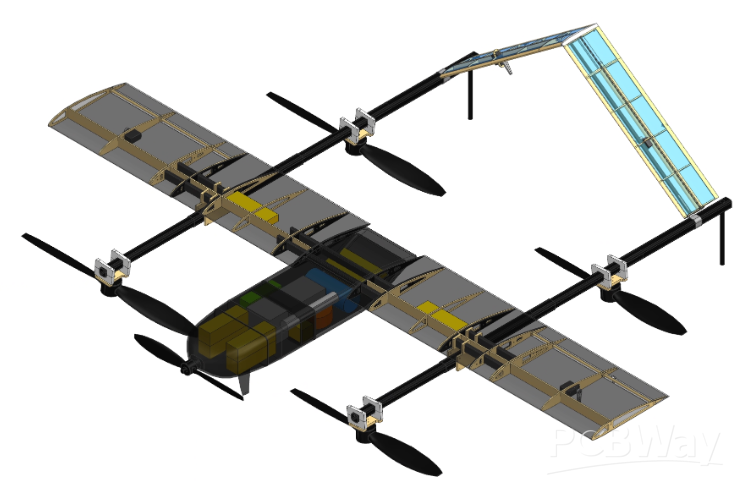
Each competition season (every year), M-Fly designs and builds a new aircraft from the ground up. The design process begins with mission analysis and trade studies, followed by detailed aerodynamic modeling, structural analysis, and subsystem integration. Aircraft structures are manufactured in-house using composite layups, CNC-machined components, and rapid prototyping techniques. This year the autonomous class team is designing our first-ever VTOL aircraft, the MAT-7 for the RoboNation Competition in September of 2026.
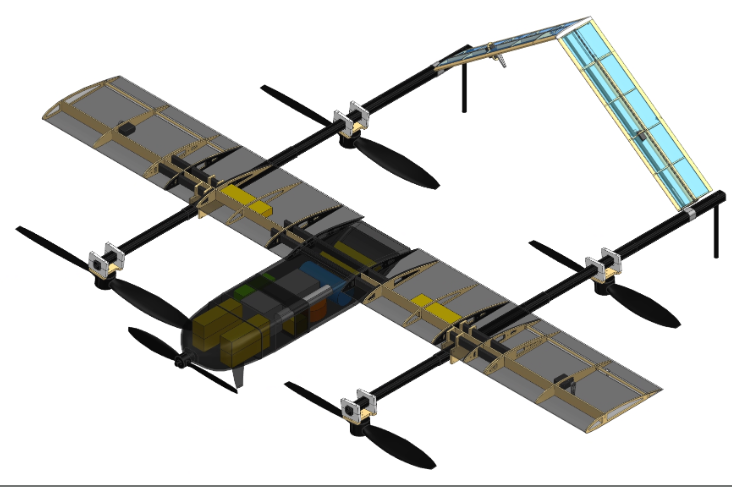
As a VTOL-capable aircraft, it will be capable of taking off and landing vertically, as well as hovering. Its planned cruise speed is 29 m/s and stalls at around 19 m/s. A critical aspect of the aircraft is its avionics and electronics system, which enables autonomous flight, sensor integration, and payload operation. These systems must be lightweight, reliable, and robust to vibration, electrical noise, and harsh operating environments.
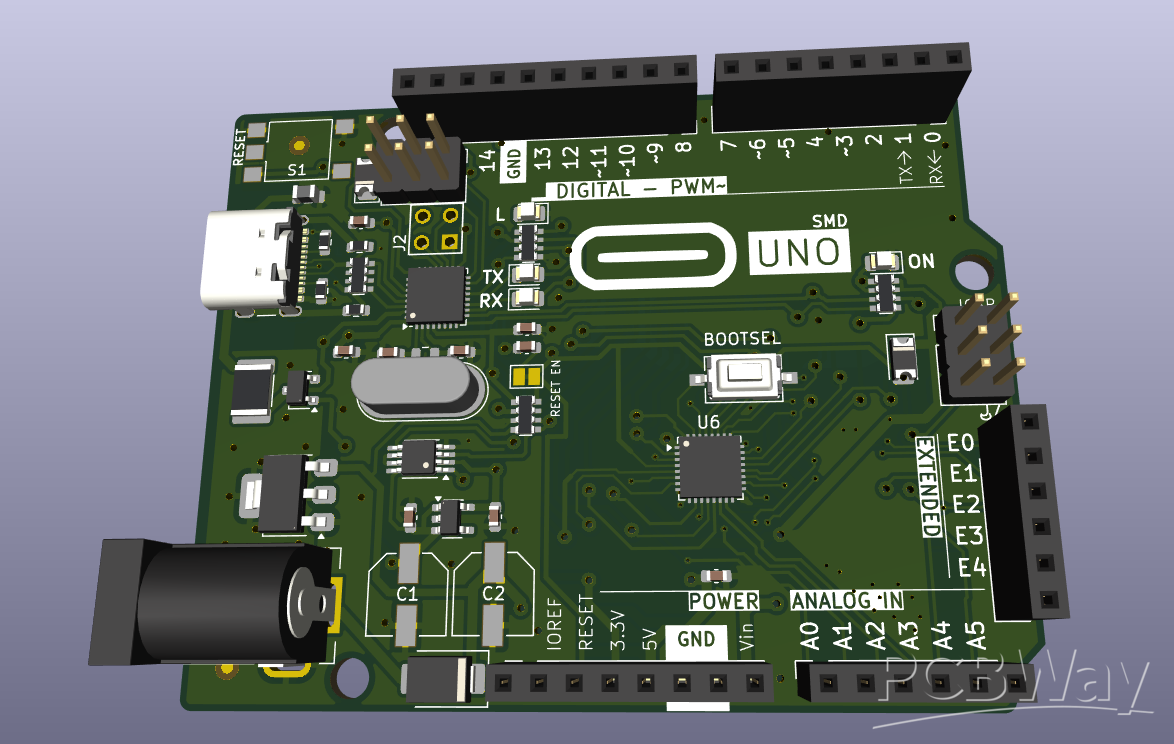
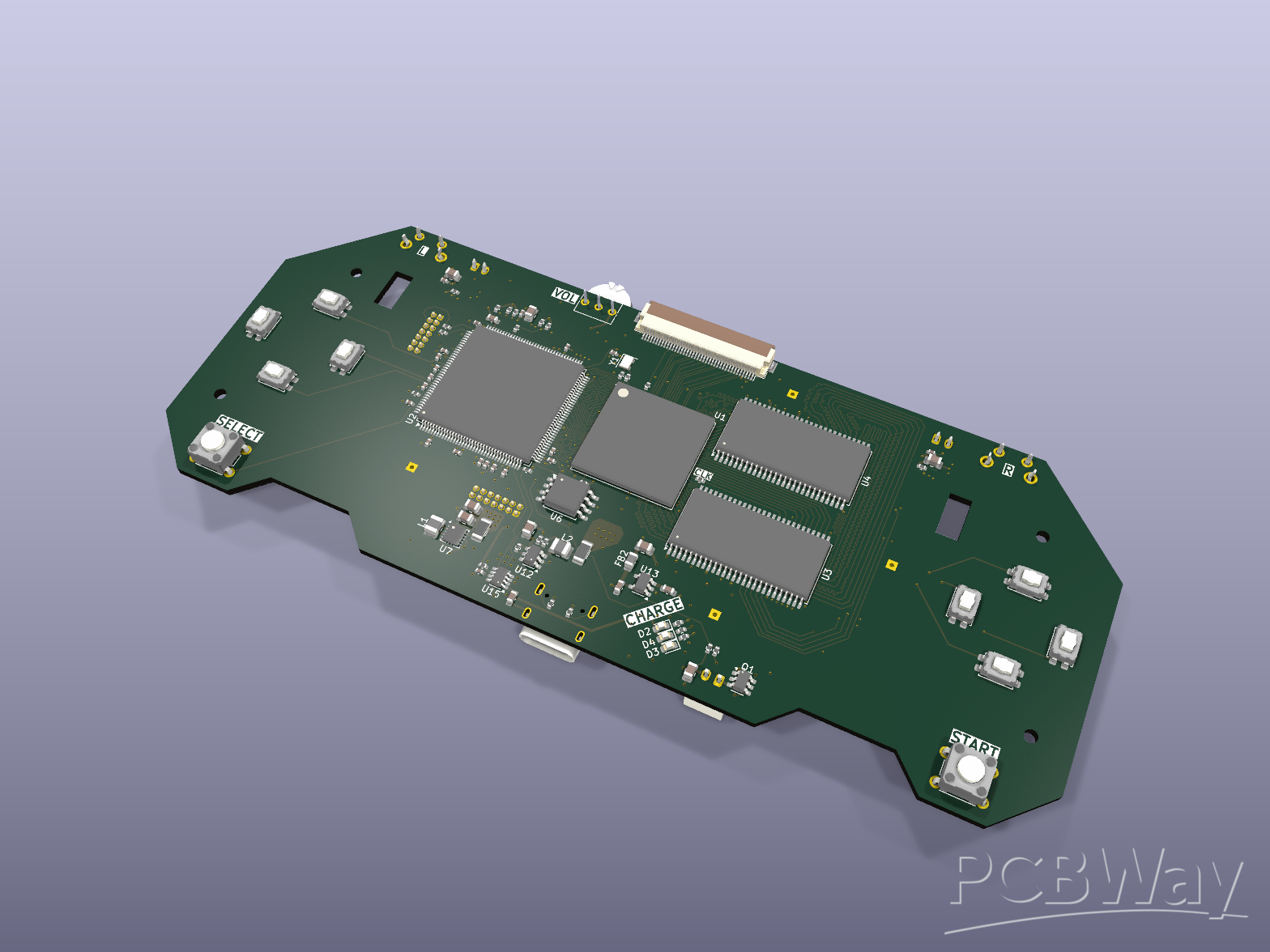
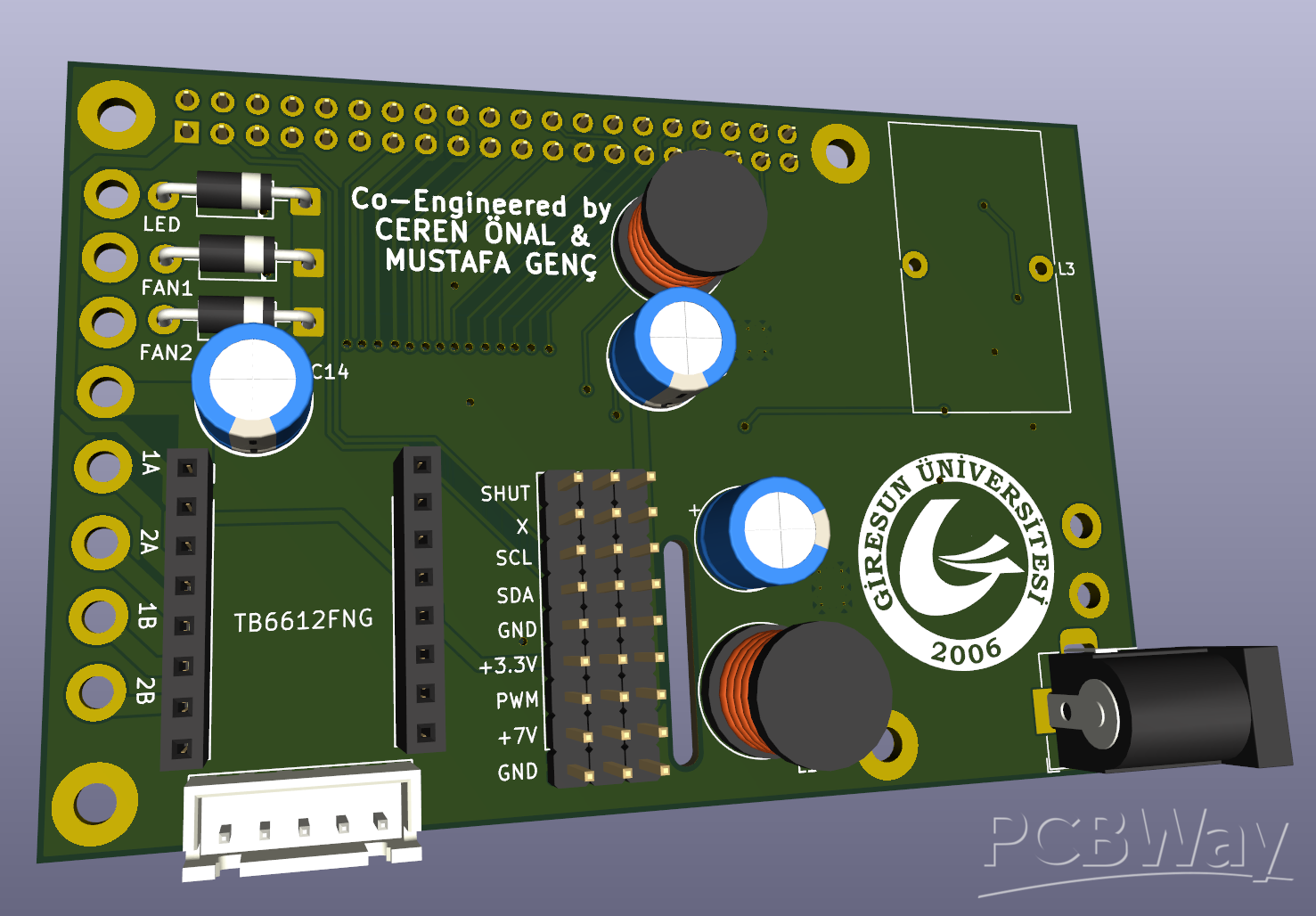
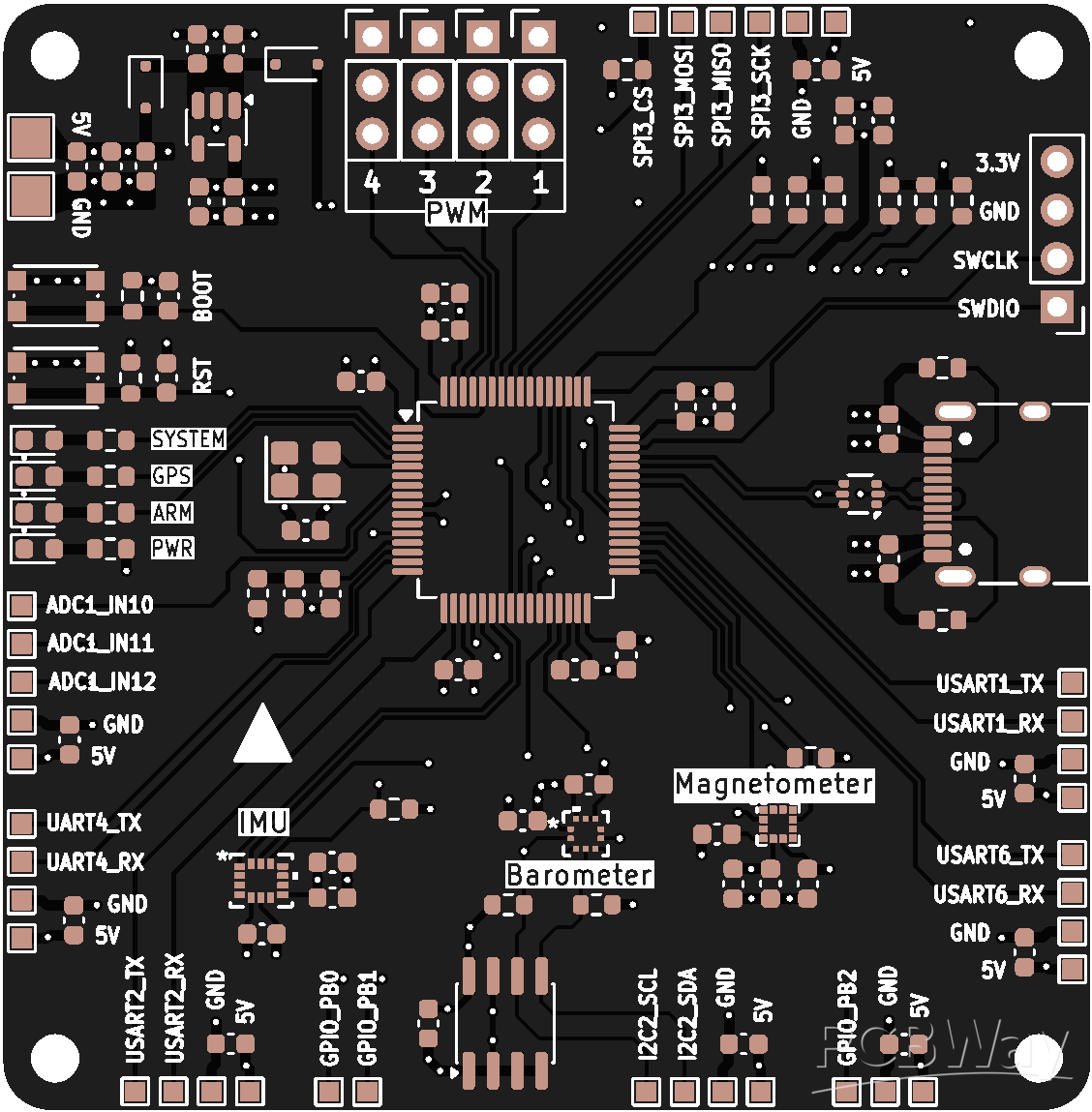
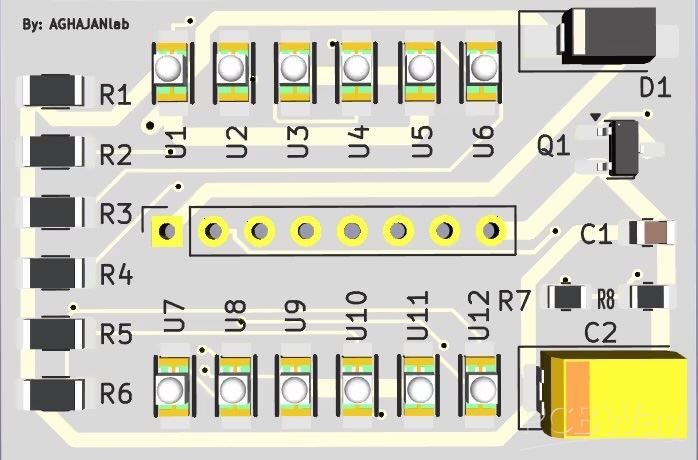
One of the areas where custom PCBs are used extensively is within the avionics subsystem. Rather than relying solely on off-the-shelf solutions, M-Fly designs custom circuit boards to optimize performance, reduce mass, and ensure seamless integration with the aircraft. We are currently working on a power distribution board that is responsible for regulating and delivering power from onboard batteries to flight-critical systems such as the flight controller, flight computer, communication antennas, and camera. It includes voltage regulation, protection features, and multiple power rails to support avionics, sensors, and payload hardware. Reliability is critical, as any failure could compromise flight safety or mission success.
Designing these boards gives students direct experience with schematic capture, PCB layout, signal integrity, power electronics, and design-for-manufacturing considerations, skills that are directly transferable to industry.
Why PCBWay Matters to M-Fly
As a student team operating under tight budget and schedule constraints, fast and reliable PCB manufacturing is essential. Rapid prototyping allows M-Fly to iterate designs quickly, test hardware early, and catch issues before final integration. This not only improves the performance and reliability of the aircraft, but also expands learning opportunities for more team members.
Support from PCBWay would allow M-Fly to:
- Prototype avionics hardware faster
- Increase the number of students gaining hands-on PCB design experience
- Improve reliability and integration across aircraft subsystems
- Push more ambitious designs within competition timelines
- These benefits extend beyond a single season, strengthening the team’s technical foundation for future aircraft and research projects.
Looking Forward
M-Fly is committed to advancing student-led aerospace engineering and inspiring the next generation of engineers. Through continued innovation, collaboration, and industry partnerships, the team aims to push the limits of what student teams can achieve in autonomous and performance-driven aircraft design. We are excited about the opportunity to collaborate with PCBWay and leverage their manufacturing expertise to continue building high-performance aircraft and developing skilled engineers for the aerospace industry.
For more information on M-Fly go to this link: https://mfly.engin.umich.edu/
For more information about the MAT-7 aircraft go to our CDR: https://docs.google.com/presentation/d/1TKYVUbzdgK0IOB_XUAAKU1gavBQaMyioxOBlnggRs9A/edit?usp=sharing
- Comments(0)
- Likes(0)