

MEEGA - Make Enceladus Experiment Go Again
The MEEGA project (Make Enceladus Experiment Go Again) is a rocket
experiment developed by students at FH Aachen, selected for launch aboard the
sounding rocket REXUS 36. The launch is scheduled for March 2026 from the Esrange
Space Center in Kiruna, Sweden.
The experiment is part of a broader scientific initiative investigating the cryovolcanic
emissions (known as plumes) on Enceladus — an icy moon of Saturn. These gas
eruptions were first discovered in 2005 by the Cassini spacecraft during a flyby of the
moon’s south pole. They escape from cracks in the moon’s surface, releasing water
vapour, ice particles, organic compounds, and salts. Due to the presence of liquid water,
heat sources, and organic molecules, Enceladus is considered a promising candidate
in the search for extraterrestrial life within our solar system.
The objective of the MEEGA experiment is to gain a deeper understanding of the physical
processes underlying the formation of such plumes. To achieve this, the key
environmental conditions will be recreated in a compact experiment under microgravity.
The central component of the experiment is the evaporation chamber.
Once the rocket enters the microgravity phase, water is injected into the chamber,
where it is held in place by a specially developed anti-sloshing system. After a brief
stabilisation period, a servo-operated release mechanism opens, causing a sudden
pressure drop inside the chamber. This triggers a flash evaporation of the water-air
mixture, forming a plume. The resulting vapour is accelerated to supersonic speed
through a De Laval nozzle and then precisely analysed using pressure and temperature
sensors as well as a camera system.
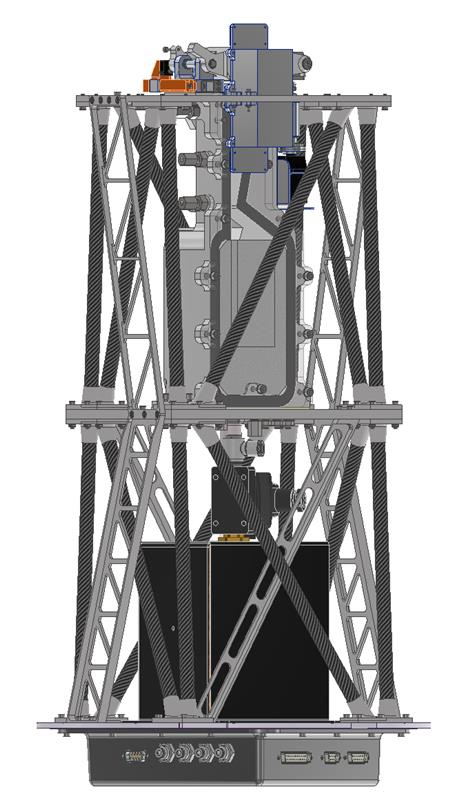
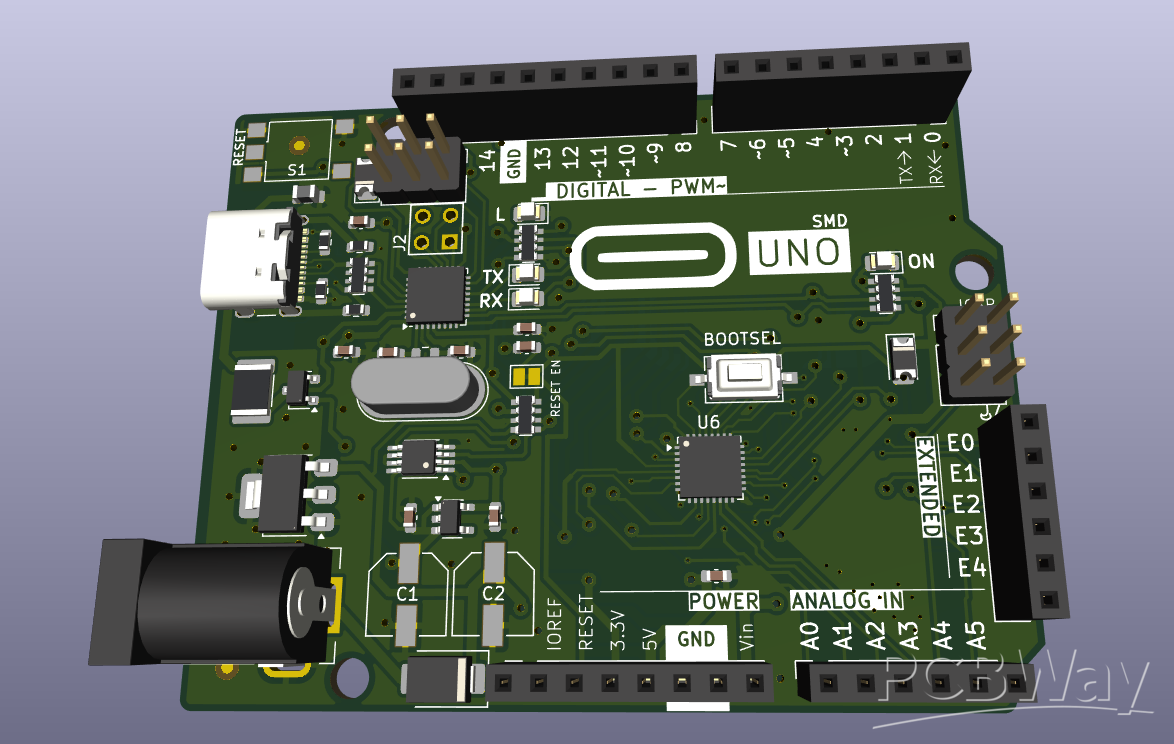
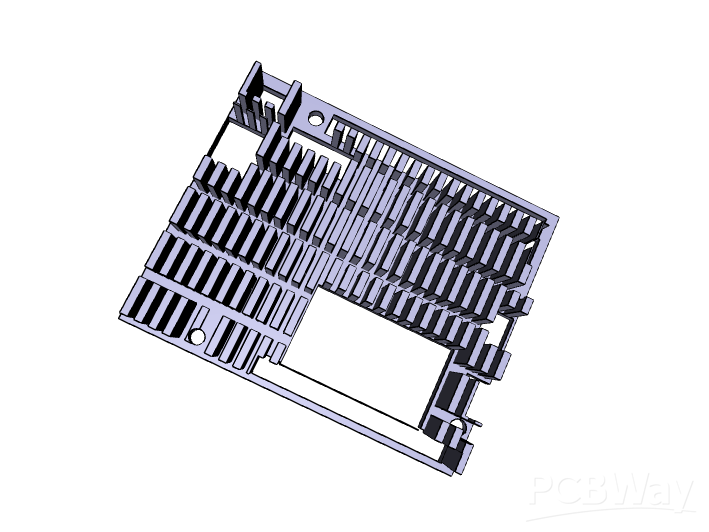
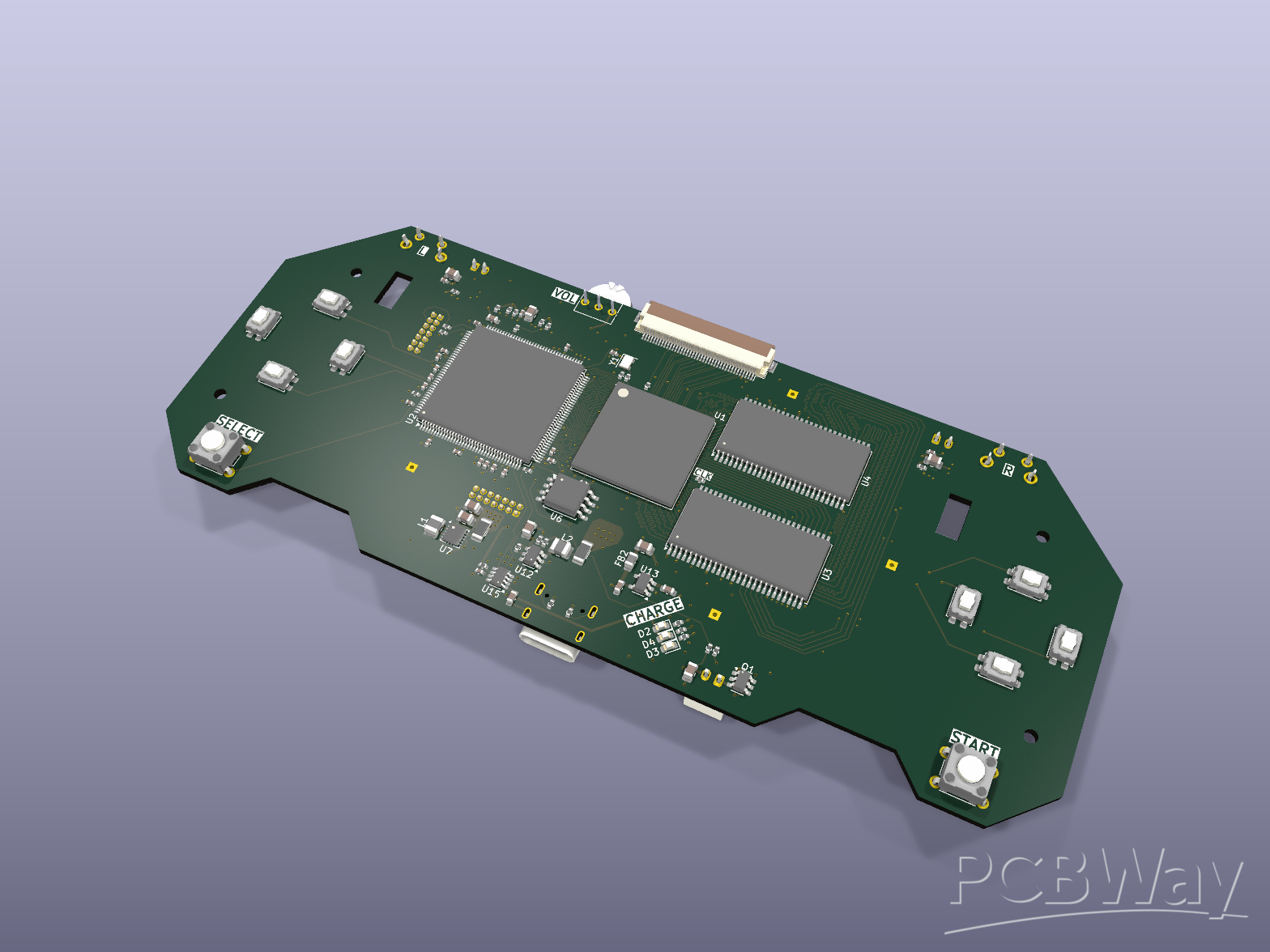
Picture: Our current experiment setup
Apply for sponsorship >>- Comments(0)
- Likes(0)