

Liquid bi-propellant Rocket Project
My name is Joshua Humphreys, and I’m an engineering student with an insatiable passion for propulsion and rocketry. Since last September, I’ve been leading a project to develop a liquid bipropellant rocket, namely the Half-Cat rocket. A liquid rocket already designed for low-cost accessibility for engineering students. The purpose of this project was to learn the basic of liquid propulsion. Now that we are nearing completion with this rocket. I want to continue to challenge myself by attempting more advanced designs that's been associated with other Half-Cat projects as well as my own designs. We have three team members, Semra who has helped out with physics calculations with factors of safety checks for the pressure vessel, Riley who is crafty with electronics, and me, who initiated the project and is leading the overall development.
Our funds from an initial grant have run dry, and we’re now looking for a partner to help us push this project beyond one static fire test. With additional funding, we aim to refine our current design, integrate advanced features, and explore new experimental propulsion concepts—continuing our pursuit of innovation in aerospace technology. We are limited to only doing a static fire test as the only place we can launch is the Mojave Desert in California and we are located in Lehigh Valley, PA.
A few potential projects in the future:
New combustion chamber design with regen cooling
Larger capacity for fuel tank
Better injector design for higher efficiency
Bell nozzle
Gimble assembly for thrust vector control
Experiment with aerospike nozzle
Attempt hop test
Integrate GPT LLM model with avionics sensors to read and interpret data
Latest Update of current project (as of 03/14/2025)
Will have to re-design injector due to drilling error in trying to increase efficiency by drilling additional holes into oxidizer orifices. The new design will be much better given my knowledge and experience has gotten much better.
Measure piston in propellant tank and inner diameter of tank tube to ensure stacked tolerances are within range.
Measure roundness of tank tube
Check factor of safety calculation for shear stress on bolts of propellant tank that locks in interface rings for the bulkheads
Order parts for design of launch stand
Put together igniter assembly, conduct a test
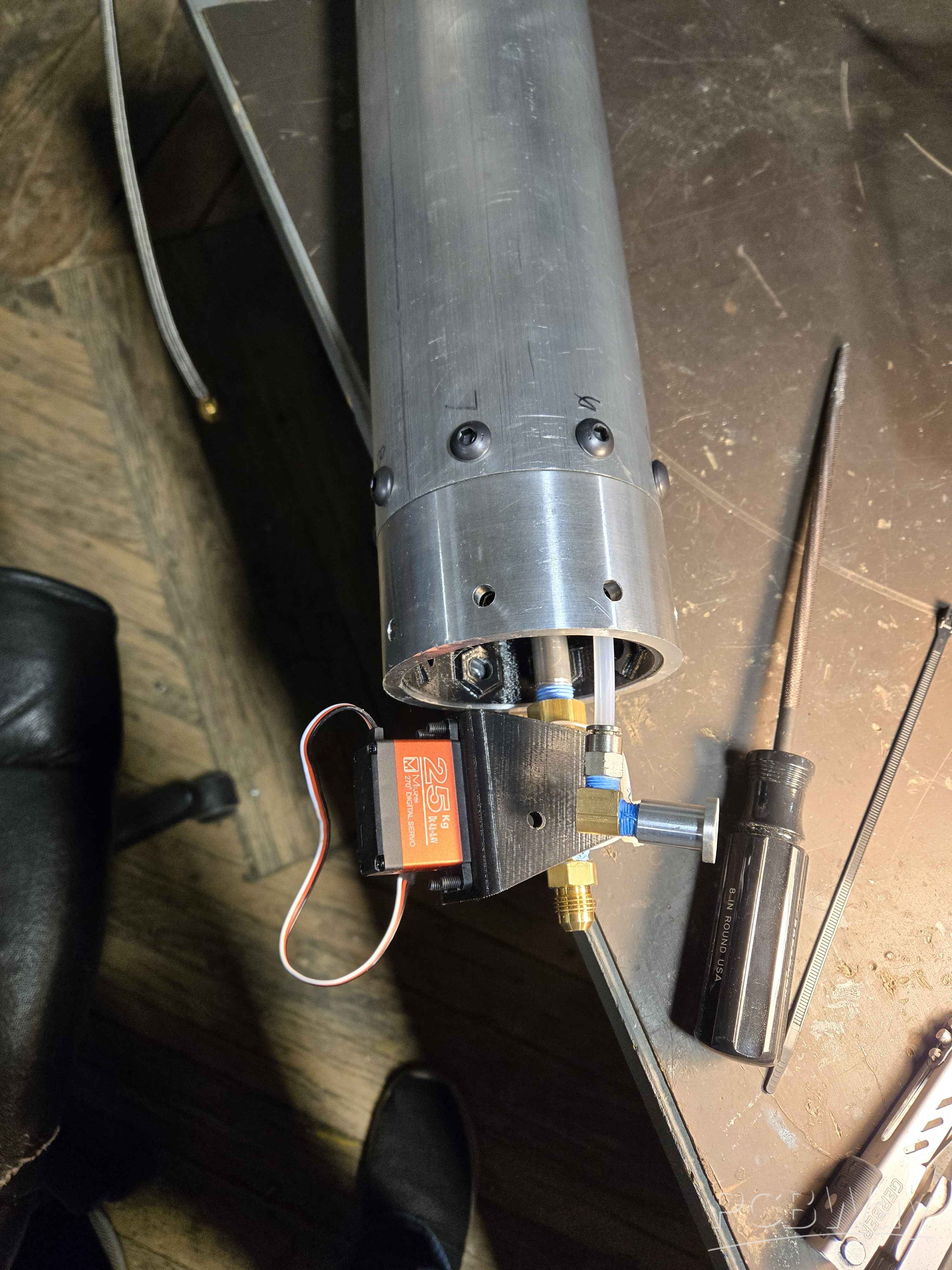
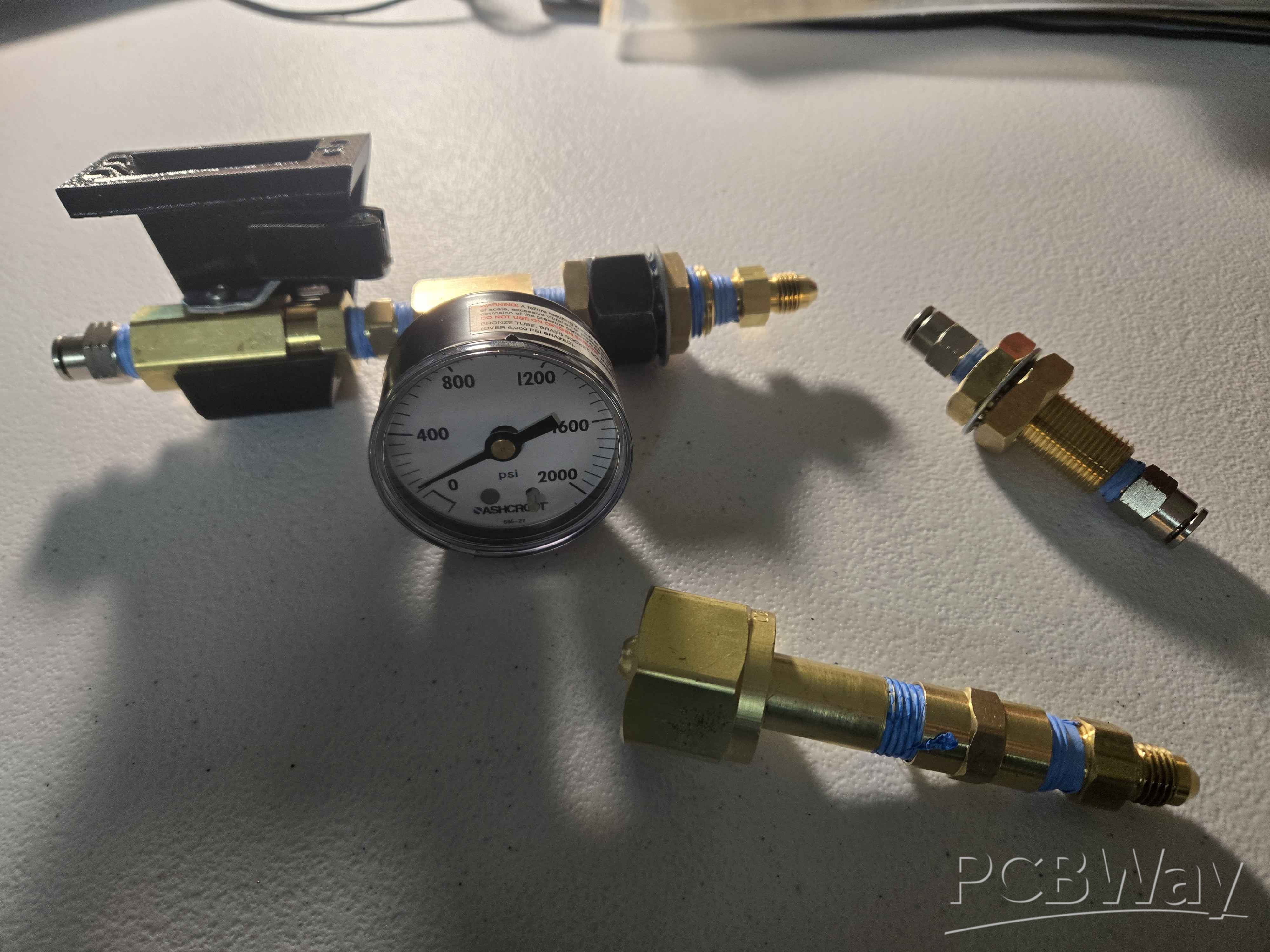
Complete Ground Service Equipment electronics integration with servo actuated valves that control propellant flow in plumbing system
Attach fins
Find supplier for Nitrous Oxide, CO2, and E98.
Have $400 left on current grant
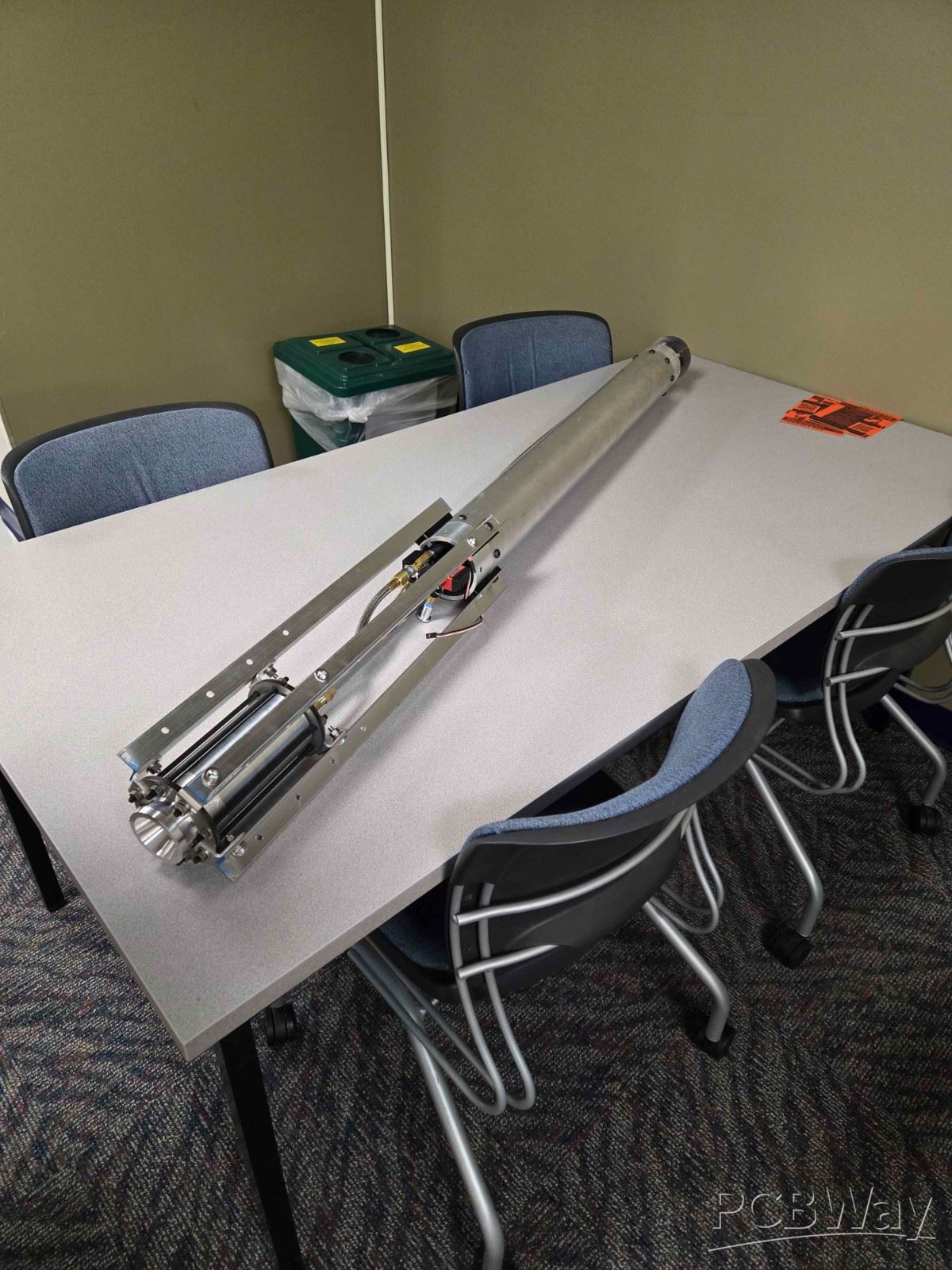
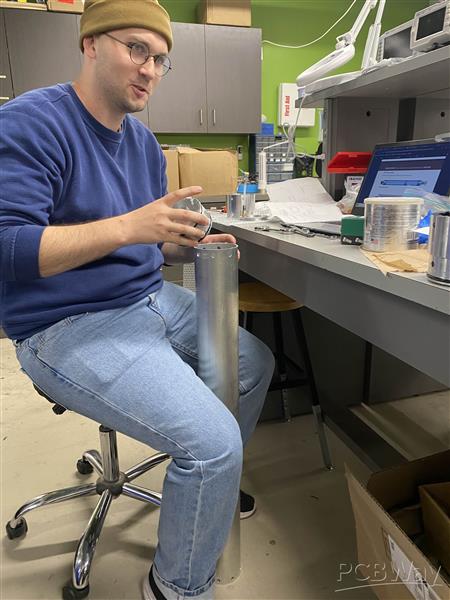
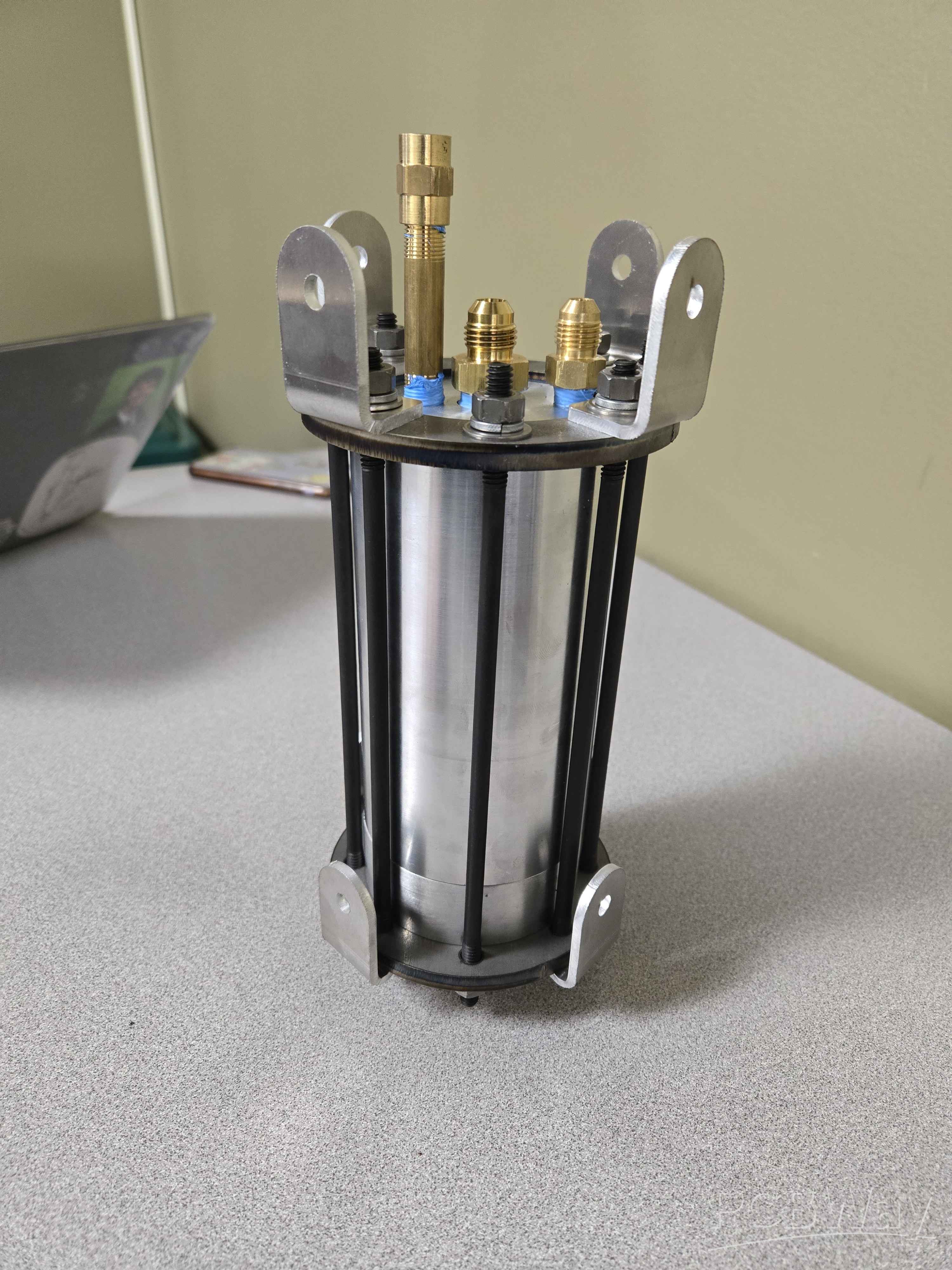
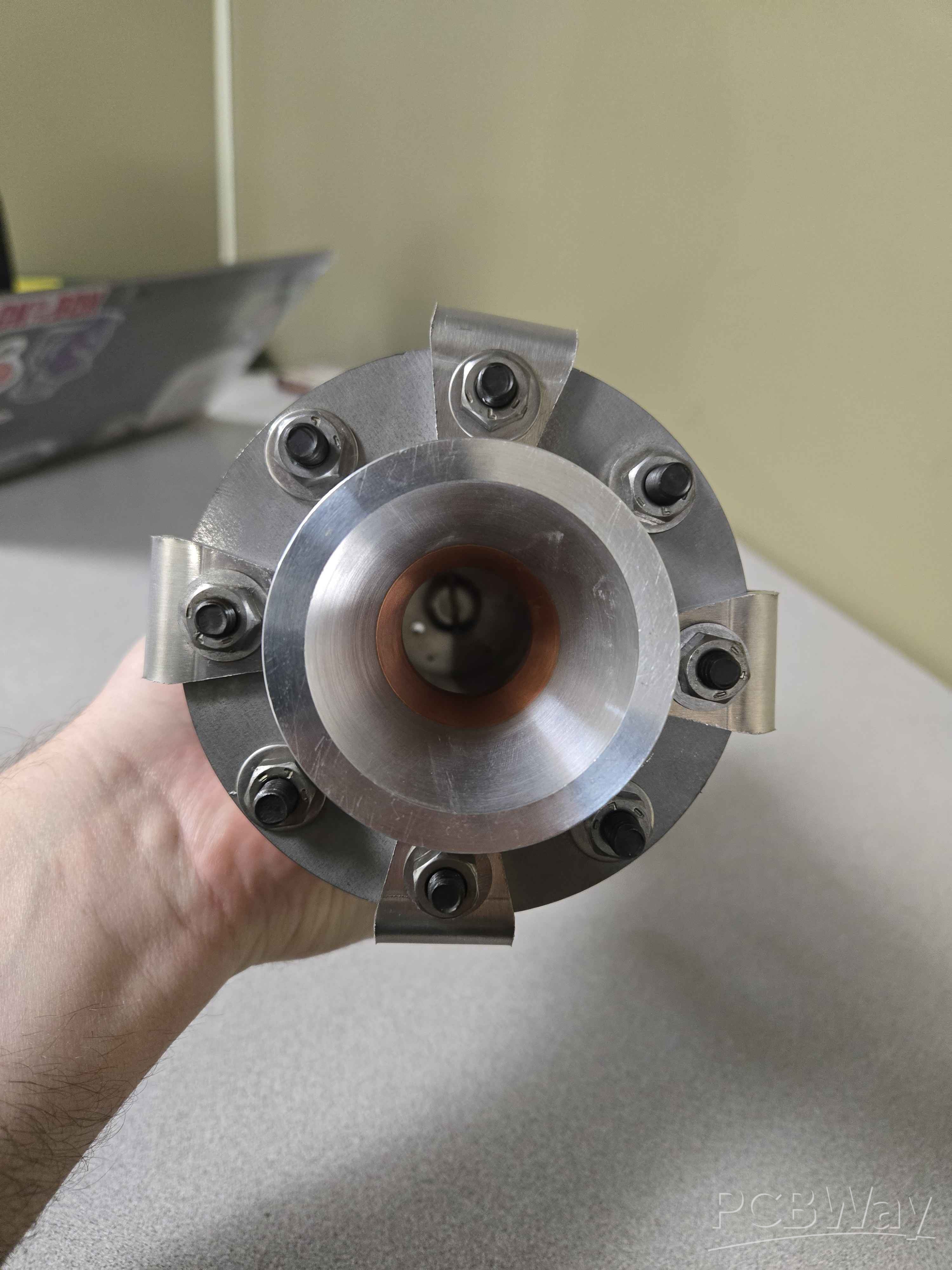
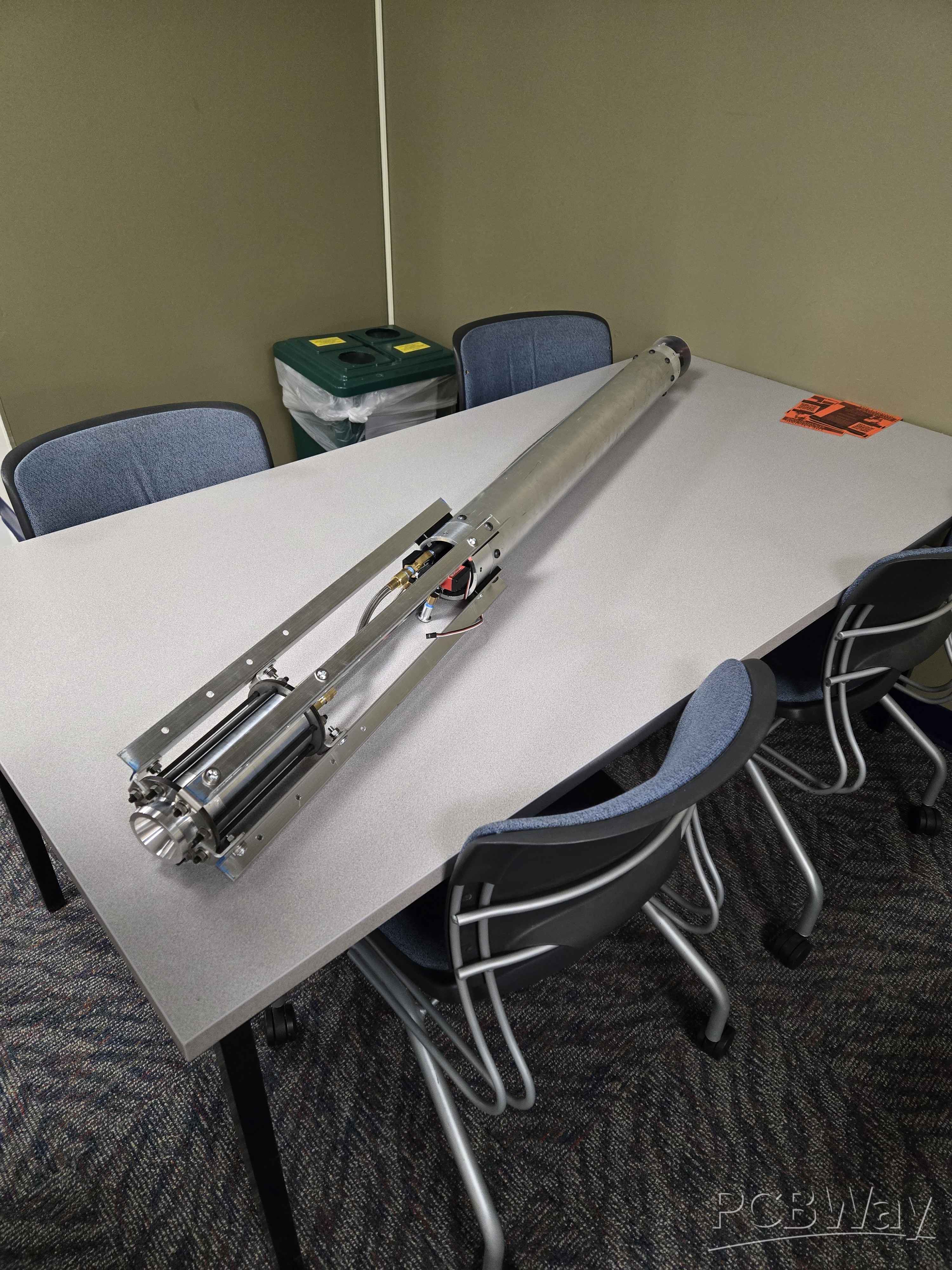
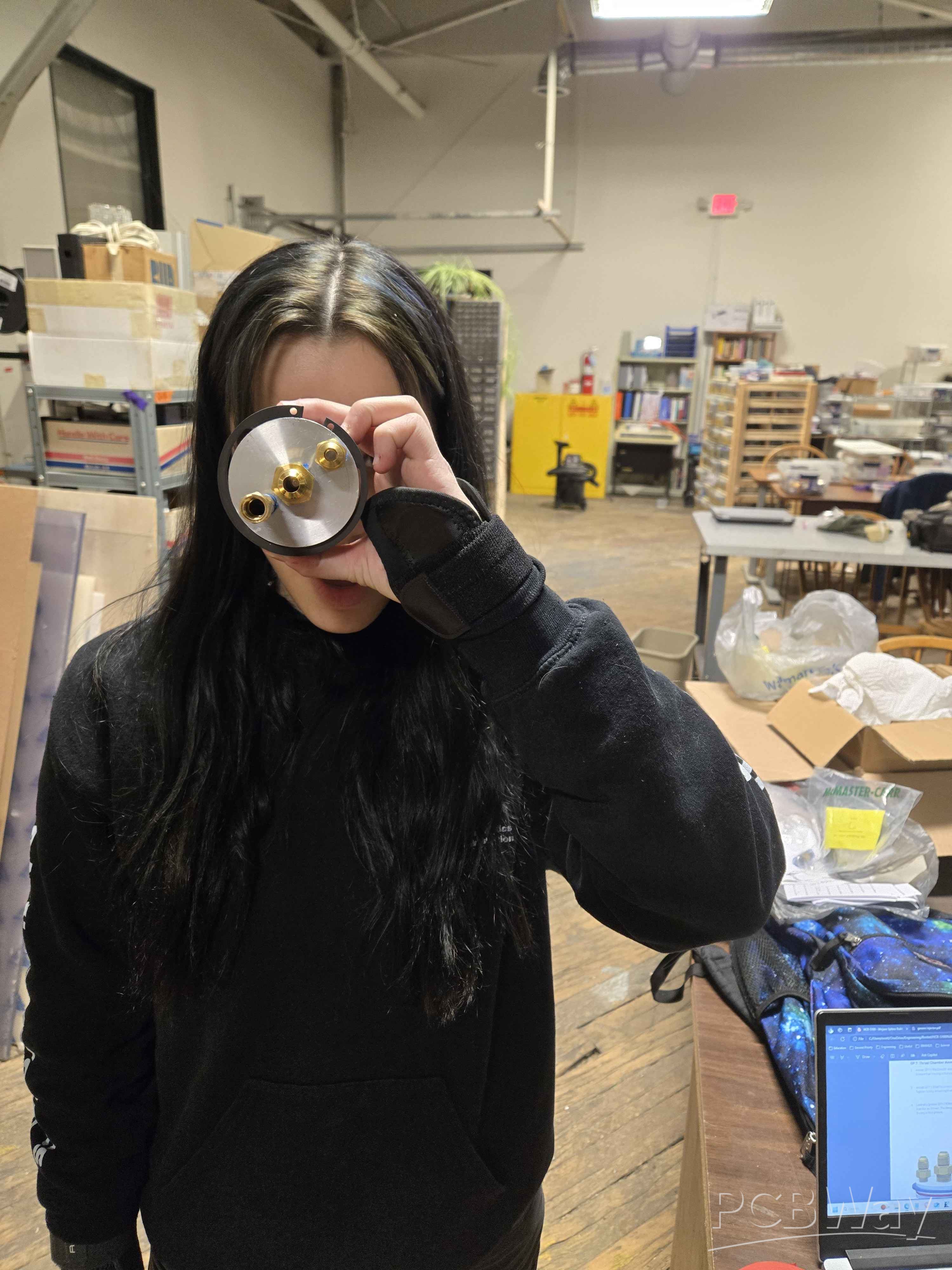
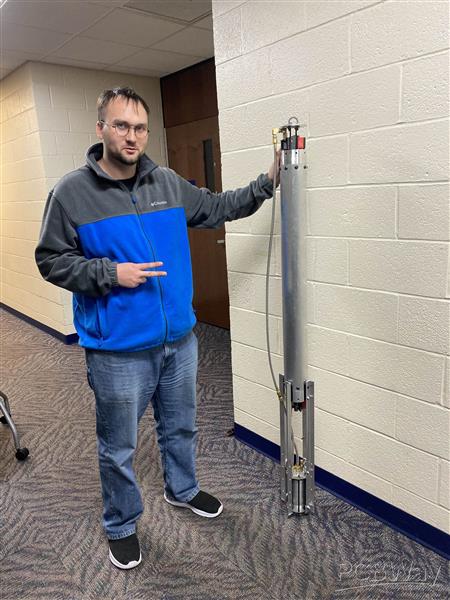
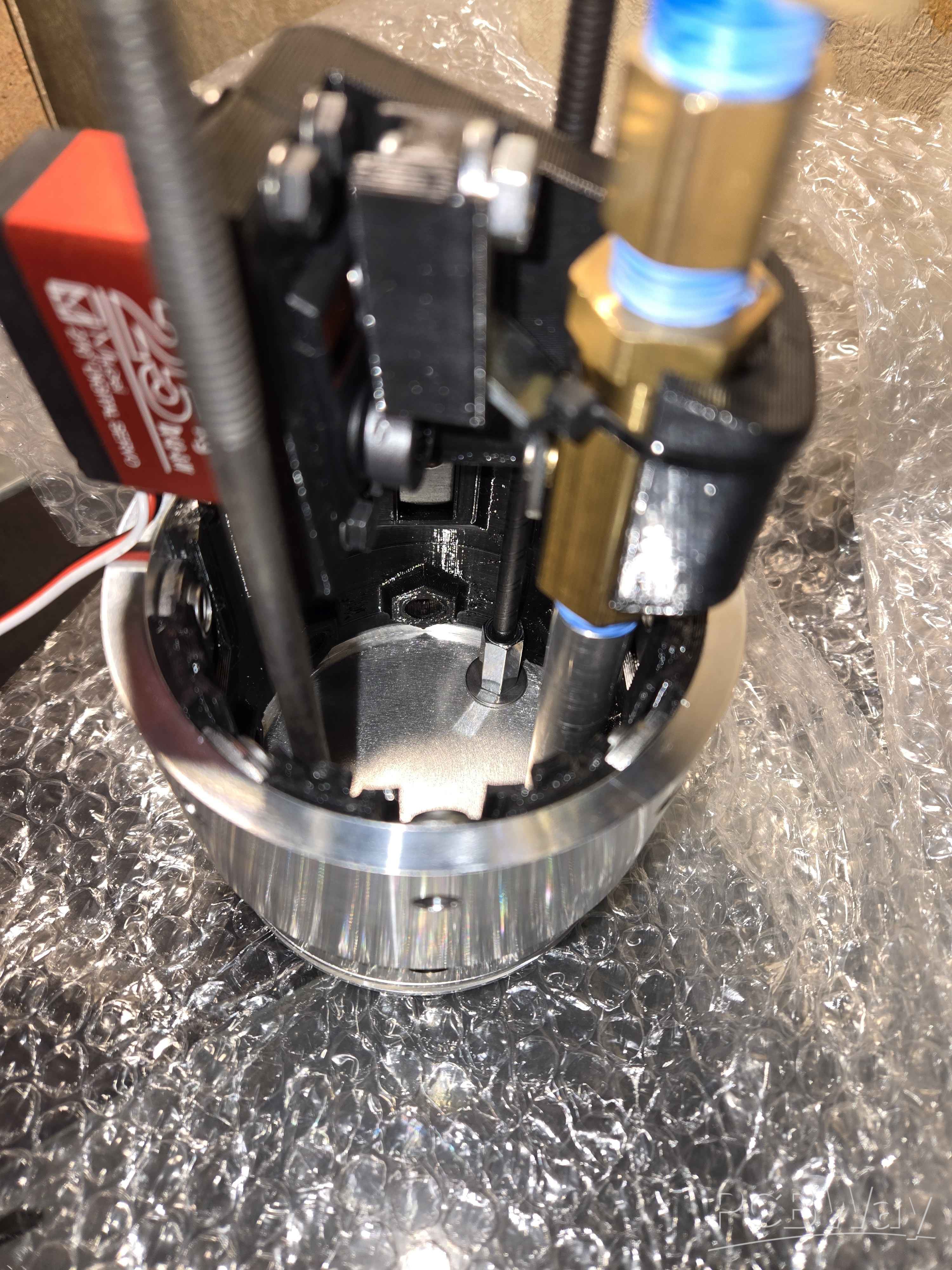
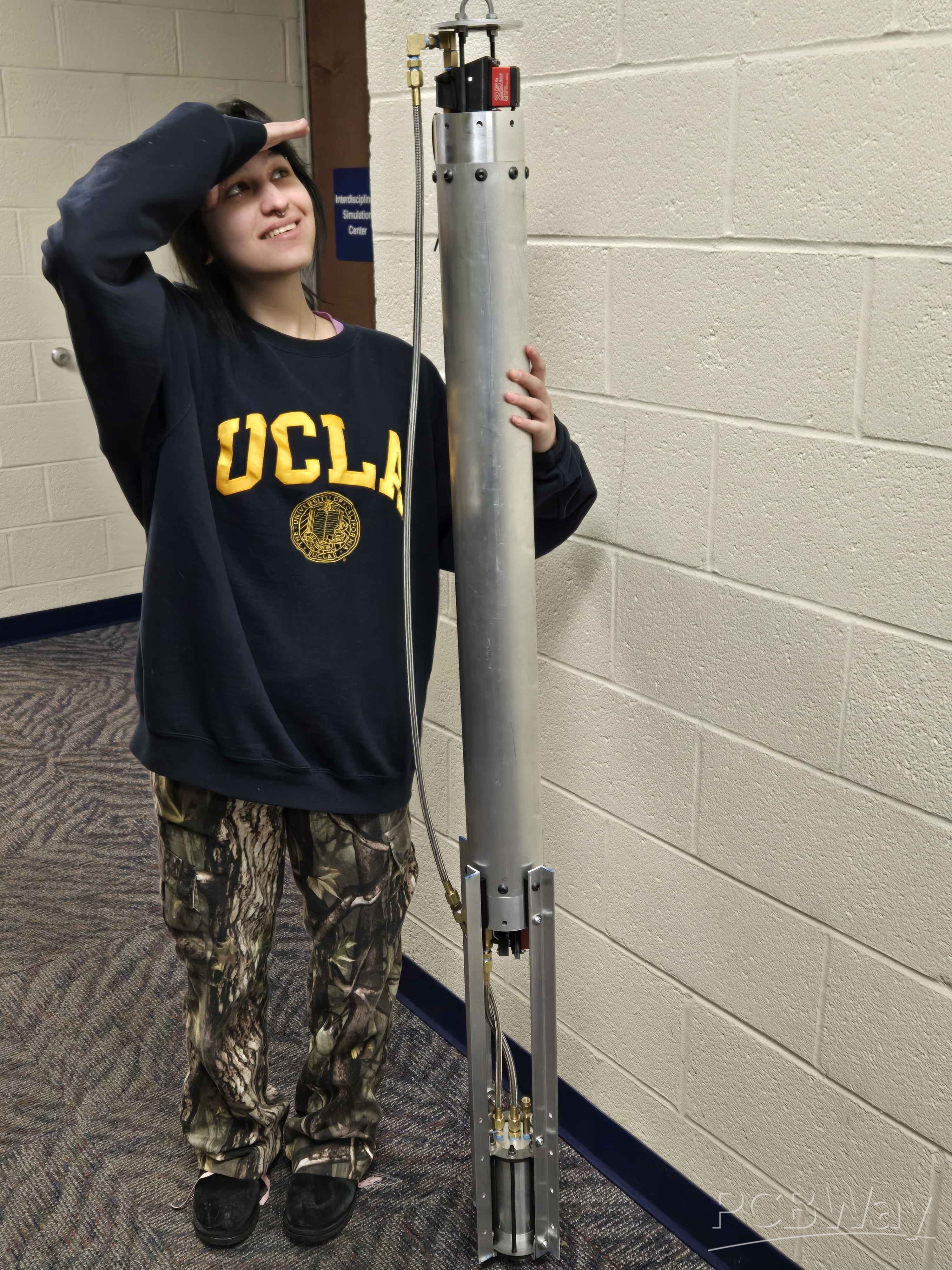
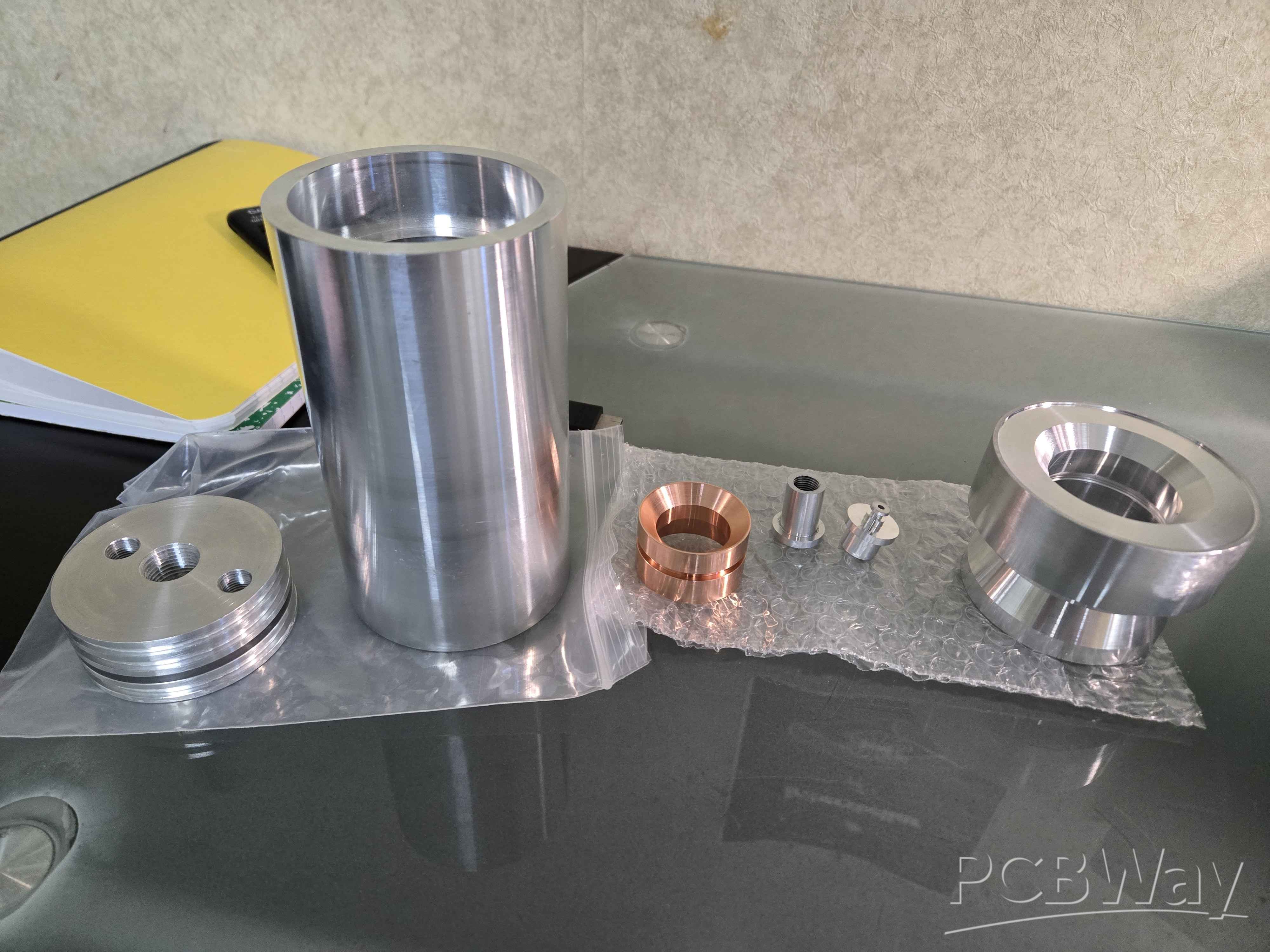
Here are some pictures:
** Inside the GitHub link, there is a file called "HCR-5100 - Mojave Sphinx Build, Integration, and Launch Guidebook - R01" This includes technical drawings for machined parts, BOM, and in-depth details about design. 
** Here is a video of an overview of the Ground Service Equipment: https://youtube.com/shorts/nLjAIGNXz70?feature=share
- Comments(0)
- Likes(0)