Leeds UAV Team - Gryphon Arrows
Gryphon Arrows – Soaring Towards Innovation in Humanitarian Aid
At Gryphon Arrows Leeds, we are driven by a singular mission: to harness the power of engineering innovation to make a positive global impact. As a first-time entrant in the iMechE UAS Challenge 2025, we are excited to embark on a journey to design, develop, and deliver an advanced Unmanned Aerial Vehicle (UAV) capable of supporting humanitarian missions across the world.
Our Mission:
Natural disasters, remote regions, and conflict zones often lack immediate access to critical supplies. Our goal is to design a UAV that can deliver essential goods—such as medical supplies, food, and emergency kits—to these hard-to-reach areas, saving lives when every second counts. The iMechE UAS Challenge provides a unique platform to showcase our technical capabilities while addressing real-world challenges through innovative aerospace solutions.
The Gryphon Arrows Approach:
Our approach is grounded in technical excellence, creativity, and teamwork. We are developing a UAV optimized for:
✅ Payload Delivery: Ensuring the safe and efficient transportation of critical supplies.
✅ Autonomous Navigation: Implementing advanced flight systems for precise delivery.
✅ Sustainability: Designing with lightweight materials and energy-efficient components.
Our team of passionate engineers collaborates across disciplines—mechanical, electrical, and software—to tackle complex problems with innovative solutions. Through rigorous design iterations and testing, we aim to deliver a UAV that is not only technically superior but also reliable in critical situations.
Why This Matters:
Beyond the competition, our UAV holds the potential to transform humanitarian logistics. From delivering aid to disaster zones to assisting in medical supply chains, the technologies we develop can have a lasting impact on global communities in need.
Our Journey So Far:
Since forming our team, we’ve made significant strides:
🚀 Concept Design: Developed initial UAV models tailored for precision delivery. (PDR Complete)
🔧 Prototype Development: Begun building and testing critical subsystems. (In Progress)
🤝 Industry Collaboration: Partnering with sponsors and experts to enhance our capabilities.(In Progress)
How You Can Support Us
As a new team, we rely on the generosity of sponsors and supporters to bring our vision to life. Financial support enables us to access cutting-edge materials, advanced testing facilities, and specialized training—all vital for achieving success in the competition and beyond. Your partnership with Gryphon Arrows is more than an investment in technology—it is a commitment to engineering solutions that save lives.
Together, we can push the boundaries of innovation and make a tangible difference in the world. Join us on our journey and help Gryphon Arrows take flight!
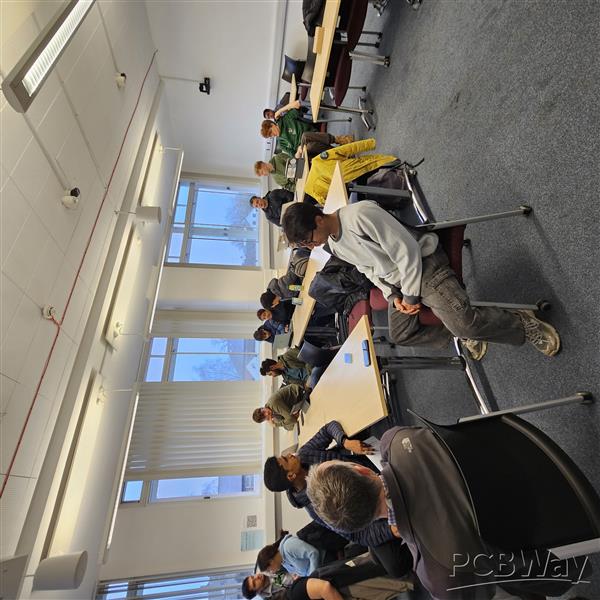
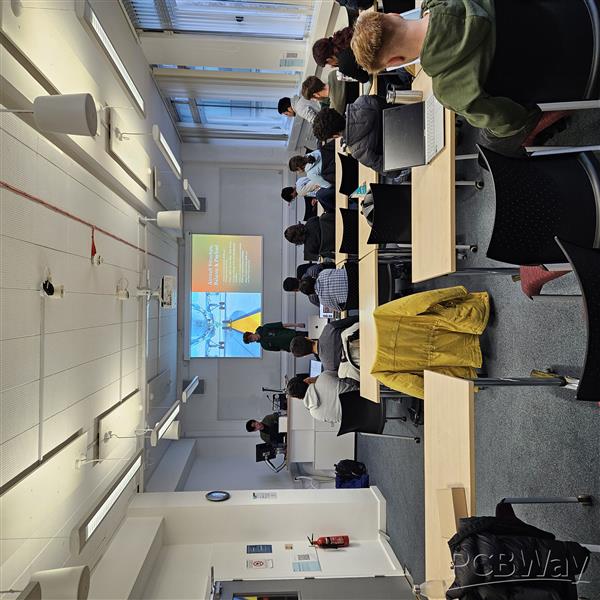
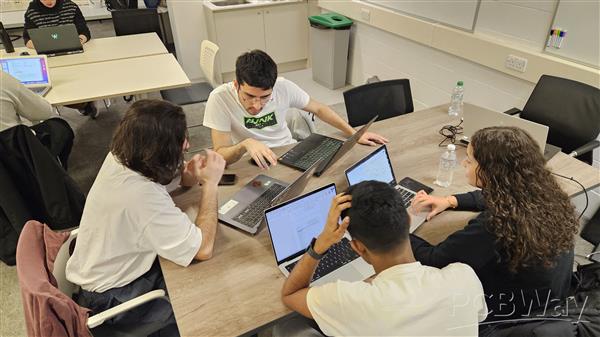
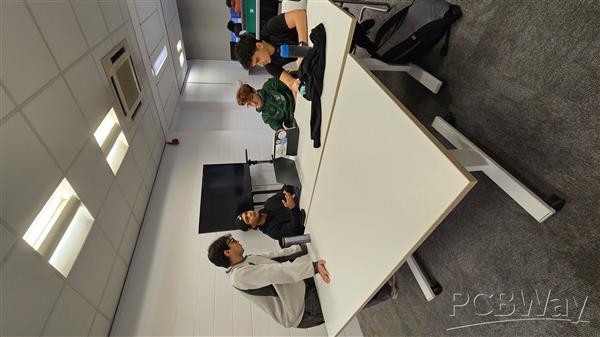
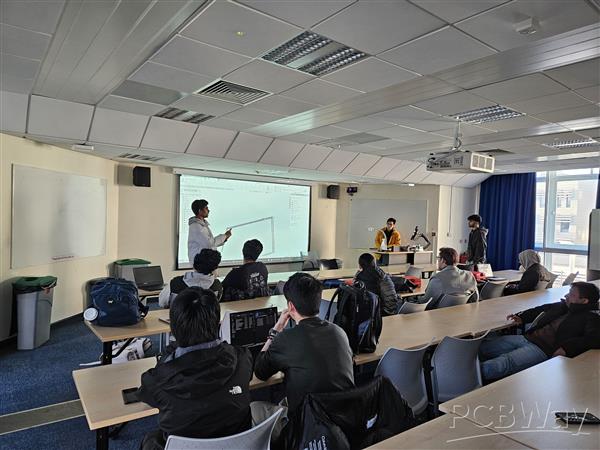
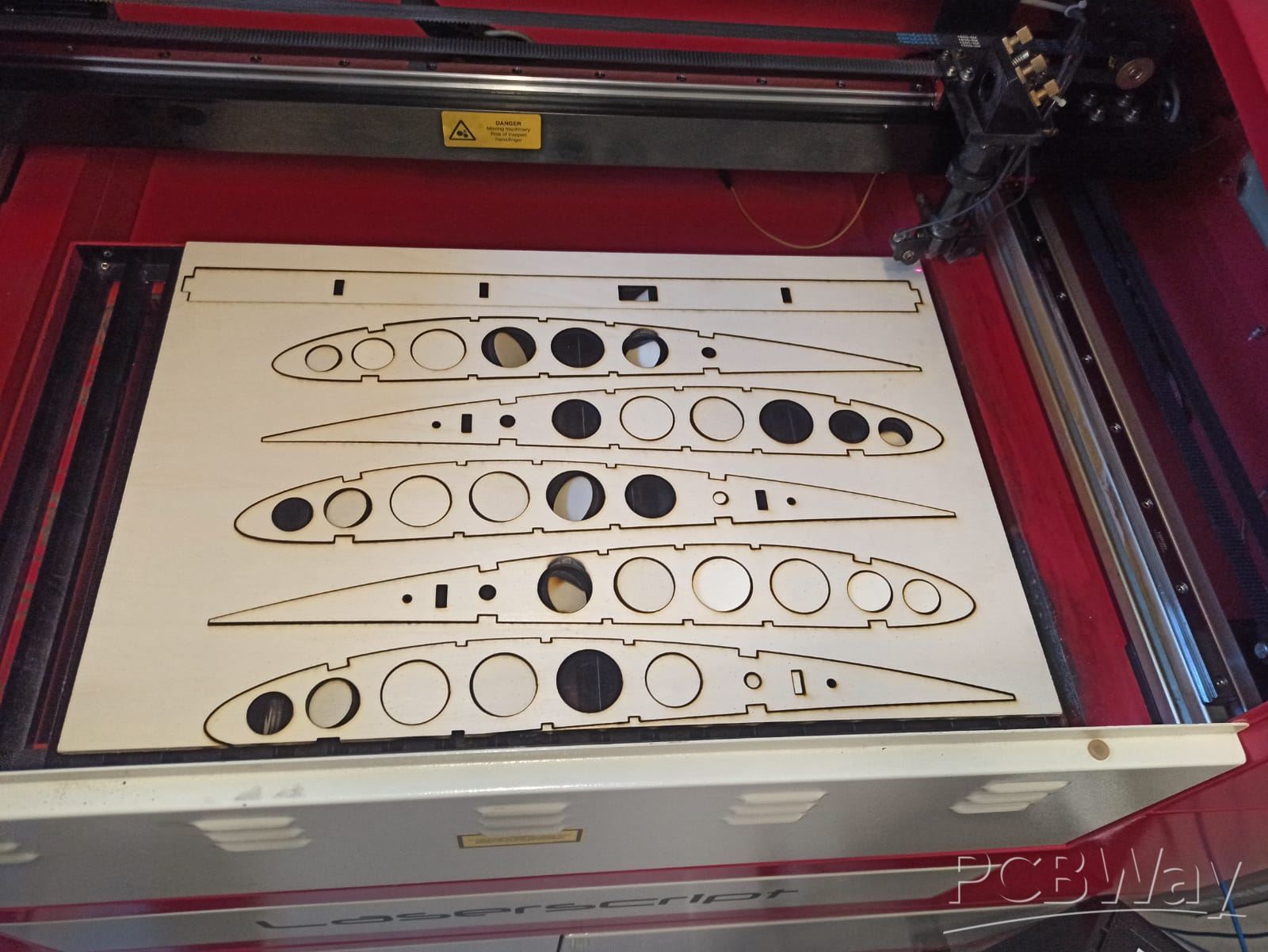
Photos from our weekly meeting, presentations, review sessions, manufacturing and more :
Team contribution:
1. Aircraft Avionics Design Team
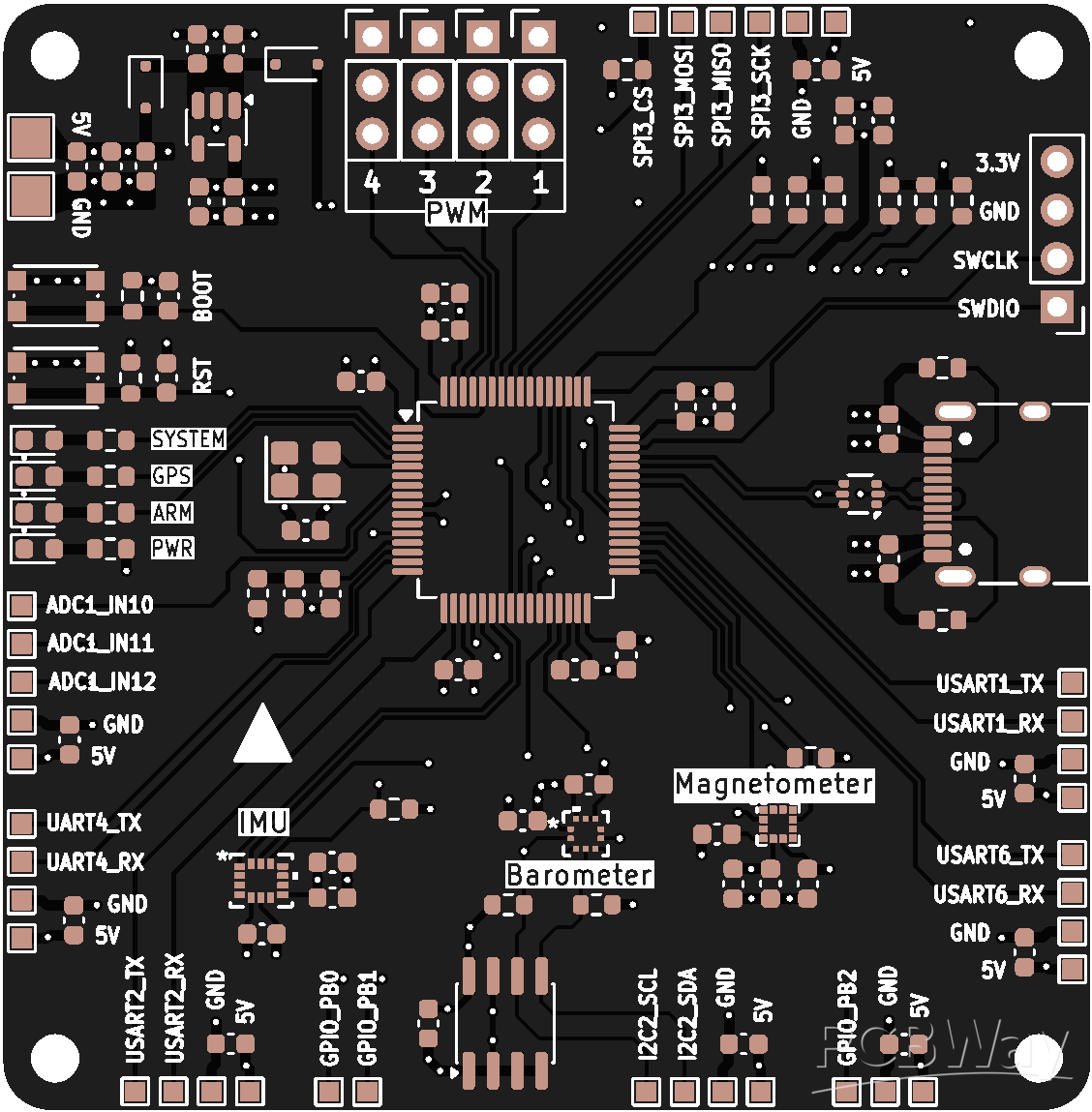
This team manages the UAV’s electronic systems, using a Pixhawk 4 flight controller powered by an 1800mAh, 7.4V LiPo battery. They conduct extensive testing—component checks, power simulations, and in-flight trials—to ensure system reliability. Safety measures like fuses and insulation are implemented to prevent electrical faults and maintain performance.
2. Aerodynamics, Stability & Flight Performance Team
Responsible for optimizing flight efficiency and stability, this team selected the NACA4412 aerofoil for lift and the NACA0012 for stability. They conduct lift coefficient analysis, stability tests, and wind simulations to ensure safe take-off, cruise, and landing under various conditions.
3. Aerostructures Team
This team designs the UAV’s physical structure using carbon fiber spars and plywood for the wings and fuselage. They use Finite Element Analysis (FEA) to ensure structural integrity while keeping the design lightweight and easy to assemble.
4. Propulsion Systems Team
The propulsion team selected AM480 KV600 motors and a 5-6S LiPo battery for optimal power-to-weight efficiency. Through static thrust testing and simulations, they ensure reliable propulsion throughout all flight phases, balancing thrust and energy efficiency.
5. Computer-Aided Design (CAD) Team
The CAD team creates detailed 3D models, optimizing internal layouts for weight distribution and modularity. Their high-fidelity designs guide manufacturing and ensure seamless integration of all UAV subsystems.
6. Autonomous Control Systems Team
This team develops the UAV’s autonomous navigation, stability assistance, and obstacle avoidance. Using SITL simulations, they validate waypoint navigation and ensure the UAV operates safely and reliably in real-world environments.
Apply for sponsorship >>- Comments(0)
- Likes(0)