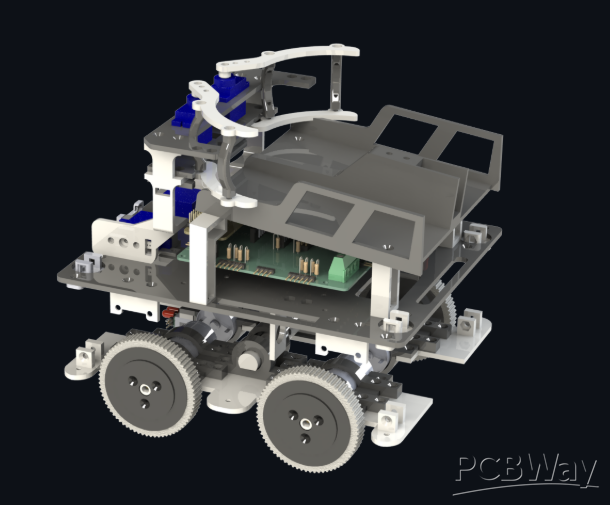
ITU Rover Team
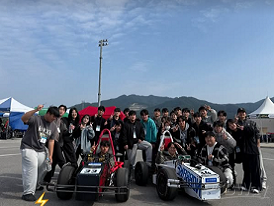
Founded in 2016 by undergraduate students at Istanbul Technical University, the ITU Rover Team has been representing Turkey in international competitions since its establishment. Every year, the team consists of approximately 50 students passionate about space and robotics, working in a multidisciplinary manner within different sub-teams.
The students in these teams collaborate across various disciplines, including core engineering fields such as mechanical engineering, electrical-electronics engineering, materials engineering, and computer engineering, as well as fundamental sciences like chemistry, physics, and biology.
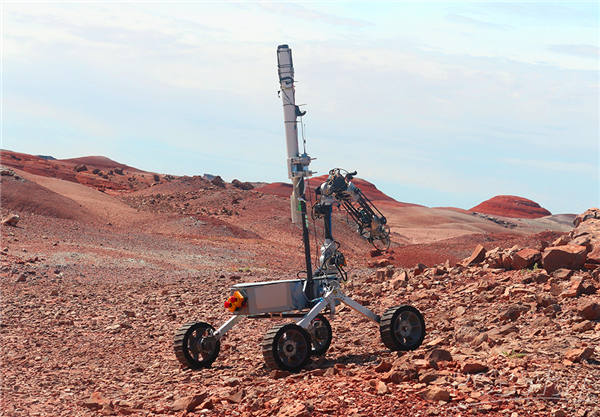
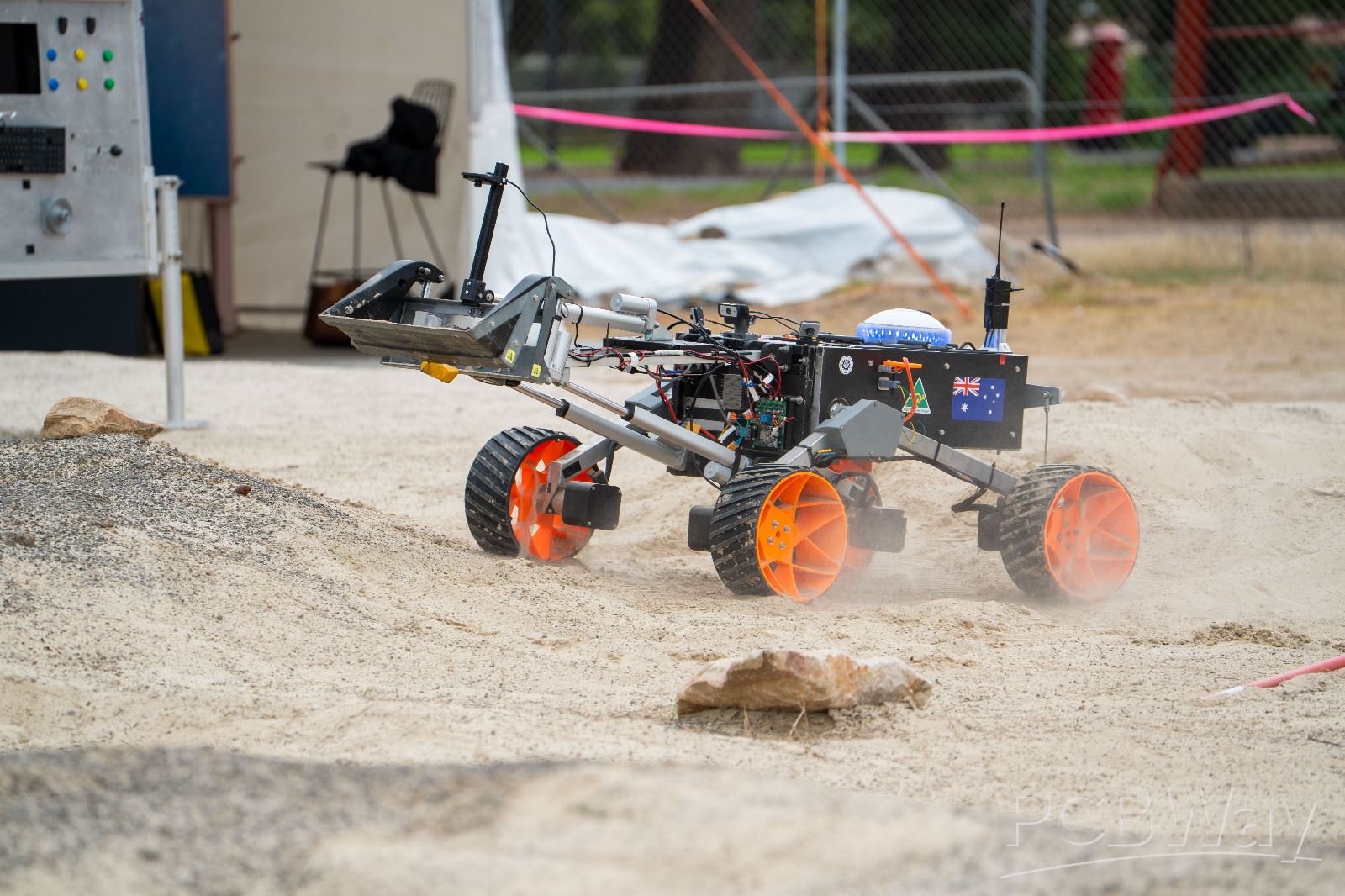
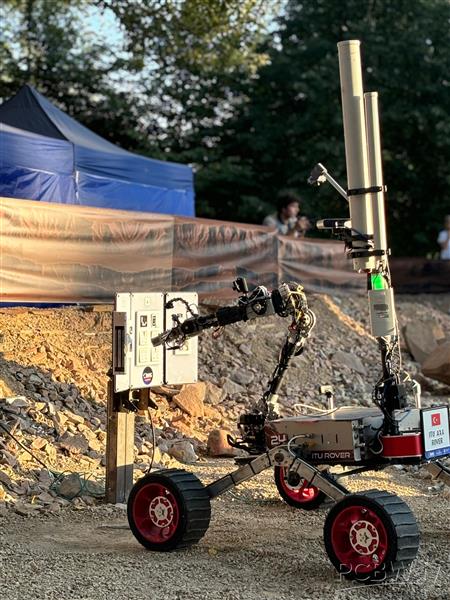
Currently, the team is working on their 9th-generation Rover, aiming to participate in the University Rover Challenge (URC) organized by The Mars Society in the United States and the European Rover Challenge (ERC) organized by the European Space Foundation in Europe. Their goal is to achieve high rankings in these competitions. These challenges typically consist of tasks simulating missions that a Rover vehicle could perform on the surface of Mars, such as manipulating a control panel, transporting objects from one location to another, and autonomously navigating its way.
Looking at ITU Rover Team’s achievements, they have secured 2nd and 3rd places in the ERC competition. Currently, the team is striving to build on these successes, win these competitions, and contribute to the field of space robotics.
The attached link contains a video in which we introduce our vehicle as a preliminary presentation for the URC 2025 competition.
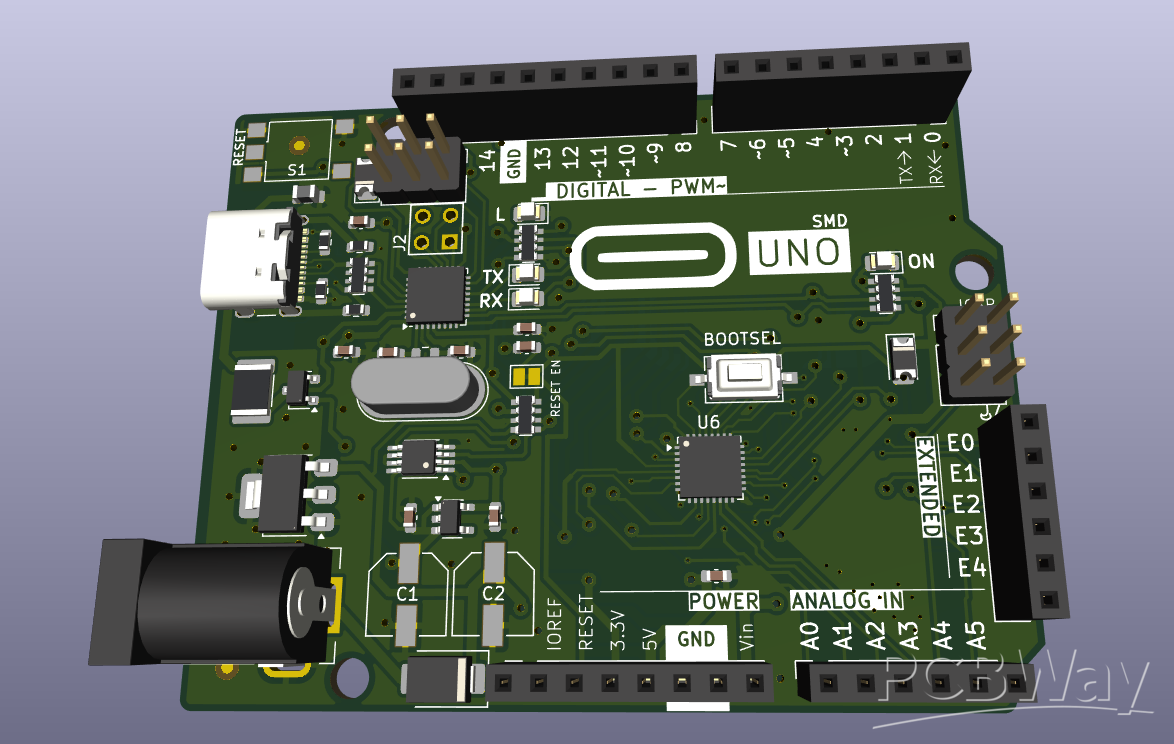
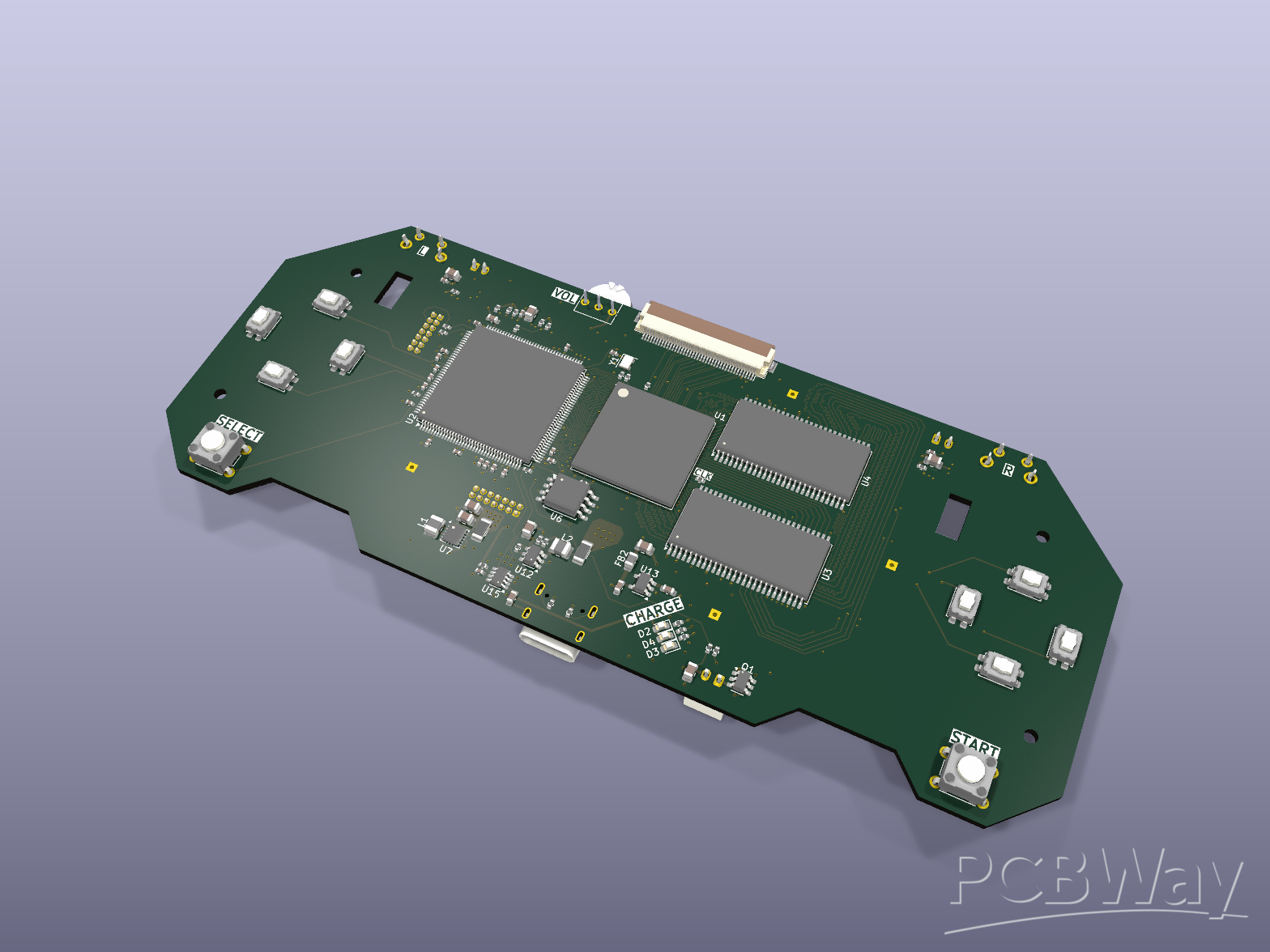
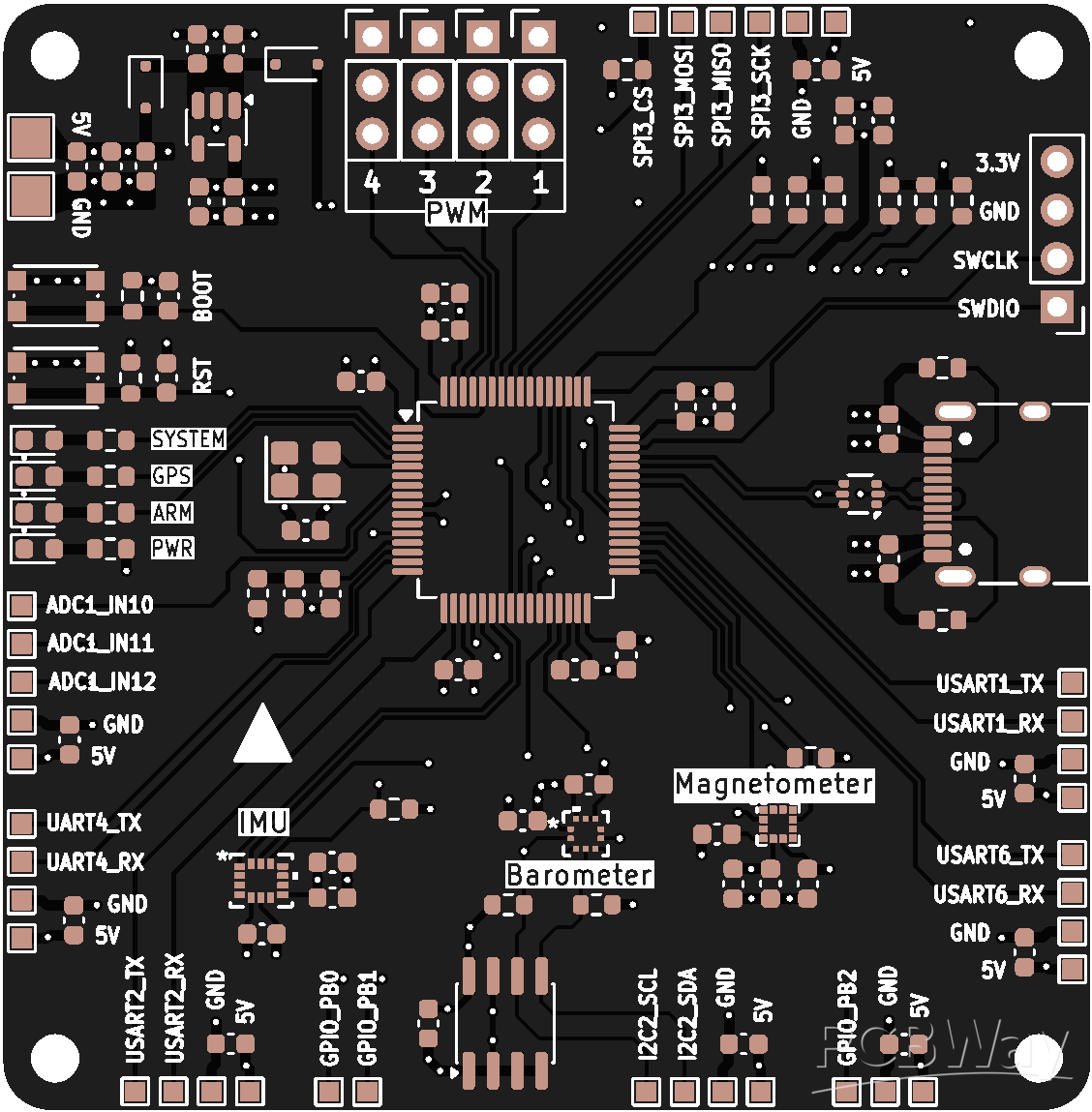
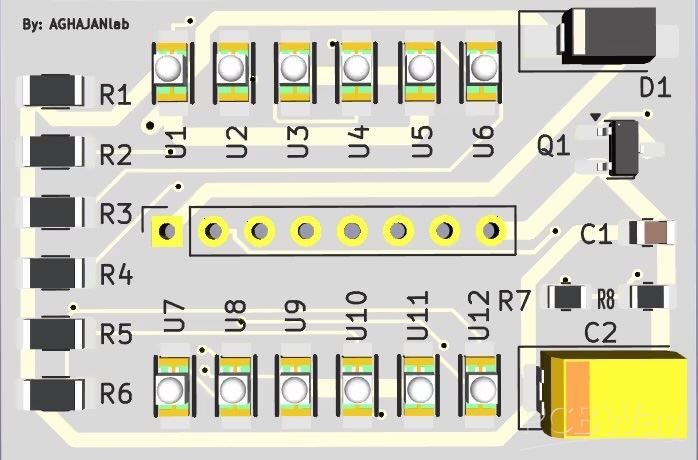
The team utilizes custom-made PCBs for different systems on the Rover. Examples of these include the Power Distribution Board, Vehicle Control Unit, Scientific Analysis Sensor Circuit, Spectrometer Circuit, and 6-axis Robotic Arm Circuit.
1. Power Distribution Board
The purpose of this circuit is to step down the input voltage supplied by a 42V Li-Ion battery to different voltage levels required by various peripherals. It is equipped with systems that protect surrounding components and enhance safety in case of any issues. This circuit can output multiple voltage levels, such as 24V, 19.5V, 12V, and 5V, allowing the Rover to be adapted to different systems as needed.
2. Vehicle Control Unit
This circuit facilitates communication between the vehicle's brushless motor drivers and the onboard computer using multiple communication protocols. While communication with BLDC motor drivers is achieved via the CAN protocol, this circuit is also configured to support I2C, UART, and SPI protocols when needed. Additionally, it ensures reliable data transfer between the vehicle's computer using the Ethernet protocol.
3. Scientific Analysis Circuit
This circuit is integrated with the scientific system and is responsible for controlling the motors in the sample collection system, which extracts soil from designated areas. It also provides connections for sensors required for scientific analysis. These sensors can transmit accurate measurements to the vehicle's computer, enabling the Rover to conduct scientific analyses using its onboard laboratory.
4. Robotic Arm Circuit
Located at the end effector of the 6-axis robotic arm, this circuit is designed to enhance its capabilities. With the components on the circuit, it can control the brushed motor in the gripper and allow the robotic arm to operate equipment required for specific tasks. For instance, the drivers on the circuit can activate a solenoid for tasks requiring precision, such as pressing a keyboard, or measure the magnitude and polarity of an unknown voltage source.
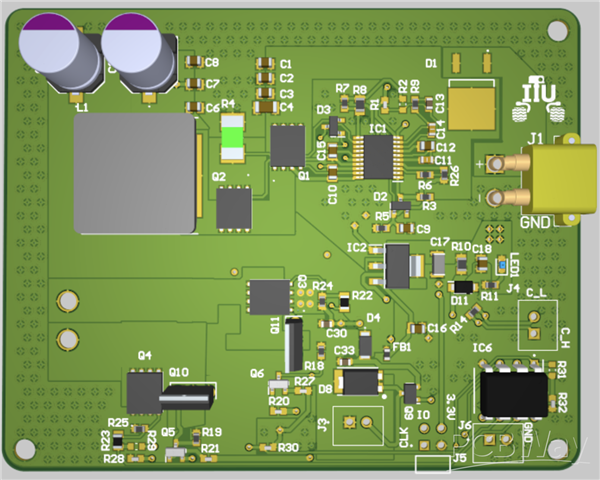
A collaboration with PCBWay for the production of this and many other PCBs would be highly beneficial for the team. Every component that is produced quickly and at a low cost is crucial for the team to achieve its goals.
Occasionally, delays in manufacturing force the team to reassess its plans and may lead to certain setbacks. However, with a partnership like PCBWay, it is believed that these issues will be significantly reduced, allowing the ITU Rover Team to continue moving forward with confidence toward its main goal of contributing to space robotics.
The 9th-generation Rover, which we have designed for this purpose, can be seen in the image below.
As the ITU Rover Team, we are very excited about our collaboration with PCBWay!

- Comments(0)
- Likes(0)