

Hall Effect Thruster for Nano-Satellites
What we’re building:
Developed at the University of Calgary, AstroPulse is an undergraduate-led electric propulsion project developing and testing a Hall Effect Thruster in Canada. The project is focused on designing a fully integrated electric propulsion system, bringing advanced space propulsion into a hands on engineering environment.
How we’re doing it
AstroPulse combines mechanical, electrical, and software engineering to address a technology typically developed by specialized industry and national space agencies. The work spans thermal and fluid behavior, magnetic design, materials selection, and manufacturing, alongside power electronics, embedded systems, and control software. Design decisions are driven by first principles, supported by established literature, and validated through simulation and experimental testing.
Why It Matters
Emerging satellite applications are expanding opportunities in space exploration, Earth observation, and communications. Onboard propulsion systems enable precise positioning, formation control and debris avoidance, supporting more ambitious missions for organizations such as Starlink, Spaceium and AstroForge. By taking on this challenge, we aim to lower the barrier to entry for electric propulsion technology and demonstrate what is possible when undergraduate teams are empowered to build beyond conventional limits. This represents unexplored territory for our team and our university.
The Electrical Sub-System
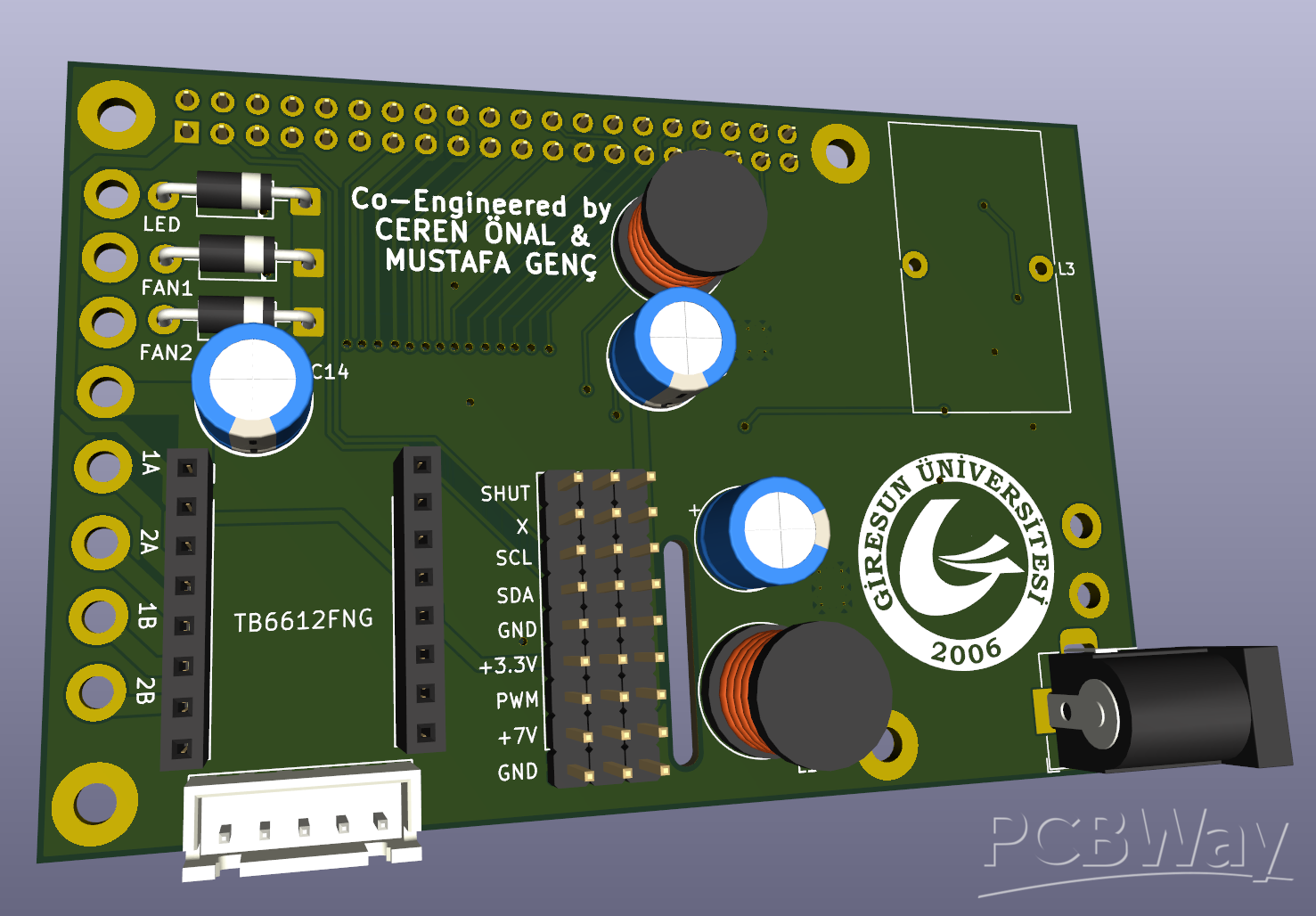
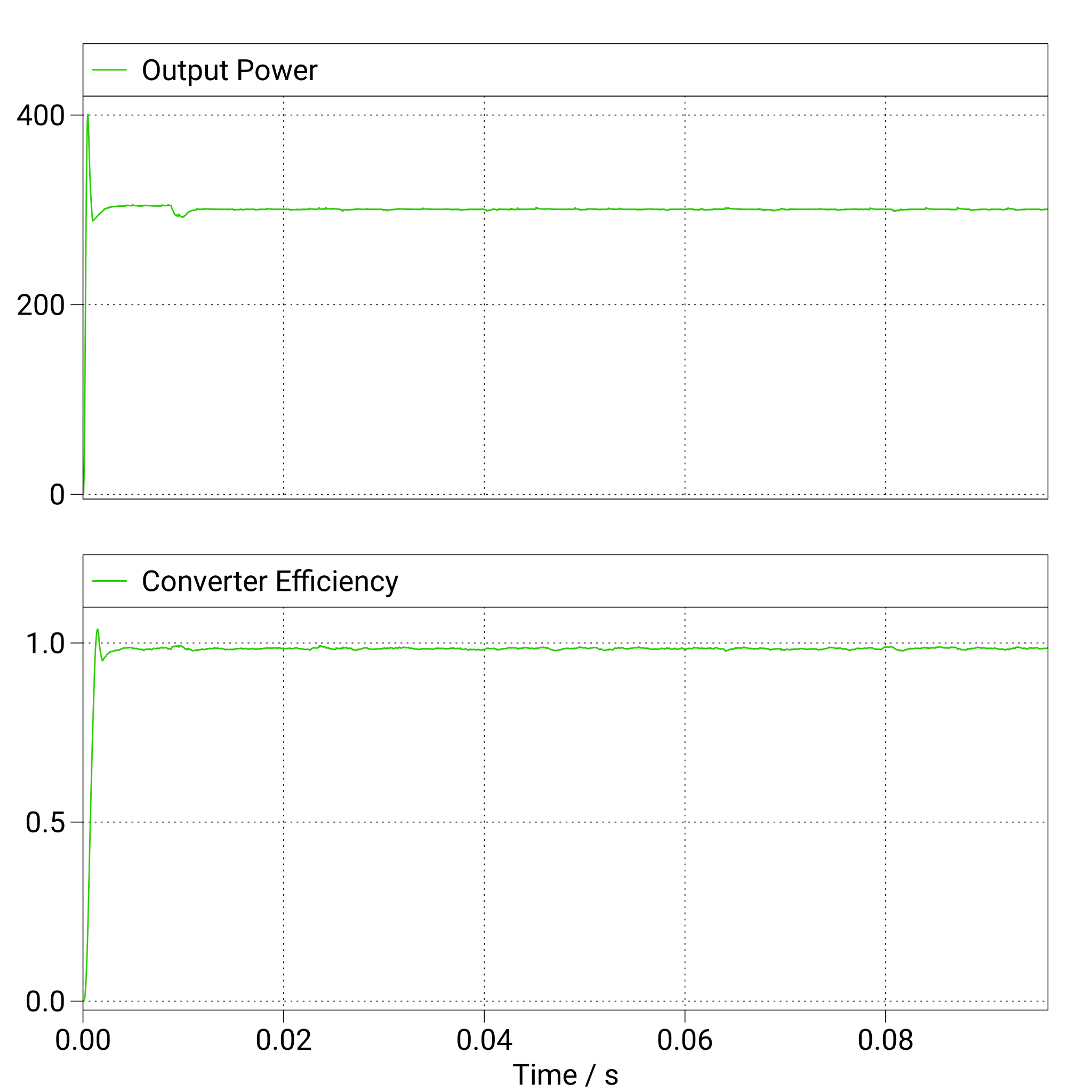
This project involves the design and implementation of a Power Processing Unit (PPU) for a Hall Effect Thruster (HET). The PPU converts a low-voltage spacecraft bus input into multiple regulated outputs required for thruster operation, with primary emphasis on the anode discharge supply. The system delivers a controllable high-voltage output in the range of approximately 200–500 V at up to several hundred watts, while maintaining stable operation under the highly dynamic and nonlinear plasma load. A digitally controlled isolated DC-DC converter is used to provide precise voltage and current regulation, fast transient response, and robust protection against arc events and over-current conditions. The design prioritizes efficiency, electrical isolation, and fault tolerance, making it suitable for laboratory testing and representative of architectures used in practical Hall thruster propulsion systems.
more information: https://astropulse.tech/
Test Setup Within a Vacuum Chamber: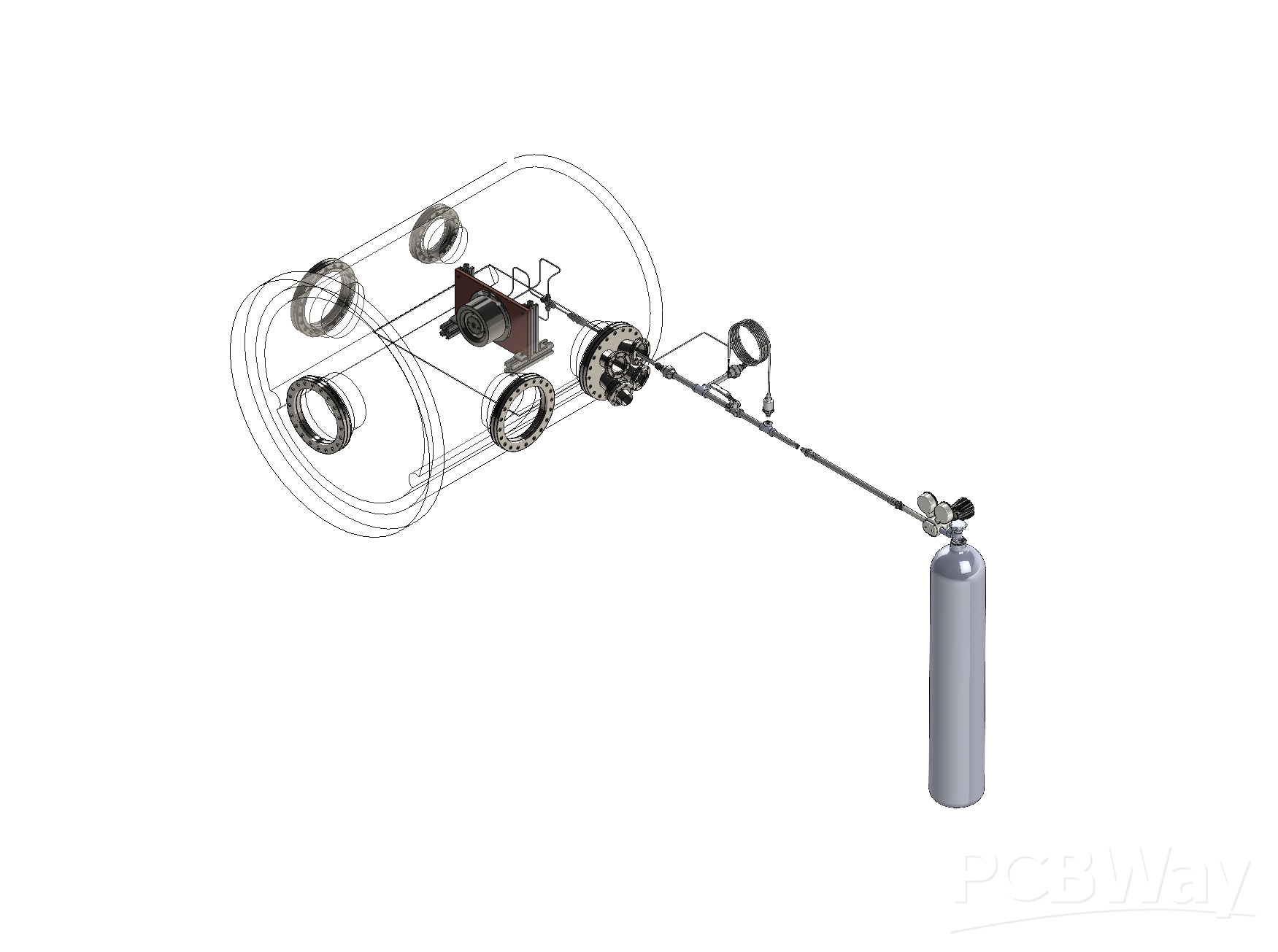
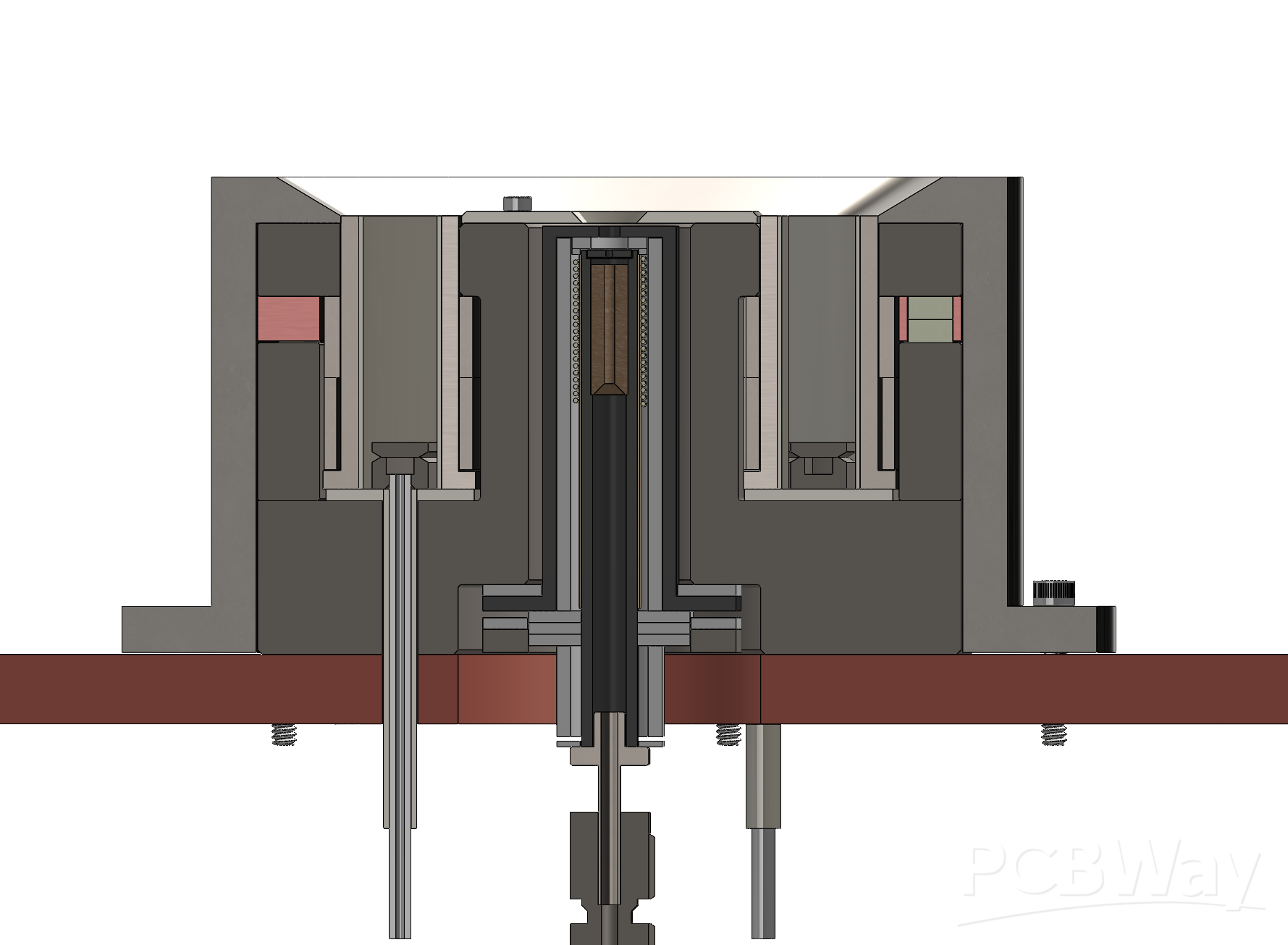
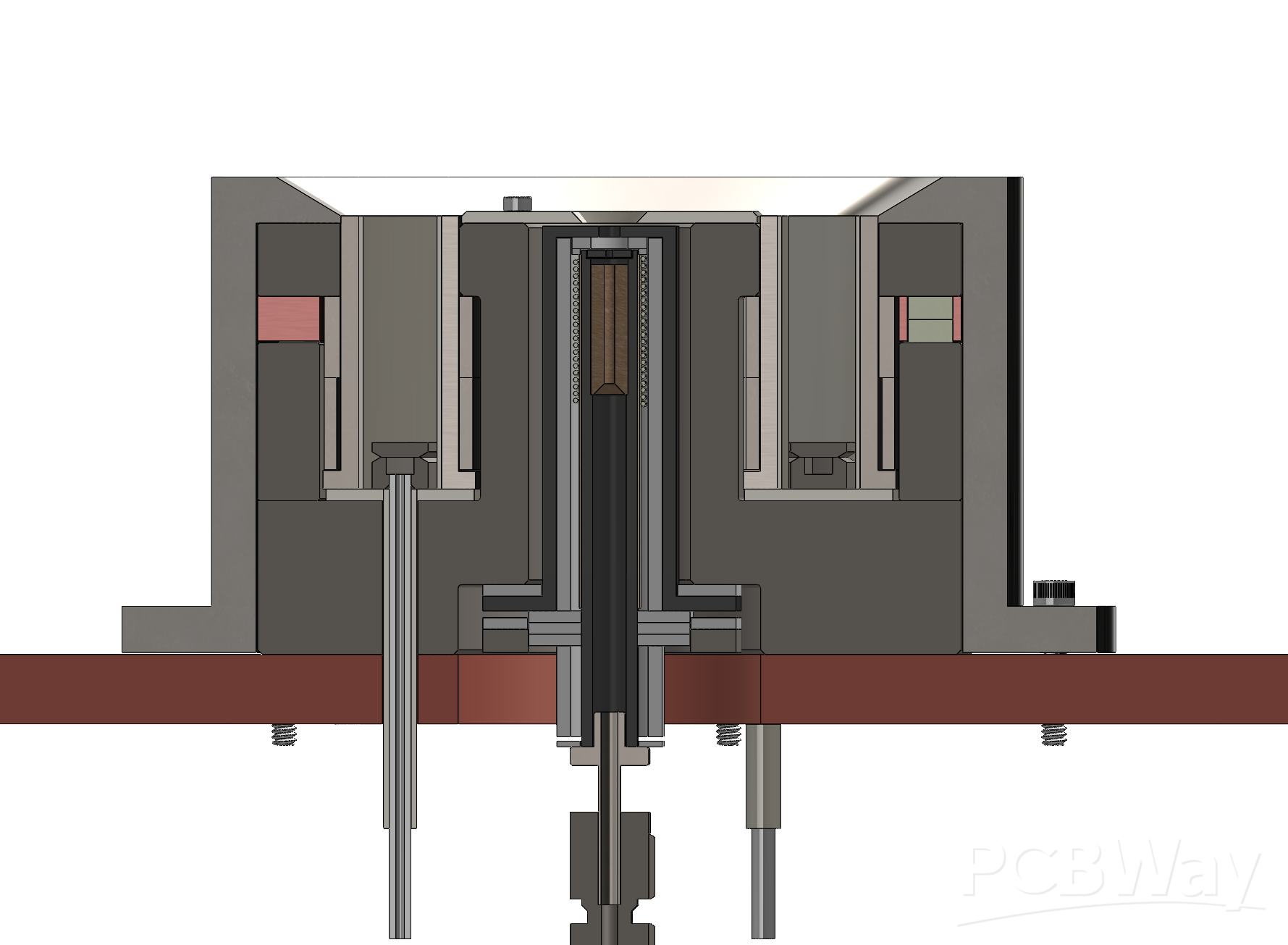
Cross Sectional View:
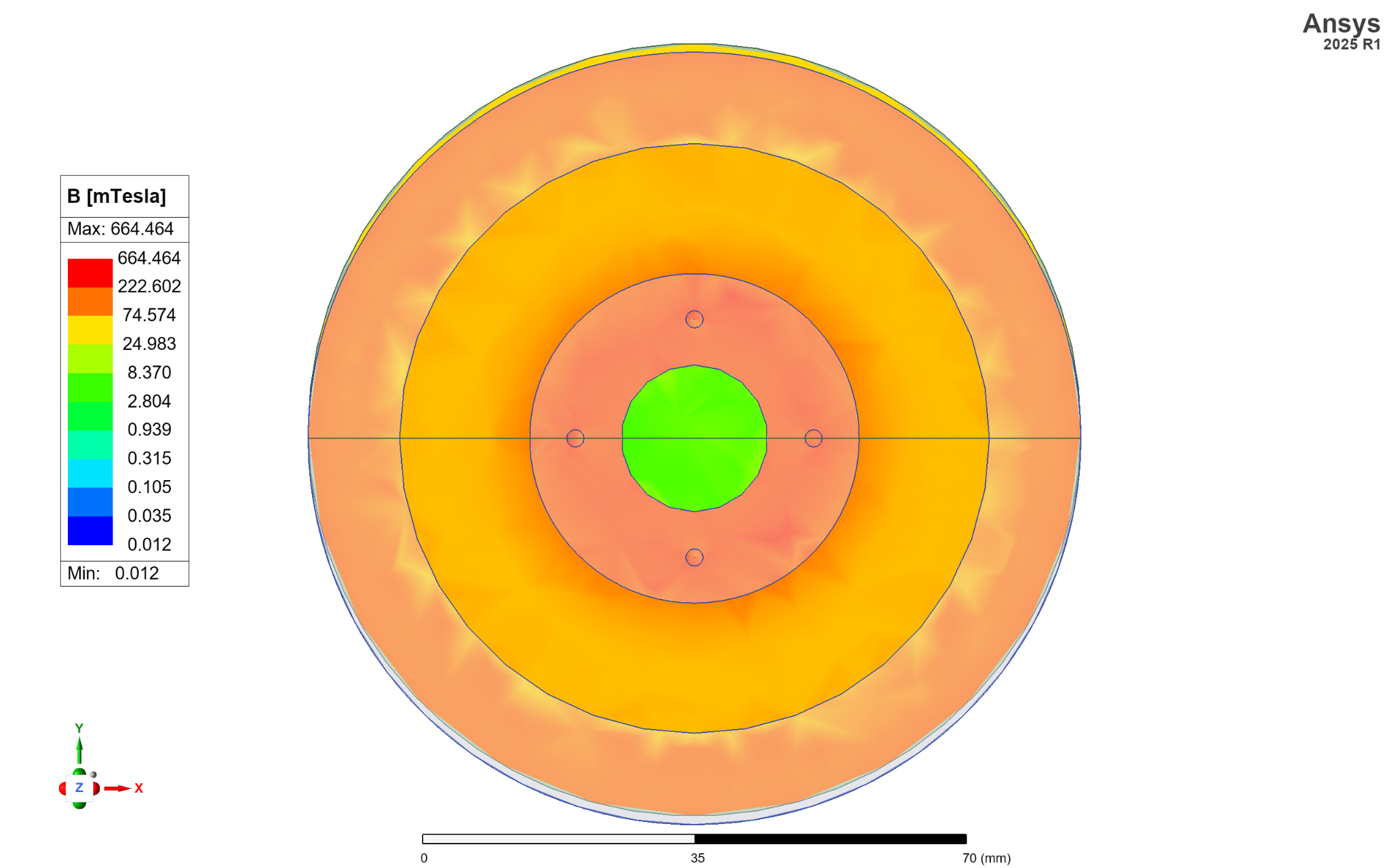
Magnetic Field Simulation
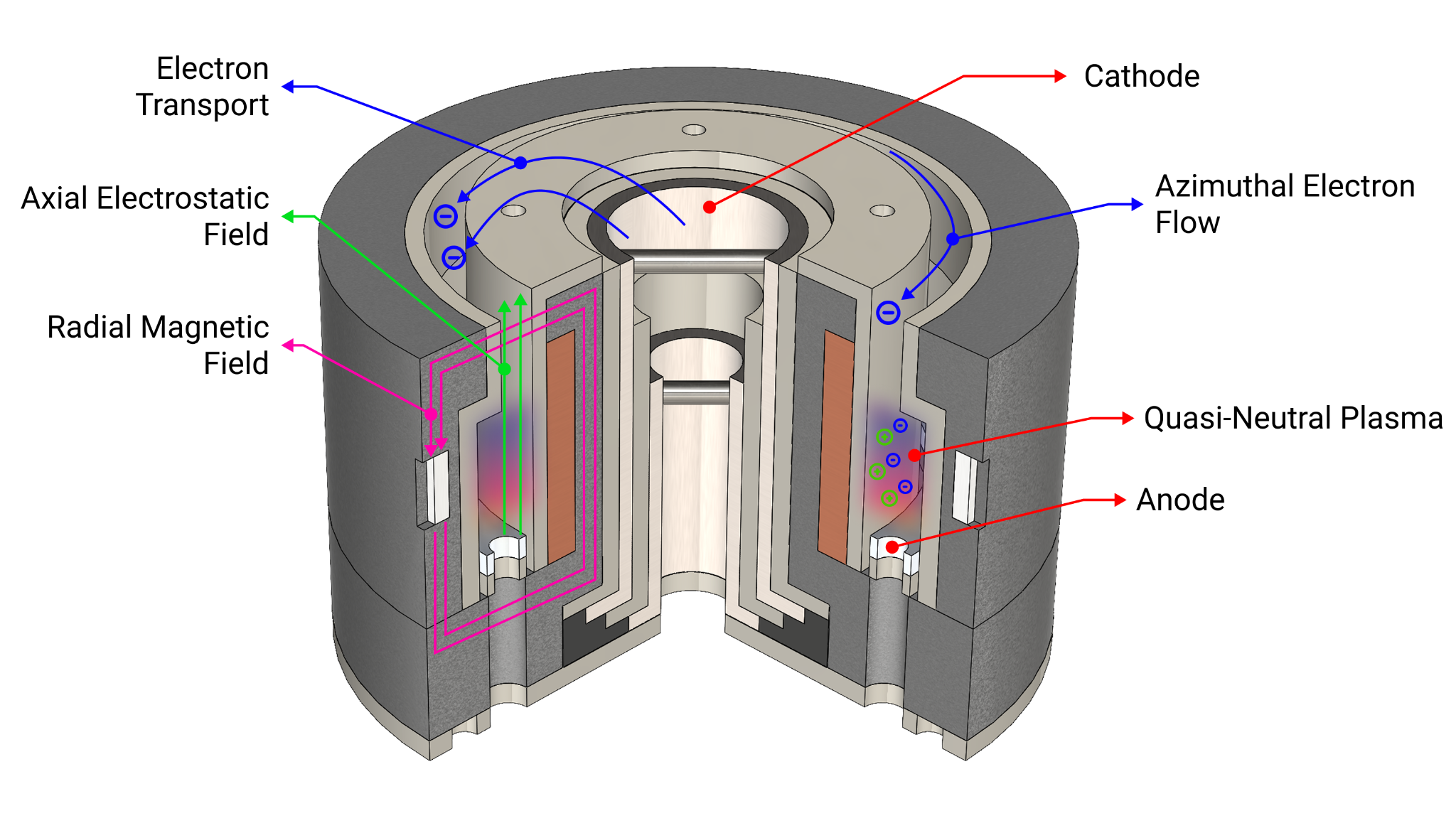
Theory of Operation
Electrical Overview
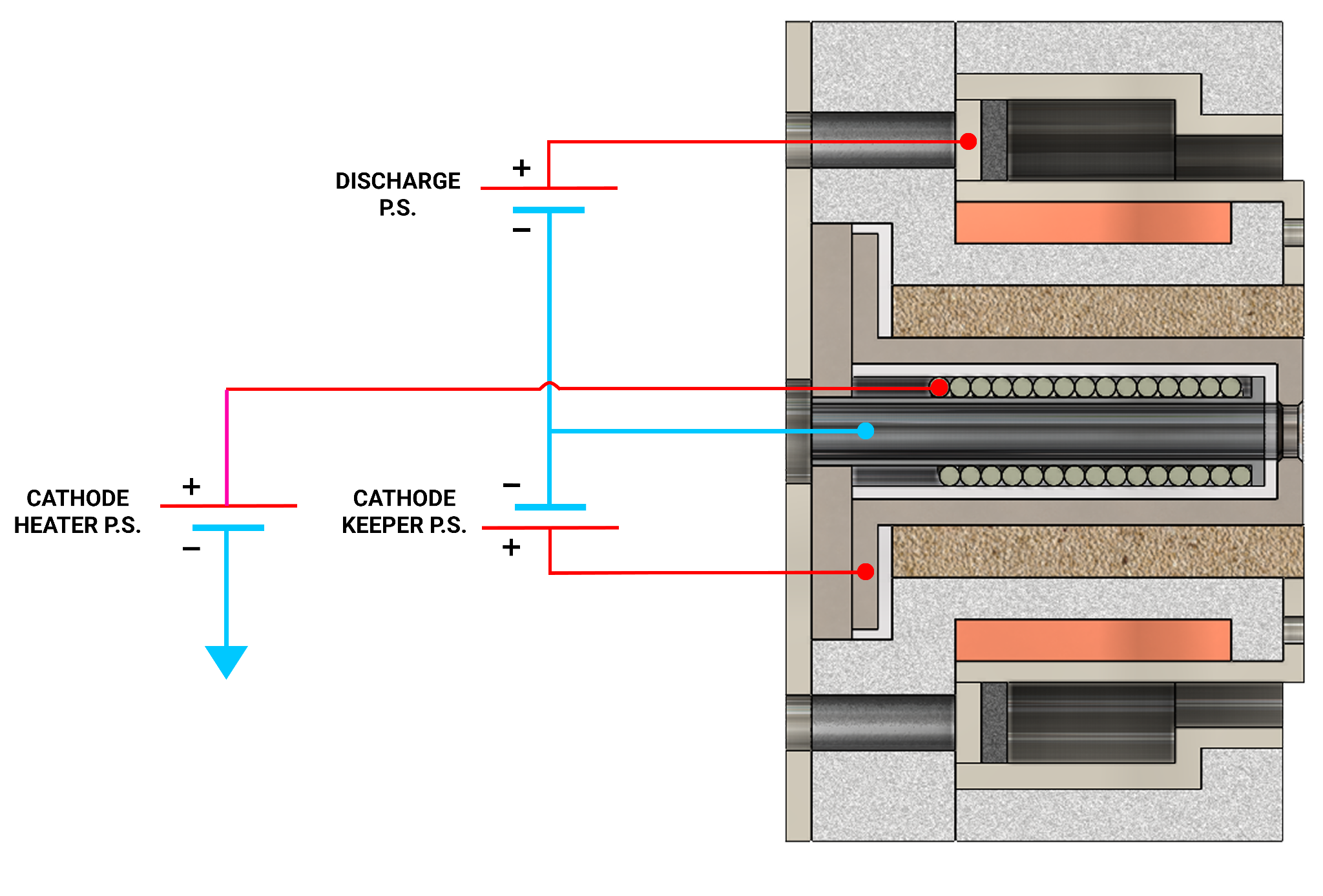
Main Discharge Overview
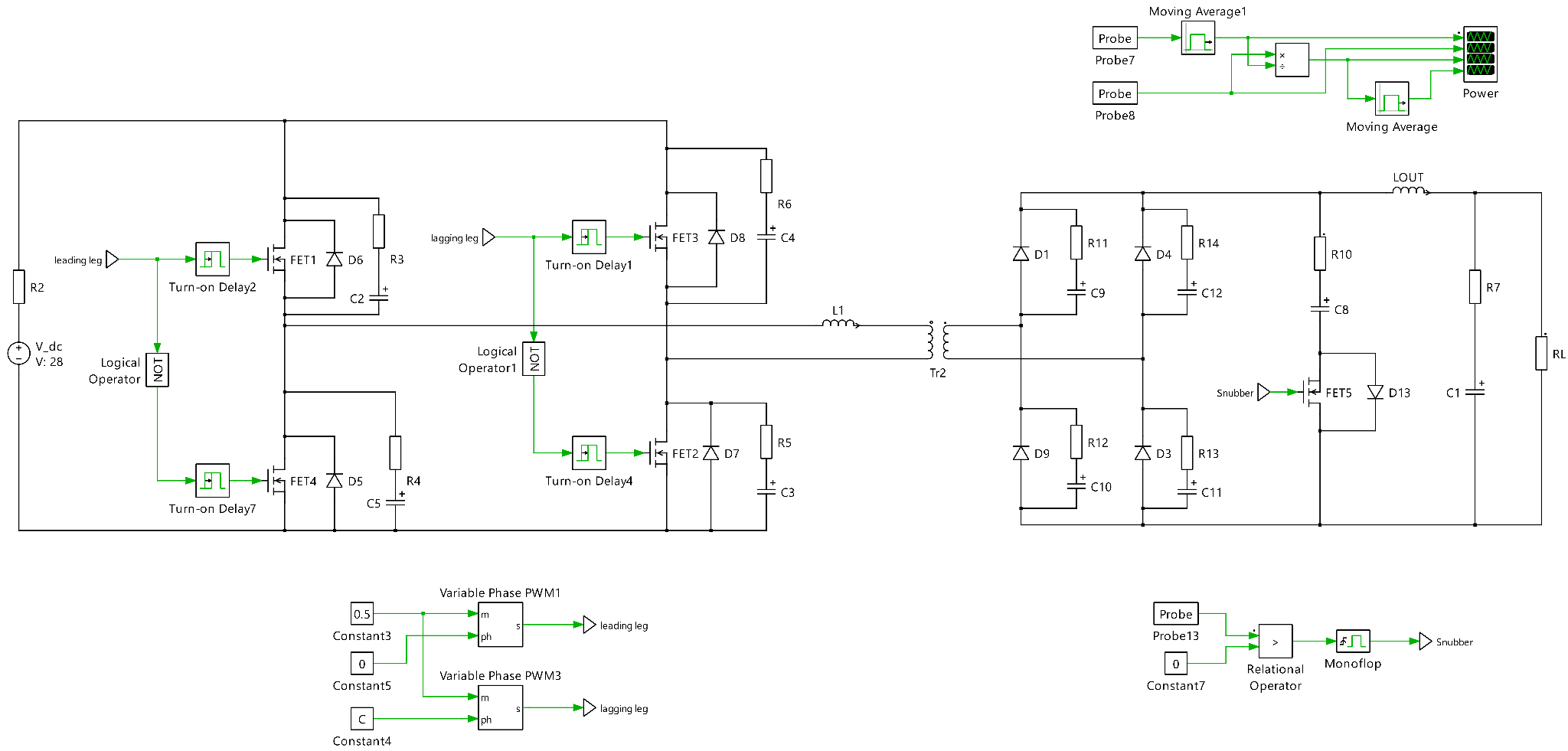
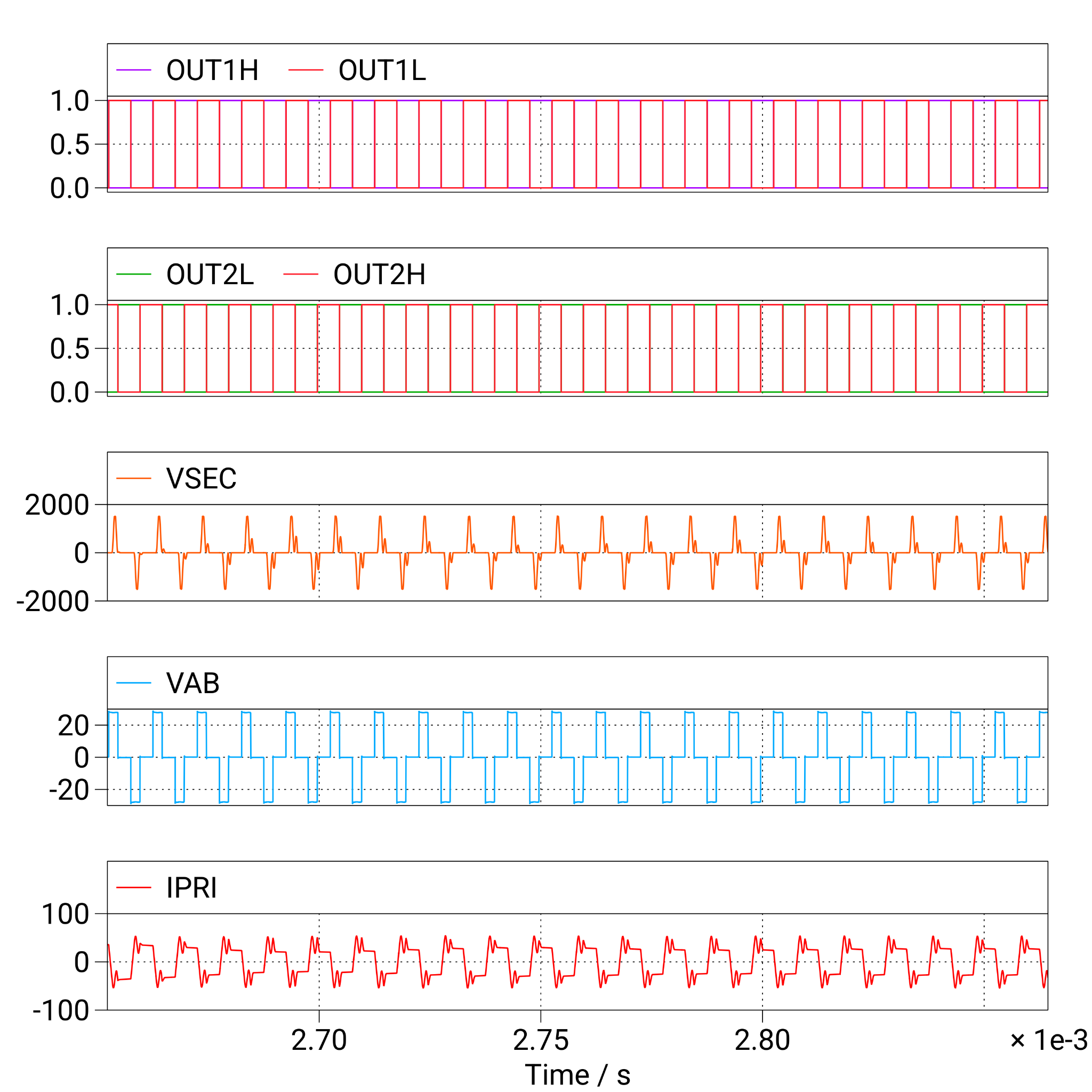
Coverter Waveforms:
Converter Output Values:
- Comments(0)
- Likes(1)