

EESC-USP AeroDesign
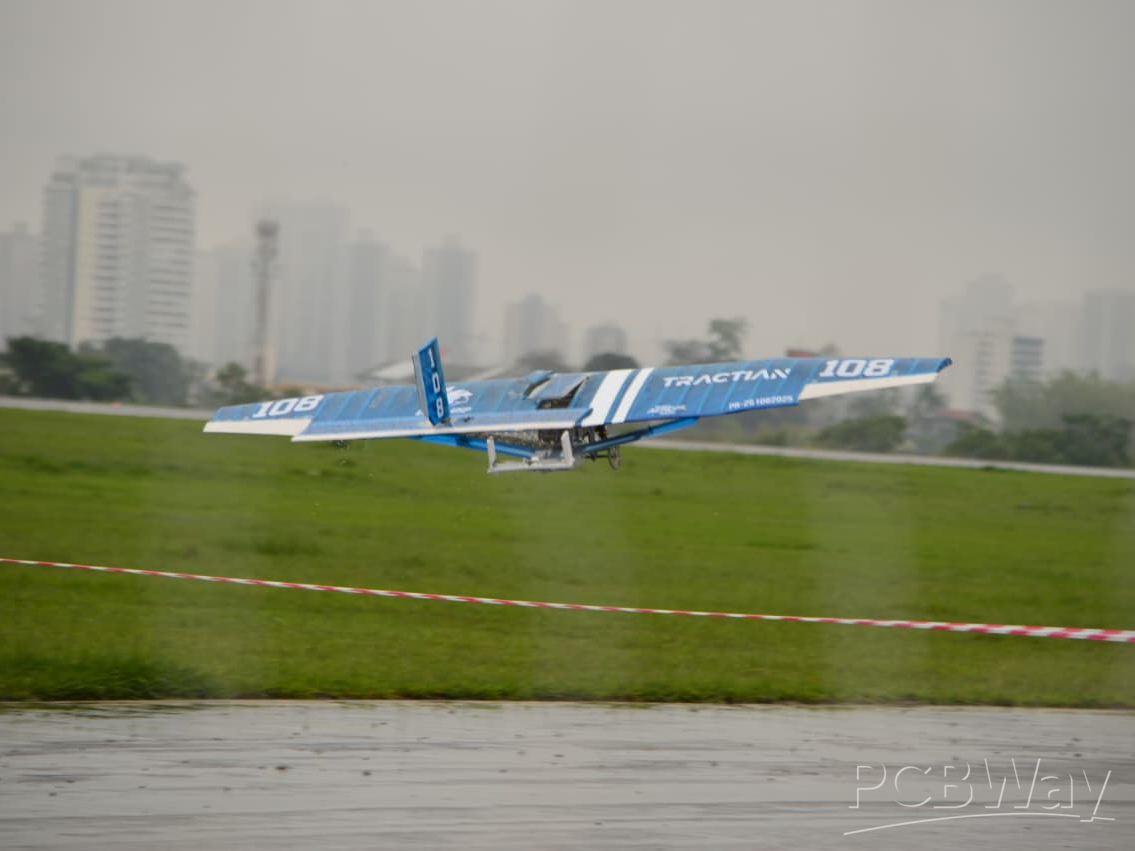
The EESC-USP AeroDesign is a team composed of engineering students of the São Carlos School of Engineering of the University of São Paulo whose main goal is to design, test and build radio-controlled cargo aircraft for competitions such as the SAE Brasil AeroDesign, SAE AeroDesign East and West and Air Cargo Challenge. The team is under the supervision of, the ex-member of the team and now member of the faculty, Prof. Dr. Marcelo Ribeiro Leite.
The team was established in 1998, with the goal of bringing the already established American competition SAE AeroDesign to Brazil. With that in mind, the team took part in local events to make known the concept of AeroDesign, culminating in our participation in the SAE Brasil 98 VII International Mobility Technology Conference and Exhibit, in which during the "Night of the Students" — a classical event of the SAE Congress, where engineering students share papers of advancements in mobility — we showed the idea of the national competition with professionals on the area and other students. A bit after the Conference, the team got a non-official confirmation that the SAE would host a national AeroDesign championship the next year. Even with that, the team still kept its goal of making AeroDesign known, being present in the Formula 1 Workshop of 1999 in São Paulo. The First SAE Brasil AeroDesign competition would then happen in August 1999, with the team already achieving its first championship of the many that happened later.
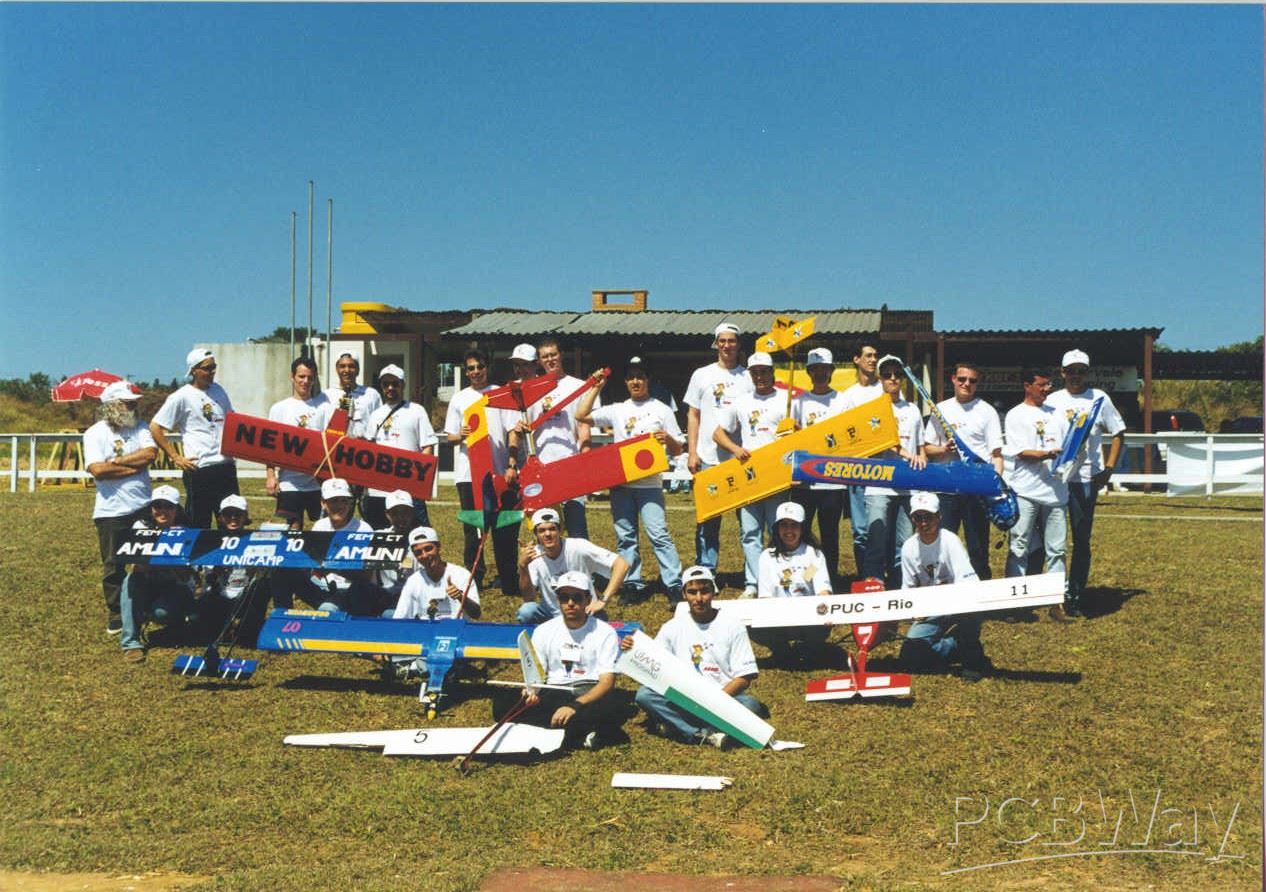
Participants of the First SAE Brasil AeroDesign
With that the competition keep getting bigger and bigger, with more teams competing and the challenge getting more difficult, with the creation of subdivisions on the competition, called classes. The competition is composed of three different classes, each with a different goals in general and specific rules for each year. Those general goals and some of the specific rules of last year were:
- Regular class: Focus on working with limitations on dimensions, power used by the motors — now all electric — and overcoming an obstacle. All of that combined with the ability to make the lightest plane possible, while lifting the most payload as possible.
- Micro class: Focused on making smaller planes, sometimes limited by wingspan, other times by needing to fit a thigh space, such as a box. The last year rules focused on being able to extract by parachute a cargo during flight and having water as the rest of the cargo. All of that combined with trying to make the lightest plane.
- Advanced class: Focused on bigger planes, with near zero limitations, while also developing embedded systems. Last year rule also included overcoming the same obstacle as regular class, as well as deploying a glider mid-flight that had different missions. On one of them, it should only glide and land safely, while in the other one, it should receive coordinates of a target by Wi-Fi or by a QR Code and land autonomously on said target. As the other classes, aircraft weight also cared and on one of the missions, the payload also mattered. On the other mission, where payload didn't matter, more than the flight of the gilder, it should have contained a data acquisition system as well as a Head's-Up-Display (HUD).
As of right now, the team holds the most titles of the AeroDesign category in Brazil, having a whopping 25 in total, including 20 titles in the Brazilian competition and 5 titles in the SAE AeroDesign East, along with more than 50 honorable mentions and many other podium classifications. Our most recent championship win was last year, on the 27th SAE Brasil AeroDesign, winning on the Regular Class, other than being the vice-champion in the Advanced Class. Other than that, the team is the only one in Brazil to be competing on all of the three different classes of the SAE Brasil AeroDesign. These achievements only show our excellence as team, being able to uphold the tradition of fighting for the first place in all of our 27 years of history!
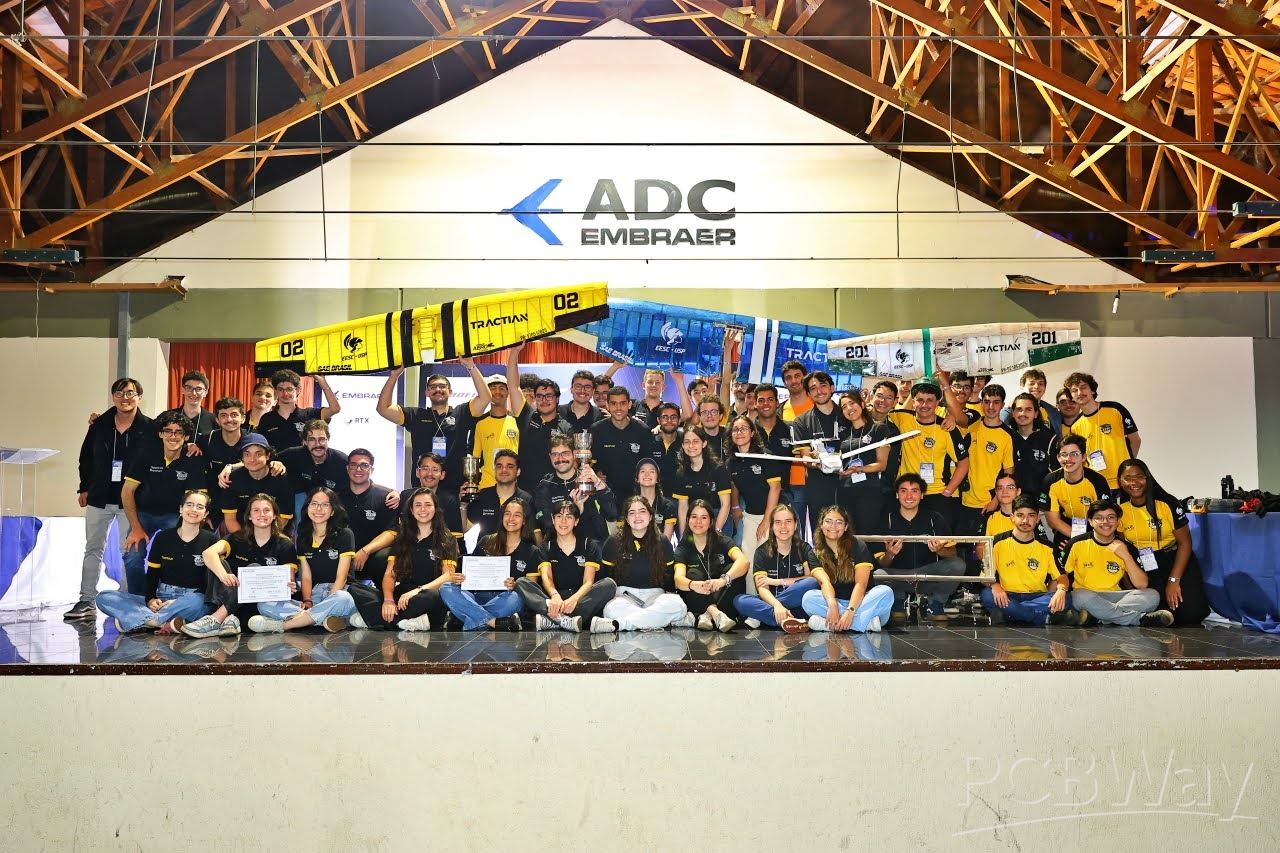
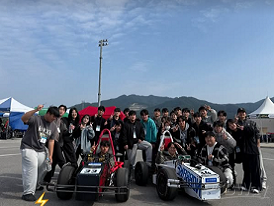
All team members from every class after the awarding ceremony of the 27th SAE Brasil AeroDesign
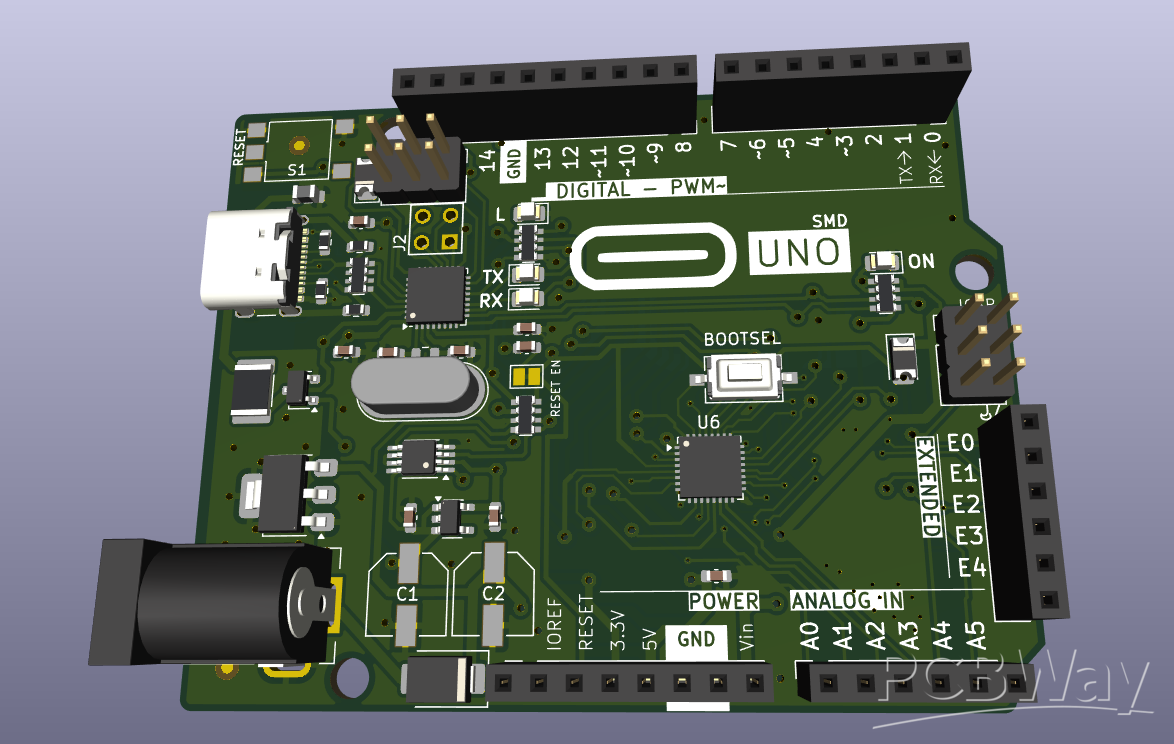
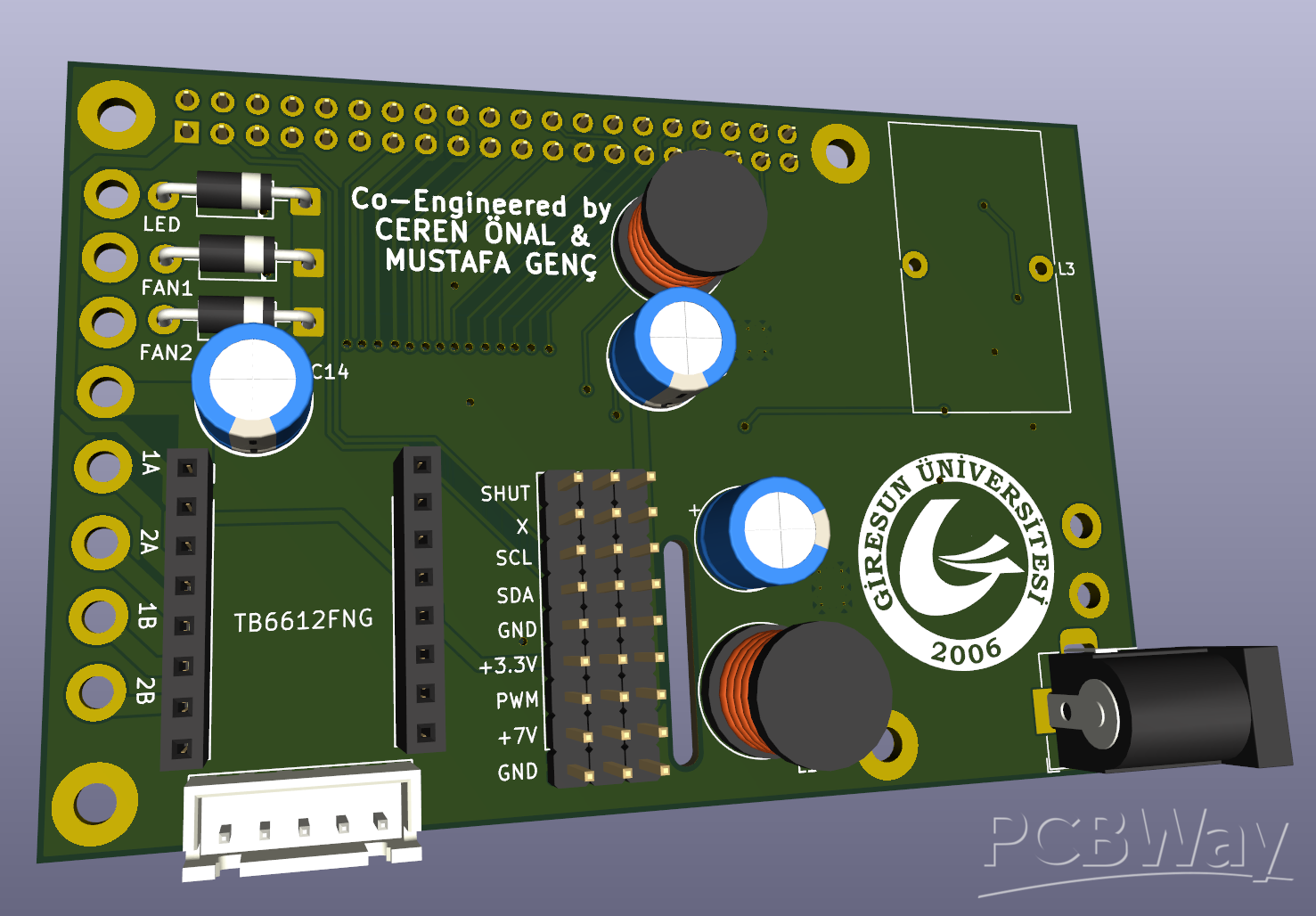
As a result of that, our team has been working on many developments for the 2026 season, specially related to the Advanced Class — with focus on the embedded systems and autonomous flight and landing of a glider that is deployed from the main aircraft. With that in mind, we have been working on improving our data acquisition systems and flight controller for our autonomous glider, in which we are relying on the use of PCBs for the many systems and, as we didn't have a great experience soldering on our own, we are looking for ways to get it done in a better way and professionally.
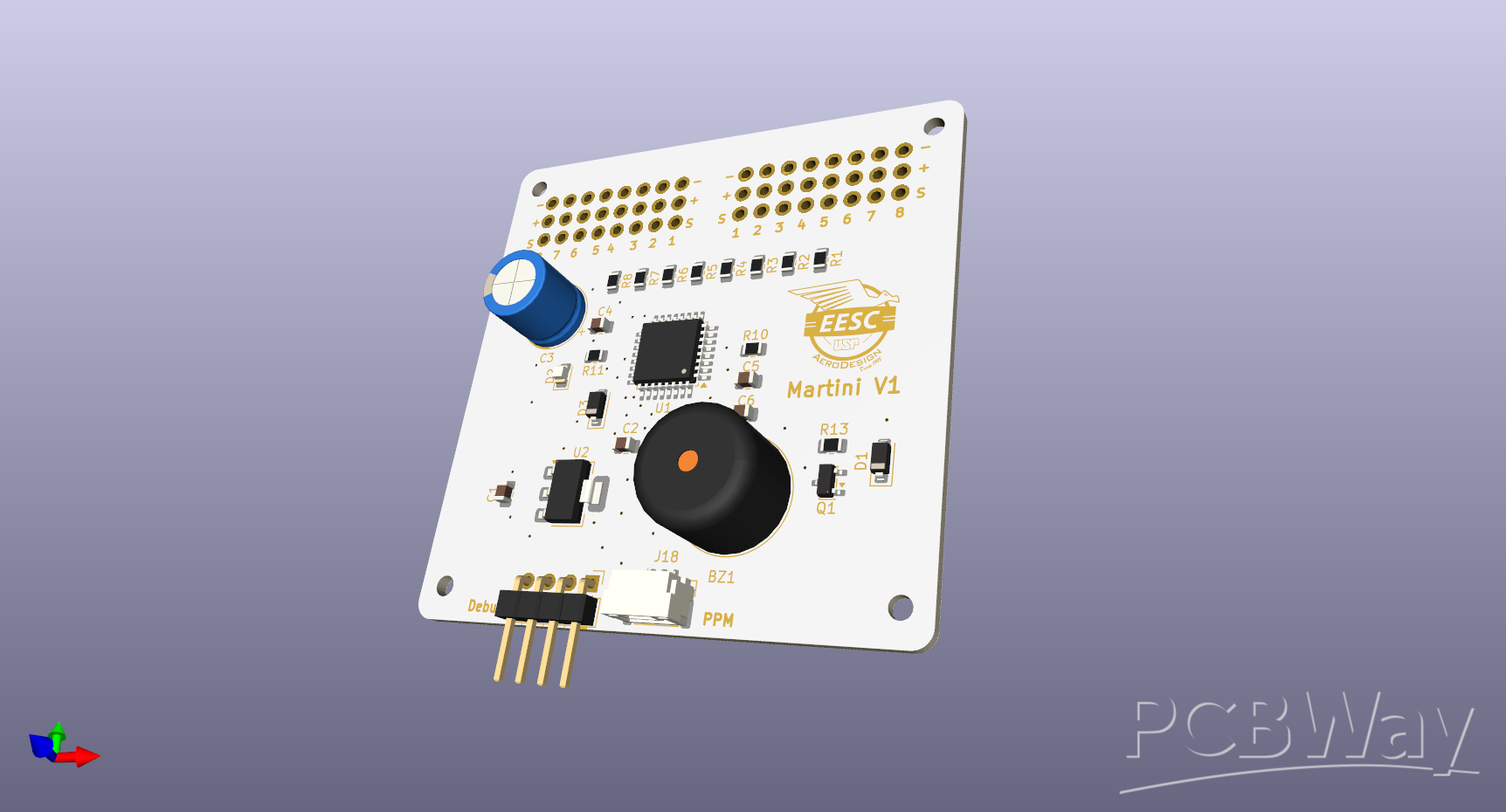
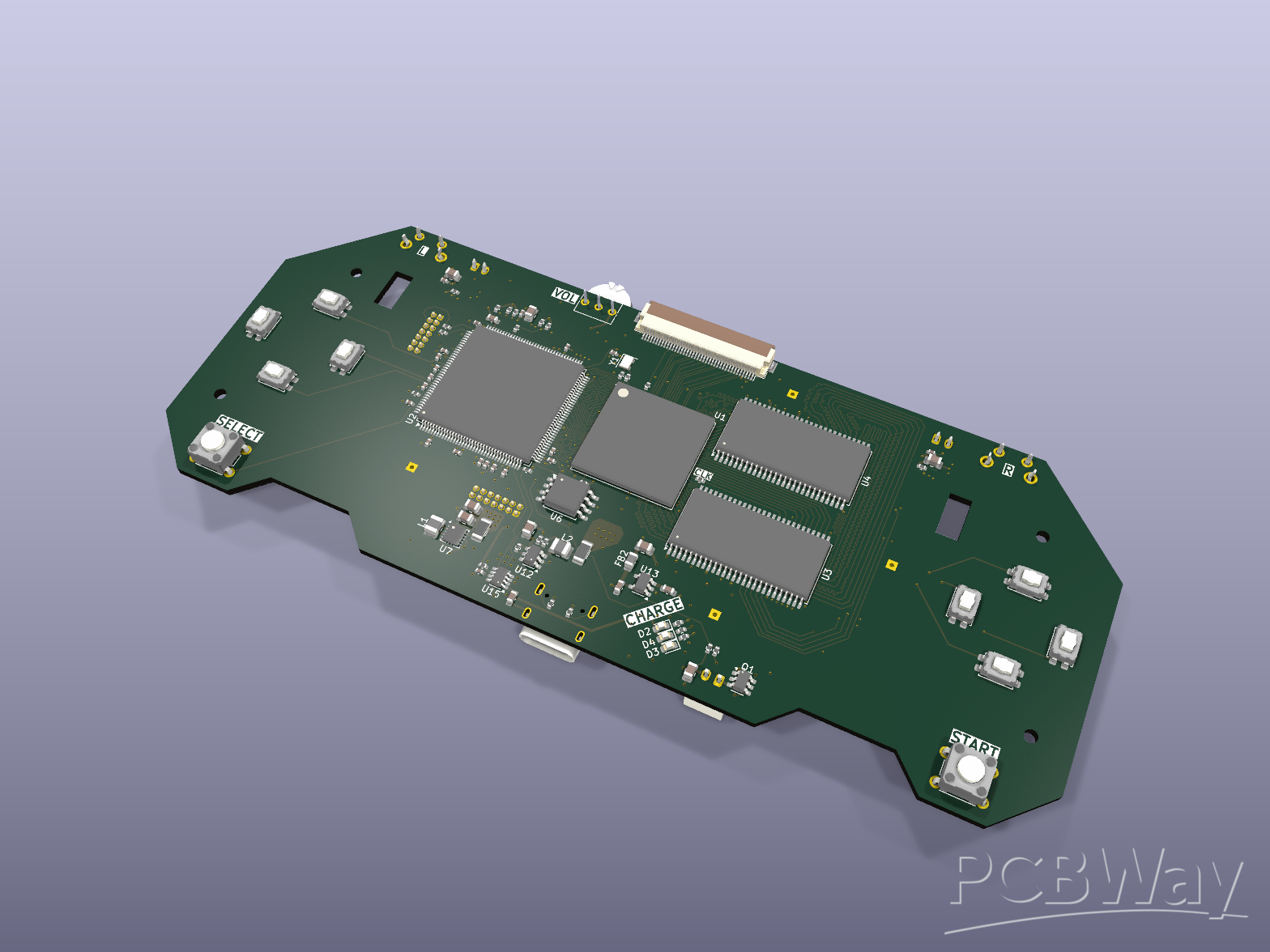
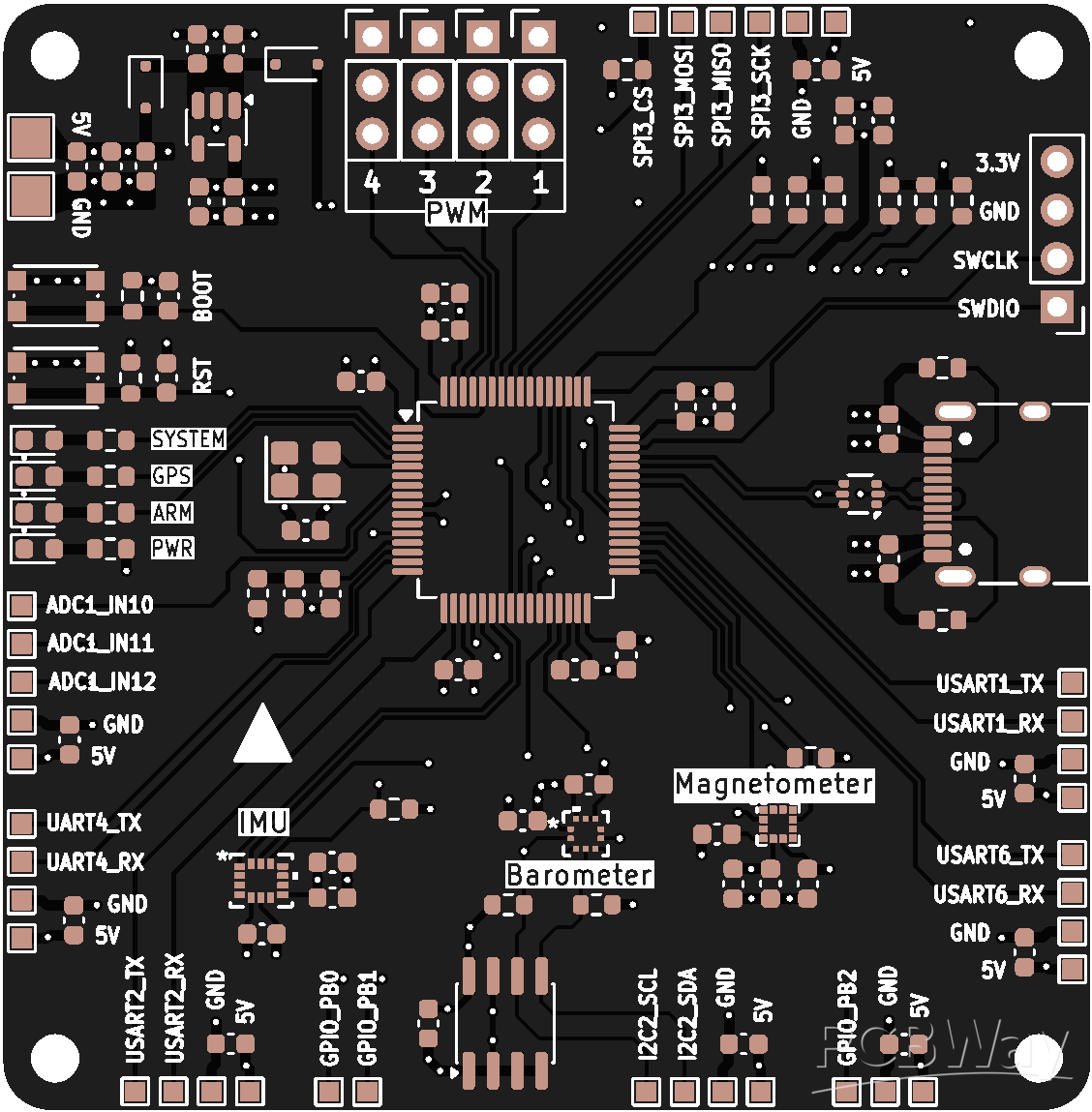
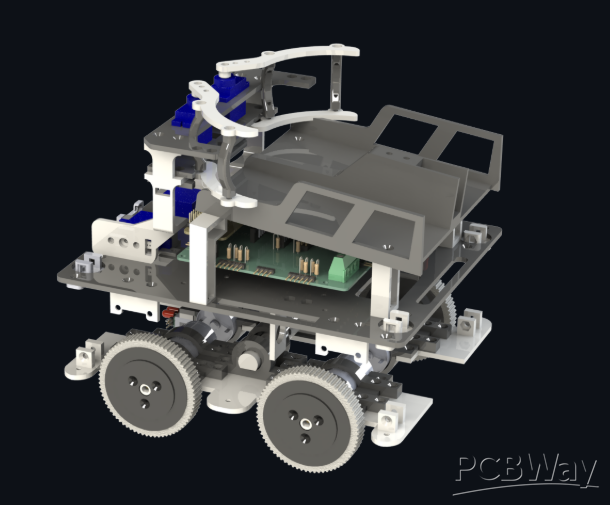
Martini project's PCB
Given we are a team from Brazil we suffer from a very big issue of having to pay for equipment in dollars combined with high importation fees, making electronics really expensive for us to buy. In face of the issues we have been dealing on with assembling PCBs on our own, as it is cheaper to do so, we think we would benefit a lot from the support of PCBway, once it would give us time and a better material than we could ever get, allowing us to work more on testing our softwares and fixing issues relating it in time for the next competition, achieving even better goals! In this process, our team members would also have opportunity to delve into even complex projects, learning more!
Therefore, we are really excited for this opportunity to collaborate with PCBway, so we can develop projects more advanced and even better than now!
Apply for sponsorship >>- Comments(0)
- Likes(1)