Decktrix – A Community-Driven Modular Handheld Linux Platform
Decktrix did not start as a formal project or a planned product. It started on Reddit. A few engineers met by chance in a comment section and realized they wanted to create something genuinely interesting, something the community would actually care about, use, and build upon. From the beginning, the intention was to make it more than just a device or a codebase. The goal was to create a shared platform that could grow through collective use and contribution.
The idea was simple. Build something useful. Learn a lot in the process. And keep everything open so others could follow, reuse, or improve it.
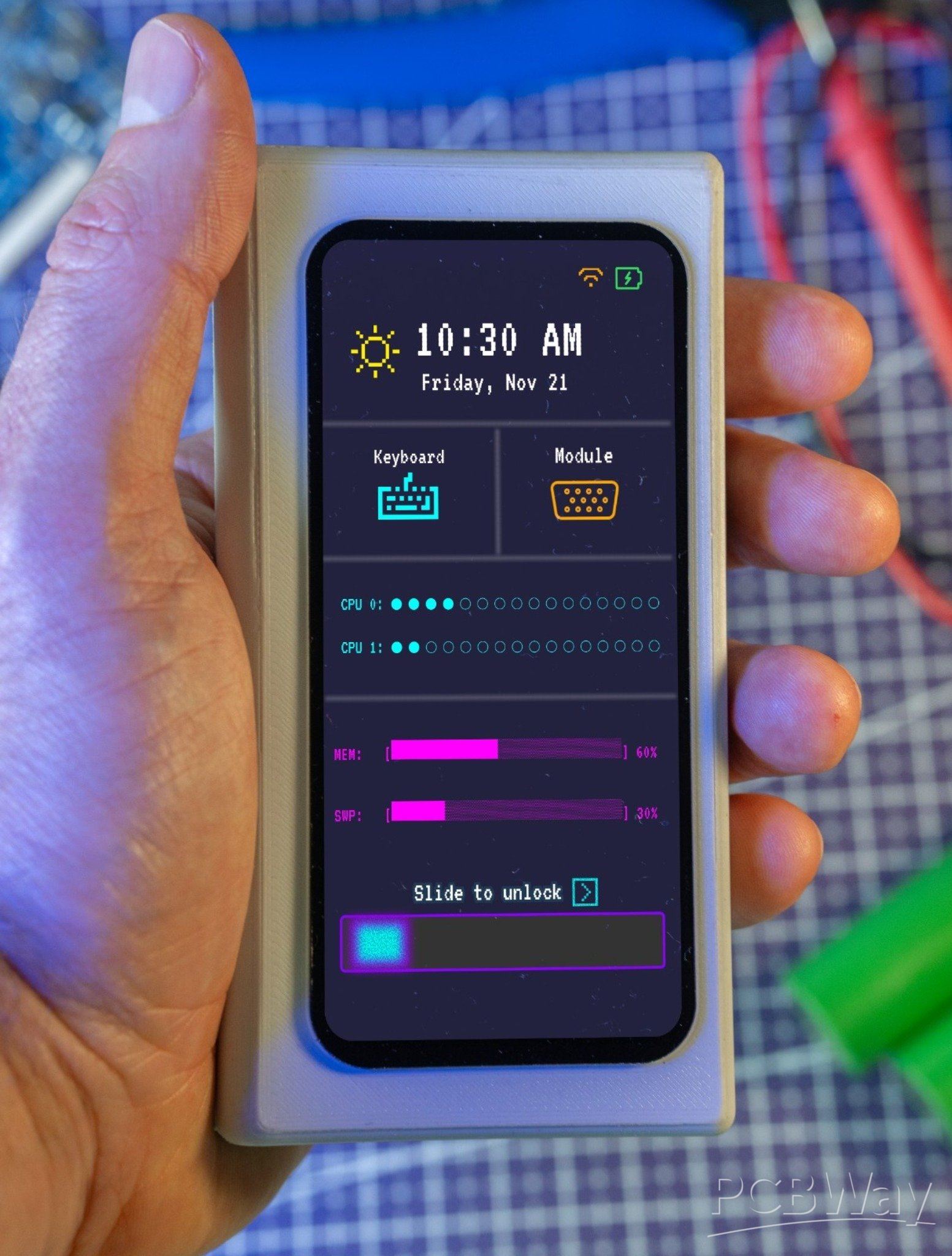
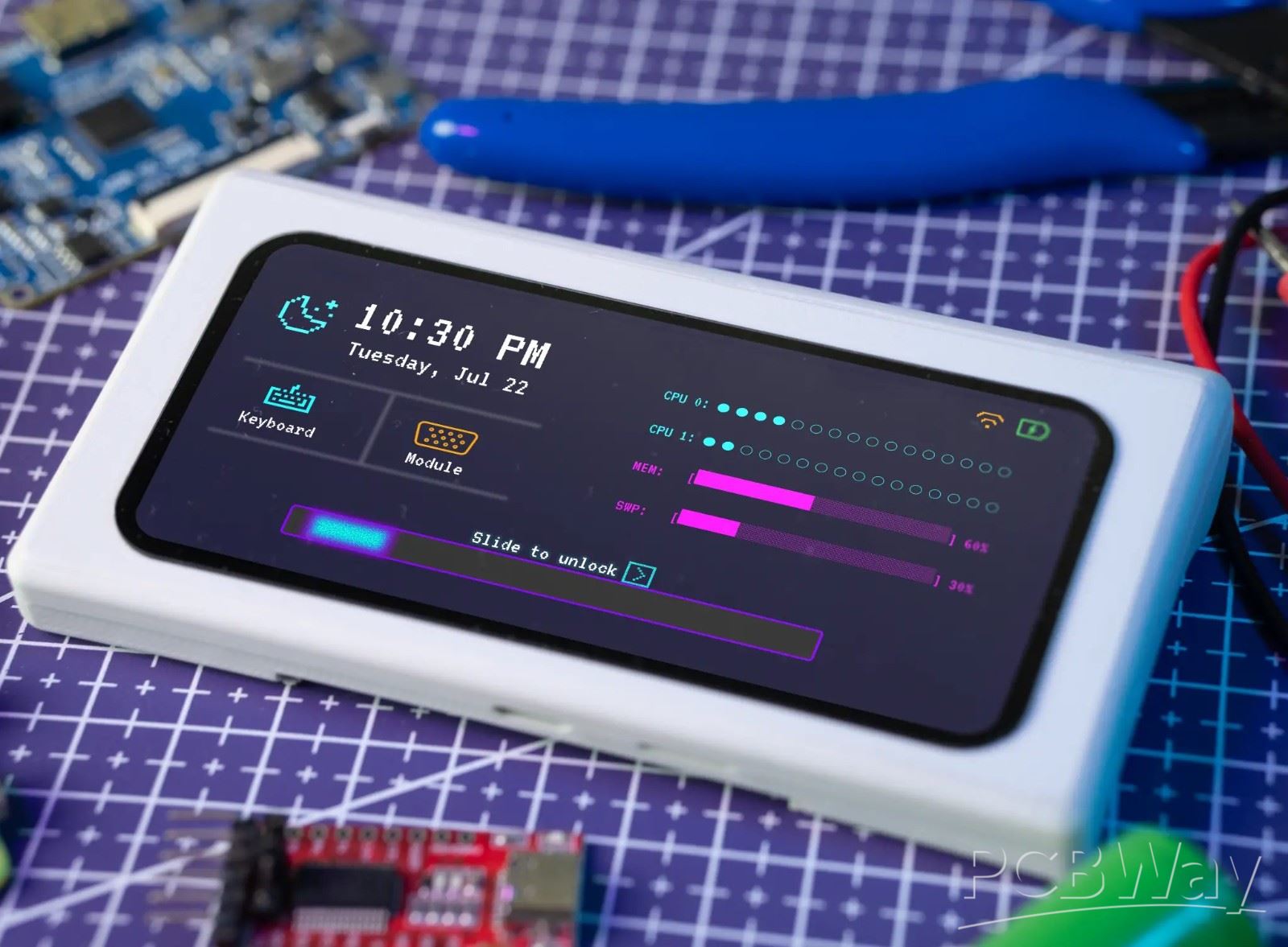
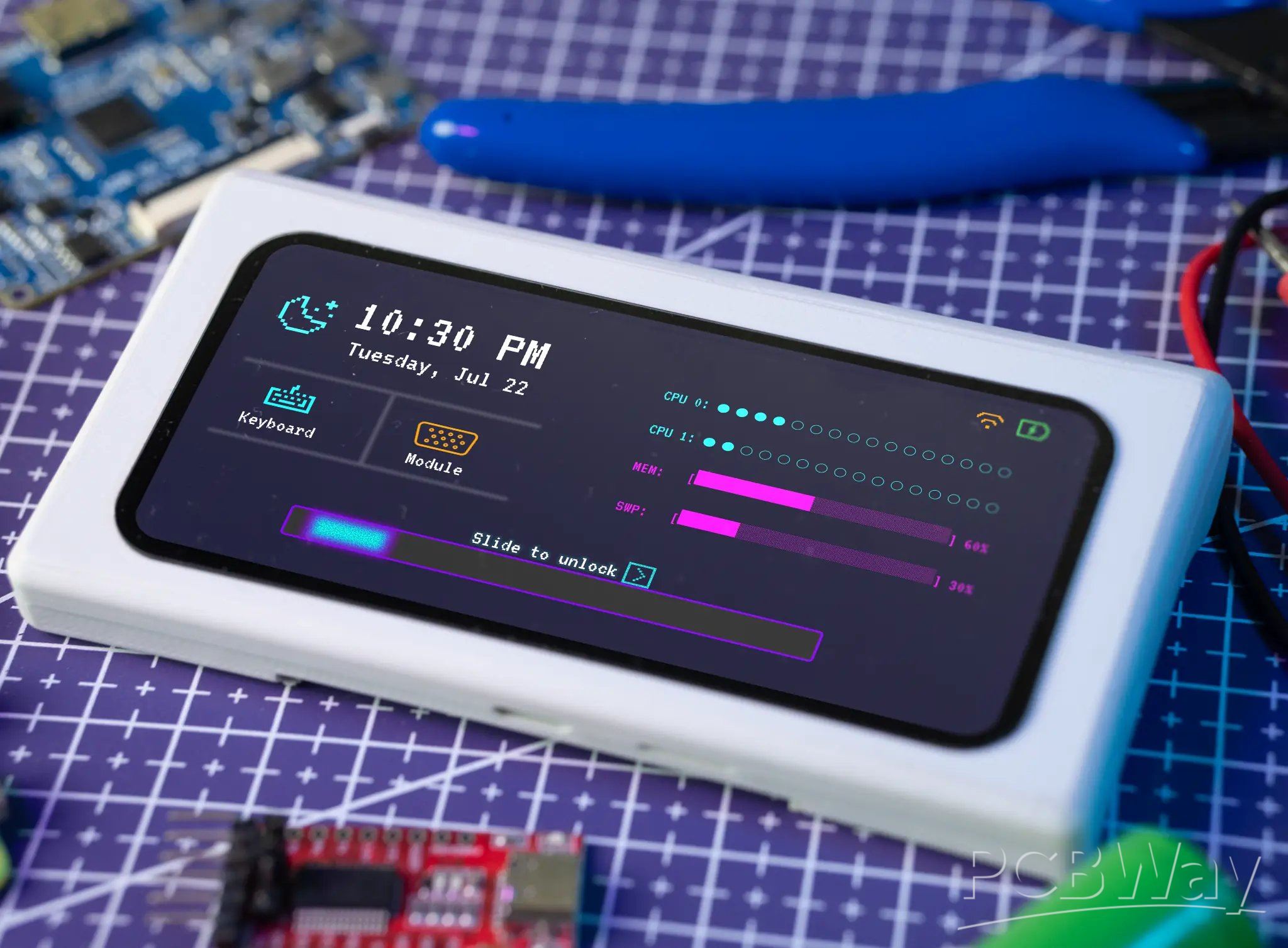
Decktrix is a modular handheld Linux computer designed to be carried and used as a real development tool. It is self-contained, autonomous, and flexible enough to adapt to different workflows. Software, hardware, and physical design are treated as one system, not separate layers glued together later.
At the core of the device is the STM32MP157 dual-core MPU, combining Cortex-A7 cores for Linux with a Cortex-M4 for real-time tasks. Debian is supported out of the box so the device can be used immediately with standard tools, without rebuilding images for every small change. At the same time, the hardware fully supports Yocto for those who want deeper system control. The platform includes 4 Gbit of DDR3 RAM, Wi-Fi and Bluetooth connectivity, SD card support, and a 4.1-inch touchscreen with a 480×1080 resolution.
One of the main design choices was modularity.
Decktrix exposes raw hardware interfaces through a dedicated external connector, making it possible to attach purpose-built add-on modules. These interfaces include RGMII for an external Ethernet PHY, CAN bus, UART with RS-485 support, I²C, I²S, SPI, timer outputs, and general-purpose GPIOs. The goal is not abstraction, but access. If a module needs a bus, it gets the real one.
A small set of default open-hardware modules is being developed alongside the main device. These include a multimeter, a logic analyzer, a CAN reader, an internet connectivity module, and a sensor module. Schematics, PCB files, and software integration details are published openly. The same interfaces are available for custom modules, whether designed by the core team or by contributors.
Decktrix is not only a device, but also a learning platform. A series of structured courses is being developed around the hardware, and these courses are a significant extension of the product itself. They cover hardware design, embedded Linux integration, user interface development, and mechanical design. The emphasis is on real systems and real constraints. Decisions, mistakes, and trade-offs are documented, not hidden.
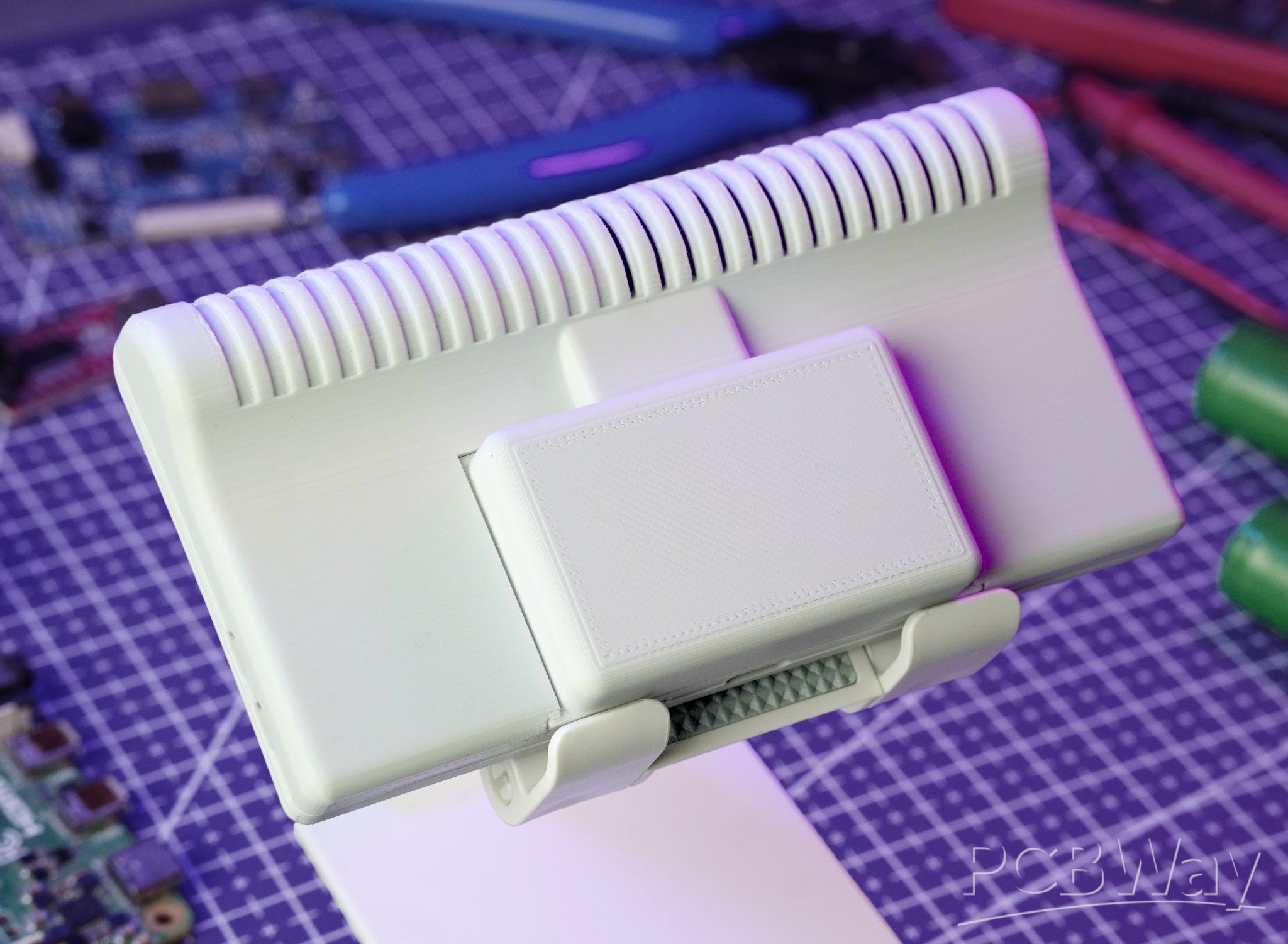
The project was first shared publicly as an early working prototype on Reddit. Within one week, it received nearly 1,000 upvotes and more than 65,000 views, along with detailed feedback from the cyberdeck and open-hardware community. That response helped confirm that the direction resonated beyond the original contributors.
All ongoing development is public:
https://github.com/Decktrix-Lab/decktrix
We’re excited to share that from now on, we’ll be posting our updates and content directly in our own subreddit at https://www.reddit.com/r/Decktrix/. That’s where you’ll find everything from progress updates and behind-the-scenes shots to discussions and community highlights. Please join us there so you don’t miss a thing, and help us build a space where everyone interested in what we’re doing can connect and share their thoughts.
HARDWARE DESIGN STATUS AND COMPLEXITY
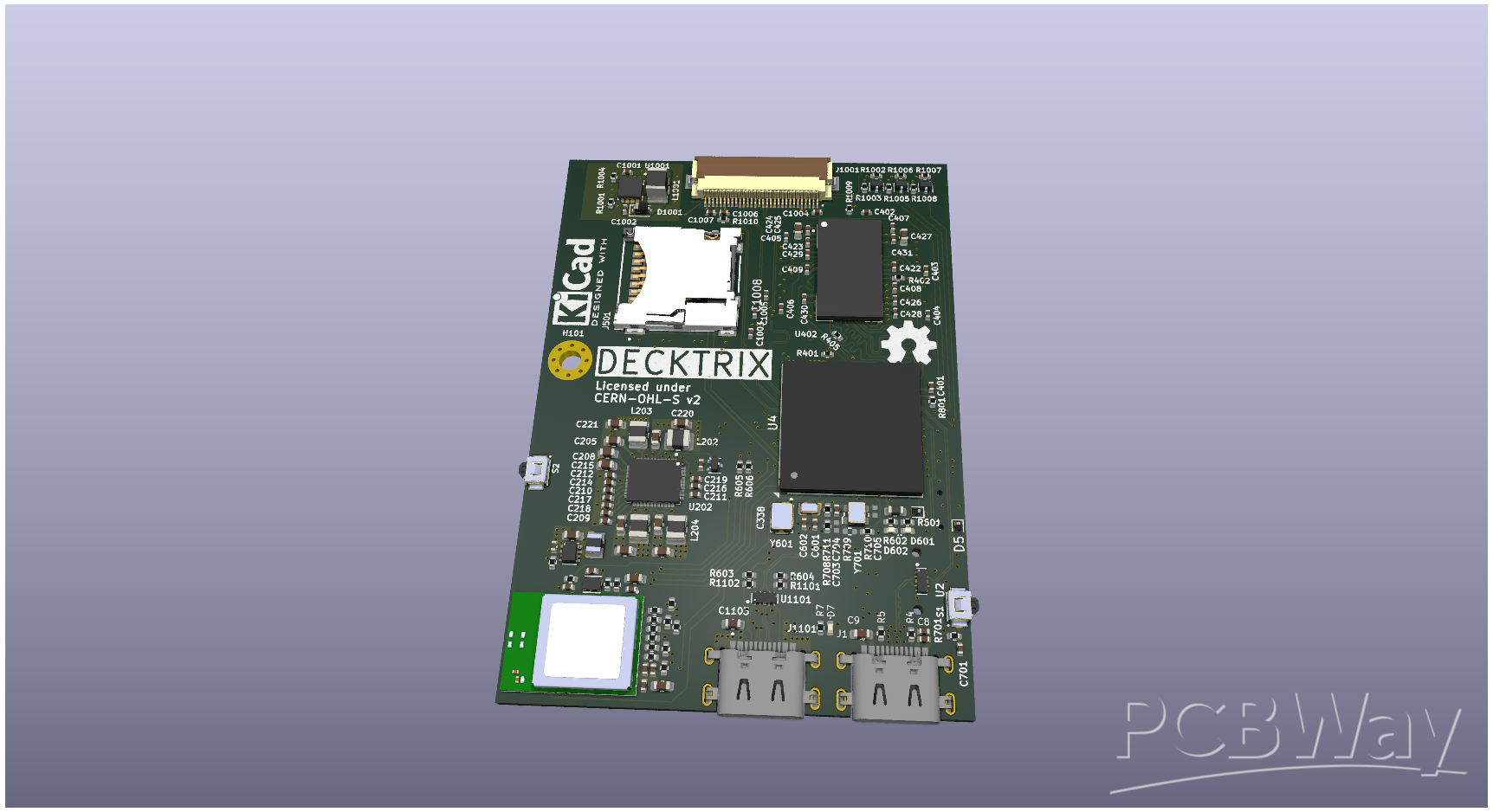
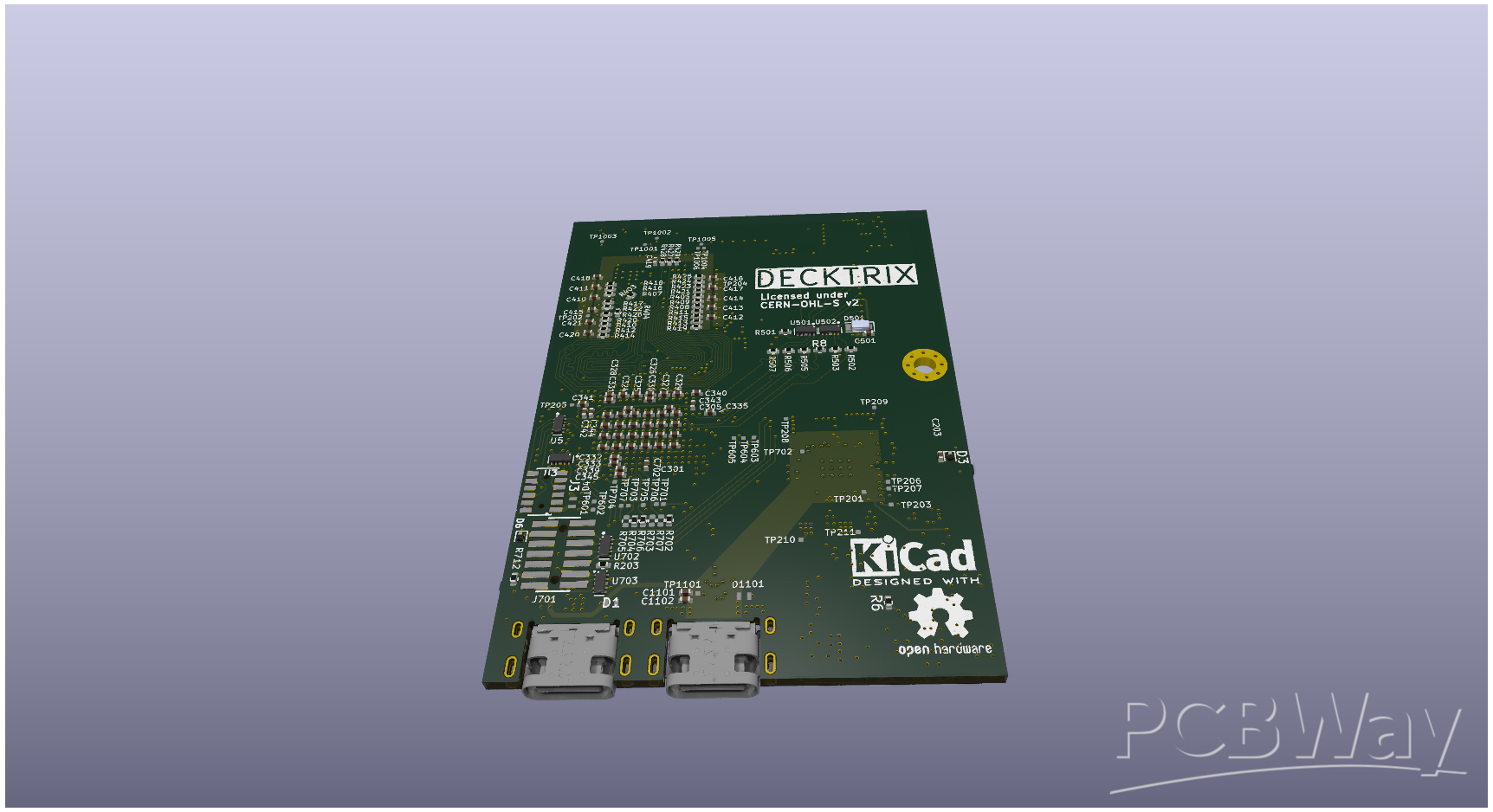
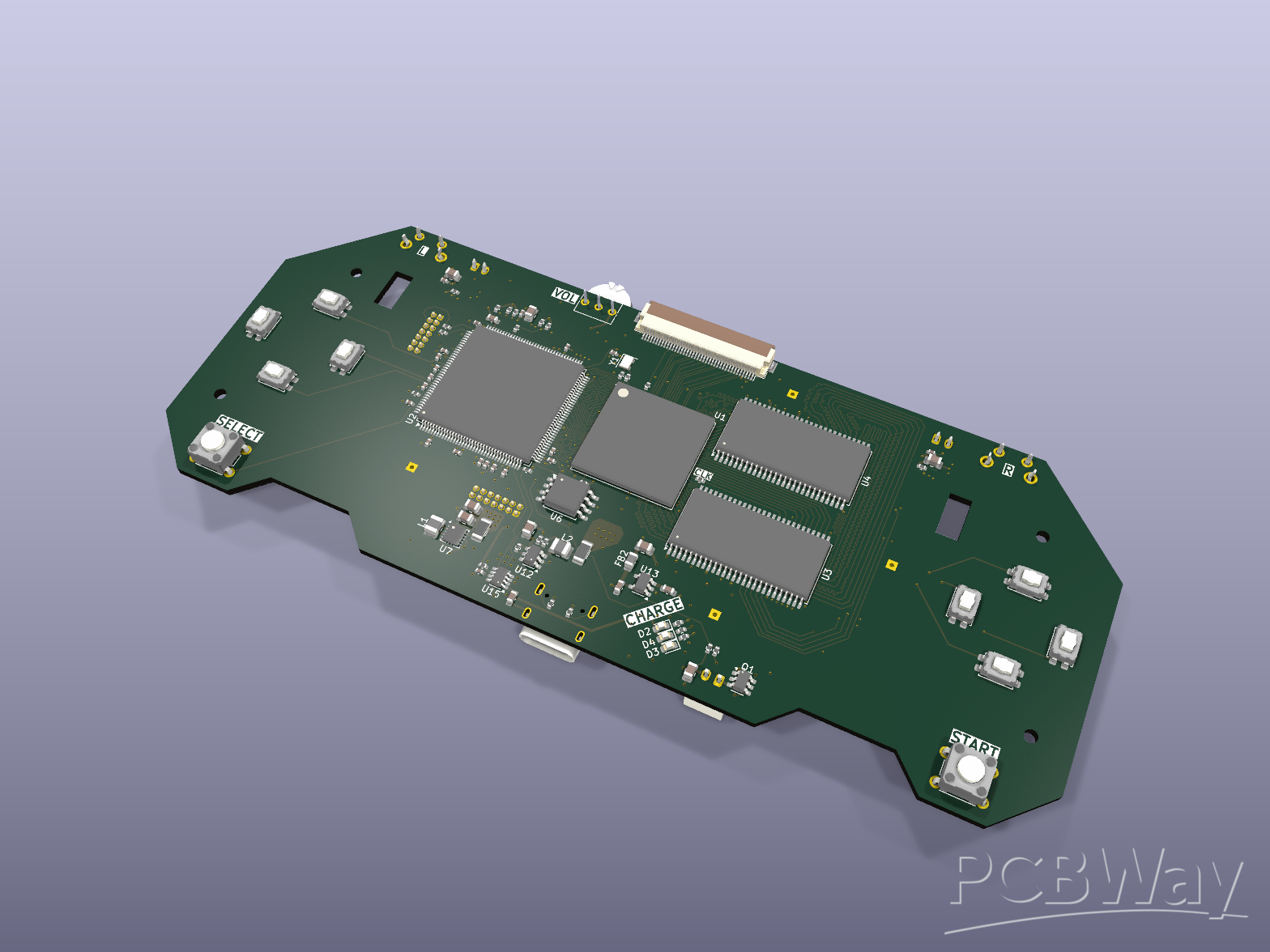
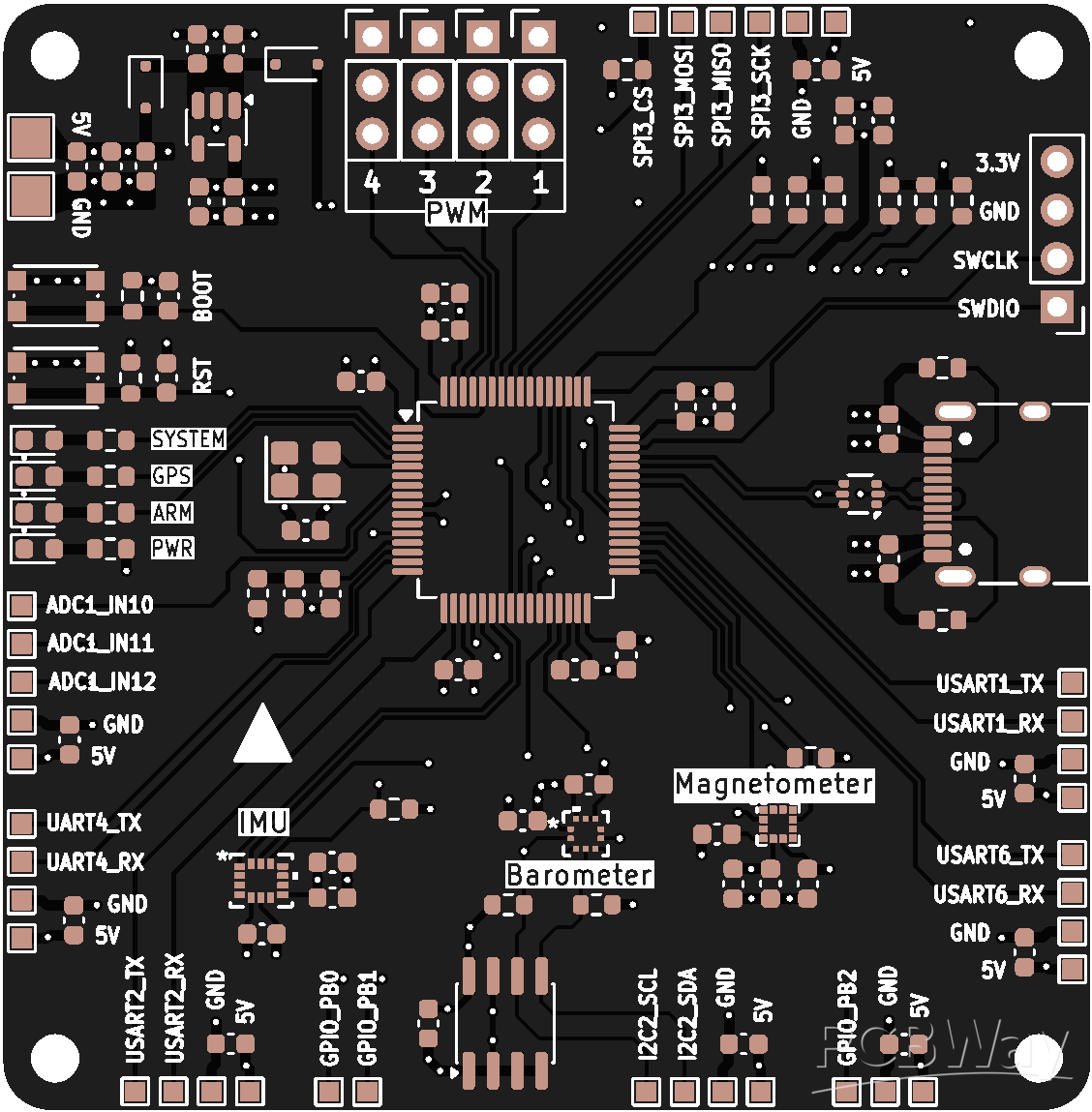
The current state of Decktrix includes a completed main board design, shown in the attached PCB renders and KiCad layout screenshots. The board integrates the MPU, external DDR memory, power management, wireless connectivity, display interface, USB, SD card support, and multiple external connectors within a compact handheld form factor.
The layout reflects real-world constraints. Dense BGA fan-out. High-speed memory routing. Mixed-signal domains that cannot interfere with each other. Controlled impedance traces and careful reference plane management. These are practical boards meant to be built, tested, and revised.
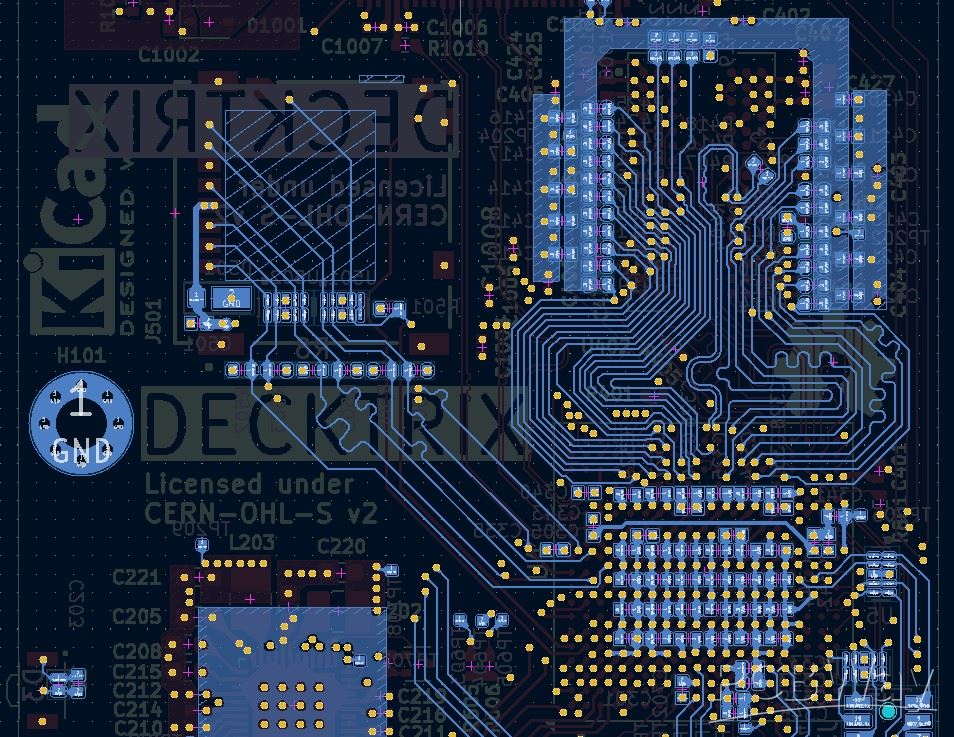
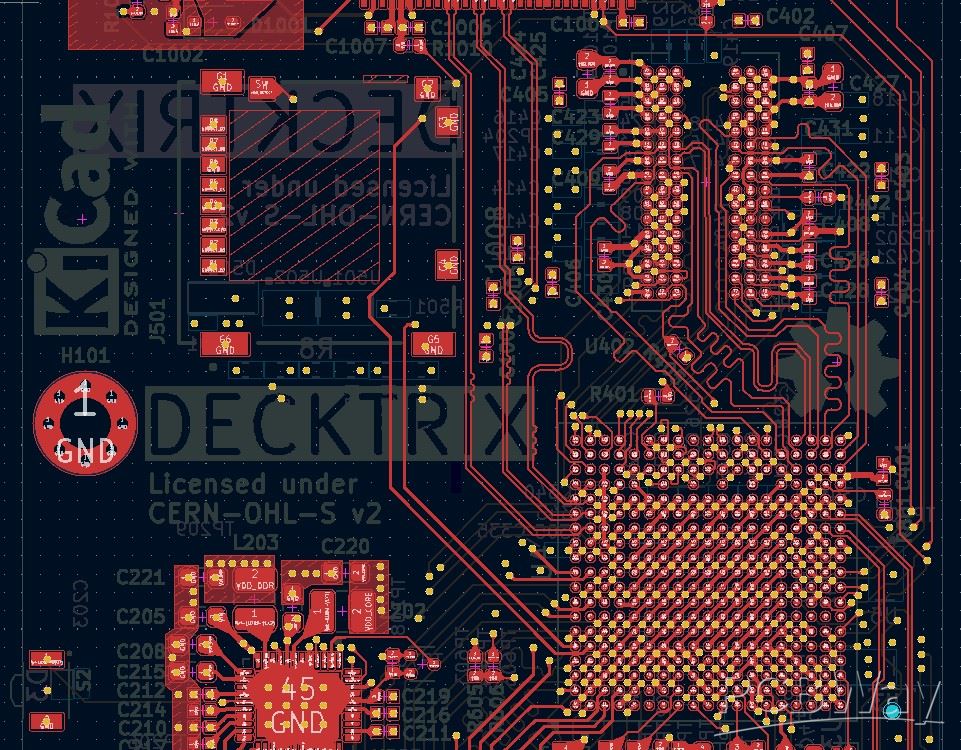
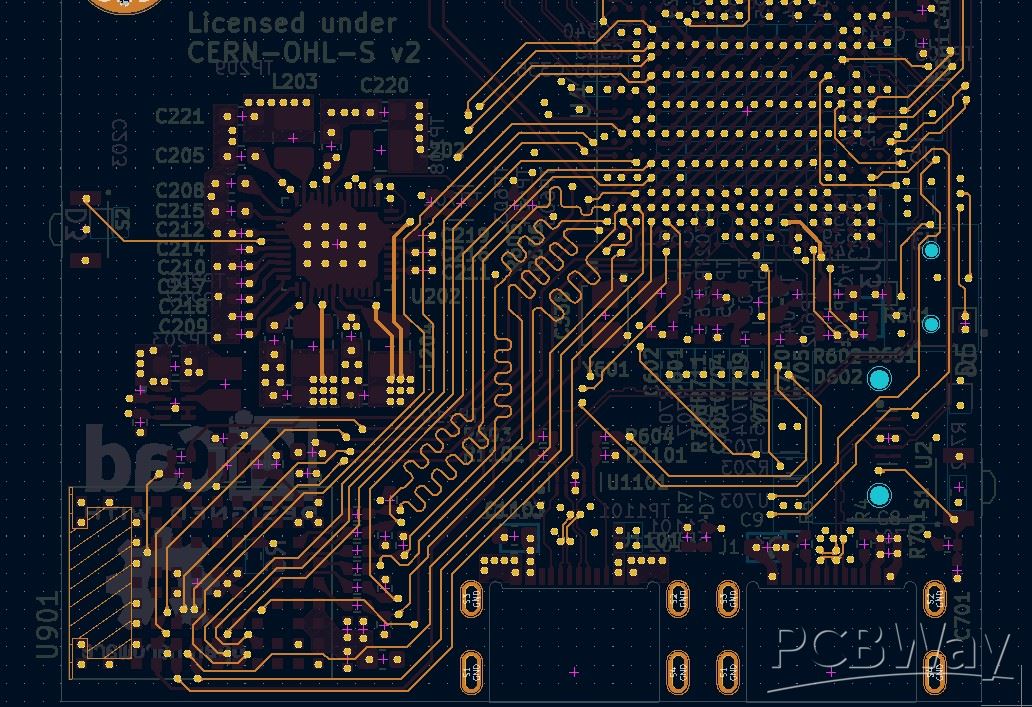
The KiCad screenshots highlight routing density, signal matching, and interface integration typical of advanced embedded Linux hardware. These are functional prototypes, not simplified demonstration layouts, and they form the basis for further validation and iteration.
WHO WE ARE
Decktrix is developed by a small, distributed team that formed through the open-source and maker communities. The project is coordinated by a core maintainer, with contributors providing feedback, testing, and design input across hardware and software. Development happens in the open, and decisions are documented as part of the process.
WORDS TO PCBWAY
Decktrix shows how a complex, Linux-based embedded system moves from schematics and PCB layouts to a real, manufacturable device. It deals with the same challenges found in commercial hardware: density, routing constraints, signal integrity, and system integration.
Support from PCBWay would directly enable fabrication and validation of the current main board and upcoming expansion modules. All manufactured PCBs will be documented publicly and credited, making PCBWay part of a visible, community-driven open hardware project that turns complex designs into working devices.
Thank you for taking the time to review the project.
Apply for sponsorship >>- Comments(0)
- Likes(1)