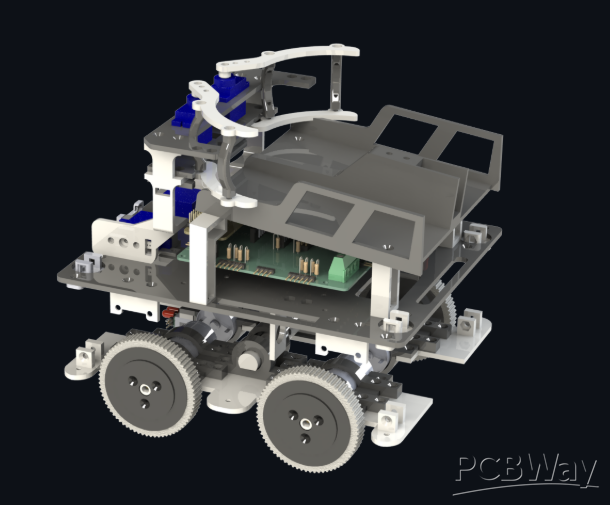
DIY Direct drive FBB steering wheel
WHO I AM
Hello, I’m Humam Al Herbawi, an aspiring 3D modeler, and DIY electronics enthusiast. I have a passion for creating custom projects, especially in the field of sim racing. I’ve been working on a DIY FFB (Force Feedback) racing wheel, where I’m integrating components like an STM32 microcontroller and an XDrive Mini motor driver. My journey involves testing, troubleshooting, and refining designs to make sure the wheel provides a realistic racing experience. I enjoy working on projects that challenge my creativity and technical skills, and I aim to push the boundaries of what I can build with each project.
Project Description
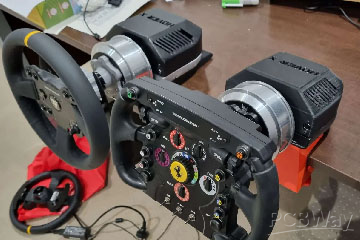
The DIY FFB Racing Wheel is designed to bring a professional-grade racing experience to a sim racing setup. The project uses an STM32 microcontroller for handling inputs and outputs, while the XDrive Mini motor driver powers the force feedback motor, which gives the user realistic vibrations and resistance based on in-game forces.
Software and hardware:
STM32 firmware code for controlling inputs and motor response (ffbeast).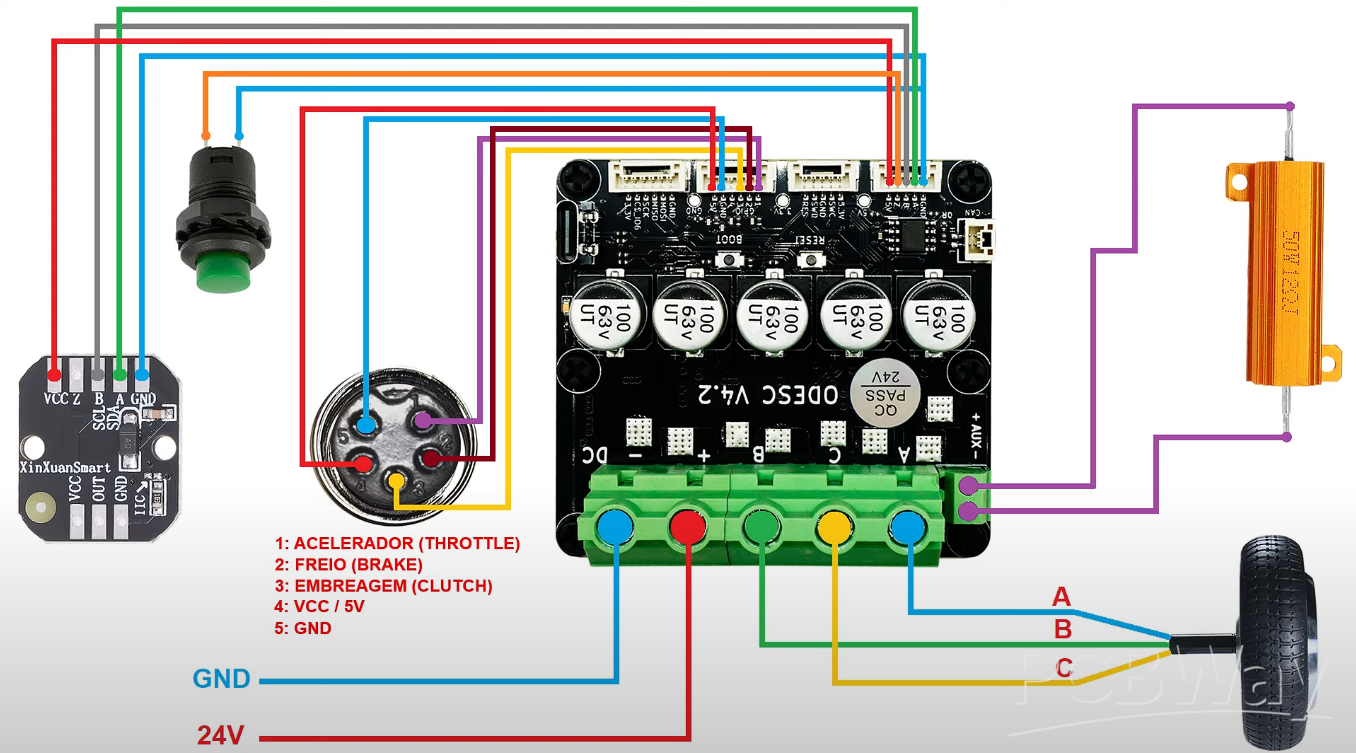
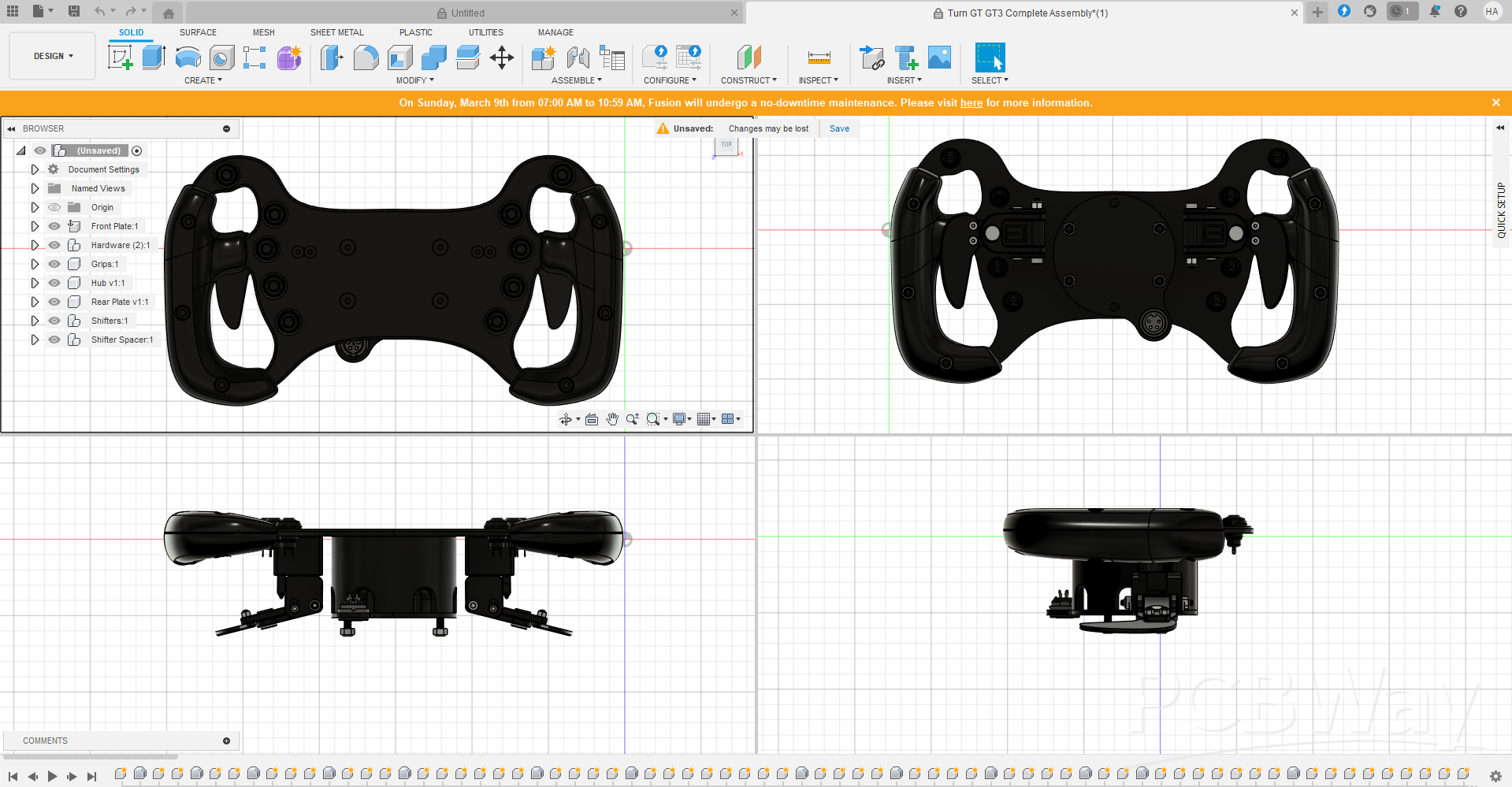
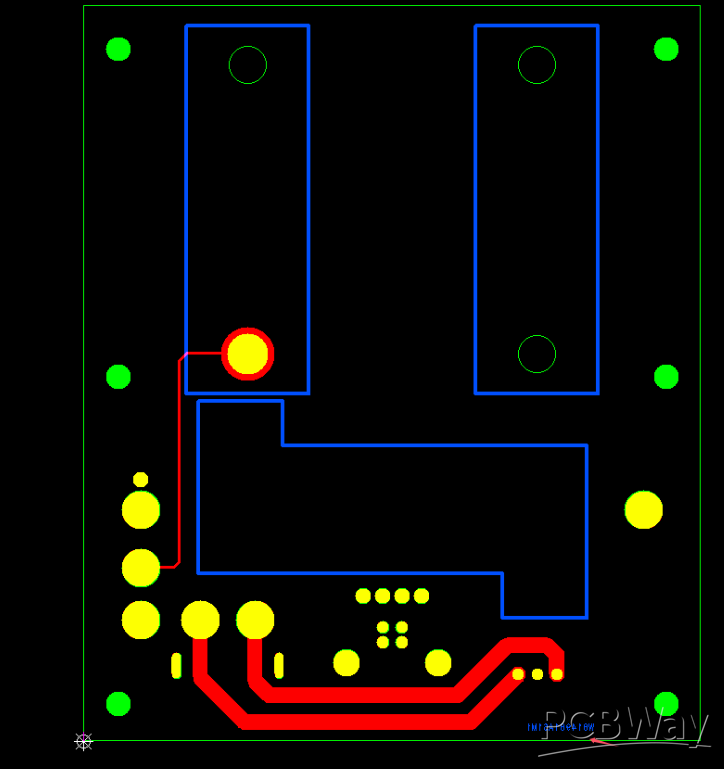
3D models for the wheel casing and custom parts (for printing or machining).
Schematic diagrams for wiring the components.
Components:
STM32 microcontroller
XDrive Mini motor driver
Force feedback motor (compatible with the XDrive Mini)
Rotary encoder for steering input
Buttons, switches, and potentiometers for control inputs
Power supply (adequate for the motor and controller)
Cables, connectors, and mounts
Project Logs:
Initial Design:
Created the first schematic for wiring the STM32 to the motor driver and testing the initial code on the microcontroller.
Force Feedback Tuning:
Fine-tuned the force feedback settings to make the wheel feel responsive and realistic, adjusting motor power and vibration profiles.
Enclosure Design:
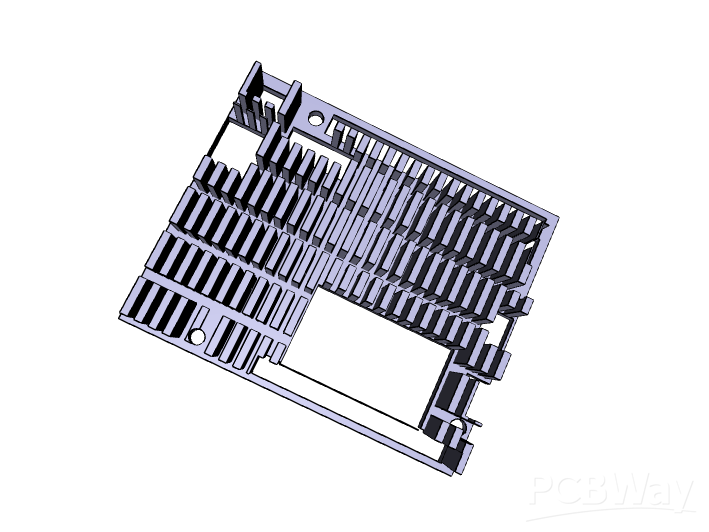
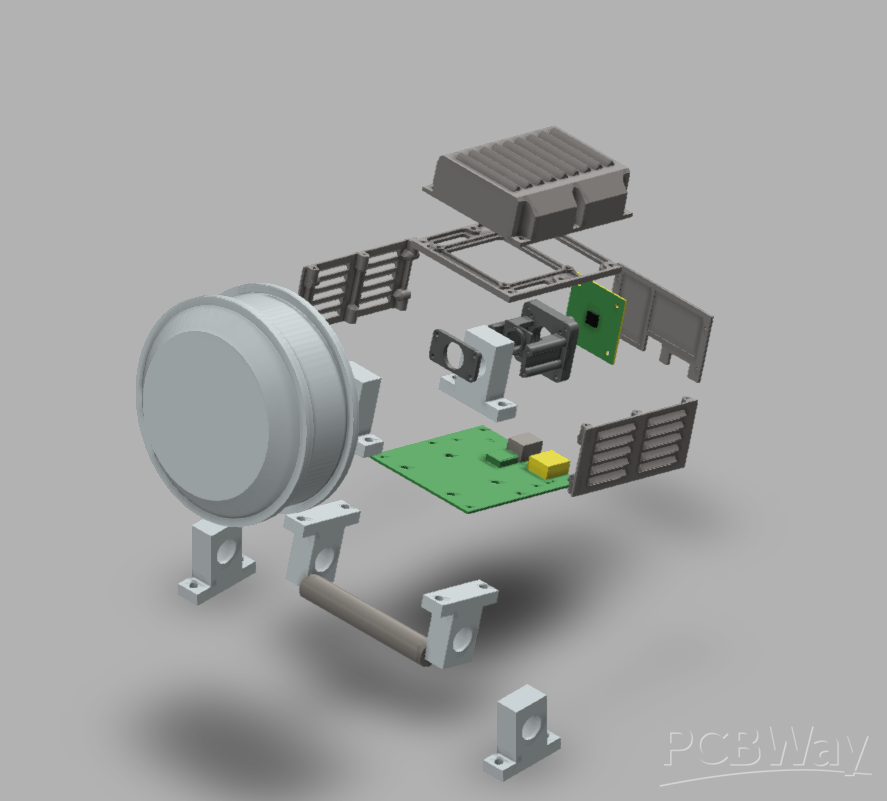
Designed custom 3D-printed parts for the wheel casing and controls, with the intention of making the project compact and durable.
Integration and Testing:
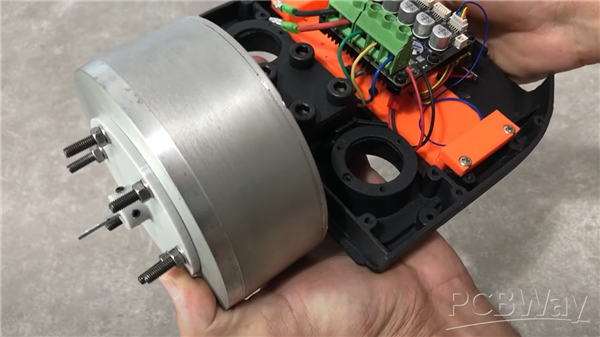
Working on combined all components, testing the responsiveness of the system, and working on fixing any bugs in the hardware and software integration.
Build Instructions:
Wiring:
Connect the STM32 microcontroller to the XDrive Mini motor driver, then wire the motor to the driver. Connect the rotary encoder to the microcontroller to track steering position, and add buttons and switches for additional controls.
Programming:
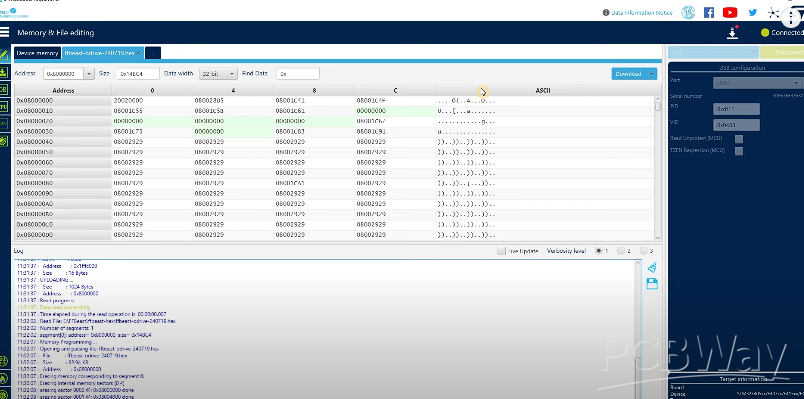
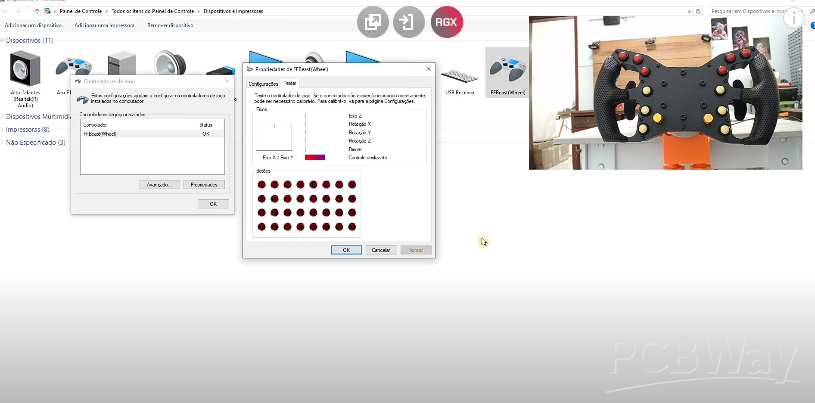
Upload the necessary firmware to the STM32, ensuring that the force feedback response works with the simulation software (e.g., iRacing, Assetto Corsa).
Assembly:
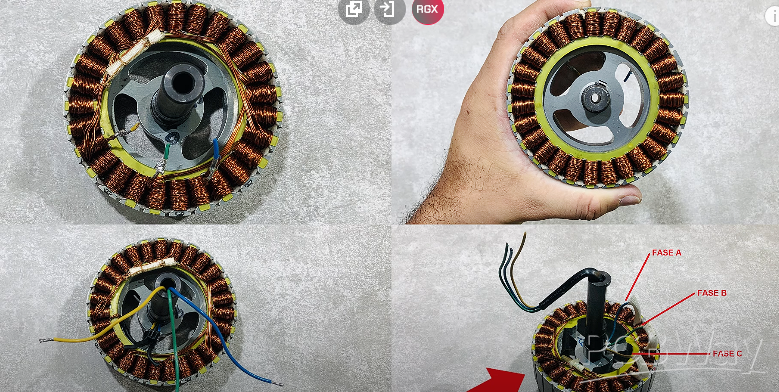
Mount all components inside the 3D-printed casing, ensuring all parts are securely fixed. Attach the steering wheel and other controls to the casing.
Calibration:
Fine-tune the system by adjusting the settings for force feedback intensity and response time.
External Links:
Words to PCBWay
Dear PCBWay Team,
Thank you for providing such excellent services. For my DIY FFB racing wheel project, I believe your CNC-cut parts would help ensure high-quality, precise components. Additionally, your custom 3D printing services could offer functionality and flexibility for my designs. Most importantly, your sheet metal fabrication service would be the perfect solution for creating a durable and professional enclosure, making my project a strong proof of concept that could compete with entry-level consumer-grade racing wheels.
I’m excited to continue working with you to elevate my project!
Apply for sponsorship >>- Comments(1)
- Likes(6)