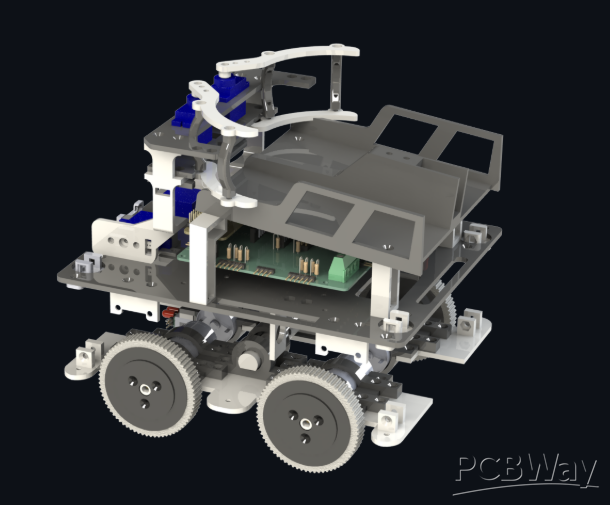


DAEDALUS CanSat 2026 — Autonomous Paraglider system
What is our project about?
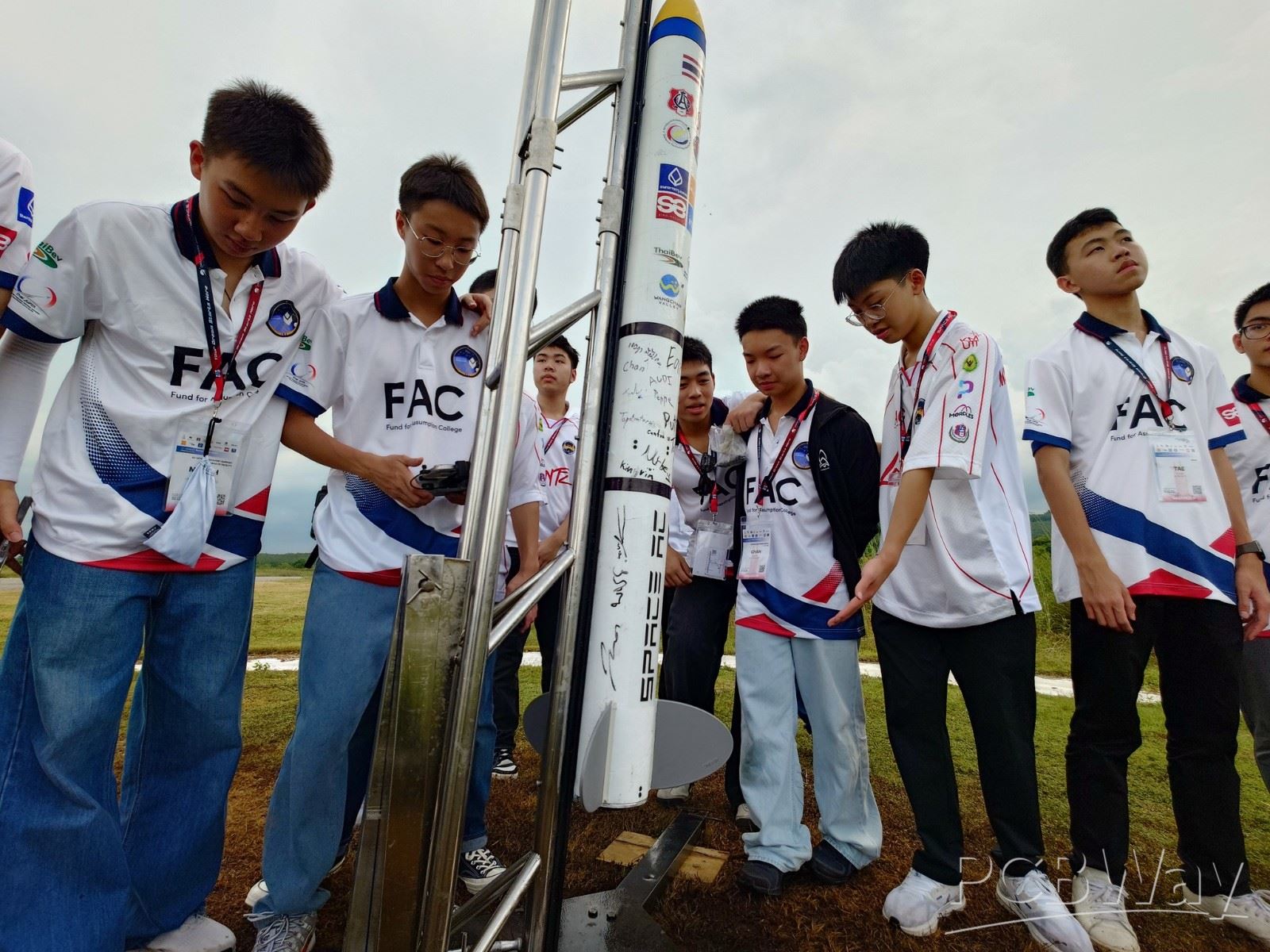
The Daedalus CanSat Project is a high school–led aerospace engineering mission developed for the CanSat Competition 2026. Our goal is to design, build, and operate a fully functional can-sized satellite that simulates a real space mission under strict size, mass, and reliability constraints.
The CanSat must survive launch conditions, deploy safely during descent, collect real-time data, and transmit telemetry back to a ground station—just like an actual satellite system, but at a student scale.
Why did we decide to make it?
We wanted to experience real aerospace engineering workflows — from system requirements and PDR/CDR reviews to testing and recovery. This project challenges us to work like a professional space team while pushing our skills in electronics, programming, mechanical and system integration.
How does it work?
After deployment from highest altitude, DAEDALUS performs the following operations:
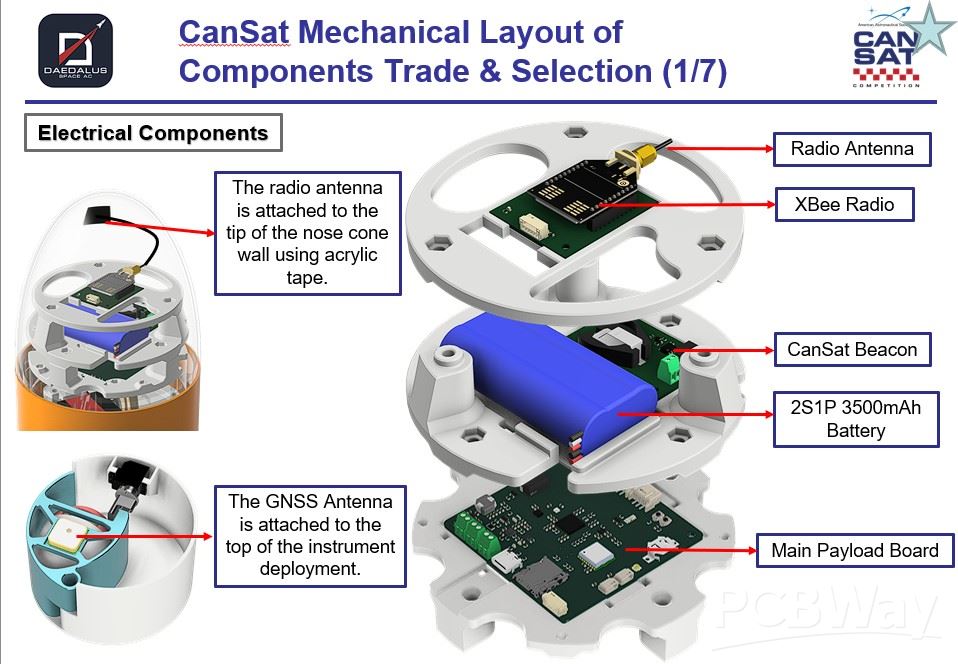
- Telemetry transmission via radio (XBee)
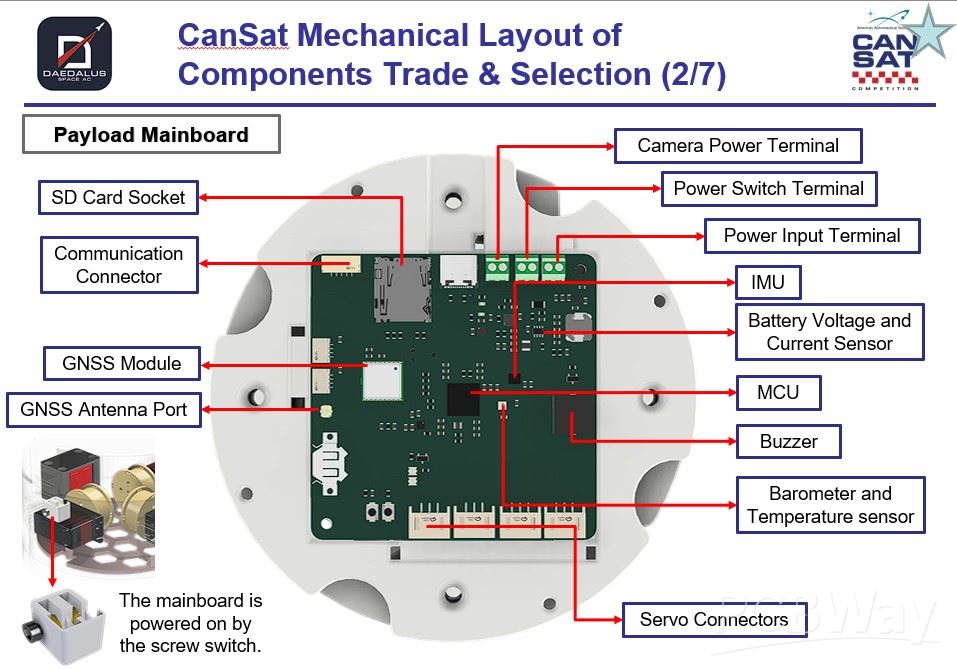
- GPS tracking for position and recovery
- Environmental sensing (altitude, temperature, pressure)
- Controlled descent system to ensure safe landing
- Reliable power system designed for mission duration
- Deployment systems through the actuators
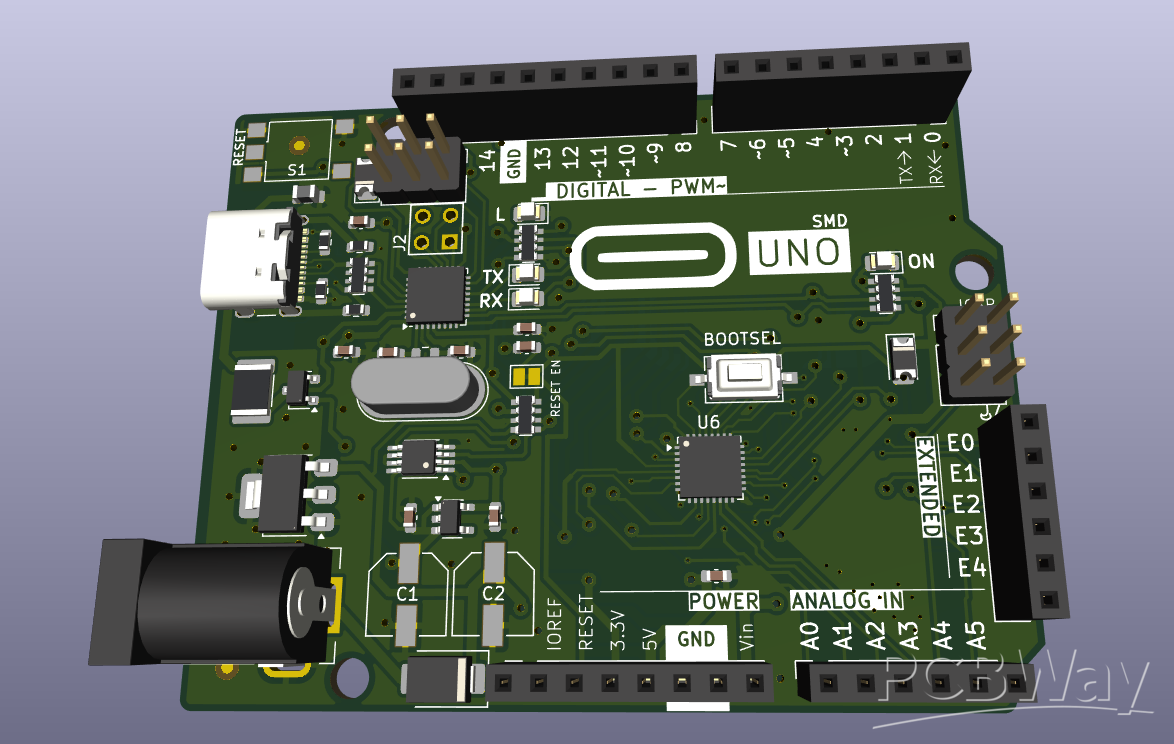
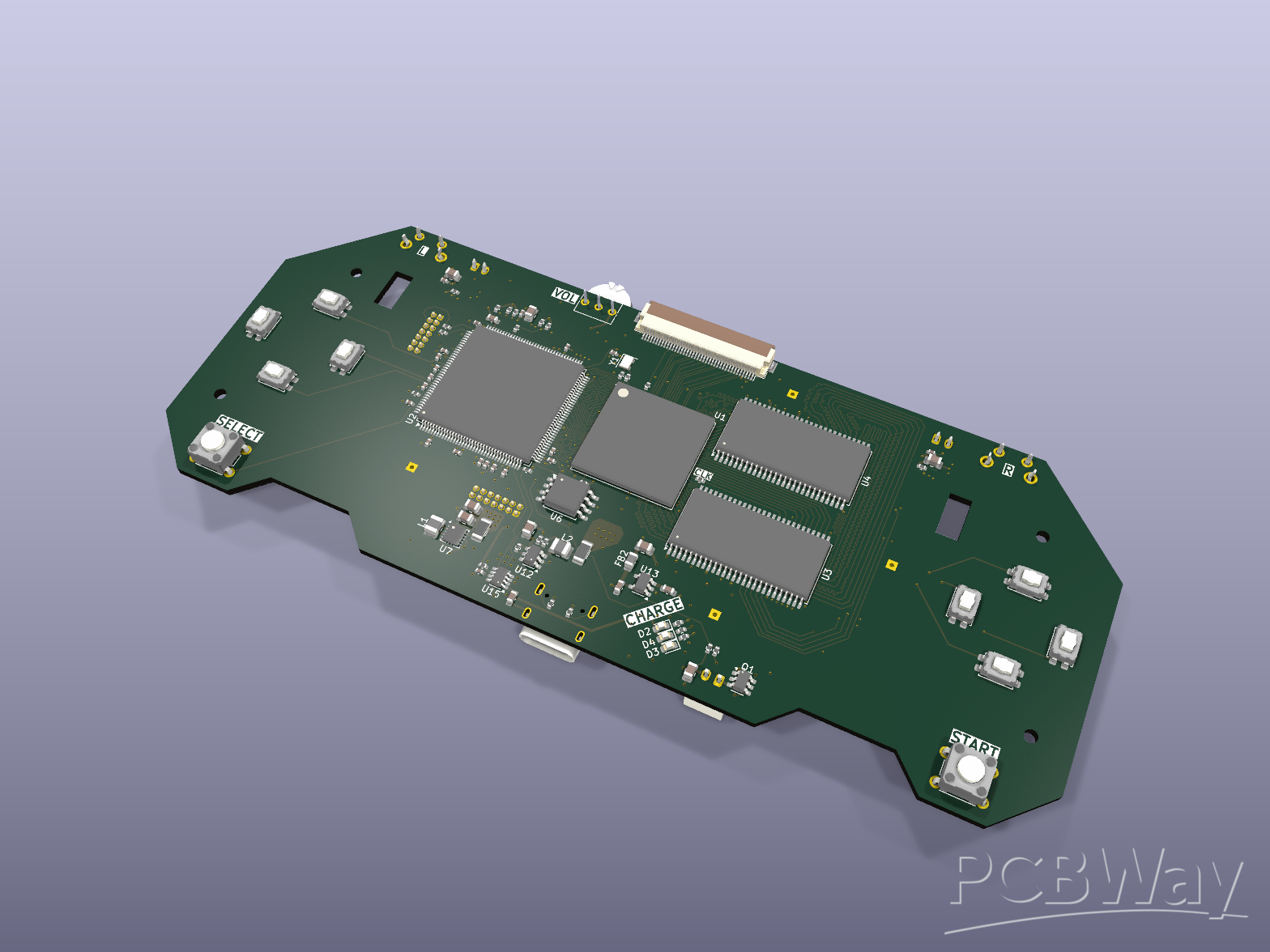
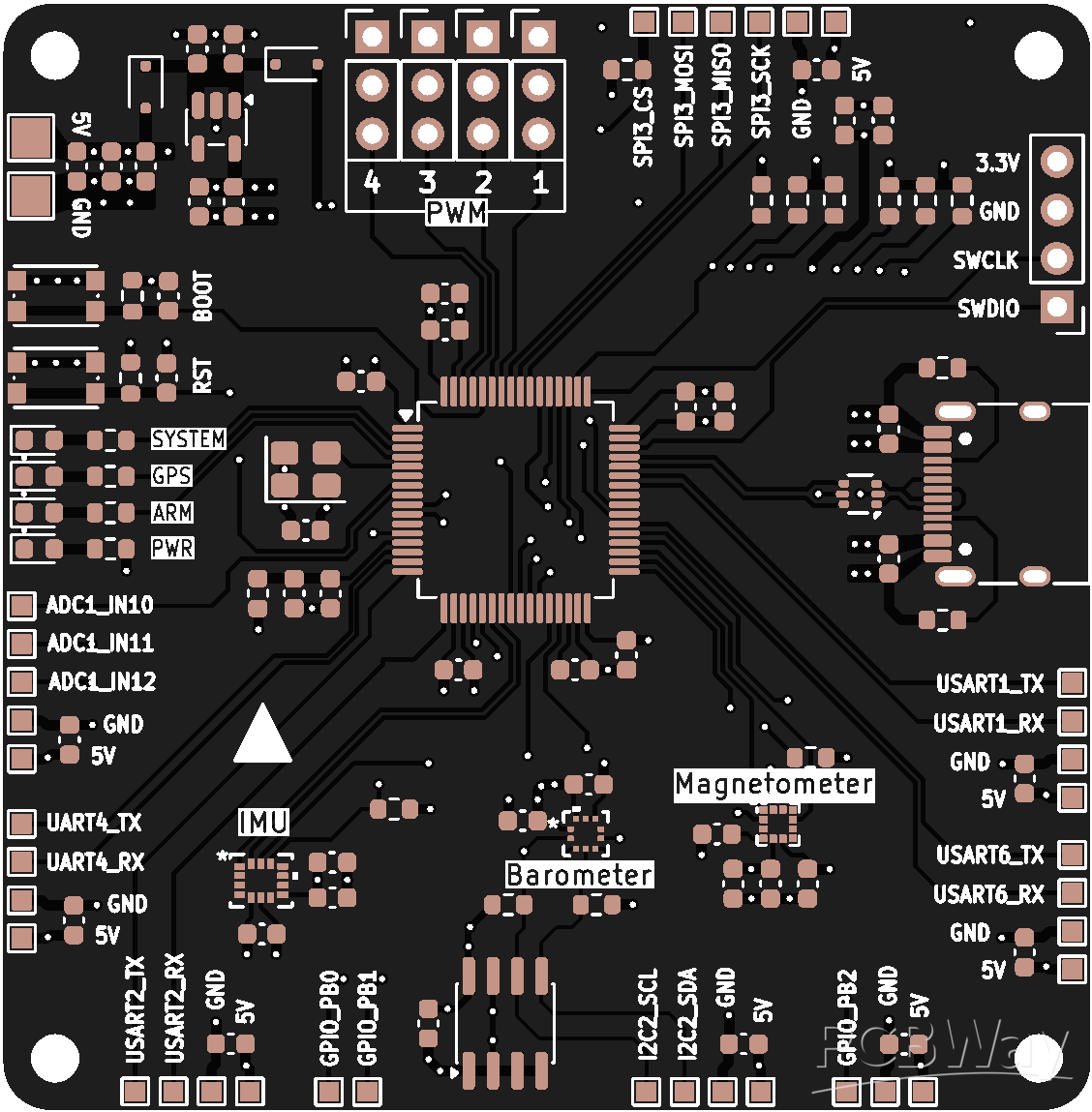
All subsystems are coordinated by a microcontroller running custom-developed firmware, designed with redundancy and fault tolerance in mind.
Our goal
To successfully complete the CanSat mission while gaining hands-on experience in space systems engineering, teamwork, and real-world problem solving.
- Comments(0)
- Likes(0)