Clarkson University Rocketry Team
Background
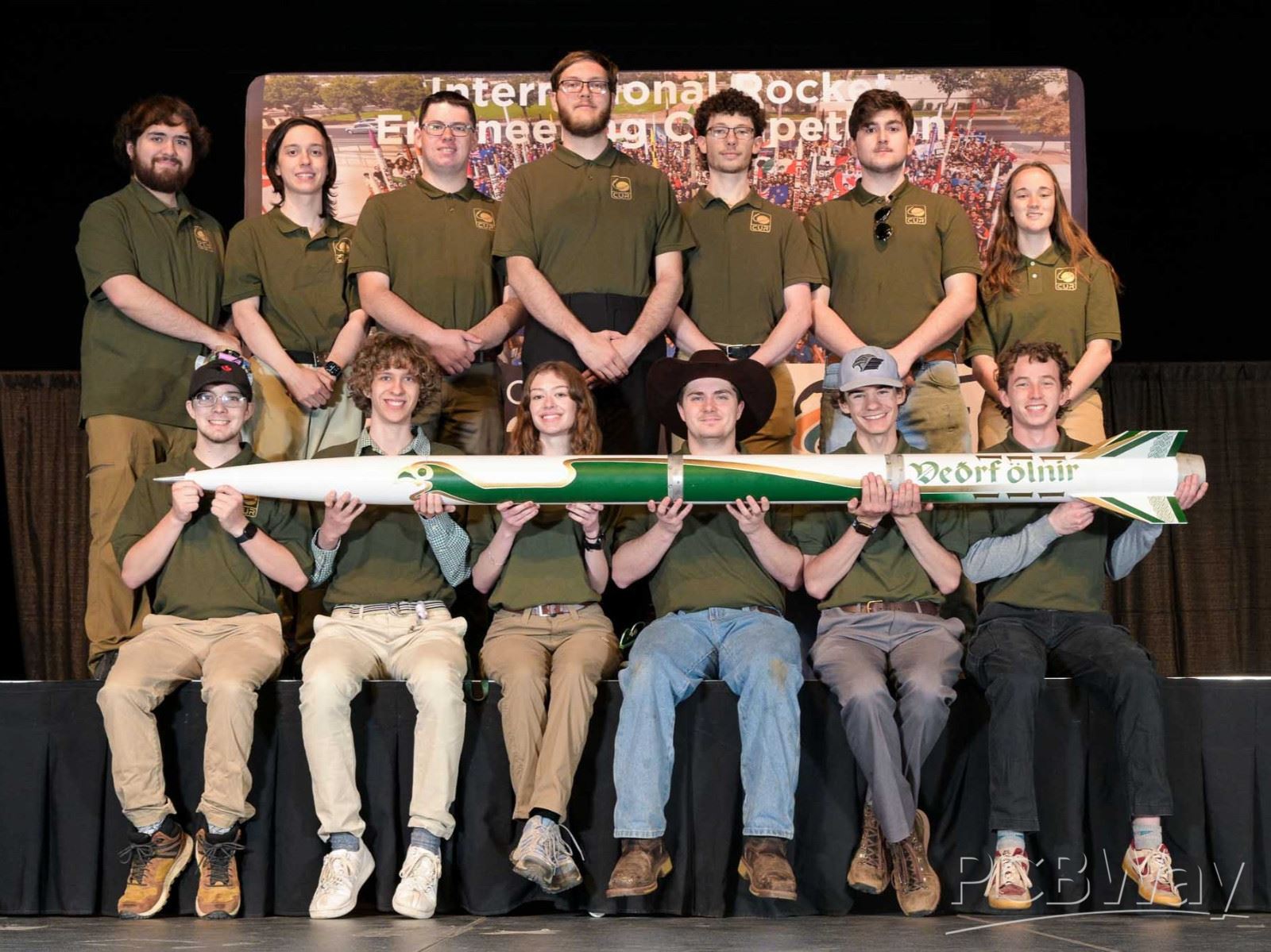
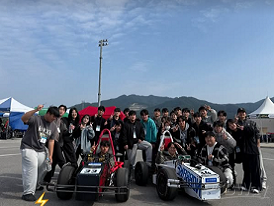
The Clarkson University Rocketry Team (CUR) made its competitive debut in Culpeper, VA in Spring of 2023 at the Battle of the Rockets competition after existing on campus as a revamped club since 2020. In 2024, CUR attended the International Rocket Engineering Competition (IREC) Spaceport America Cup for the first time, placing 32/68 in the 10,000 ft Commercial Off-The-Shelf (COTS) motor division and 55/122 overall. The team considers this a great success for our second ever competition as a team joining the largest and most prestigious collegiate rocketry competition in the world. CUR then returned to the International Rocket Engineering Competition in 2025, proudly placing 21/90 in the 10k COTS division with an altitude of 10,352 feet AGL, and achieving place 35/143 total teams, significantly surpassing our previous ranking and performance from years past.
2025-2026 Goals
The 2025-2026 season marks the Clarkson University Rocketry Team’s third time representing Clarkson in attending the International Rocket Engineering Competition, taking place in mid-June at Spaceport America in Midland, Texas. The competition entails the design and construction of a rocket and payload that will fly to 10,000 feet AGL (10k), with any payload that weighs at least 8.8 lbs and intended to perform a scientific experiment during or after the flight.
The encompassing goal of the Clarkson Rocketry Team and competition is to involve students in hands-on experiences surrounding engineering, marketing, accounting, manufacturing, and project leadership, and continuing CUR’s legacy in this competition solidifies our place as an innovative, competitive, and safe collegiate rocketry team, as well as demonstrate the quality of our engineering programs to the industry leaders involved in the competition.
Research and Development Objectives
CUR takes pride in our contribution to student researched and developed (SRAD) rocketry, with a focus on producing in-house a majority of mechanical components for the rocket, and has been ramping up development of SRAD electronics in recent years.
Our team has recently relied on an SRAD active air brakes control system to adjust the rocket's apogee to match the 10k foot AGL competition goal. Our competition rocket is designed to fly higher than this target apogee, so that the air brakes control system can account for varying weather and launch conditions and allow our rocket to precisely achieve its target apogee.
In addition, the avionics and recovery team aims this year to work toward the development of an SRAD in-house flight computer to allow for more customization, of hardware, software, and telemetry capabilities, to engage and educate members, and to reduce cost faced when buying commercial flight computers.
Air Brakes
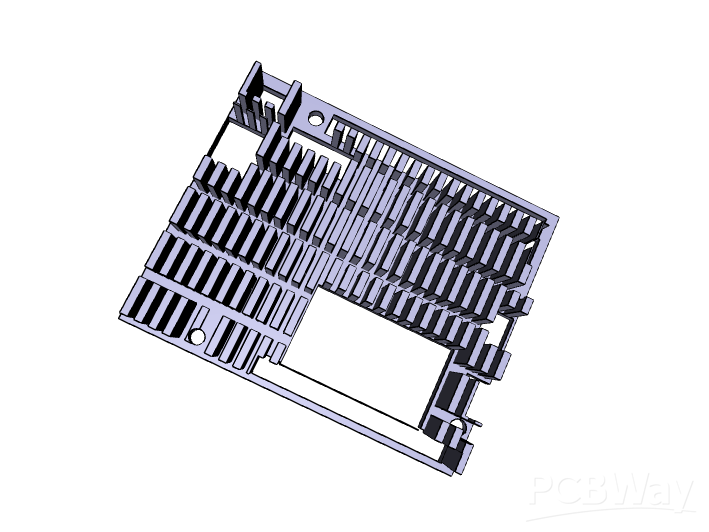
The Air Brakes subteam is responsible for the design, testing, and manufacturing of an active control mechanism and electronic control system to achieve a targeted apogee in flight on CUR’s competition rocket. By extending air brake flaps into the airstream, the air brakes will generate additional aerodynamic drag during the coast phase of flight. A custom embedded system consisting of sensors and a microcontroller performs state estimation and evaluates a control system, allowing the rocket to predict in flight its apogee and selectively extend the brake flaps to reduce the rocket’s apogee to the 10k setpoint.
With an impressive 3.5% deviation from our target altitude achieved at the IREC 2025 competition, our current air brakes design has been demonstrated as a feasible and reliable solution for apogee control, in both mechanical and electrical aspects. This year’s air brakes, therefore, will focus on iterative development of the electronics and control system, requiring improvements to the electrical power tree thanks to learnings from last year, as well as a more robust control system built around a custom MATLAB Simulink model of the control system as well as more complete simulation. These changes will make possible a further improved accuracy of apogee targeting, as well as again increased resilience against recurring off-nominal launch conditions.
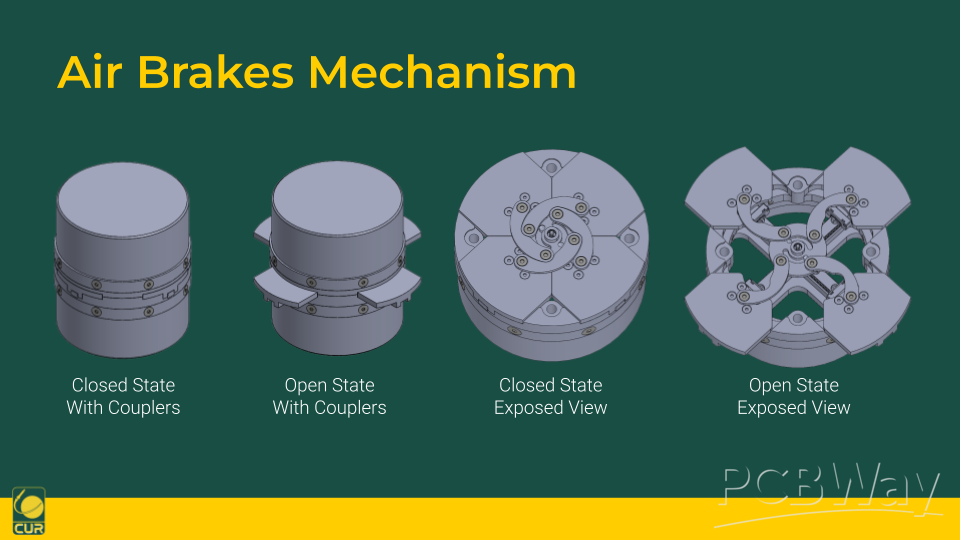
Air Brakes Deployment Mechanism

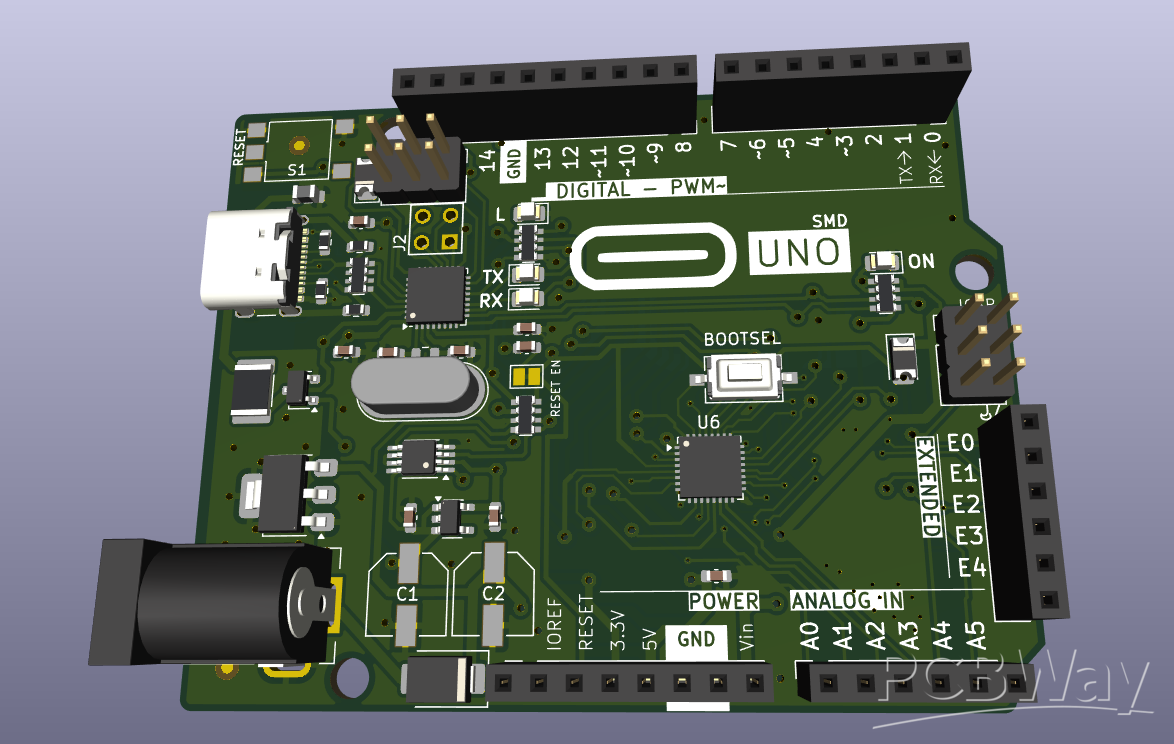
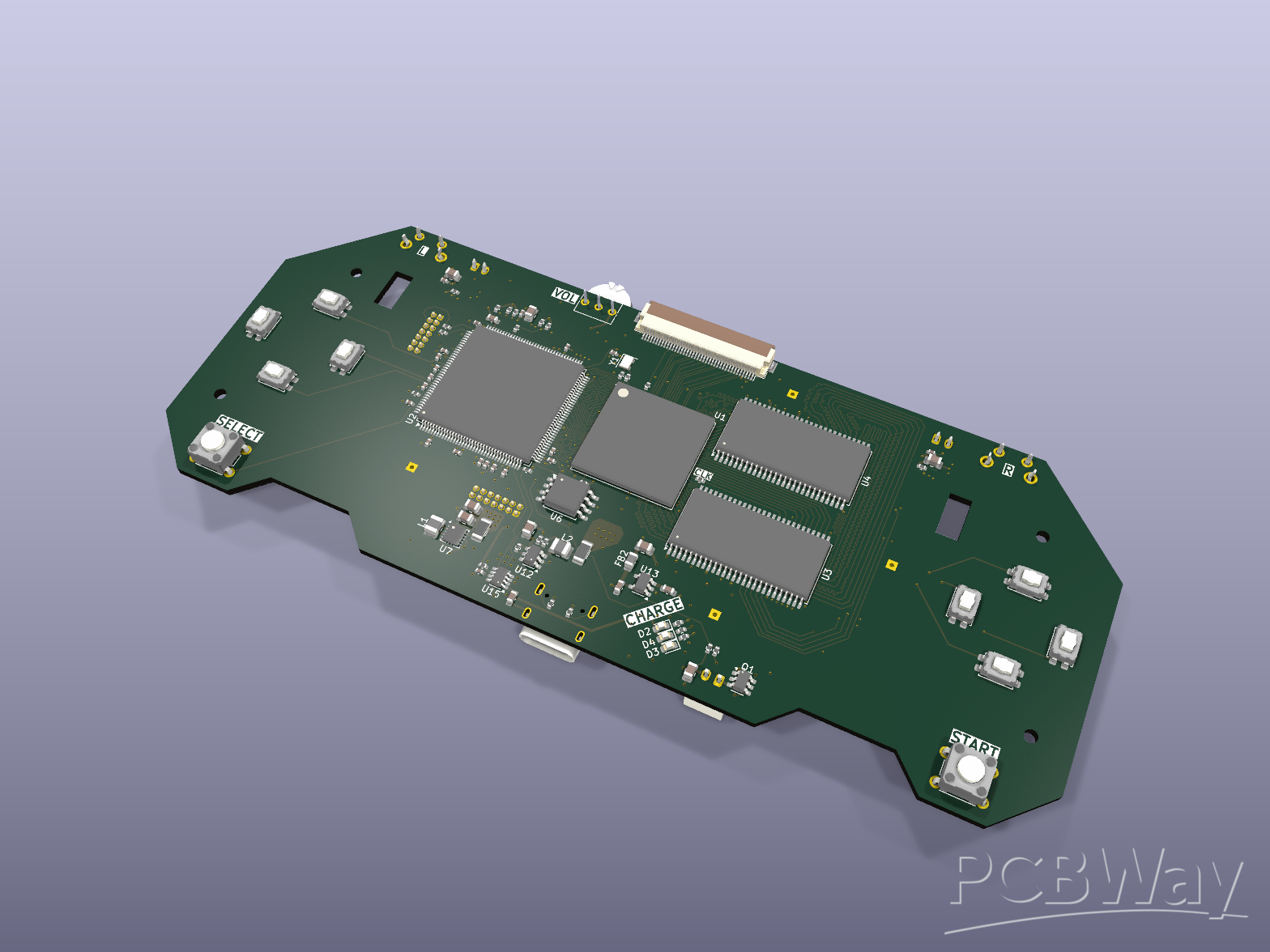
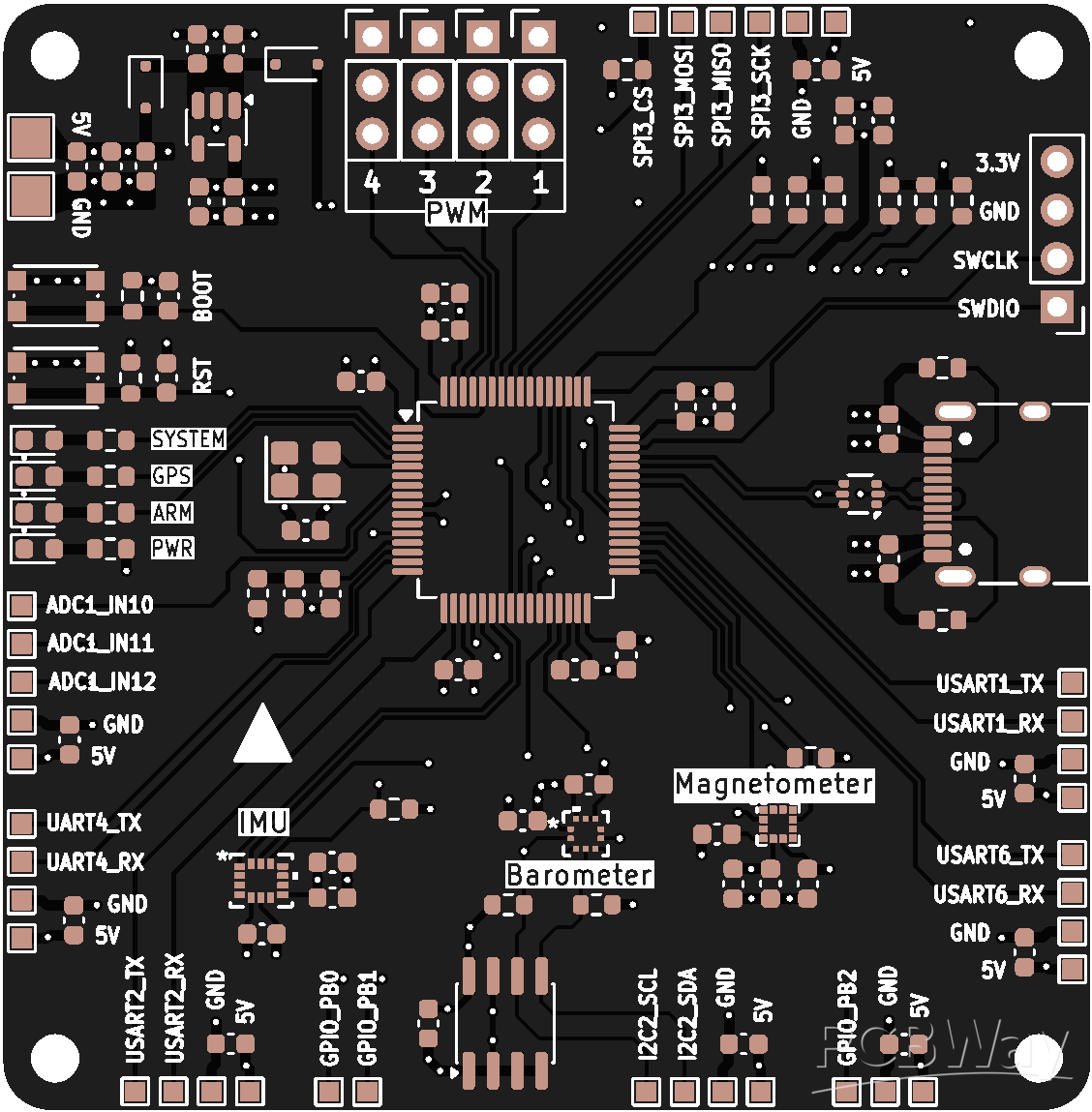
2025-2026 Air Brakes Prototype PCB Design
Past air brakes control systems have been implemented on custom PCBs targeting a variety of design criteria. Included below is a reference of last year's Air Brakes system after flight:
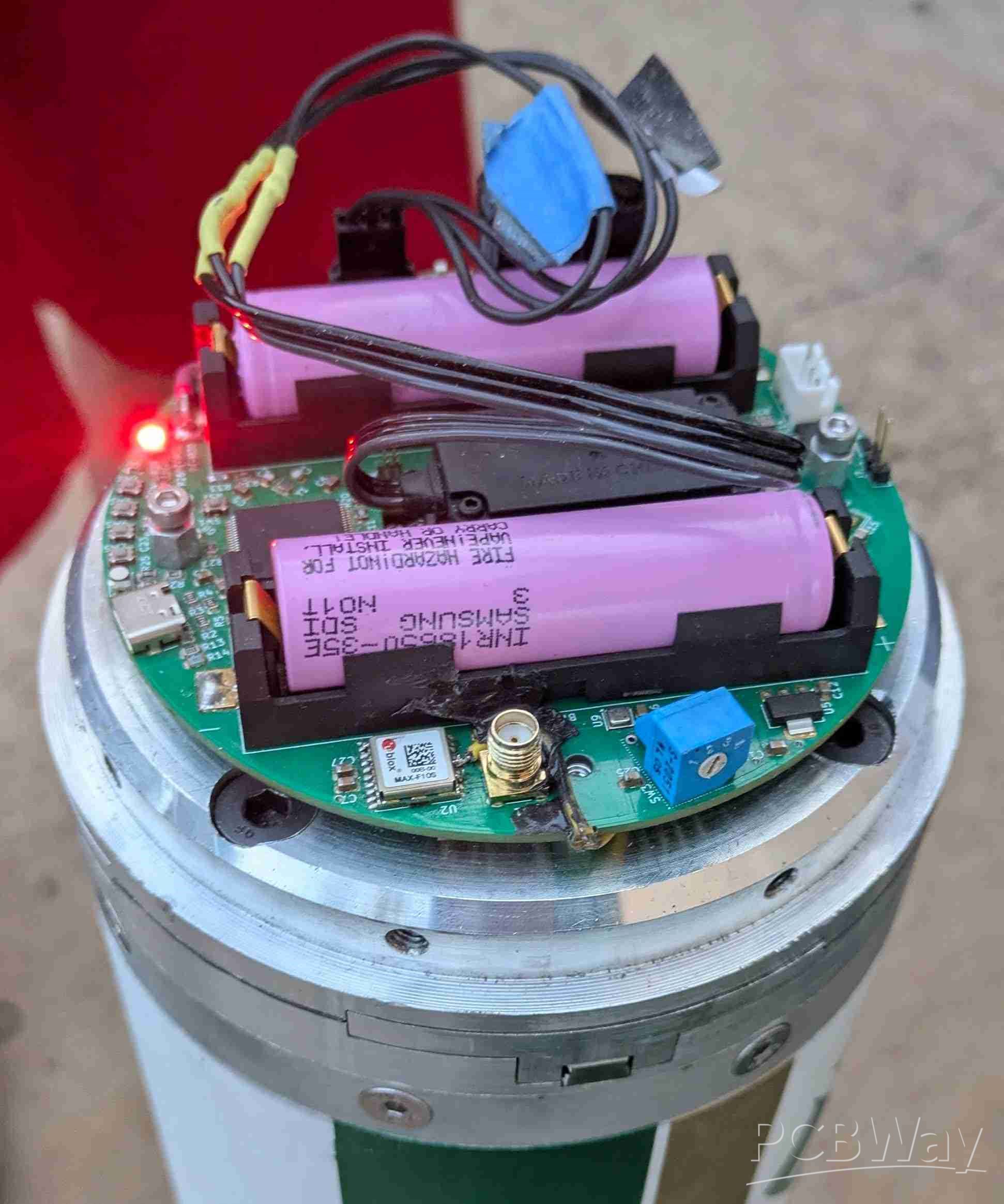
2024-2025 Air Brakes Control System integrated on booster section
The Clarkson University Rocketry Team would greatly appreciate your support in our PCB fabrication needs for the 2025-2026 competition year. We're currently developing revisions of the Air Brakes PCB, as well as custom Payload and Avionics flight computers for our upcoming competition, and are excited to foster a partnership with PCBWay to help us achieve our goals as well as generate significant marketing reach for PCBWay in industry supporting both Clarkson and our international competition. Thank you for your time and consideration of the Clarkson University Rocketry Team!
Apply for sponsorship >>- Comments(0)
- Likes(1)