

CanSat USA 2026
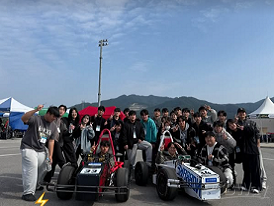
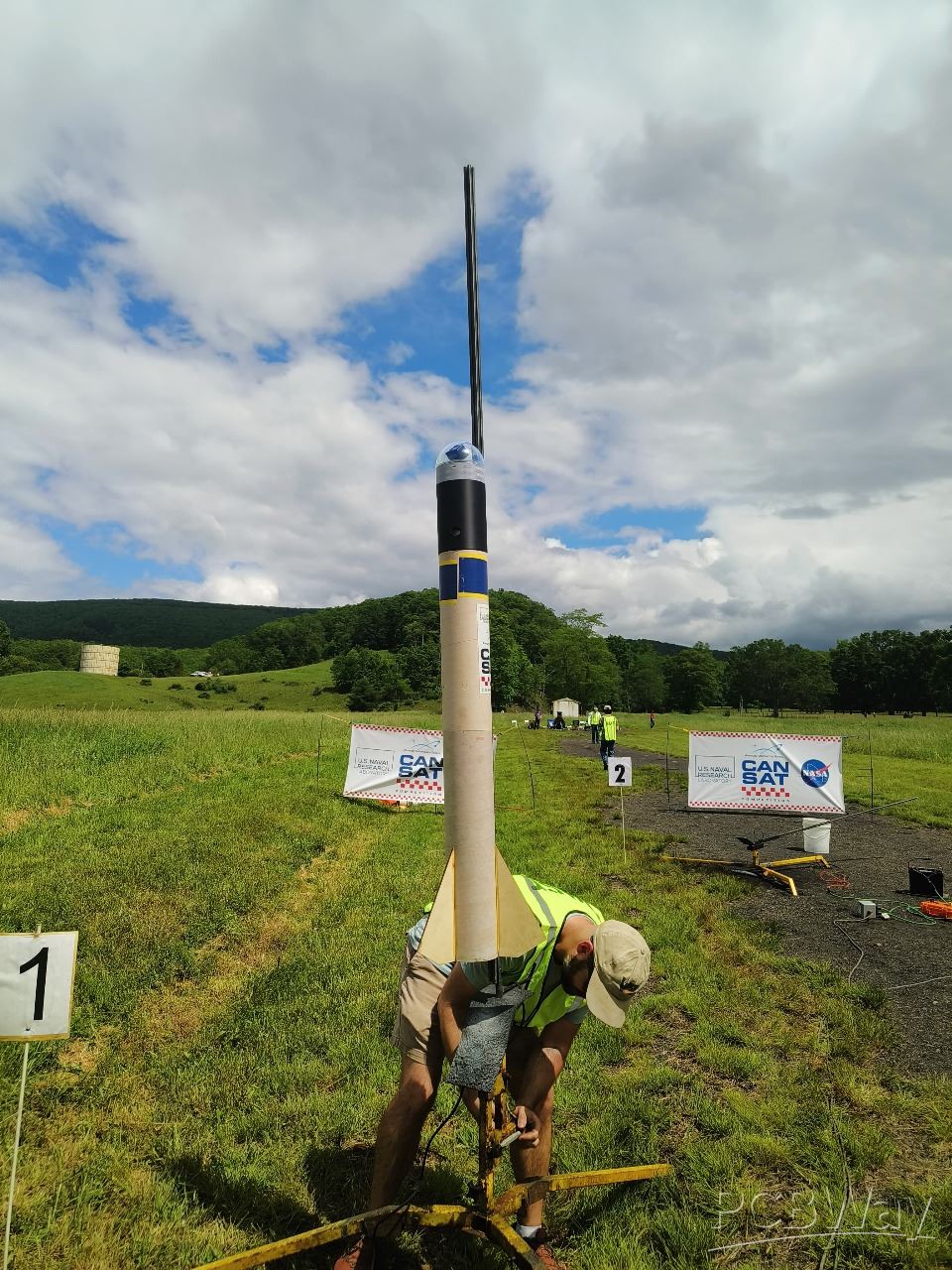
Hello! My name is Mustafa Dalal and I am the lead for our team, SkyBound, from SRH Berlin University of Applied Sciences, Germany. Our project is a fully functional CanSat designed for CanSat USA 2026, a competition organized by the American Astronautical Society. The mission is to build a miniature satellite that can be launched by rocket and perform a series of real-world aerospace tasks. Our CanSat will record and transmit environmental and flight data—including temperature, acceleration, tilt angle, and barometric-calculated altitude—while also operating an audio beacon for recovery. One of the most challenging requirements is that the CanSat must autonomously navigate to a designated GPS coordinate and release a fragile payload (an egg) safely and precisely.
We chose this project because it gives us the opportunity to compete among some of the best engineering teams in the world. As aspiring mechatronics engineers, the CanSat competition is perfectly aligned with our field: it combines electronics, embedded systems, aerodynamics, control systems, and mechanical design into one highly multidisciplinary challenge.
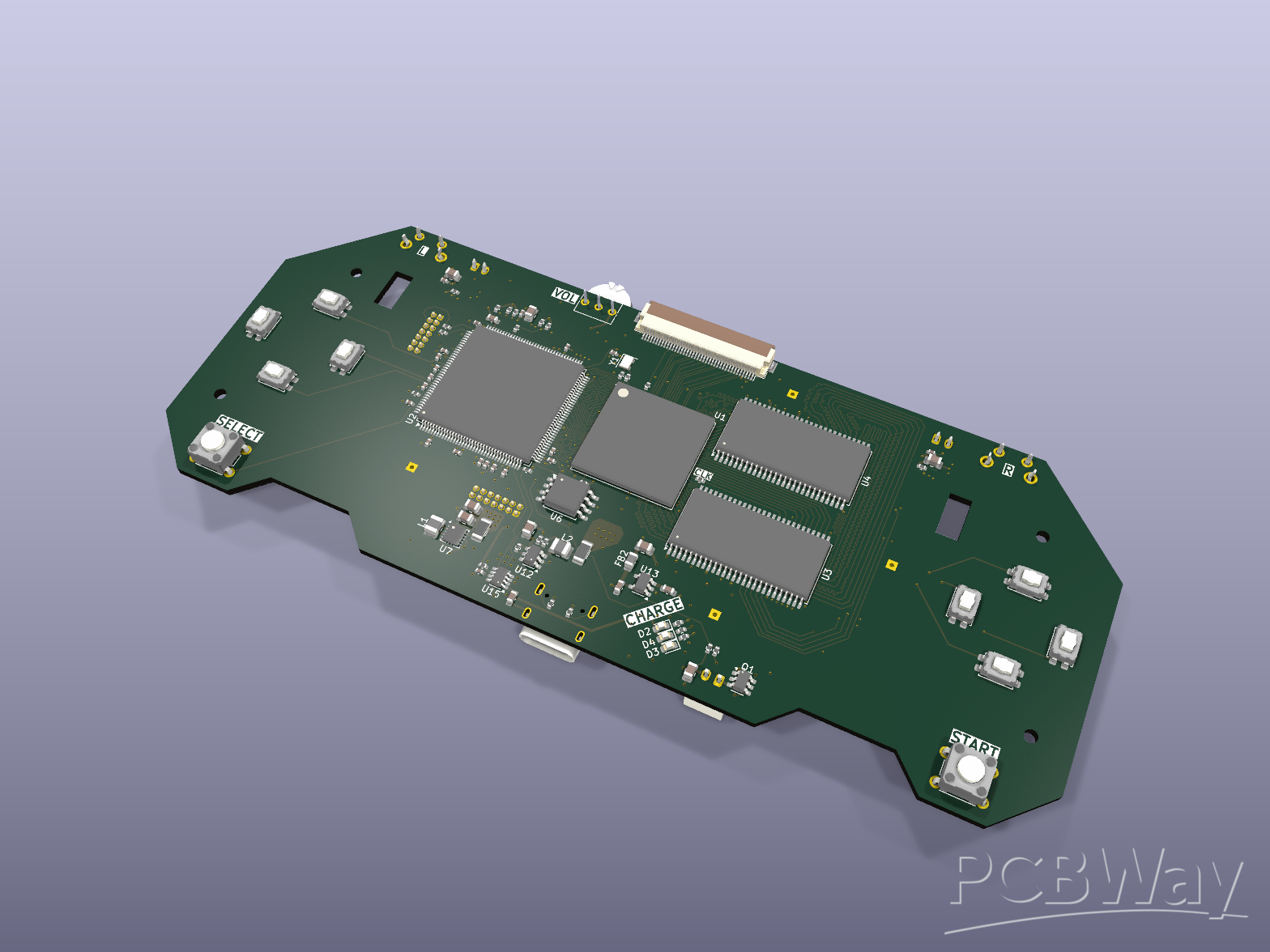
Last year, we also participated—but our biggest obstacle was electronics reliability. Because assembled PCBs were outside our student budget, we had to build a makeshift PCB by hand using tools not suited for fine-pitch components. As a result, several connections failed during testing, compromising our entire mission. Having professionally assembled PCBs this year would eliminate these failures, drastically improve our system reliability, and allow us to focus our time on innovation instead of troubleshooting poor solder joints.
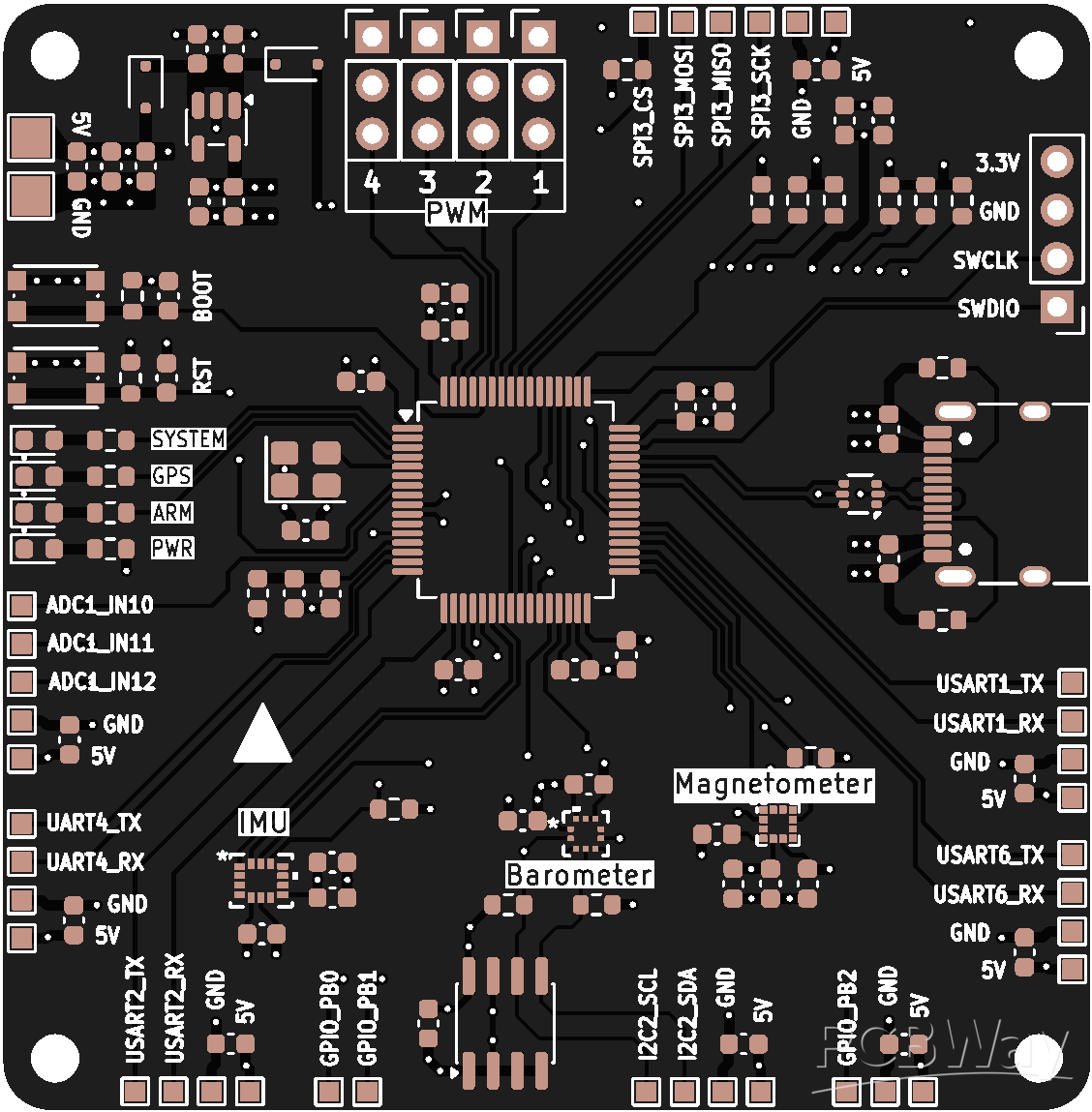
With PCBWay’s support, we will be able to build a robust flight computer that meets aerospace-level reliability, fully unlocking the potential of our design. This sponsorship would genuinely make the difference between a functional prototype and a competitive, high-performance CanSat.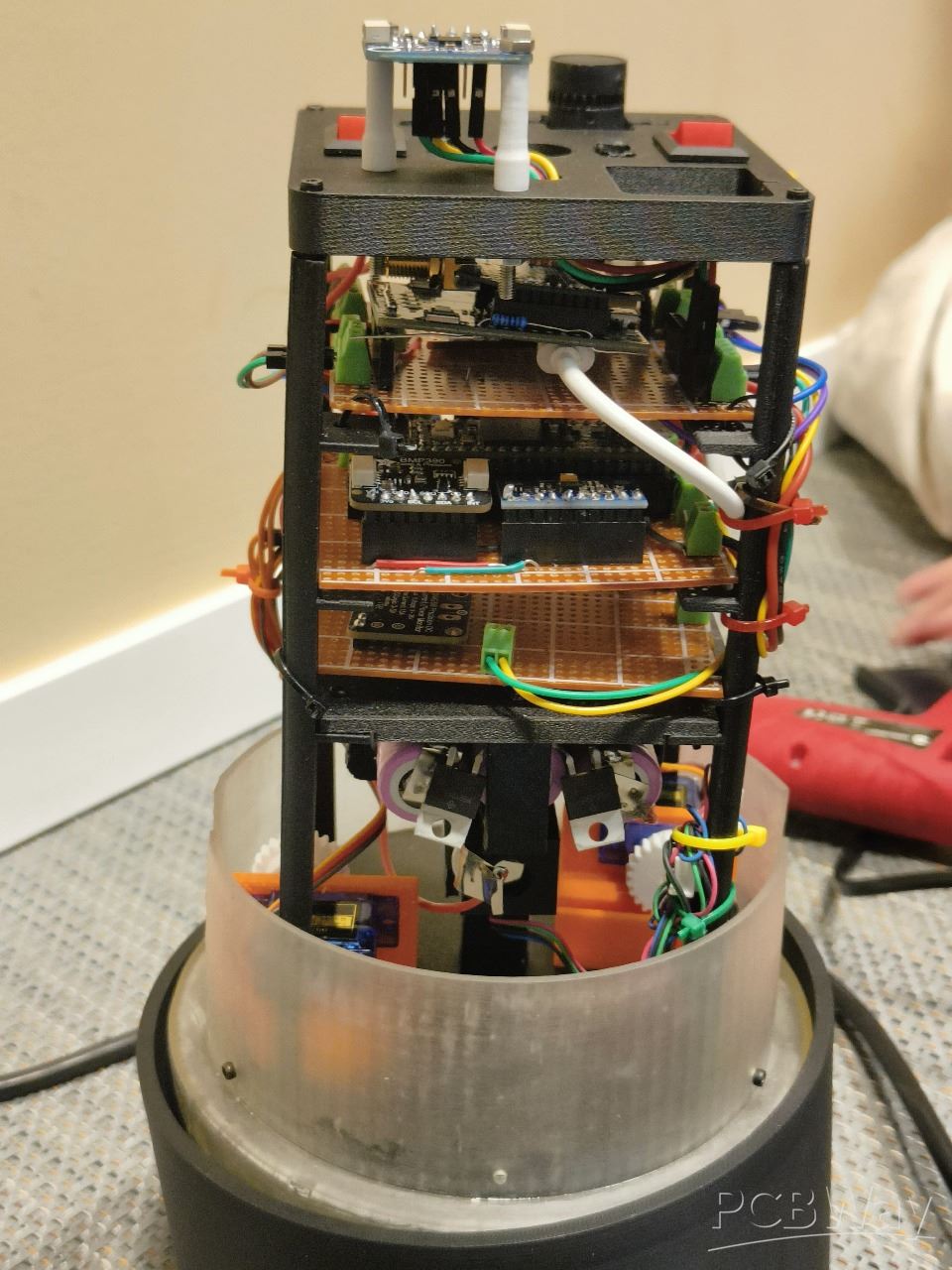
- Comments(0)
- Likes(0)