Cal Poly Pomona Solar Boat Club
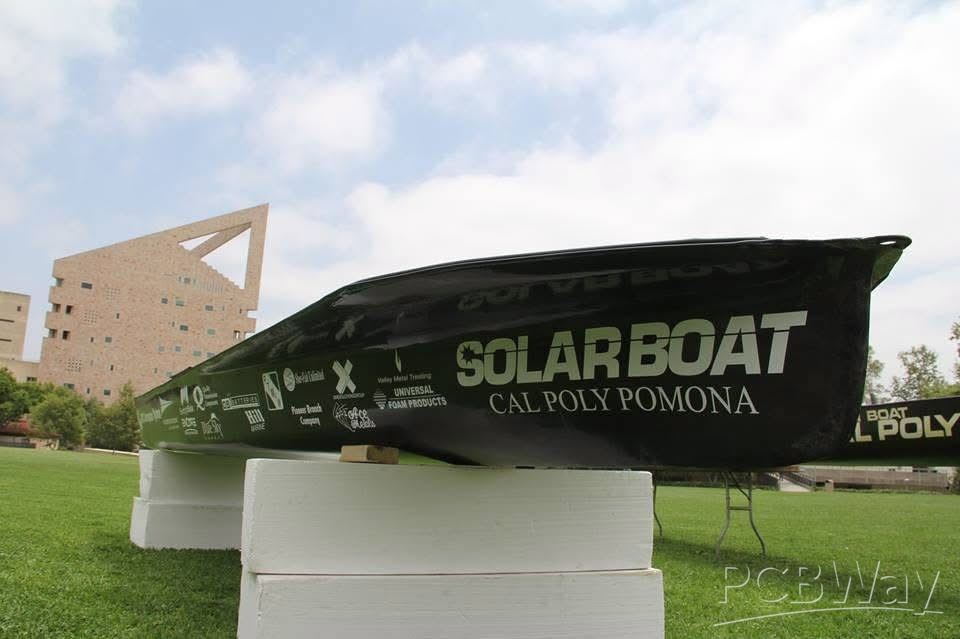
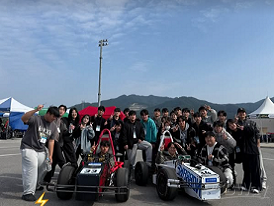
Established in 1989, The Solar Boat Club (formerly called the Alternative Vehicle Club) has a storied history of building alternative vehicles. In 2001, the team entered the Solar Splash competition, starting its journey in powering boats through solar power. The club experienced its last competition in 2017 for years to come. Last year in 2025, the club was revived and competed with a brand new boat built from scratch. Since then, the Solar Boat Club has grown at an astonishing rate to 40+ students from a variety of backgrounds and disciplines, from mechanical and electrical engineering students to business and economics students. By working together, the club empowers students to gain hands-on technical expertise with renewable technologies in a collaborative and interdisciplinary environment.
The Solar Boat Club aims to compete in the Solar Splash competition, an annual collegiate competition which tests the limits of the boat in endurance, speed, and obstacle races. The team is looking forward to upgrading last year's boat to include many more features to further enable our skipper to gain an edge in the competition.
The above video shows a demo of last years competition
The above video explains the clubs newly built boat in 2025
Last year, the electrical distribution system of the boat was built haphazardly through breadboards and floating components. This year, the electrical team is aiming to create a newly revamped electrical system that will use PCBs extensively and set a precedent and legacy for future students to build and improve upon. The boat's electrical system will have a power delivery PCB as well as a controls and data acquisition PCB.
1. The power distribution unit
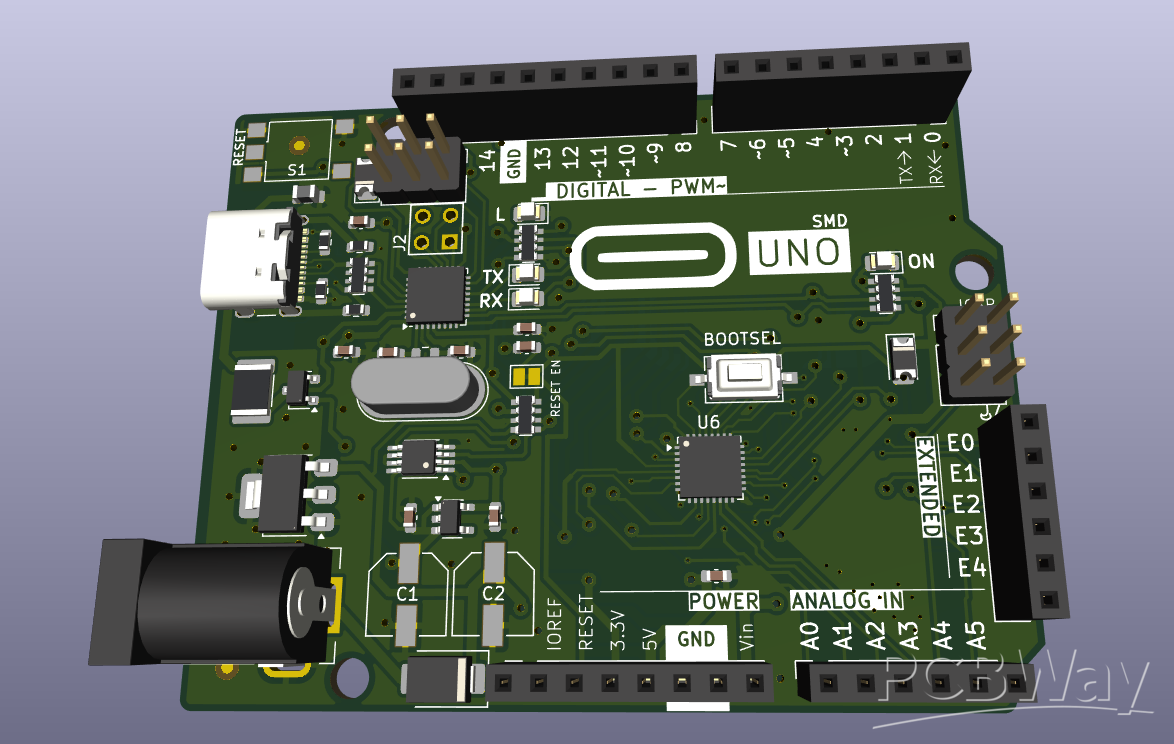
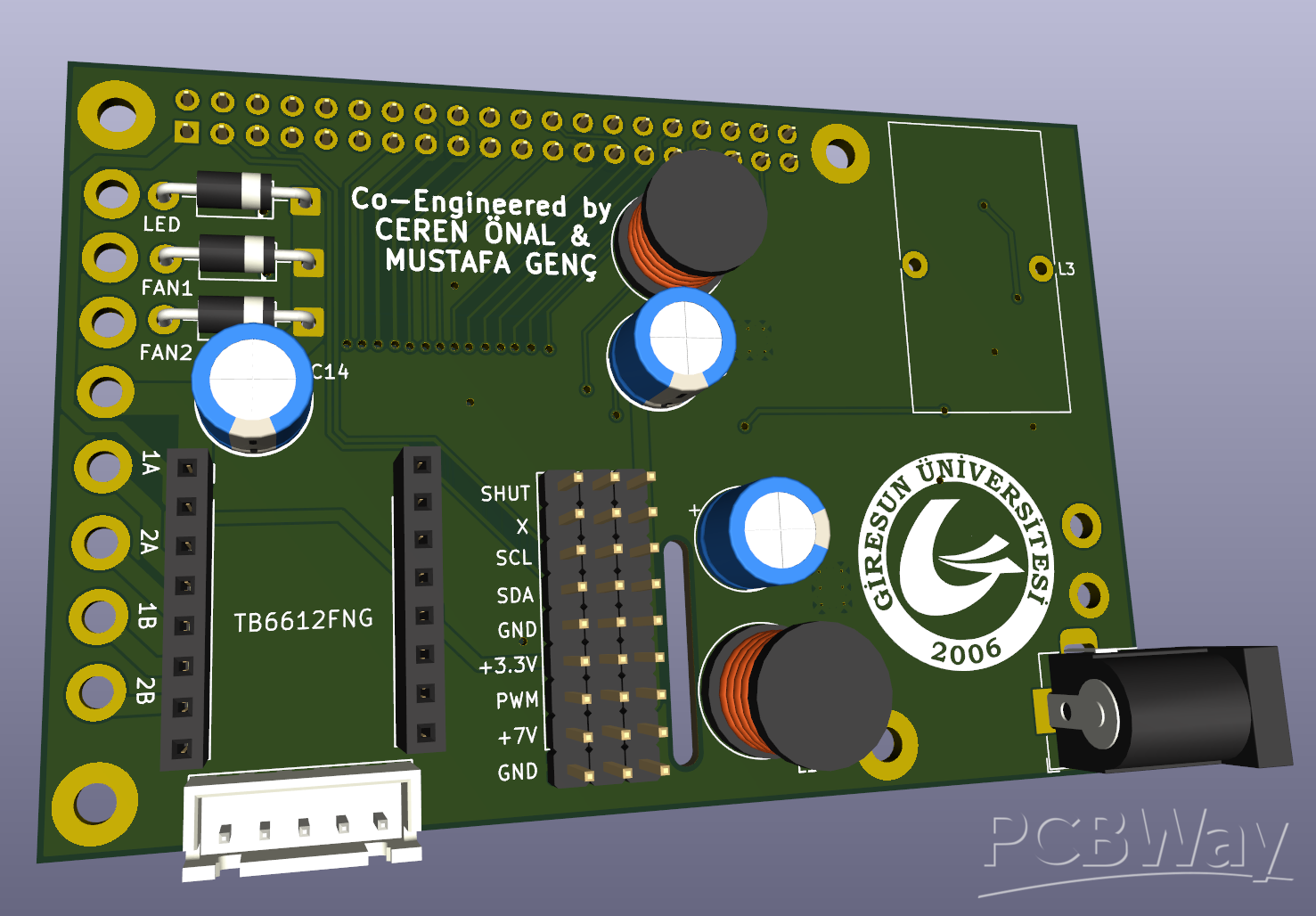
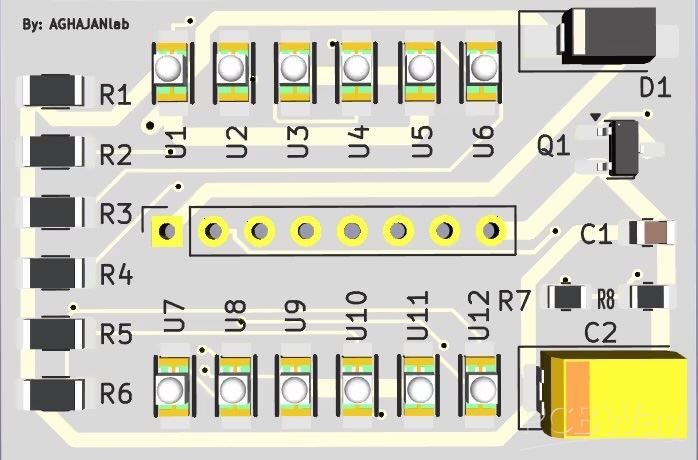
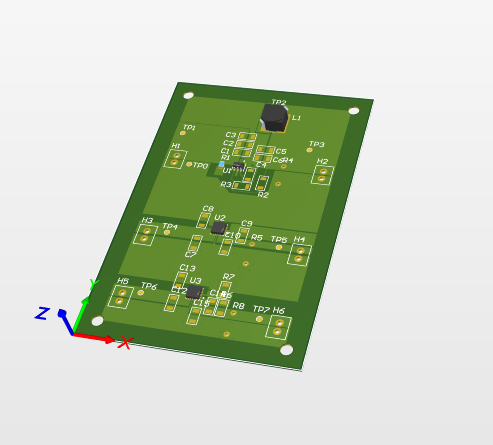
The power distribution unit takes input from the batteries and provides clean, stable power for the controls, sensors, dashboard, and motors. The PCBs will contain power electronics as well as safety circuits to prevent any damage to the loads and circuits. In addition, point-of-load circuits may be required at the motors to ensure stable power and consequently stable motor outputs. A prototype board that would be used to test our design of the auxiliary distribution unit is shown below:
2. Controls and Data Acquisitions
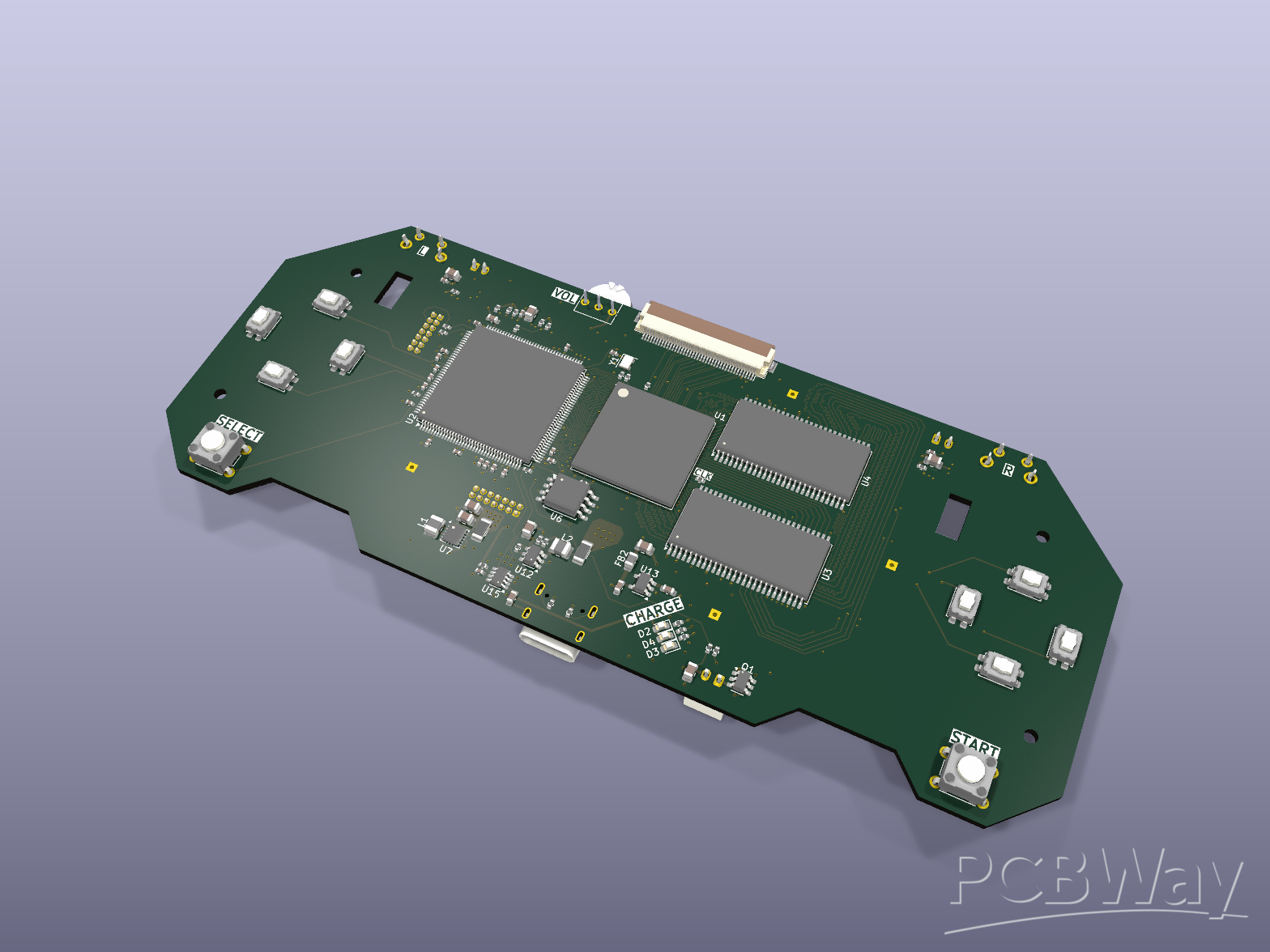
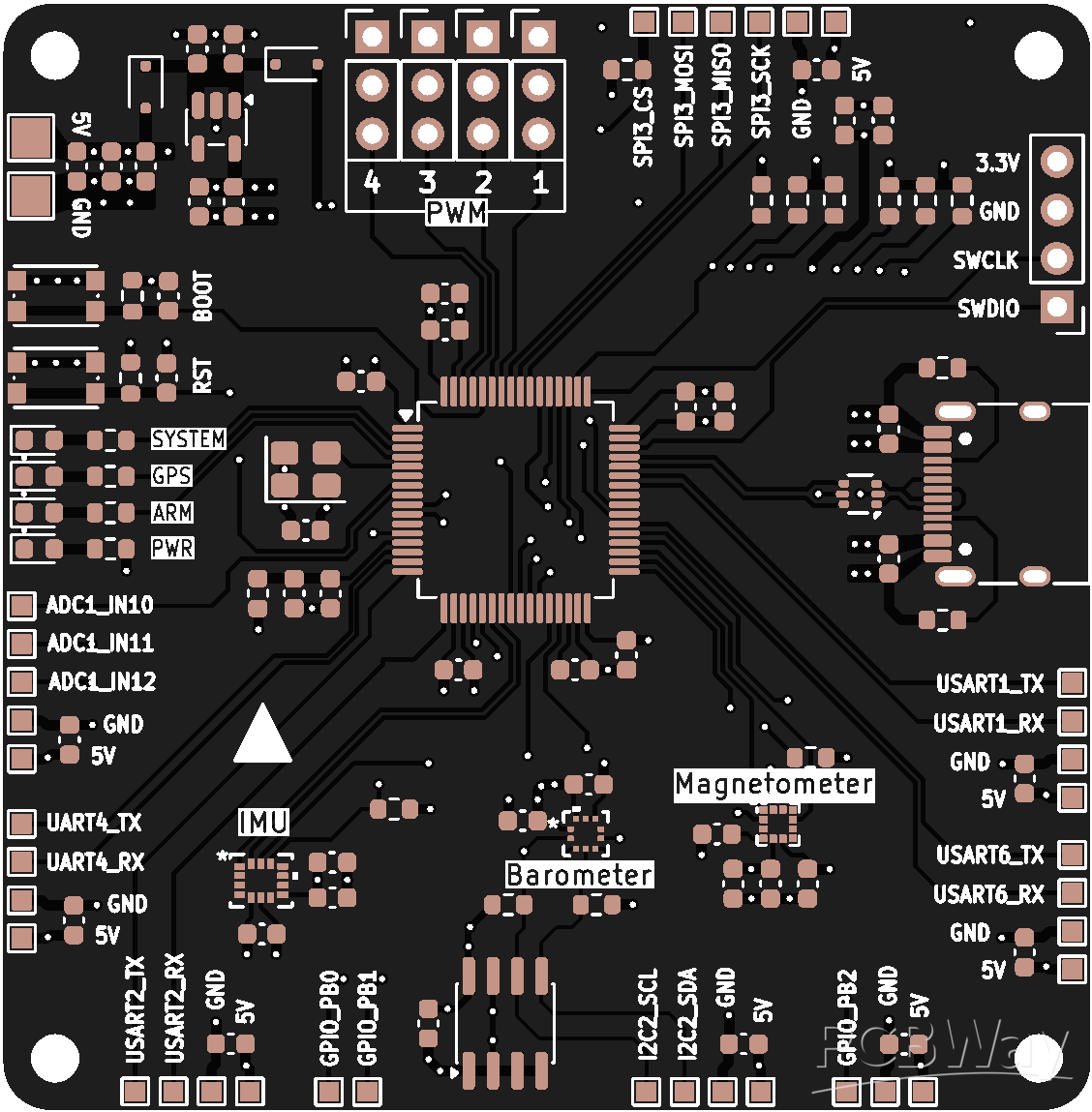
The controls and data acquisition board will contain the sensors and microcontrollers such as an STM32 and Raspberry Pi 4. These will provide the skipper with the information about the conditions of the boat such as the speed, temperature, and remaining charge in the battery. All of this information will also be replicated wirelessly on a dashboard for the ground control station to keep track of data throughout the race and during testing.
The Solar Boat Club would be grateful to receive the sponsorship of PCBWay as it would enable our students to actively engage in the design process with prototyping, testing, and reiteration to create the best possible design. This opportunity would greatly allow for students to build skills and solve fascinating problems. PCBWays sponsorship would contribute to the club’s ability to build solar powered systems while inspiring a generation of engineers to pursue a greener world.
- Comments(0)
- Likes(0)