BOLT At Virginia Tech
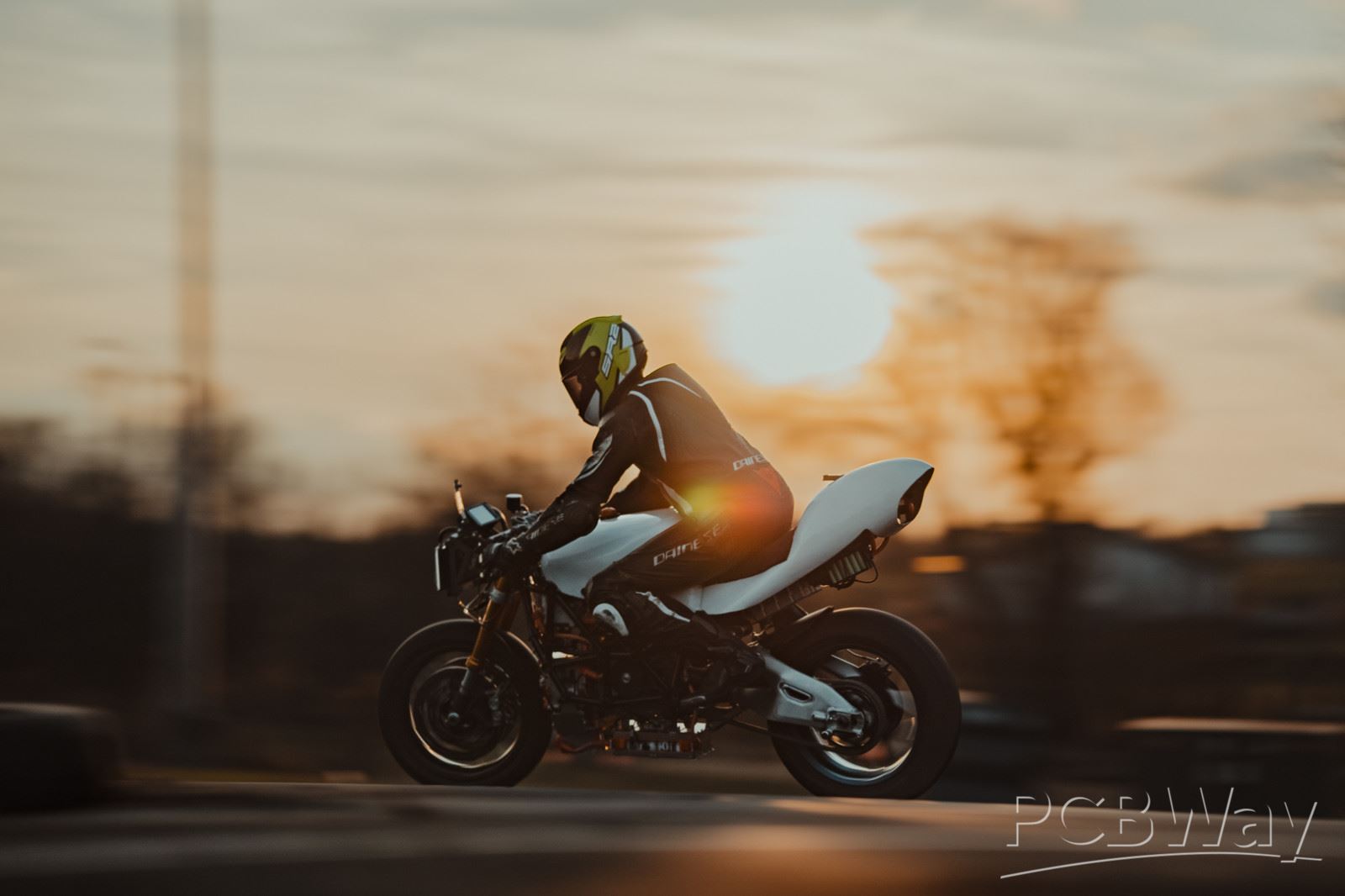
The mission of BOLT at Virginia Tech is to maintain the university's tradition of innovation, which spans over 150 years, by designing and building next-generation electric motorcycles and dirt bikes. Our team is focused on advancing electric vehicle technology through the design, manufacturing, and testing of high performance prototypes. As a competition team, BOLT continues to push the limits of what's possible on two wheels, using the track to demonstrate clean, zero-emission performance. By highlighting the potential of electric vehicles, we aim to illustrate the future of sustainable motorsports.
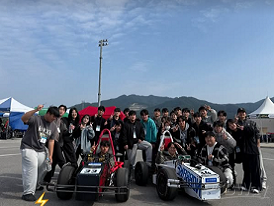
BOLT is an interdisciplinary design team based in the Joseph F. Ware Jr. Advanced Engineering Lab. Our goal is to develop internationally competitive high-performance electric motorcycles while training the next generation of engineers to tackle the challenges of the future.
Since its inception, the team has designed and built seven generations of prototypes.
BOLT I (2011-2012): Went undefeated in class and secured the North American Championship after placing 3rd internationally.
BOLT II (2013-2016): Earned 1st place in its debut AHRMA eMoto sprint race.
BOLT III (2017-2018): Achieved a strong 2nd place in the AHRMA eMoto Series.
BOLT IV (2019-2021): Strong track and testing performance. Did not race due to Covid.
BOLT V (2021-2023): Achieved strong track and dyno results before the team transitioned to BOLT VI
BOLT VI (2024-2026): Currently undergoing dyno and track testing. Racing starting early2026.
Now the team is gearing up to develop its first electric dirt bike, engineered for endurance races.
Beyond racing, BOLT offers Virginia Tech students the opportunity to apply what they learn in the classroom to hands-on, high stakes projects. Our members learn to think creatively, design original systems, and solve problems unique to high-performance EVs. Building a motorcycle that can compete at the highest level requires precision, collaboration, and relentless dedication. The skill our students learn to prepare them to be leaders in the rapidly developing world of electric vehicles.
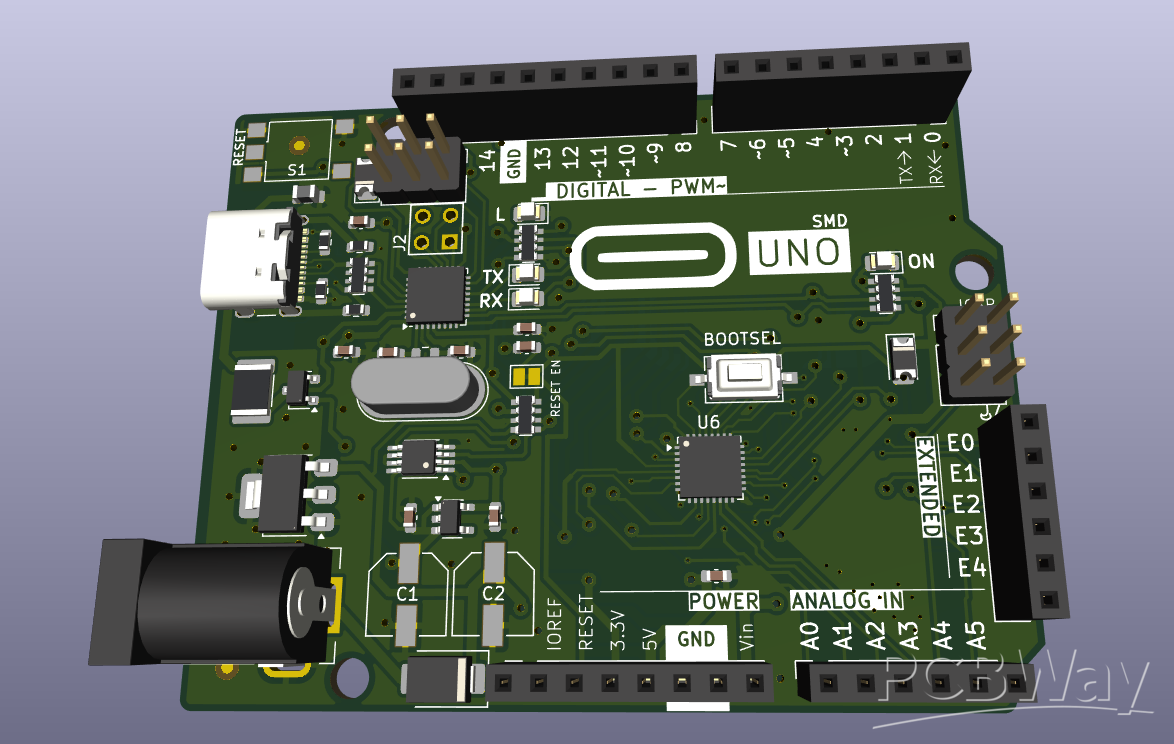
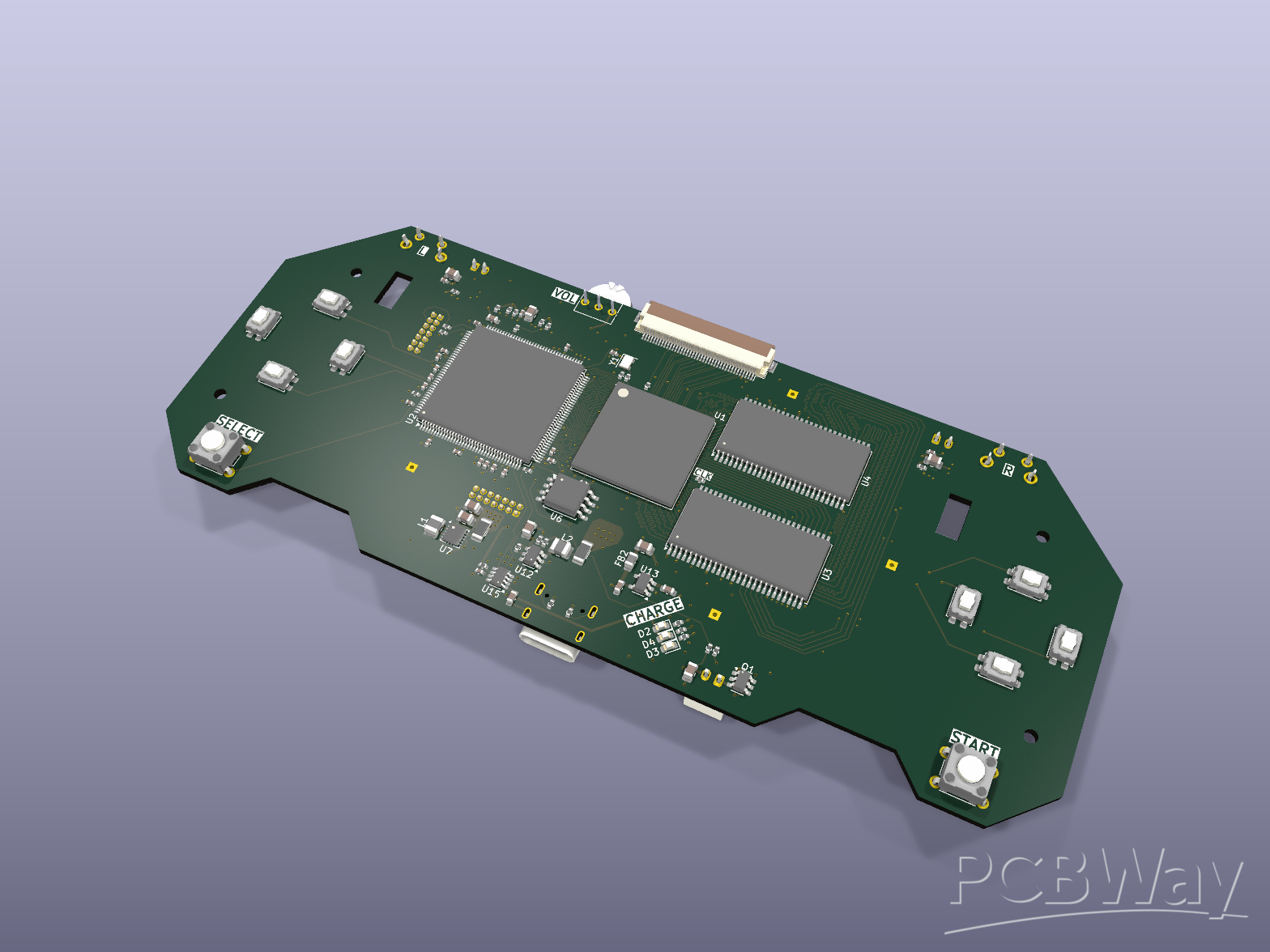
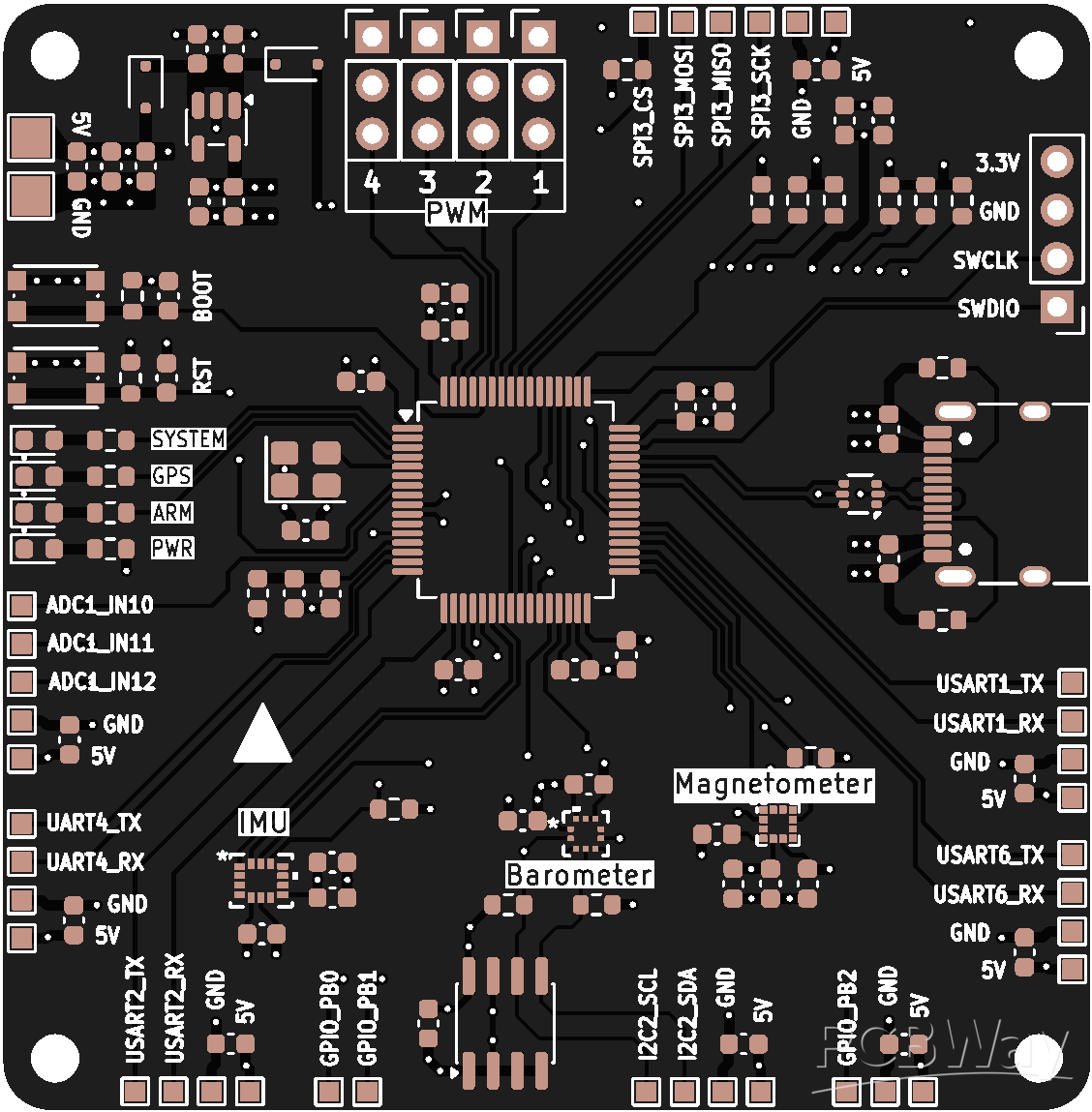
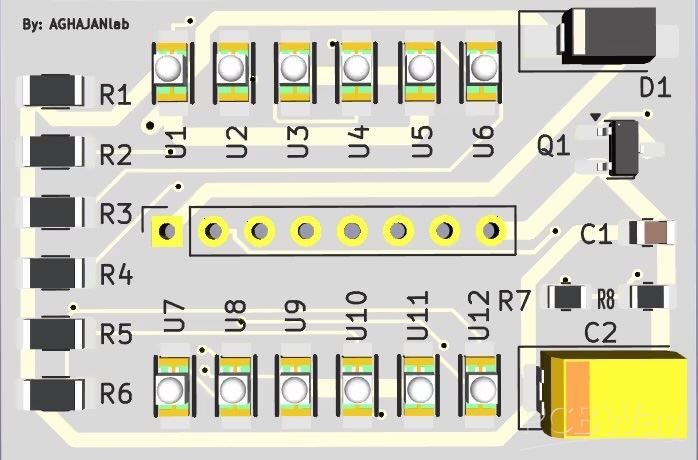
In all of our recent project, we have several custom PCBs that we designed for our own purposes and assembled in-house.
First, our Power Distribution Unit regulates and distributes low voltage power to all other devices on the bike, such as our dashboard, BMS, and motor controller.
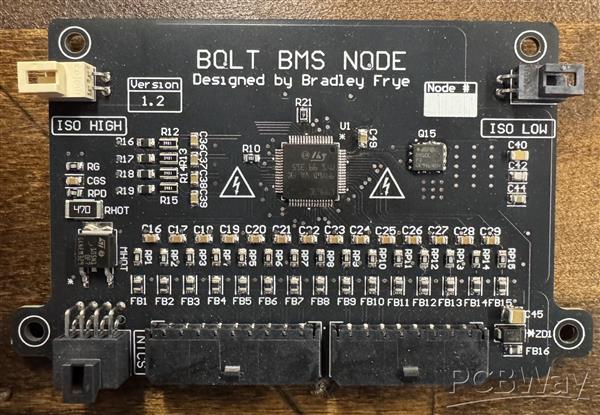
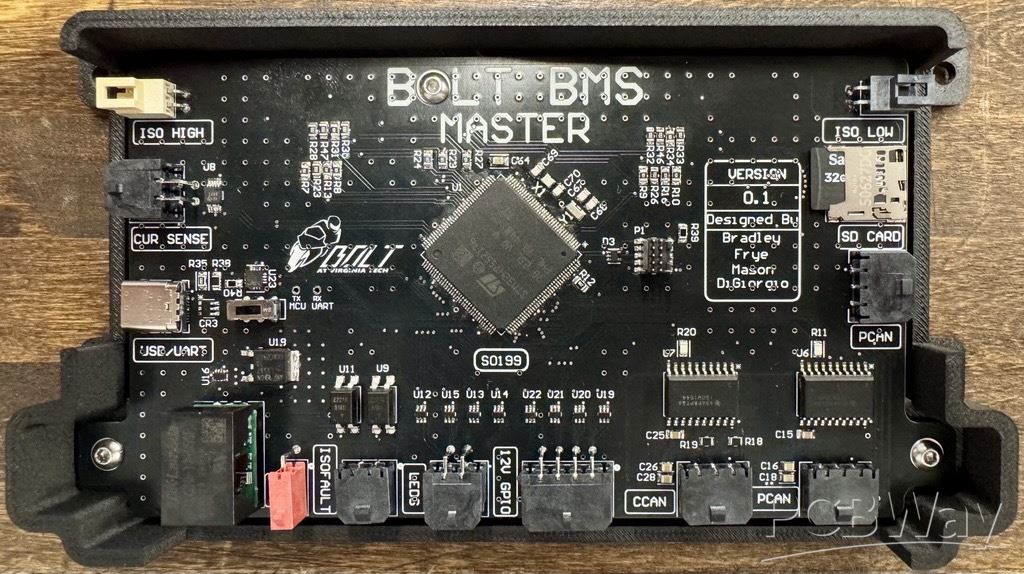
Next, our custom BMS is designed to be distributed and consists of 13 node PCBs and one BMS master with a microcontroller. Each node is designed to have as little noise as possible on the force lines for reading cell voltages. They each have a BMIC which communicates to the master over ISOSPI. The BMS Master has a microcontroller which manages all of the essential BMS functions. It communicates with all the nodes, interprets the data, sends everything over a CAN bus, controller debug LEDs, reads bike current, checks for isolation faults, and optionally communicates with a computer over USB-C.
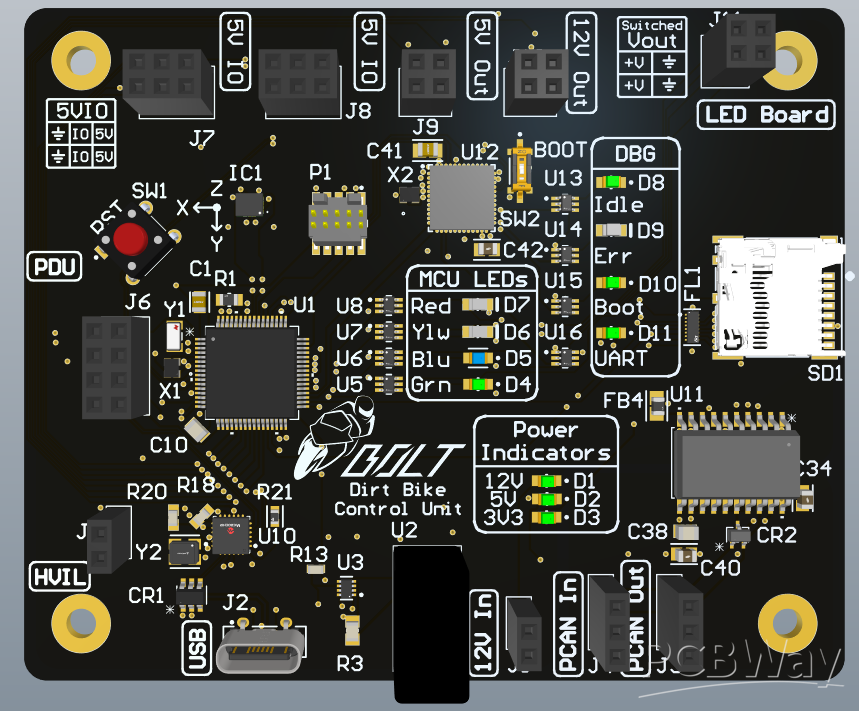
The newest board which just finished design is our Dirt Bike Control Unit. It is designed to be a digital supervisor for our dirt bike. It is critical that the bike must be shut of if there is any type of issue, and the DBCU serves as a central safety and management hub. It controls whether or not the bike can receive full power, communicates with a computer over USB-C, has a built-in debugger for quick prototyping, and can control up to 6 external devices. It also has an SD card for logging of CAN data for future analysis.
- Comments(0)
- Likes(1)