Ashwa Racing
PROJECT ASHWA

WHO WE ARE
Ashwa Racing, founded in 2003, is one of India’s pioneering Formula Student teams with over 20 years of experience designing, building, and racing high-performance prototypes. Having competed across India, Europe, and Australia, we’ve built a strong foundation in combustion and hybrid technologies. Now, as the industry shifts toward sustainability, branching into electric mobility marks a crucial step in our journey, driven by our commitment to innovation and engineering excellence.
OUR MISSION AND VISION
Our Vision:
To lead nationally across all Formula Student categories by pushing engineering boundaries and developing sustainable, future-ready mobility solutions.
Our Mission:
To win with world-class FS prototypes, equip students with industry-ready skills, foster industry interaction, and showcase India’s engineering excellence on the global stage.
COMPETITIONS WE COMPETE IN AND HOW WE APPLY ENGINEERING
Ashwa Racing competes in premier engineering design competitions such as Formula Student, FSAE, and Formula Bharat (India). These events are global platforms where student teams design, build, and race formula-style vehicles, applying real-world engineering principles to develop innovative and sustainable mobility solutions. Each competition challenges students across multiple domains—design, manufacturing, business strategy, and cost analysis, encouraging a holistic approach to problem-solving. Through these rigorous experiences, Ashwa not only pushes the limits of technical performance but also shapes its members into industry-ready engineers equipped with the skills, creativity, and mindset to lead the future of mobility.
One of our current major projects involves the development of two cutting-edge race car prototypes: a combustion vehicle and an electric vehicle. The combustion prototype is being prepared for Formula Bharat, where our team stood out as one of only four to pass all dynamic events at Formula Bharat 2025, and we proudly secured the runners-up position in the Cost Event. Parallelly, the electric prototype is set to compete in both Formula Bharat and Formula Student New Hampshire (FS-NH). Our team has a strong legacy at FS-NH, having clinched 2nd place in the Hybrid category in 2018. The video below captures the highlights of our 2018 FS-NH journey, showcasing our commitment, innovation, and performance on the international stage.

Ashwa Racing at Formula Bharat 2025
HYPERLOOP PROJECT- EHW 2024
Ashwa Mobility, has steadily expanded its horizons beyond Formula Student (FS), venturing into diverse and ambitious projects such as motorcycles (Moto Student), OSV, and cutting-edge Hyperloop technology. This multidisciplinary approach reflects the team’s commitment to pushing boundaries in sustainable mobility and advanced engineering.
At European Hyperloop Week 2024 in Zurich, Ashwa marked a major milestone by unveiling their first Hyperloop prototype. This achievement highlighted their transition from theoretical concepts to real-world innovation, backed by years of rigorous research, development, and a passion for revolutionizing high-speed transportation.

HOW DO WE DO IT?
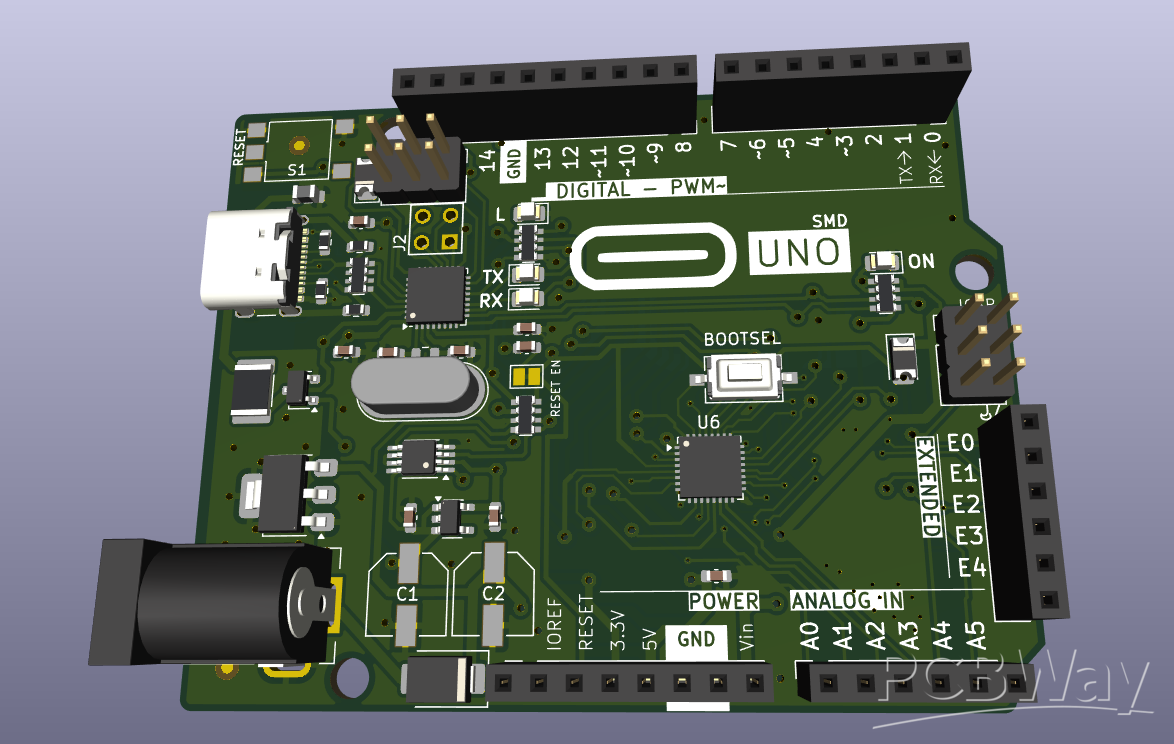
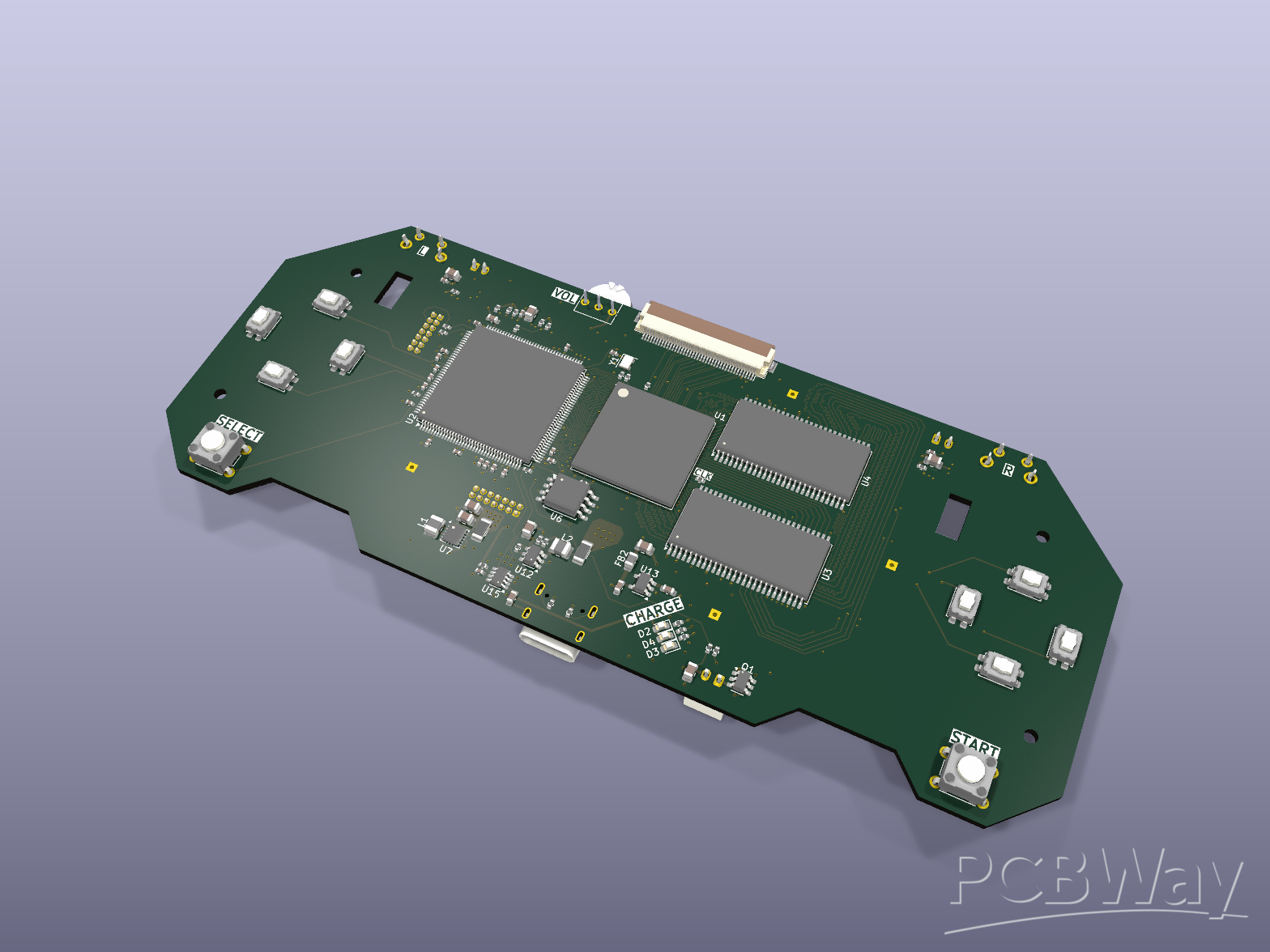
The heart of our project lies in the development of two competition prototypes: a combustion vehicle powered by a Suzuki GSXR600 engine and an electric prototype driven by an Emrax 208 motor and a custom-built accumulator. Both cars are built around a robust and flexible electronics platform, with all PCBs designed, assembled, and tested in-house to ensure modularity, reliability, and safety.
The electronics of both vehicles are divided into two broad categories: the Low Voltage System and the High Voltage System.
Low Voltage System
Designed with modularity in mind, our low-voltage electronics architecture is engineered for seamless integration into both electric and combustion prototypes.
Safety Circuits
- APPS (Accelerator Pedal Position Sensor): Dual-redundant system that monitors pedal input and ensures any fault triggers a safe shutdown of the powertrain
- BSPD (Brake System Plausibility Device): Detects unsafe overlap of brake and throttle inputs and initiates a fault response to cut power to the wheels
Power Distribution Network
- Power Supply Board (PSB): Centralised hub for fused, switched, and monitored low-voltage outputs across the vehicle
- Power Distribution Board (PDB): Regulates and distributes low-voltage power to all electronic subsystems

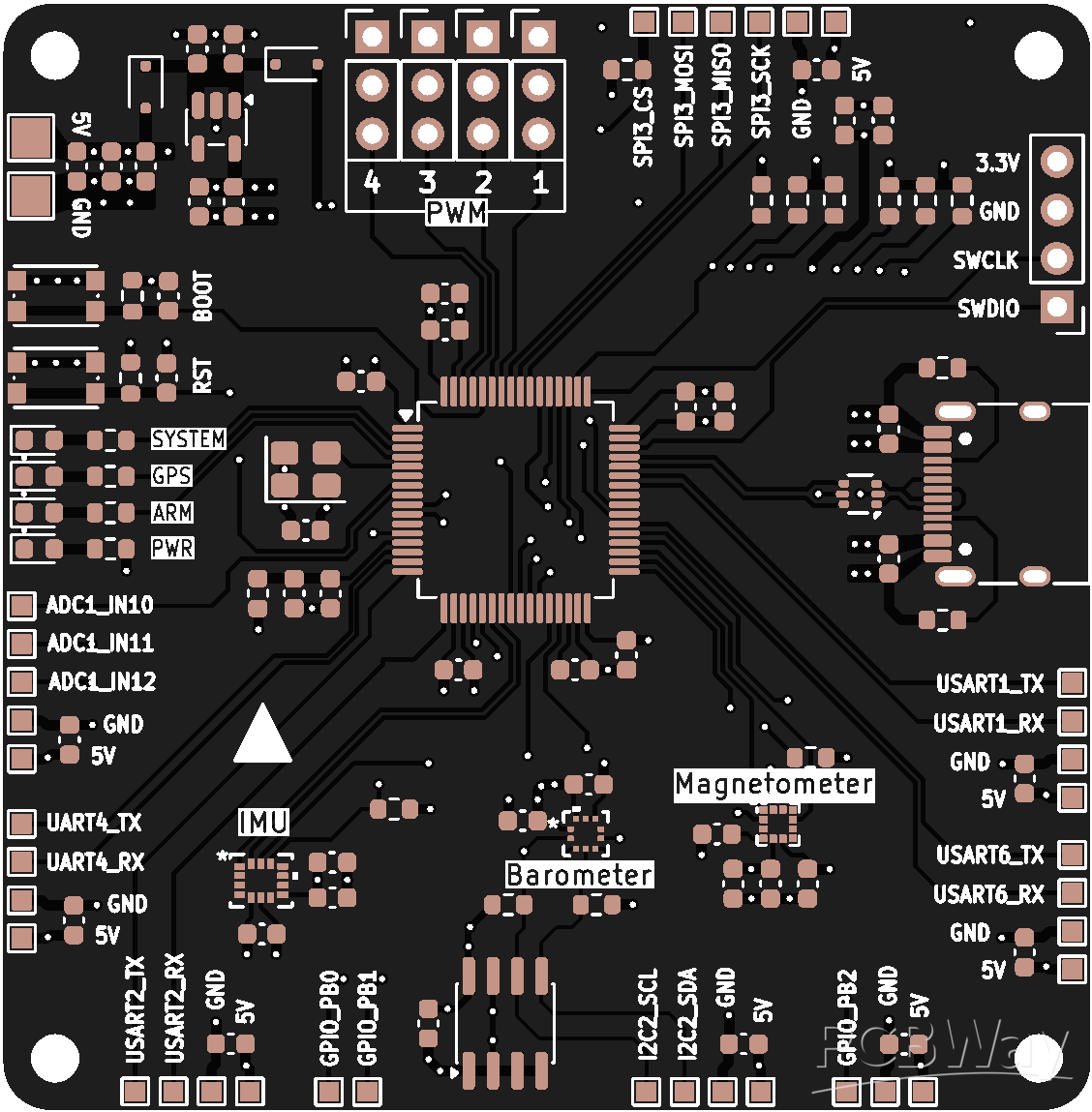
PCB integrating an iso-DCDC converter to supply low-voltage power in the electric prototype
Data Acquisition System
- Sensor Node Modules: Distributed throughout the car to interface with sensors, condition signals, and communicate via a CAN-FD bus
- Central Data Logger: Collects all CAN-FD messages for real-time logging, post-run diagnostics, and live telemetry during test sessions
High Voltage System
Exclusive to the electric prototype, the high-voltage system is designed for safe, reliable energy delivery and compliance with stringent Formula Student safety standards.
Safety Circuits
- Precharge Circuit: Safely charges inverter-side capacitors before enabling the high-voltage system to prevent dangerous inrush current
- TSAL (Tractive System Active Light): Illuminates to indicate the presence of high voltage in the system, serving as a safety warning.

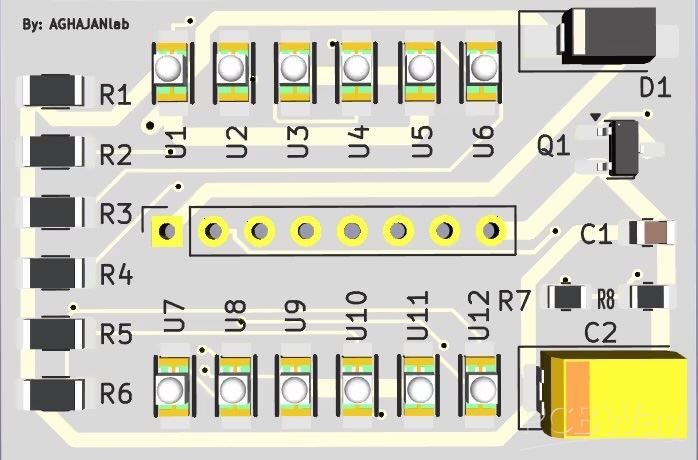
The precharge board: Fully analog logic for fault detection during precharge
Accumulator Management System (AMS)
- AMS Master: Controls fault detection by communicating with slave boards, and performing calculations for cell balancing and state-of-charge estimation.
- AMS Slave Boards: Monitor individual cell voltages and temperatures of each segment, reporting data to the master for safe operation
Vehicle Control
- Vehicle Control Unit (VCU): Coordinates torque control, regenerative braking control, and communication with the inverter
- Comments(0)
- Likes(0)