

Ad Astra – Exploring the Upper Atmosphere
Ad Astra is a student-led team from the Federal Institute of Santa Catarina (IFSC), Brazil, currently participating in the Brazilian Satellite Olympiad (OBSat). The team is developing Atmos-1, a 1U CubeSat nanosatellite designed to be launched by a stratospheric balloon, with the main objective of monitoring environmental variables and the concentration of ozone (O₃) in the upper atmosphere.
The mission aims to obtain direct measurements of temperature, pressure, humidity, and pollutant gases such as carbon monoxide (CO), sulfur dioxide (SO₂), and ozone (O₃). These data will contribute to a better understanding of the ozone layer’s recovery dynamics and atmospheric pollution transport, complementing existing satellite and ground-based models. Beyond its scientific purpose, the project emphasizes education and training in aerospace engineering and embedded systems, enabling students to apply theoretical knowledge in a real stratospheric mission.
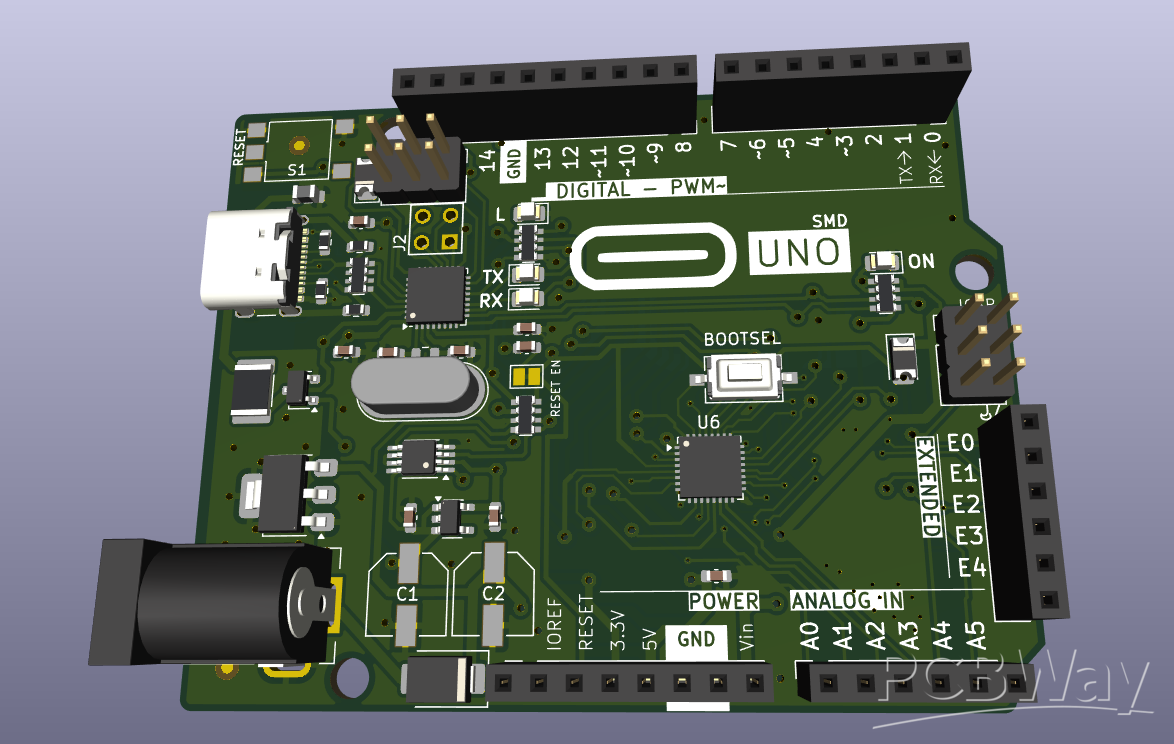
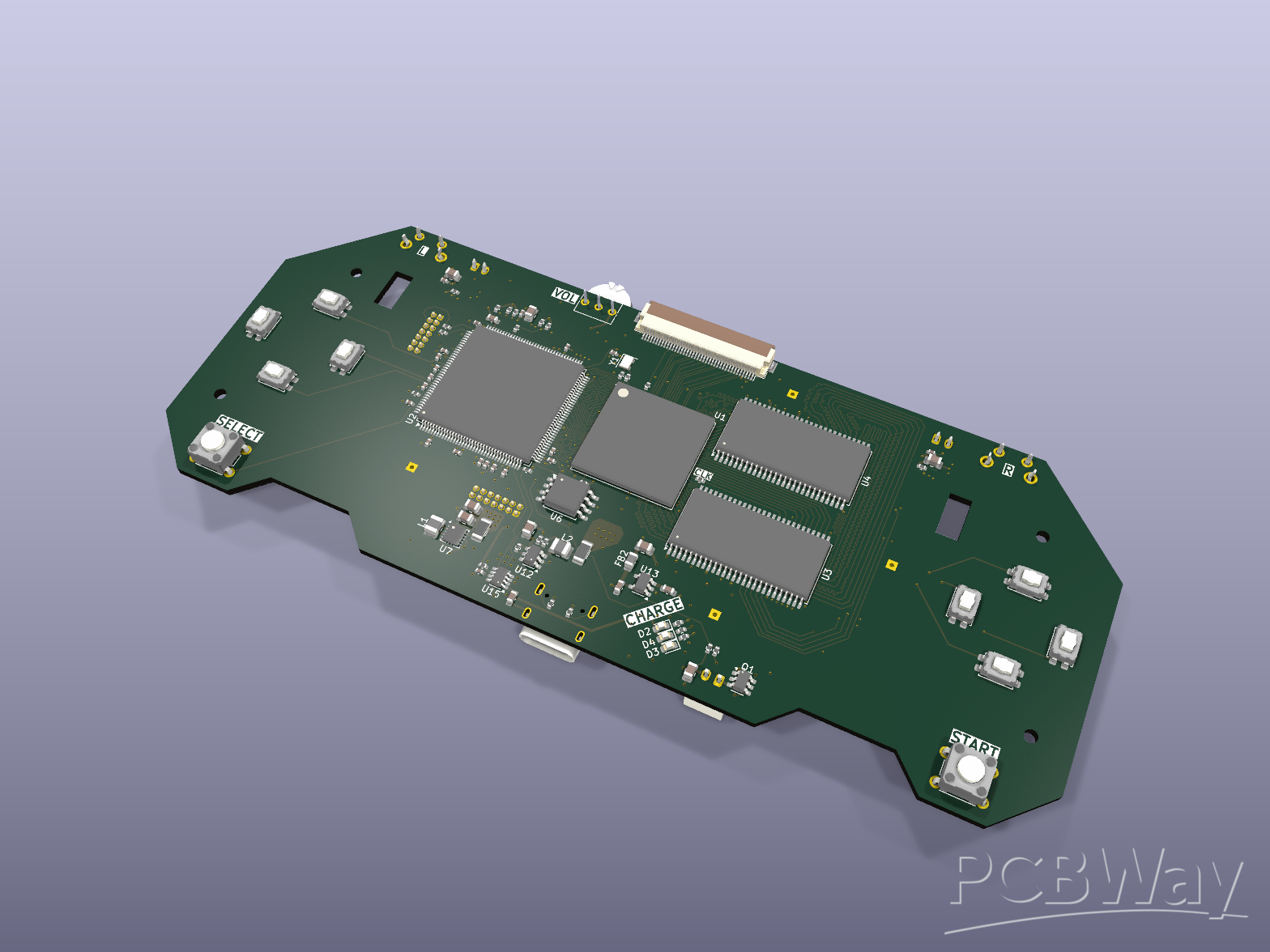
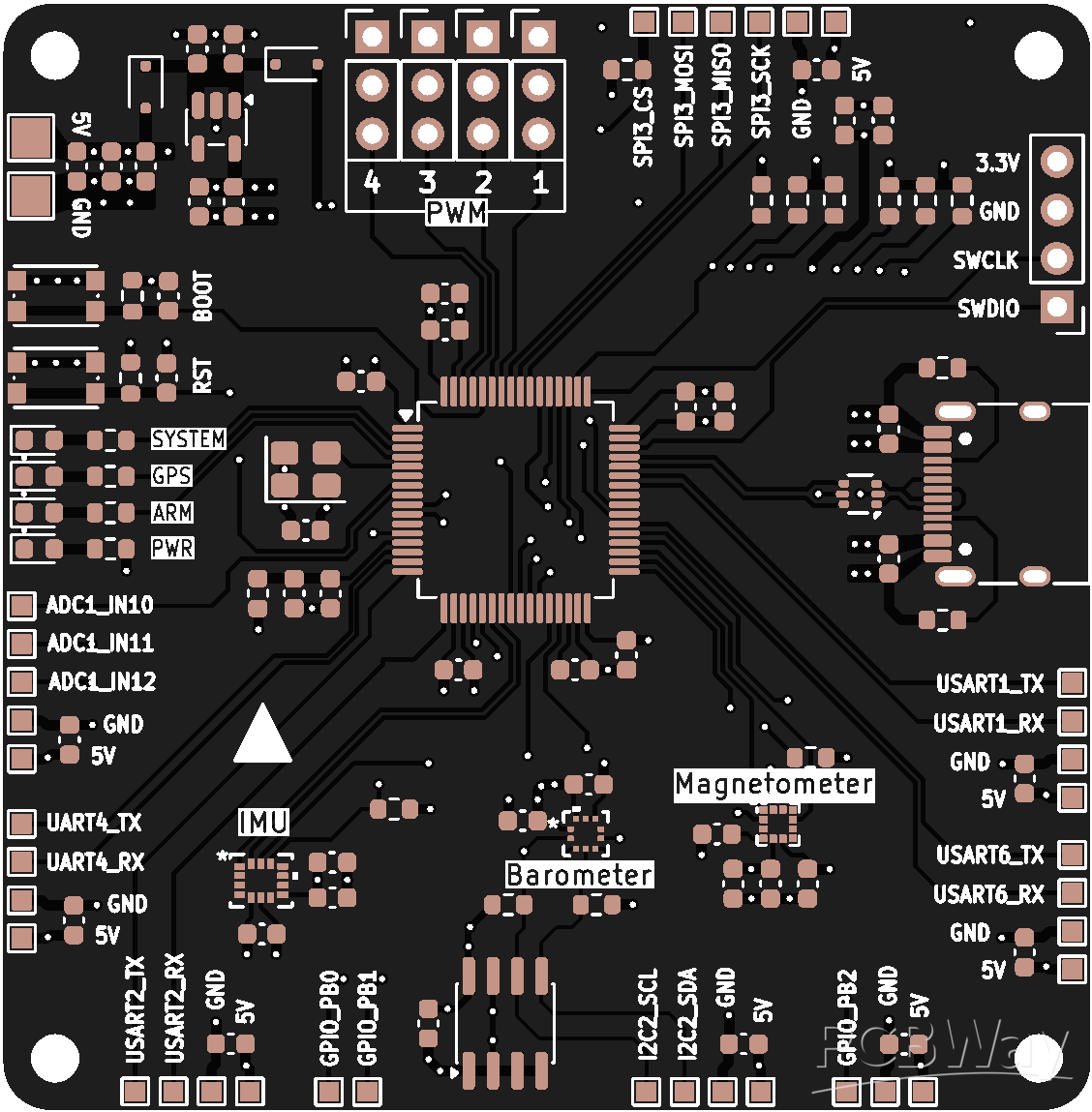
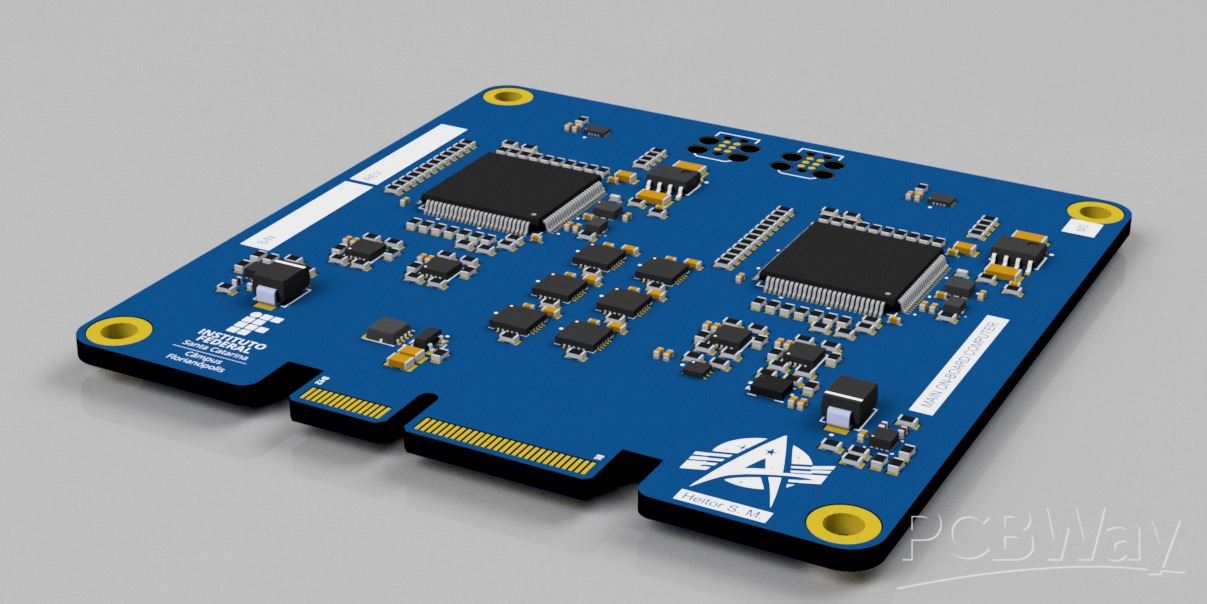
The satellite’s onboard system is centered around an STM32F103 microcontroller, responsible for acquisition, storage, and transmission of environmental data. The system integrates 2.4 GHz Wi-Fi communication for telemetry and considers LoRa as a future long-range alternative. The MCU board under development manages sensor synchronization, data formatting in JSON packets, and local storage in flash memory, ensuring data reliability throughout the mission.
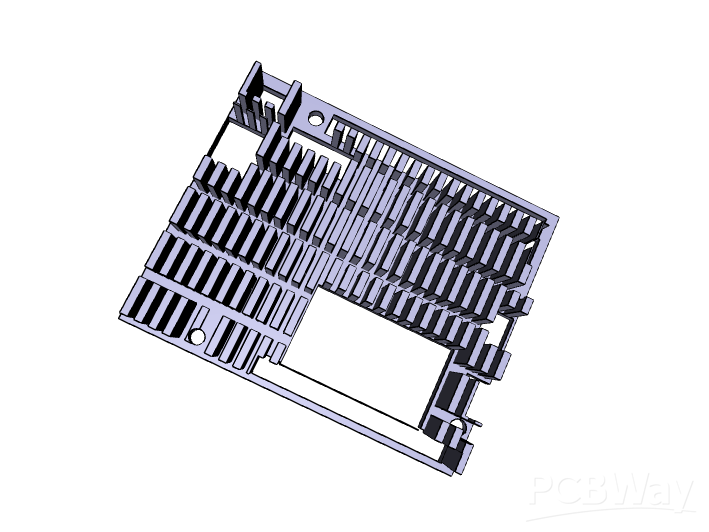
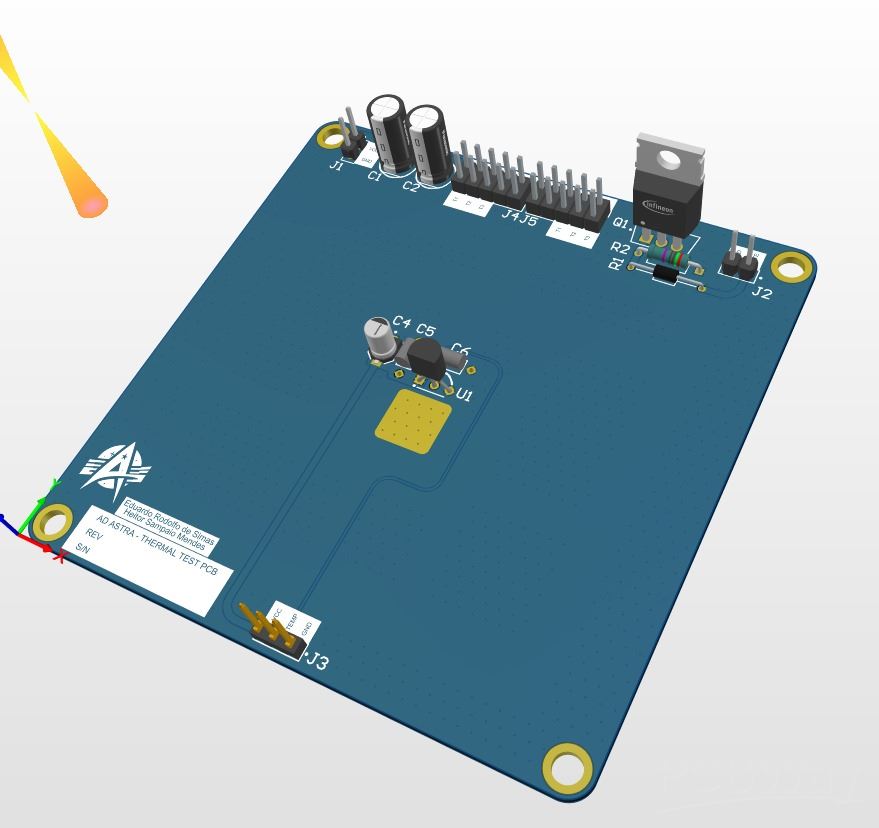
To guarantee stable operation under extreme temperature variations, a dedicated Thermal Control Board was designed to manage insulation and thermal balance within the satellite. The board combines low-density insulation materials such as Kapton tape and EPE foam, providing protection against the stratosphere’s severe thermal gradients, which can range from -80 °C to +50 °C. This subsystem is being prototyped alongside the MCU board and will undergo environmental chamber testing before integration.
The next development stage involves the assembly of the payload module, responsible for housing the gas sensors and conditioning their analog signals for the onboard computer. Once integrated, the full system will be validated through vibration, temperature, and communication tests, simulating the real mission environment.
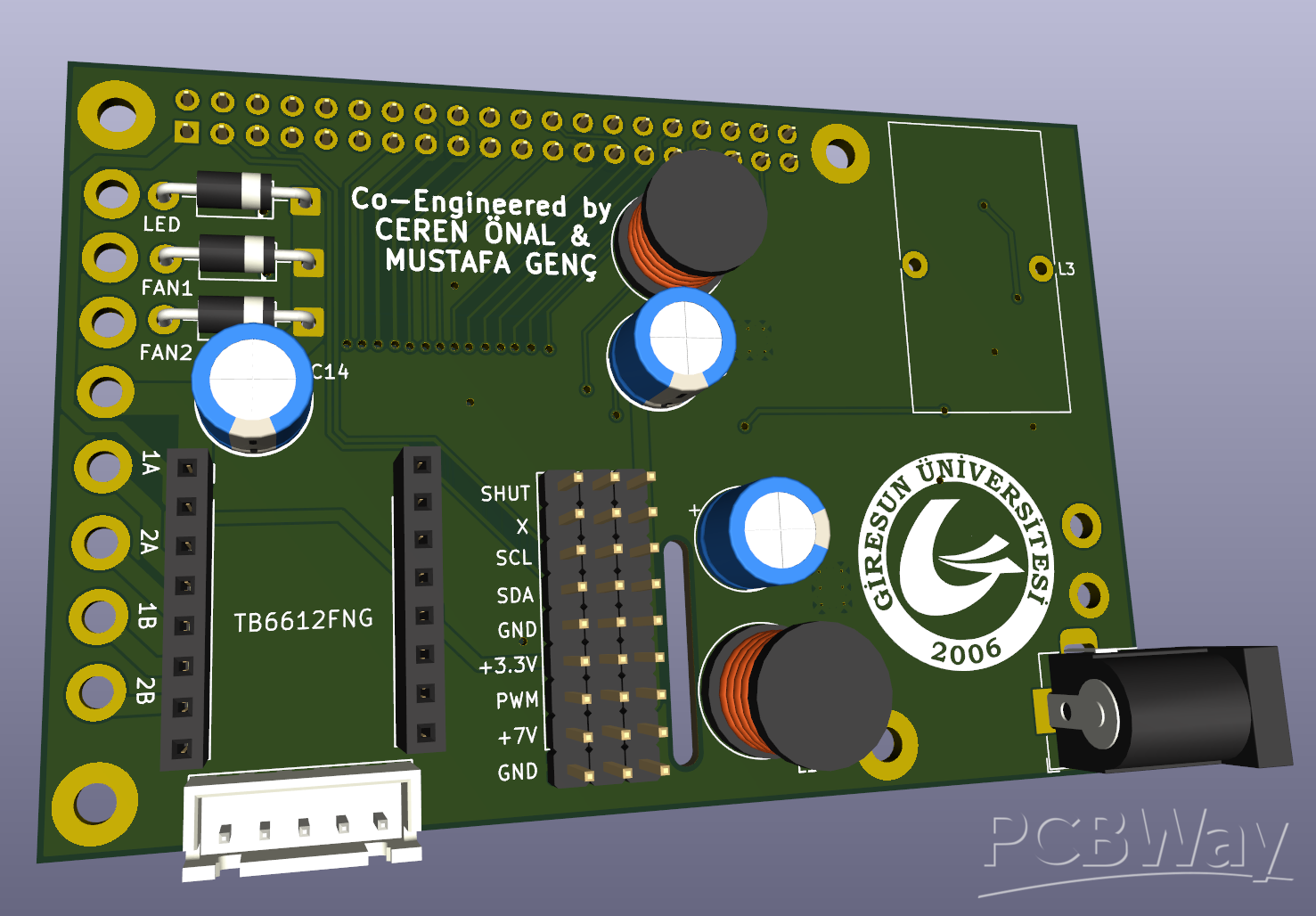
Support from PCBWay will be essential for manufacturing the MCU and Thermal Control printed circuit boards, ensuring precision, robustness, and reliability under stratospheric conditions. High-quality fabrication is crucial to maintain electrical stability, reduce parasitic effects, and ensure successful data acquisition during the mission.
About the Team
Ad Astra is composed of undergraduate students in Electronics and Mechatronics Engineering from the Federal Institute of Santa Catarina (IFSC), supervised by Professor Leandro Schwarz. The group operates within the institution’s research and extension laboratory, focusing on embedded systems, aerospace engineering, and environmental monitoring technologies. The mission represents the team’s contribution to promoting accessible and sustainable space exploration in Brazil.
Apply for sponsorship >>- Comments(0)
- Likes(1)