
Innovation and combination of PCB and AI
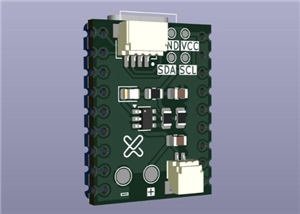
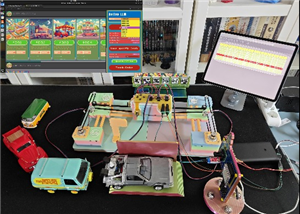
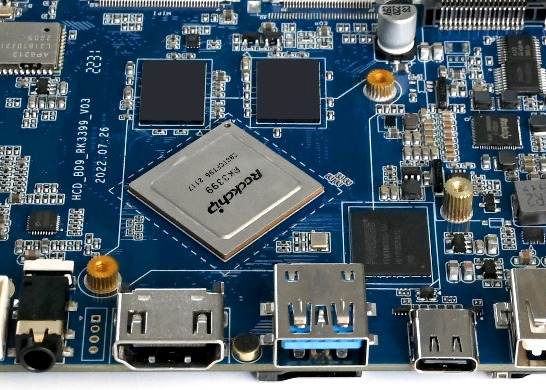
PCBs are the backbone of modern electronics, providing the physical platform where components connect to bring devices to life. Meanwhile, AI introduces intelligence, enabling these devices to learn, adapt, and optimize performance. When PCB and AI come together, the result is a powerhouse of functionality. Imagine a compact circuit board embedded with AI algorithms that process data in real-time—sounds futuristic, right? Yet, it’s happening now in industries like healthcare, automotive, and IoT (Internet of Things).
Why PCB and AI Are Game-Changers
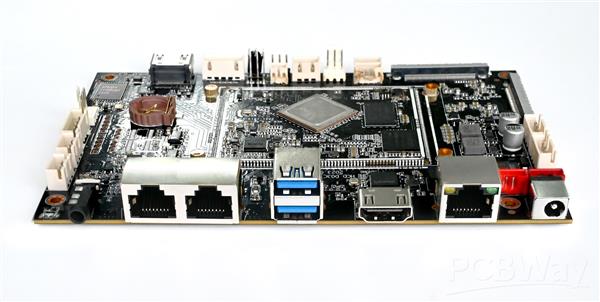
The integration of PCB and AI is more than a technical marvel—it’s a practical solution to modern challenges. Here’s why this duo is worth your attention:
Compact Power: PCBs are shrinking, yet their capabilities are growing, thanks to AI-driven designs that maximize space and performance.
Real-Time Processing: AI on PCBs enables devices to analyze data instantly, critical for applications like autonomous vehicles.
Cost Efficiency: By optimizing operations, PCB and AI reduce manufacturing errors and operational costs over time.
To illustrate, consider the rise of edge computing. Traditional systems send data to the cloud for processing, but PCB and AI enable on-device computation, slashing latency and boosting security. This is a game-changer for industries requiring split-second decisions, like medical diagnostics or industrial automation.
Table 1: Key Benefits of PCB and AI Integration
AspectTraditional PCBPCB with AIProcessing SpeedDelayed (Cloud-Based)Instant (Edge-Based)Size EfficiencyLarger FootprintCompact and OptimizedAdaptabilityStatic FunctionalityDynamic LearningEnergy ConsumptionHigherLower with OptimizationThis table highlights how PCB and AI elevate performance beyond conventional limits, making them indispensable in modern tech.
Top Applications to Explore
Let’s dive into some standout applications where PCB and AI shine, offering you a glimpse into products and systems worth exploring.
1. Healthcare Innovations
In medical devices, PCB and AI are transforming patient care. Take wearable health monitors, for example. These gadgets rely on tiny PCBs embedded with AI to track vitals like heart rate or glucose levels, alerting users to anomalies in real-time. Companies like Fitbit and Apple have leveraged this tech, but smaller innovators are pushing boundaries too. A PCB and AI-powered ECG monitor can detect irregular heartbeats with over 90% accuracy, rivaling hospital-grade equipment—all from your wrist! 🌟
2. Automotive Advancements
Self-driving cars are the poster child of PCB and AI integration. Sensors on PCBs collect data—think radar, LIDAR, and cameras—while AI processes it to navigate roads safely. Tesla’s Autopilot system is a prime example, using custom PCBs with AI chips to handle complex driving scenarios. This isn’t just luxury; it’s the future of transportation, reducing human error and enhancing safety.
3. Smart Manufacturing
In factories, PCB and AI optimize production lines. Automated Optical Inspection (AOI) systems, powered by PCB and AI, scan circuit boards for defects at lightning speed, achieving near-perfect accuracy. This cuts waste and boosts output, making it a must-have for electronics manufacturers. Imagine a system that learns from each scan, improving over time—that’s the magic of PCB and AI at work.
How PCB and AI Enhance Everyday Gadgets
Beyond industrial applications, PCB and AI are elevating consumer products you might already own. Smartphones, for instance, use PCBs with AI to enhance photography. The AI analyzes lighting and depth on the fly, adjusting settings for stunning shots—all thanks to compact PCB designs. Similarly, smart speakers like Amazon Echo rely on PCB and AI to process voice commands, learning your preferences for a seamless experience.
This isn’t just tech hype; it’s practical innovation. A PCB and AI combo in a smart thermostat can save up to 15% on energy bills annually by predicting usage patterns. Who wouldn’t want that kind of efficiency? 🌿
Table 2: PCB and AI in Consumer Products
ProductPCB RoleAI RoleUser BenefitSmartphoneHouses Camera SensorsEnhances Image ProcessingBetter PhotosSmart SpeakerSupports Audio HardwareInterprets Voice CommandsHands-Free ControlThermostatConnects SensorsPredicts Usage PatternsEnergy SavingsThis table shows how PCB and AI turn ordinary devices into extraordinary tools, blending hardware and intelligence seamlessly.
Challenges and Solutions in PCB and AI Integration
No tech is without hurdles, and PCB and AI face their share. One challenge is heat management—AI processing generates heat, straining compact PCBs. However, advancements like liquid cooling and low-power AI chips are tackling this. Another issue is cost; integrating PCB and AI can be pricey upfront. Yet, the long-term savings in efficiency and performance often outweigh initial investments.
For engineers, designing PCB and AI systems requires precision. Tools like Altium Designer and TensorFlow streamline this process, ensuring compatibility and performance. These solutions make PCB and AI accessible, even for smaller firms or DIY enthusiasts.
Why You Should Jump on the PCB and AI Bandwagon
If you’re still on the fence, here’s the clincher: PCB and AI are future-proof. As industries digitize, demand for smart, compact solutions skyrockets. Whether you’re a hobbyist building a drone or a company developing IoT devices, mastering PCB and AI gives you an edge. Plus, the learning curve isn’t as steep as it seems—online resources and communities abound, offering tutorials and support.
Consider the Raspberry Pi, a favorite among tech tinkerers. Pair it with an AI framework like TensorFlow Lite, and you’ve got a PCB and AI powerhouse for under $50. From home automation to robotics, the possibilities are endless. 🌟
The Future of PCB and AI
Looking ahead, PCB and AI will only grow tighter. Flexible PCBs, which bend without breaking, paired with AI, could lead to wearable tech that molds to your body. In space exploration, NASA’s already experimenting with PCB and AI for autonomous rovers, processing data in harsh environments. The potential is limitless, and the time to explore is now.
Experts predict that by 2030, over 70% of electronics will feature some form of PCB and AI integration. This isn’t just speculation; it’s based on current trends in IoT, 5G, and automation. Staying ahead means embracing this tech today.
Innovation and combination of PCB and AI


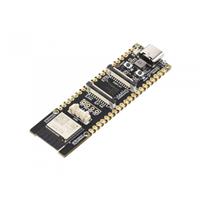
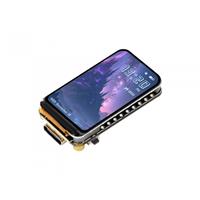
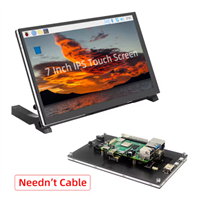
Raspberry Pi 5 7 Inch Touch Screen IPS 1024x600 HD LCD HDMI-compatible Display for RPI 4B 3B+ OPI 5 AIDA64 PC Secondary Screen(Without Speaker)
BUY NOW

- Comments(1)
- Likes(0)
 More by Engineer
-
Programmable Mist Maker - XIAO / QT PY Extension
2212 2 2 -
RadioHAT - Raspberry Pi radio development platform
1900 0 4 -
-
-
-
ARPS-2 – Arduino-Compatible Robot Project Shield for Arduino UNO
4082 0 6 -
A Compact Charging Breakout Board For Waveshare ESP32-C3
4843 3 8 -
AI-driven LoRa & LLM-enabled Kiosk & Food Delivery System
5639 2 2 -