Yantra Commons
YANTRA COMMONS - OPEN HARDWARE THAT DOESN'T DIE
I run yantra commons, an open-source hardware nonprofit based in bengaluru, india. we exist for two reasons. the first is that too much good hardware dies for no good reason, and the knowledge to bring it back is locked up by whoever decided to stop making it. the second is that some tools simply should exist and don't, so we build them. across everything we do, the work is fully open, so anyone, anywhere, can rebuild it.
WHAT IT'S ABOUT
yantra commons does two things.
one, we fight hardware that's built to die. a lot of devices are designed to fail after a while. others go useless not because they break, but because a single part gets discontinued. demand drops, supply dries up, and a perfectly good device turns into e-waste over one component you can no longer buy. that is a fixable problem the moment a design is open. so we take these devices, understand what they actually do, and rebuild them as open-source versions and cheaper alternatives that outlive their original makers. you own it, you can repair it, and you are never locked into a company's decision to walk away from it.
two, we build our own unique hardware products from scratch and open-source them completely. not clones of anything, just original tools we wanted to exist in the world.
either way the rule never changes. every project ships fully open. schematics, board files, firmware, bill of materials, and build docs all go public. if you have the parts, you can rebuild it. there is no hidden step, no proprietary blob, no part you have to buy from us.
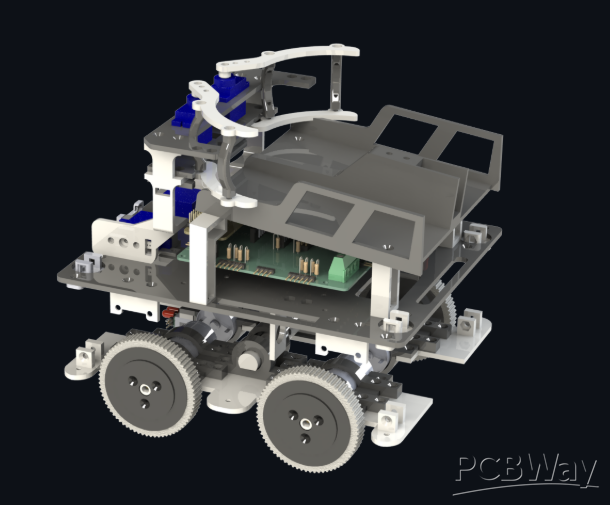
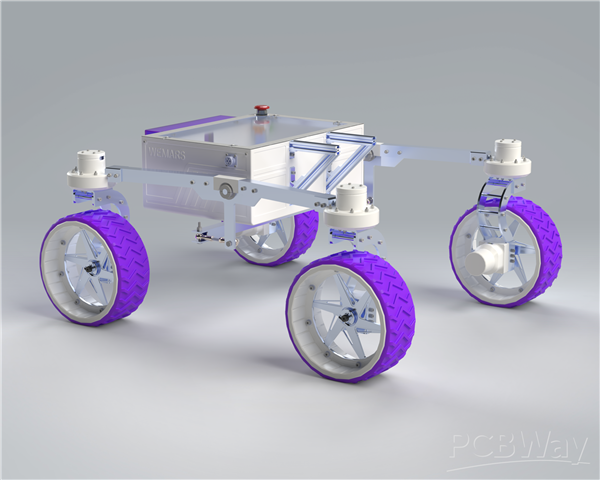
shipped so far: volume-knob, clawclick, com-com (published on crates.io), and dabbot. right now i'm building the soundbox.
WHY I MADE IT
The first was watching devices die for no real reason. a failed part you can't replace, a discontinued board, a piece of firmware nobody can touch. all of it avoidable if the design had been open from the start. it felt wasteful in a way that was completely unnecessary.
the second was the gap between "i made a thing" and "anyone else can have this thing." open hardware in india is fragmented. people build genuinely useful stuff and then it disappears, because there is no shared place where builds are documented well enough for the next person to actually reproduce them. a photo and a caption is not a build.
so i stopped treating my projects as a portfolio and started treating them as a commons. the point is no longer to show what i made. the point is to make sure anyone can make it too.
HOW IT WORKS
yantra commons runs as a commons, not a product company. that one decision shapes everything else.
every project is built around parts you can actually get. an esp32 for the brains, off-the-shelf components, and enclosures printed on a bambu p1s. nothing exotic, nothing that needs a special supplier, so the cost to rebuild stays low and the barrier to entry stays low.
the two halves of the mission run on the same standard. when we revive a killed-off device, we rebuild it open and cheaper than the thing it replaces. when we build something original, we hold it to the exact same openness. either way the output is identical in spirit: a complete, documented, reproducible design.
everything ships with full public documentation, and fabrication runs through partners like pcbway so the boards are clean and reliable enough for the next person to trust.
THE CURRENT PROJECT — SOUNDBOX
the soundbox is what i'm working on right now. it is a small, pocketable esp32 device that announces incoming bitcoin lightning payments out loud for small merchants, in their own language, at a bill of materials of roughly seventeen dollars. it is backed by bitshala.
the problem it solves is trust. a vendor working a busy stall cannot stop and stare at a phone screen to confirm every single payment. india already solved this exact problem for upi with the little audible soundboxes you hear at shops everywhere, the ones that call out "payment received" the instant money lands. nothing like that existed, open and affordable, for bitcoin lightning. the soundbox brings that same instant, hands-free confidence to lightning payments, and it is cheap enough for a single street vendor to own one.
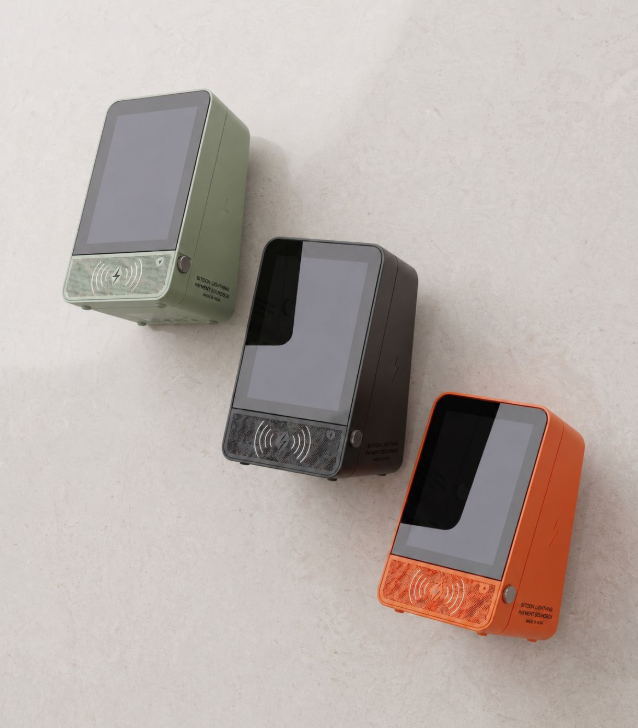
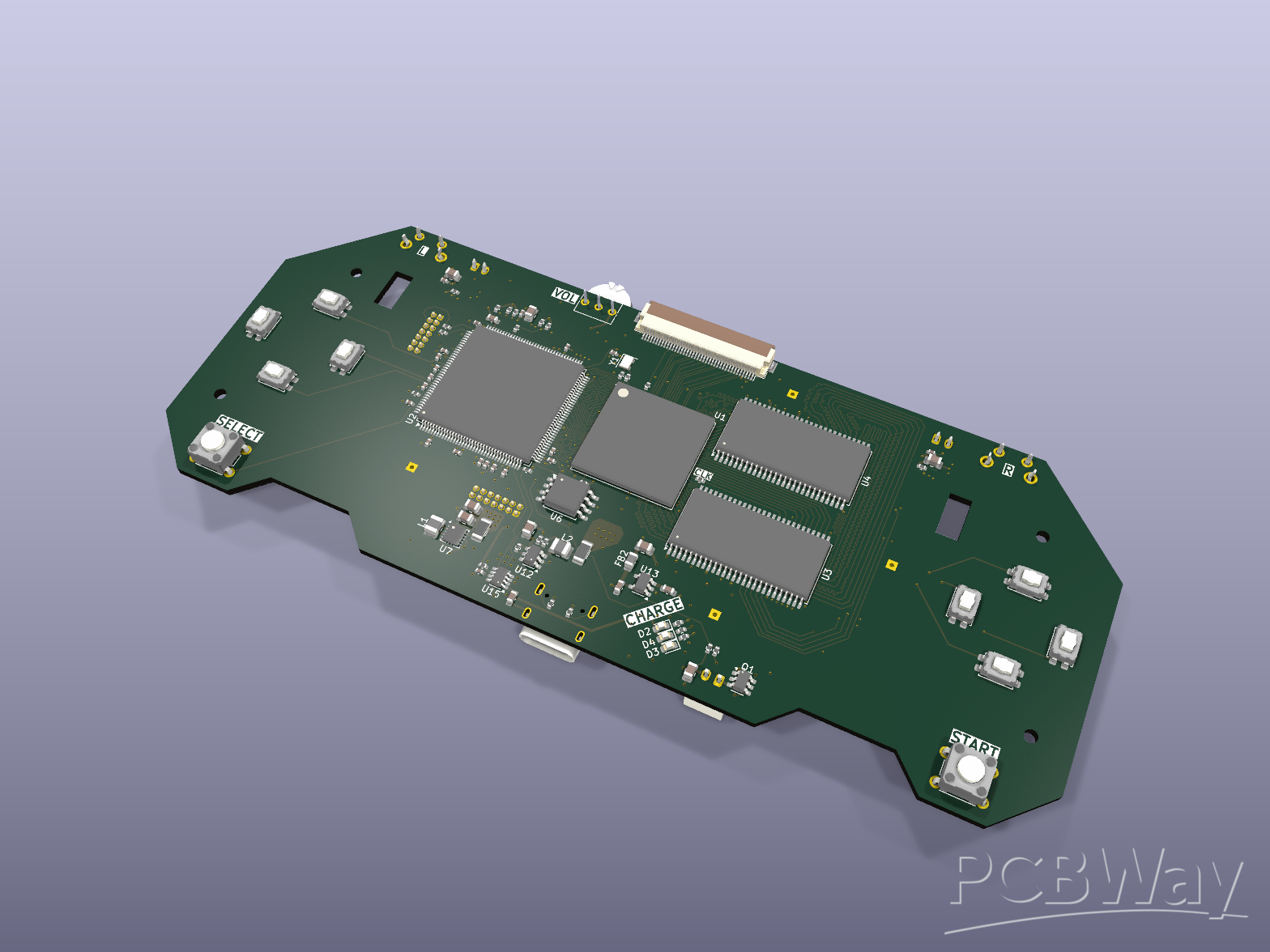
A mockup image of what the device will look like.
WHAT WE'VE SHIPPED
Open-source volume knob
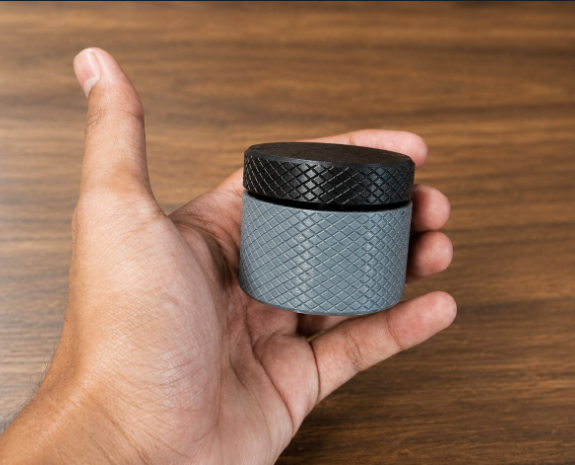
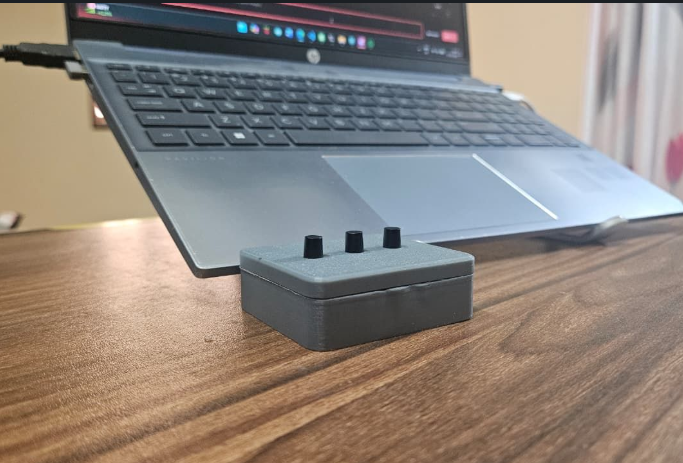
A volume or media controller is genuinely simple tech, a knob, an encoder, and a microcontroller. but the commercial versions music professionals buy are priced far beyond what that hardware costs. volume-knob is an open build, so a music prof can make their own physical controller for a fraction of the price instead of paying a premium for something this basic. you build it, you own it, you tweak it to your setup.

ClawClick
openclaw lets you automate repeated actions, but driving it purely from software means fiddling with the screen every time you want to fire something off. clawclick is the hardware companion for it. a set of physical buttons you map to specific actions, so a repeated task becomes a single press. tactile, instant, and like the rest of the commons, open so you can build and remap it to your own workflow instead of buying a locked-down macro device.
com-com
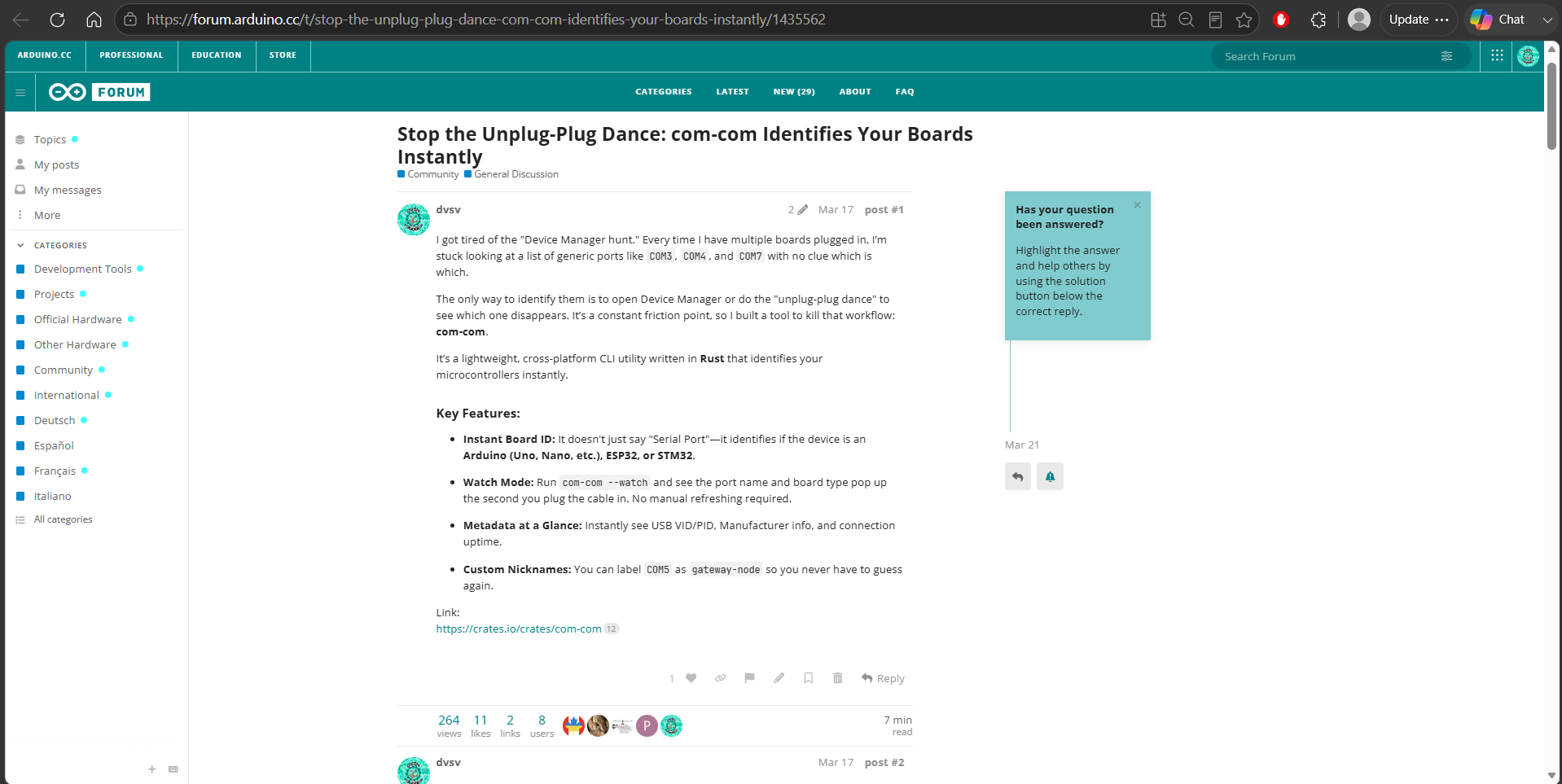
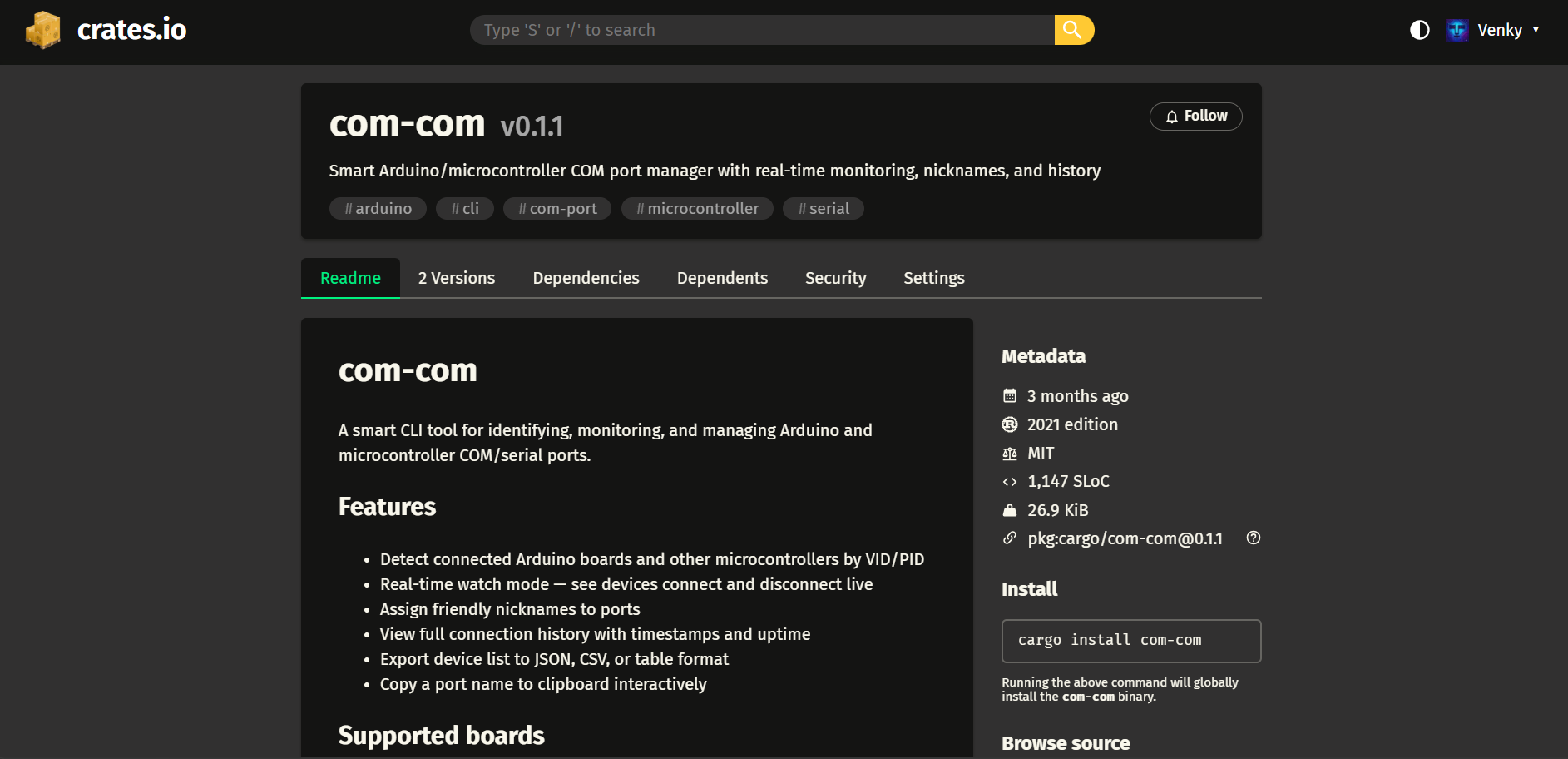
Anyone who works with arduinos and dev boards knows the constant annoyance of figuring out which serial port is which. cryptic com names, ports that shuffle around on every replug, and no easy way to tell an esp32 apart from a ch340 clone. com-com is a smart cli that fixes that. it detects connected boards by their vid/pid, lets you give ports friendly nicknames, and has a live watch mode so you see devices connect and disconnect in real time. it also keeps full connection history with timestamps and uptime, and exports the device list to json, csv, or a table. it covers the boards makers actually use, arduino across the lineup, esp32 and cp210x, ftdi, stm32, teensy, adafruit feather and metro, raspberry pi pico, seeed xiao, sparkfun pro micro, bbc micro:bit, the ch340/ch341 clones, and more. published on crates.io, installable with a single cargo install com-com.
WHY PCBWAY'S SUPPORT MATTERS
Running yantra commons, my biggest bottleneck is the one every small hardware nonprofit hits: component supply and the cost of producing quality boards. i prototype constantly, but the hard part is never the idea or the first rough build, it is the step from a working prototype to clean, reliable, distributable pcbs, and that is exactly where open hardware projects stall and quietly die. pcbway's support would let me get past that step across the whole commons, fabricating the soundbox and every other project faster and at real quality. and it goes both ways. because everything i make is open, the benefit never stops with me. i put pcbway's link right in the repo of every project, so every maker, vendor, and workshop that downloads the files sees who made the boards possible, and those production-ready files go straight back into the commons for them to build on. supporting these projects means supporting everyone who builds on them afterward.
Apply for sponsorship >>- Comments(0)
- Likes(1)