

VCU, Telemetry & AVAS System for Electric Race Car
Escuderia Electraton UPAEP
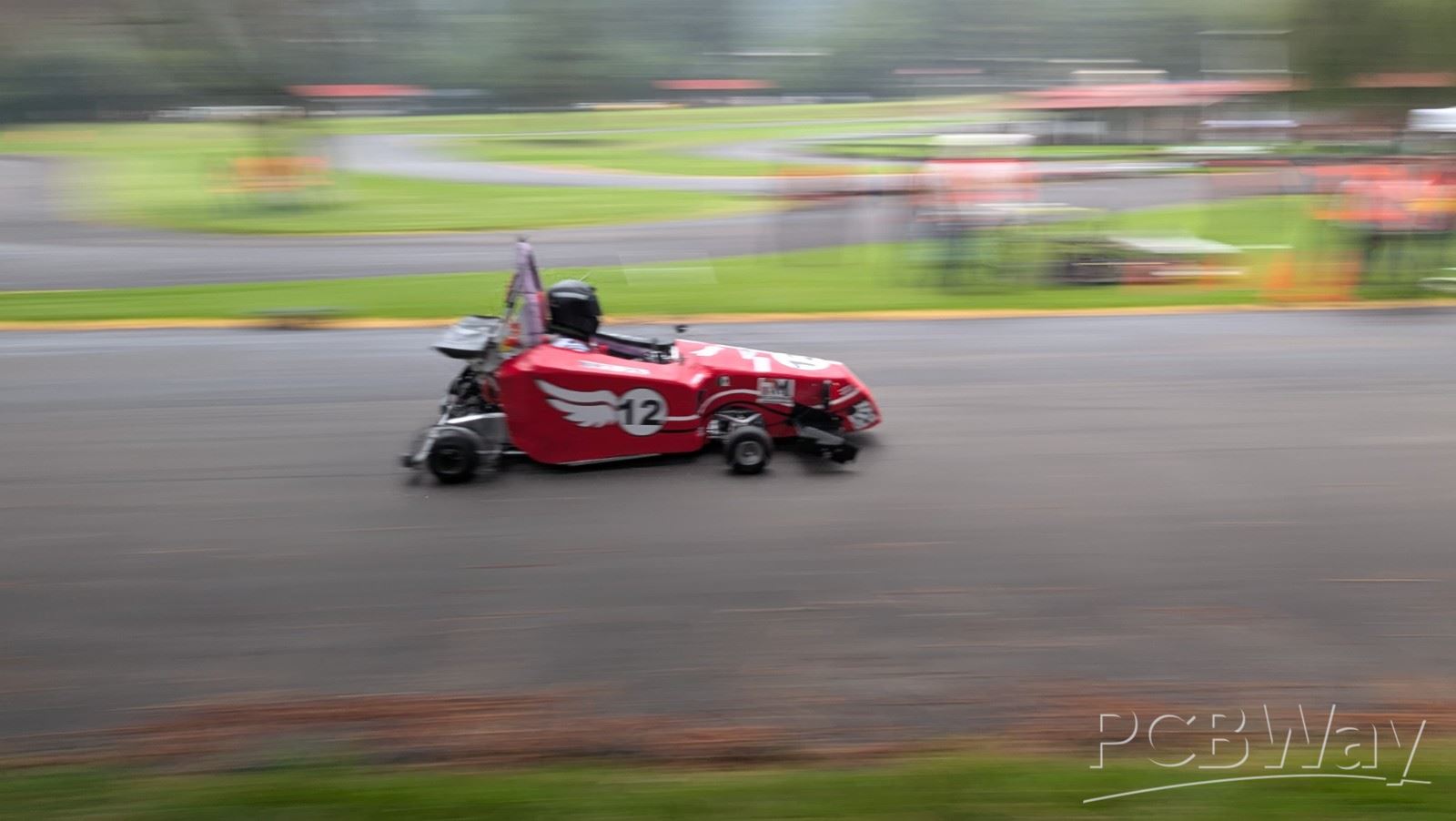
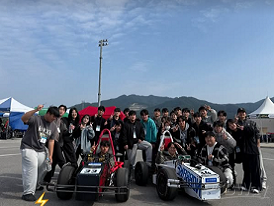
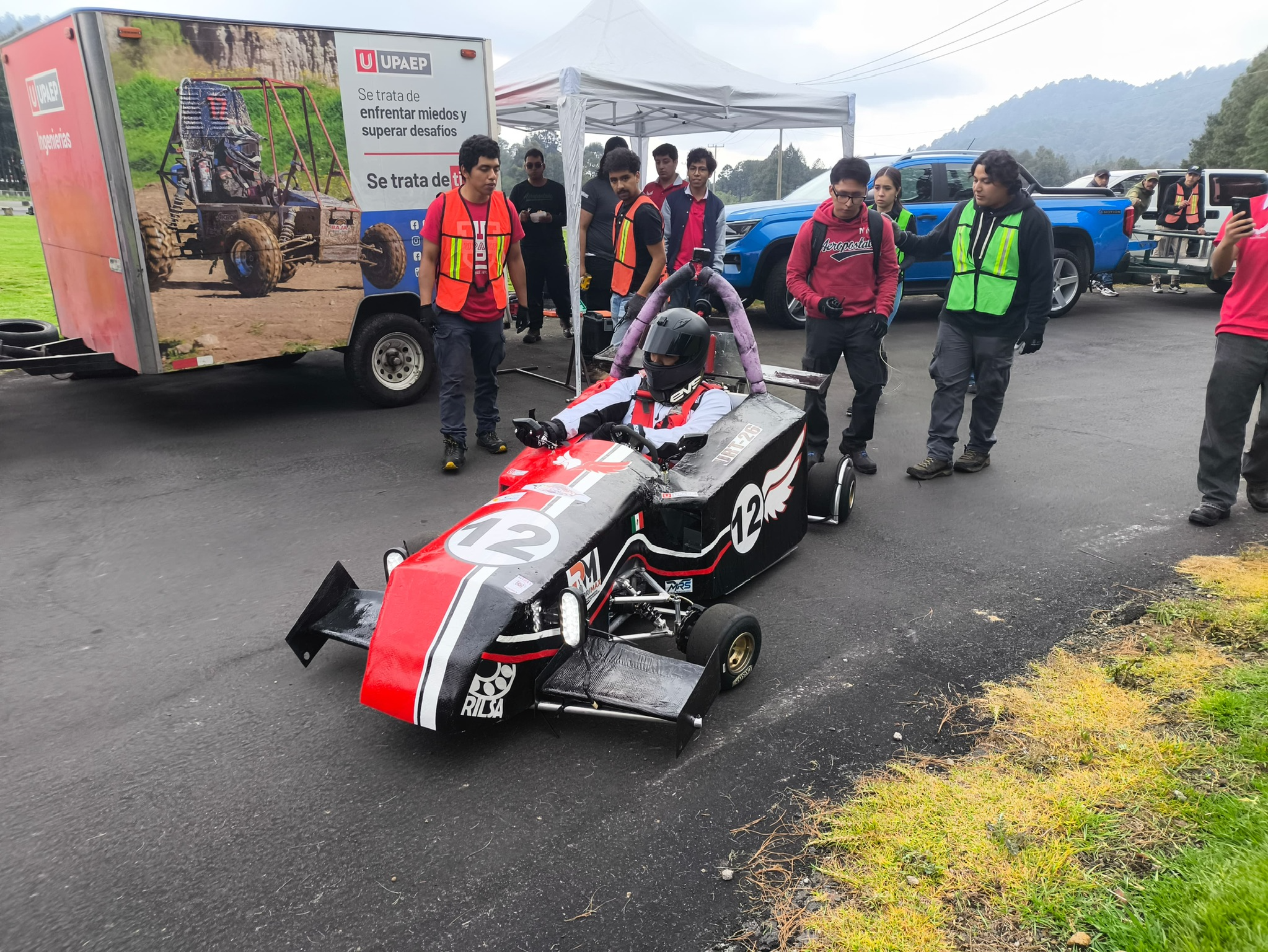
Escudería Electratón UPAEP is composed of passionate students from diverse engineering fields at the Universidad Popular Autónoma del Estado de Puebla (UPAEP) in Mexico, aiming to design and build high-performance electric race cars. The team is made up of dedicated students from various disciplines, including Mechatronics, Aerospace, Automotive Design, and Computer Systems. We are dedicated to pushing the boundaries of electromobility and inspiring the next generation of automotive engineers in our country.
One of our current major achievements consists of the team's entry in the Mexican Electratón Championship. The team has seen significant success in our time competing, consistently placing as top finishers. We proudly earned the title of 2025 National Subchampions, a season where we secured multiple podiums, including a 1st place and the fastest lap of the season at La Marquesa, Toluca. The competition challenged the team to design, build, and race a fully electric vehicle that could endure demanding tracks while maximizing energy efficiency. Despite fierce competition, the team demonstrated our skills and determination, earning national recognition for our achievements.
Looking forward, the team is eager to continue our success in future competitions, aiming for the absolute championship, and to inspire more students to pursue their passion for EV technology. We are committed to fostering a community of innovation and collaboration, where instead of relying on commercial parts, students develop their own proprietary technology.
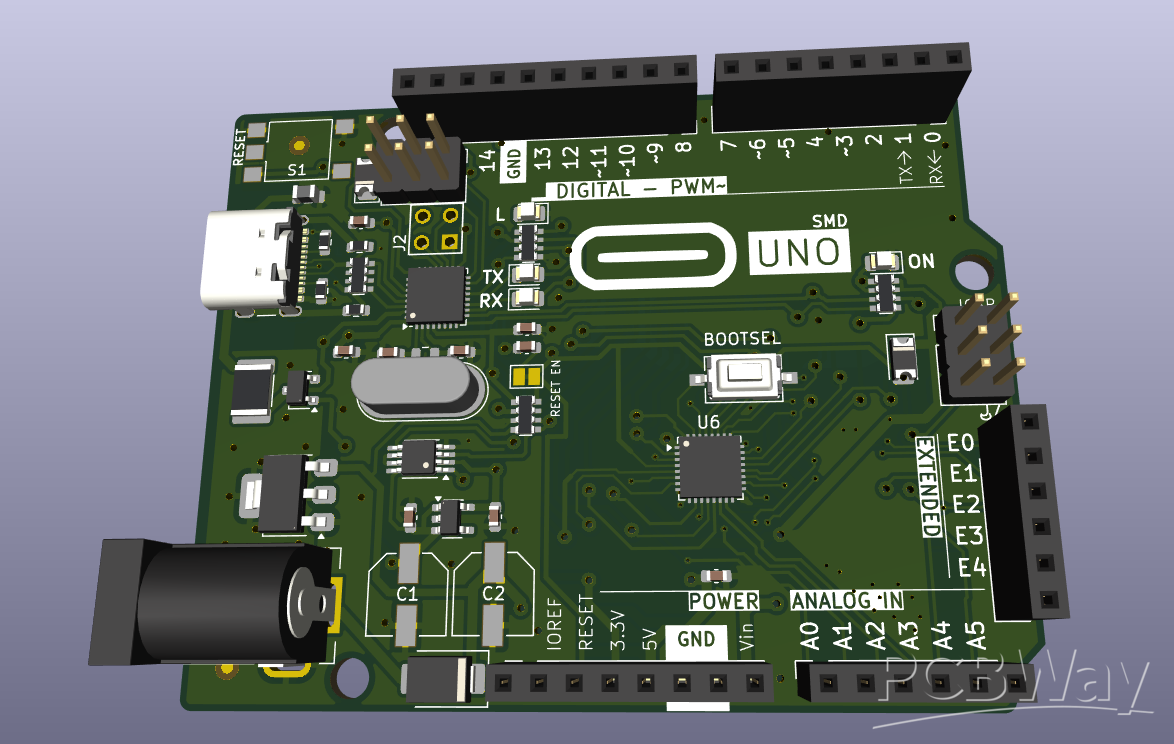
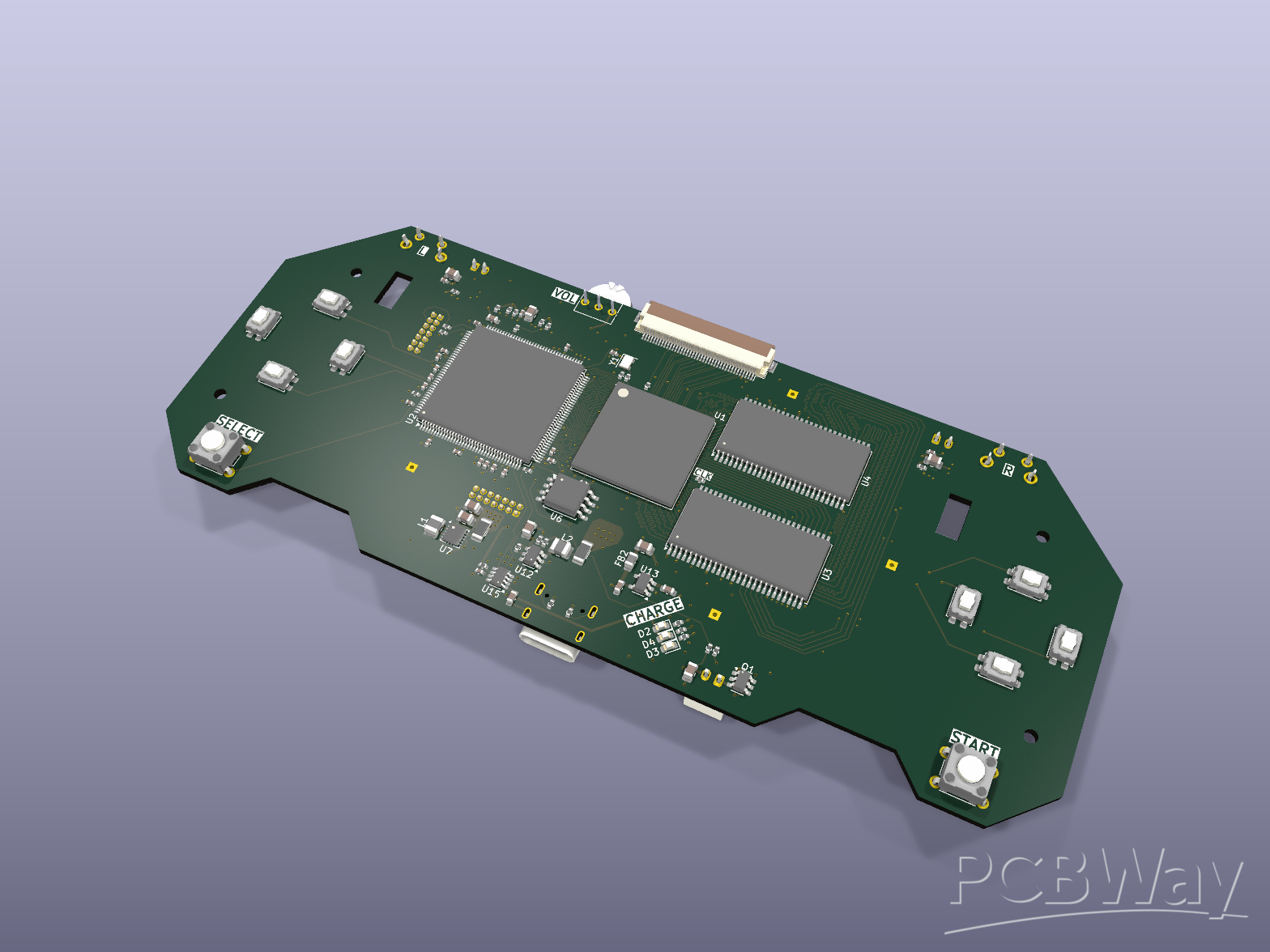
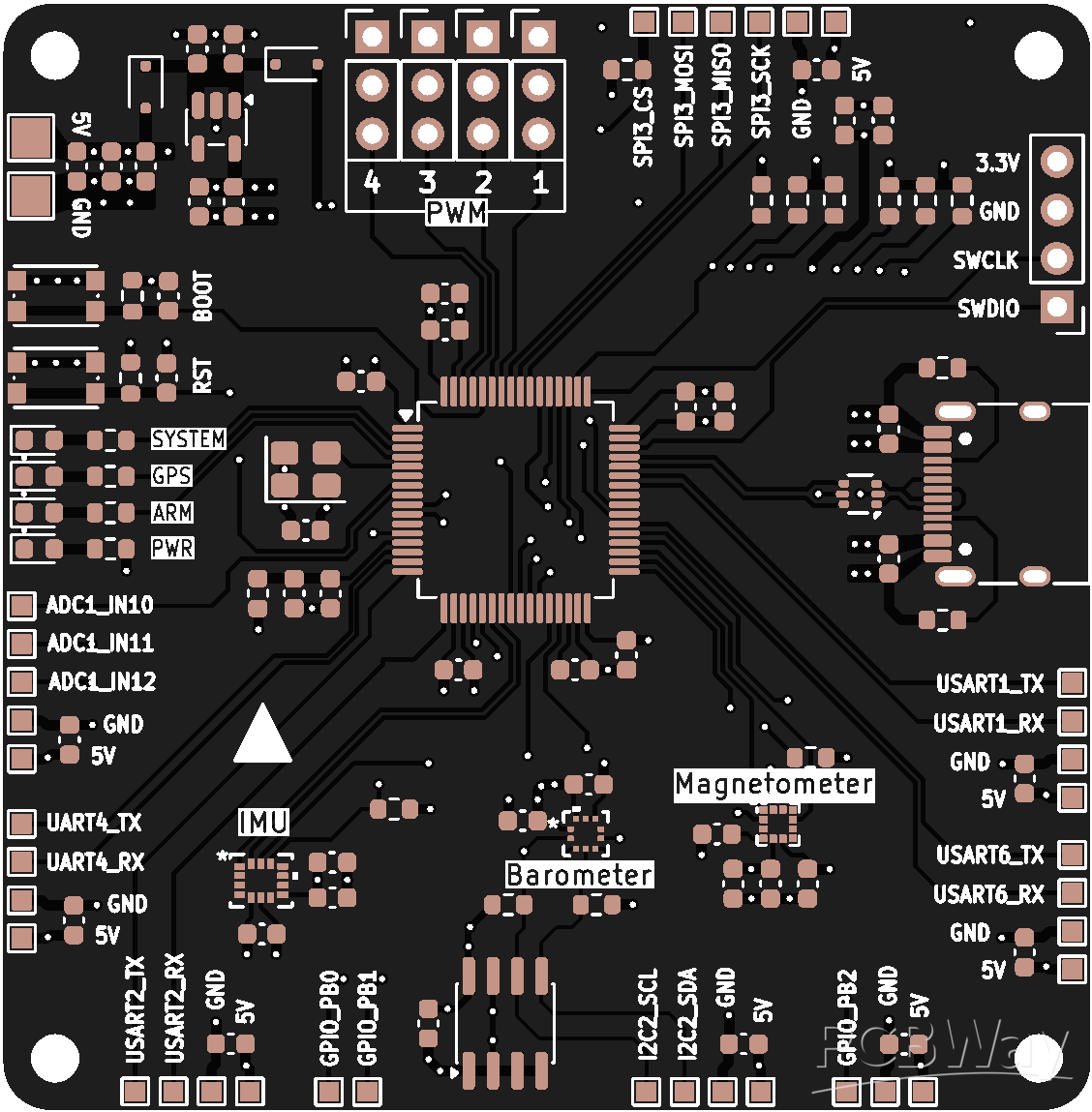
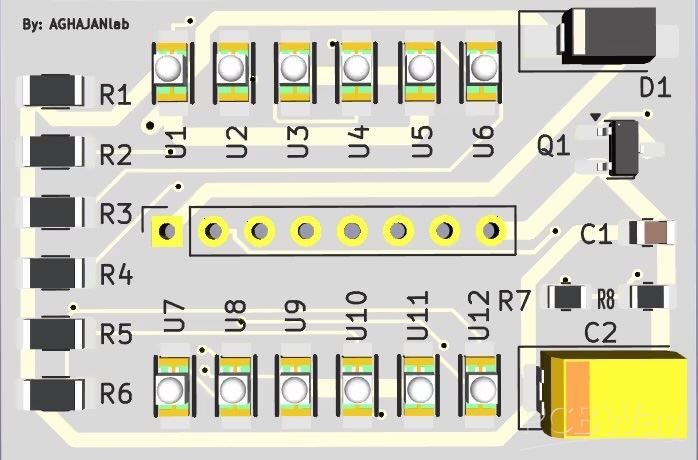
One part of the project that uses PCBs extensively is our Telemetry and Power department. The vehicle’s custom electronics are composed of two distinct PCB circuits: a Vehicle Control Unit (VCU) and a Telemetry/AVAS circuit.
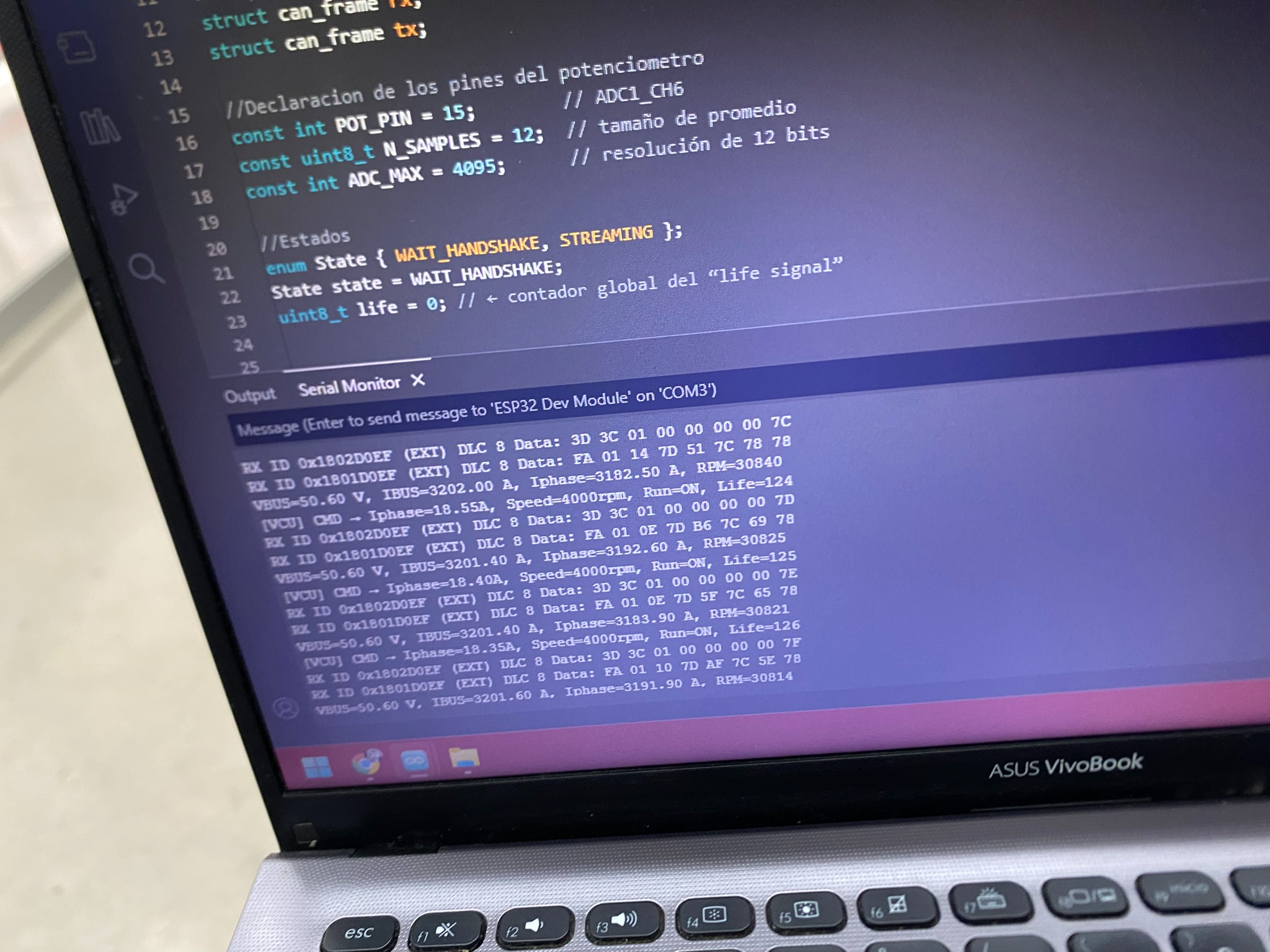
1. Vehicle Control Unit (VCU) and CAN Bus Its role is to manage the core logic of the electric race car and deliver safe communication to the motor. It is operated through an ESP32 microcontroller and an MCP2515 CAN Bus module. It reads analog inputs from the driver’s throttle and a rotative 3-position switch (rated for high vibrations), and securely transmits these control signals via a CAN network directly to our industrial motor controller.
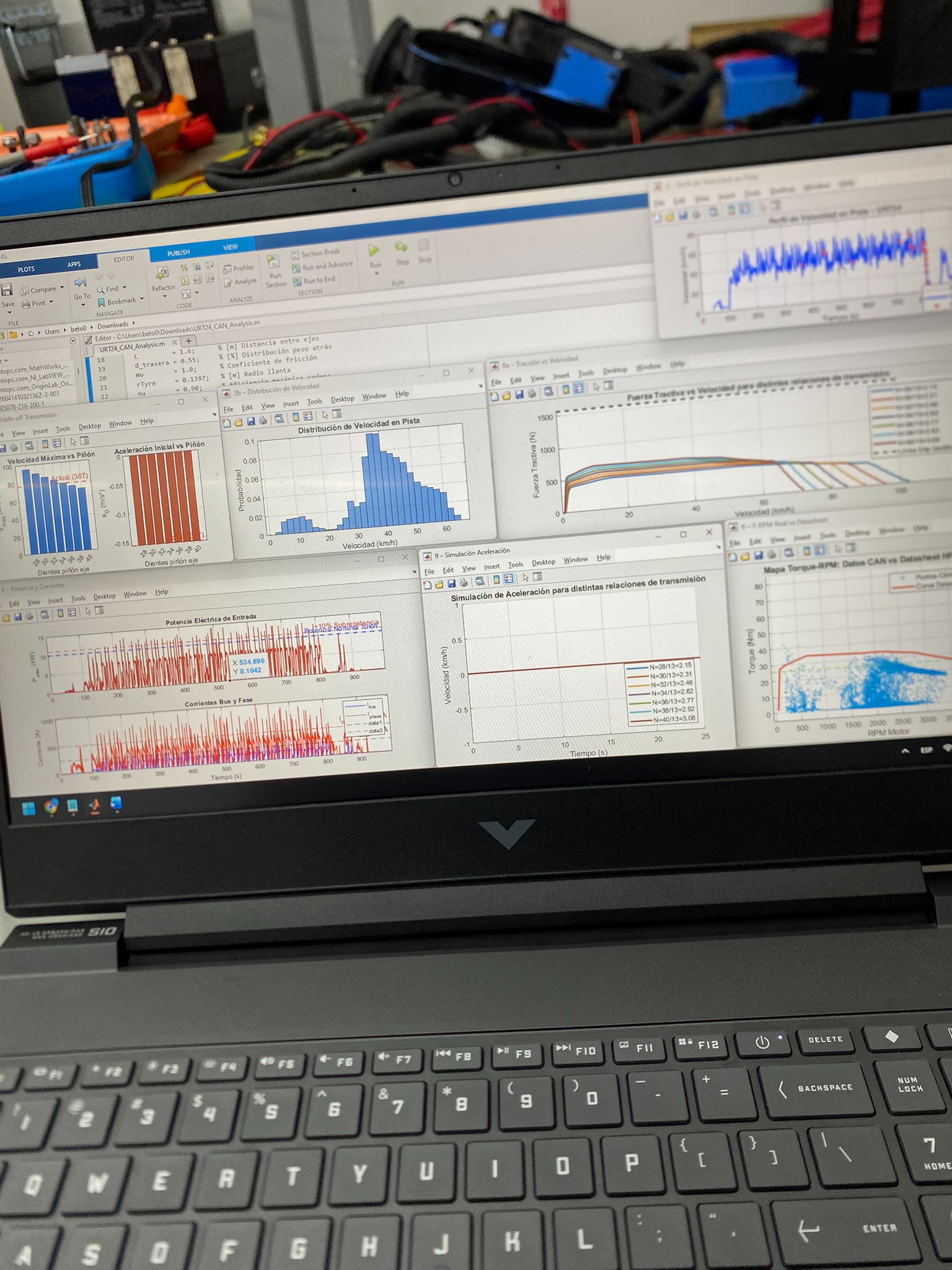
2. Telemetry & Computing Circuit This circuit board focuses on data acquisition and track safety. It includes an SD card reader module to continuously log all telemetry data coming from the CAN network, which we later analyze in MATLAB for track optimization. Additionally, it features an Acoustic Vehicle Alerting System (AVAS). By reading the motor's RPMs, it generates a synthetic engine sound that is driven through a TPA3118 amplifier, ensuring the safety of pedestrians and track marshals.
The team would greatly benefit from the support of PCBWay. As a university team dedicated to designing and building electric race cars for national competitions, we face challenges in sourcing and manufacturing industrial-grade parts within our budget and timeline. Quick prototyping and PCBA capabilities would allow us to provide valuable design experience and feedback to more members of our team, enabling them to expand their skills and knowledge. This support will help us ensure that our boards can withstand the extreme vibrations and temperatures of a real race.
PCBWay's support would enable us to develop more efficient, reliable, and safe EV technology, and inspire the next generation of engineers in Mexico. We are excited about the opportunity to collaborate with PCBWay and achieve our goals through your support.
Apply for sponsorship >>- Comments(0)
- Likes(0)