USST - Project: "UP: 2" Theseus
Founded at the University of Saskatchewan in 2004, the University of Saskatchewan Space Design Team is a student-led multidisciplinary team focused on designing and building space and aerospace technology. The team brings together students from a range of fields, including engineering, computer science, business, and the physical sciences. Through hands-on projects, technical development, and competition-based learning, the team aims to give students practical engineering experience while contributing to the growth of student-led space development in Canada.
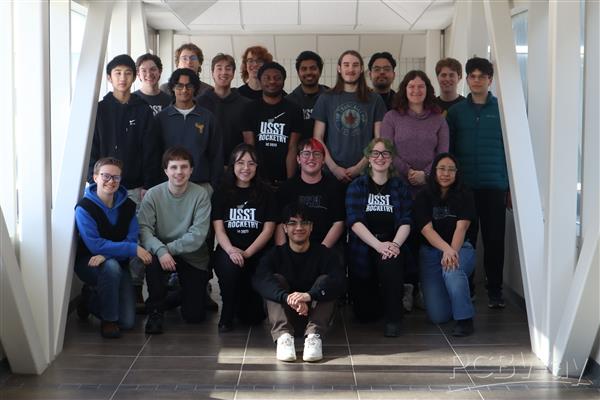
Figure 1: USST Rocketry after the Annual General Meeting
One of the team’s current projects, Project Theseus, also known as Project UP 2, is the team’s entry for Launch Canada 2026. Project Theseus builds on the success of the team’s previous rocket, Project UP, which reached approximately 16,500 feet during competition. The project is focused on improving a proven high-power rocket platform by refining manufacturability, improving reliability, and expanding the amount of student-developed hardware used on the vehicle. The rocket includes work across propulsion, structures, recovery, and avionics, giving students direct experience with the full process of designing, manufacturing, testing, and launching aerospace hardware.
Looking forward, the team hopes to continue growing its rocketry and satellite development programs while inspiring more students to pursue aerospace and space technology. The team is committed to creating a collaborative environment where students from different backgrounds can contribute to ambitious engineering projects and develop the skills needed to support Canada’s growing space sector.
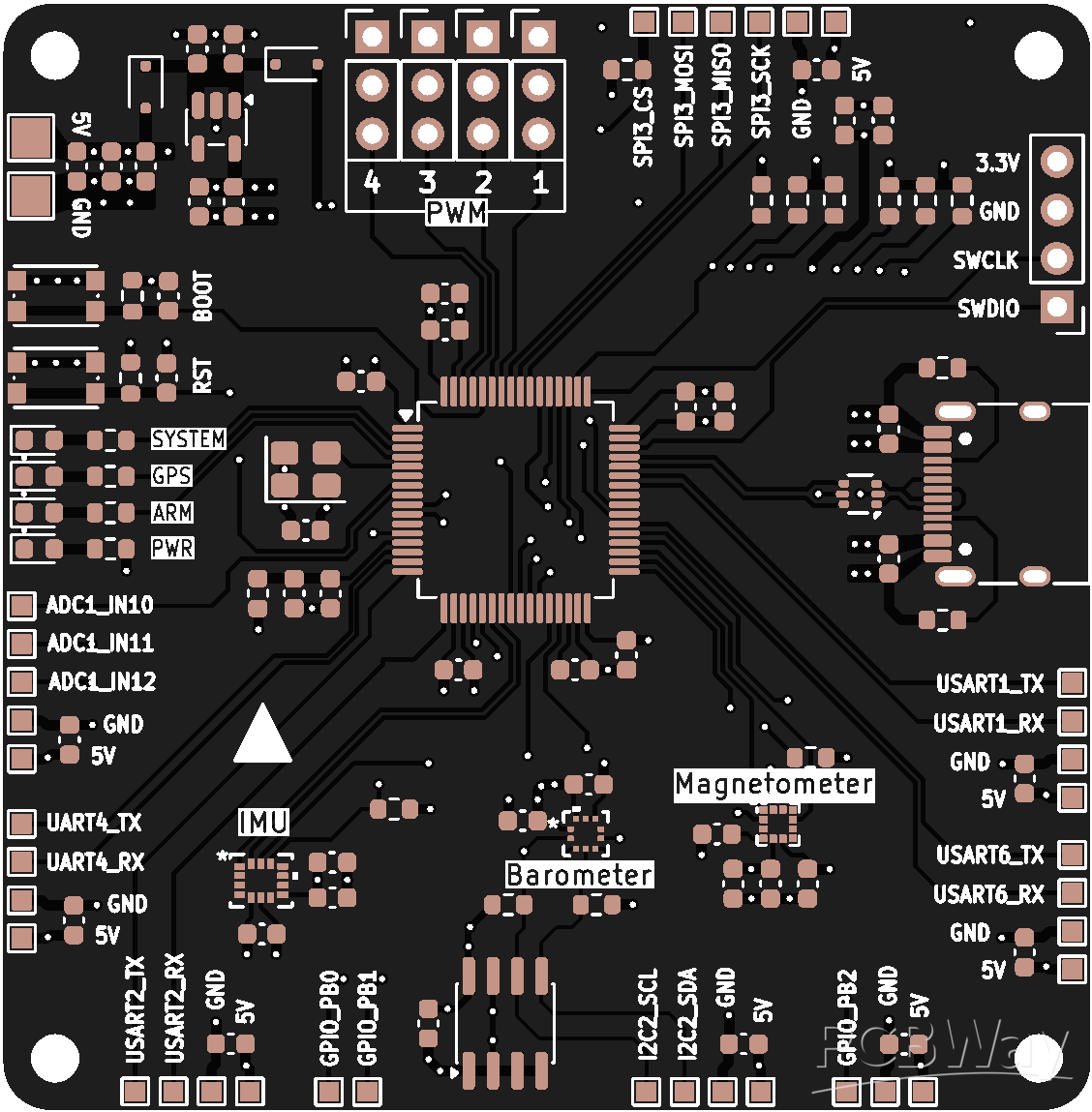
One part of Project Theseus that uses PCBs extensively is the Avionics department. The avionics team is currently developing the team’s own student-researched and developed rocket flight computer. This system is based around a custom PCB that integrates a Teensy 4.1 microcontroller, onboard sensors, power regulation, GPS, radio communication, and other embedded electronics.
The goal of this work is to move beyond relying only on commercial off-the-shelf flight computers and begin developing flight-ready avionics hardware in house.
SRAD flight computer
The SRAD flight computer is being designed as the team’s first major in-house rocket avionics system. It includes a microcontroller for data processing and flight logic, sensor inputs for collecting flight data, power supply circuitry for stable operation, and supporting embedded electronics needed for launch and recovery operations. The system is also being designed with GPS and radio capability so that the rocket can communicate with the ground station throughout the mission.
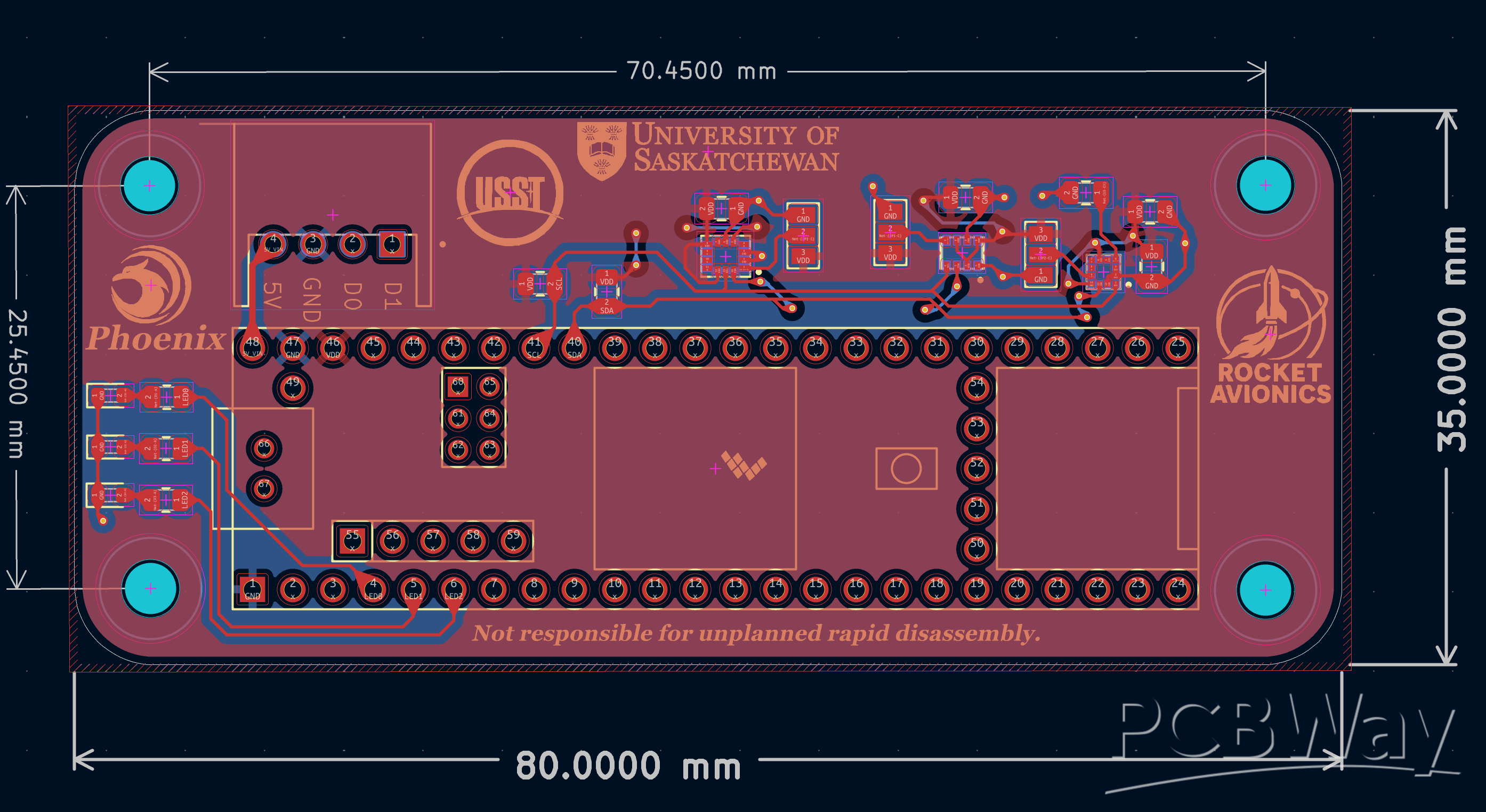
Figure 2: Project Theseus SRAD Flight Computer
For the current rocket system, the team uses redundant commercial off-the-shelf flight computers for safety and reliability. The plan is to fly one SRAD flight computer alongside one commercial unit if testing and verification are successful. If the SRAD system is not fully verified in time, the team will instead use two commercial flight computers, with the SRAD unit potentially flown as a payload or secondary test system. This approach allows the team to develop its own avionics while still maintaining a safe and reliable launch configuration.
Ground station and support electronics
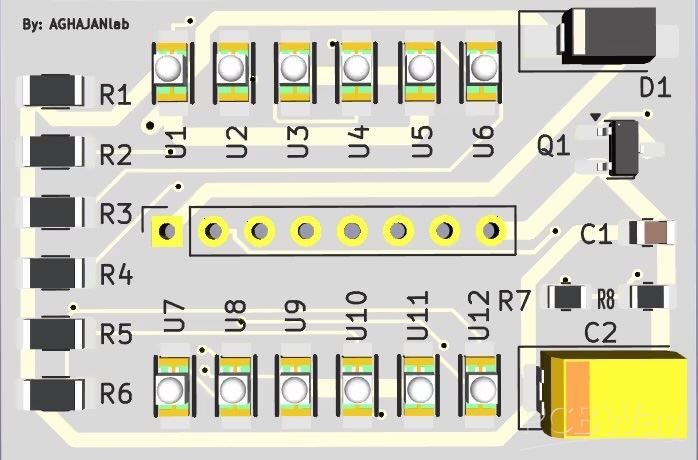
The avionics team is also developing supporting electronics for the rocket and ground station. This includes PCBs for systems such as a Raspberry Pi-based ground station power supply. The ground station is intended to receive data from the rocket before launch, during flight, and through recovery. Once the rocket is fully assembled and on the pad, the goal is for the avionics system to communicate with the ground station from a safe distance, allowing the team to monitor system status before launch and receive useful data throughout the mission.
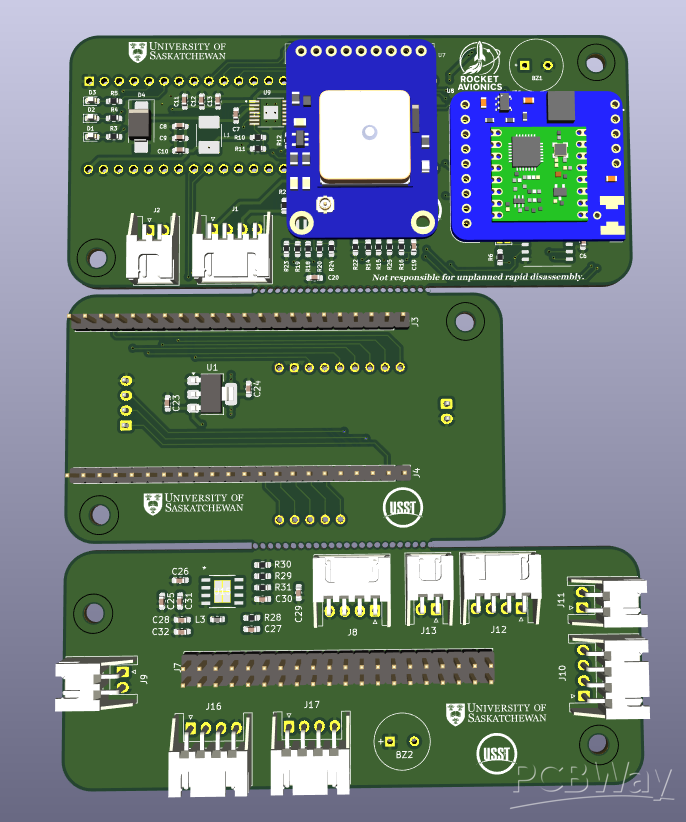
Figure 3: Avionics PCB's pictured, Flight Computer & Telemetry (Top), Radio Interlink between rocket and Ground Station (Middle), and Ground Station power supply and IO extension board (Bottom)
In the future, the team also wants to expand into more advanced radio frequency and ground station development. This includes improving rocket-to-ground communication and eventually developing systems such as a tracking antenna. These systems would help the team maintain communication with the rocket for as much of the mission as possible, improving data collection, tracking, and recovery.
Future PCB and avionics development
At the moment, the team often uses commercially available microcontroller modules that already include pins and supporting circuitry. A major goal moving forward is to transition toward a more complete bare-chip PCB design approach, where the team selects the microcontroller chip itself and designs the surrounding circuitry in-house. This would allow the team to create electronics that are better suited to its mission requirements while giving students deeper experience in schematic design, PCB layout, component selection, embedded programming, power management, and testing.
Future avionics development may also include more powerful microcontrollers, advanced payload electronics, custom imaging systems, airbrake control, active parachute deployment, and other recovery-related control features. The team is also interested in moving from commercial camera modules toward custom camera electronics by purchasing the image sensor itself and designing the supporting circuitry in-house. Longer term, this could support more advanced imaging capabilities, such as 360-degree video or mission-specific payload imaging.
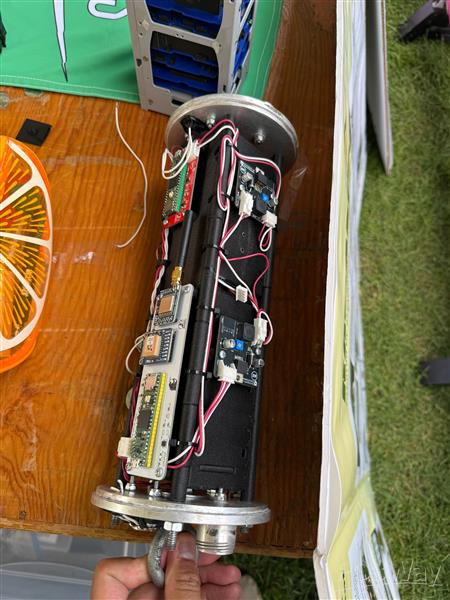
Figure 4: Project UP Avionics Bay
The team would greatly benefit from the support of PCBWay. As a student team designing and building rockets for competition and technical development, the USST faces challenges in manufacturing high-quality custom PCBs within student budget and timeline constraints. Quick and reliable PCB prototyping would allow the team to test, revise, and improve avionics hardware more effectively while giving more students direct experience with real electronics design cycles.
PCBWay’s support would help the team manufacture and iterate on custom PCBs for the SRAD flight computer, ground station electronics, and future payload systems. This would directly support the team’s goal of increasing the amount of student-developed hardware on its rockets and reducing reliance on prebuilt commercial modules. Through this support, students would gain practical experience in designing, assembling, troubleshooting, and verifying aerospace electronics for real flight conditions.
PCBWay’s support would enable the University of Saskatchewan Space Design Team to develop more capable and reliable rocket avionics while training the next generation of Canadian aerospace engineers. The team is excited about the opportunity to collaborate with PCBWay and continue advancing student-led space technology through their support.
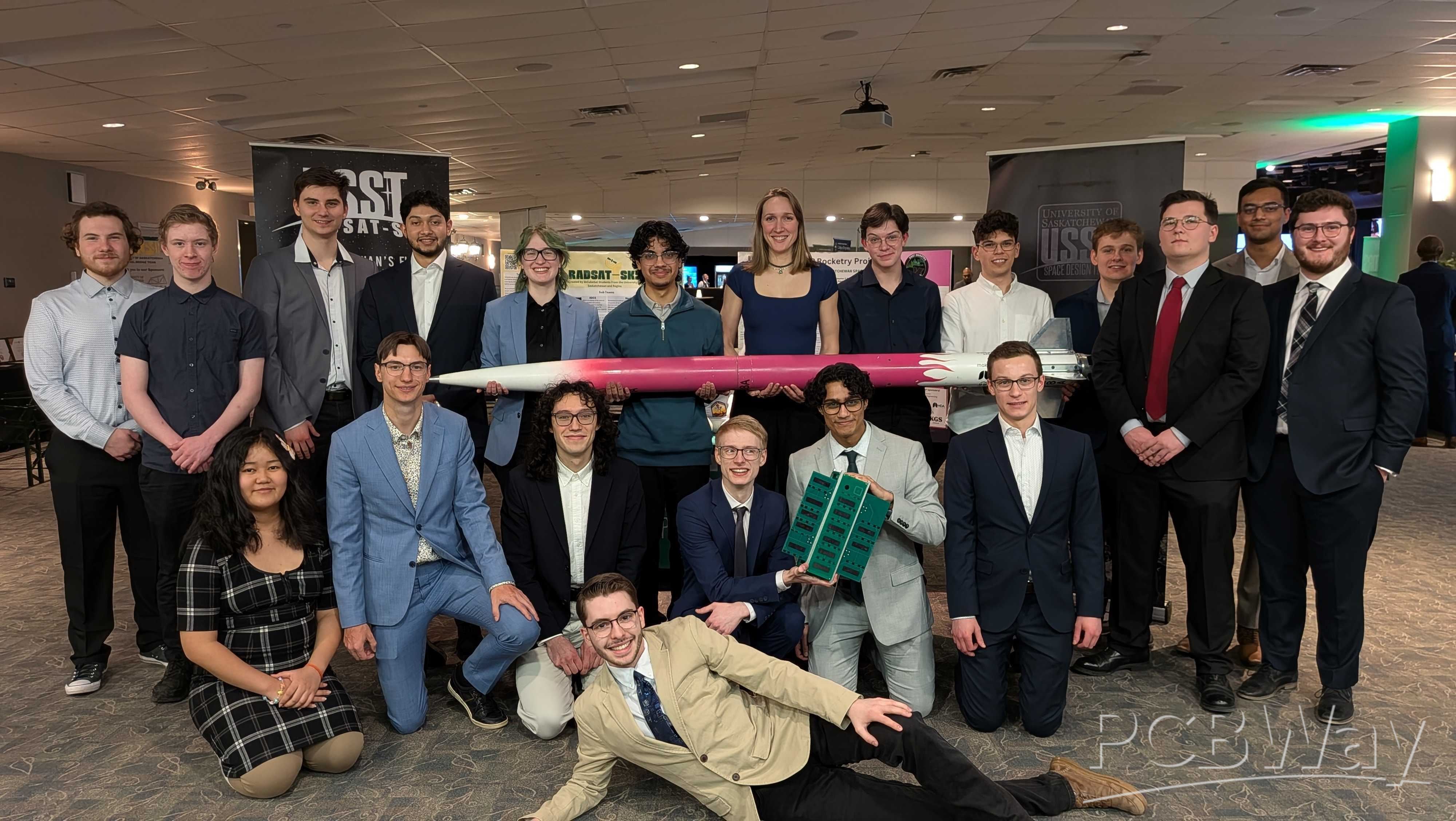
Figure 5: USST CubeSat & Rocketry Projects at the CJ Mackenzie Gala 2025
- Comments(0)
- Likes(1)