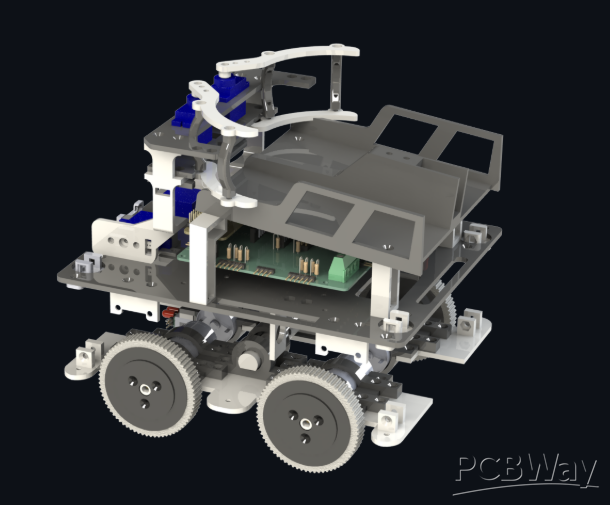




UOBRPL – University of Birmingham Rocket Propulsion Labs

UOBRPL – University of Birmingham Rocket Propulsion Labs
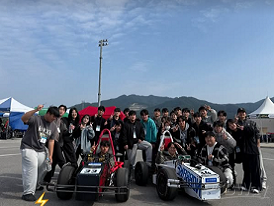
Founded at the University of Birmingham Dubai, UOBRPL (formerly UOBD Space Society) is a student-led initiative focused on designing and building high-performance rockets for international competitions. Our team consists primarily of undergraduate students in computer and mechanical engineering, many of whom are working on their first full-scale aerospace project. Despite limited resources and infrastructure, we are driven by a clear goal: to build reliable rocket systems from the ground up and establish a strong foundation for long-term rocketry development.
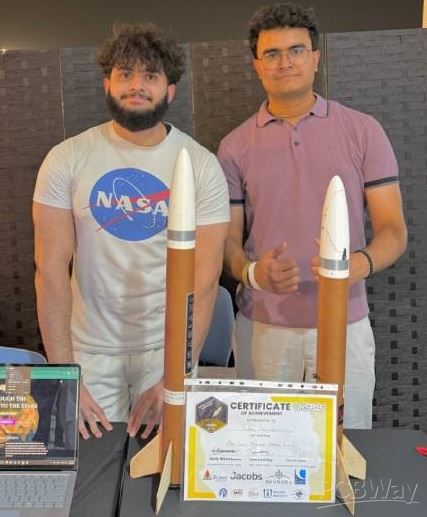
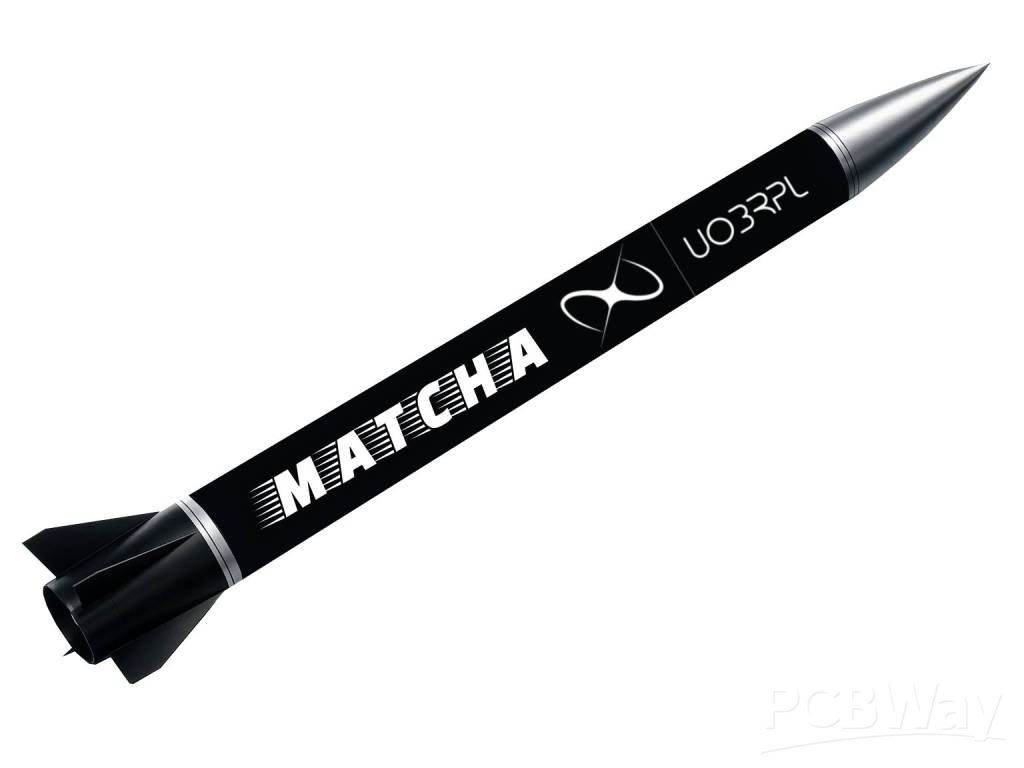
Our current project, MATCHA, is our entry into the Mach-26 competition. The mission objective is to design, build, and launch a rocket capable of reaching 3 km altitude while carrying a fully functional CanSat payload named SUGAR. This project represents a significant step up from our previous rocket INVICTUS, which successfully reached 500 meters and secured second place in the National Rocketry Championship. With MATCHA, we are pushing toward higher performance, improved reliability, and more advanced onboard systems.
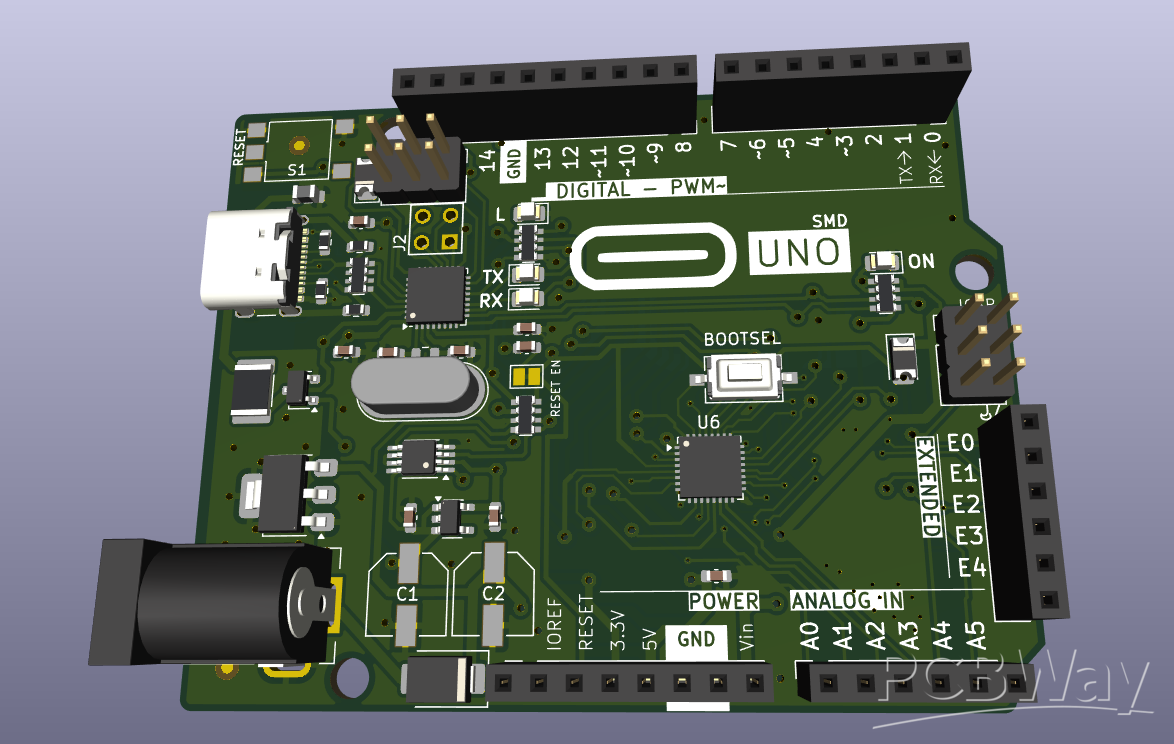
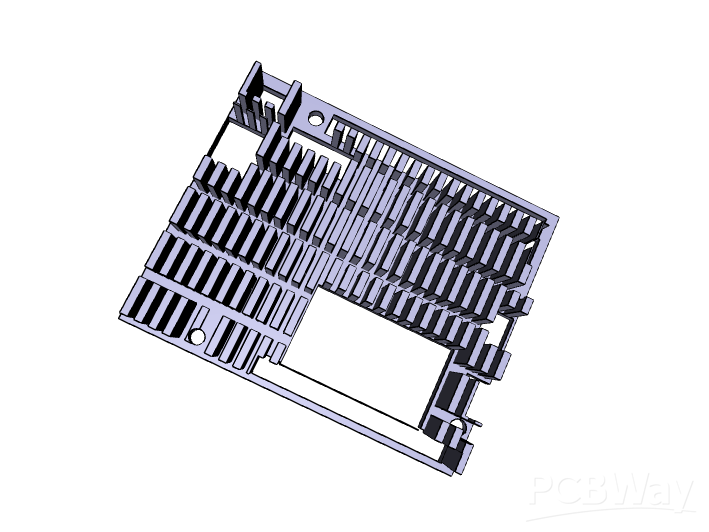
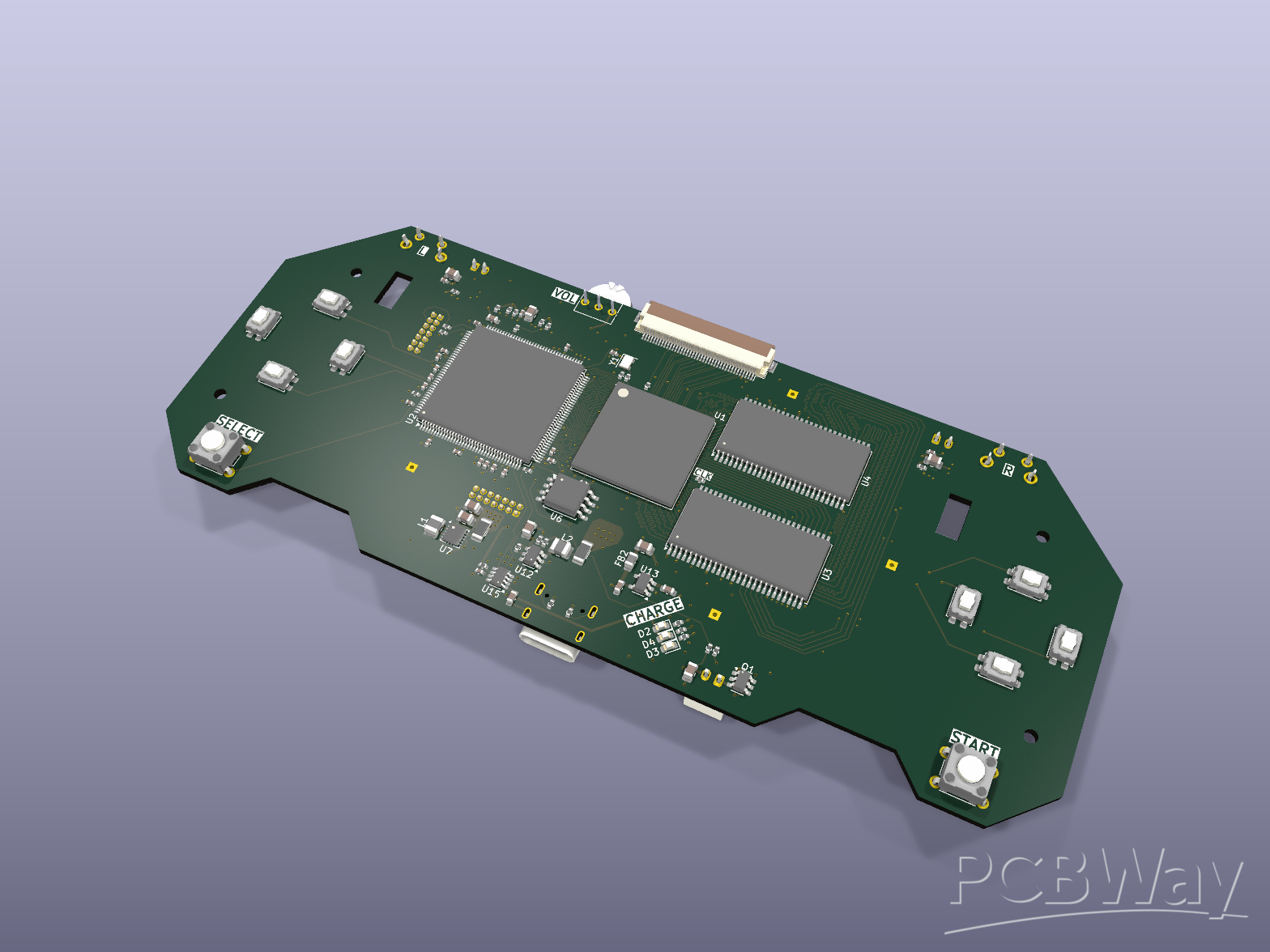
A critical subsystem where PCB manufacturing plays a central role is our avionics architecture, which we are developing fully in-house.
1. Power Management System
This PCB is responsible for stable power delivery across all onboard systems, including flight computer, telemetry module, sensors, and recovery mechanisms. It integrates voltage regulation, battery protection, and efficient power routing under high vibration and dynamic flight conditions. Reliability here is mission-critical, as any instability directly impacts flight performance and recovery.
2. Flight Computer & Sensor Integration
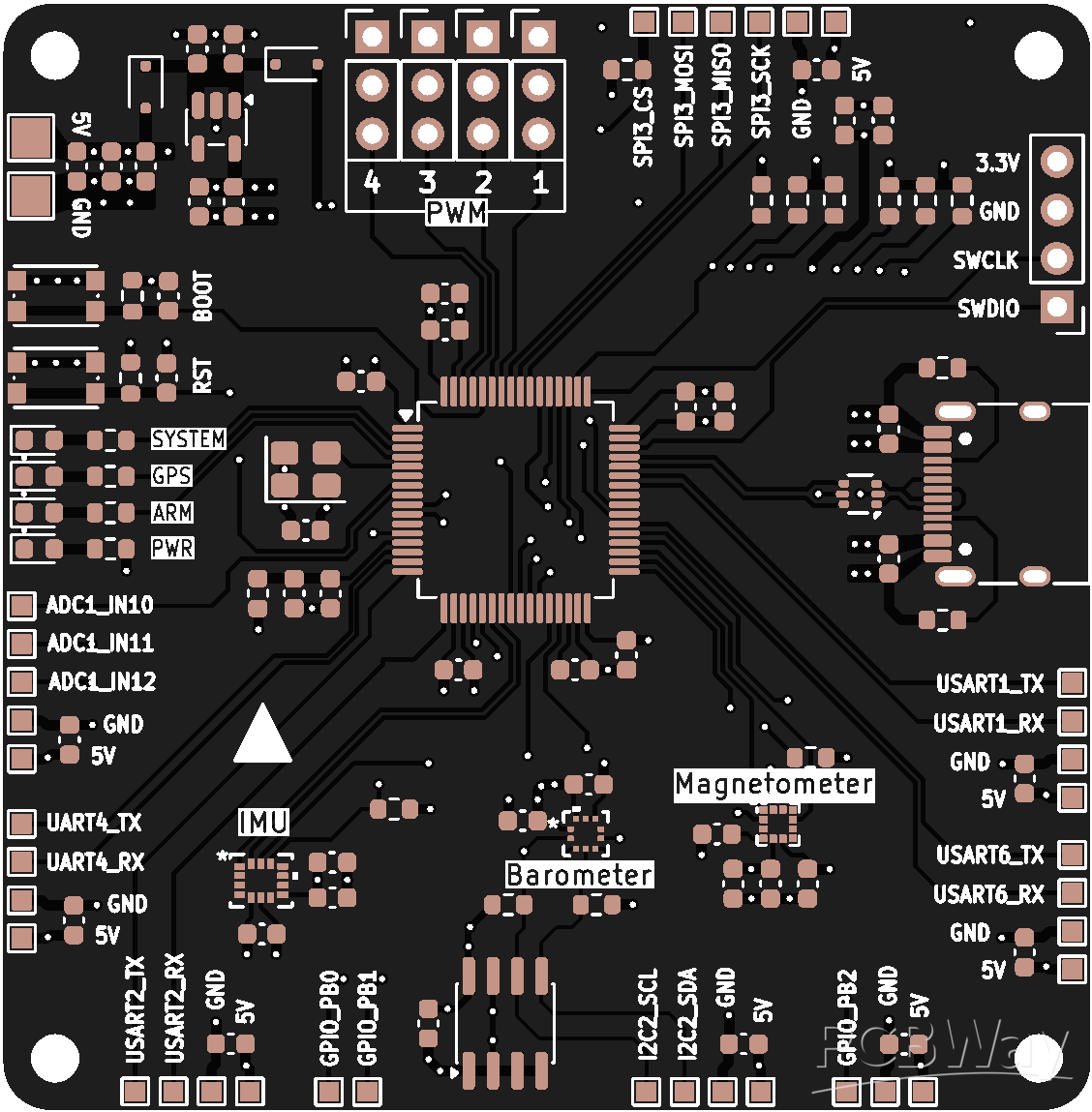
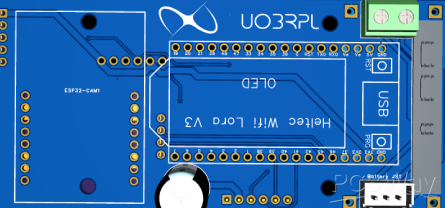
This PCB serves as the core computing unit of the rocket. It integrates a microcontroller-based system with key sensors including a barometer for altitude detection, IMU for flight dynamics, and RF communication modules for telemetry. The board is designed with compactness, noise isolation, and signal integrity in mind to ensure accurate data acquisition and real-time decision making during flight.
3. CanSat Payload System
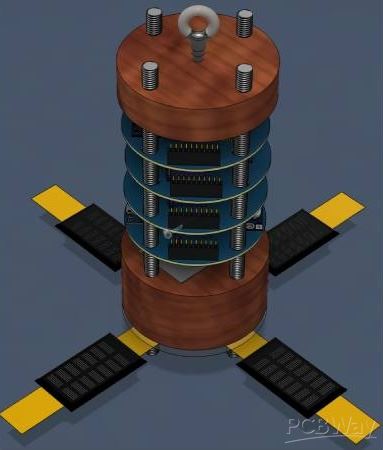
Our CanSat is a miniature satellite payload designed to fit within the size of a standard soda can and is a key mission requirement for the Mach-26 competition. It will be deployed during flight and descend independently under parachute while collecting and transmitting real-time data such as altitude, pressure, temperature, acceleration, and GPS location. The system uses a dedicated custom PCB integrating the microcontroller, sensors, LoRa telemetry module, GPS, power management, and data logging system, making reliable and high-quality PCB manufacturing essential for mission success.
As a student team operating with limited funding and no dedicated manufacturing infrastructure, producing high-quality PCBs is one of our biggest challenges. Multiple design iterations are required to ensure reliability under real flight conditions, and access to fast, precise prototyping is essential for our progress.
Support from PCBWay would directly enable us to accelerate development, validate our designs through multiple iterations, and significantly improve the quality and reliability of our avionics systems. This collaboration would not only impact the success of MATCHA but also help build long-term technical capability within our team as we aim to compete at higher levels and develop more advanced rocket systems in the future.
Support from PCBWay would be extremely valuable for our team as PCB manufacturing is one of the most critical parts of our rocket development process. Our avionics system, recovery deployment system, and CanSat payload all rely on custom-designed PCBs that must perform reliably under high vibration, acceleration, and harsh flight conditions. As students, repeated prototyping and testing are necessary to refine these systems, but manufacturing costs and long lead times create major limitations. With PCBWay’s support, we would be able to test faster, improve system safety, and focus more on engineering innovation rather than manufacturing constraints, allowing us to build a stronger and more competitive rocket for Mach-26.
We are committed to learning, building, and pushing our limits as a team. With the right support, we aim to transform our ambition into consistent technical achievement and establish ourselves as a competitive force in student rocketry.
*Confidentiality Notice*
All technical designs, PCB layouts, avionics concepts, and project details presented in this submission are the original work of UOBRPL for Project MATCHA. These materials are shared for project showcase and sponsorship evaluation by PCBWay, and that our designs and concepts are respected as the intellectual work of our team and not reproduced or used by other teams without prior permission.
Apply for sponsorship >>- Comments(0)
- Likes(2)