


UCLA ECE Capstone Thermal Testing Chamber
UCLA ECE Capstone Thermal Testing Chamber
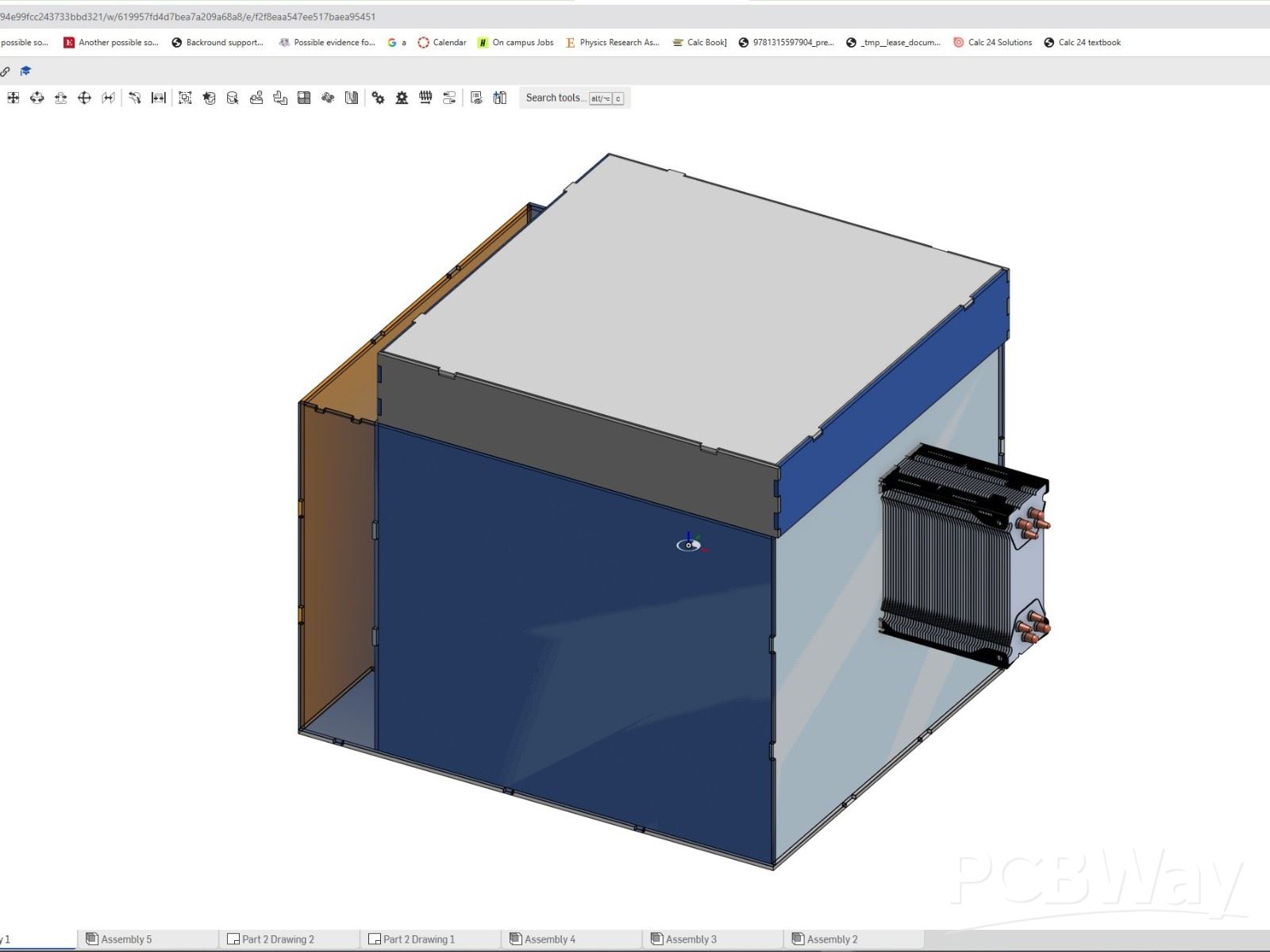
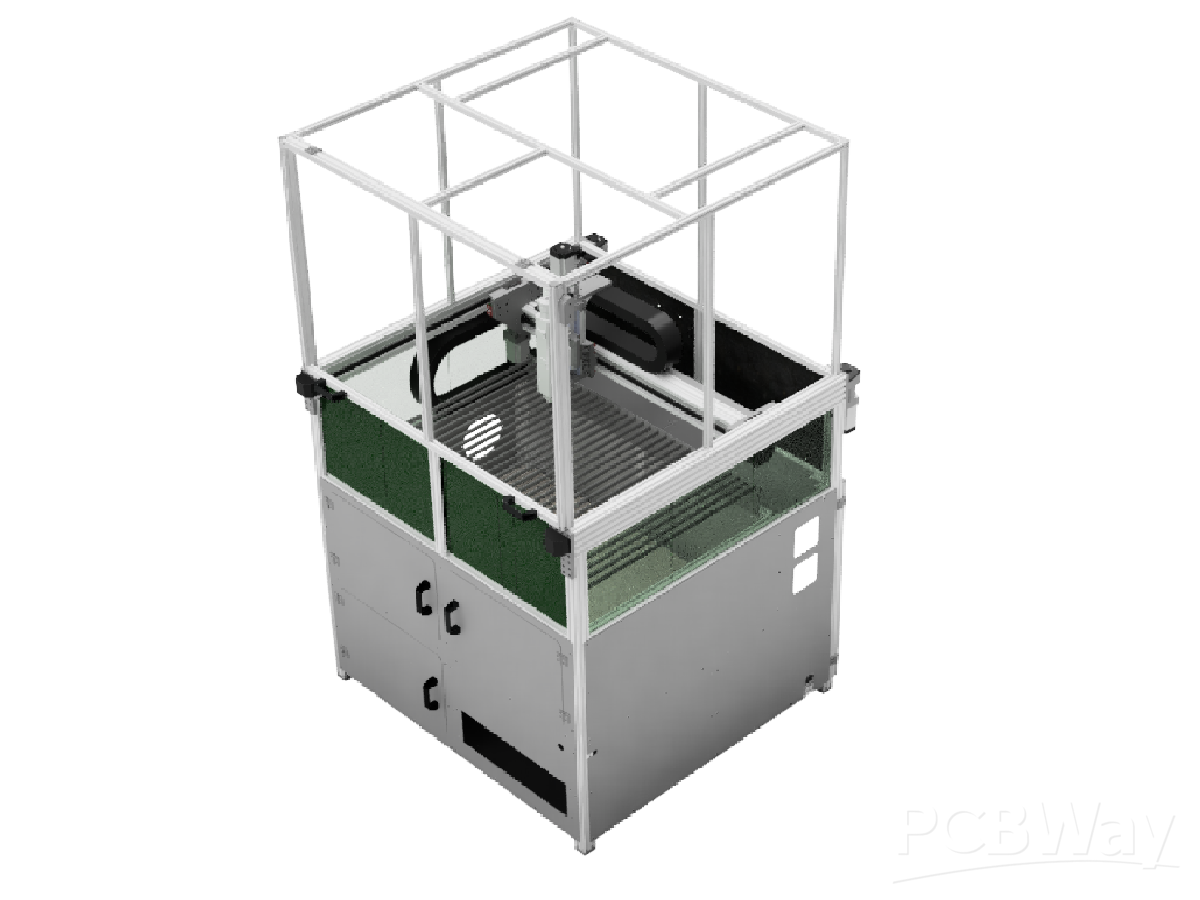
For our UCLA Electrical and Computer Engineering capstone project, we are designing and building a compact thermal testing chamber for evaluating electronic circuits under controlled temperature conditions. The goal of this project is to create a low-cost chamber that can expose circuit boards and components to temperatures below and above room temperature, allowing us to study how electrical performance changes under thermal stress.
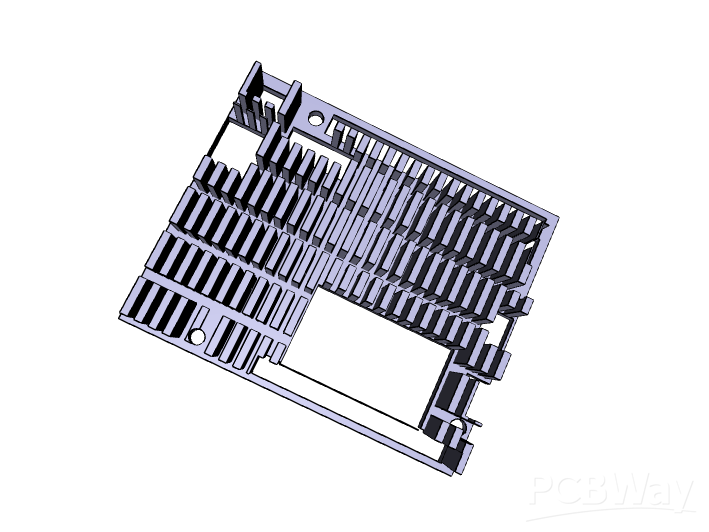
The chamber uses thermoelectric cooler modules, also known as Peltier modules, for active heating and cooling. By controlling the direction of current through the modules, the system can switch between cooling and heating modes. A microcontroller reads temperature sensors inside the chamber and adjusts the power electronics to regulate the chamber temperature. The design also includes insulation, forced air circulation, heatsinking, and a custom driver circuit for efficient thermoelectric control.
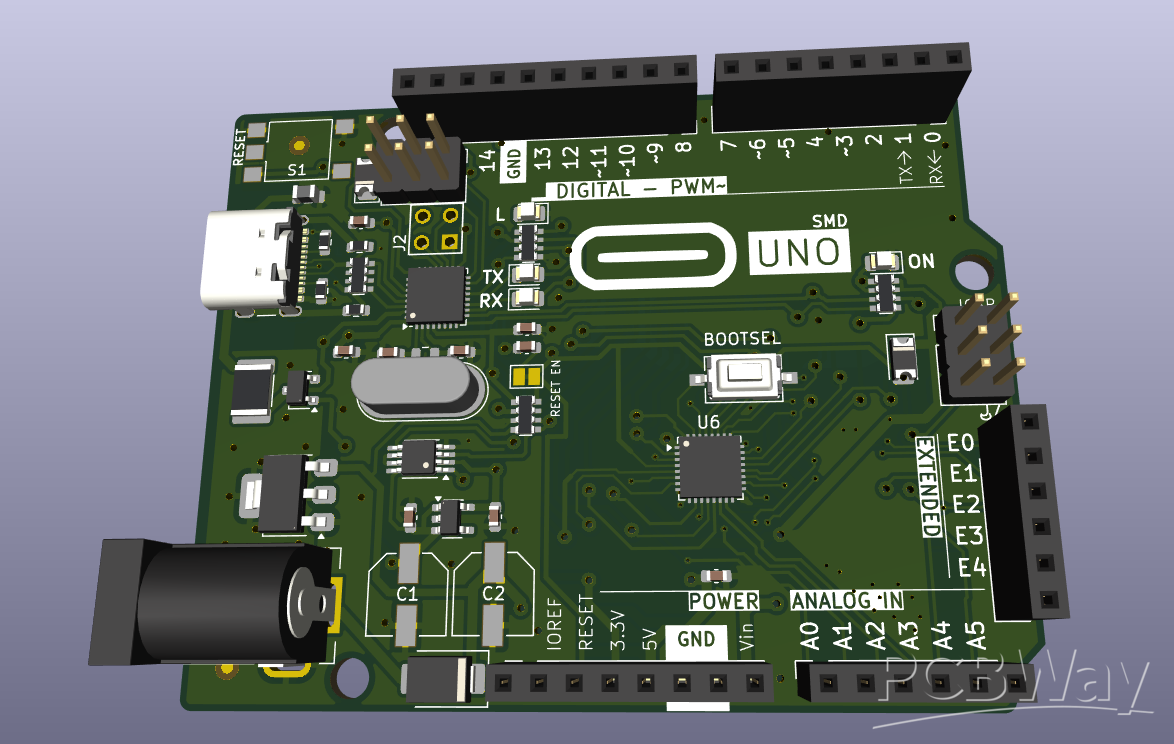
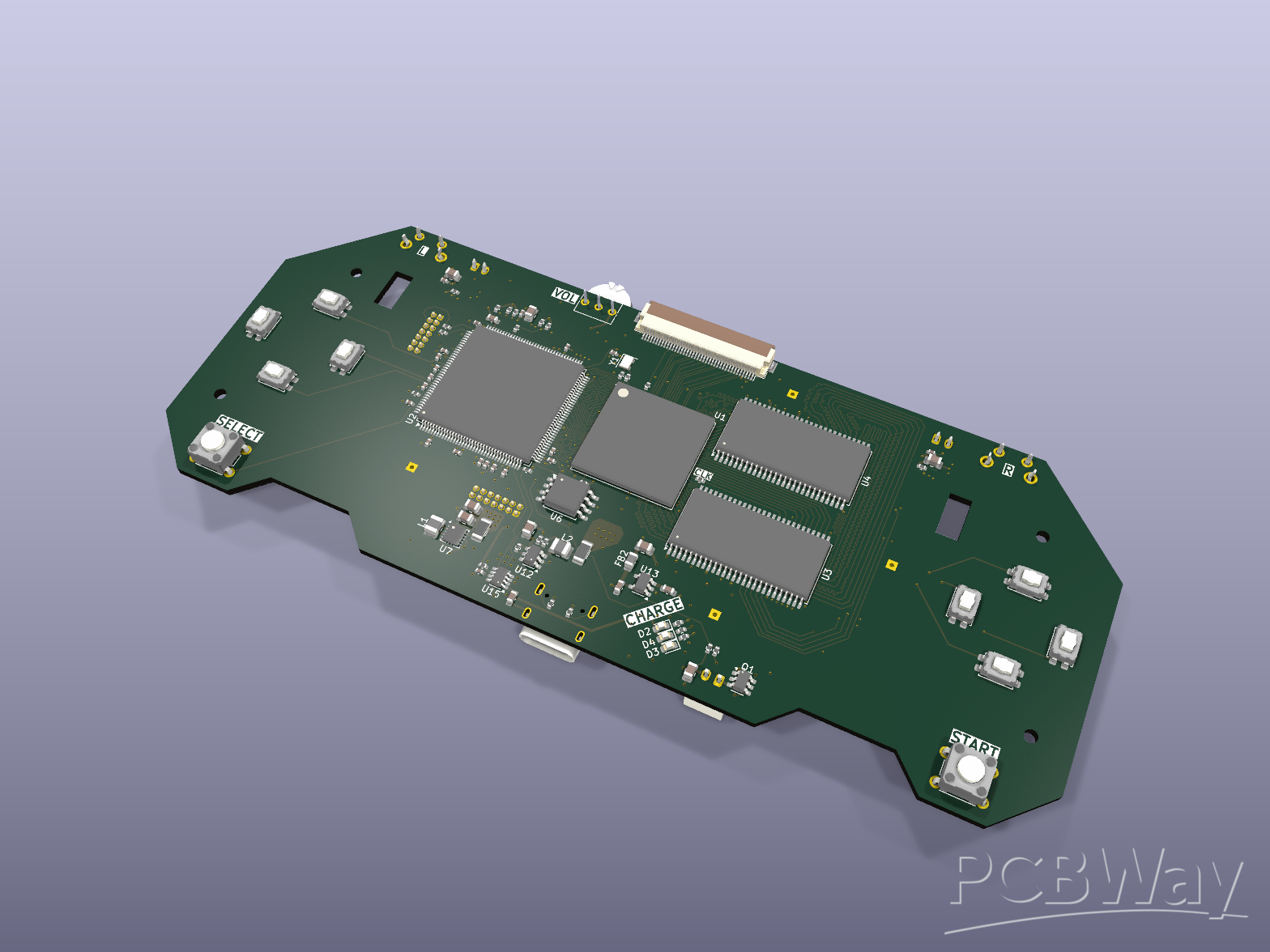
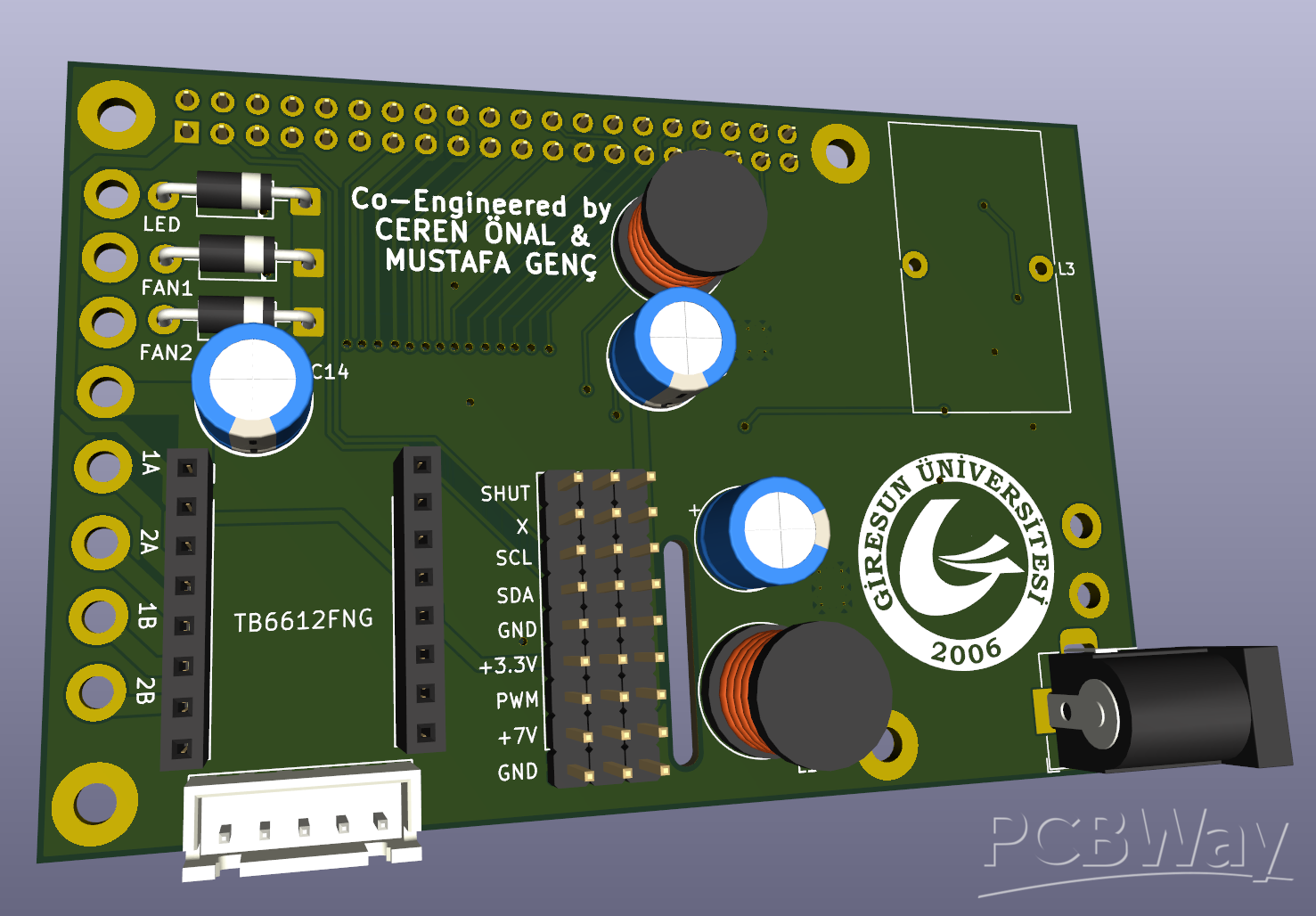
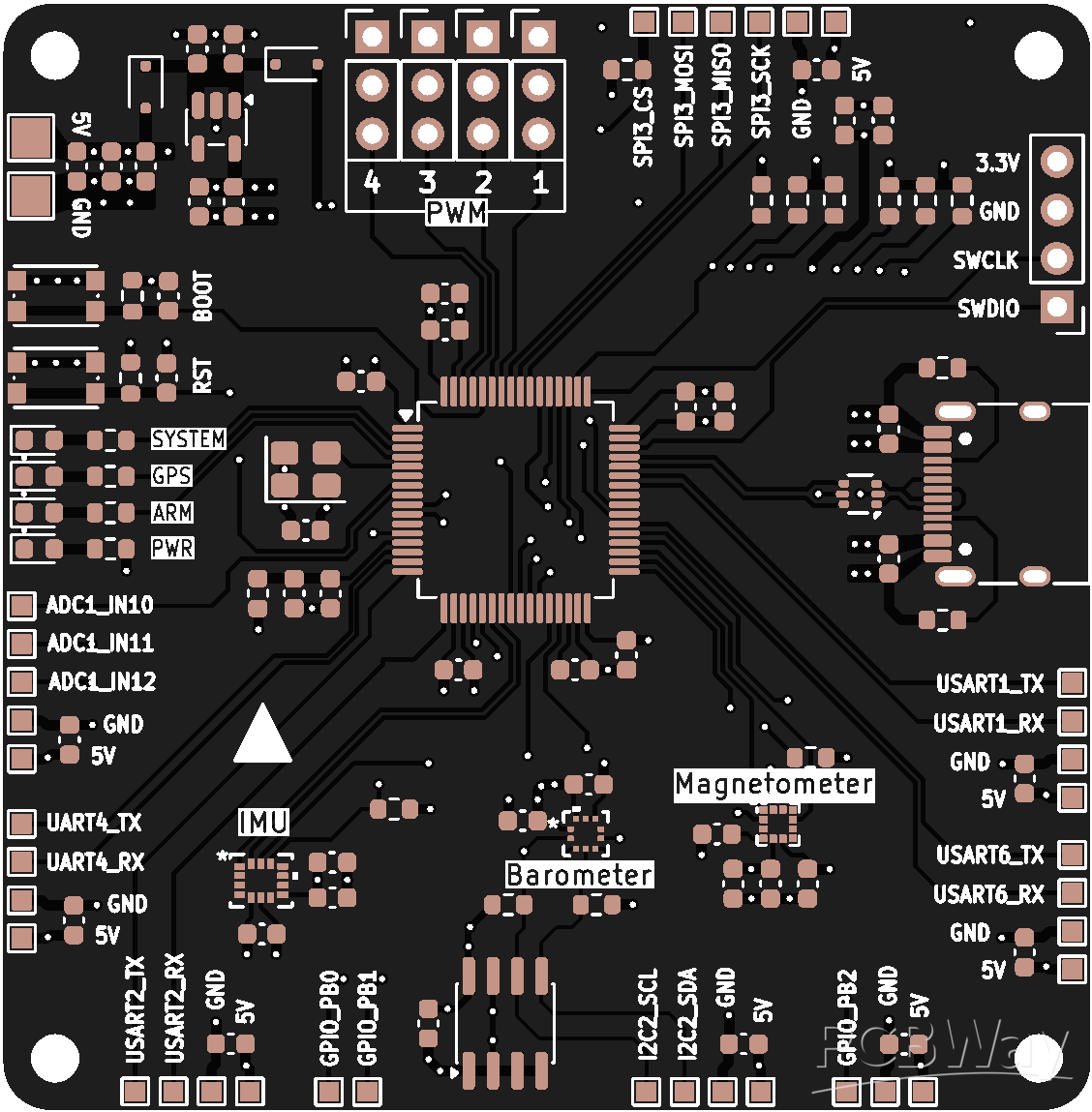
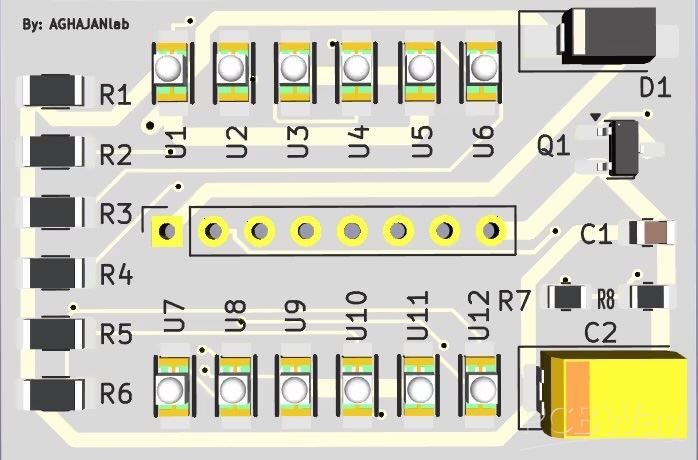
A major part of the project is the custom PCB for the power and control electronics. The board handles power distribution, MOSFET switching, PWM control, sensor connections, protection components, and the interface to the microcontroller. Since the system drives several amps of current, PCB layout is a critical part of the design. We are focusing on wide copper paths, proper grounding, thermal management, decoupling, and safe high-current routing to make the system reliable and safe. For the main power board, we are planning to use 2 oz copper on the outer layers and 1 oz copper on the inner layers to better support the higher-current paths and improve thermal performance.
One key design feature is the H-bridge used to drive the thermoelectric module. The H-bridge allows current to flow in either direction, which lets the same Peltier module provide both heating and cooling. Since the H-bridge is controlled with PWM, we are also designing an output filter to smooth the switching waveform before it reaches the thermoelectric module. This helps reduce current ripple, electrical noise, and unnecessary stress on the TEC while still allowing efficient power control.
The software side of the project will include microcontroller code for reading temperature sensors, generating PWM control signals, switching between heating and cooling modes, and regulating the chamber temperature through closed-loop feedback. We are planning to begin the main code development within the next day or two. In the meantime, we have shared our GitHub repository so the project structure, design files, and future code updates can be followed as the build progresses.
We have also included the bill of materials files and Gerber files for both boards in the Box folder shared with PCBWay. These files include the manufacturing outputs needed to review the PCB designs and the BOMs needed to understand the components used in each board. As the project progresses, we are happy to provide updated files, build photos, and testing videos.
This project is useful because many electronic components behave differently at low and high temperatures. Parameters such as MOSFET resistance, sensor accuracy, amplifier offset, battery behavior, and timing characteristics can all shift with temperature. Commercial thermal chambers are often expensive, so our project aims to create a more accessible chamber for student labs, prototyping, and electronics testing.
At this stage, we have completed much of the electrical and mechanical design work and have recently ordered the main components for the physical build. We do not yet have the completed hardware assembled, but we expect to begin the physical build within the next two weeks. We would be happy to share photos and videos of the assembly process, PCB testing, chamber construction, and final operating system once the build begins. Upon completion, we can also provide a video demonstrating the chamber working, including the H-bridge control, filtered TEC drive, software control, and temperature regulation behavior.
With PCBWay support, we would be able to manufacture reliable custom PCBs for the power and control electronics. Professionally fabricated boards would improve safety, reduce wiring errors, handle current more effectively, and make the final system much cleaner and more robust than a breadboard or hand-wired prototype.
Overall, this project combines thermal design, embedded systems, power electronics, PCB layout, software development, and control systems into one complete engineering build. It is an excellent opportunity to create a practical testing tool while improving our understanding of real-world electronics performance under temperature variation.
Apply for sponsorship >>- Comments(1)
- Likes(2)